
Grayscale: From Miners to Stakers — The Evolution of Ethereum's Security
TechFlow Selected TechFlow Selected
Grayscale: From Miners to Stakers — The Evolution of Ethereum's Security
Ethereum stakers are primarily motivated by potential capital gains from price appreciation rather than income returns.
 Navigating Web3 tides with focused insights
Authors: Zach Pandl, Michael Zhao
Translation: Luffy, Foresight News
-
A key feature of public blockchains is that they operate without reliance on any centralized authority. To achieve this, blockchains use a set of algorithms and economic incentives known as consensus mechanisms.
-
The Bitcoin network is secured by miners using the Proof-of-Work (PoW) consensus mechanism, while Ethereum is secured by validators using the Proof-of-Stake (PoS) consensus mechanism. Unlike PoW, where miners secure the network through computational power, PoS requires participants to lock up tokens as a demonstration of "skin in the game."
-
Validators are rewarded for maintaining the blockchain. Thus, token holders who stake their assets and validate transactions can earn income. However, staking rewards are typically modest compared to price volatility of the underlying tokens.
Public blockchains have created an unprecedented new form of digital commerce based on open, decentralized architectural platforms. Unlike corporations overseen by boards and governed by law, public blockchains are distributed computer networks protected by cryptography and economic incentives. The mechanisms used to coordinate these economic incentives and keep the network functioning are arguably the core innovation of blockchain technology.
Proof-of-Stake vs. Proof-of-Work
Blockchains store identical information across every node in the network. To reach agreement on what data should be recorded, nodes must achieve consensus without help from a central authority. Therefore, each public blockchain includes a “consensus mechanism”—a normative decision-making algorithm based on economic incentives that enables nodes to agree.
Bitcoin’s consensus mechanism is called Proof-of-Work (PoW). Under PoW, specialized service providers known as miners compete to solve computational puzzles. The winning miner gains the right to update the blockchain and receives a token reward. These puzzles are solved through brute force (i.e., repeated guessing), requiring significant resources including upfront capital expenditure and ongoing electricity costs. Solving the puzzle thus proves to other network participants that the winning miner has a substantial economic stake, making them trustworthy custodians of the blockchain. Miners are compensated with token rewards for their services.
Ethereum originally used the same PoW algorithm as Bitcoin but transitioned in 2022 to a new consensus mechanism called Proof-of-Stake (PoS). This approach also relies on economic incentives; however, instead of solving energy-intensive computational problems, network participants demonstrate their economic stake by “staking” ETH tokens. Validators are responsible for verifying transactions and updating the blockchain. Those who properly fulfill these duties receive additional token rewards, while those who act against the blockchain's interests are penalized through the slashing of their staked tokens. Because validators' economic interests are aligned with the health of the blockchain, they can be trusted to verify transactions and maintain the network. Unlike mining, staking consumes minimal electricity, leading some to view it as a more environmentally sustainable consensus mechanism.
Although Bitcoin remains the largest public blockchain by market capitalization, PoS networks have grown increasingly popular. For example, over half of the protocols in our Currencies category and Smart Contract Platforms category use PoS consensus mechanisms. By market cap, PoS-based blockchains account for approximately 30% of the total market value within these crypto asset categories, and about 90% excluding Bitcoin (Chart 1).
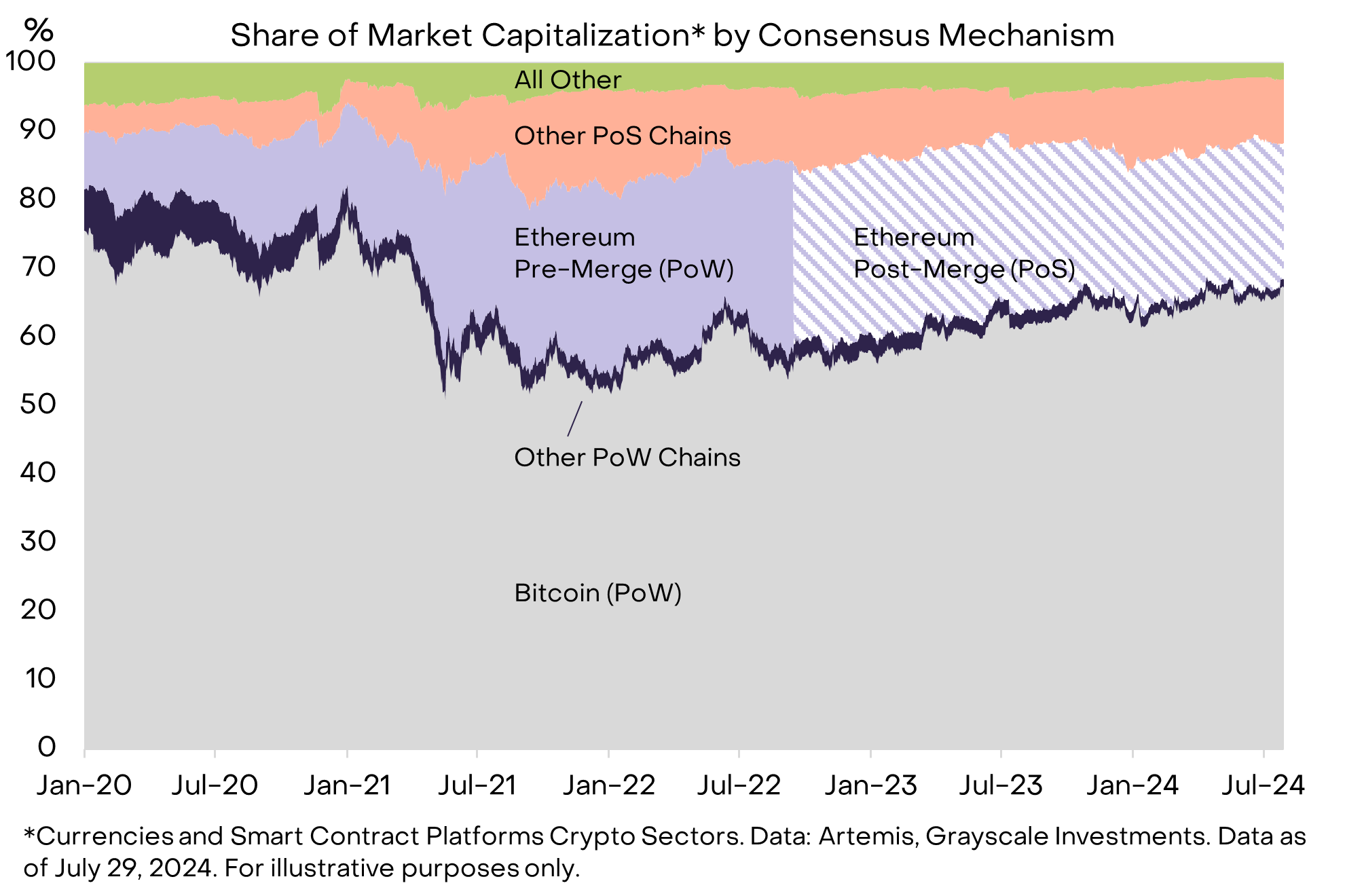
Figure 1: After excluding Bitcoin, PoS is the dominant consensus mechanism
Ethereum Transactions and the Role of Validators
On PoS blockchains like Ethereum, validators are responsible for verifying that all transactions comply with network rules. Without validators, the blockchain cannot function.
To better understand the role of validators, it helps to examine how Ethereum transactions work. As shown in Figure 2, an Ethereum transaction involves roughly eight steps. While users initiate transactions and certain steps may involve other specialized service providers, most steps require active participation from validator nodes. Since all Ethereum transactions (and other state changes) are executed through coordinated actions by validator nodes, validators effectively run the blockchain.
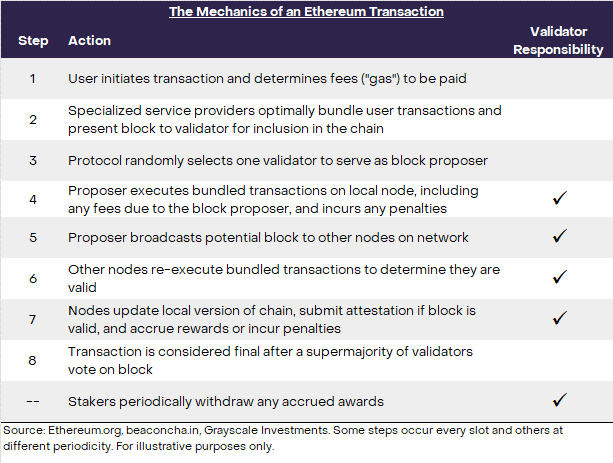
Figure 2: Validator nodes are responsible for processing transactions
In return for providing these services, validators receive token rewards funded by user fees and newly issued tokens. On Ethereum, fees are split into base fees and priority fees (tips). Base fees are automatically burned by the network, designed to benefit all users by reducing token supply. In addition to newly issued ETH, validators also receive the priority fees paid by users in transactions (Figure 3).
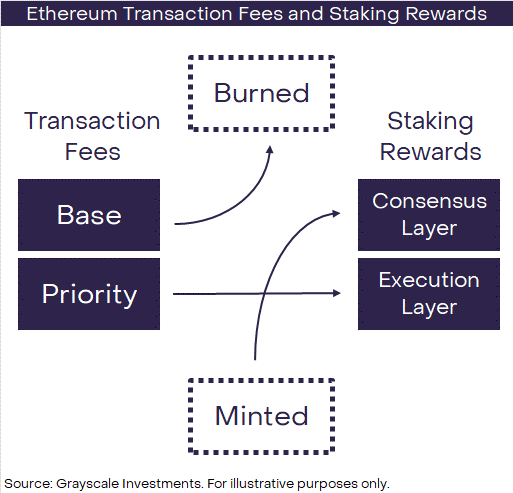
Figure 3: Ethereum staking rewards come from priority fees and new issuance
Staking Rewards and Income
Due to token rewards, stakers can generate potential income from their assets. In traditional markets, the closest analogy might be agricultural land. Land itself has market value, which may rise or fall over time, but it can also produce income through crop cultivation. Just as staking rewards compensate validators for securing the blockchain, crops can be seen as compensation for farming the land. In both cases, asset owners provide useful services and generate service-based income.
Currently, Ethereum stakers earn an average annual return of 3.1% (Chart 4). According to data provider Allium, Ethereum’s staking yield has trended downward over time as the amount of staked supply increases (the protocol offers higher yields when staking supply is lower to incentivize participation). Daily fluctuations in staking rewards also reflect changes in network congestion and priority fees: when network traffic rises, users typically pay higher fees to gain priority transaction access.
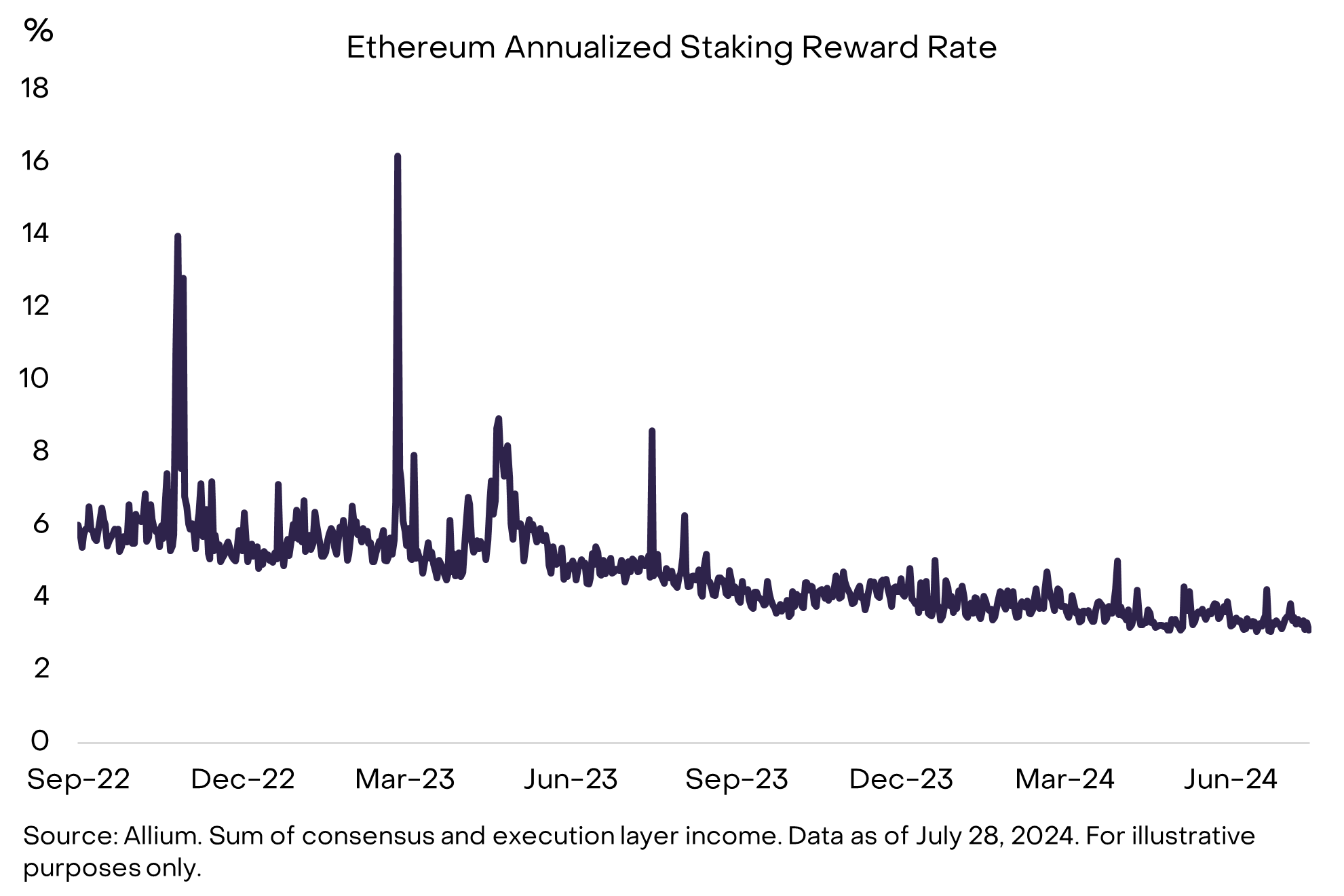
Figure 4: Ethereum stakers currently earn around 3% annualized returns
For Ethereum holders who stake their tokens and provide validation services, staking rewards can be viewed as a source of income. For instance, since early 2023, the spot price of ETH has increased by 173%. During this period, we estimate staking rewards yielded approximately 4.5% annualized. Therefore, the total return for Ethereum stakers—including price appreciation and staking income—would have reached 192% (Chart 5), assuming validators fully performed their duties (capturing all rewards without penalties) and paid no third-party fees.
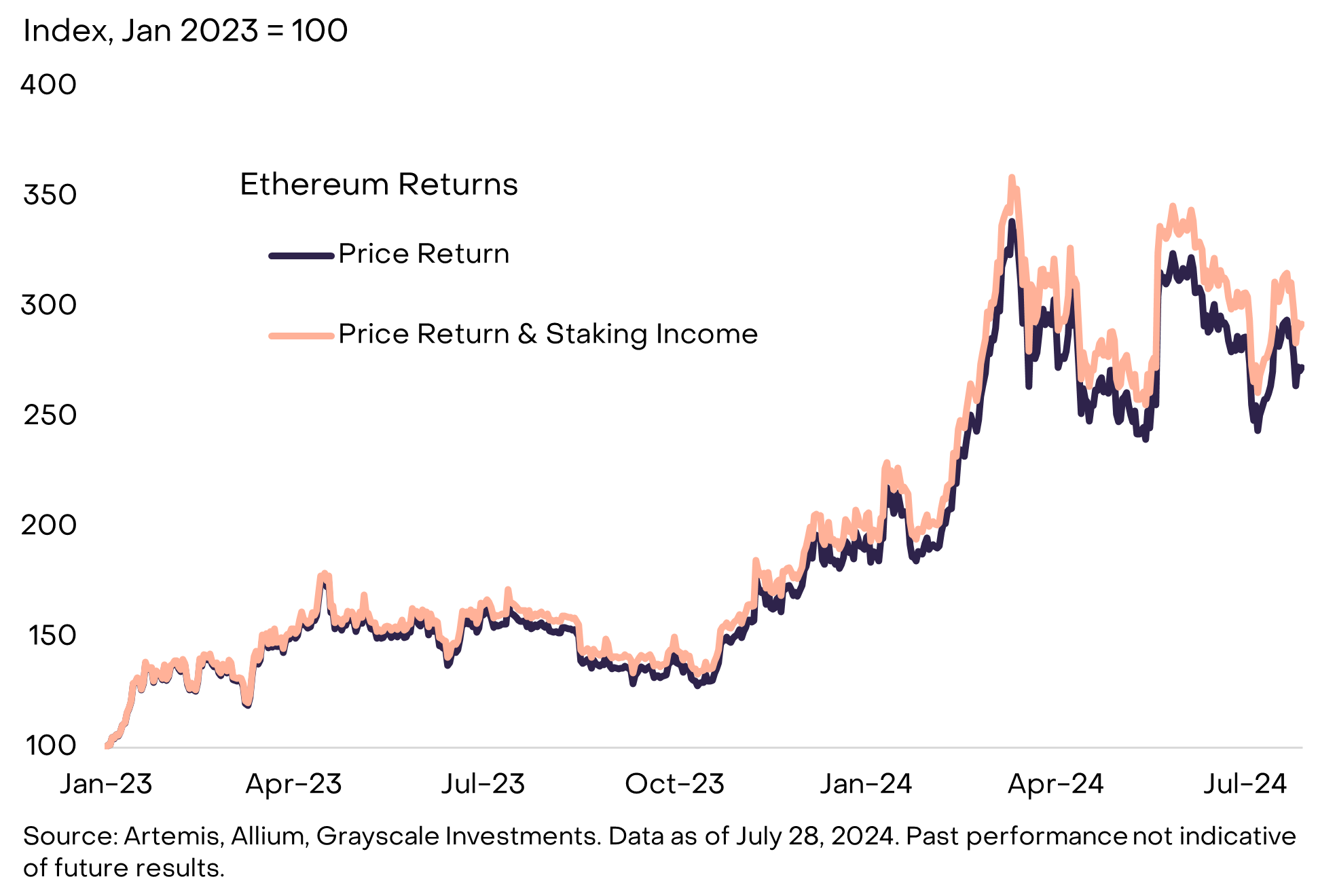
Figure 5: Staking rewards can be considered asset income
While staking rewards can enhance returns for token holders relative to other assets, the yield remains low relative to its volatility. In other words, investors should view the token’s price movement—not staking rewards—as the primary source of risk and potential return. For example, Chart 6 compares Ethereum’s staking yield relative to its volatility against carry trades in various currency markets and dividend yields of certain stock indices. Ethereum’s staking yield relative to its price volatility is relatively low, comparable to dividend yields of U.S. equity indices. Such investments are typically held primarily for potential capital gains from price appreciation rather than income generation.

Figure 6: Ethereum staking yield is low compared to other volatile assets
Staking yields vary significantly across different PoS blockchains. For example, several smaller networks (by market cap) offer nominal staking yields of 10%-20% (Figure 7). However, it’s important to remember that staking rewards are typically funded through a combination of transaction fees and new token issuance. In many cases, high staking yields are only possible when token supply inflation is high, which could negatively impact price performance. Therefore, investors should also consider real (inflation-adjusted) staking yields—just as analysts typically assess real interest rates in bond or money markets. Ethereum’s supply growth is close to zero, so its nominal and real staking yields are roughly equal at about 3%. By contrast, while Filecoin (FIL) offers a 23% nominal staking yield, the circulating supply is expected to increase by 20% over the next year, implying a real staking yield of just 3% (Figure 7).
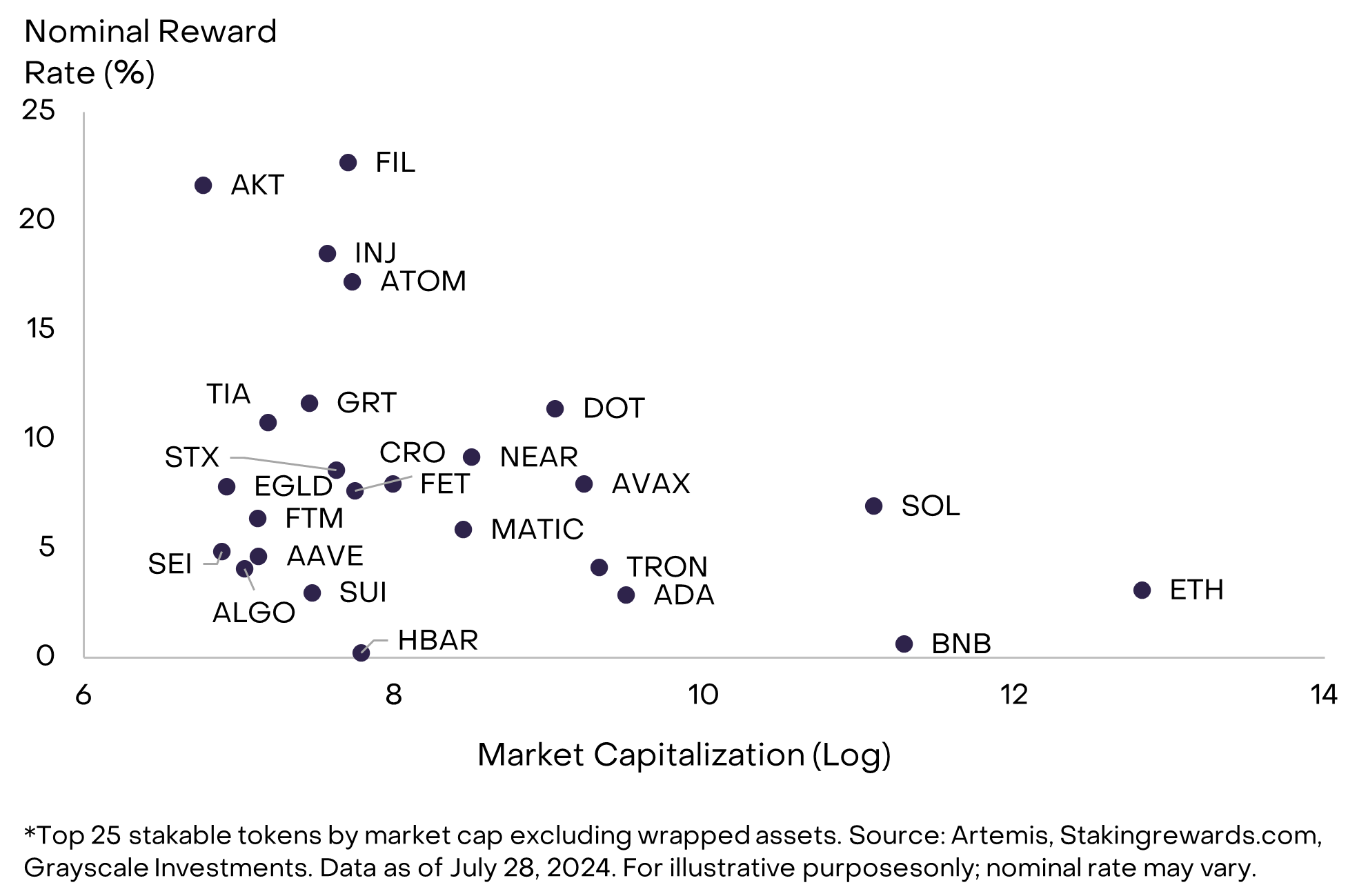
Figure 7: High nominal yields often come with high inflation
Conclusion
Consensus mechanisms are to blockchains what laws and property rights are to traditional enterprises—essential foundations. As the crypto industry evolves, Grayscale Research expects PoS consensus and staking to become increasingly important components of the ecosystem. While staking yields are typically modest compared to crypto asset price volatility, they can serve as a supplementary income stream over time, prompting many token holders to participate as validators to earn these rewards.
Join TechFlow official community to stay tuned
Telegram:https://t.me/TechFlowDaily
X (Twitter):https://x.com/TechFlowPost
X (Twitter) EN:https://x.com/BlockFlow_News
 @Grayscale