Layer3 Revolution: A Paradigm Shift in Blockchain Development and Utility
TechFlow Selected TechFlow Selected
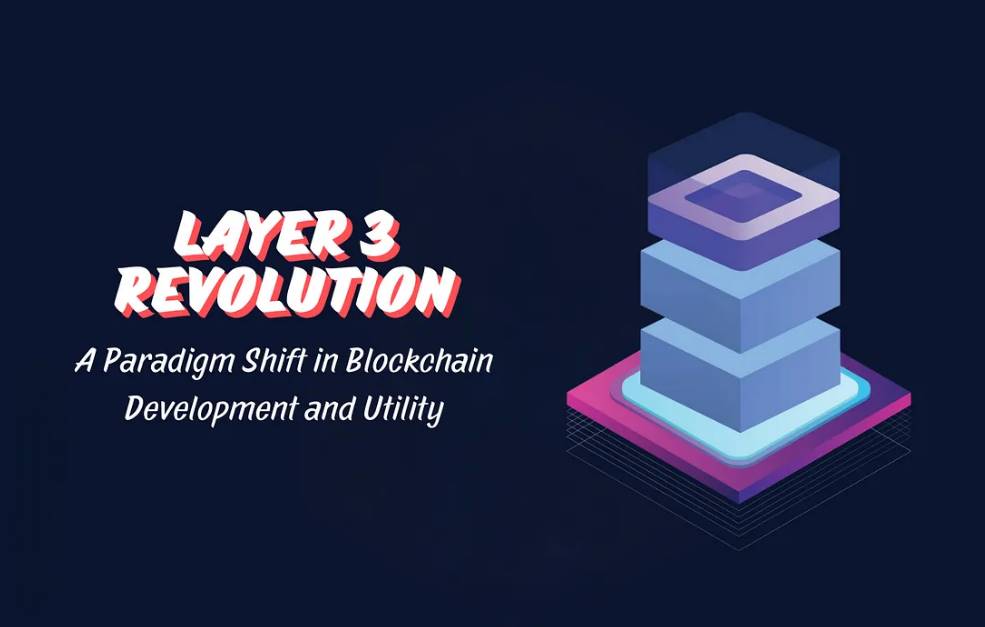
Layer3 Revolution: A Paradigm Shift in Blockchain Development and Utility
Layer3 represents the evolution of the blockchain application layer, driving innovation across multiple industries such as finance and gaming.
 Navigating Web3 tides with focused insights
Written by: Emily George
Translation: Baishuo Blockchain
Layer3 represents the latest evolution in blockchain technology, bringing numerous new possibilities and opportunities. As discussions within the crypto community around Layer3 intensify, understanding the driving forces behind its emergence becomes crucial. From the growing demand for scalability and efficiency to the increasing need for user-friendly applications, Layer3 addresses some of the most pressing challenges currently faced by blockchain developers.
1. Understanding the Importance of Layer3
At its core, Layer3 represents the application layer of the blockchain protocol stack—the critical component bridging complex blockchain infrastructure with end users. By leveraging the security of Layer1 and the efficiency of Layer2, Layer3 enables the creation of intuitive, user-centric applications that fully unlock the potential of blockchain technology. This paradigm shift marks a significant milestone in the ongoing evolution of blockchain development, opening new pathways for innovation and growth.
To fully grasp the significance of Layer3, it's essential to understand how it differs from its predecessors, Layer1 and Layer2. While Layer1 provides the foundational infrastructure for blockchain networks and Layer2 solutions focus on scalability and throughput, Layer3 elevates these capabilities to a new level. By prioritizing user experience and accessibility, Layer3 applications offer a degree of functionality and convenience previously unimaginable, ushering in a new era of blockchain adoption and utility.
Building applications on Layer3 offers developers a unique opportunity to create scalable, user-friendly solutions that harness the security of Layer1 and the efficiency of Layer2. This innovative approach fosters enhanced interoperability and reduced transaction costs, driving the development of next-generation blockchain solutions.
2. Building Blocks: The Layers of the Blockchain Ecosystem
1) Defining the Foundational Role of Layer1
Layer1 serves as the bedrock of blockchain technology, providing the fundamental infrastructure required for decentralized networks to operate securely. It handles core functions such as transaction processing and data storage, ensuring the integrity and immutability of the blockchain ledger. Without Layer1, the entire blockchain ecosystem would lack the foundation necessary for effective operation.
2) Exploring Scalability and Efficiency through Layer2 Solutions
Layer2 solutions address one of the most pressing challenges facing blockchain networks: scalability. By processing transactions off-chain, solutions such as payment channels and sidechains alleviate congestion on the main blockchain network, thereby increasing transaction throughput and overall efficiency. These innovative approaches play a crucial role in expanding the capabilities of blockchain technology and meeting growing user demands.
3) Introducing Layer3 as the Application Layer
Layer3 represents the evolution of blockchain technology, focusing on developing user-friendly applications that unlock the full potential of decentralized networks. By leveraging the security of Layer1 and the efficiency of Layer2, Layer3 applications provide intuitive interfaces and advanced functionalities, making blockchain technology more accessible to mainstream users. This shift toward user-centric design marks a significant milestone on the path to widespread blockchain adoption.
3. The Rise of Layer3: Market Dynamics and Adoption Trends
The surge in discussions around Layer3 within the cryptocurrency community signals a major shift in the landscape of blockchain development. This growing interest reflects an increasing recognition of Layer3’s potential to fundamentally transform how we interact with blockchain technology. As more projects and conversations emerge, it is clear that Layer3 is rapidly becoming a pivotal player in the evolution of the blockchain ecosystem.
Assessing the current market landscape of Layer3 projects reveals that interest in this technology is not confined to any single region. While Eastern markets such as China, Hong Kong, and South Korea have shown early enthusiasm for Layer3, Western markets are beginning to take notice—albeit at a slower pace. Nevertheless, despite varying adoption speeds across regions, the overall trend is evident: Layer3 is poised to become a central force shaping the future of blockchain development and application.
As the dynamics surrounding Layer3 continue to evolve, closely monitoring market trends and adoption patterns is crucial. With rising interest from both developers and users, Layer3 is well-positioned to drive innovation and reshape how we think about blockchain technology. By staying informed and actively engaging in discussions around Layer3, stakeholders can position themselves at the forefront of this paradigm shift in blockchain development.
4. Advantages of Layer3 Development
1) Reducing Transaction Costs through Off-Chain Processing
A revolutionary advantage of Layer3 development is the significant reduction in transaction costs enabled by off-chain processing. By executing certain transactions off-chain, Layer3 networks alleviate congestion on the main blockchain, resulting in lower fees for users. This cost reduction not only enhances the economic efficiency of blockchain transactions but also makes the technology more attractive to a broader audience, accelerating its adoption and usage.
2) Empowering Non-Technical Users
A key aspect of Layer3 development lies in its ability to empower non-technical users to easily interact with blockchain technology. Unlike the developer-focused nature of Layer1 and Layer2, Layer3 emphasizes creating user-friendly applications with intuitive interfaces. This accessibility is vital for mainstream adoption, enabling individuals without technical expertise to seamlessly participate in decentralized networks. By lowering the entry barrier, Layer3 opens the door to widespread adoption and integration of blockchain technology into everyday life.
3) Promoting Interoperability and Collaboration
Another notable advantage of Layer3 development is its role in fostering interoperability and collaboration between different blockchain networks. Layer3 networks act as bridges, enabling seamless communication and interaction across diverse blockchain platforms. This interoperability expands the utility of blockchain technology, allowing users to access a wider range of services and features across multiple networks. Moreover, it encourages greater innovation and cooperation within the blockchain industry, advancing the development of decentralized ecosystems.
5. Case Studies: Exploring Successful Implementations of Layer3
1) Xai Network: Transforming the Gaming Industry with Layer3 Technology
The Xai Network stands as a prime example of successful Layer3 implementation within the gaming industry. By integrating Arbitrum’s Layer3 technology, Xai has achieved significant improvements in scalability and cost reduction. Off-chain transaction processing greatly alleviates network congestion, resulting in faster transaction speeds and lower fees for users. This practical application of Layer3 technology demonstrates its potential to revolutionize gaming platforms, offering a glimpse into the future of decentralized gaming experiences.
2) zk.Link Nova: Empowering Decentralized Finance (DeFi) with Layer3 Solutions
Another compelling case is zk.Link Nova, a Layer3 project focused on enhancing decentralized finance (DeFi) applications. Leveraging the security of Layer1 and the efficiency of Layer2, zk.Link Nova enables seamless interoperability between blockchain networks. This interoperability facilitates cross-chain transactions and asset transfers, improving liquidity and accessibility in the DeFi space. By delivering secure and efficient solutions for DeFi platforms, zk.Link Nova showcases the transformative power of Layer3 in reshaping the financial landscape.
3) MetaMask and Portis: Simplifying Blockchain User Interfaces
Projects like MetaMask and Portis are leading the way in developing user-friendly wallets and interfaces, making blockchain technology more accessible to non-technical users. These platforms prioritize simplicity and ease of use, offering intuitive interfaces and seamless onboarding experiences. By bridging the gap between complex blockchain technology and mainstream users, MetaMask and Portis play a crucial role in driving adoption and integration across industries. Their success underscores the importance of user-centric design in Layer3 application development.
6. The Future of Layer3: Opportunities and Potential Applications
1) Decentralized Finance (DeFi): A Key Arena for Layer3 Innovation
In the realm of decentralized finance (DeFi), Layer3 provides fertile ground for innovation and growth. As DeFi platforms and applications grow in popularity, Layer3 solutions have the potential to address critical challenges such as scalability, interoperability, and user accessibility. By enabling cross-chain transactions and seamless asset transfers, Layer3 technology can open new pathways for financial inclusion and innovation in the DeFi space. From decentralized exchanges to lending protocols, the future of DeFi is deeply intertwined with the development and adoption of Layer3 solutions.
2) Transforming Digital Identity Management
Layer3 also holds promising potential in digital identity management and authentication systems. Leveraging the security of Layer1 and the efficiency of Layer2, Layer3 networks can deliver robust solutions for identity verification and data privacy. This has profound implications for industries such as healthcare, finance, and e-commerce, where secure and reliable identity management is essential. By providing a trusted framework for digital identities, Layer3 technology can enable individuals to securely control their personal data while facilitating seamless interactions in the digital world.
3) Empowering Decentralized Autonomous Organizations (DAOs)
Looking ahead, Layer3 technology has the potential to revolutionize how decentralized autonomous organizations (DAOs) operate and govern themselves. By providing secure and efficient platforms for decentralized decision-making and consensus-building, Layer3 networks can enable communities to self-govern more effectively and transparently. This could lead to the emergence of new models of governance and collaboration, reshaping how organizations engage with stakeholders and operate in the digital age. As the concept of DAOs continues to evolve, Layer3 will play a pivotal role in driving their widespread adoption and success.
7. How to Get Started with Layer3 Development?
Embarking on the journey of Layer3 development may seem daunting, but fear not—with the right guidance, you can navigate its complexities and unlock the potential of this transformative technology. Let’s dive into the fundamentals of Layer3 protocols and their implementation to kickstart your journey.
1) Understanding the Foundations of Layer3 Protocols
Layer3 builds upon the foundations of Layer1 and Layer2, leveraging their security and efficiency to create user-friendly applications. Unlike earlier layers, Layer3 focuses on enhancing accessibility and scalability, making it ideal for a wide range of use cases—from decentralized finance (DeFi) to gaming. By understanding the fundamental principles of Layer3, you can appreciate its significance in revolutionizing blockchain development.
To delve deeper into Layer3 development, it’s essential to explore the wealth of resources and tools available to developers. Platforms such as Ethereum, Arbitrum, and zk.Link Nova offer robust frameworks and documentation for building on Layer3. Additionally, online communities and forums provide valuable insights and support for developers embarking on their Layer3 journey. By immersing yourself in these resources, you can acquire the knowledge and skills needed to bring your Layer3 projects to life.
2) Tips for Navigating the Complexities of Layer3 Development
When diving into Layer3 development, maintaining adaptability and an openness to learning is crucial. The field of blockchain technology is constantly evolving, and staying up-to-date with the latest developments is key to success. Experimentation and iteration are core principles of Layer3 development, so don’t hesitate to test new ideas and refine your projects. Collaboration with peers and industry experts can also provide valuable insights and support as you navigate the complexities of Layer3 integration.
Furthermore, prioritizing scalability and interoperability throughout the development process is essential for maximizing the potential of Layer3. By designing with scalability in mind and leveraging interoperability protocols, you can ensure seamless integration with existing blockchain networks and protocols. This proactive approach will position your Layer3 projects for long-term success in the ever-evolving landscape of blockchain development.
In conclusion, the emergence of Layer3 represents a significant paradigm shift in blockchain development, offering unprecedented opportunities for innovation and utility. By bridging the gap between security and efficiency, Layer3 protocols enable the creation of user-friendly applications with the potential to revolutionize industries ranging from finance to gaming. As developers continue to explore and implement Layer3 solutions, the future of blockchain technology looks brighter than ever, promising enhanced scalability, accessibility, and interoperability. Through proactive development, a willingness to collaborate, and a focus on scalability and interoperability, the possibilities of Layer3 are nearly limitless—paving the way for a decentralized future that empowers individuals and communities worldwide.
Join TechFlow official community to stay tuned
Telegram:https://t.me/TechFlowDaily
X (Twitter):https://x.com/TechFlowPost
X (Twitter) EN:https://x.com/BlockFlow_News
 @coinmonks