Uncovering Jesse Pollak: The Birth of Base Chain and the Secrets Behind Its Success
TechFlow Selected TechFlow Selected
Uncovering Jesse Pollak: The Birth of Base Chain and the Secrets Behind Its Success
Coinbase engineering prodigy Jesse Pollak once considered leaving the company, but ultimately created the popular Base chain.
 Navigating Web3 tides with focused insights
By Niamh Rowe, Fortune Magazine
Translated by Luffy, Foresight News
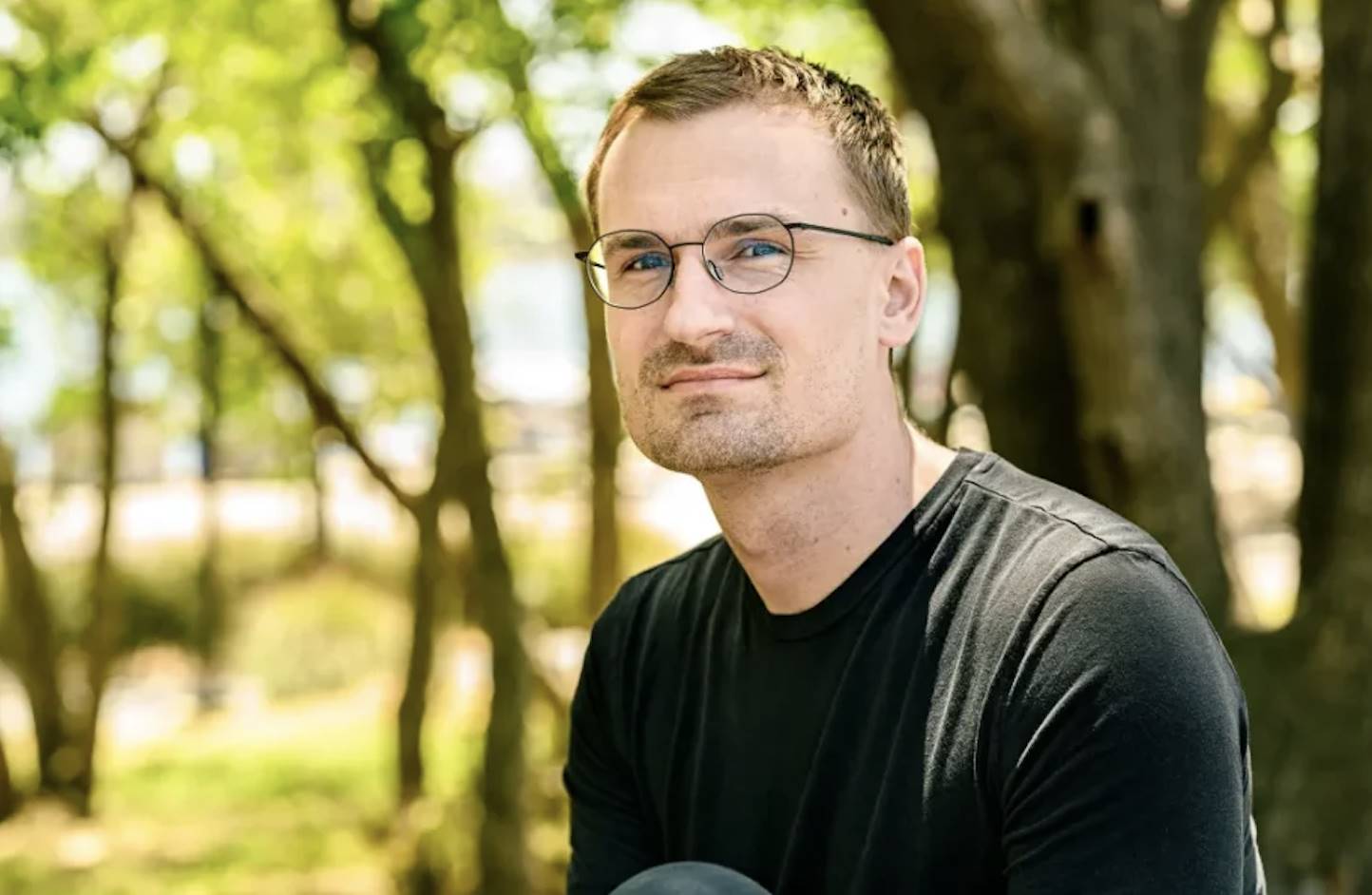
In 2021, Jesse Pollak was ready for a new challenge. After five years at Coinbase, where he rose through the ranks, growing his team from three to 250 people and leading the company’s consumer products, he began feeling the pull of entrepreneurship.

To retain the star engineer, CEO Brian Armstrong told Pollak: “Go figure out how to bring Coinbase onchain.” “Onchain” is a crypto term referring to activities that take place directly on a blockchain.
Faced with this mandate, Pollak first envisioned building a decentralized autonomous organization (DAO)—a quintessential crypto collective that relies on a loose network of mostly anonymous individuals to make decisions.
Standing before the executive team of the publicly traded Fortune 500 company, Pollak made his pitch: Could they allocate $1 billion and 60 employees to turn Coinbase into a DAO?
“They said, ‘We love your energy, but it’s misdirected,’” Pollak recalled with a laugh.
Next, he considered an advertising marketplace, then an app store, then identity applications. After a year and a half of experimentation, trying various possible solutions, Pollak realized one fundamental truth: “First, we need a real software platform.”
Thus was born Base, Coinbase’s own Layer 2 blockchain built atop Ethereum, which batches transactions and writes them to the main chain. Launched in August last year, Base has been widely regarded as a breakout L2 success. In the first quarter of 2024, Base processed twice the transaction volume of Ethereum, generating over $56 million in revenue. Major onchain applications on Base include Uniswap, Chainlink, and OpenSea.
“We’re redesigning the software stack because we’re rebuilding much of Coinbase’s functionality on this new platform,” Pollak explained in a video interview with Fortune from a child’s bedroom in Washington, D.C., where a mural of a tree painted by his father branches vibrantly behind him. But his ambitions extend far beyond: “We’re building the next-generation internet.”
“I feel like I was born to do this”
Pollak breaks the mold of most engineers—he’s talkative and passionate about higher ideals rather than mechanical minutiae. Having studied for 15 years at Quaker schools, he says values such as simplicity, community, equality, and stewardship continue to drive his work building Base.
Pollak’s entry into crypto was accidental. He had joined a startup developing passwords for tech companies, but it failed. Then he joined Coinbase as an engineer. He wasn’t passionate about cryptocurrency per se, but the company offered a path to work hard and build something meaningful.
“I never viewed crypto from a libertarian angle,” he said. “It was more like, ‘All the systems we have now are broken. What if we used this technology to improve them?’”
By 2023, Pollak had earned respect among blockchain veterans, gaining recognition among engineers, entrepreneurs, and influencers. But with the launch of Base, he’s now closer to being seen as a leader in the crypto world. “I feel like I was born to do this,” he said.
Base’s success owes much to Coinbase. The launch of the L2 gained instant credibility from its association with a major consumer-facing public company. Coinbase users are automatically onboarded to Base, and wallet users naturally migrate from there to other apps.
Tom Schmidt, partner at crypto venture firm Dragonfly, told Fortune: “The tight integration with Coinbase makes the whole thing sweeter.” “Very few people inside Coinbase truly understand crypto, and Jesse is one of them.”
Pollak believes the strength of the Base community rivals any brand recognition. He compares the mood among Base developers to the early Silicon Valley ethos. On Farcaster, a decentralized social media platform, developers interact within a channel with 240,000 members—the largest on the platform to date.
For Coinbase, owning its own blockchain network provides a revenue stream less dependent on crypto market cycles. This need for diversified income has also driven competitors like Kraken and Binance to build their own blockchains. However, unlike Base, these are not Ethereum-based L2s—the very architecture that helped Pollak’s project gain significant attention.
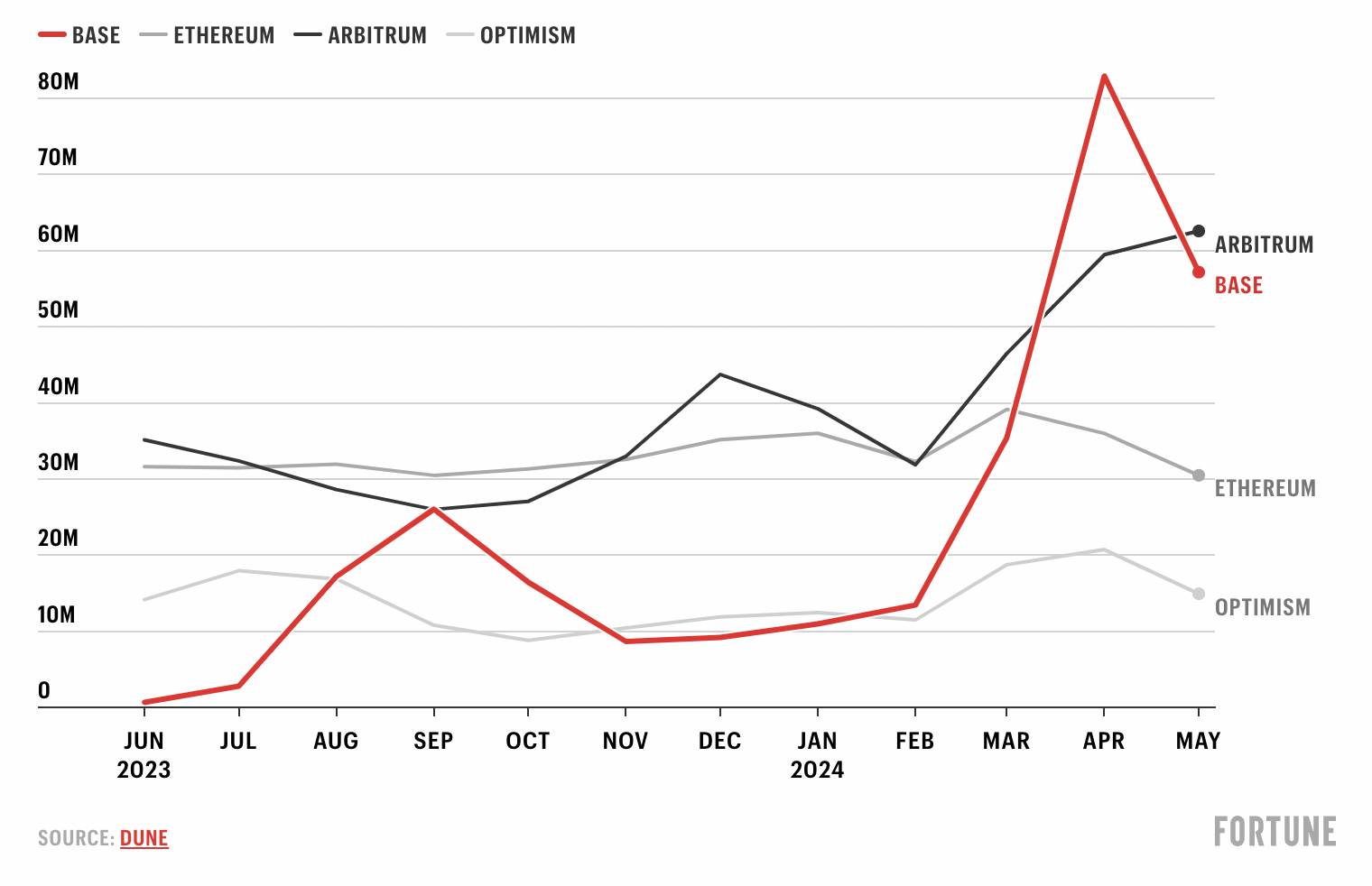
Monthly Transaction Volume Trends for L2s
Ryan Wyatt, head of the Optimism Collective—a community of blockchain builders—told Fortune that part of Base’s appeal lies in its ambition to become an interesting community. “Beyond finance, we’re starting to see all kinds of different consumer experiences emerge,” Wyatt said.
Traffic on Base is concentrated in social and gaming: nearly half of all SocialFi transactions occur on Base, according to a recent report by asset manager Franklin Templeton.
According to Base’s website, its ecosystem includes 353 applications. Currently, DeFi-related apps dominate, led by Uniswap and Jumper. But consumer-focused apps are gaining traction too. Friend.Tech has drawn attention by allowing users to buy “shares” in influencers to access private chat rooms: “Your network is your net worth.” Another popular app is Blackbird, a restaurant loyalty program that lets regulars accumulate native tokens and earn perks like welcome drinks.
Dragonfly’s Schmidt admitted he’s impressed by Base’s “non-corporate” vibe, which he attributes to Pollak.
“You need to show people something”
Coinbase’s CEO has been focused since 2022 on diversifying the company’s revenue streams. That year, Armstrong told CNBC, “We want to move away from just transaction fees and into subscriptions and services.”
That effort is paying off: in the first quarter of 2024, about one-third of Coinbase’s net revenue came from “subscriptions and services.” This includes interest income from its stablecoin USDC and staking revenue—helping customers lock up Ether to earn rewards. Meanwhile, Coinbase earns fees as custodian for eight spot Bitcoin ETFs and through Coinbase One, a subscription plan offering enhanced trading features to over 400,000 power users. During the worst of the last bear market, subscriptions and services served as a lifeline, contributing about half of the company’s revenue in early 2023.
But Base stands out as Coinbase’s truly crypto-native application. The $56 million in revenue it generated in Q1 came from payment-related income and “sequencer fees.” Think of the sequencer as the infrastructure that validates, orders, and bundles transactions on Base before publishing them to the L1. In return, the sequencer takes a cut of user fees, which Coinbase calls a “primary driver” of growth.
Coinbase CFO Alesia Haas told investors on the latest earnings call: “I want to highlight that Base’s unit economics are really strong.” As transaction volume grows—one of Coinbase’s key growth metrics—Base could “become a long-term significant contributor to our revenue and profits,” she said.
Still, Pollak acknowledges that bringing non-crypto users into the space remains a huge challenge. Convincing people shouldn’t be about politics or ideology, he argues—it should be about delivering high-quality products they’ll want to keep using. Later this summer, Base plans to launch an “Onchain Summer” campaign with major brands like Coca-Cola, giving away $2 million in prizes, grants, and credits to encourage new users.
“To really break through, you need to show people something,” he said. “We’ve gotten past that.”
Join TechFlow official community to stay tuned
Telegram:https://t.me/TechFlowDaily
X (Twitter):https://x.com/TechFlowPost
X (Twitter) EN:https://x.com/BlockFlow_News
 @FortuneMagazine