Top 5 Criminal Crimes in 2023: Which Ones Are Related to the Crypto Industry?
TechFlow Selected TechFlow Selected
Top 5 Criminal Crimes in 2023: Which Ones Are Related to the Crypto Industry?
This article focuses on the top five charges brought by procuratorial organs: the crime of dangerous driving, theft, aiding and abetting information network criminal activities, concealing or disguising criminal proceeds, and fraud.
 Navigating Web3 tides with focused insights
Author: Liu Zhengyao, Shanghai Manqin Law Firm
I. Introduction
Recently, the Supreme People's Procuratorate released the "White Paper on Criminal Prosecution Work (2023)," summarizing criminal prosecution work across China in 2023. It noted that in 2023, procuratorial organs nationwide accepted for review and arrest 1,209,052 criminal suspects, approving the arrest of 726,000 after review; they accepted for review and prosecution 2,511,263 criminal suspects, deciding to prosecute 1,688,000 after review—both figures showing an upward trend compared to previous years.
According to the Supreme Procuratorate:
In cases reviewed for arrest, theft, fraud, aiding information network criminal activities ("helping crime"), concealing or hiding criminal proceeds and gains from crime ("concealment"), and operating gambling establishments collectively accounted for 48.4%;
In cases reviewed for prosecution, dangerous driving, theft, helping crime, concealment, and fraud collectively accounted for 53.7%.
This means that in some dangerous driving cases, public security agencies directly adopted weaker compulsory measures such as bail pending trial; whereas in most fraud cases, suspects were transferred to the procuratorate for arrest review. In terms of volume, dangerous driving stands far ahead, leading the ranking by a significant margin.
We will conduct a big data analysis focusing on the top five charges prosecuted by procuratorial organs—dangerous driving, theft, helping crime, concealment, and fraud—and include operating gambling establishments, which ranked fifth in arrests and is also highly prevalent in the cryptocurrency community.
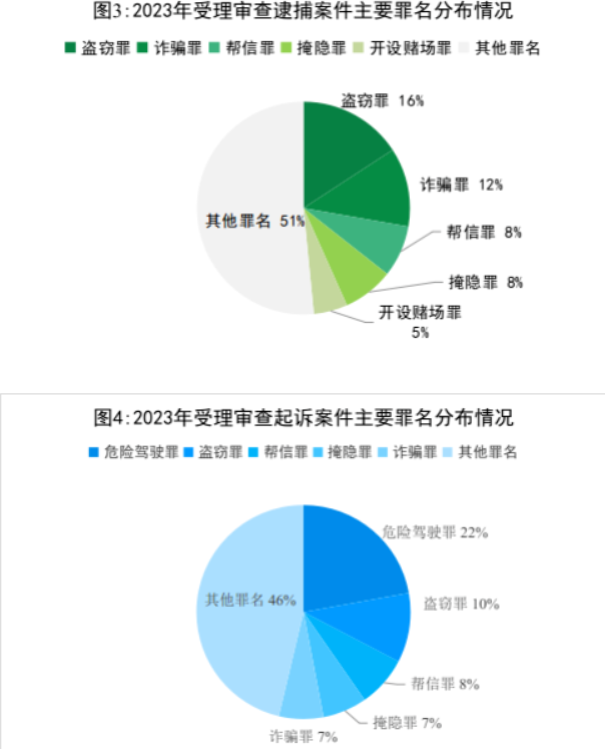
(Image source: Official WeChat account of the Supreme Procuratorate)
II. Analysis of Charges
(1) Dangerous Driving
Using the search tool Alpha, we found the following characteristics of dangerous driving offenses:
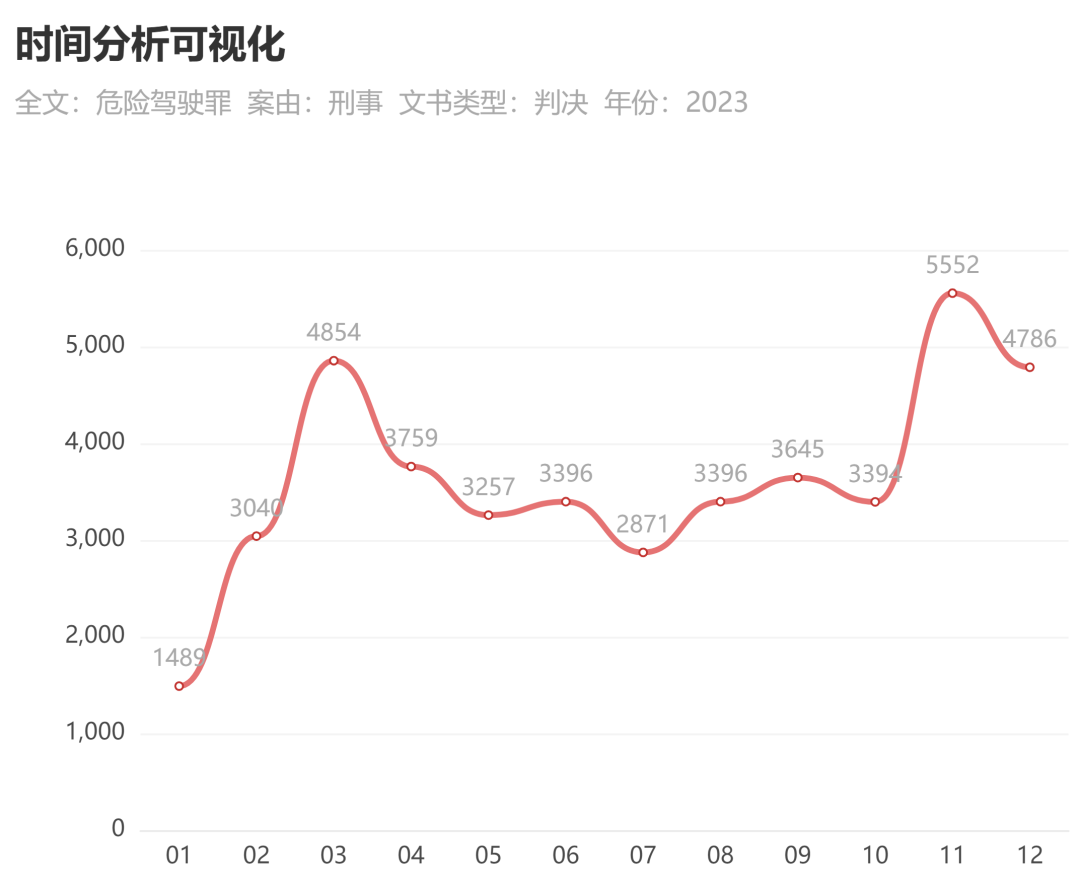
(Visualization images sourced from the alphalawyer platform, same below)
Throughout 2023, courts issued 43,439 publicly available judgments for dangerous driving, which is certainly lower than actual numbers due to the currently low rate of uploading criminal case rulings online.
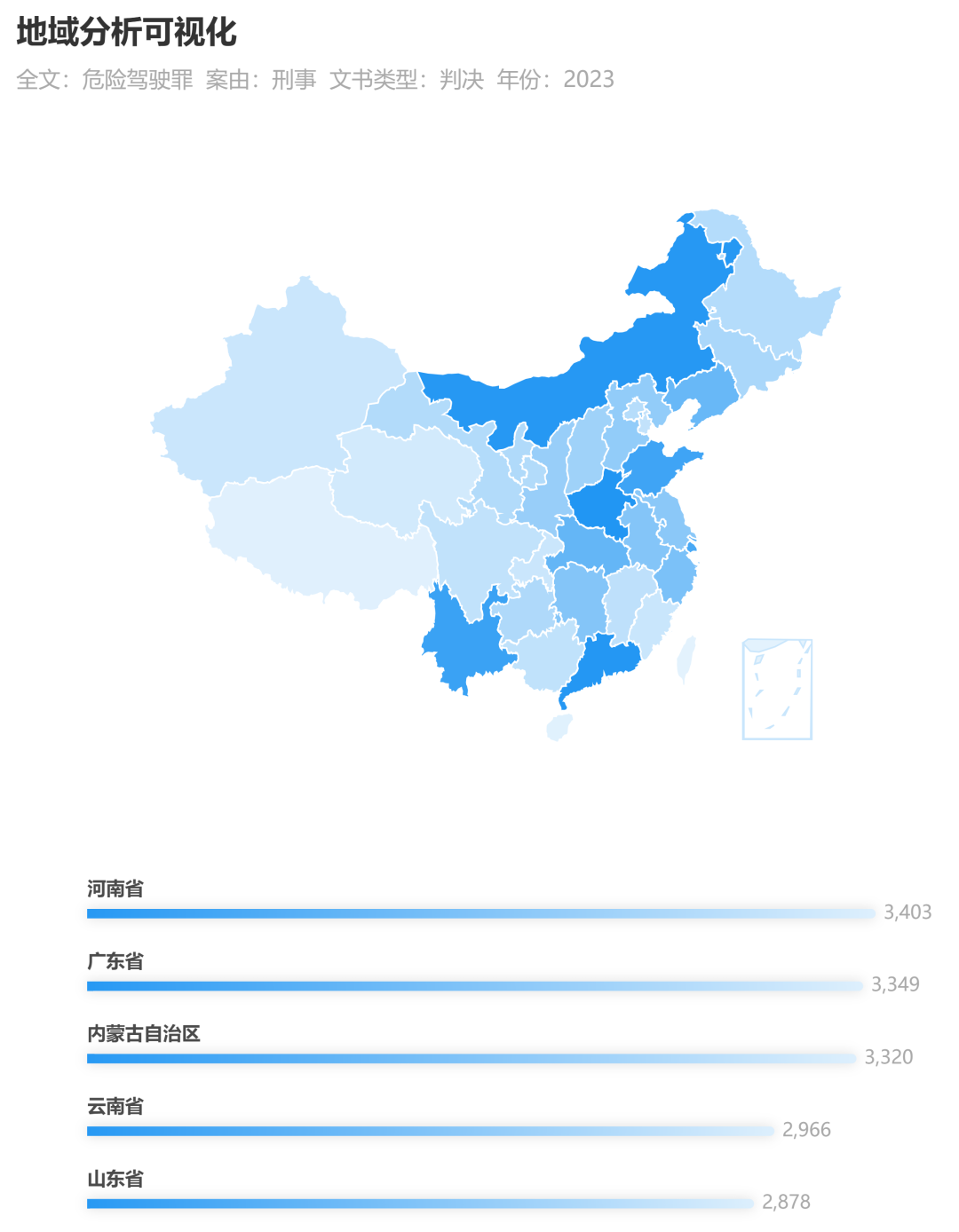
Geographically, Henan, Guangdong, Inner Mongolia, and other regions had higher numbers. The most common factor behind dangerous driving is drunk driving. This shows that despite over a decade of strict governance and crackdowns on drunk driving—even though “don’t drink and drive” has become a common saying at drinking gatherings—many people still risk breaking the law. This requires us to reconsider relevant criminological concepts: crime is a social phenomenon that cannot be eradicated simply by introducing regulations. Otherwise, it would be hard to explain why, even though everyone including children knows the principle of “a murderer must pay with his life,” many individuals still choose to defy criminal laws.
(2) Theft
In 2023, a total of 14,256 theft-related court judgments were published online nationwide—far fewer than real-world figures (multiplying this number by ten might not even suffice). Based on available data, the monthly distribution shows a steady upward trend, while geographically, Shanghai, Guangdong, and Henan rank in the top three.
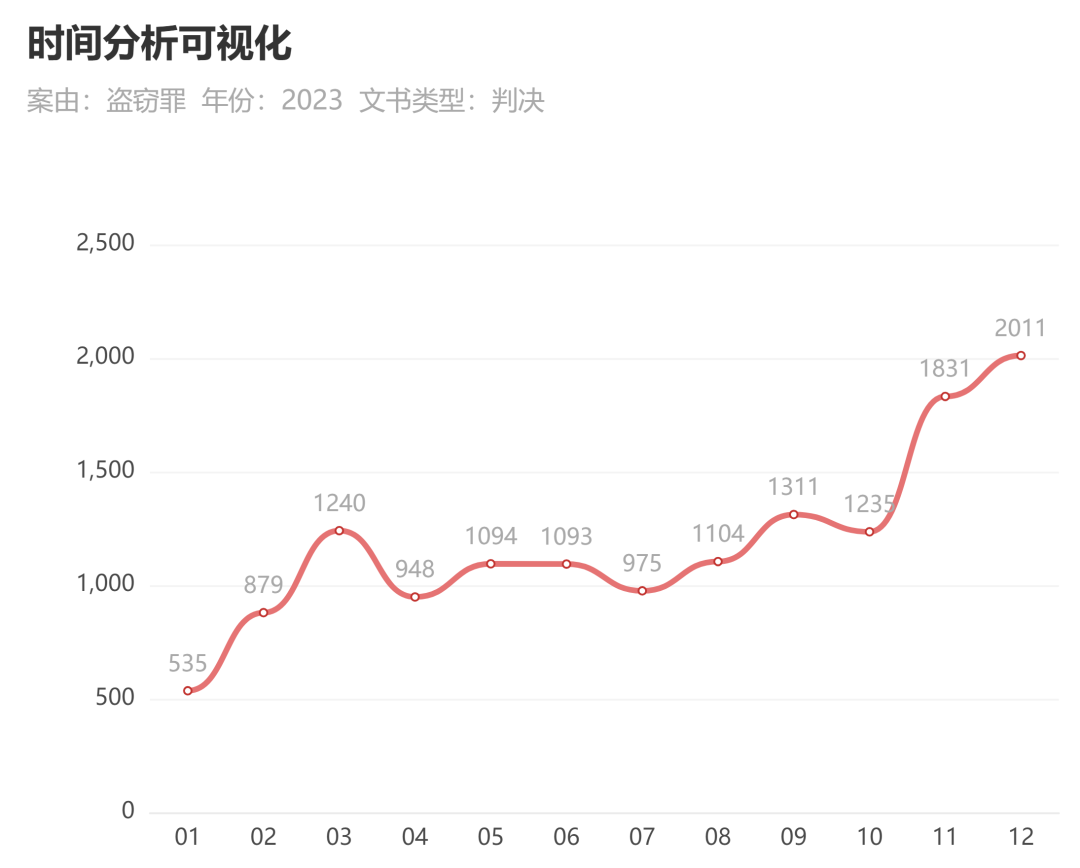
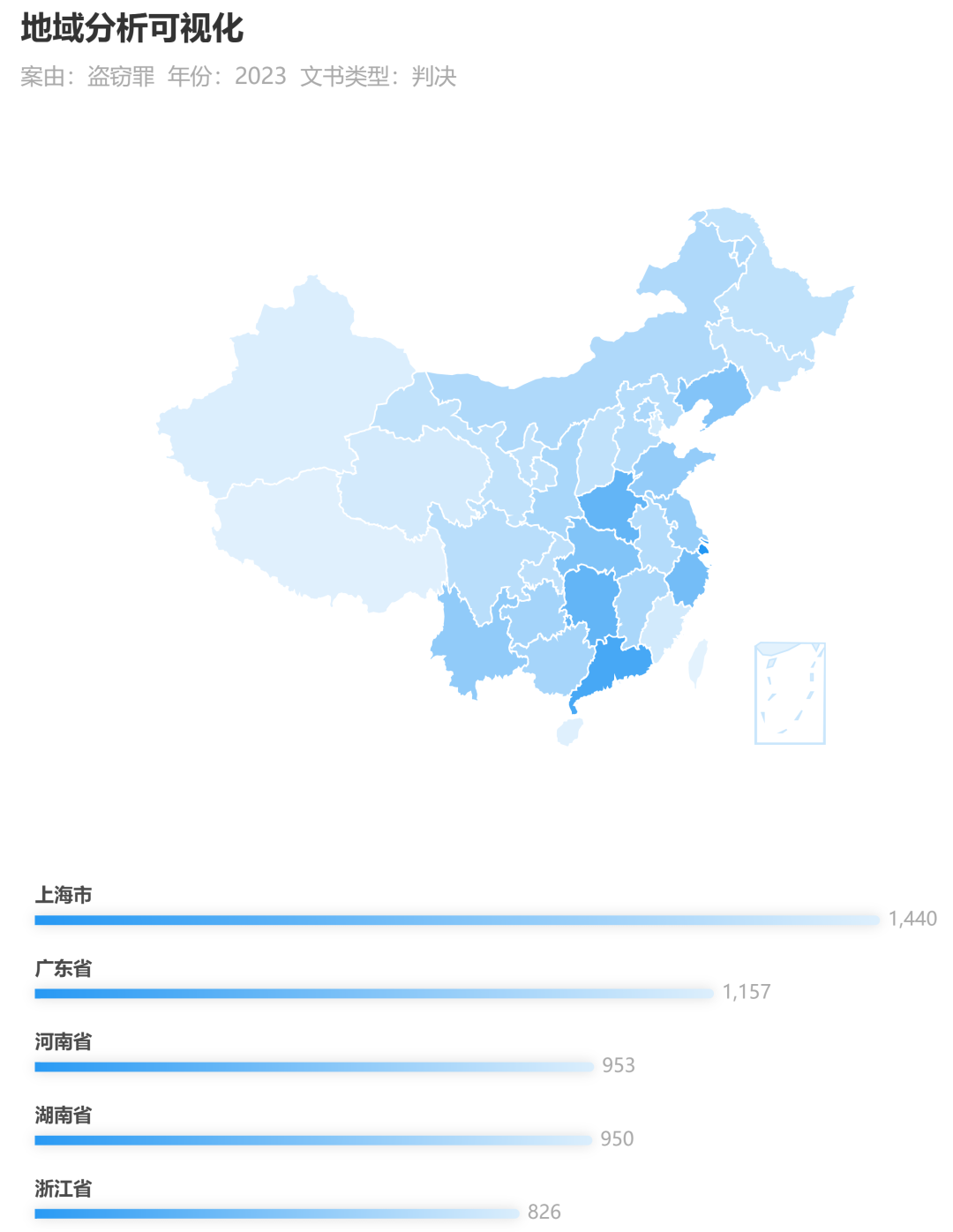
Through research, Attorney Liu found four cases related to Bitcoin under theft charges. Interestingly, none involved stealing Bitcoin itself. One judgment was particularly notable: the defendant was convicted of theft for stealing electricity to mine cryptocurrencies.
In reality, our team receives numerous consultations weekly, some involving stolen virtual currencies. Through our services, several clients have successfully filed police reports. As Bitcoin’s market value rises, incidents of virtual currency theft are bound to increase. Attorney Liu reminds everyone to securely store their digital assets using reliable wallets.
(3) Aiding Information Network Criminal Activities (Helping Crime)
The charge of helping crime began being widely used by judicial authorities around 2018, almost simultaneously with the “Card-Cutting Campaign.” Due to its low threshold for conviction (meaning less burden of proof for prosecutors) and a maximum sentence of only three years, it somewhat discourages aggressive defense strategies—since breakthrough outcomes like acquittal or reduced sentencing are rare. Of course, there are still many diligent defense attorneys in practice.
Data analysis shows that only 10,128 helping crime judgments were published online by courts in 2023—a figure clearly disconnected from reality, mainly because courts today are much less proactive in publishing rulings than before. Geographically, Shanghai, Hunan, and Henan published the most judgments.
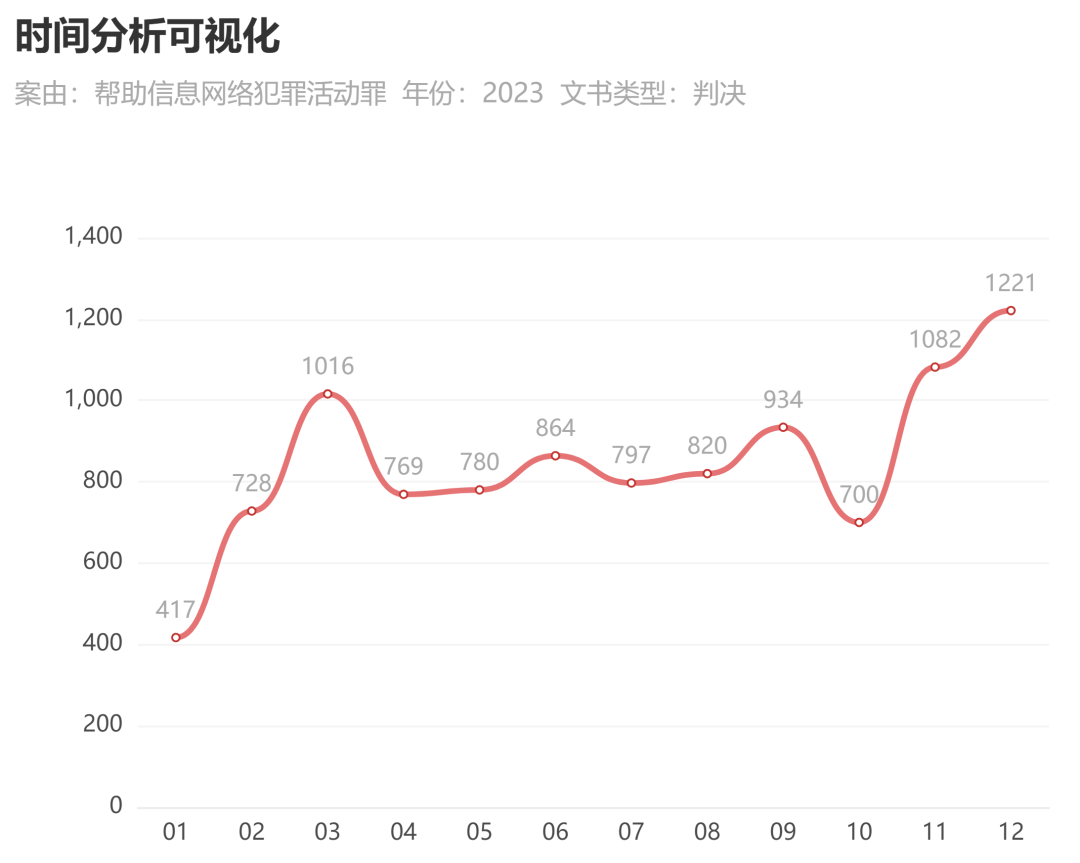
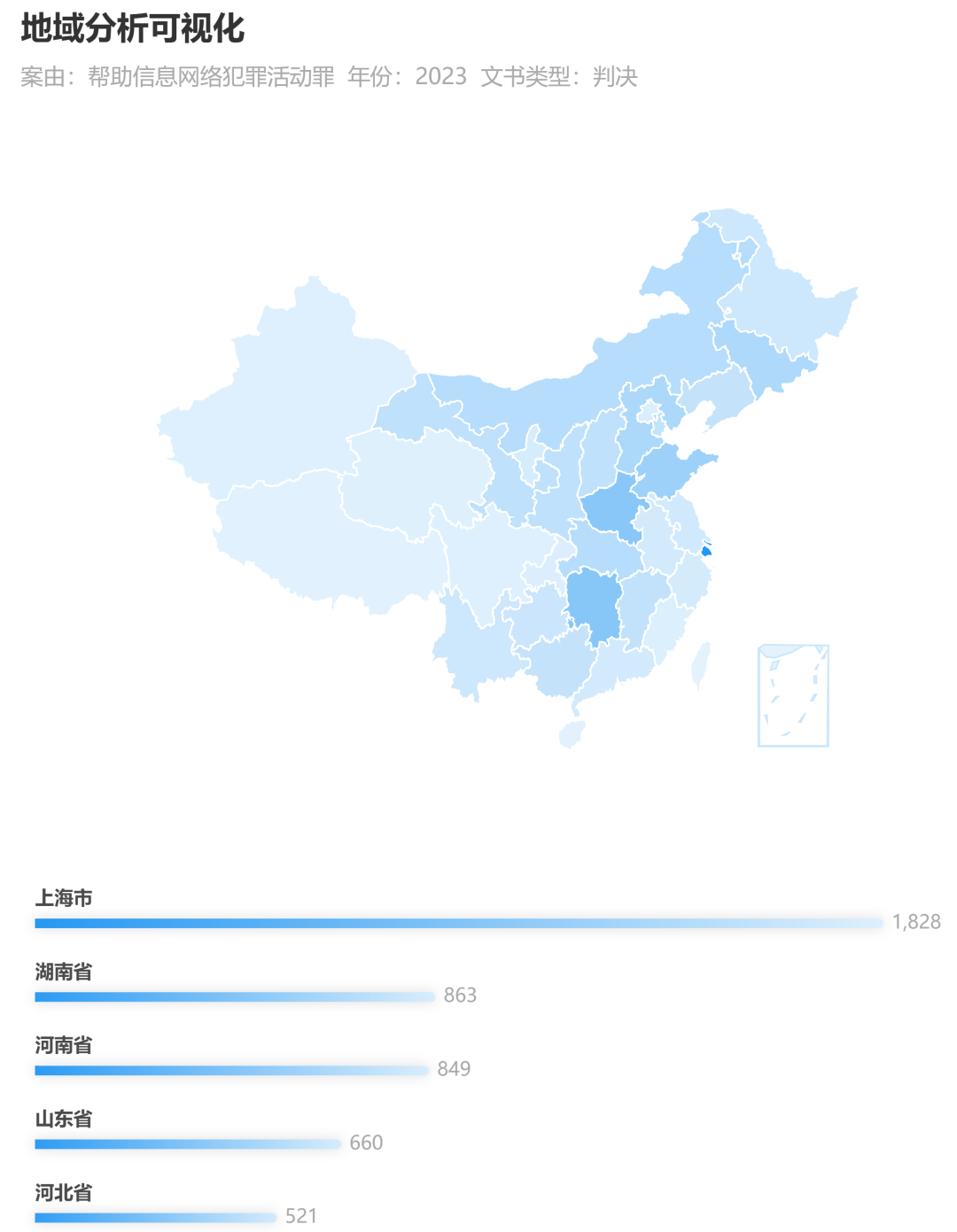
The connection between helping crime and the crypto community primarily involves OTC transactions using USDT and money laundering operations via cryptocurrency fleets. Attorney Liu consistently warns newcomers against lending their bank cards, phone cards, ID information, or assisting others in registering wallets or exchange accounts for small profits. Once involved with illicit funds or tainted USDT, one is almost certainly liable for helping crime.
(4) Concealing or Hiding Criminal Proceeds and Gains from Crime (Concealment)
Concealment can be seen as an “upgraded version” of helping crime. First, its burden of proof is slightly stricter than helping crime. Second, its maximum penalty is significantly higher. Among over 480 criminal charges in China’s Criminal Law, concealment has remained relatively stable, even showing a slight decline in recent years (only about 6,000 judgments published by courts in 2023). However, within the context of the ongoing “Card-Cutting Campaign,” its scale remains substantial, ranking fourth among charges brought by procuratorial organs nationwide—its significance cannot be underestimated.
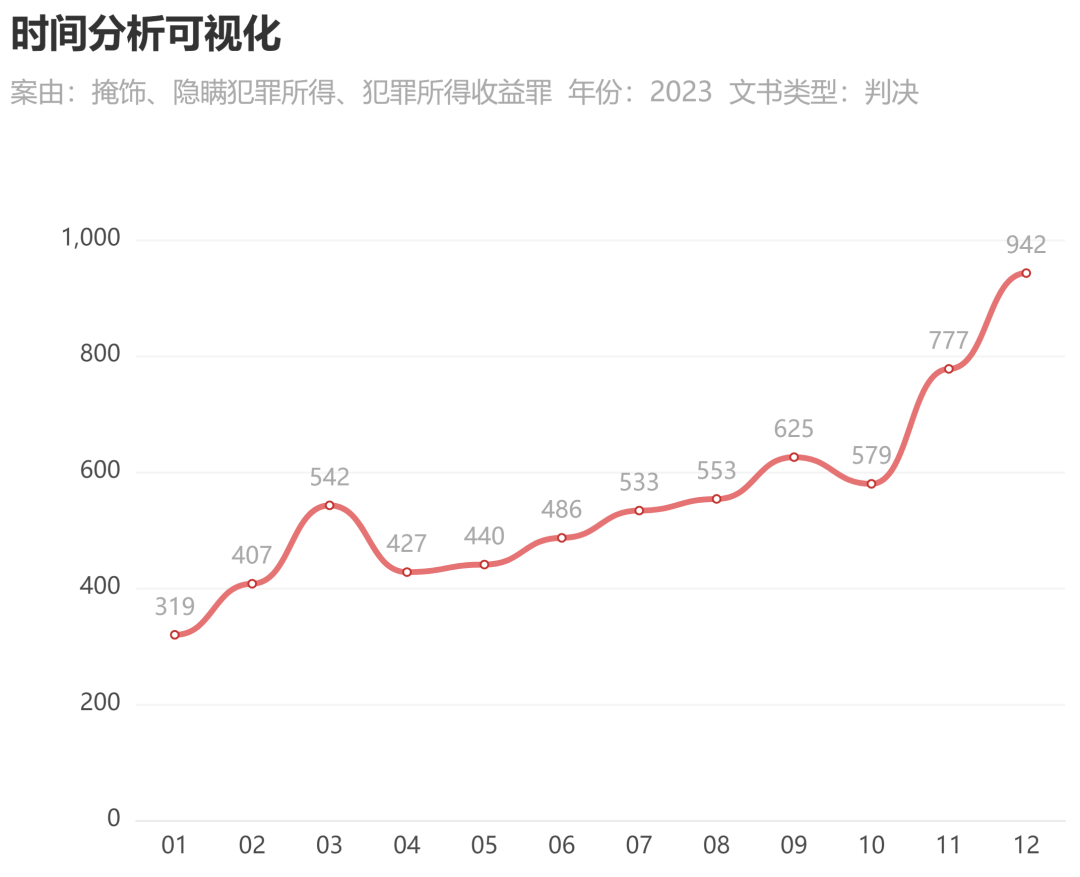
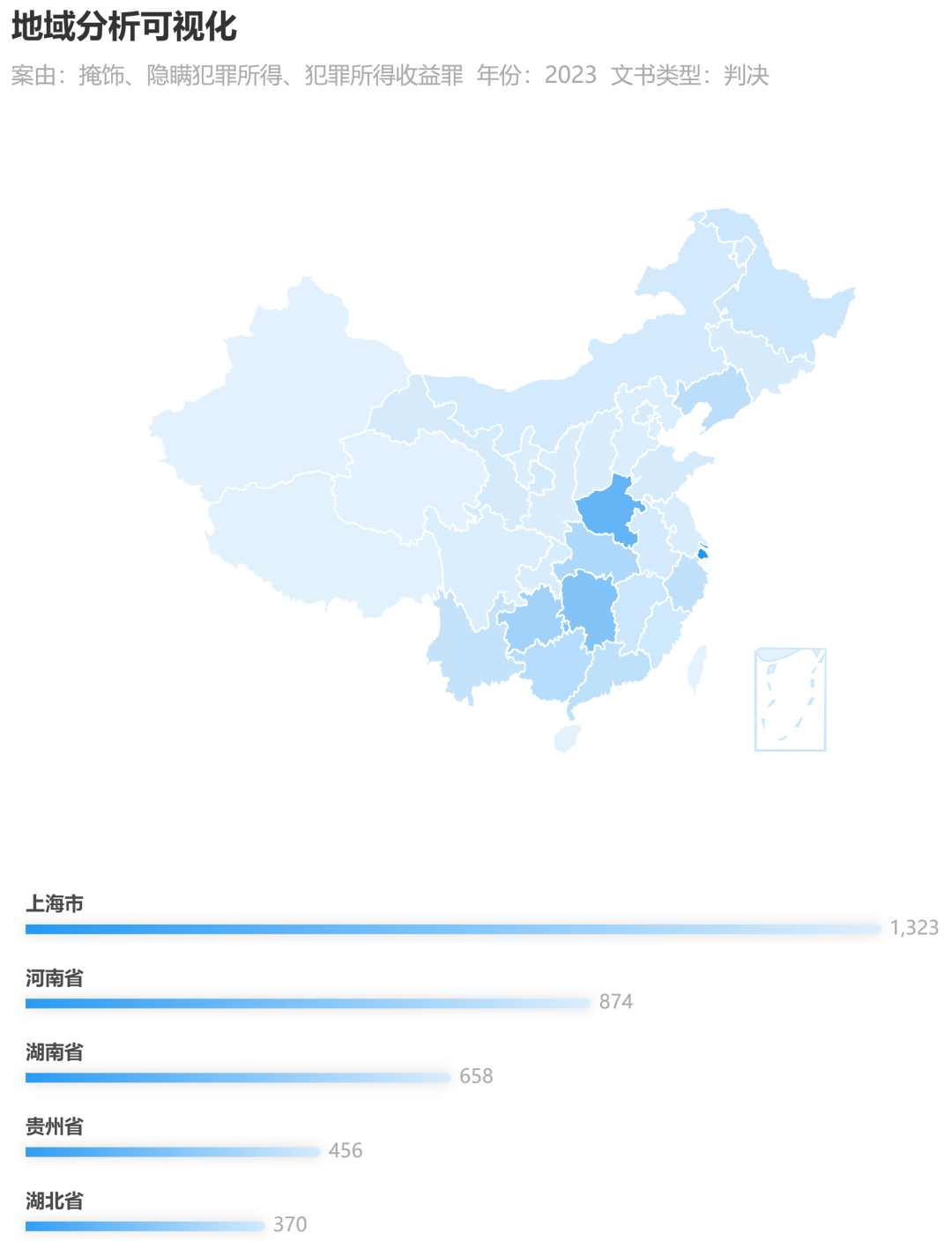
The relationship between concealment and the crypto world is largely similar to helping crime, except that beyond providing payment settlement support for other crimes, concealment includes additional acts such as face-scanning withdrawals, on-site cash collection, and direct fund transfers.
(5) Fraud
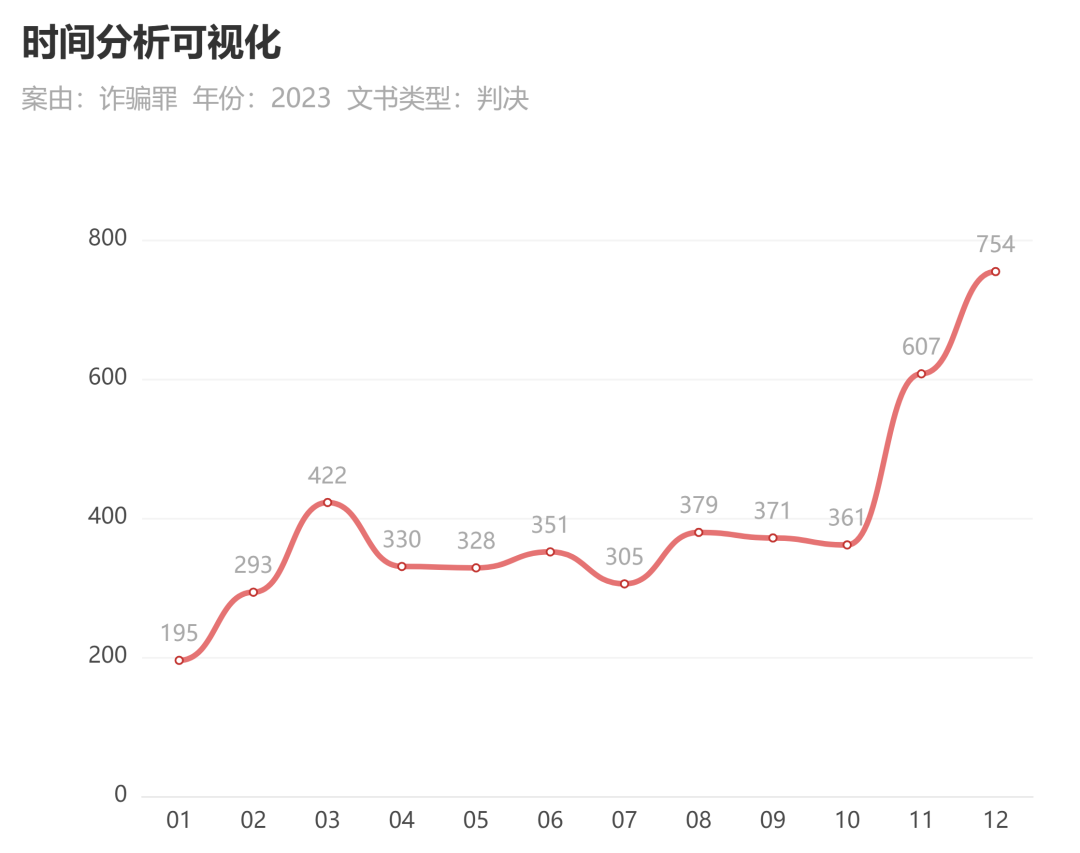
Fraud is considered a serious property crime. Under current standards, once the amount defrauded exceeds 500,000 RMB, the starting sentence is ten years’ imprisonment. In the crypto space, projects involving millions or even tens of millions are common. If deemed fraudulent by judicial authorities, consequences are naturally severe.
In 2023, only 4,696 fraud-related judgments were published online nationwide—again, vastly underrepresenting actual case volumes. Geographically, Shanghai, Henan, and Liaoning ranked in the top three.
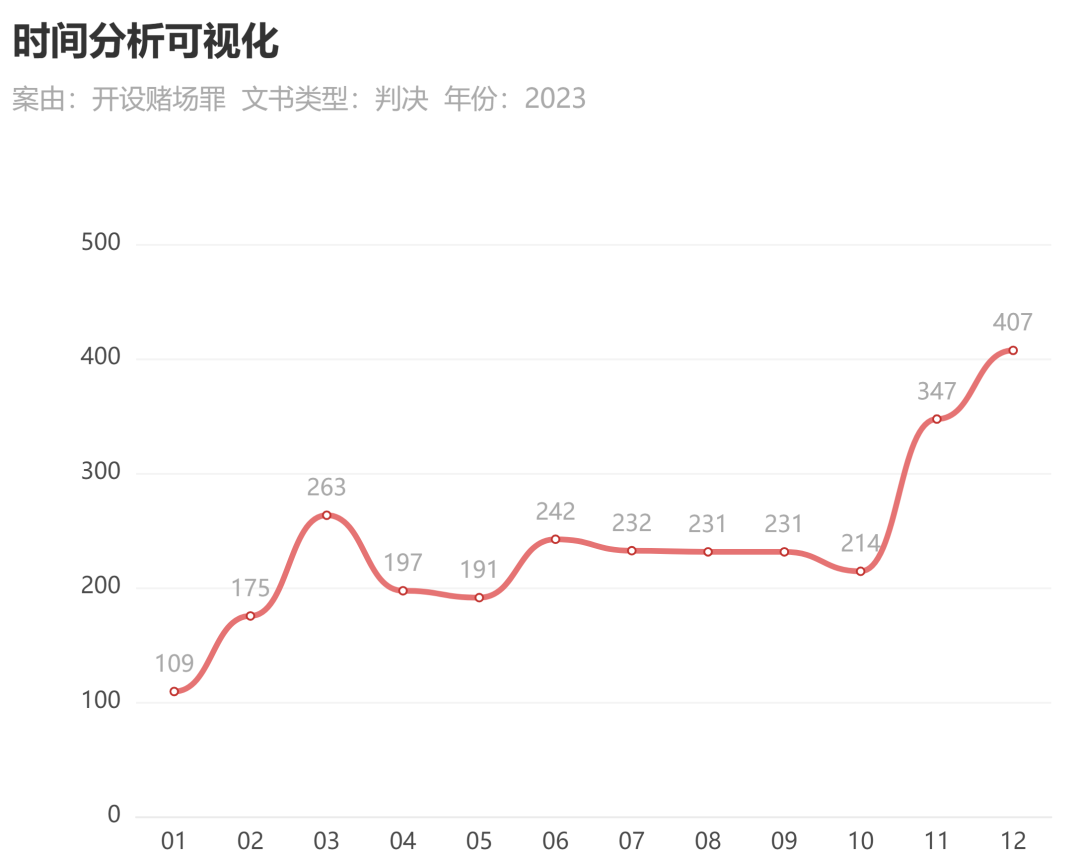
(6) Operating Gambling Establishments
Although operating gambling establishments did not make it into the top five charges prosecuted by procuratorial organs, it ranked among the top five crimes for which public security agencies requested arrest approvals. Traditional offline gambling venues—from small mahjong parlors to grand casinos like the Grand Lisboa—are now outdated. Even Web2-style online casinos, no matter how many “beautiful dealers dealing cards live,” are gradually being overshadowed by the allure of Web3. With growing public acceptance of cryptocurrencies, online gambling using digital assets appears to be a new trend. But crime remains crime. Once caught in criminal liability, even using cryptocurrencies offers little protection from legal risks. Especially when targeting Chinese users or laundering funds from telecom fraud victims in China, operators may truly face the consequence of “being pursued no matter how far they run.”
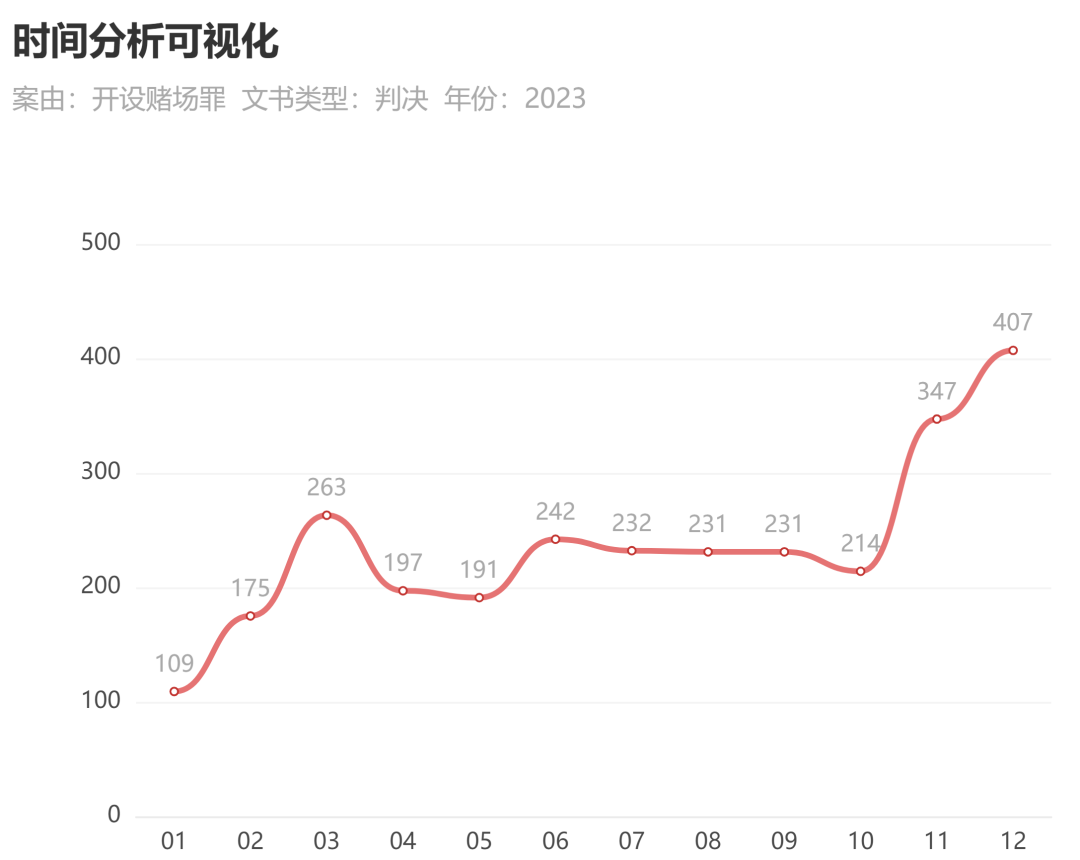
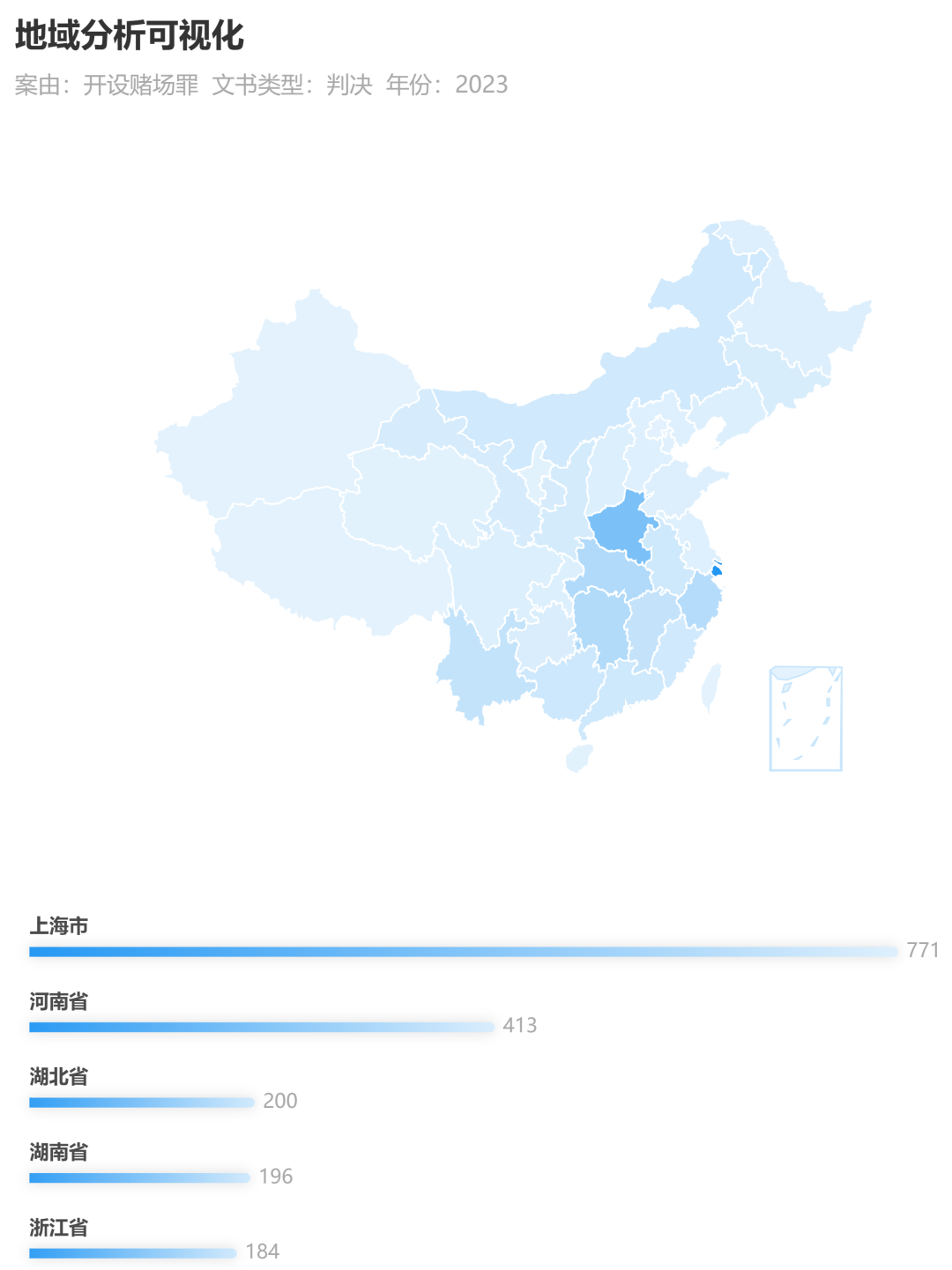
According to data retrieved by Attorney Liu, only 2,839 judgments related to operating gambling establishments were publicly posted online in 2023, concentrated in Shanghai, Henan, Hubei, and other areas.
III. Conclusion
“May all people be free from illness, let medicine gather dust on shelves”—this is the wish of good physicians; “No Thieves in the World”—the hope of a great filmmaker; and surely “A World Without Crime” is the sincere aspiration shared by legal professionals including lawyers and judicial bodies alike. Attorney Liu dares to coin another phrase: “May crimes cease to exist in this world, let prison windows rust undisturbed.” Yet judging from the Supreme Procuratorate’s 2023 data, realizing this dream seems unlikely. Instead, the workload of public security, procuratorial, and judicial organs continues to grow heavier year by year. As a criminal defense lawyer, Attorney Liu hopes every case receives fair and impartial treatment, and that every accused individual—even if guilty—is held accountable strictly within the bounds of the law. This is precisely the role lawyers play: serving as a safeguard, to some extent preventing wrongful convictions.
One final point: based on Attorney Liu’s research, Shanghai and Henan consistently rank high across these charges—regions coincidentally tied to him personally, either currently or previously. This likely reflects better judicial transparency and openness in these areas rather than indicating anything else.
Join TechFlow official community to stay tuned
Telegram:https://t.me/TechFlowDaily
X (Twitter):https://x.com/TechFlowPost
X (Twitter) EN:https://x.com/BlockFlow_News