One-Stop Guide to Understanding Satoshi Protocol: The New BTC L2 Stablecoin
TechFlow Selected TechFlow Selected
One-Stop Guide to Understanding Satoshi Protocol: The New BTC L2 Stablecoin
This article will guide readers through the protocol's various features and how to participate in the testnet activities.
 Navigating Web3 tides with focused insights
Author Satoshi Protocol
Introduction: As we enter 2024, the cryptocurrency industry is finally experiencing another bull market. The moment BTC breaks through its all-time high is inspiring all DeFi pioneers and Bitcoin Maximalists—BTC ecosystem expansion is happening right now!
Since BTC's debut in 2009, the concept of digital gold has taken deep root. Through multiple halving cycles, the global crypto market has seen rapid advancement over the years. Throughout this 15-year journey of crypto adoption, BTC stands as the origin point—originally envisioned to create a new decentralized monetary system. Yet up to today, BTC is still widely regarded primarily as a digital gold asset, with investment value being its most popular added attribute. However, as an ideal form of currency, BTC still falls short. Despite existing for 15 years, it has yet to fully realize its potential advantages within a peer-to-peer payment network, clearly deviating from Satoshi Nakamoto’s original vision.
With the recent surge in Bitcoin ordinals and off-exchange SEC approval of BTC ETFs acting as accelerating catalysts, fresh capital is rapidly flowing into the BTC ecosystem. The demand for Bitcoin ecosystem scalability has become increasingly urgent, and Layer 2 network development will undoubtedly be one of the hottest sectors.
BTCFi has long been a recurring hot topic in the crypto market, but BTC's expandability in this area has historically been constrained by infrastructure limitations. Today, however, the crypto industry already has clear solutions to unlock this vast latent market—specifically, building a stable and efficient stablecoin protocol on top of existing BTC Layer 2 networks to serve as foundational infrastructure meeting market demands.
Based on this consensus, BEVM’s firststablecoin protocol, Satoshi Protocol, officially launched in early March and initiated testnet activities. This article will guide readers through the protocol’s features and how to participate in its testnet program. We hope that after learning about Satoshi Protocol, you’ll gain a clearer understanding of BTC Layer 2 development trends.
Satoshi Protocol and BEVM—BTC Ecosystem Scaling and Implementation Protocols
BEVM: A Bitcoin Layer 2 with EVM-Compatible Developer Experience
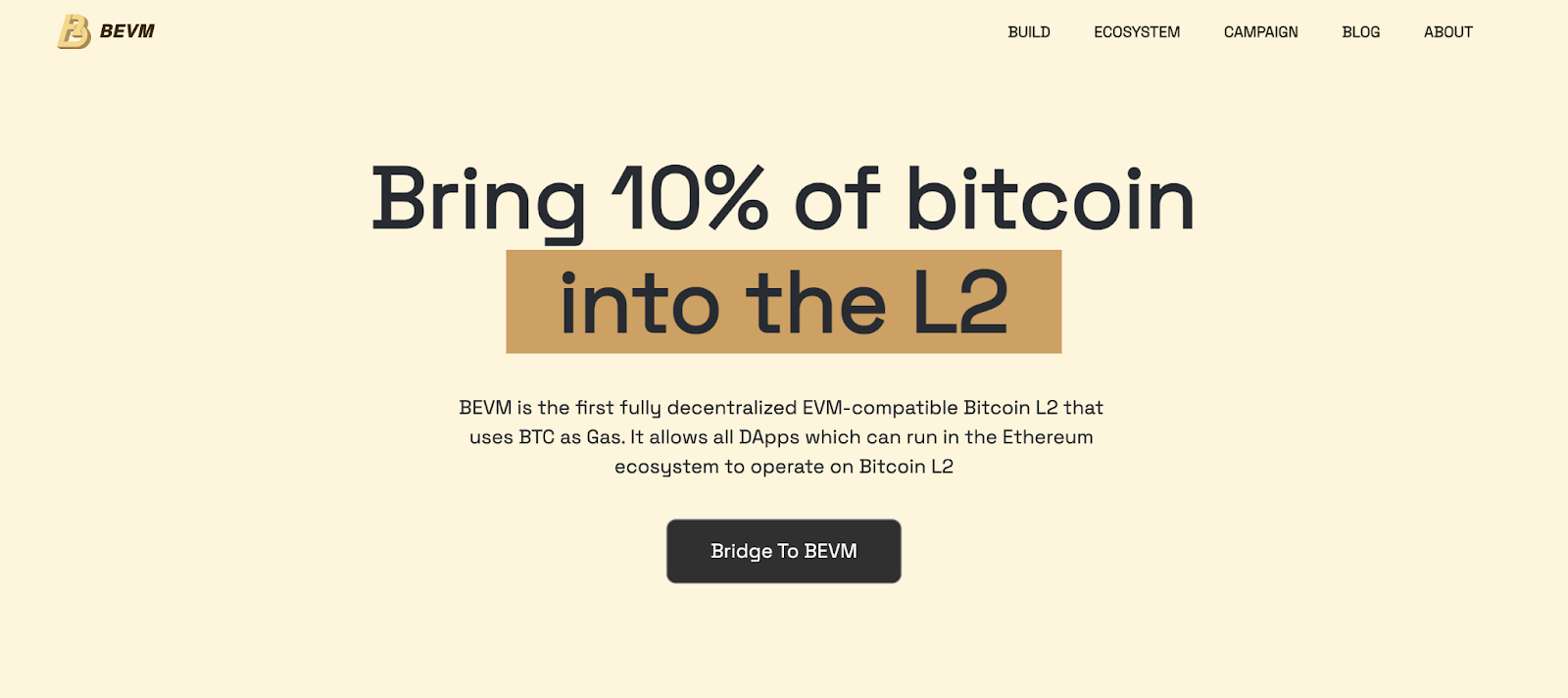 If you're familiar with BTC Layer 2, you've likely heard of BEVM—an entirely decentralized L2 solution introducing Ethereum Virtual Machine (EVM) compatibility, using BTC as gas, storing transaction data on the BTC mainchain, and verifying transactions via BTC light nodes.
BEVM differs from Ethereum rollups in that its light-node verification enables more direct peer-to-peer transaction processing. BEVM directly leverages public chains supporting WASM, making it faster and more efficient than traditional EVM implementations. Its BTC light nodes can directly retrieve data from the BTC network.
The Taproot upgrade provides the technical foundation enabling BEVM’s Layer 2 solution to break through traditional BTC network constraints, particularly overcoming limitations around BTC multi-signature schemes. New signature algorithms enable transaction aggregation, significantly reducing both transaction data size and fees.
Moreover, combining MAST contract frameworks with aggregate signature algorithms brings greater flexibility and extensibility, providing Layer 2 with high programmability and scalability.
Additionally, because BEVM is compatible with the Ethereum Virtual Machine (EVM), developers can use mainstream tools like Solidity and MetaMask wallets. This compatibility delivers user experiences similar to Ethereum. Multiple testnet projects have already been deployed on the BEVM ecosystem page, including Satoshi Protocol.
CDP (Collateralized Debt Position)
Before diving into Satoshi Protocol, it's essential to understand the CDP (Collateralized Debt Position) mechanism it employs.
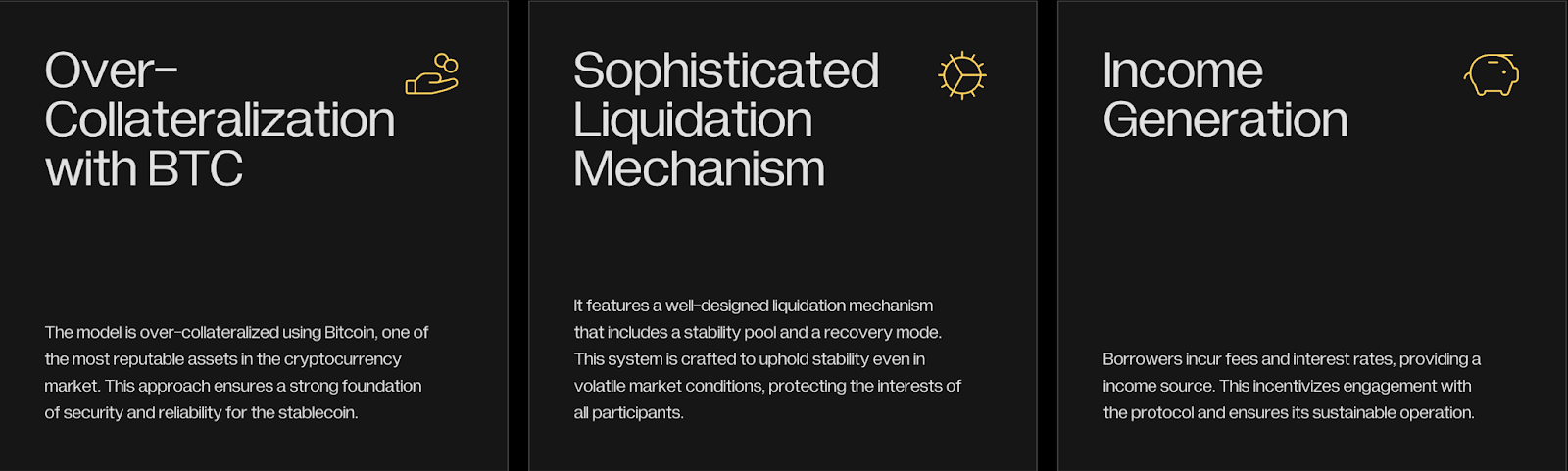 CDP stands for Collateralized Debt Position. First pioneered by MakerDAO, it has since been adopted across many DeFi and NFTFi projects. Satoshi Protocol uses the same model—users deposit BTC as collateral to borrow the dollar-pegged stablecoin SAT. Combined with SAT’s built-in mechanisms, this helps maintain price stability while allowing users to access liquidity without selling their BTC holdings.
Satoshi Protocol: Unlocking Bitcoin Ecosystem Liquidity
Today, BTC enjoys broad recognition and growing investment value—not only within the crypto space but also increasingly integrated into traditional finance. The earlier approval of spot BTC ETFs proves this trend. Yet despite BTC’s original vision as an ideal currency, it has failed to fully deliver on those capabilities. An ideal currency should function effectively as a medium of exchange, unit of account, and store of value.
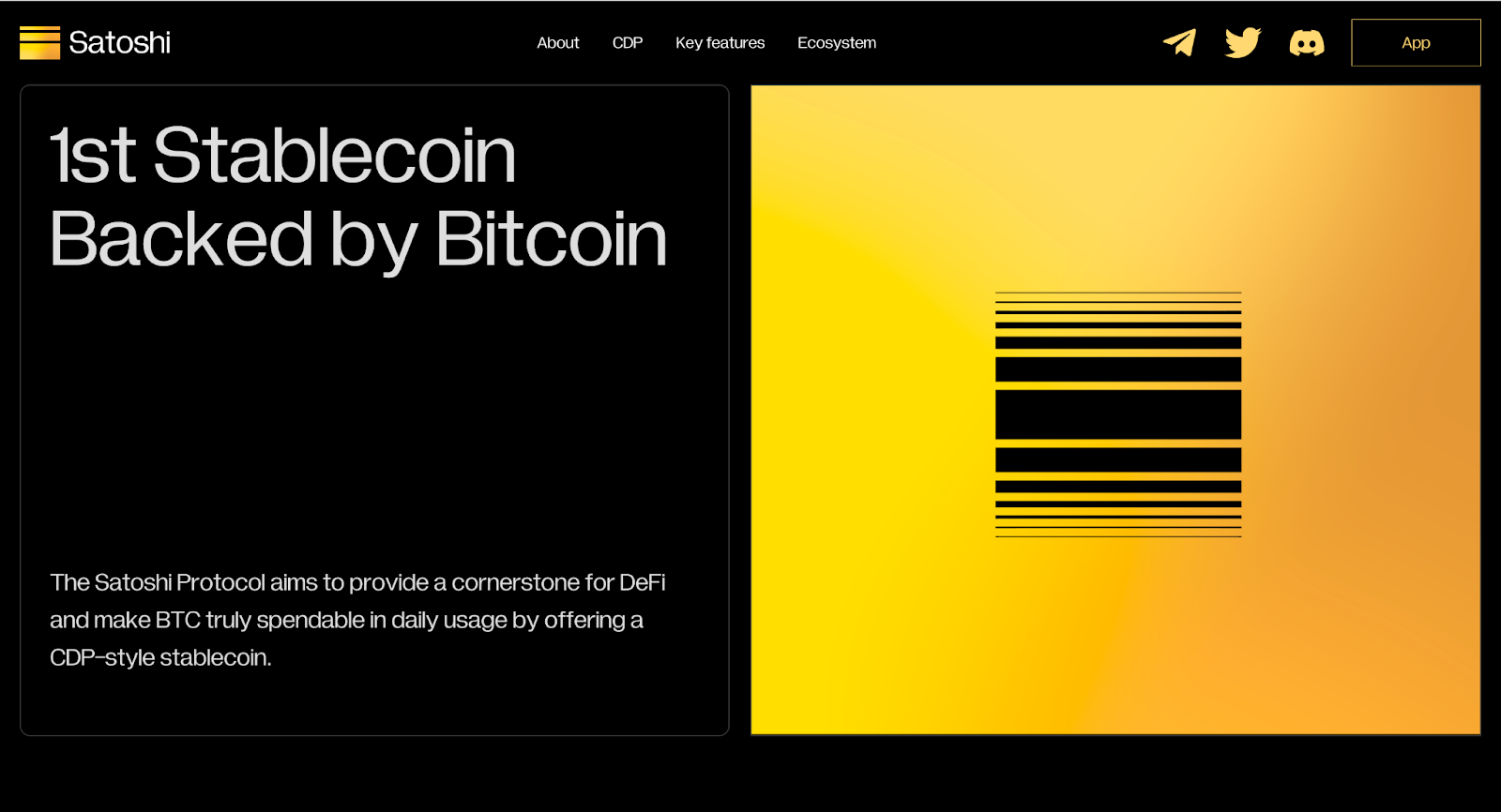 However, BTC’s inherent value and widespread consensus make it an excellent backing asset for a stablecoin. Therefore, a BTC-backed stablecoin protocol is highly necessary. With BTC Layer 2 development now offering solid technical foundations and security, Satoshi Protocol emerges at just the right time.
Leveraging BEVM’s unique properties, Satoshi Protocol—the ecosystem’s first CDP protocol—aims to provide liquidity for BTC. The SAT dollar-pegged stablecoin, fully backed by over-collateralized BTC, unlocks diverse BTCFi application scenarios.
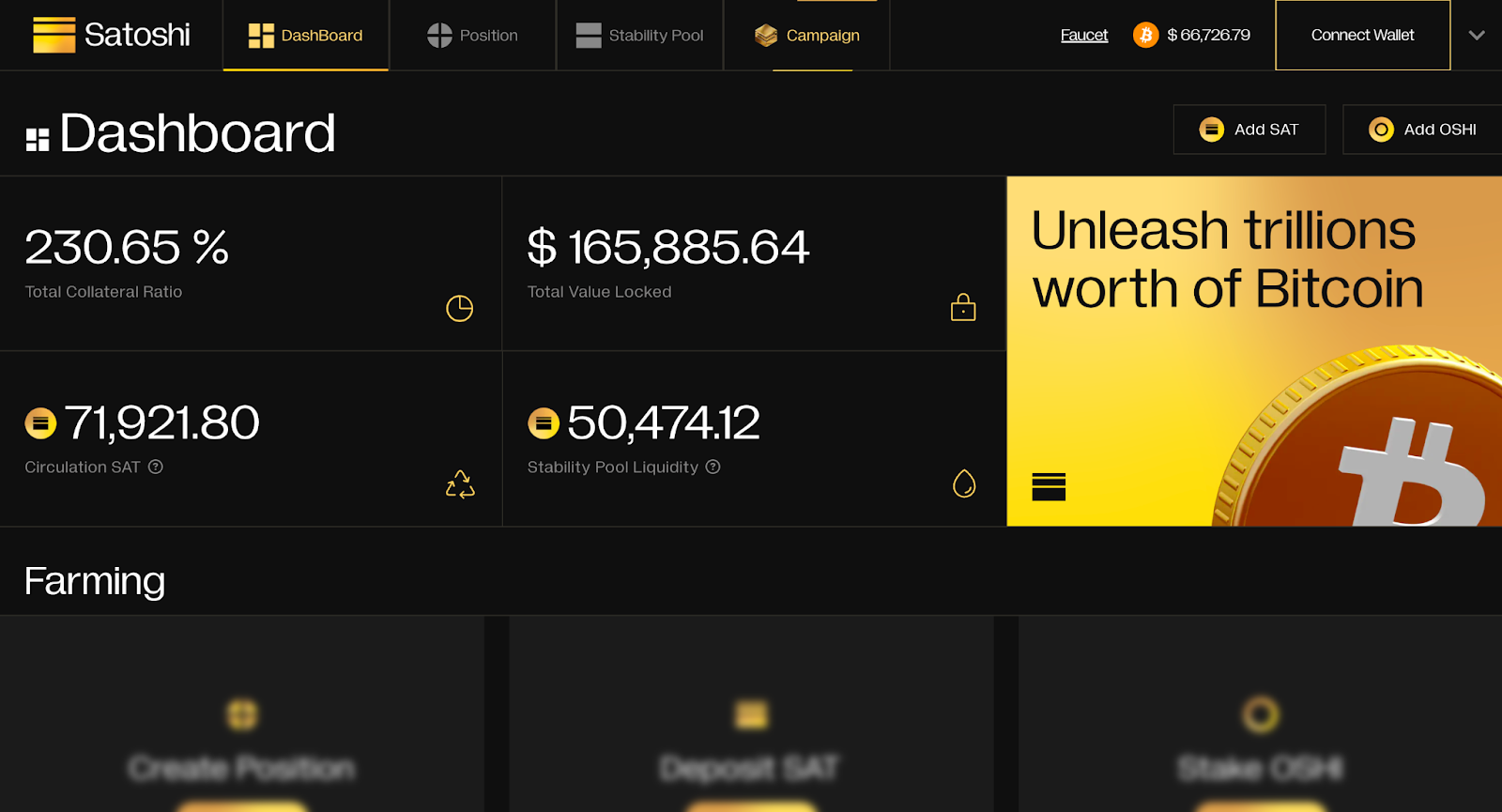
SAT operates under a basic model where users deposit BTC into the protocol as over-collateralized assets to borrow SAT, a stablecoin pegged to $1 USD. This clearly targets the trillion-dollar latent liquidity within the BTC ecosystem. If successfully unlocked, the market potential is enormous. SAT stablecoin is merely the foundational first step—enabling users to retain BTC ownership while gaining liquidity.
SAT Stablecoin Mechanism
SAT’s operation relies on three core components: over-collateralization, liquidation mechanisms, and arbitrage mechanisms—common traits among most DeFi stablecoin protocols, though unprecedented within the BEVM ecosystem.
Over-Collateralization
Users must maintain a collateral ratio above 110% to avoid liquidation. For example, when borrowing 100 SAT, users must lock BTC worth more than 110% of the borrowed amount—i.e., BTC valued at 110 SAT.
BTC prices fluctuate with market movements. If BTC’s price drops, reducing collateral value below 110%, the position triggers liquidation. The protocol then uses SAT from the SP (Stability Pool) to purchase the liquidated collateral at a discount, repaying the borrower’s debt.
SP (Stability Pool)
The Stability Pool is a key mechanism ensuring protocol stability and providing liquidity.
When users deposit SAT into the Stability Pool, they provide liquidity. If any user’s collateral ratio falls below 110%, triggering liquidation, the process of purchasing discounted BTC collateral is funded by SAT from the Stability Pool.
Users who supply SAT liquidity to the pool can purchase liquidated BTC collateral at a discount. Meanwhile, the protocol uses the acquired SAT to repay debts, ensuring the system remains over-collateralized at all times.
SAT Exchange and Redemption
When SAT trades below $1 USD, arbitrageurs can buy SAT on the open market and redeem it through Satoshi Protocol’s redemption mechanism—allowing them to exchange 1 SAT for $1 worth of BTC and immediately sell it for profit. This strategy activates whenever SAT dips below $1, increasing demand and pushing the price back toward parity.
Conversely, when SAT exceeds $1.10, arbitrageurs can deposit BTC into the protocol to mint SAT, then sell it on the market for profit—creating downward pressure that pushes SAT back below $1.10.
All users can deposit BTC as collateral and mint SAT at a fixed annual interest rate of 4.5%.
These are the fundamental mechanisms of the Satoshi Protocol. These functions rely on BEVM’s technological support for BTC Layer 2. As a BTC-backed USD stablecoin, SAT’s various derivative DeFi and trading applications require effective scaling solutions from the BTC network.
Although stablecoin protocols have existed for years in crypto, BTC-backed USD stablecoins haven’t performed well in past markets due to several factors—including BTC network limitations and market perception of BTC’s role. Nevertheless, BTC was originally conceived as an idealized form of money. Thus, Satoshi Protocol represents an exploration of that original vision, leveraging recent advancements in the crypto industry. It may finally unlock the trillions in market liquidity embedded within BTC itself.
BEVM Mainnet Launch Imminent
Currently, Satoshi Protocol has secured investment from the BEVM Foundation, with participation from multiple leading industry VCs. The project’s official tweets have also been repeatedly retweeted by BEVM’s official account.
Satoshi Protocol is scheduled to launch on the BEVM mainnet in mid-March, with rumors of a potential token airdrop. As one of the first confirmed projects launching on the BEVM mainnet, it has attracted significant attention. Testnet and Galxe campaigns are currently underway.
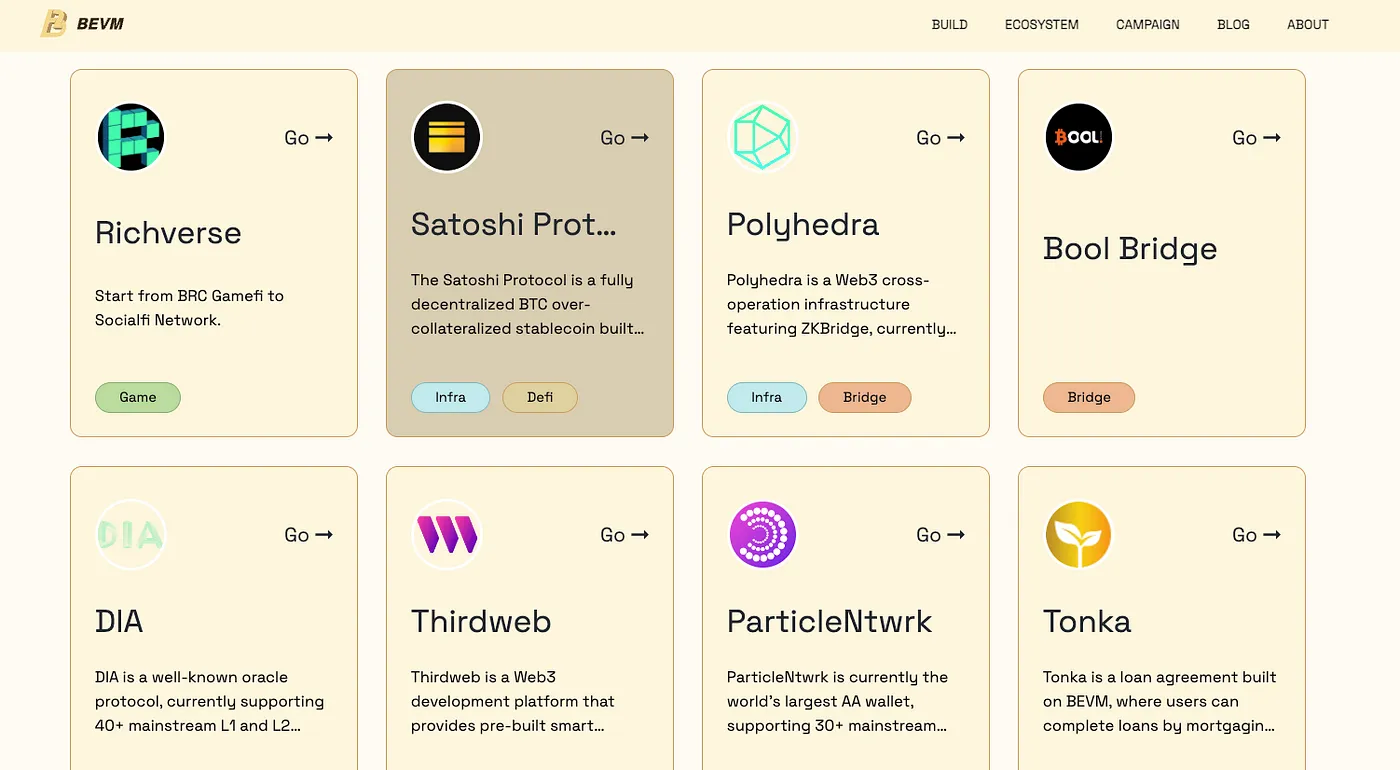
The current activities run in parallel during the same period but follow different participation paths with distinct rewards. Collectively, they serve as phased pre-launch promotions ahead of the BEVM mainnet rollout.
Participating in different activities yields OATs or NFTs. While exact benefits remain unclear, they’re likely tied to future SAT airdrops or fee discounts—common strategies among DeFi projects.
What sets Satoshi Protocol apart from previous DeFi projects is that BTCFi is now a promising yet nascent sector with clear future potential. Development of BTC Layer 2 solutions continues progressing steadily, placing it alongside other 2024 hotspots like ETH Layer 2 and DePIN as areas worthy of close attention. BTC-backed USD stablecoins represent an untapped frontier, and Satoshi Protocol offers a battle-tested operational framework. After mainnet launch, a significant breakout appears highly probable.
Testnet and Galxe Campaigns
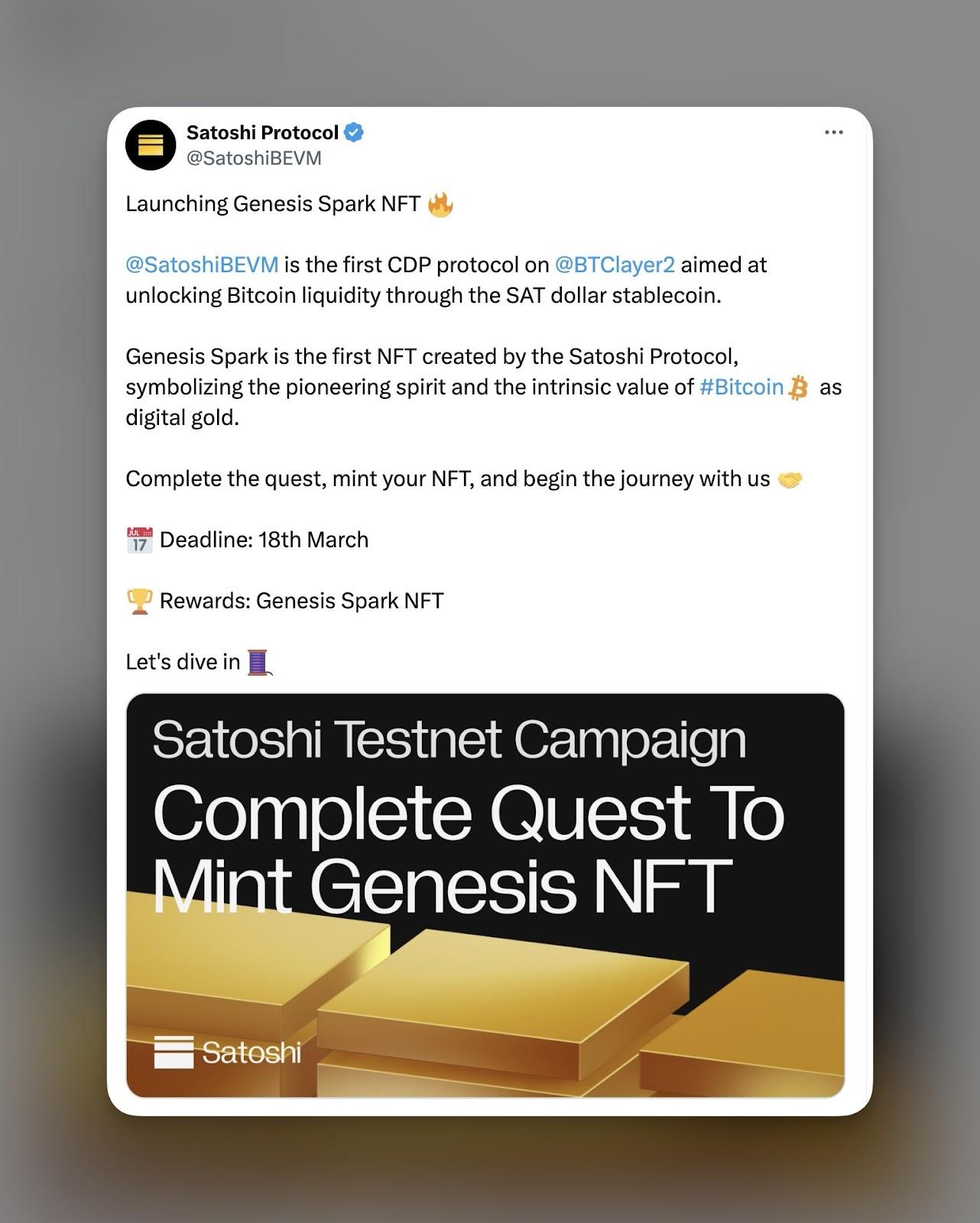
Participation page: https://app.satoshiprotocol.org/nft
Satoshi Testnet Announcement: https://medium.com/@satoshi-protocol
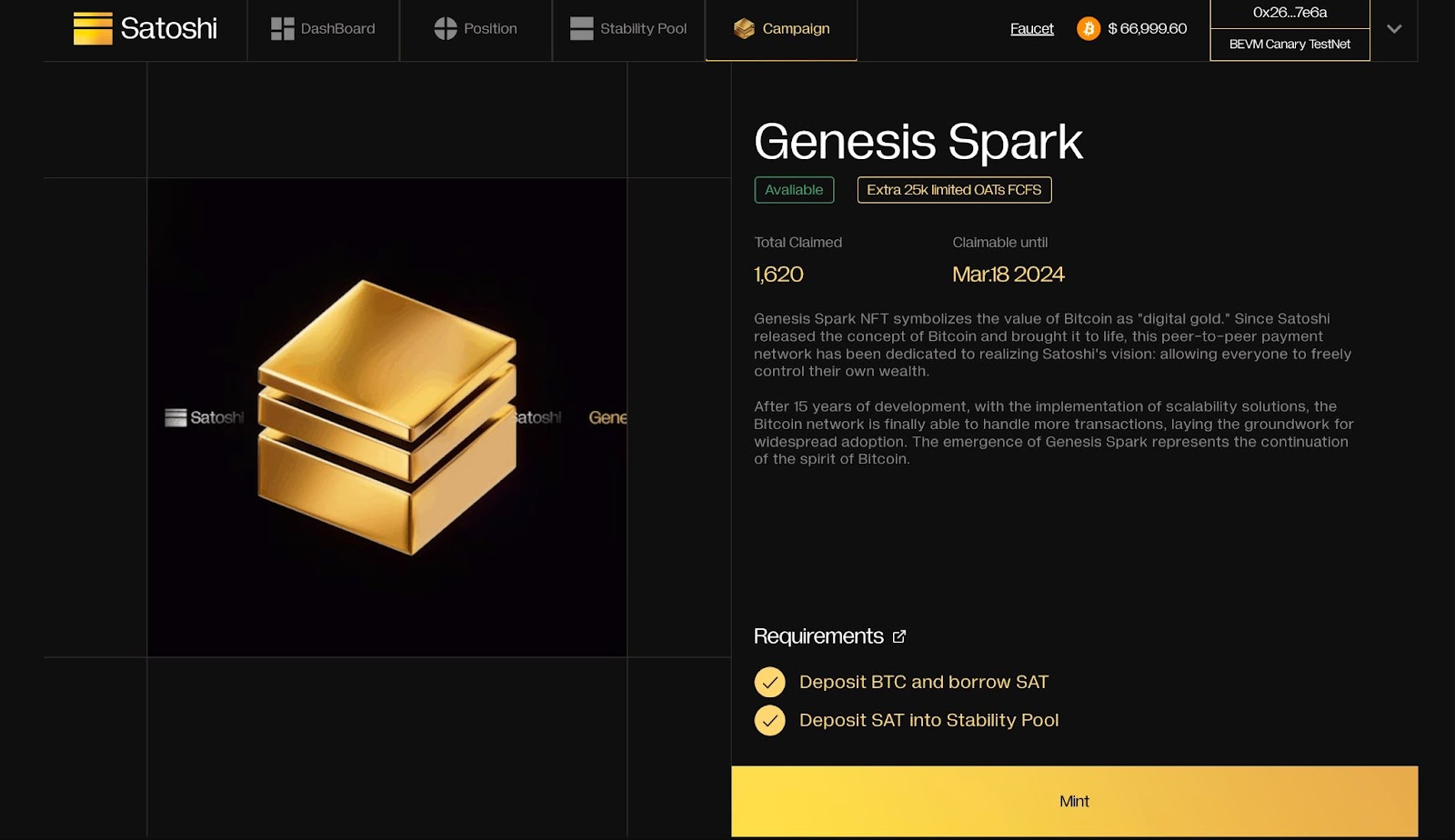
Rewards: Genesis Spark NFT
Campaign duration: Mar 6 22:00 – Mar 18 22:00 (UTC+8)
According to the official site, every address that obtains testnet access, creates a position, mints SAT, and deposits SAT into the Stability Pool qualifies to claim one Genesis Spark NFT. There is no cap on total issuance.
Steps to participate:
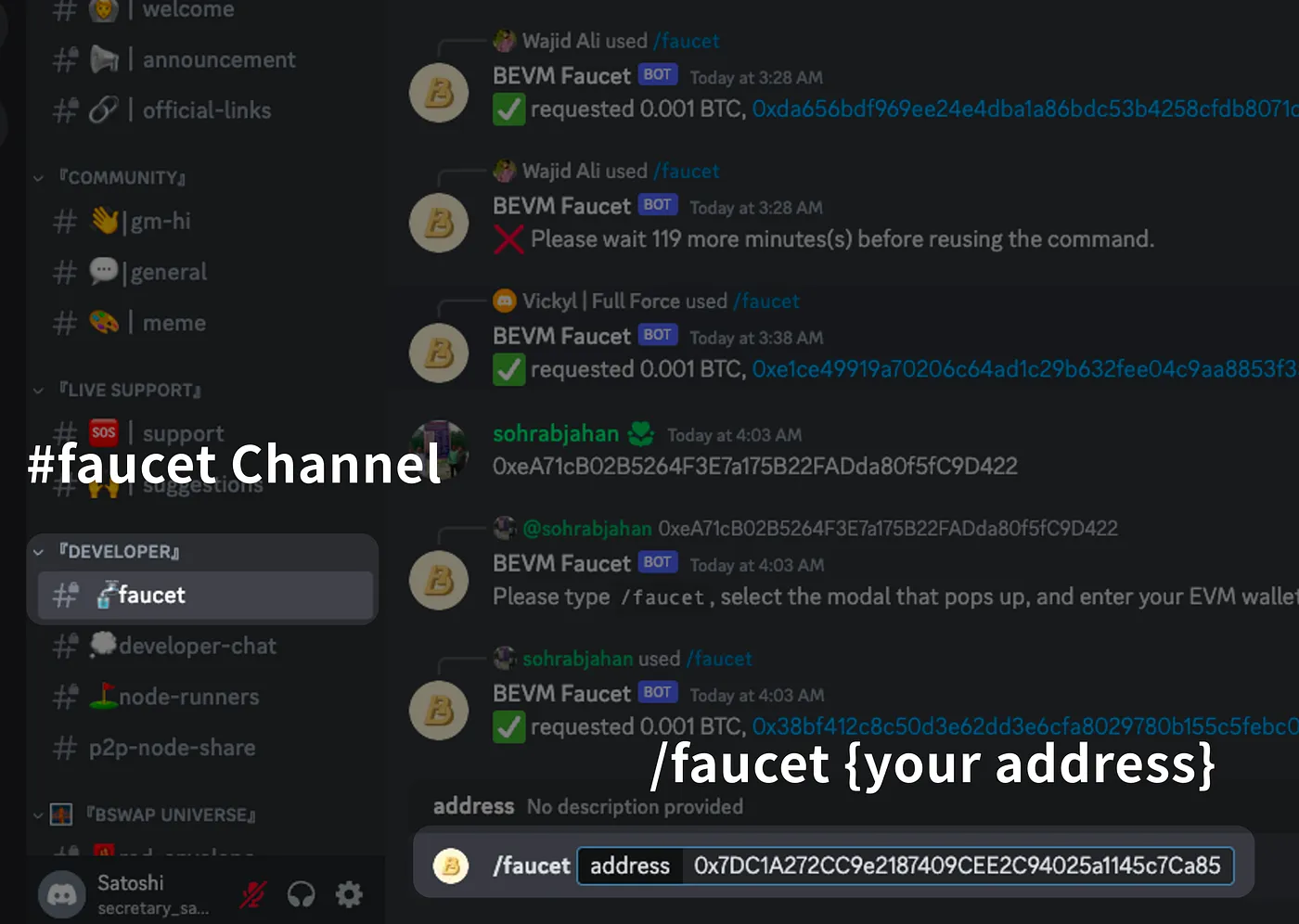
1. Join BEVM’s official Discord channel to claim faucet funds and obtain test BTC;
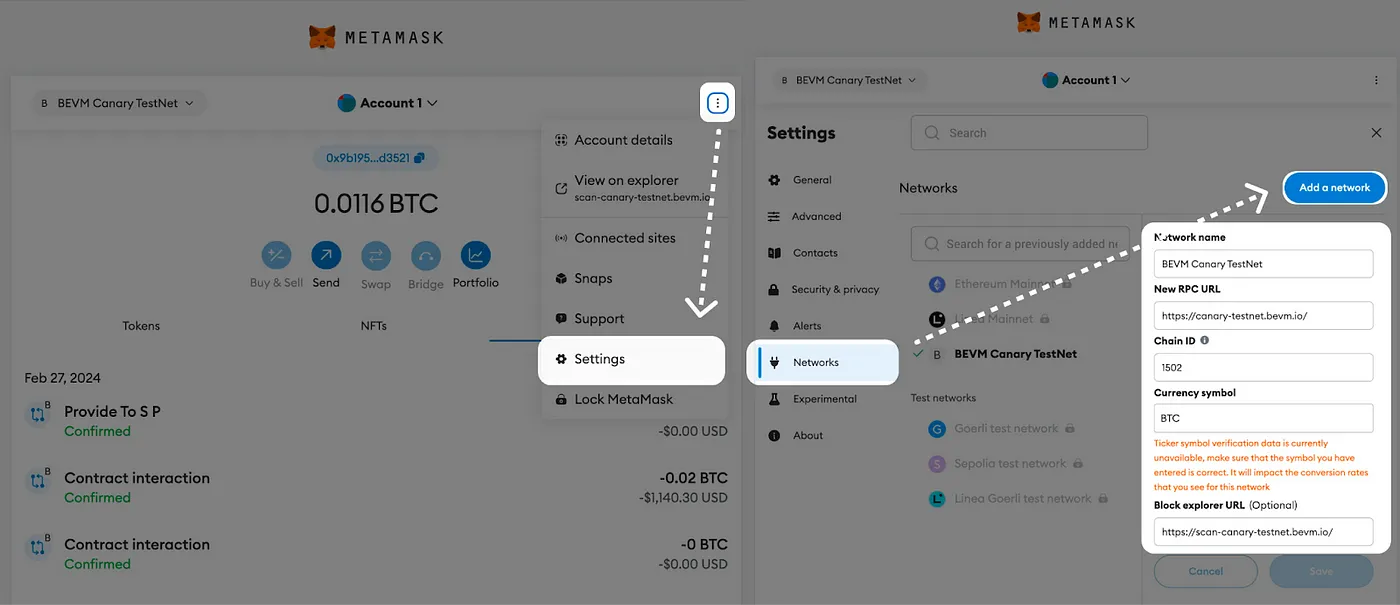
2. Use MetaMask wallet and switch to the BEVM testnet (Satoshi Protocol will guide automatic switching);
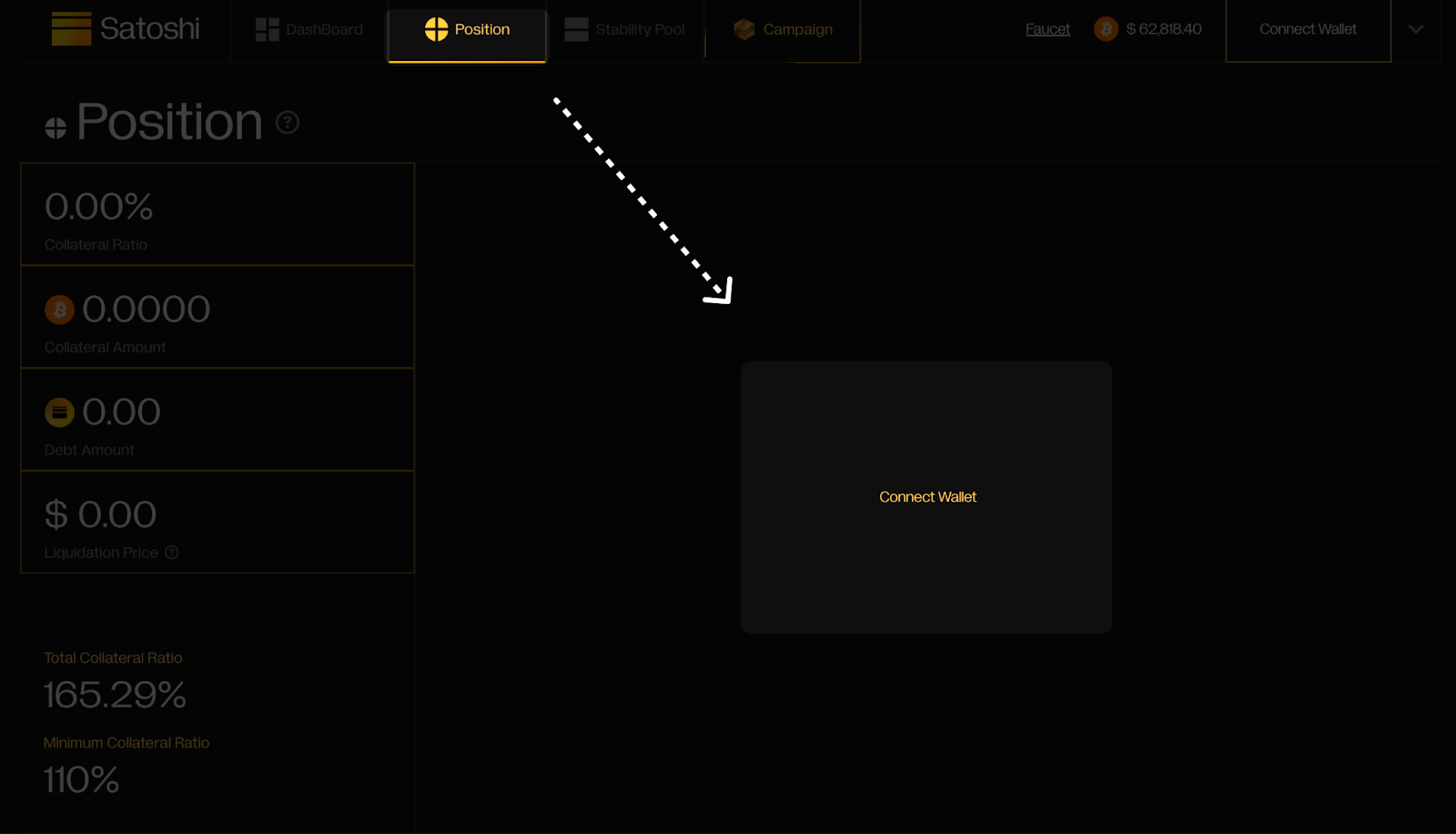
3. Go to the Position page and click Create Position;
4. Deposit test BTC and borrow SAT—ensure collateral ratio exceeds 110%, and borrow at least 18 SAT;
5. Select and click Approve, then confirm via wallet signature;
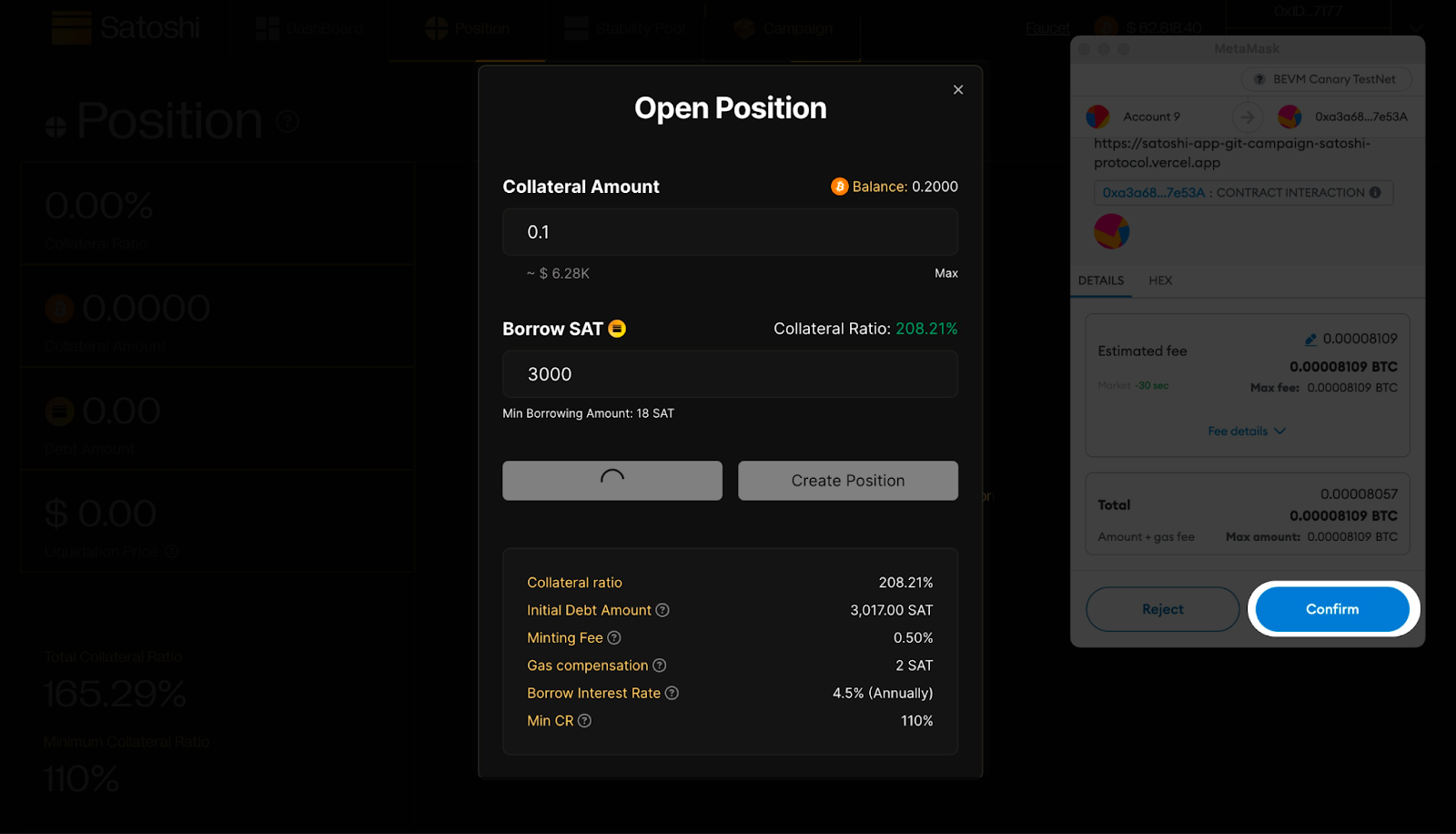
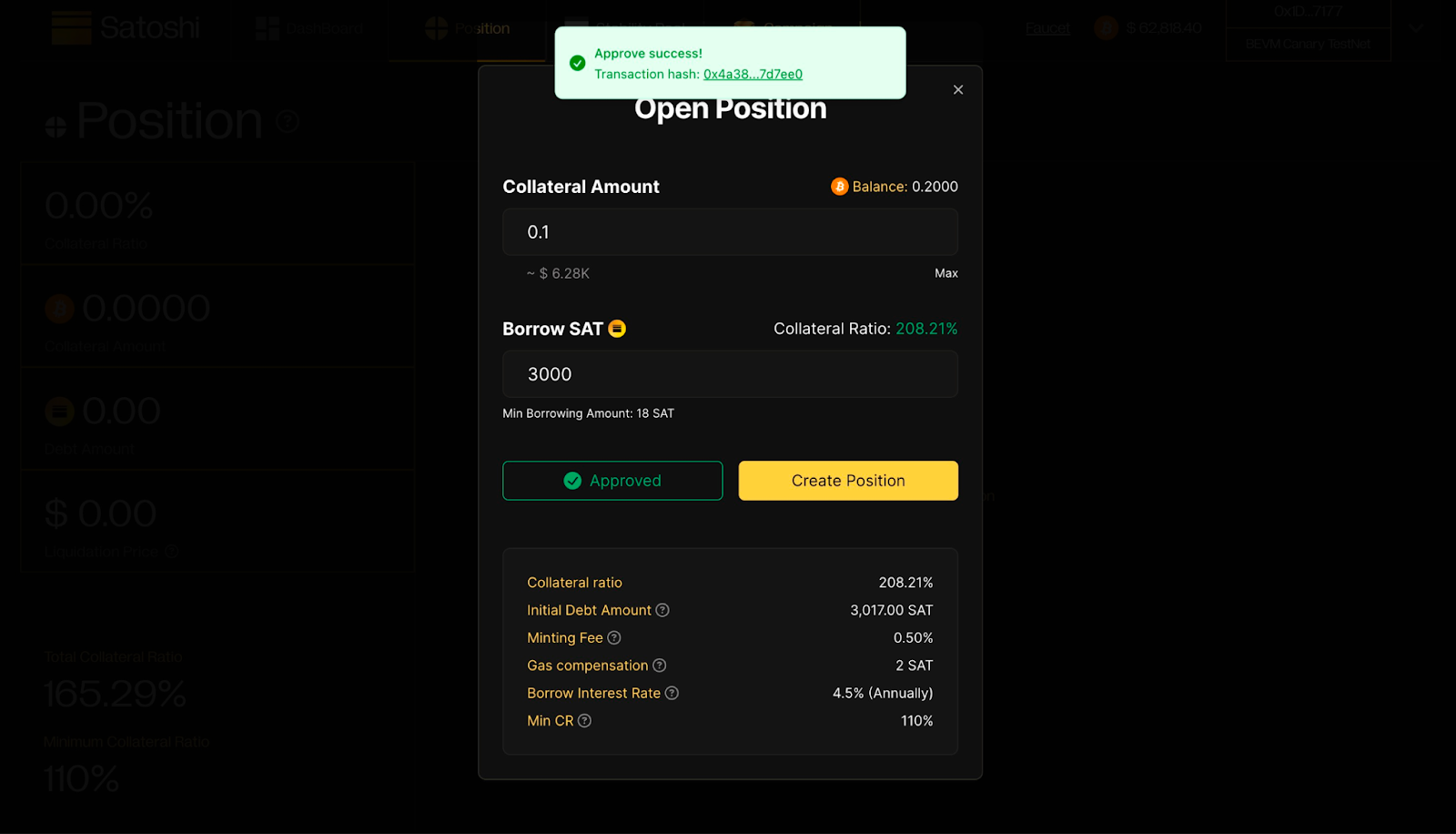 6. After successful approval, click Create Position;
7. After successfully borrowing SAT, go to the Stability Pool page;
8. Enter the desired SAT deposit amount and click Deposit to confirm;
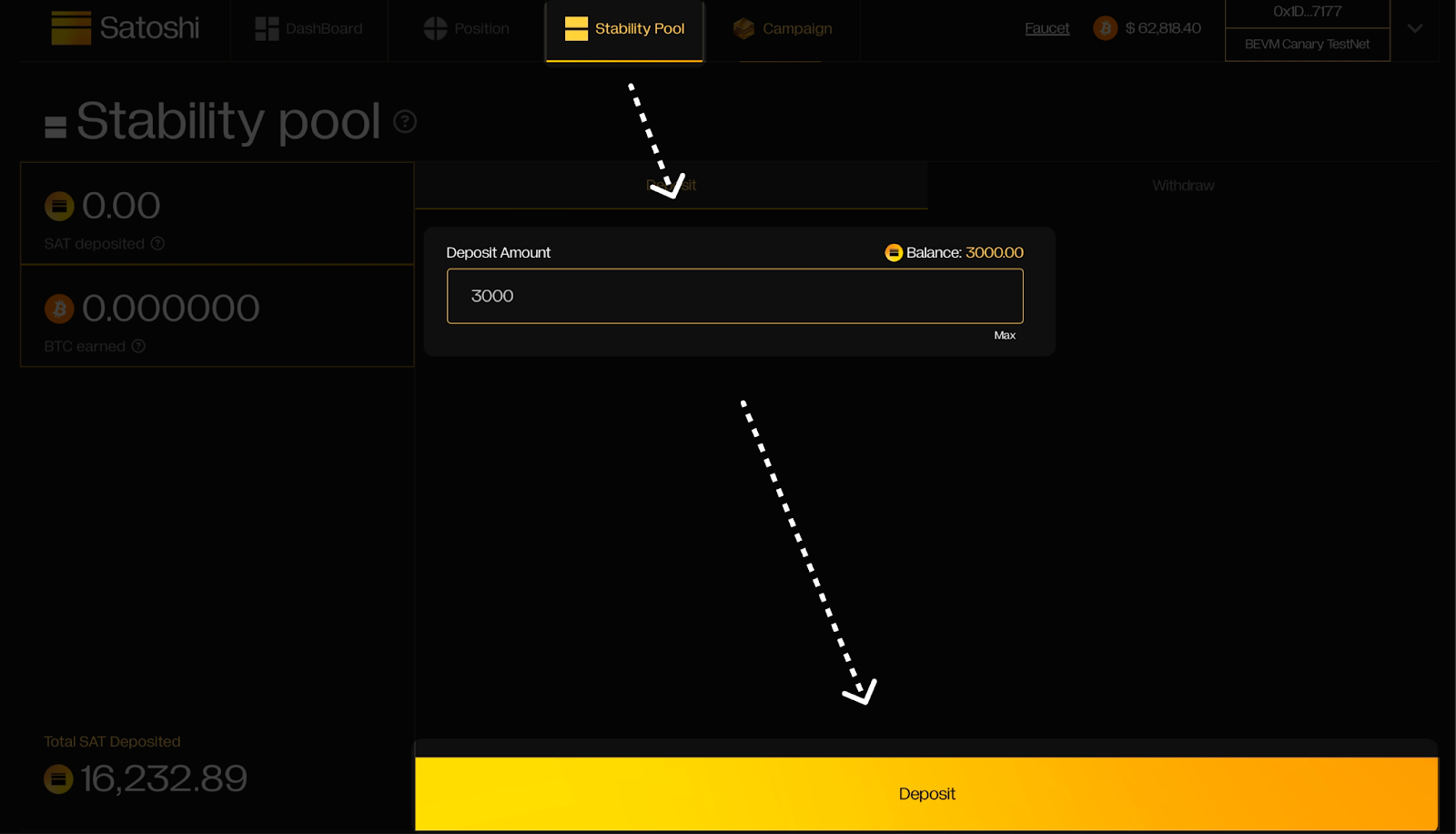
9. Proceed to the Campaign page afterward;
10. Once the above steps are completed, you’ve finished the testnet activity and earned NFT minting eligibility. Click Mint to receive your Genesis Spark NFT;
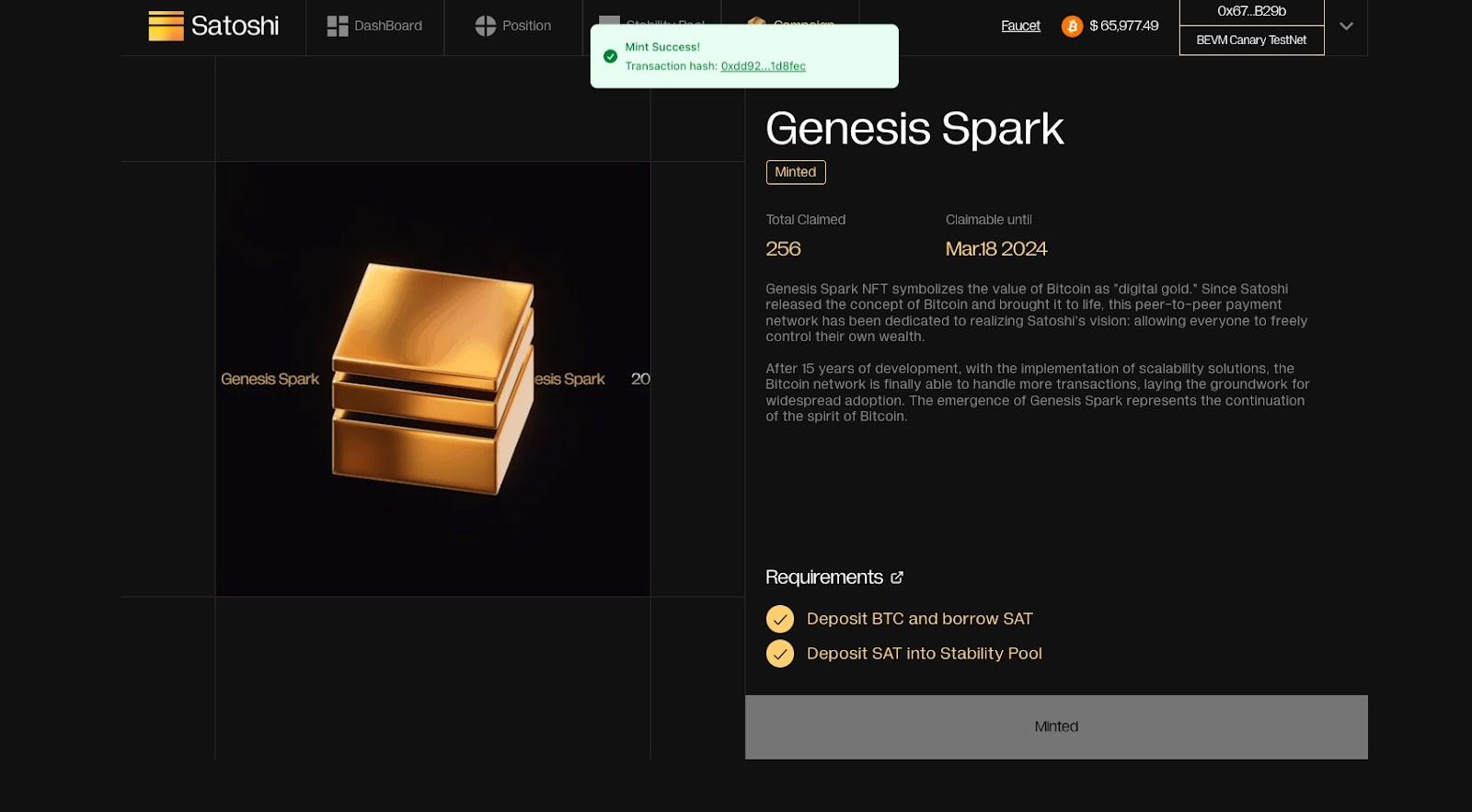
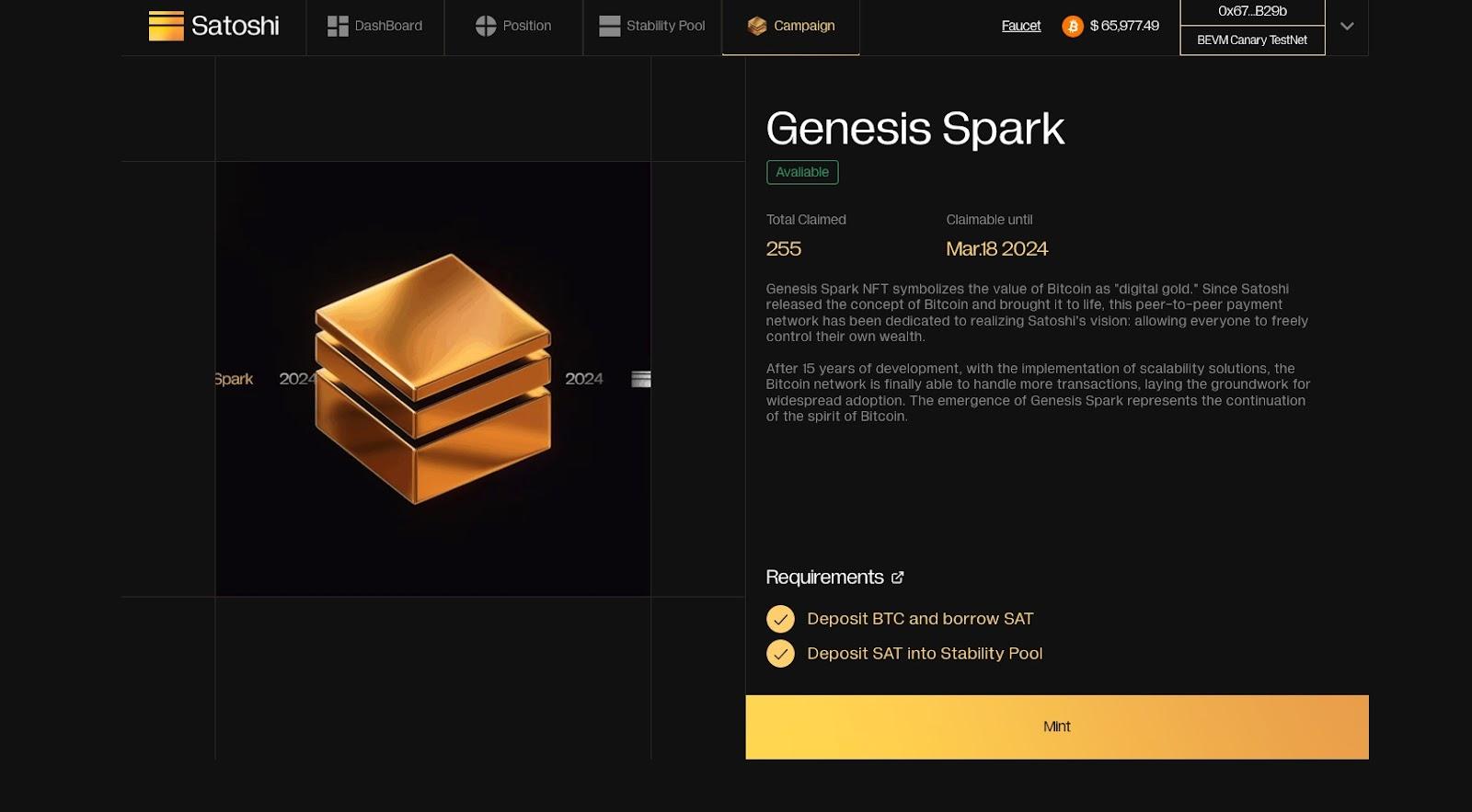
Genesis Spark is the first official NFT released by Satoshi Protocol. Its name and design symbolize BTC’s nature as digital gold. Despite 15 years of evolution, BTC has been limited by network constraints, preventing effective realization of P2P payment networks. But with technological advances and scaling solutions evolving, BTC-based peer-to-peer payments are becoming feasible. With the fourth halving approaching, BTC’s market demand and ecosystem growth are poised for explosive expansion. The BTC-backed USD stablecoin driven by Satoshi Protocol will become one of the key forces advancing BTCFi. Therefore, acquiring the early-available Genesis Spark NFT could prove a smart long-term investment.
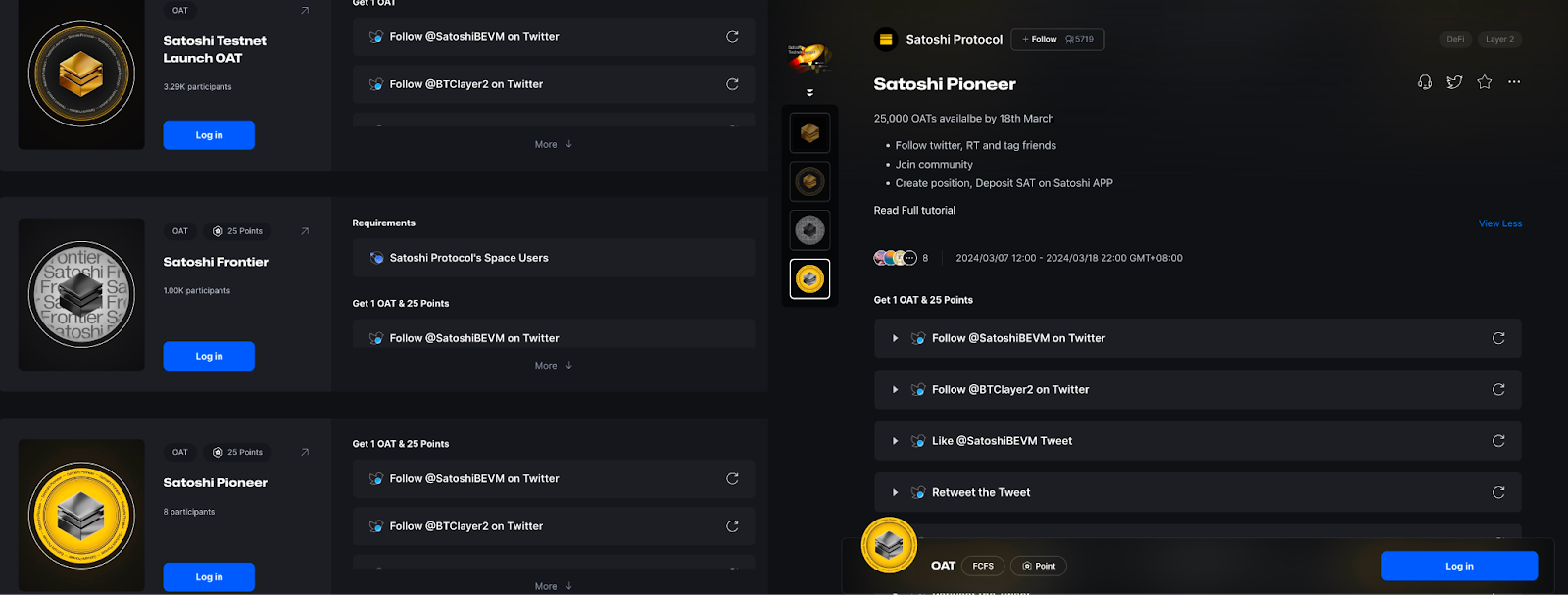 Participation page: https://galxe.com/YwrNUBkpFyTpkRJTcKmZcX
Reward: 25,000 Satoshi Pioneer OATs
Campaign duration: Mar 7 12:00 – Mar 18 22:00 (UTC+8)
In addition to the testnet campaign, Satoshi Protocol has launched multiple Galxe campaigns between February and March. The latest is the Satoshi Pioneer campaign, which offers 25,000 limited-edition Satoshi Pioneer OATs upon completing designated tasks. The Galxe campaign is linked to the testnet activity but includes additional social tasks on X, Discord, and Telegram, aiming to identify genuinely active users.
Participants can log in via MetaMask and visit the Satoshi Pioneer OAT campaign page. Since this campaign connects with the testnet campaign and includes community engagement tasks across X, Discord, and Telegram, participants must join official project communities and interact with the Satoshi contract deployed on the BEVM testnet. This results in a longer participation path compared to the testnet-only activity, but offers exclusive rewards in the form of limited Satoshi Pioneer OATs.
Exact future benefits of the Satoshi Pioneer OAT remain undisclosed, maintaining an air of mystery. However, given Galxe OATs are widely used tokenized credentials with versatile utility options, obtaining them early is highly advantageous.
Conclusion
Satoshi Protocol has been highly active recently. As the first stablecoin protocol in the BEVM ecosystem, its ambition to unlock trillions in BTC liquidity is evident. Currently one of BEVM’s flagship promoted projects, and given that BEVM itself—a Layer 2 with effective BTC scaling solutions—is already viewed as a promising ecosystem in crypto circles, a technically sound, efficient, and flexible stablecoin protocol like Satoshi Protocol has a strong chance of making waves in the market.
After all, the door to a more diverse and liquid market built on the BTC network has begun to open—and now is the best time to get involved.
Satoshi Protocol’s testnet and social media campaigns are ongoing until March 18. Completing various tasks grants NFT and OAT rewards, with early participants likely enjoying special long-term privileges.
Official website: https://satoshiprotocol.org/
X: https://twitter.com/SatoshiBEVM
Documentation: https://docs.satoshiprotocol.org
Blog: https://medium.com/@satoshi-protocol
Telegram: https://t.me/satoshi_sat
Discord: https://discord.gg/X8xPNdqy
Join TechFlow official community to stay tuned
Telegram:https://t.me/TechFlowDaily
X (Twitter):https://x.com/TechFlowPost
X (Twitter) EN:https://x.com/BlockFlow_News
 Satoshi Protocol