Decoding E4C: Converting 30% of Web2 Users in Two Weeks, NFT Floor Price Surges 40x
TechFlow Selected TechFlow Selected
Decoding E4C: Converting 30% of Web2 Users in Two Weeks, NFT Floor Price Surges 40x
For Web3 games, adopting an established and popular genre is often more marketable than creating a new one.
 Navigating Web3 tides with focused insights
By TechFlow
While market attention is focused on restaking, Bitcoin ecosystems, and AI, the blockchain gaming sector seems to have been overlooked.
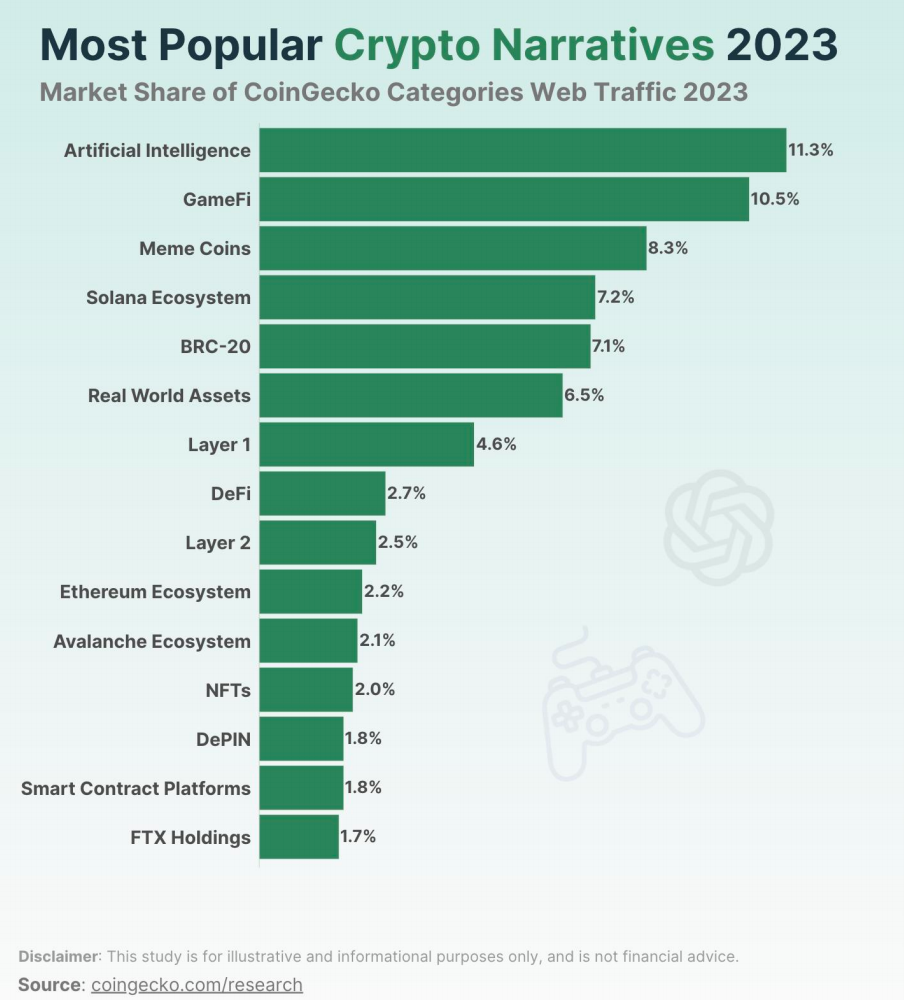
In Coingecko’s recently released “Top Narratives in 2023 Investment,” blockchain gaming ranked second only to AI. Looking back at last year's primary market activity, game projects were almost consistently at the core of investment trends throughout the year.
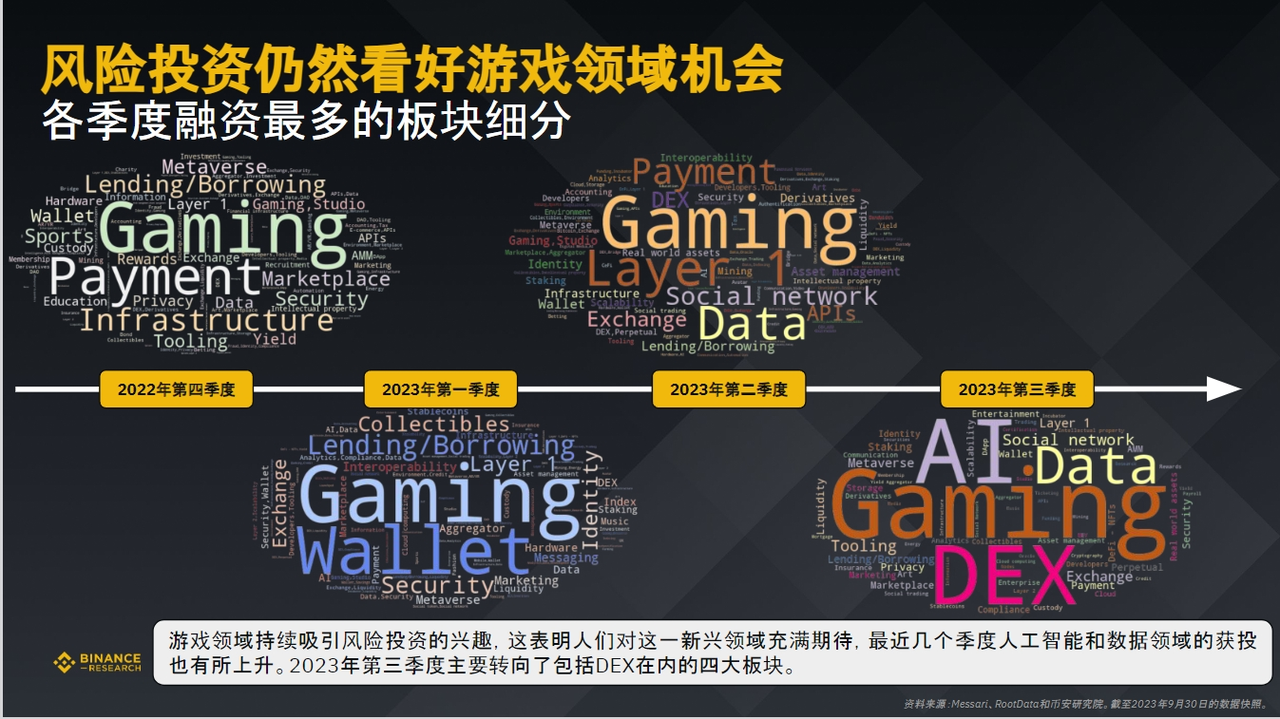
At the same time, blockchain gaming has gradually split into two distinct trends: fully on-chain games moving left, and Web2.5 games moving right.
Fully on-chain games are more crypto-native but still in experimental stages; Web2.5 games are more practical—greater emphasis on Play rather than Earn, no longer solely dependent on earning mechanics, gradually aligning with mature Web2 gameplay patterns where game logic runs off-chain while assets reside on-chain.
Recently, which Web2.5 blockchain games have stood out?
"E4C: Final Salvation," a MOBA mobile game, achieved nearly 30% of its registrants during a two-week Alpha Test being Web2 users who created wallets and maintained relatively high retention rates.
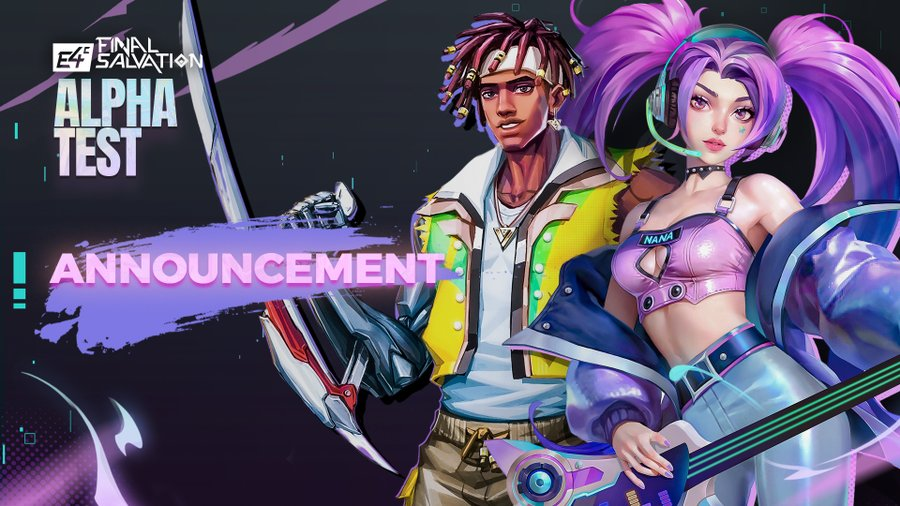
Meanwhile, related NFTs for the game saw their floor price increase by up to approximately 40x, reflecting market recognition and expectations to some extent.
In this article, we will use E4C as a case study to analyze more mature and reasonable gameplay models in current blockchain gaming and interpret the value of its corresponding NFTs.
Carrying Forward MOBA Popularity, Alpha Test Reignites Gaming Enthusiasm
What kind of game is "E4C: Final Salvation" (hereafter referred to as E4C)?
If you’ve played League of Legends or Honor of Kings, the in-game screenshot below speaks louder than words.
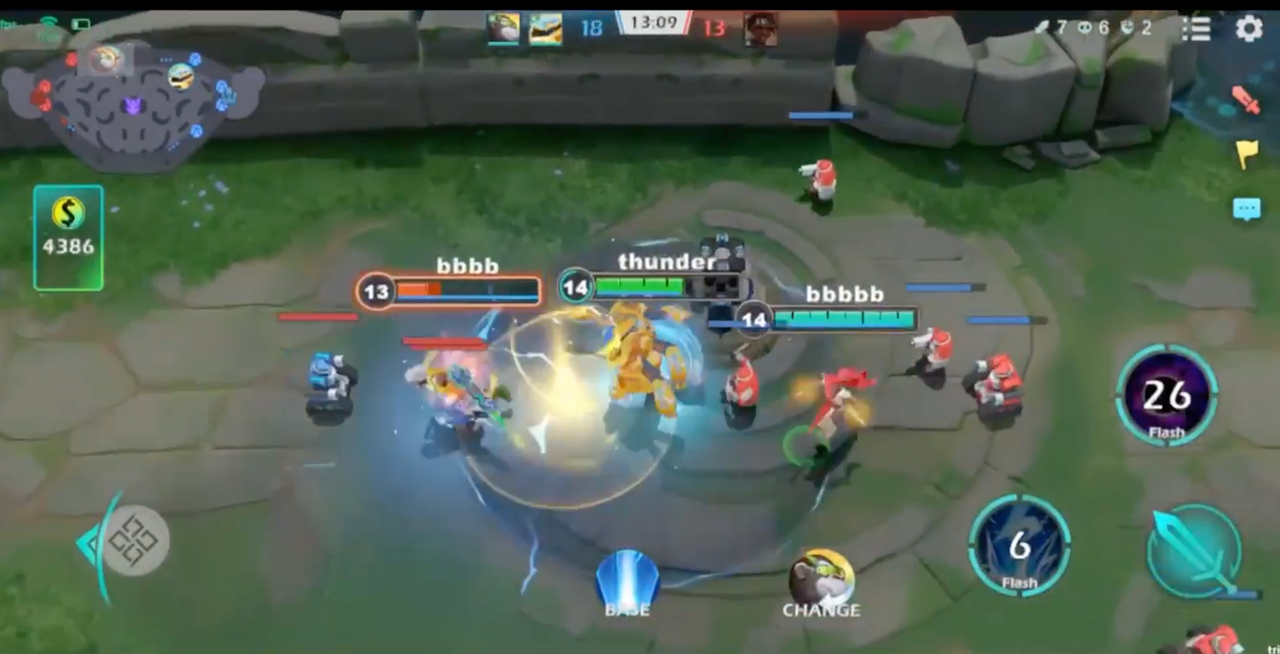
Indeed, E4C belongs to the MOBA (Multiplayer Online Battle Arena) genre familiar to most players: free-to-play mobile access, 3v3 matches lasting around 10 minutes each, meeting fast-paced, fragmented gaming demands.
Additionally, the game inherits classic MOBA characteristics—low entry barriers yet deep strategic depth requiring understanding of hero matchups and counter-strategies for mastery.
Even more accessible is its Web3 integration design.
Players don’t need to create wallets to log in nor understand crypto assets—only when dealing with in-game skins do they enter the NFT phase.
With crypto assets not interfering with core gameplay, it can be enjoyed purely as a polished Web2 experience, preserving the inherent high playability of the MOBA genre.
For Web3 gaming, adopting an established and popular genre often proves more viable than inventing a new one.
Just like the recent hit Palworld in gaming circles, which combined mechanics from several proven titles and succeeded by fulfilling players’ desire to “play”—the popularity of MOBA games in China and Southeast Asia already demonstrates strong market acceptance.
What E4C aims to do is extend this popularity and acceptance via Web3 into lower-tier emerging markets such as India, where demand exists. Its chances of success here far exceed those of complex, pure-play earn-to-mine blockchain games.
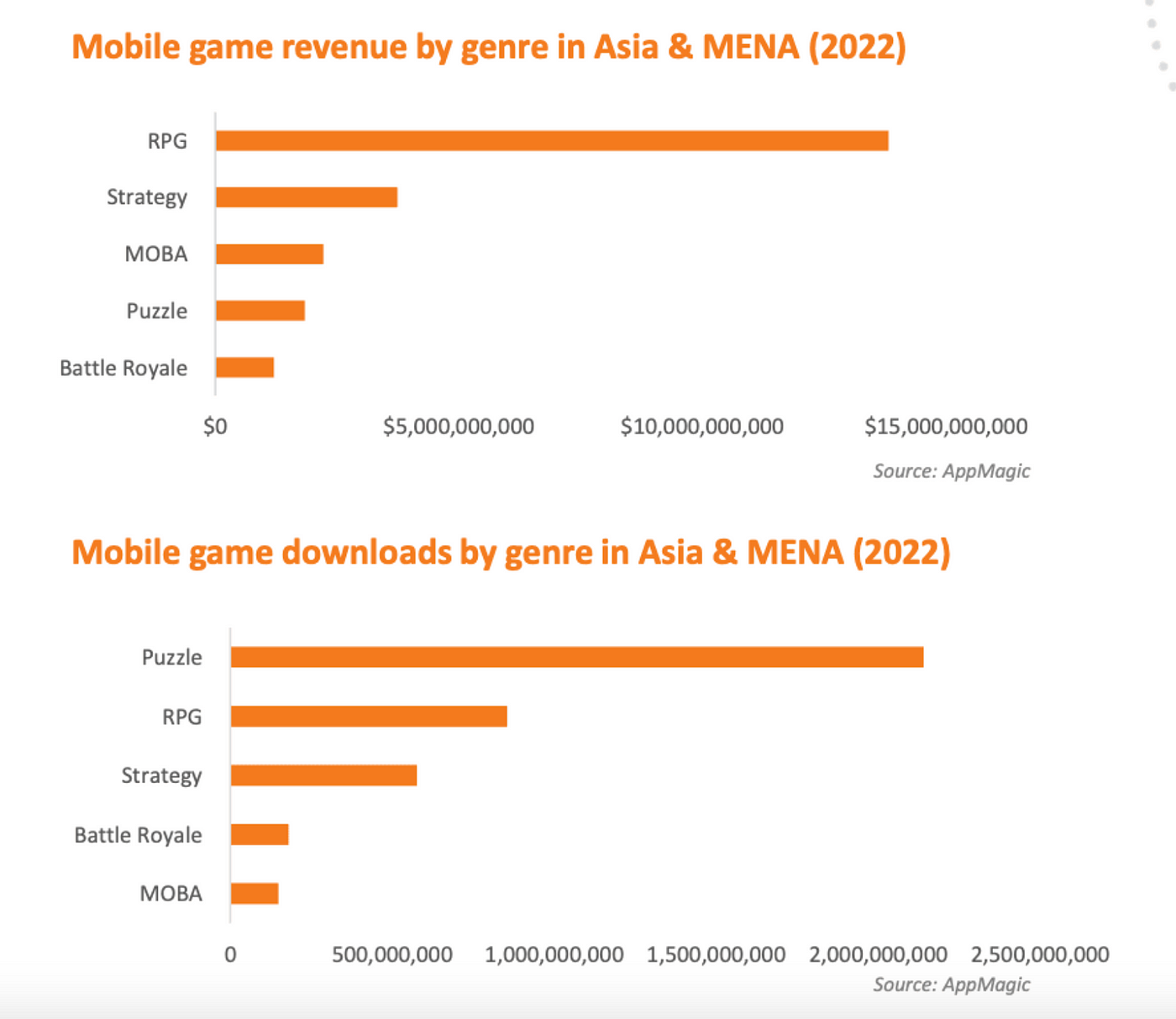
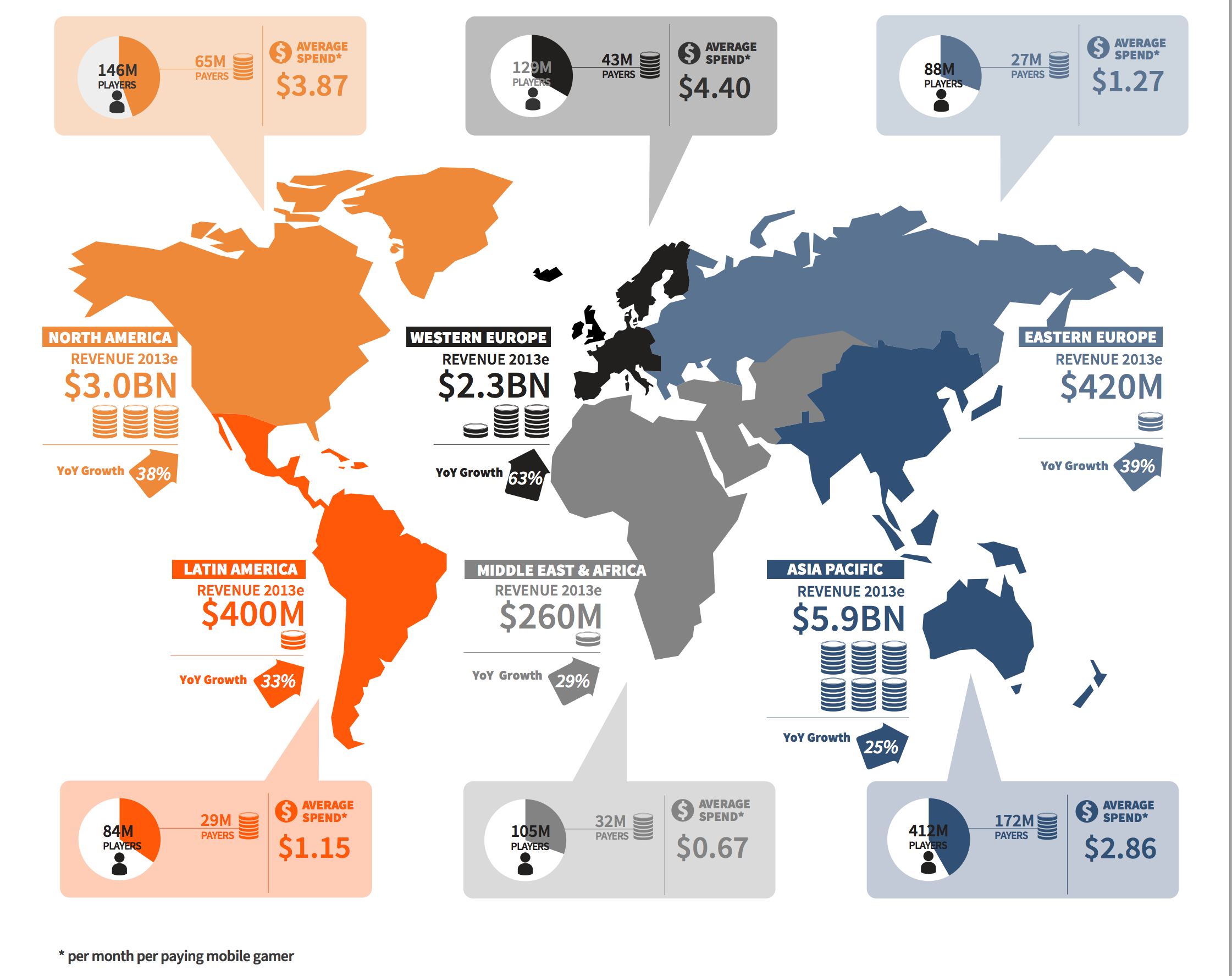
APPMagic’s 2022 mobile gaming research shows significant untapped potential for MOBA mobile games in Asian regions.
But analysis aside, does E4C actually have market potential? Perhaps real data can provide answers.
From January 9–23 this year, E4C conducted a two-week Alpha Test and publicly shared results via social media.
To evaluate a blockchain game with solid mechanics and playability, three key factors should be considered:
User acquisition, retention, and conversion to Web3.
The number of users acquired reflects marketing, operational, and promotional strength; retention rates reflect actual playability.
Most importantly, how many Web2 users engage with crypto assets after playing reveals true breakout potential.
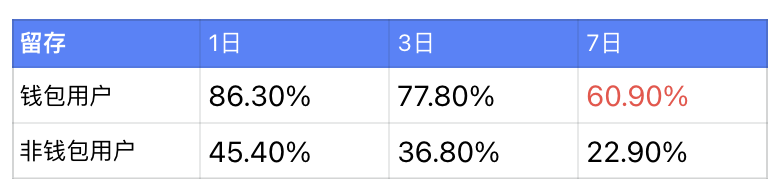
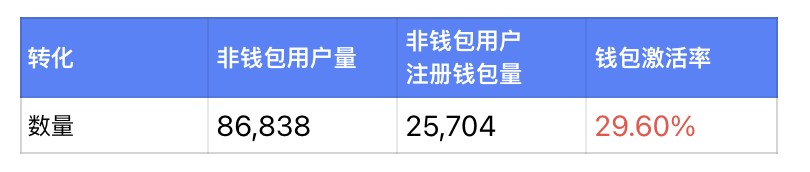
Based on these three aspects, here is an analysis table compiled from E4C’s official Alpha Test data:

We can draw several basic conclusions:
-
172K new users over two weeks, mostly from outside the crypto space, indicating a much larger external user base. Playable blockchain games *can* break out—they just need proper guidance and promotion;
-
Wallet users show higher retention, clearly driven by stronger incentive alignment and willingness to stay;
-
Non-wallet users have about 20% seven-day retention, yet wallet activation reached ~30%, meaning one in three Web2 users eventually tried creating a wallet and engaging with crypto mechanics—proving external users’ openness to trying Crypto.
More importantly, this is one of the few instances offering public, objective data showing Web2 users’ willingness to try and convert to Web3.
Compared to major traditional mobile studios, this data may seem modest—but considering this was a limited test rather than sustained operation, these results are commendable.
Even a 30% conversion rate could bring substantial new participants into the crypto ecosystem.
Bringing Web2 Players Into Web3
Now we’re curious: what did E4C get right? Why was it able to attract a significant portion of Web2 players?
Reviewing the game’s preparations and strategy before the Alpha Test, we believe the keys lie in identifying the right market, establishing distribution channels, and offering generous incentives.
Looking closely at these three points, they offer universal reference value for how blockchain games can achieve broader appeal.
First, regarding market selection—as previously noted, mobile MOBA games are currently popular mainly in China and Southeast Asia, making them ideal candidates for expansion into other emerging Asian markets.
Why target these emerging markets?
For example, due to policy and geopolitical reasons, Indian users cannot access popular domestic MOBA games. Public data also shows that ARPU (average revenue per user) for similar mobile games in other countries tends to be low, discouraging developers from entering these markets, further exacerbating underdeveloped local gaming ecosystems.
Games like E4C, maintaining gameplay quality comparable to top-tier mobile titles, overcome the low-ARPU challenge through uniquely designed Web3 monetization systems.
Second, concerning distribution: game publishing and promotion cannot rely solely on the project team. Partnering with regional game publishers is the optimal path.
Reportedly, E4C has secured partnerships with leading game publishers and platforms in emerging markets including India, Pakistan, the Middle East, and Taiwan, leveraging local channel power for marketing and operations.
Notably, these local publishers chose to collaborate even knowing E4C includes Web3 elements. This further proves blockchain games *can* go mainstream—if matched with the right markets and channels.
Expanding into targeted markets with effective local support naturally garners industry validation.
Finally, returning to familiar Web3 territory, E4C demonstrated strong generosity in incentives during testing.
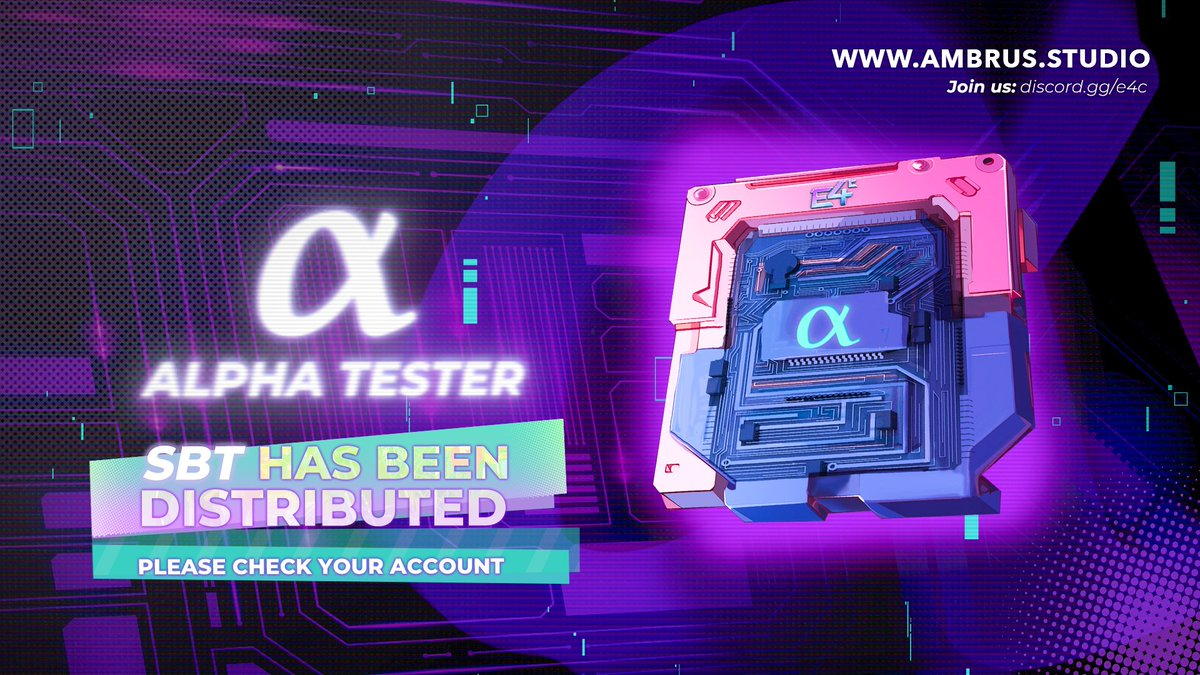
The project allocated 1% of its $E4C token supply—10 million tokens—for airdrops, distributed upon completing in-game tasks. Additionally, exclusive SBT gem rewards were offered during Alpha Test, redeemable for in-game assets upon full launch.
Crypto-native players know what they want—offer meaningful rewards and they’ll flock in.
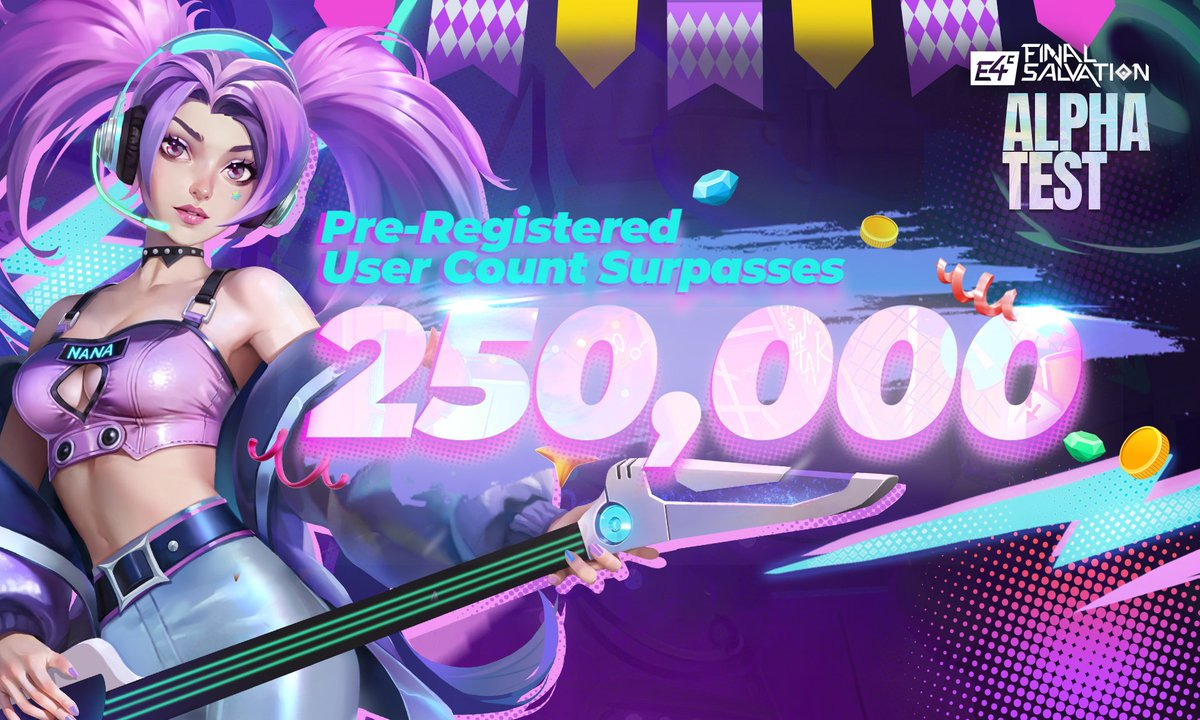
Fueled by reward expectations, pre-registration numbers surpassed 250,000 even before testing began.
Currently, acknowledging play-to-earn and degen demand isn't negative—games like E4C effectively channel this demand to attract more external players and sustain long-term operations.
It must be emphasized that crypto assets and rewards in E4C do not affect the core MOBA gameplay. NFTs primarily appear as character skins, serving decorative,炫耀 (show-off), and self-identity purposes.
As for the $E4C token, casual players might not even notice its existence while enjoying the game.
Thus, pursuing crypto rewards isn’t central to this game’s design—a stark contrast to most previous earn-to-mine blockchain games that inevitably collapsed into death spirals.
Web2 users can enjoy normal gameplay, and when encountering assets like skins, they’re already conditioned by CS, LoL, etc.—skins are inherently valuable. NFTs simply offer better preservation. Resistance among Web2 users is relatively low because crypto assets enhance personal expression and customization within gameplay, delivering both emotional and economic value.
It aligns with Web2 user habits and cognition while allowing purpose-driven Web3 users to earn rewards—both inside and outside the crypto bubble find satisfaction.
But since NFTs are mentioned, how is the current market performing for E4C-related NFTs? Do they hold additional value, utility, or positive outlook?
E4C Rangers: The Undervalued Value Link
Releasing NFTs before game launch has become standard practice in blockchain gaming.
Beyond early hype and expectation-building, NFTs often serve dual roles in price discovery and rights distribution: floor price movements act like mirrors reflecting market sentiment toward all news affecting the project; NFTs function not just as entry tickets but also link to broader in-game earnings opportunities.
With this logic, let’s first examine the price performance of the E4C Rangers NFT series.
Prior to E4C’s Alpha Test, NFT price movements reflected anticipation of test-related rewards, triggering a FOMO effect.
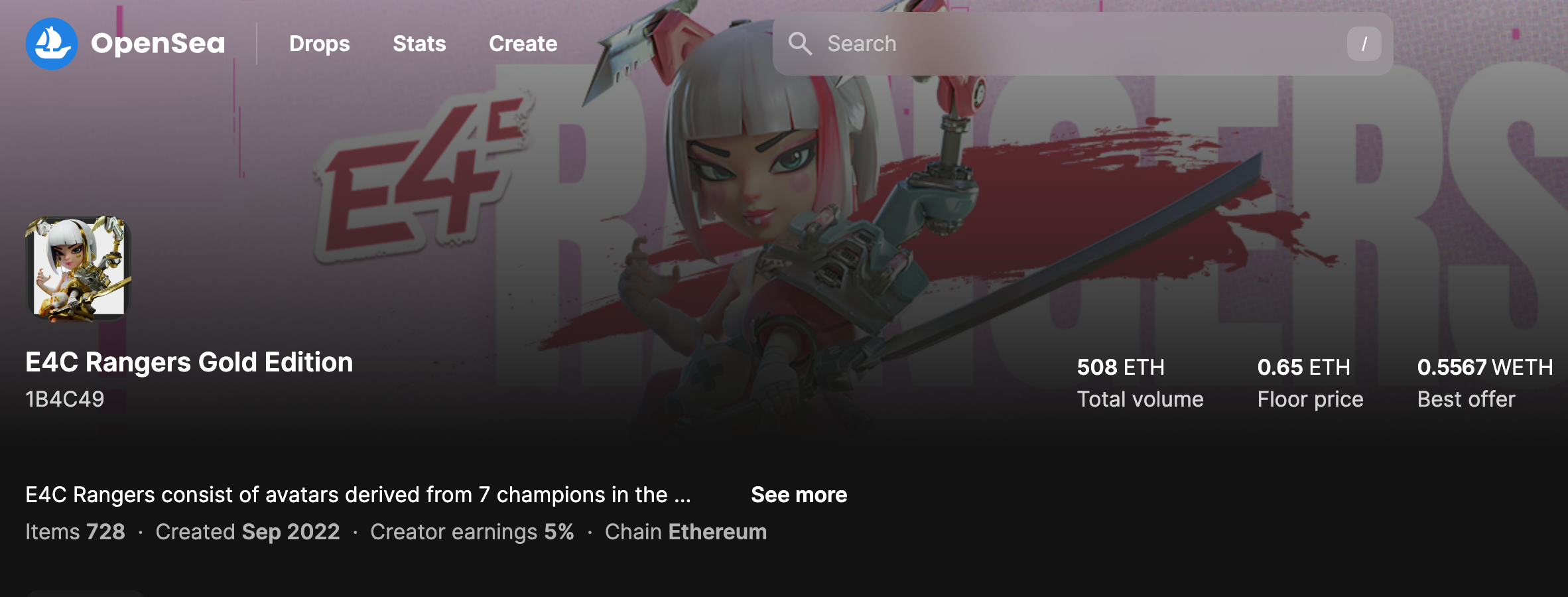
On December 30, the floor price of E4C’s flagship NFT collection, Rangers Gold Edition, surged to 0.845 ETH, a single-day gain exceeding 125%, up over 4,150% from weekly lows, with daily trading volume increasing 1,143% to 24.05 ETH.
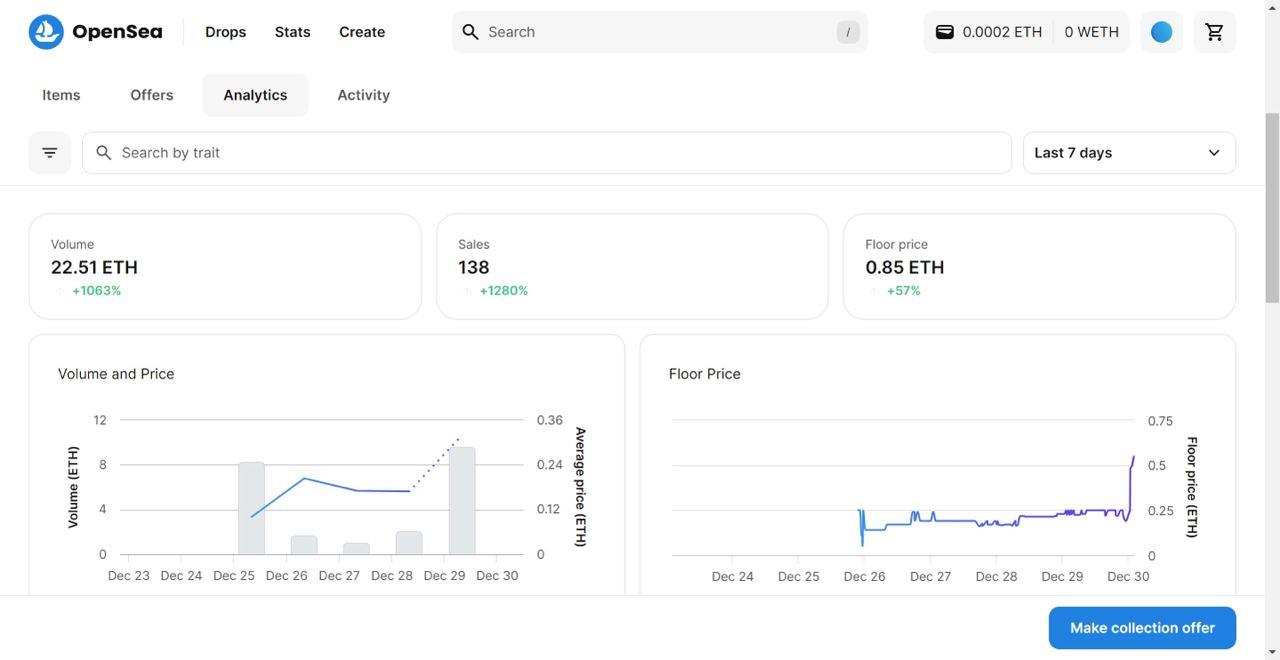
After the Alpha Test concluded, prices notably corrected and stabilized.
However, extending the floor price trend of Rangers Gold reveals sharp vertical spikes closely aligned with specific announcements and positive developments.
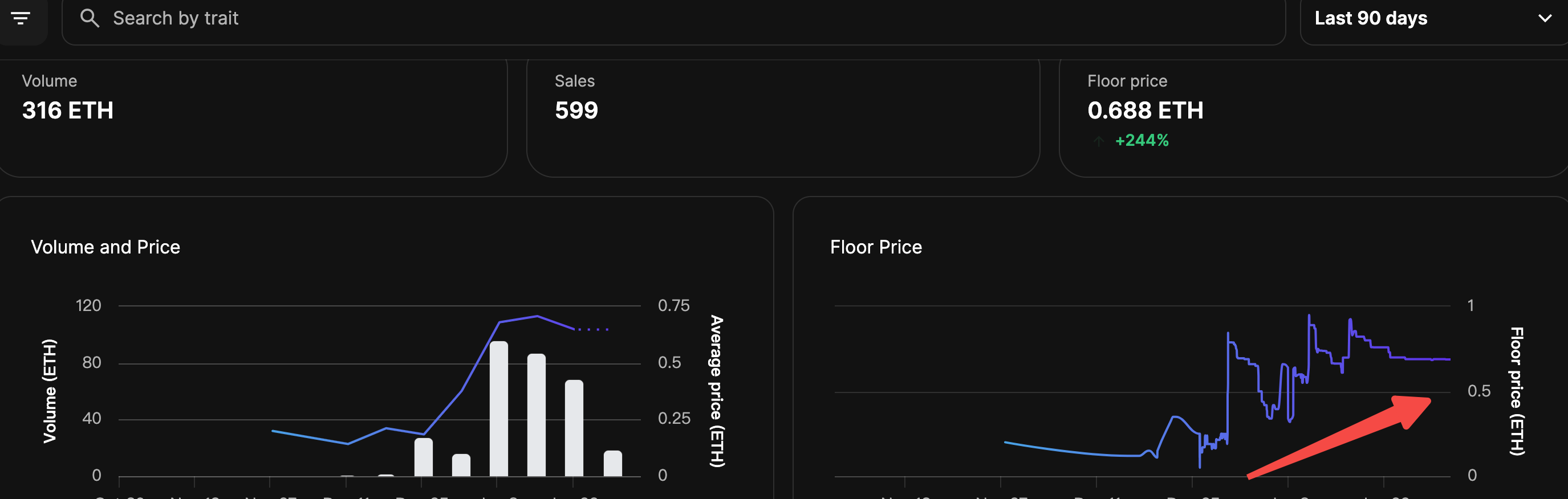
So, is the current Rangers Gold price overvalued or undervalued?
The answer hinges on whether there are **unrealized future benefits tied to the NFTs**.
Overall, Rangers Gold functions more like a value bridge connecting multiple in-game and out-of-game benefits:
In-game, owning these NFTs grants access to rare exclusive assets (chests, NFT skins, weapons, etc.). Since E4C hasn’t fully launched, this value remains largely unrealized—the Alpha Test merely offered a glimpse;
Out-of-game, Rangers Gold carries “golden shovel” significance—unlocking various token airdrops, qualifications, and opportunities.
Looking specifically at airdrops, NFT holders already enjoy several privileges:
-
Thanksgiving Airdrop: After the successful conclusion of the Alpha Test, the E4C team launched a thank-you airdrop, distributing 1% of the total $E4C supply to NFT holders;
-
Direct Airdrop: NFT holders receive direct $E4C token allocations, with quantities varying based on NFT tier (see image below);

When comparing benefit magnitude against floor price, for average users, Rangers Gold offers better cost-effectiveness. Higher-tier editions like Ultimate Edition offer more perks but come at over ten times the floor price of Gold, significantly raising the cost basis for returns.
-
Governance Airdrop: Participating in governance with NFT ownership yields additional $E4C token rewards based on participation;
-
Cross-Ecosystem Utility: Ambrus Studio, the team behind E4C, aims not to build a single game but a matrix of interconnected games. Visiting E4C’s official website reveals multiple upcoming titles. These NFTs aren’t one-time purchases—they’re **keys to participation rights and enhanced capabilities across future games**;
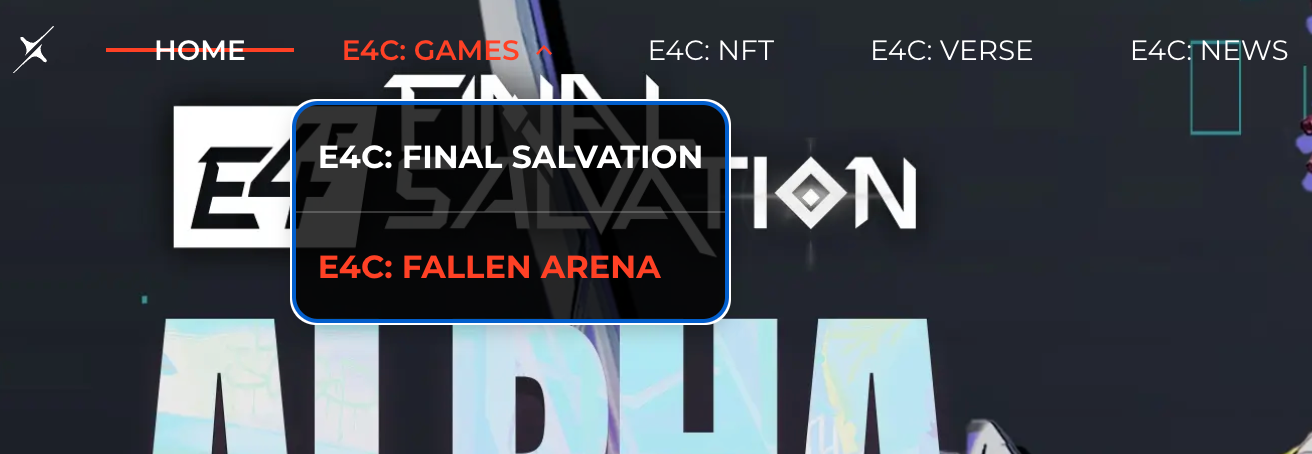
This resembles traditional gaming concepts like “season passes” or “battle passes.” For instance, if you owned Assassin’s Creed I, your pass would grant bonuses in II or expansion packs.
Regarding the $E4C token itself, though not yet issued, expectations are already high.
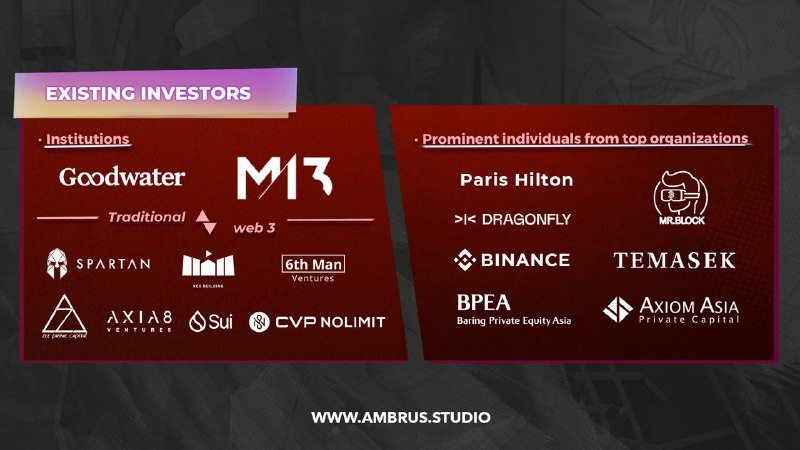
First, the E4C project has received backing from top-tier crypto institutions including Spartan Group, M13, 6th Man Ventures, and ZeePrime Capital. It has also attracted individual investments from well-known figures such as Mr. Block and others.
Moreover, SUI serves as the primary blockchain partner. Thanks to SUI’s performance, the game’s on-chain interactions deliver Web2-friendly user experiences. Given SUI’s recent surge in TVL, collaboration with its ecosystem naturally draws market attention.
Internally, E4C: Final Salvation was founded by Johnson Yeh, former APAC CEO of Riot Games, creators of League of Legends. With rich design expertise, the team aims to build the first Web3 MOBA mobile game integrating esports elements, making future promotional moves highly anticipated.
Considering all the above, we believe the **Rangers NFT series’ benefits may be undervalued**.
More catalysts lie ahead. With bull market momentum and broader blockchain gaming sector recovery expected, the current floor price may not be the end.
Fallen Arena: A Testing Ground for NFT Value Realization
Can we identify concrete upcoming catalysts?
When discussing NFT utility, many projects’ promised benefits remain speculative. Only when backed by actual products can NFT utility truly materialize.
Currently, the first step in realizing E4C Rangers’ spillover value is Fallen Arena, another title developed by Ambrus Studio—a one-on-one melee combat game.
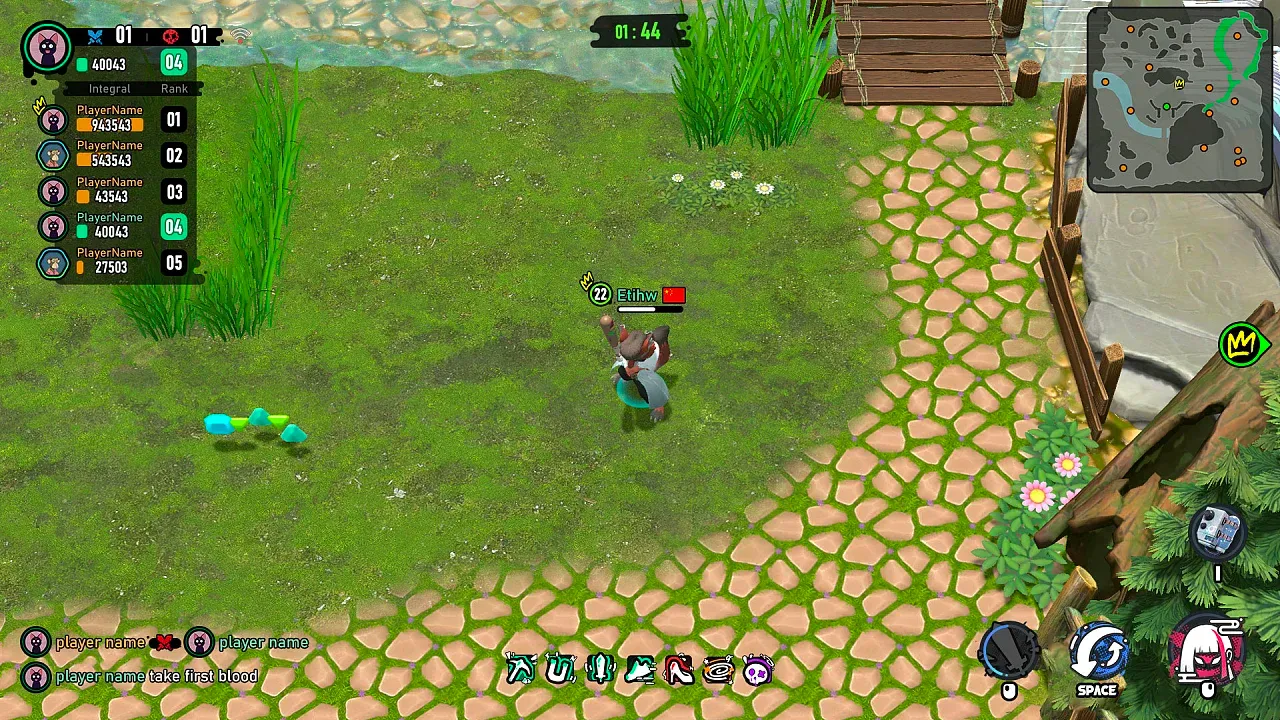
This game shares the same IP and universe as E4C: Final Salvation, using Rangers NFTs as character designs, though gameplay differs and leans more toward crypto-native mechanics.
Characters scavenge resources, level up, compete with others on a limited map, with the last survivor winning.
As early as 2021, Ambrus Studio released the core gameplay (without crypto) on Steam, achieving 17 million total impressions and 2 million page views.
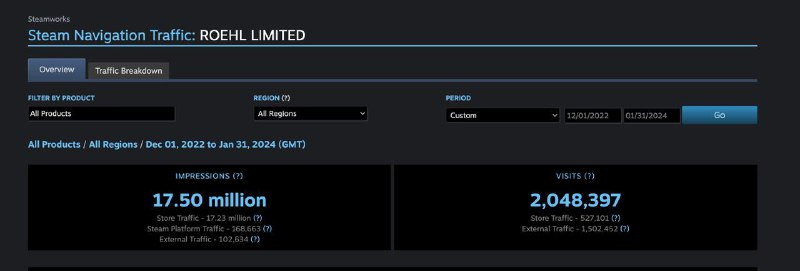
Now, deeply integrated with NFTs and crypto assets, Fallen Arena is clearly designed for Web3 players, serving as a consumption and usage channel for E4C’s NFTs and tokens:
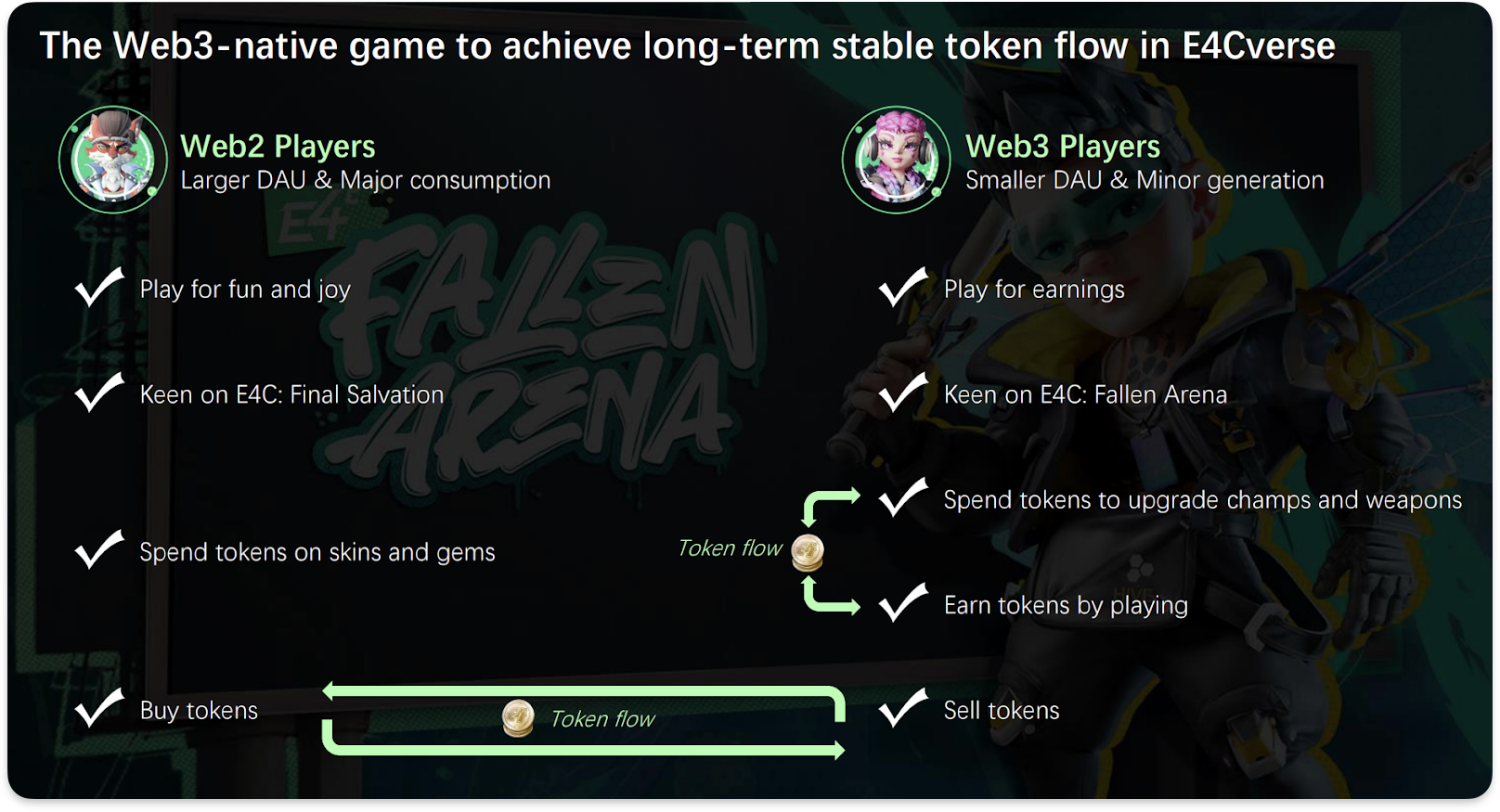
You must own a Rangers NFT to play—this is mandatory. Different NFT tiers grant varying character stat boosts, directly impacting P2E efficiency;
Additionally, P2E rewards yield $E4C tokens, and an equipment upgrade system allows spending $E4C to strengthen characters.
Clearly, this features a more Web3-oriented economic model and token burn mechanism. We believe designing a separate game brings several advantages:
-
NFT Value Realization: Provides a venue for Rangers NFTs to realize value beyond E4C’s main game, unlocking additional P2E opportunities;
-
Economic Isolation: Prevents disruption to Final Salvation’s in-game economy—pure earn-to-mine activities now have a dedicated outlet;
-
User Segmentation: Web3 earn-to-mine users have a destination, while Web2 players seeking fair competition can stick to Final Salvation, effectively segmenting audiences and avoiding death spirals caused by mass sell-offs.
Conclusion and Outlook
E4C’s earlier game test resembled a rehearsal for blockchain game operations, demonstrating that when targeting the right market and audience, blockchain games still have breakout potential.
Developing a game matrix allows different gameplay styles, audiences, and business models to find suitable carriers, broadening reach while enabling diversified growth.
Regarding NFTs and tokens, mining tools and mined coins matter—but within a larger gaming ecosystem, they can also incentivize secondary creation, grow communities and influence, strengthen consensus, which in turn supports core NFT asset prices, creating a virtuous cycle.
Finally, the MOBA genre naturally lends itself to esports. With NFT and token incentives, more tournament entries, reward distributions, and commemorative merchandise become possible.
Of course, turning these visions into reality depends on the operational capability and commitment of E4C’s team. Future performance remains to be seen.
Nevertheless, judging from E4C’s current trajectory, the eventual revival of blockchain gaming won’t come from repeating past mistakes with bigger budgets, but from creating richer utility layers that lock in value both inside and outside the crypto bubble—forging a sustainable play-and-earn coexistence model.
Join TechFlow official community to stay tuned
Telegram:https://t.me/TechFlowDaily
X (Twitter):https://x.com/TechFlowPost
X (Twitter) EN:https://x.com/BlockFlow_News
 深潮TechFlow