








January 2024 | Greythorn Monthly Market Update Report
TechFlow Selected TechFlow Selected
January 2024 | Greythorn Monthly Market Update Report
This article includes key market indicators analysis, in-depth interpretation of adoption trends, changing market sentiment trends, and the latest regulatory developments.
 Navigating Web3 tides with focused insights
Author: Greythorn
Introduction
Welcome to the inaugural edition of the Greythorn Market Update report. In an era where cryptocurrencies are increasingly coming into focus, it is essential to ensure our readers have a deep understanding of the latest developments in digital assets and blockchain technology.
At Greythorn, we are committed to providing monthly market updates, offering in-depth analysis of the latest developments in the crypto market and their interaction with the macroeconomic environment.
Each report will include key market indicator analyses, deep dives into adoption trends, shifts in market sentiment, and the latest regulatory updates. Additionally, we will explore the evolving role of cryptocurrencies within the global economy, helping you stay ahead in this dynamic industry.
Bitcoin Analysis:
January marked a significant period for Bitcoin, accompanied by notable developments and price volatility.
Strong Year-Start Momentum:
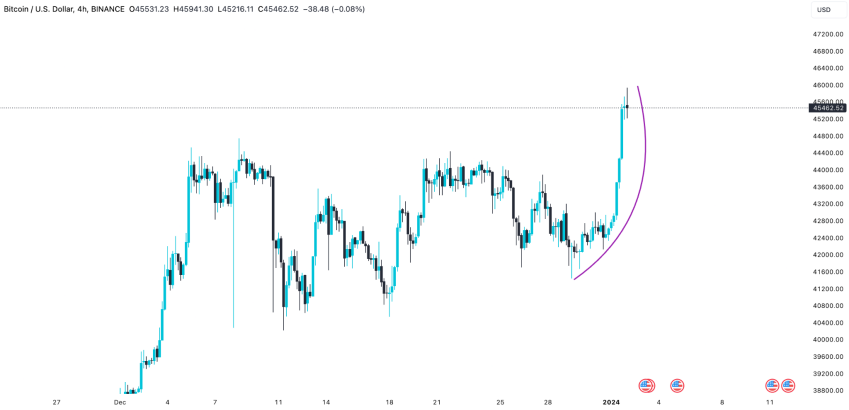
Bitcoin kicked off January impressively. On the evening of January 1, Bitcoin prices began surging, reaching over $45,800 by January 2—a level not seen since April 2022, following the collapse of the Terra ecosystem and subsequent market turmoil.
Bitcoin Celebrates Its 15th Anniversary
On January 3, Bitcoin marked the 15th anniversary of its genesis block mining. This milestone commemorated not only the beginning of the Bitcoin network but also reflected on Bitcoin’s innovative journey and ecosystem development. As the first block—also known as Block #0—the Genesis Block was self-generated by the Bitcoin protocol. It launched the blockchain and introduced the first 50 Bitcoins through mining rewards, marking the start of Bitcoin's journey. On this anniversary, accelerated developments within the Bitcoin ecosystem—such as NFT markets built on Bitcoin, potential data storage applications, advancements in Bitcoin Layer-2 solutions, and the potential to transform Bitcoin into a multi-asset network via Taproot Assets—are drawing industry attention.
Bitcoin Performance Overview for January
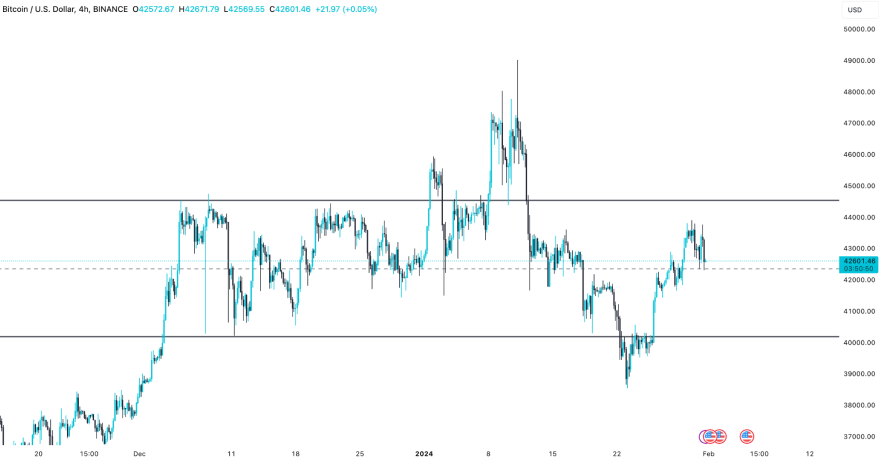
Despite a strong start to the year, Bitcoin experienced relatively volatile performance throughout January, with prices moving sideways.
On January 8, rumors circulated that the U.S. Securities and Exchange Commission (SEC) was close to approving the first U.S. spot Bitcoin ETF, with market speculation suggesting BlackRock had prepared $2 billion in funding for this new ETF.
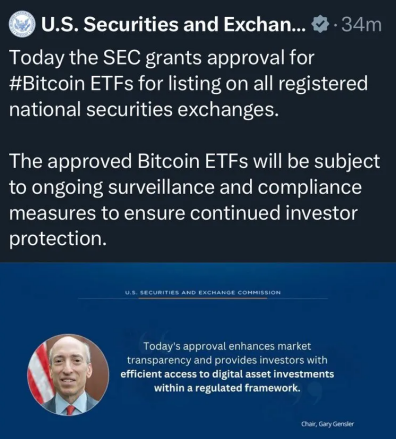
However, on January 10, a hack of the SEC's account led to false statements about the approval of multiple Bitcoin ETFs.
After initial confusion, SEC Commissioner Hester Peirce provided formal confirmation on January 11. The market responded with the expected "sell the news" reaction, but prices remained within the sideways range established since early December.
ETF Launch and Market Impact
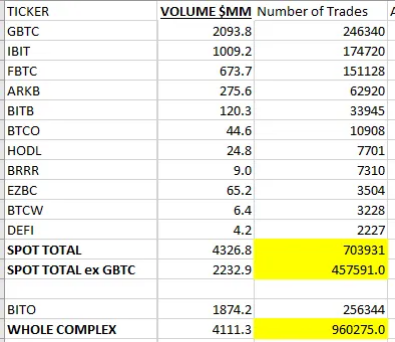
Following these events, BlackRock's IBIT saw over $1 billion in trading volume on its first day of listing, while other ETFs such as Fidelity's FBTC, ARK/21Shares' ARKB, and Bitwise's BITB also performed well. Total trading volume across all ETFs including GBTC reached $4.3 billion. Even WisdomTree's less prominent BTCW outperformed most newly launched ETFs.
Contrary to some expectations, Bitcoin prices did not surge after these developments. Partly due to the aforementioned "sell the news" pressure and partly because capital outflows from GBTC were not fully reinvested back into Bitcoin, either directly or through ETFs. Many speculators who previously invested in GBTC may have taken profits, contributing to the subsequent price decline.
During this period, Ethereum briefly outperformed Bitcoin for the first time in a while. This shift was primarily driven by portfolio rotation from Bitcoin to Ethereum, especially amid growing anticipation around the potential launch of a spot Ethereum ETF.
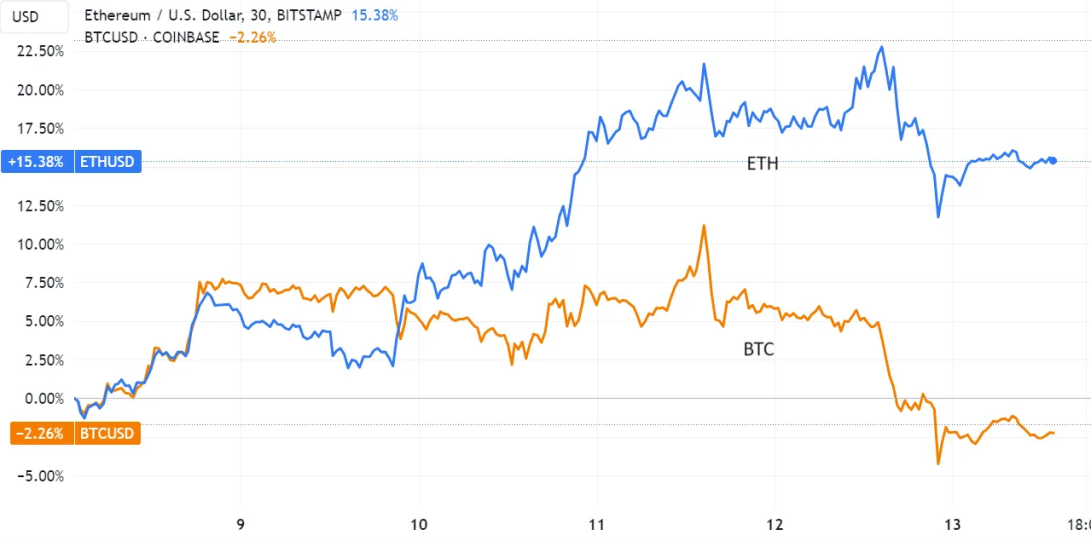
As excitement around the ETFs faded, Bitcoin prices initially stagnated before declining further, falling below $39,000—a level not seen since early December. This drop was largely driven by outflows from GBTC. As investors began redeeming their GBTC holdings, the market observed significant capital outflows, recording the largest single-day outflow on January 22 at $640 million.
Despite these challenges, Bitcoin showed resilience toward the end of January. The rate of outflows from GBTC began to slow, decreasing to $394 million by January 25. While still substantial, this slowdown marked the lowest daily outflow since the ETF launch date, potentially indicating early signs of market stabilization.
Source: BitMEX Research
In summary, January was a pivotal month for Bitcoin. Looking ahead, several key factors could influence market direction. The U.S. government plans to sell a large amount of seized Bitcoin, which might introduce some selling pressure. Meanwhile, the SEC has delayed decisions on several spot Ethereum ETF proposals, and FTX has sold approximately $1 billion worth of GBTC. Additionally, reports indicate that around 200,000 BTC from the Mt. Gox bankruptcy case is expected to be distributed over the coming months.
Nevertheless, we should not overlook the rising interest in Bitcoin, with key on-chain activity metrics showing increased engagement. Notably, historically, the upcoming Bitcoin halving event—expected roughly six months from now—typically signals the beginning of a new bull market. Taken together, the coming months present both challenges and exciting opportunities for Bitcoin investors.
Key Market Highlights This Month:
● SEC turbulence: This month, the SEC faced both a security breach and officially approved 11 spot Bitcoin ETFs, attracting widespread market attention.
● Ethereum enters a new chapter: Co-founder Vitalik Buterin unveiled an updated roadmap for Ethereum, focusing on scalability and further decentralization, demonstrating the Ethereum community’s ongoing commitment to technological innovation.
● Surge in Bitcoin retail adoption: Over 6,000 retailers globally now accept Bitcoin payments, reflecting significant growth in cryptocurrency usage for everyday transactions.
● Ark Invest reduces Coinbase stake: Ark Invest sold over $50 million worth of Coinbase shares this month, reflecting adjustments in its asset allocation strategy.
● Record-breaking Bitcoin futures: Trading volume for Bitcoin futures on the Chicago Mercantile Exchange (CME) hit an all-time high, highlighting growing institutional interest in Bitcoin.
● Expansion of Asia’s crypto market: Approximately ten Hong Kong-based firms are exploring launching spot crypto ETFs, signaling increasing regional interest in crypto assets.
● Fox Corporation partners with Polygon Labs: The collaboration launched Verify, a blockchain-based media platform, showcasing mainstream corporate exploration of blockchain applications.
● Bitcoin surpasses silver: Among U.S. ETF commodity assets, Bitcoin’s market cap has risen to second place, underscoring its significance as an asset class.
● SEC delays Ethereum ETF decision: Extended review period for Fidelity’s Ethereum ETF to March, delaying market expectations.
● Trump opposes CBDC: Donald Trump pledged that if re-elected U.S. President, he would block the issuance of a central bank digital currency.
● South Korea reevaluates crypto tax policy: Considering the possibility of a spot Bitcoin ETF, reflecting renewed thinking on cryptocurrency taxation.
● Global crypto user base surges: According to Crypto.com, the number of global cryptocurrency users has soared to 580 million.
● Tesla maintains Bitcoin holdings: Confirmed in its Q4 financial report, demonstrating long-term confidence in Bitcoin.
● Polymer Labs secures major funding: Raised $23 million for development of its Ethereum Layer-2 network.
● OKX plans to shut down mining pool services: The crypto exchange announced it will discontinue its mining pool operations by the end of February.
● Ripple co-founder hacked: Personal XRP account compromised in a $113 million hack incident.
● Celsius Network begins payouts: After completing Chapter 11 bankruptcy proceedings, initiated $3 billion in compensation payments.
● Hong Kong investigates Worldcoin data privacy: Scrutinizing its methods of collecting and processing personal data.
● Ethereum Dencun upgrade successfully deployed: Launched on the Sepolia testnet, aimed at reducing fees and improving network scalability.
● Solana transaction volume hits multi-year highs: According to The Block data, reflecting high market activity and interest in Solana.
On-Chain Outlook
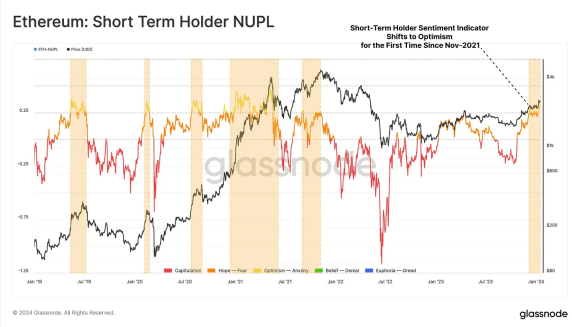
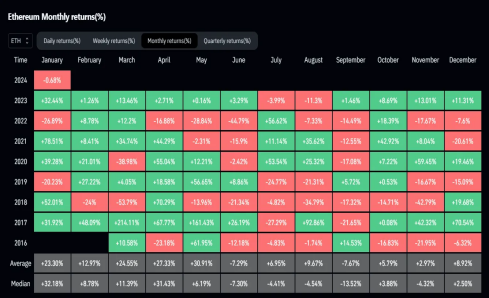
● From January to May, Ethereum has historically shown strong performance. However, facing increasing competition from rivals like Solana (SOL) and Celestia (TIA), as well as growing Layer-2 solutions, this trend may face significant disruption. Data from Glassnode shows Ethereum’s short-term holder sentiment indicator has turned optimistic—the first time since November 2021—possibly reflecting market enthusiasm for a potential Ethereum ETF and improved overall market conditions.
Source: Daan Crypto Trades, Glassnode
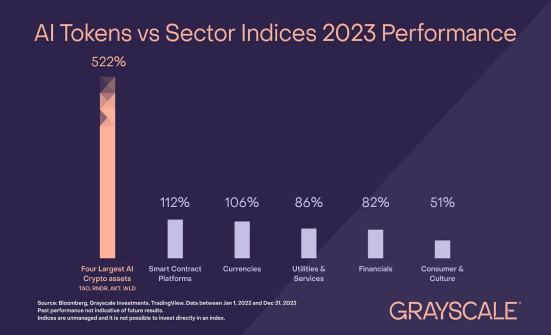
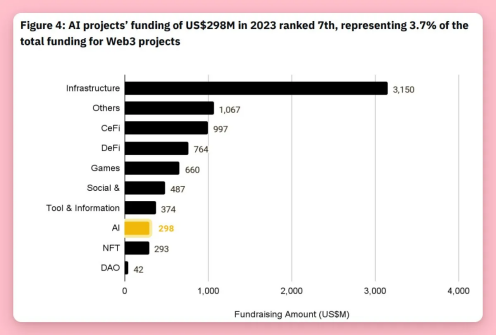
In 2023, Web3 investments in AI projects surged significantly to $298 million—double the total investment over the past seven years. Crypto-assets in the AI sector outperformed all other sectors in 2023. For more details, refer to the OLAS research report.
Source: BinanceResearch, Grayscale
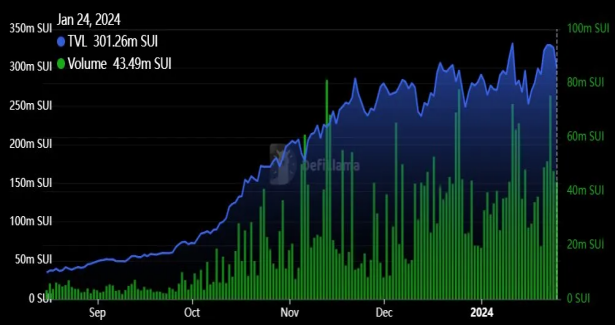
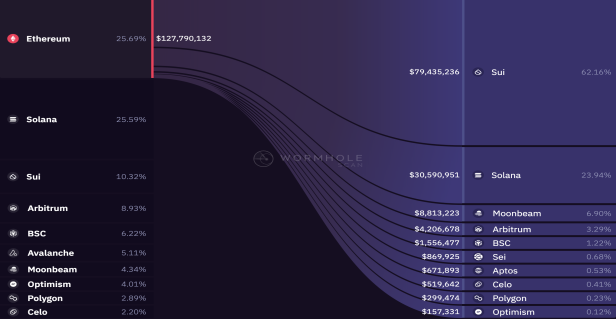
Recently, Sui has demonstrated remarkable growth momentum, with sharp increases in both total value locked (TVL) and transaction volume, ranking 12th in TVL and 9th in weekly transaction volume. Notably, Sui successfully attracted $50 million from Ethereum, becoming a major liquidity hub.
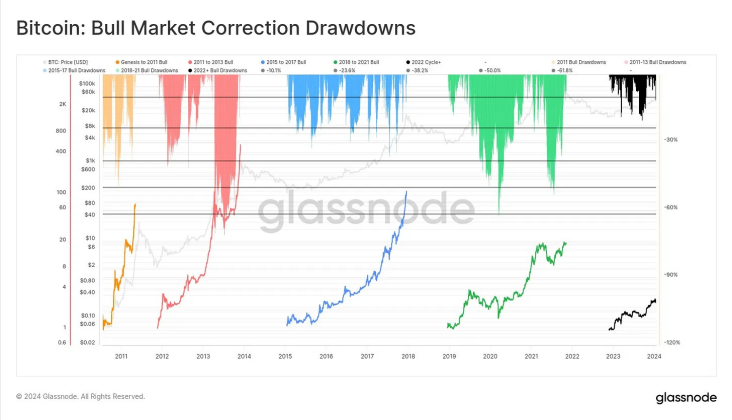
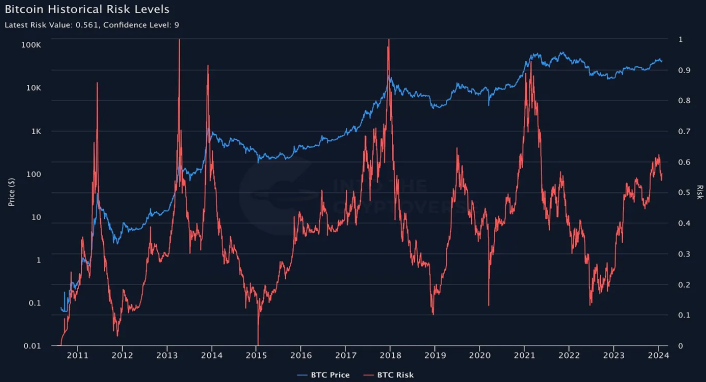
● According to Glassnode data, during bull market corrections, drawdowns typically range between 25% and 35%. The current market cycle has experienced fewer drawdowns than historical cycles, suggesting no excessive concern is needed at this stage. Additionally, Bitcoin risk levels declined slightly after the ETF events and GBTC outflows, though still remain above 0.5, indicating moderate risk. Typically, Bitcoin rarely enters medium (0.4–0.6) or high-risk (0.6–1) zones.
Source: Glassnode, Into The Crypto Verse
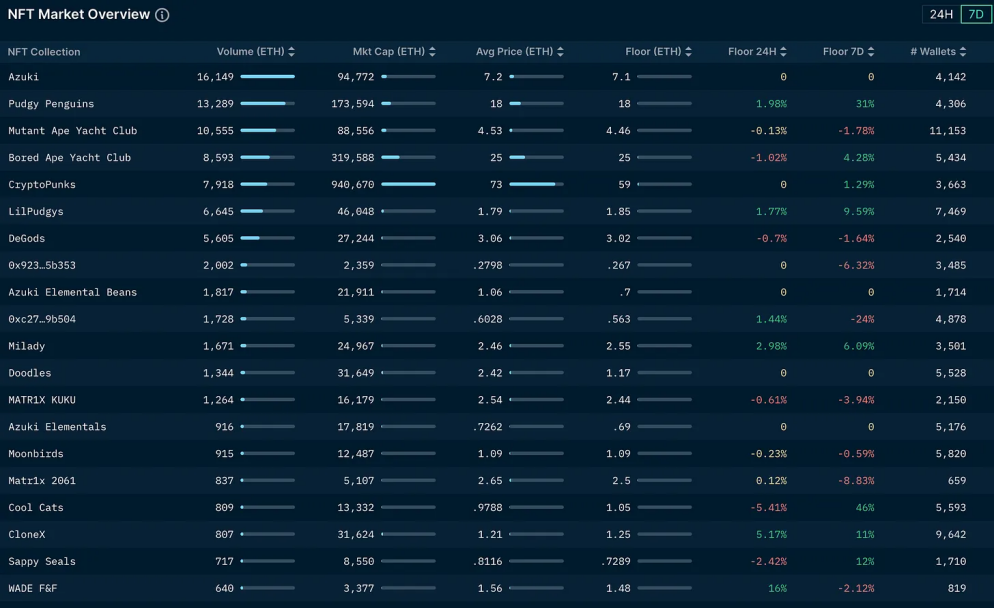
● In the NFT market, Pudgy Penguins continues to lead, hitting new highs this week, while Lil Pudgies also saw significant growth. Meanwhile, Cool Cats made a strong comeback, with its floor price rising 46% in the past week.
Disclaimer: The cryptocurrency ecosystem is broad and continuously evolving, encompassing numerous daily indicators. This analysis focuses only on selected key monthly metrics, intended to provide a quick overview rather than a comprehensive coverage of all details.
Macroeconomic Analysis
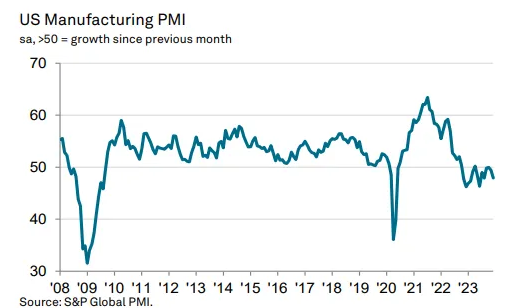
● At the start of June, U.S. manufacturing continued its nearly two-year downward trend, experiencing a clear recession. We have witnessed significant declines in manufacturing output and employment, alongside sharp increases in material and transportation costs, leading to higher sales prices. Despite these challenges, the U.S. economy remains primarily service-driven, further highlighting its persistent inflation issues.
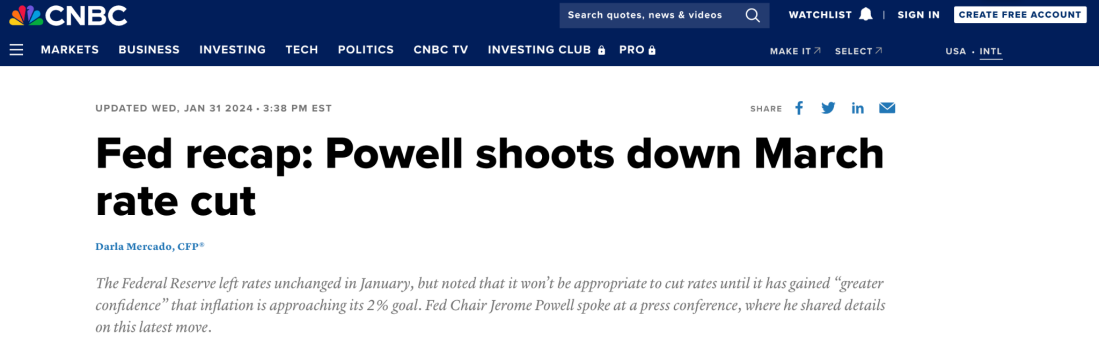
● Early this month, expectations for interest rate cuts began shifting. According to CME futures markets, the likelihood of near-term rate cuts decreased compared to previous weeks. These expectations were confirmed when Federal Reserve Chair Powell announced rates would be held steady. The Fed emphasized that it needs greater certainty about reaching its 2% inflation target before taking any rate-cutting action, highlighting its cautious approach amid complex economic conditions.
● Furthermore, economic and labor market data suggest that controlling inflation may be more difficult than anticipated. This month, the job market remained strong, significantly reducing layoffs. In Europe, inflation appears to be accelerating, with Germany’s annual CPI rising sharply in December. Although global manufacturing growth has slowed, the U.S. economy has not yet shown signs of entering a recession.
● January also revealed a statement from the U.S. Treasury Department that federal public debt surpassed $34 trillion for the first time—an amount equivalent to the combined economies of China, Germany, Japan, India, and the UK.
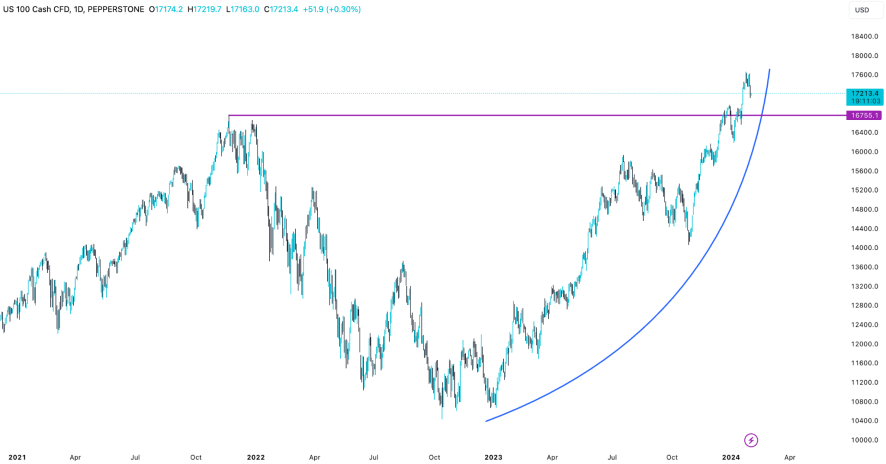
● Mid-month, we saw some positive signals. China announced 2023 GDP growth of 5.2%, exceeding its 5% target. Simultaneously, the Nasdaq-100 Index hit a new all-time high. However, unlike usual patterns, this tech-sector rally did not drive Bitcoin higher, suggesting other factors were influencing the market.
● Shortly afterward, China released news that drew attention. Reports indicated the Chinese government might issue special bonds to stimulate the economy—typically a measure reserved for emergency financing. This move appears aimed at addressing the sharp decline in China’s stock market since 2021. Additionally, the expected liquidation of Chinese property giant Evergrande was formally confirmed in Hong Kong. While negative, the impact on markets was limited due to widespread anticipation.
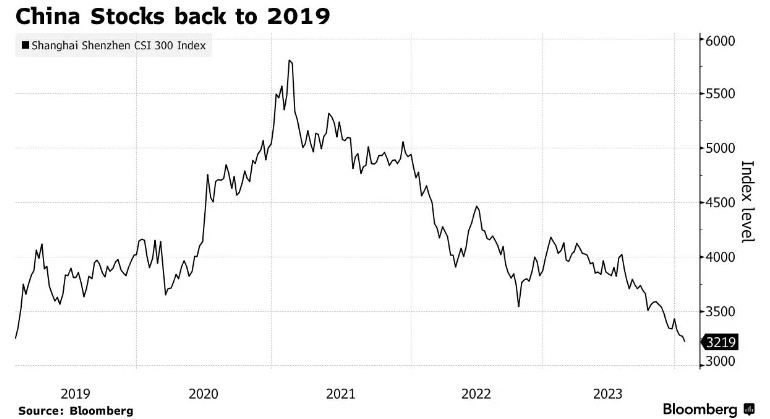
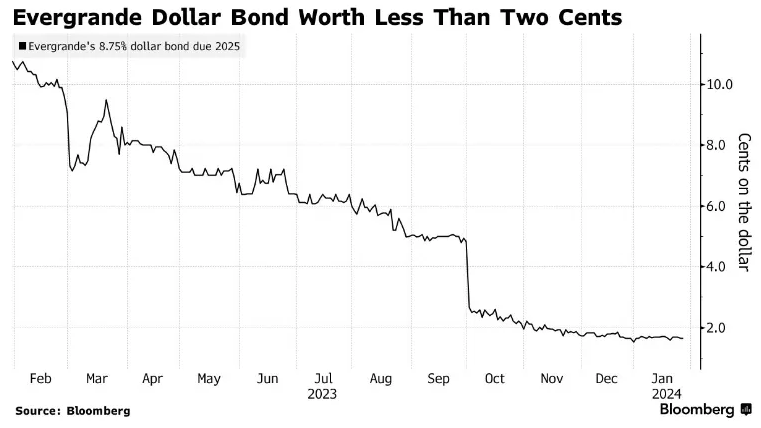
Source: Bloomberg
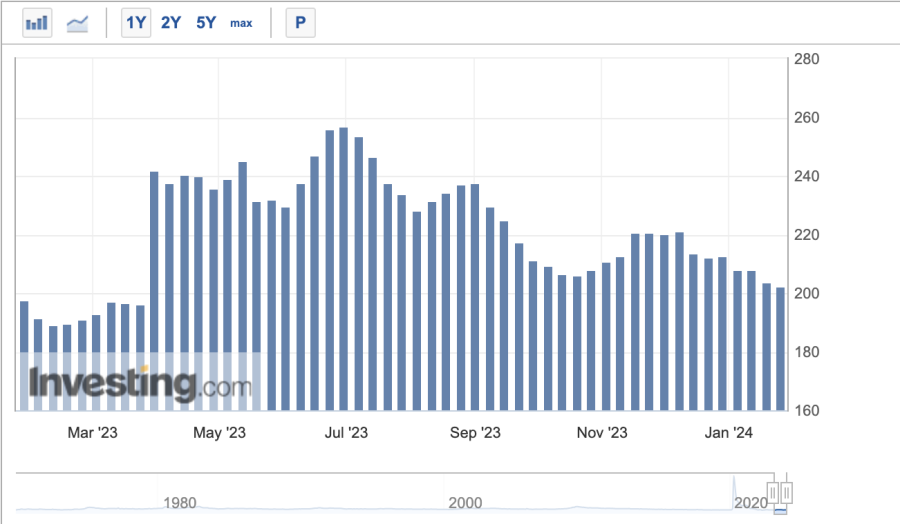
● The U.S. housing market continues to face challenges, with December’s existing home sales marking the worst year since 1995. This housing downturn is another sign of the current complex economic environment.
● Finally, we must also consider ongoing geopolitical tensions: the war in Ukraine, strengthening ties between Russia and North Korea, escalating conflicts in the Middle East, and rising friction in the South China Sea region.
Conclusion:
Entering 2024, it is clear that the outlook for cryptocurrencies is brighter this year compared to the challenges of 2023. Despite some concerns in the broader economic context, the crypto space is entering a new phase of growth. The recent approval of ETFs marks a significant milestone, signaling renewed global recognition of cryptocurrencies’ potential to make a tangible impact.
Disclaimer
This document is prepared by Greythorn Asset Management Pty Ltd (ABN 96 621 995 659) (hereinafter referred to as “Greythorn”). The information contained herein is for general reference only and is not intended as investment or financial advice. This document does not constitute advertising, nor is it an offer, invitation, or intended for the purchase or sale of any financial instrument or participation in any specific trading strategy. In preparing this document, Greythorn has not considered the investment objectives, financial situation, or particular needs of any recipient. Therefore, individuals or institutions receiving this document should assess their own circumstances and consult their accountant, legal, or other professional advisors before making any investment decisions.
This document contains statements, opinions, forecasts, and forward-looking statements based on various assumptions. Greythorn assumes no obligation to update such information. These assumptions may or may not be correct. Greythorn and its directors, employees, agents, and advisors make no representations or warranties regarding the accuracy or achievability of any forward-looking statements or the underlying assumptions. Greythorn and its directors, employees, agents, and advisors make no guarantees or commitments regarding the accuracy, completeness, or reliability of the information contained in this document. To the maximum extent permitted by law, Greythorn and its directors, employees, agents, and advisors shall not be liable for any loss, claim, damage, cost, or expense arising from or related to the information contained in this document.
This document is the property of Greythorn. Any individual or entity receiving this document agrees to keep its contents confidential and not to copy, provide, disseminate, or disclose any information from this document in any form without Greythorn’s prior written consent.
Join TechFlow official community to stay tuned
Telegram:https://t.me/TechFlowDaily
X (Twitter):https://x.com/TechFlowPost
X (Twitter) EN:https://x.com/BlockFlow_News
 Greythorn











