








Senegal: Hope for the Birth of the Next "Bitcoin Beach"
TechFlow Selected TechFlow Selected
Senegal: Hope for the Birth of the Next "Bitcoin Beach"
This is what Bitcoin in Africa looks like, and a way for the continent to surpass developed nations.
 Navigating Web3 tides with focused insights
Text by: Joseph Hall
Translation: Yafeila Web3 Research Institute Translation Team
Senegal, a West African nation, has evolved from the ruins of scams, sovereign interference, and poor infrastructure into a thriving circular Bitcoin economy.
Dakar, Senegal’s capital, hosts an annual pan-African Bitcoin conference, features over ten businesses accepting BTC payments, and is home to a local P2P BTC exchange alongside various emerging communities.
Even during a bear market, within ten months of its first in-person event in Dakar, BTC Days emerged, followed by a growing number of Bitcoin-related activities. Why has BTC suddenly gained popularity in Senegal? Is the country heading toward "hyperbitcoinization," or witnessing a small-scale "mass adoption"?
Could Senegal become the next country in Asia, Africa, and Latin America to follow El Salvador’s footsteps? I wanted answers. I missed the birth of Bitcoin Beach in El Salvador in 2019, but I didn’t want to miss West Africa’s grassroots-driven Bitcoin circular economy.
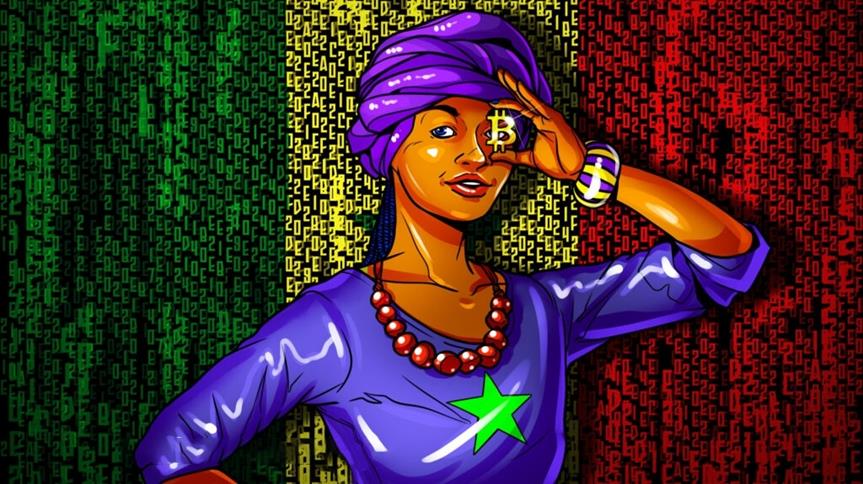
Let’s explore what it would look like if Senegal developed its own Bitcoin Beach.
Monetary Colonialism: The CFA
The French created the CFA (West African CFA franc) monetary system and control its exchange rate—even designing and printing the banknotes used across Africa. This means someone in Clermont-Ferrand, France, who has never set foot in Africa, could design paper money used by millions across 13 African countries.
The West African CFA franc is currently pegged to the euro at a fixed rate of 655.957 to 1. In 1994, under pressure from France, it was devalued from 1:505 against the former French franc to 1:100. Spurred by France and supported by the World Bank and IMF, this “devaluation” wiped out the savings of the Senegalese people.
Most critically, French officials sit on the board of central banks in Francophone Africa, wielding significant power—including veto rights.
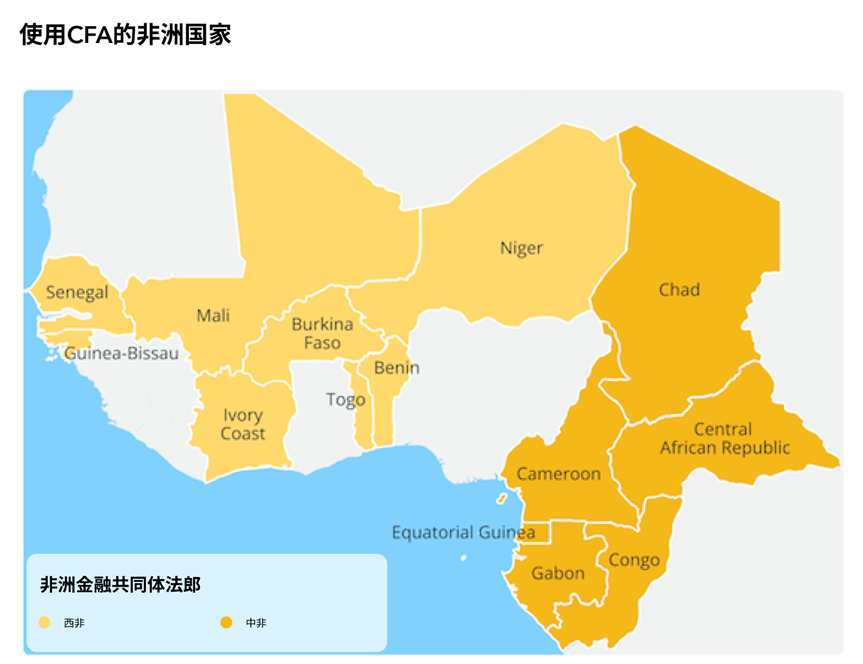
Alex Gladstein of the Human Rights Foundation once explained: “Unlike typical fiat systems, the CFA system is far more insidious. The CFA is monetary colonialism.”
From Cuba to Turkey, South Africa to Serbia—I’ve never seen a greater need for monetary liberation than in Central or West Africa, and Bitcoin is the most suitable solution.
The Birth of Another “Bitcoin Beach”
In January 2022, I noticed on Twitter that several bars in Dakar’s expatriate district had started accepting BTC payments. You could now buy crêpes or bissap—a refreshing local drink made from hibiscus flowers—via the Bitcoin Lightning Network while watching waves at the beach.
This immediately reminded me of El Salvador’s grassroots “Bitcoin Beach” initiative, which ultimately led to Bitcoin becoming legal tender. It was exciting—the possibility of a “Bitcoin Bistro” emerging in Dakar felt real.
At that moment, I urgently wanted to speak with those driving Bitcoin adoption.
Driving Merchant Adoption of BTC in Dakar
Nourou (a pseudonym), a tall, soft-spoken Senegalese man who spent much of his life working in France, is a unique Bitcoin advocate.
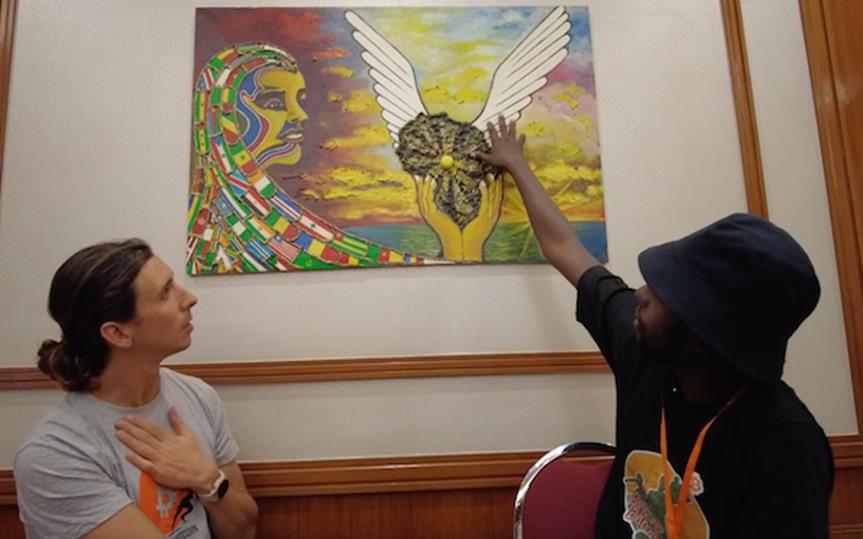
Nourou points to the wings of Africa during an interview
Nourou returned to Senegal during the outbreak of COVID-19, but the chaos caused by the pandemic did not deter his dream of making Bitcoin the preferred currency in his homeland.
When he came back to Senegal in 2021, he found friends and family members had lost most of their savings to Ponzi schemes like Petronpay and other popular crypto scams across Africa. So, he built a Bitcoin community in Senegal.
“I was the first person in our first Clubhouse Space. We started with just three or four people, but I kept hosting twice a week, then once a week, as we slowly grew to 10, 20... even hundreds listening,” he told Cointelegraph about his efforts.
Peer-to-Peer, Pure Bitcoin Use
In February 2022, while traveling in Senegal, I attended the country’s first-ever Bitcoin meetup. It was a milestone event—previous gatherings had been held only on Twitter or Clubhouse. I was also struck by the caliber of attendees.
The room was packed with Bitcoin fundamentalists, Bitcoin maximalists, entrepreneurs, central bankers, and even professors from Dakar’s top universities. The atmosphere stood in stark contrast to Bitcoin meetups I’d attended in Europe or the U.S.—frankly, gatherings often dominated by white millennial men ranting against fiat.
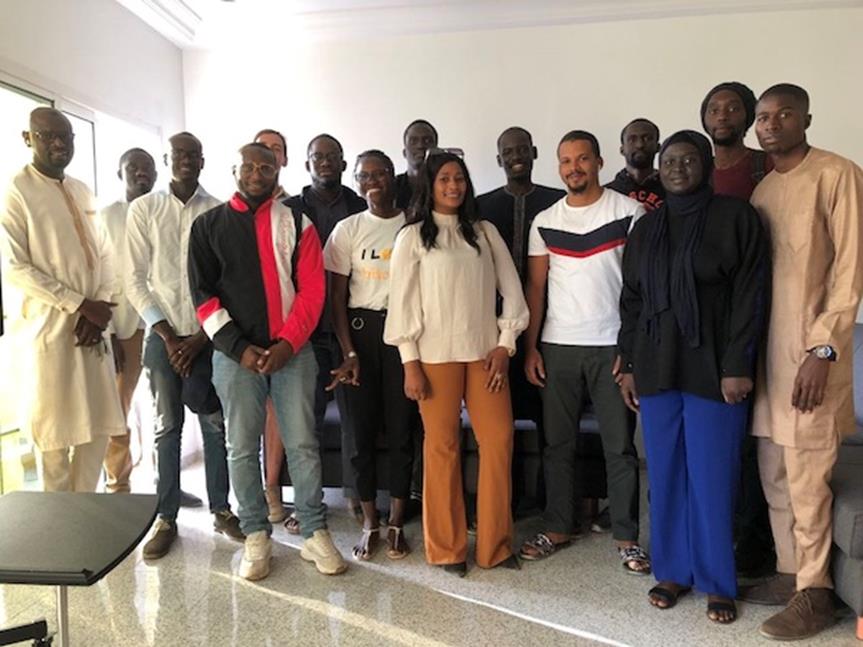
February 2022: Senegal’s first in-person BTC meetup. Nourou is second from right; I am fifth from left (back row)
I also saw Nourou onboard three more restaurants onto the Bitcoin network. Interestingly, many merchants were using Bitcoin in its purest form: as a peer-to-peer cash system.
They accepted payments via Bitcoin or the Lightning Network and held BTC, aiming to use it as base money within a circular economy. Nourou is developing an app that allows merchants to convert Bitcoin into local currency when they need cash.
In March 2022, I happily left Senegal, inspired by one key insight: in places where Bitcoin is needed most, believers are investing time and energy to educate others about money—and ultimately, about Bitcoin.
In August 2022, Nourou suddenly texted me, saying he planned to host a Bitcoin forum in Senegal and launch Dakar Bitcoin Days. This would be the first time Bitcoin enthusiasts from around the world gathered on the African continent to share their passion and discuss how to drive local BTC adoption.
Dakar Bitcoin Days
Dakar Bitcoin Days brought together Bitcoin enthusiasts and economists from across Africa—from Cameroon to Congo, Mali to Ivory Coast to the Central African Republic. As Nourou said in an interview, pointing at the continent: “If we unite, Africa will soar.”
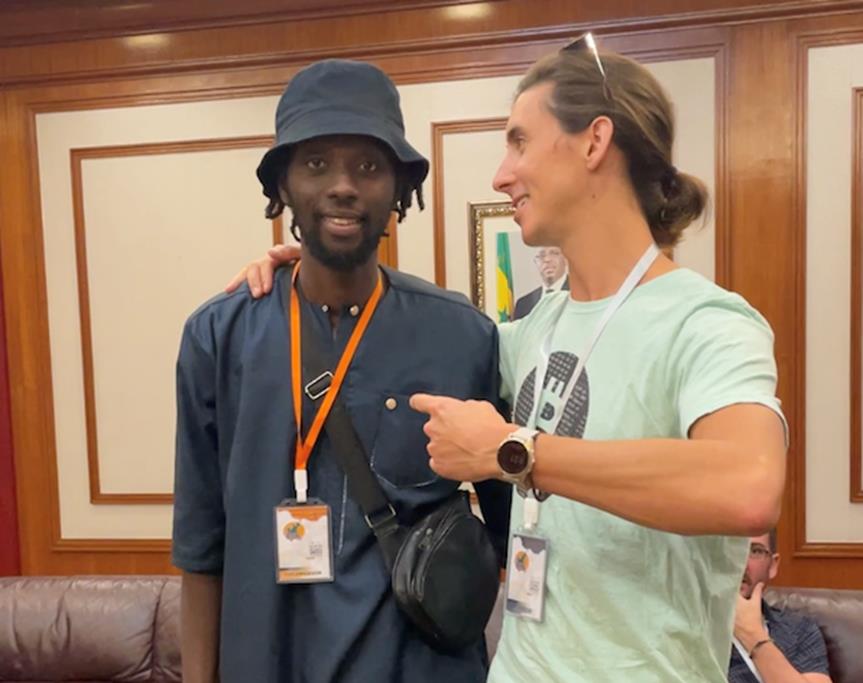
Nourou backstage before the event
The event featured speeches in three languages: English, French, and Wolof—the latter being the most widely spoken language in Senegal, though French remains the official language. The Wolof sessions attracted the largest audience.
The event catered to beginners, covering topics like economics, finance, security, and Bitcoin basics. Experts held panel discussions on cryptography, and debates such as “Is Bitcoin halal?” helped participants understand Bitcoin through cultural lenses in this 97% Muslim nation. Students and young people filled the venue.
Nourou shared his vision for Senegal with me. He explained that Senegal would lead West Africa out of monetary colonialism’s darkness and that Bitcoin messaging in Africa must be decentralized.
I want the message to switch. Africa is not a country — it is a continent. That’s why we call it Dakar Bitcoin Days: If you come to Senegal, you will meet Senegalese; if you go to Mali, you meet Mali people.
Africa is not a country—it is a continent: if you come to Senegal, you’ll meet Senegalese; if you go to Mali, you’ll meet Malians.
While there may be similarities between countries—shared history and overlapping cultures—Africa is as diverse as Europe. Just like Bitcoin, the movement must spread in a decentralized, distributed way, enabling every region of Africa to adopt Bitcoin.
Bitcoin in Senegal
During the event, I interviewed merchants accepting Bitcoin, including the owner of a French expat bar that recently began accepting BTC. Though completely new to decentralized money, Gary (the owner) was thrilled to see new customers coming in because of Bitcoin. When I spoke with him in person, I tried to convince him to accept Bitcoin at his other tattoo shop as well.
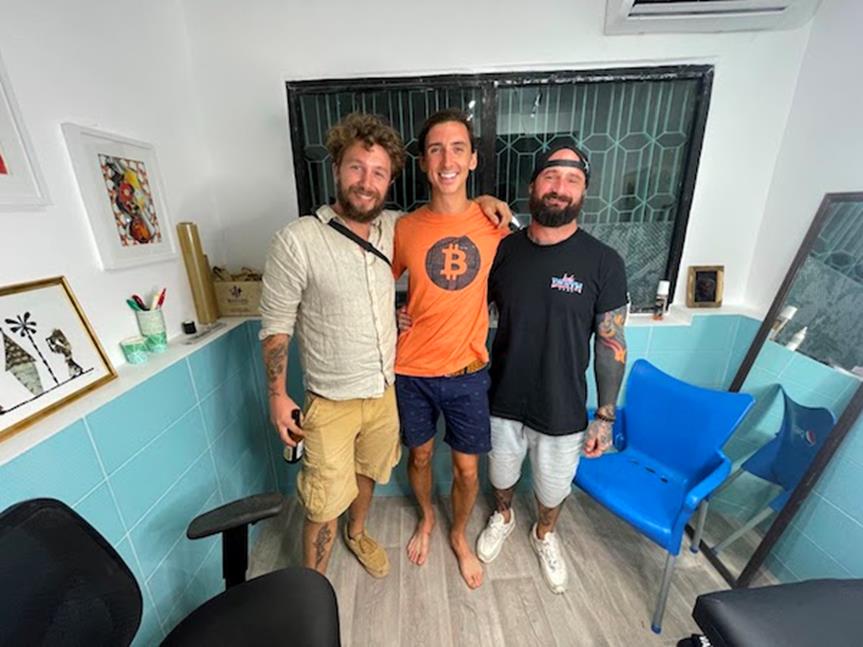
A tattoo parlor now accepting BTC
Praïnha, managed by surfing coach Renée Laraise, is the first restaurant in the area to accept Bitcoin. Surfing, one of Senegal’s top sports after football, makes him a community ambassador.
I also interviewed “Mama Bitcoin,” who for three years has traded Bitcoin for fish along the Atlantic coast. In a country where cash reigns and banking services typically serve only the wealthy, trading fish for Bitcoin is a visionary move. West African banks often charge high fees and impose strict requirements—for example, withdrawing cash might cost several dollars.
During my second trip to Senegal, I gifted Bitcoin to over 70 people. The process was simple: I had them download a Lightning wallet, usually the Satoshi Wallet, and tap “receive.”
The wallets were custodial, meaning they didn’t actually hold the private keys. But they trusted that Satoshi Wallet wouldn’t run off with funds like Sam Bankman-Fried did. For beginners, this was already a great start.
I sent each person a few thousand satoshis—worth about one or two dollars. I found distributing BTC in Senegal far easier than in any other country I’d visited. People were eager for money, eager to learn, and wanted to save in a currency that couldn’t be stolen or devalued like the CFA.
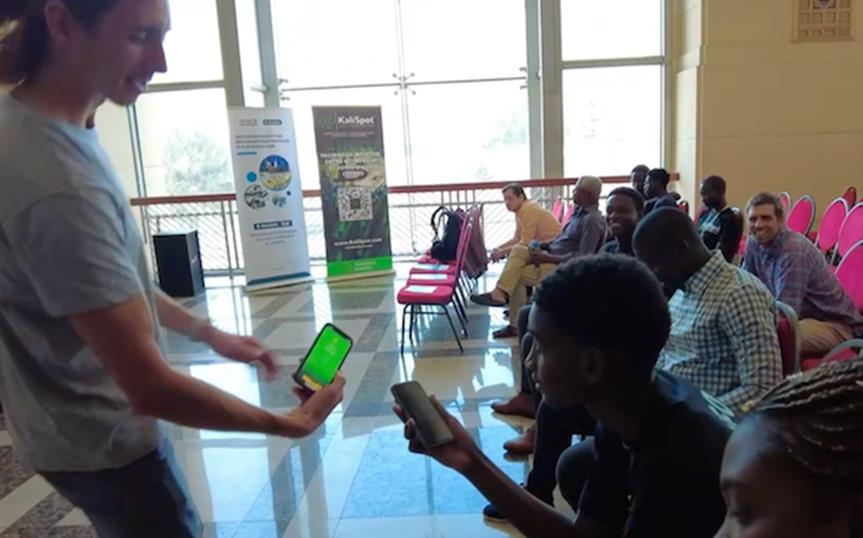
I gave away Bitcoin freely to attendees; the smiles of onlookers showed it had become part of the event’s entertainment
I gave Bitcoin on beaches, sidewalks, during conferences, in restaurants and bars, as tips to taxi drivers and hotel staff.
Most recipients were young—boys and girls over 16, and young men. While the average age in the U.S. Bitcoin scene is around 40, Senegal’s population is extremely young. It’s no surprise that a mobile-native, internet-based currency would thrive here if given the chance.
After all this, the idea of a Bitcoin circular economy taking off in Senegal feels even more plausible. People want Bitcoin, but lack accessible exchanges to buy it. International tourists visiting Senegal use peer-to-peer Bitcoin payments. Thus, Bitcoin can function as intended in its whitepaper—as true peer-to-peer money in Senegal.
Mobile Payments Meet the Lightning Network
Moreover, mobile payments have already flourished across Africa. Initially popularized by M-Pesa in Kenya, mobile payment companies have since sprung up across the continent, as common as Apple Stores in European cities. Today, most Africans own smartphones—many may lack reliable electricity or clean drinking water, but they have internet access.
Even without internet, SMS-based payments work—you can send credit messages to transfer funds like bank transfers. The largest mobile payment company is called Wave.
Wave logos are everywhere—on taxis, restaurants, bars, and cafes. It’s somewhat like the Lightning Network, but slower, more expensive, and tied to local currency.
I tried to preach to Wave employees, urging them to join the Bitcoin network. During a World Cup match at a bar, I luckily met a Wave employee. I immediately had him download a wallet and gifted him some Bitcoin. Connecting to the bar’s WiFi, I sent him BTC. He was impressed and said he’d attend the conference the next day—but I never saw him again.
Here’s a funny story: when interviewing Wave’s marketing director, he shared that he once met Satoshi Nakamoto in Senegal and hung out with him.
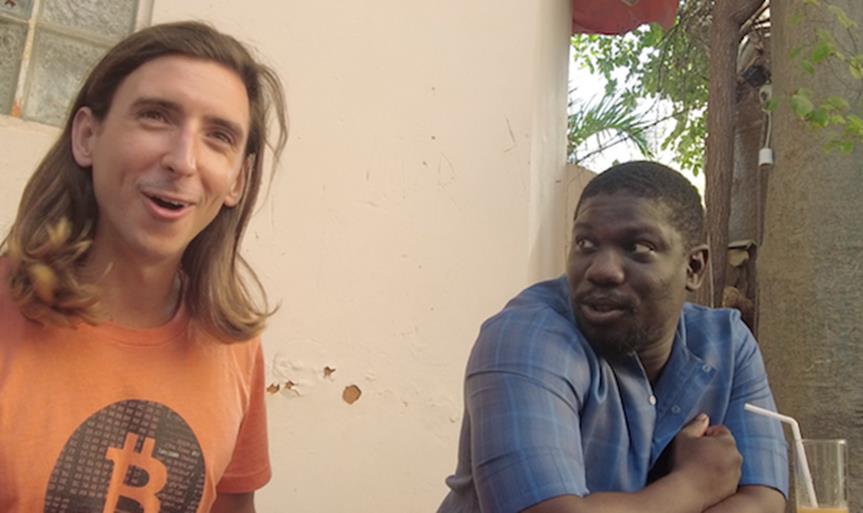
Your face when someone says they know Satoshi
Senegal has young digital natives, Bitcoin leaders, and respected mentors—all driving annual conferences, increasing merchant adoption, and demonstrating that traditional mobile remittances are already normalized.
This is what African Bitcoin looks like—and how the continent can leapfrog ahead of developed nations. So why can’t we use the Lightning Network to leapfrog mobile money?
Join TechFlow official community to stay tuned
Telegram:https://t.me/TechFlowDaily
X (Twitter):https://x.com/TechFlowPost
X (Twitter) EN:https://x.com/BlockFlow_News
 @Research3ww3









