
Market Analysis and Value Insights from 6 Top-Tier Crypto Venture Capital Firms
TechFlow Selected TechFlow Selected
Market Analysis and Value Insights from 6 Top-Tier Crypto Venture Capital Firms
Many crypto VCs' investments will place greater emphasis on projects that help build blockchain ecosystems, returning to the infrastructure sector.
 Navigating Web3 tides with focused insights
Author: Betalpha Labs
1. Overview
With the rapid development of blockchain technology, the cryptocurrency and decentralized finance (DeFi) industries have expanded significantly, driving explosive growth in the crypto venture capital (crypto VC) sector. Crypto VCs are specialized venture capital firms focusing on investments in cryptocurrencies and blockchain-related projects. They provide funding and resources to startups and initiatives to advance innovation in blockchain technology, and are increasingly becoming a major force within the broader venture capital landscape.
This report analyzes the crypto venture capital industry, with a focus on six leading crypto VC firms: a16z, Multicoin Capital, Paradigm, Mechanism Capital, Polychain Capital, and Variant Fund. The analysis will explore the following aspects:
-
VC Company Profiles: This section introduces each firm’s background, team composition, and investment strategy to provide readers with a comprehensive understanding;
-
Historical Investment Analysis: A detailed review of each VC's past investments, including sectors, funding rounds, and investment amounts, to identify their strategic focus and trends;
-
Investment Case Studies: In-depth analysis of representative investments by each VC to reveal their underlying logic and values, showcasing their expertise across different domains;
-
Future Outlook: Based on global crypto market trends, this section forecasts the future direction of these six VCs, identifying potential opportunities and challenges for investors and industry participants.
Through this comprehensive discussion, we aim to deepen readers’ understanding of the crypto VC ecosystem and offer valuable insights for investors and market observers.
(The institutions selected for this analysis do not represent any ranking but serve as reference points for analyzing capital frameworks. Other funds can apply the same analytical template. Going forward, we will continue monitoring shifts in investment strategies and strategic positioning among various VCs in the industry.)
2. Comparative Analysis of the Crypto VC Market
As an emerging and fast-evolving sector, the crypto investment industry has experienced rapid expansion over recent years. Overall, the sector remains healthy, with sustained growth in funding volumes and innovation, providing strong support for the advancement of the crypto space.
Among the top 50 global crypto venture capital firms ranked by assets under management, the San Francisco Bay Area controls 45.2% of the market share, managing over $26 billion—nearly equivalent to the combined total of all other cities worldwide.
Comparing data from two bear markets, risk capital invested in crypto companies during January–February 2023 was 3.1 times higher than during the same period in 2019 (bear market). Back then, investments totaled $471 million; this year, they reached $1.45 billion. Even amid deep bear conditions, VCs are investing more than $25 million per working day into crypto startups on average.
Looking specifically at the six VCs discussed here, they completed only 36 deals in all of 2019, whereas in just the first half of 2023, they already executed 49 investments—further confirming the overall positive trajectory of the crypto ecosystem.
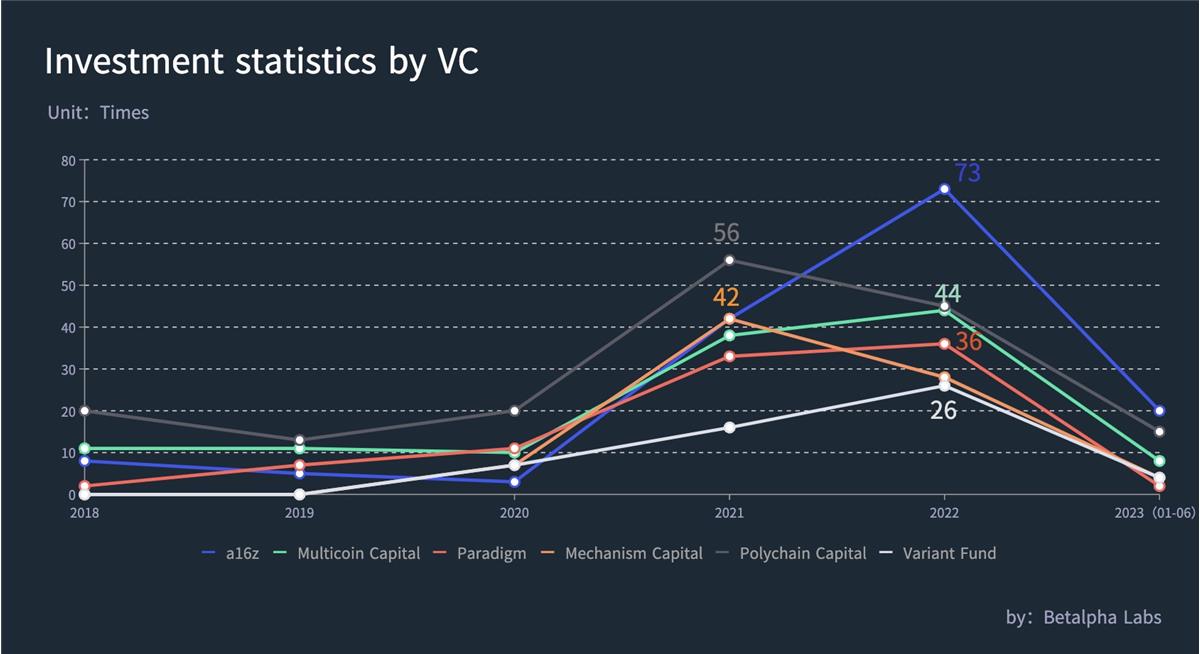
Except for Paradigm and Polychain Capital, the other four funds saw peak investment activity in 2022. Among them, a16z was one of the most active investors, making 73 investments that year. Multicoin Capital, Mechanism Capital, and Variant Fund also recorded high levels of investment activity in 2022.
In 2022, these firms primarily focused on DeFi and infrastructure sectors. Additionally, a16z, Paradigm, and Variant Fund showed greater interest in NFTs. Meanwhile, a16z and Mechanism Capital invested heavily in gaming projects, while Paradigm concentrated more on CeFi. Their broad investment scope spans multiple subdomains within crypto, contributing to a healthier and more resilient ecosystem.
These VCs also adopt flexible investment strategies, backing both early-stage startups and mature companies, often participating in co-investment rounds with other funds. This diversified approach allows them to better capture market opportunities and manage risks, enhancing returns.
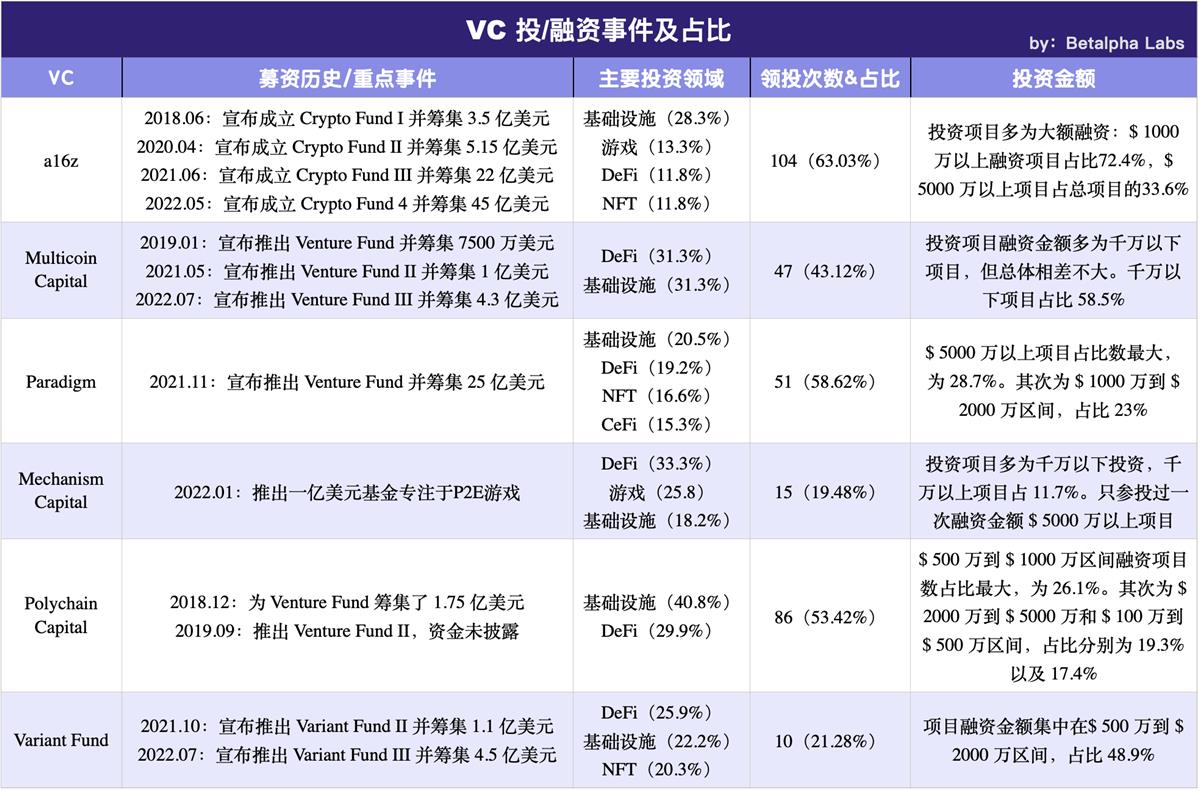
Notably, a16z and Paradigm lead a relatively higher proportion of deals, typically involving funding rounds exceeding $50 million. In contrast, Mechanism Capital and Variant Fund tend to participate in earlier-stage investments such as seed and angel rounds, resulting in lower individual investment sizes and greater flexibility.
These differing strategies stem from the distinct profiles and strengths of each fund. Larger firms like a16z, Paradigm, and Polychain generally possess deeper resources and experience, enabling them to support more mature projects and take on higher-risk, high-reward bets.
Smaller funds, by comparison, usually operate with less capital and fewer resources. As a result, they often prioritize technological innovation and disruptive potential over scale or market dominance. These funds are also more willing to assume higher risks, trusting their judgment to identify and nurture truly promising ventures.
Moreover, smaller funds are frequently founded by seasoned investors or domain experts who leverage personal expertise and preferences when selecting investments. Such individuals often possess deep market insights, allowing them to uncover hidden gems overlooked by larger VCs.
It is important to note that these represent typical investment patterns—not rigid rules. As the crypto market continues to evolve, so too will the strategies of these VC firms, adapting dynamically to shifting conditions and opportunities.
3. In-Depth Profiles of Six Leading Crypto VCs
3.1 Andreessen Horowitz (a16z)
3.1.1 Company Overview
Andreessen Horowitz (a16z) is a Silicon Valley-based venture capital firm founded in 2009 by Marc Andreessen and Ben Horowitz. Known for its broad investment scope and innovative approach, a16z provides strategic guidance and operational support to portfolio companies, helping them achieve sustainable long-term success.
Its portfolio includes major tech companies such as Airbnb, Facebook, Slack, Lyft, PagerDuty, and Pinterest.
a16z is also a key player in the crypto space, having begun investing in Bitcoin and blockchain technologies as early as 2013. Early crypto investments include Coinbase, Ripple, BitGo, and 21 Inc.
In recent years, a16z has continued to actively explore new opportunities in the crypto space. It has invested in numerous prominent projects such as Uniswap, Compound, dYdX, Solana, Celo, Dfinity, Flow, Arweave, and Near—each pushing boundaries in their respective fields and expanding the possibilities of blockchain innovation.
Beyond direct investments, a16z plays a critical role in shaping the crypto ecosystem. The firm established dedicated crypto funds and recruited specialists to provide comprehensive support to portfolio companies. It also regularly publishes research reports and thought leadership pieces, offering valuable insights to the broader industry.
3.1.2 Historical Investment Trends
Like many investors, a16z reduced its investment pace after entering the current crypto bear market.
In its early days, a16z primarily backed infrastructure, exchanges, and wallet projects.
As early as 2013, a16z led Series B funding for Coinbase—a now-leading CeFi platform—and continued participating in later rounds. Coinbase has since grown into one of the world’s largest crypto exchanges, serving millions of users with billions in trading volume.
a16z also backed several foundational blockchain projects, including dYdX in 2017, where it organized and led the seed round and followed up with additional investments in subsequent Series A and B rounds. It led MakerDAO’s fundraising in 2017 and participated in multiple rounds for Compound (2018–2019) and Celo (2018–2020).
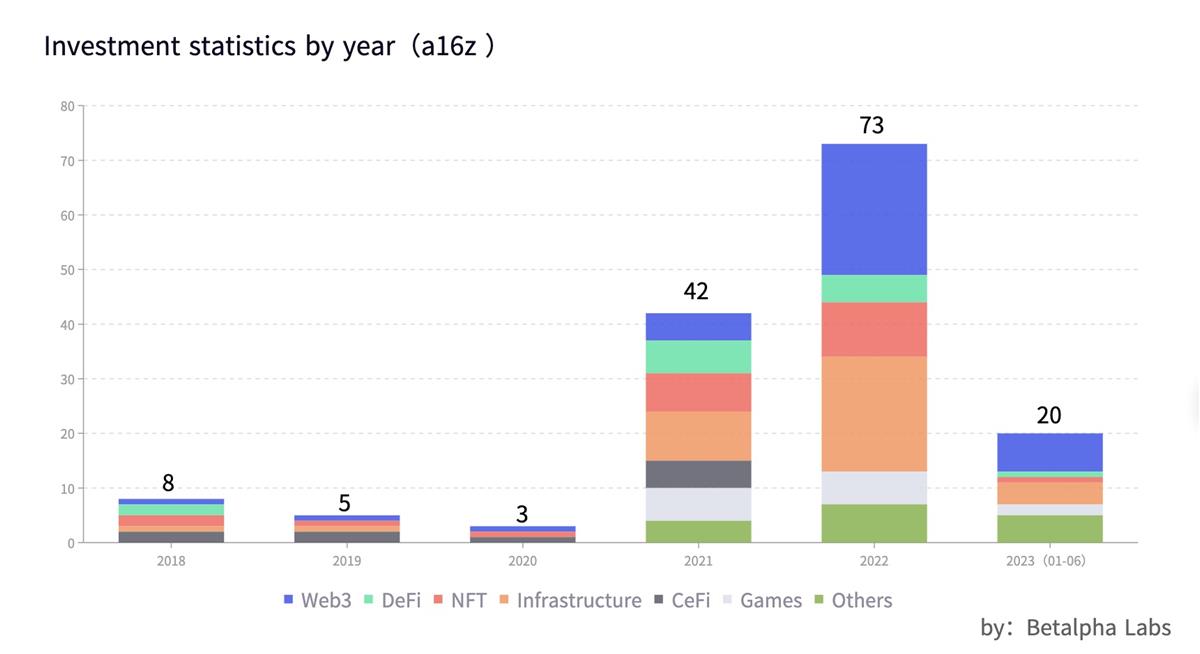
Starting in late 2020 and throughout 2021, a16z significantly increased both the frequency and size of its crypto investments, shifting focus toward emerging areas such as DeFi and NFTs.
True to its philosophy of exploring novel models, a16z adopted a token-based investment strategy in Uniswap.
As a major whale in Uniswap, a16z holds 15 million UNI tokens, giving it significant influence in governance votes. Due to its custodial setup, its voting behavior cannot be detected through on-chain analytics, meaning other participants cannot track how a16z votes. A spokesperson confirmed the firm plans to participate in all on-chain governance decisions. Given its outsized influence, every vote cast by a16z attracts close scrutiny. While public discourse varies, this highlights both a16z’s prominence in the space and the need for vigilance against potential market manipulation.
a16z hit its peak investment volume in 2022. Beyond infrastructure and gaming, it intensified its focus on innovative Web3 and NFT projects, while reducing exposure to CeFi.
In Q1 2022, a16z led Yuga Labs’ seed round, helping raise $450 million at a $4 billion valuation—one of the largest NFT/metaverse fundraises in recent years. It also co-led Opensea’s Series A and B rounds, cementing the platform’s leadership in the NFT marketplace.
2023 Investments
Beyond infrastructure and metaverse/gaming projects, a16z has shown increasing interest in AI-integrated applications.
Recent investments in Worldcoin and Gensyn clearly signal a strategic pivot—not abandoning traditional crypto, but actively expanding into AI.
Worldcoin
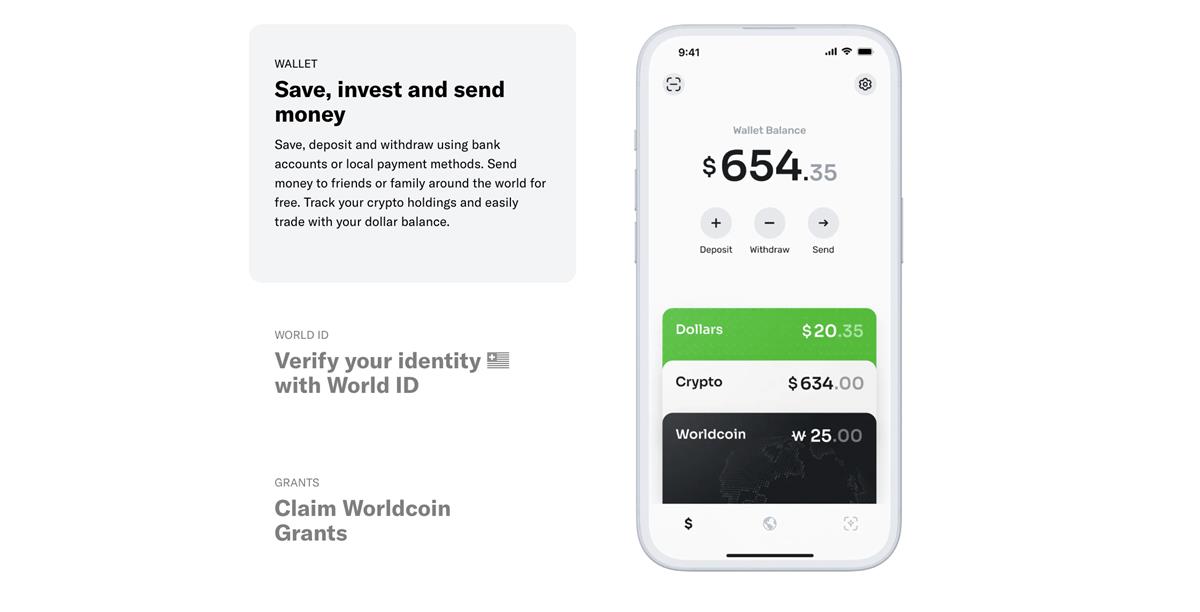
Worldcoin is a crypto project founded by OpenAI CEO Sam Altman. With much of the world still lacking digital identity verification, Worldcoin aims to build a globally accessible and equitable digital identity and currency system, enabling universal access to financial services.
Besides a16z, investors include Coinbase, Multicoin Capital, 1confirmation, LinkedIn’s founder, SBF, Mirror’s founder, Ethereum projects, Polkadot, and the Web Foundation. The project raised $125 million across two rounds and is reportedly seeking another $100 million.
Gensyn
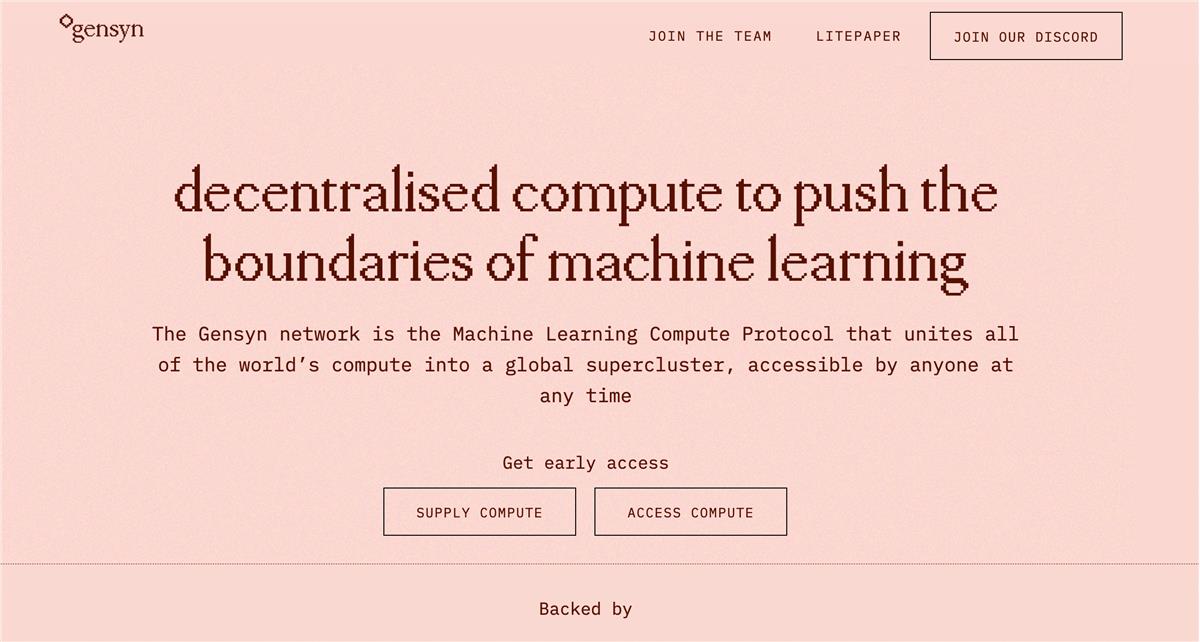
Gensyn is a decentralized AI compute network that uses blockchain to verify whether deep learning tasks have been correctly completed and triggers payments via tokens. Its goal is to provide more efficient, secure, and reliable computing resources for training AI models.
a16z invested in Gensyn because it believes the project addresses key limitations in traditional AI computing. Conventional cloud models require massive time and resources for AI training, while Gensyn leverages blockchain to efficiently distribute and utilize compute power. Its decentralized architecture avoids single points of failure and enhances security and reliability—making it a highly promising venture aligned with a16z’s investment criteria.
3.1.3 Future Investment Direction
Compared to peers, a16z remains active in the crypto space even during bear markets. In 2022, it launched a new crypto fund allocating $1.5 billion specifically for seed-stage Web3 startups.
This fund supports startups with capital, business advisory, technical assistance, and marketing help to build sustainable ecosystems.
a16z’s past crypto investments spanned DeFi, digital identity, exchanges, and mining—driving technological progress and generating substantial returns. AI is currently one of the hottest tech sectors, with applications in healthcare, finance, manufacturing, and beyond. Integrating blockchain with AI opens new avenues for innovation and business models, creating fresh opportunities for crypto VCs.
Other AI-related investments by a16z include Suki.AI, which provides AI solutions for enterprises, and Freenome, which applies machine learning to improve healthcare efficiency.
Overall, a16z has made 13 investments in 2023 alone, demonstrating its ongoing commitment to tracking emerging technologies and identifying high-potential ventures. The firm believes these areas represent key future trends and will continue contributing to their development. Through its strategic investments and ecosystem engagement, a16z not only generates strong returns but also fuels broader innovation in the industry. Going forward, it will remain focused on advancing blockchain technology and discovering transformative opportunities.
3.2 Multicoin Capital
3.2.1 Company Overview
Founded in 2017 by three partners, Multicoin Capital specializes in researching and investing in blockchain technology, cryptocurrencies, decentralized applications, and related emerging trends.
The firm’s investment strategy is rooted in deep industry research and sharp foresight. It views crypto and blockchain as a long-term opportunity, favoring extended holding periods for projects with technological and market leadership.
Multicoin also emphasizes the social impact and ethical values of its investments, prioritizing meaningful projects while avoiding those with negative societal or environmental consequences. Team quality and leadership capabilities are central to its due diligence process.
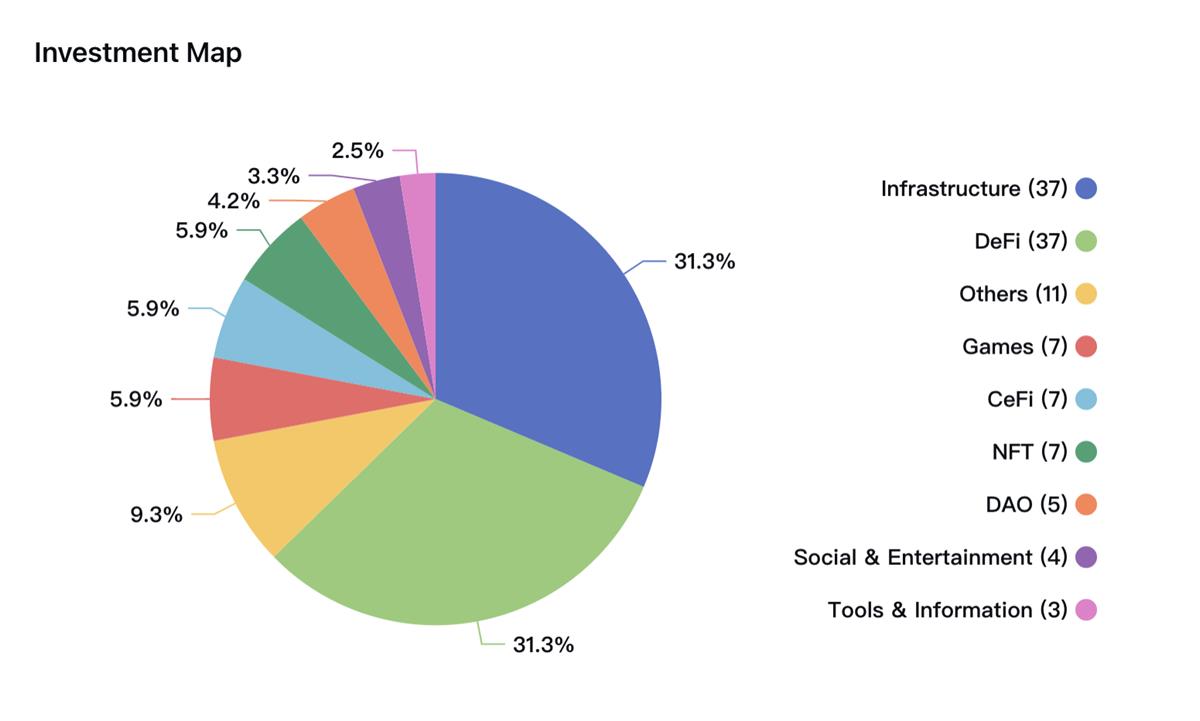
Multicoin’s portfolio spans infrastructure, applications, protocols, DeFi, gaming, and AI—with the majority concentrated in infrastructure and DeFi. Notable investments include Solana, The Graph, Portals, Arweave, and StarkWare.
Beyond investing, Multicoin actively educates the market, publishing regular reports on market trends, technological innovations, and investment strategies to guide investors.
3.2.2 Historical Investment Trends
In its early years, Multicoin Capital focused heavily on infrastructure. It participated in Solana’s seed round in 2018 and led its Series A in 2019—a project aimed at improving blockchain scalability and usability. It also joined StarkWare’s Series A, which focuses on privacy and scalability, and led The Graph’s seed round in 2019, a protocol for querying and indexing decentralized networks.
Multicoin demonstrated strong expertise and foresight in these early bets, injecting capital into visionary projects. These investments delivered substantial returns and contributed meaningfully to the growth of the crypto ecosystem.
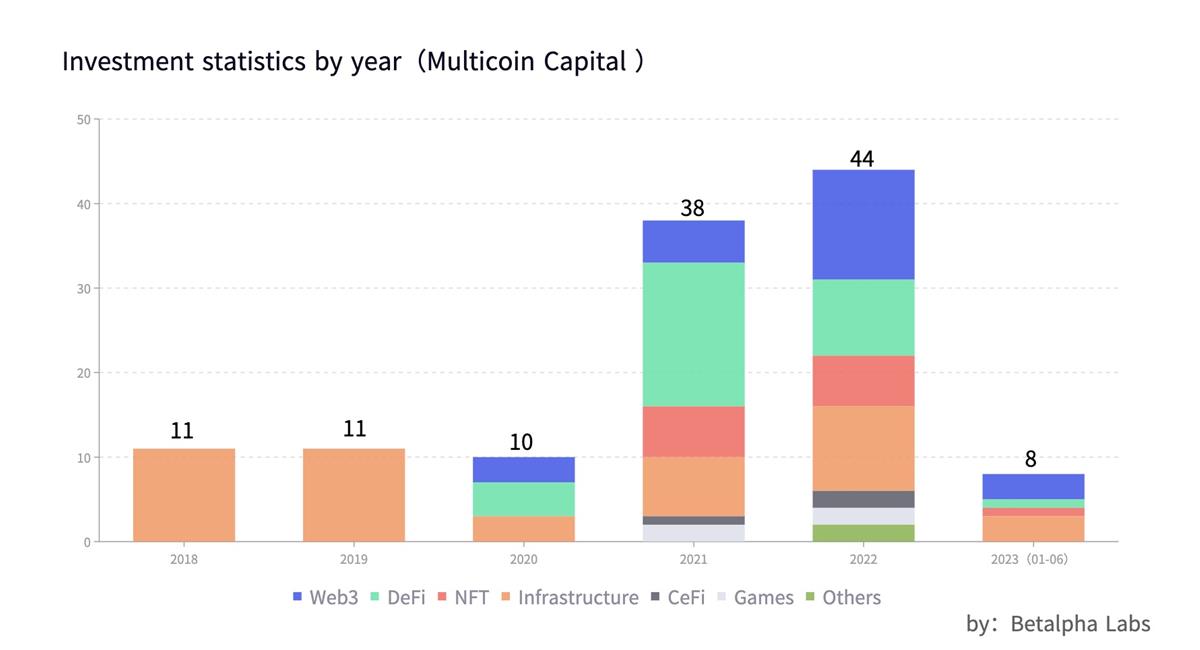
Over time, Multicoin expanded its scope into DeFi, AI, gaming, and Web3. Whether in infrastructure or newer domains, it has maintained a reputation for insight and excellence, consistently adding value to the ecosystem.
Starting in 2020, Multicoin ramped up its DeFi investments, making 17 such bets in 2021 alone—including Perpetual Protocol, Oxygen, and Beta Finance.
It also made notable moves in AI, gaming, and Web3, investing in Alethea AI, Portals, Metaplex, and Fractal.
Notably, Multicoin was an investor in FTX and FTX US. Following FTX’s collapse—one of the largest CEXs and a core part of its Solana-focused thesis—the fund suffered losses, underscoring the unpredictability of even well-researched bets.
2023 Investments
In the first half of 2023, Multicoin invested in six projects, primarily in infrastructure and Web3. It led four of these rounds—in wallets, security solutions, DeFi (MEV), and DAO tools—all high-tech, high-potential blockchain applications. This reflects the maturation of its investment framework.
TipLink
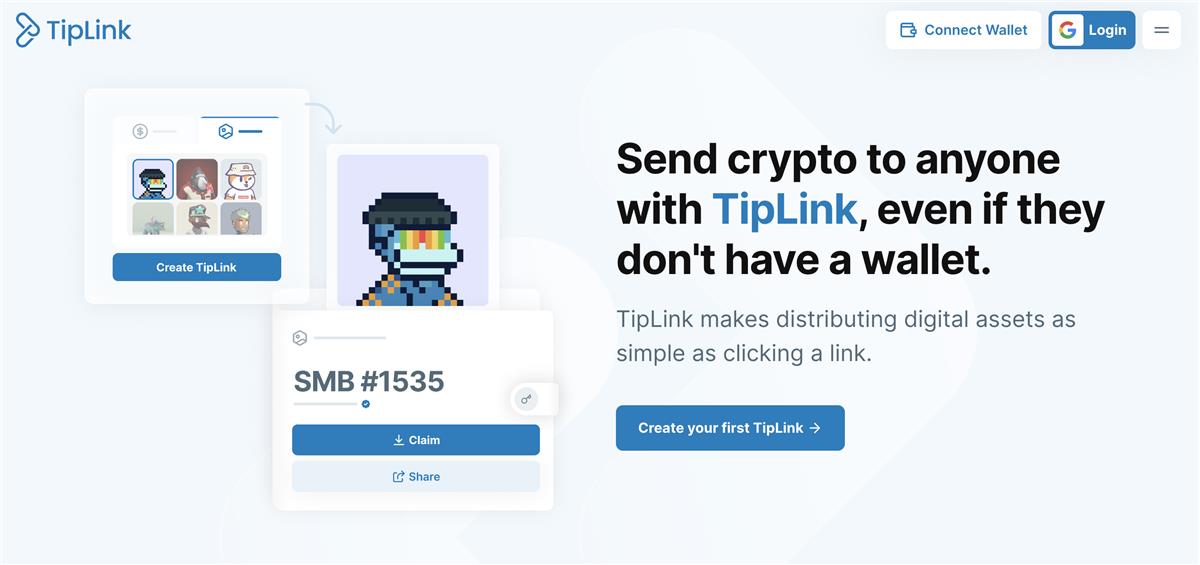
TipLink, co-led by Multicoin Capital and Sequoia Capital, with participation from Solana Ventures, Circle Ventures, and Paxos, is a lightweight wallet designed to make asset transfers as simple as sharing a link.
A non-custodial solution, TipLink lets users fully control their assets by linking a Gmail account or Solana wallet. Users can generate a wallet and send the link via text, Discord, email, or any platform. In this model, the link itself becomes the wallet.
Currently available only on Solana, TipLinks can hold SOL, SPL tokens, NFTs, and SFTs. Once created, new or local blockchain users can receive digital assets and manage them directly through the link. Combined with Solana Pay, TipLinks enable peer-to-peer payments and direct customer relationships—without transaction fees, frozen funds, or refund issues.
3.2.3 Future Investment Direction
As the crypto market evolves and use cases expand, Multicoin’s investment focus is shifting. It is placing greater emphasis on building the Web3 ecosystem—especially projects that boost efficiency, reduce costs, and enhance security. It is also watching AI and gaming closely, having made strategic bets in both.
Although Multicoin slowed its investment pace in 2023, this does not indicate disengagement. Instead, it is recalibrating its strategy—reallocating focus back to infrastructure and seeking Web3 projects with transformative potential. The firm believes Web3 represents the future of the internet and will reshape the industry over the next decade. As such, it is actively identifying high-potential Web3 ventures and providing them with capital and support.
That said, Multicoin is likely to maintain its strong focus on infrastructure, which it expects to remain foundational to the industry’s evolution over the coming decade.
3.3 Paradigm
3.3.1 Company Overview
Paradigm was founded in 2018 by Fred Ehrsam (Coinbase co-founder), Matt Huang (former Sequoia partner), and Charles Noyes (ex-Pantera Capital). Its mission is to accelerate the global adoption of crypto and blockchain technology.
The firm follows a long-term, strategic investment philosophy—backing projects with enduring potential and forming close partnerships to drive industry-wide progress.
Unlike some VCs, Paradigm actively contributes to community and ecosystem development post-investment, offering strategic advice, technical support, and operational guidance to help projects achieve commercialization and sustainability.
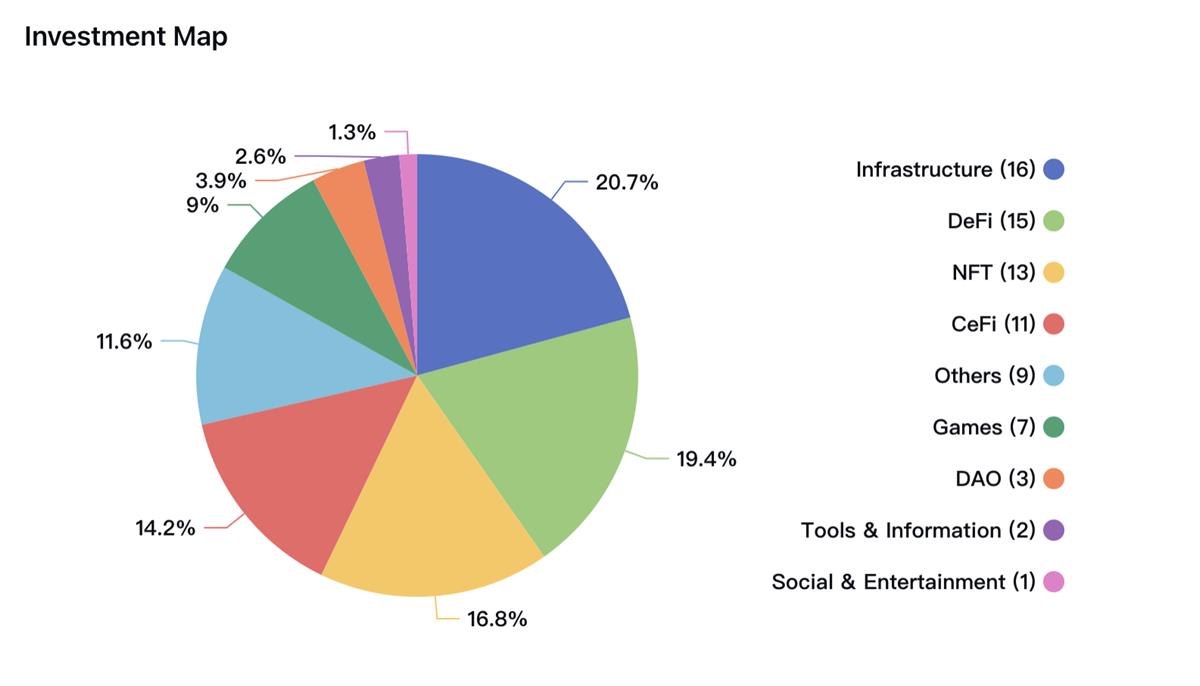
Paradigm invests across infrastructure, DeFi, NFTs, and CeFi, maintaining a broad view of the crypto landscape and supporting innovative projects at all stages.
3.3.2 Historical Investment Trends
Upon entering the crypto space, Paradigm focused on infrastructure and DeFi. It led StarkWare’s Series A and continued leading its Series B and C rounds. Similarly, it led Uniswap’s initial funding in 2019 and participated in follow-on rounds in 2020 and 2022—one of its most successful bets.
Paradigm has backed a series of leading ecosystem projects, including Optimism, Cosmos, Argent, Reflexer, Yield Protocol, and Axie Infinity—demonstrating its long-term vision and strategic acumen.
Since 2021, Paradigm has increased its focus on DeFi, NFTs, CeFi, and gaming, broadening its footprint in the ecosystem. Beyond capital, it actively participates in ecosystem development, offering hands-on support.
For example, in CeFi, it led Coinswitch’s Series A and joined Bitso’s Series D. Coinswitch is India’s top crypto app, and Bitso is Latin America’s largest exchange—marking Paradigm’s first forays into exchange investments. That same year, it backed projects in NFTs, DeFi, and gaming, including Opyn, Synthetix, dYdX, Zora, Royal, and Axie Infinity.
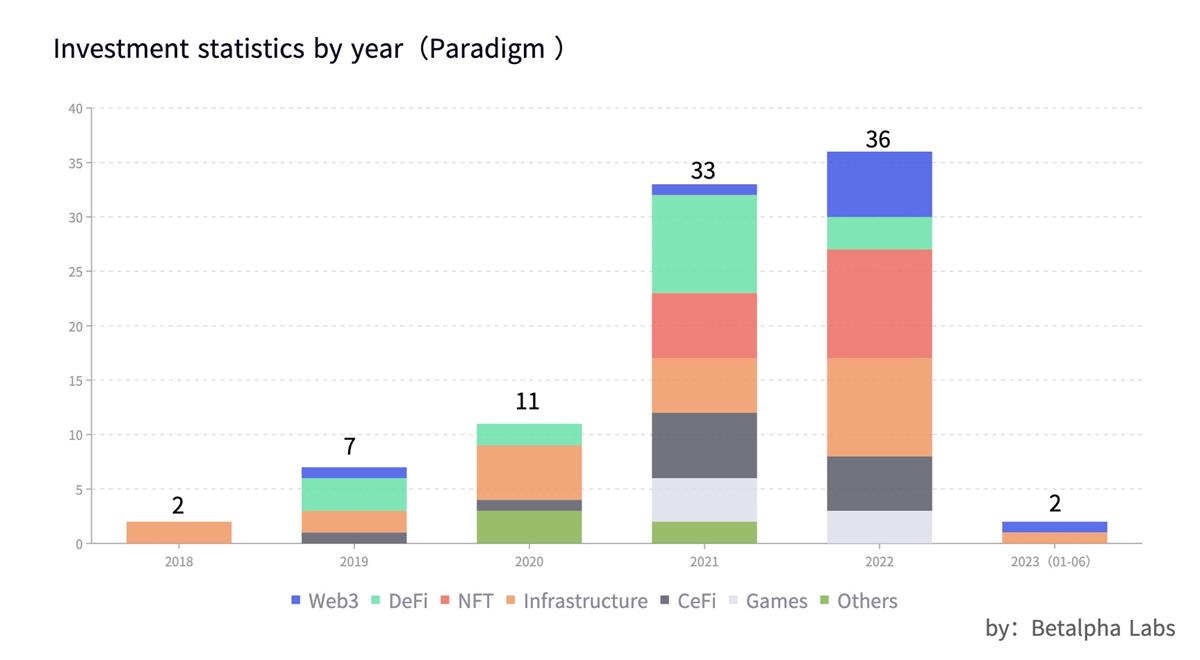
In 2022, Paradigm maintained its focus on infrastructure and NFTs while exploring new Web3 frontiers. It invested in key NFT players like Opensea, Magic Eden, and Limit Break, as well as leading wallets Argent and Phantom. To foster innovation, it also backed novel Web3 ideas like Jambo—an education-focused initiative—that could play a pivotal role in mainstream crypto adoption.
2023 Investments
In the first half of 2023, Paradigm participated in just two rounds—leading security platform Code4rena and infrastructure platform Conduit. Amid the bear market, it shifted from a diversified to a more conservative strategy, concentrating on infrastructure with smaller checks. The two rounds raised $6 million and $7 million respectively.
Code4rena
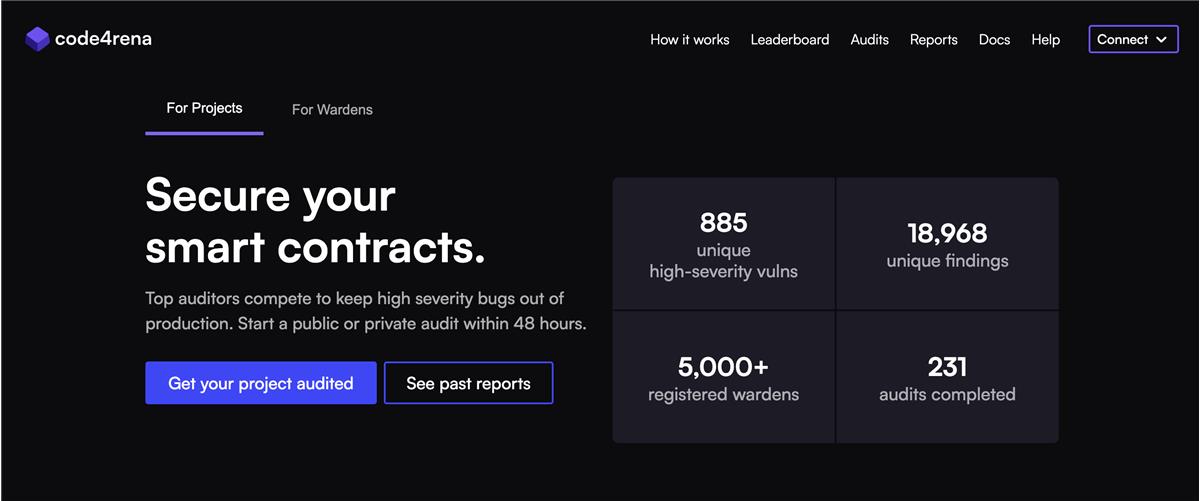
Code4rena is a web3 security audit platform. Unlike traditional audits or bug bounties, its competitive format offers broader code coverage and guaranteed payouts. Participants include Guardians (who audit code to protect DeFi), Sponsors (who fund audit pools), and Judges (who assess vulnerability severity and auditor performance). As a competitive arena, Code4rena identifies high-severity bugs faster than any other method.
Built by top industry experts, Code4rena aims to safeguard projects and communities by connecting them with the world’s best smart contract auditors.
Conduit
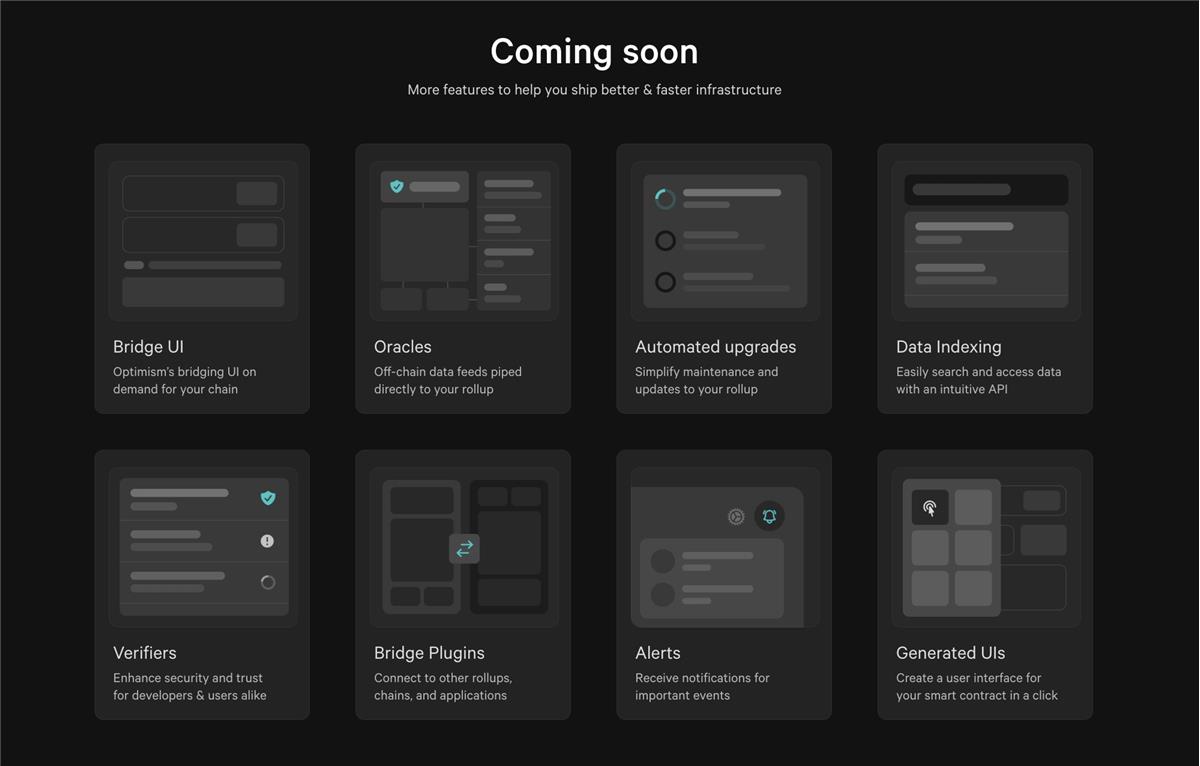
Conduit is a crypto-native infrastructure platform designed to accelerate builders in the space. Its first product enables teams to scale their apps ~100x, launching production-grade OP Stack rollups quickly. Infrastructure experts use Conduit to manage, launch, and scale app-specific rollups, freeing teams to focus on user-centric product development. DeFi protocols, game studios, NFT platforms, and other on-chain providers can rapidly scale their applications, deliver better UX, and unlock new use cases previously hindered by congestion.
3.3.3 Future Investment Direction
Paradigm’s strategic shift reflects its keen market awareness and sound judgment about ecosystem fundamentals. Despite downturns, infrastructure remains vital to a stable and healthy crypto ecosystem—a principle aligned with its long-term ethos.
Going forward, Paradigm may explore new domains for growth, such as AI-integrated blockchain projects. AI has become a cross-industry trend, and its convergence with blockchain is gaining traction. Some projects are already using AI to improve blockchain efficiency and security, while others apply blockchain to enhance AI transparency and data integrity.
Given Paradigm’s appetite for long-term, innovative bets, early-stage AI projects fit its thesis perfectly. It can engage deeply with communities, provide timely support, and help shape the trajectory of these ventures.
By backing such frontier projects with technical, commercial, and strategic support, Paradigm can further catalyze ecosystem development and generate strong future returns.
3.4 Mechanism Capital
3.4.1 Company Overview
Mechanism Capital is a crypto and blockchain-focused investment firm founded in 2018. As a nimble and innovative newcomer, it favors small-ticket investments and emphasizes both project quality and ecosystem health, actively promoting industry innovation.
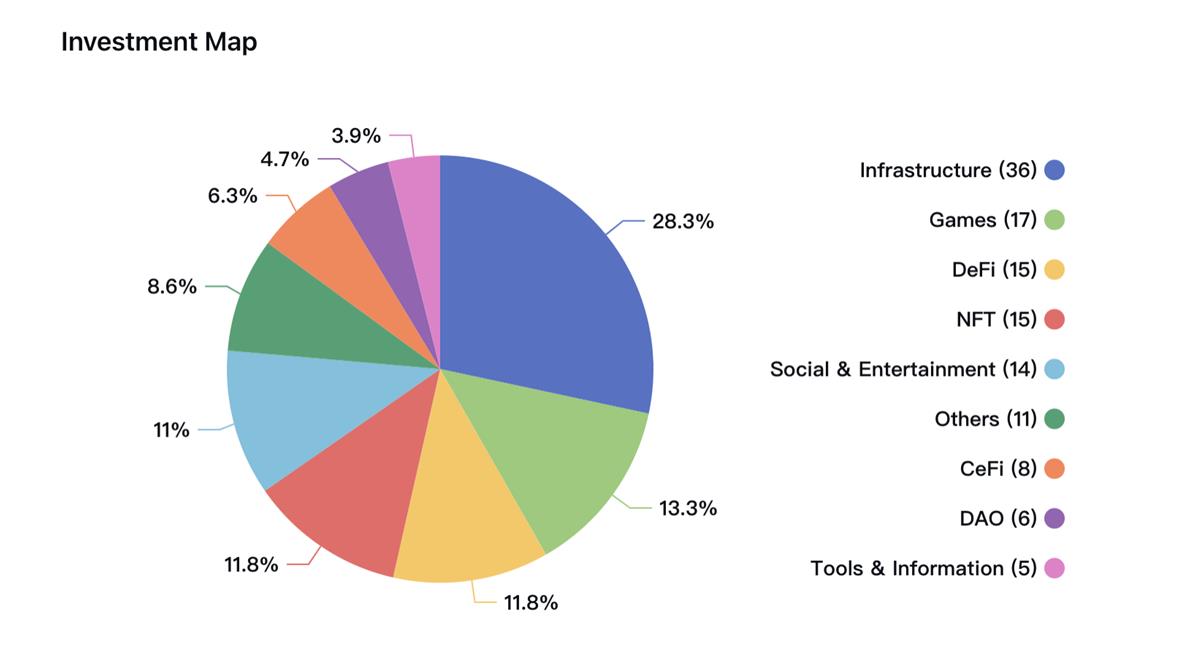
While interested in all aspects of the crypto ecosystem, its early focus was on DeFi and infrastructure. After stabilizing operations, it expanded into gaming and NFTs—launching a $100 million gaming fund in early 2022 to broaden its strategic reach, evident in its evolving investment map.
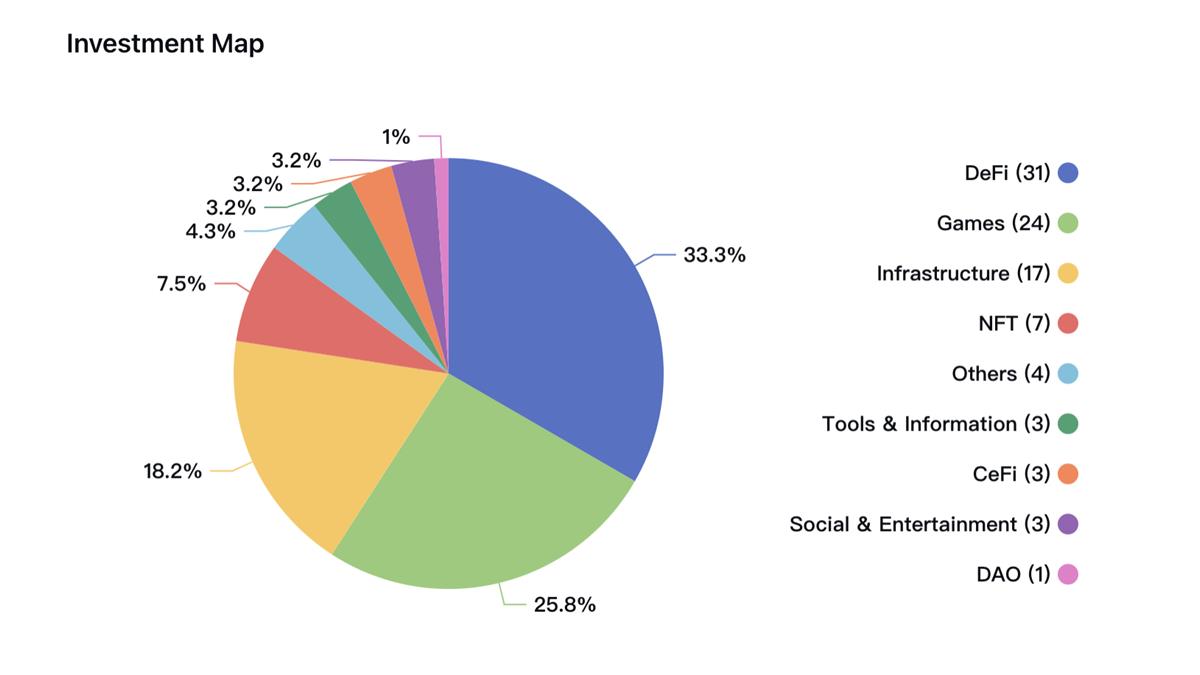
The team brings deep technical expertise and industry experience, committed to advancing blockchain innovation by supporting high-potential projects through funding and strategic partnership.
Co-founder Andrew Kang previously served as investment director at Ledger Capital, overseeing blockchain portfolios, and advising multiple crypto projects. Co-founder Vance Spencer worked at Goldman Sachs and JPMorgan Chase before co-founding Framework Ventures, bringing robust financial and investment credentials.
Mechanism Capital notes minimal external investor pressure, allowing flexibility to back unconventional ideas and commit financial and human capital from day one to strengthen the ecosystem.
3.4.2 Historical Investment Trends
Mechanism Capital favors small investments—a pattern evident since its 2020 market entry. That year, its largest deal was SifChain’s seed round ($3.5M); others ranged between $1.2M and $3.1M. Despite larger rounds in the market, Mechanism chose to avoid them, preferring to diversify risk across multiple projects and increase stakes selectively.
In 2021, it shifted focus to DeFi, consistent with its stated strategy. It invested in 15 DeFi projects, mostly as a participant. Set Protocol raised the most ($14M), followed by XY Finance ($12M). Infrastructure also drew attention—10 such projects received funding, including lead investments in XDEFI, Nameless, and Biconomy, and multiple participations in Burnt. These moves signaled growing clarity in its investment direction.
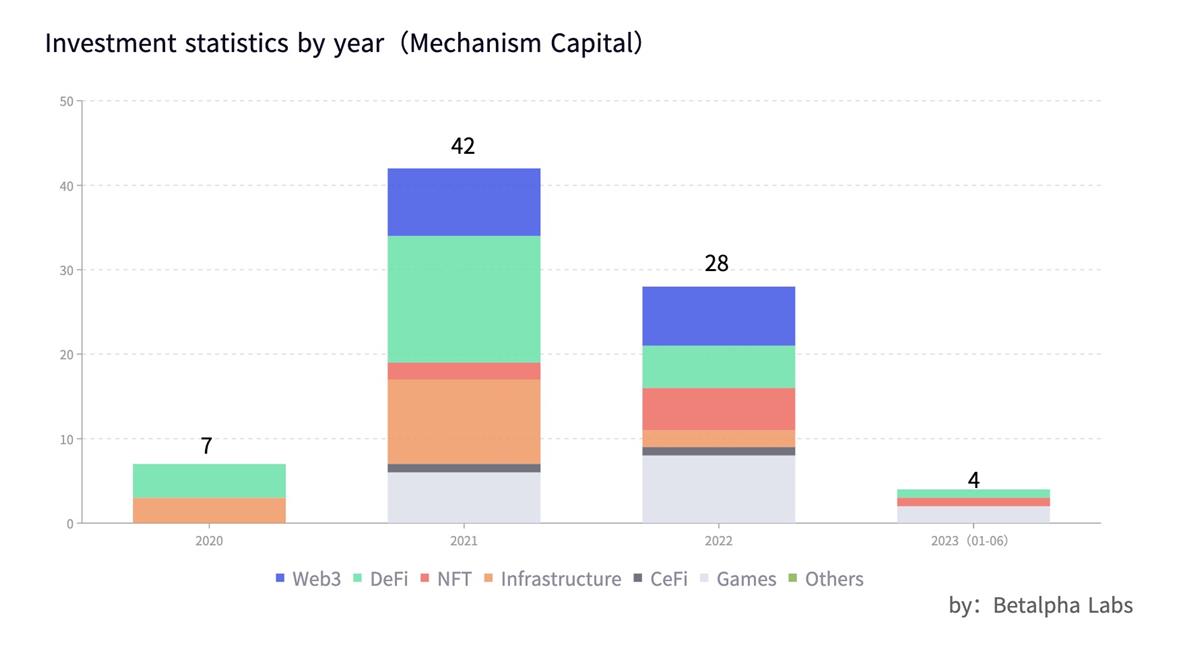
In 2022, while continuing DeFi investments, gaming became its most active sector with eight projects funded—including Tatsumeeko (Discord MMORPG), MetaverseGo, Heroes of Mavia (play-to-earn MMO), and SHRAPNEL (AAA FPS). It twice backed NFT platform Upshot and led reNFT’s strategic round ($5M). In infrastructure, it participated in NEAR Protocol—one of its highest-funded deals. In DeFi, it joined Morpho’s seed round and backed Hubble Protocol three times—a Solana-based lending protocol offering USDH, a decentralized stablecoin.
2023 Investments
In H1 2023, Mechanism invested in four projects—two in gaming, one in DeFi, and one in NFTs. Its largest bet was Avalon, a metaverse platform it led with $13M; others raised between $1.5M and $5.5M.
Avalon
Avalon is an Orlando-based company building a game platform leveraging virtual universe technology to create interoperable worlds. Founded by leaders behind games like EverQuest, Call of Duty, Diablo, God of War, Assassin’s Creed, and Elden Ring.
Using game engines and blockchain, Avalon aims to link digital experiences into a cohesive virtual universe. CEO Sean Pino told GamesBeat that while they don’t call it a “metaverse,” they envision tools enabling collaborative world-building and shared immersive experiences.
Avalon seeks to reshape the digital world to benefit creators and players alike. Pino noted that engagement driven by gameplay, creativity, and human connection—elements missing in many self-proclaimed virtual worlds—is central to their vision. By integrating technologies, Avalon aims to build a more authentic and interactive virtual universe.
Mechanism’s investment likely reflects confidence in the metaverse gaming market, trust in Avalon’s founding team, and belief in blockchain’s role in next-gen gaming.
3.4.3 Future Investment Direction
According to its website, Mechanism Capital will likely maintain focus on DeFi and gaming—areas where it has deep expertise. DeFi remains one of crypto’s most dynamic sectors, offering transparent, open financial services with strong user retention. The firm may continue backing innovative DeFi solutions like lending, prediction markets, and insurance protocols—its original mandate. It has already established a dedicated gaming fund for future deployment.
Given both founders’ financial backgrounds, Mechanism may also target projects bridging traditional finance and crypto—enhancing efficiency, transparency, and liquidity in both domains.
Additionally, it continues watching emerging areas like blockchain infrastructure, DAOs, and Web3. Its flexible capital base allows agile positioning in nascent fields.
Overall, Mechanism will keep supporting high-potential projects in DeFi, fintech, infrastructure, DAOs, and Web3—providing capital, technical support, and governance involvement to drive growth.
3.5 Polychain Capital
3.5.1 Company Overview
Polychain Capital is a San Francisco-based crypto and blockchain VC founded in 2016 by Olaf Carlson-Wee, a former Coinbase engineer and prominent figure in the crypto space.
The firm focuses on early-stage investments in blockchain infrastructure, protocols, applications, and ecosystems—including Avalanche, Arbitrum, Uniswap, Coinbase, Connext, and SPACE ID.
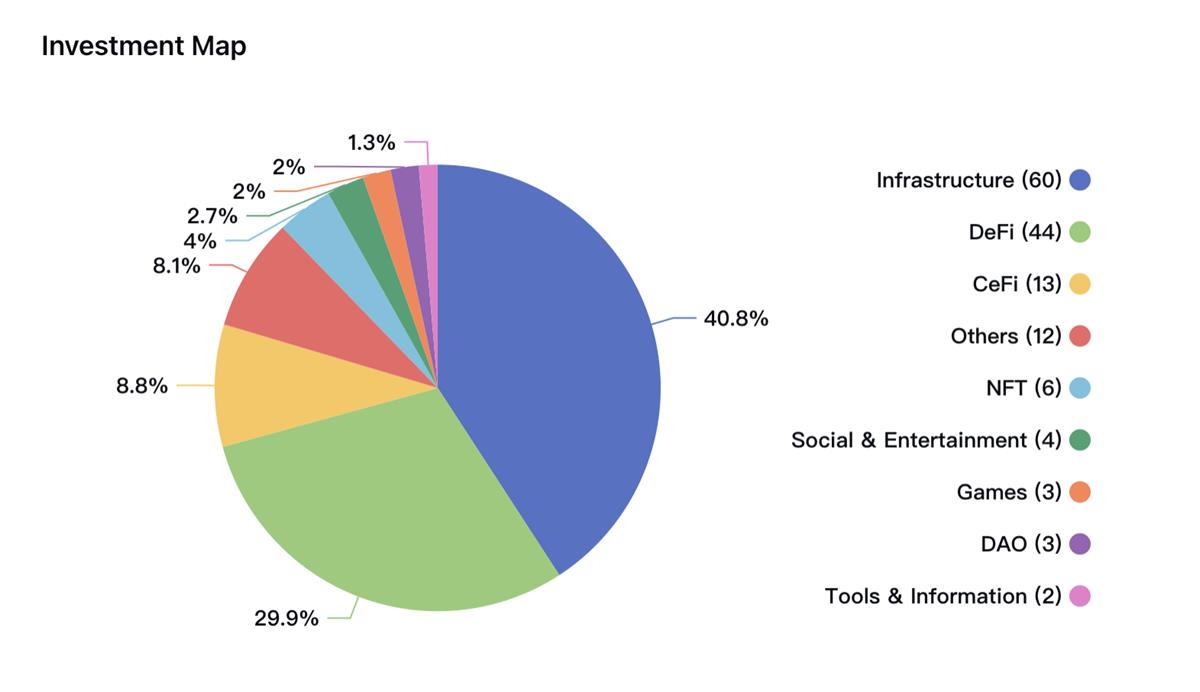
Polychain favors early and high-risk investments, often stepping in at launch or seed stages to secure outsized returns. It believes in its ability to spot unique, practical, and innovative projects with high growth potential. Beyond capital, it actively supports ecosystem development by offering technical, strategic, and operational guidance to help portfolio companies scale sustainably.
3.5.2 Historical Investment Trends
From inception, Polychain has heavily favored infrastructure and DeFi. Its infrastructure bets include blockchain operating systems, decentralized storage, and cross-chain protocols—core enablers of the crypto economy. Its DeFi portfolio includes leading DEXs, stablecoins, and lending platforms that deliver secure, transparent financial services.
As early as 2017, Polychain led funding rounds for MakerDAO and dYdX, and participated in Polkadot and 0x.
In 2018 and 2019, it continued prioritizing infrastructure, investing in Avalanche, Celo, Nervos, and Dfinity, while joining Coinbase’s Series E.
In 2020, investment pace slowed, but focus shifted: 45% of deals were in DeFi, followed by CeFi. Infrastructure saw only three investments that year.
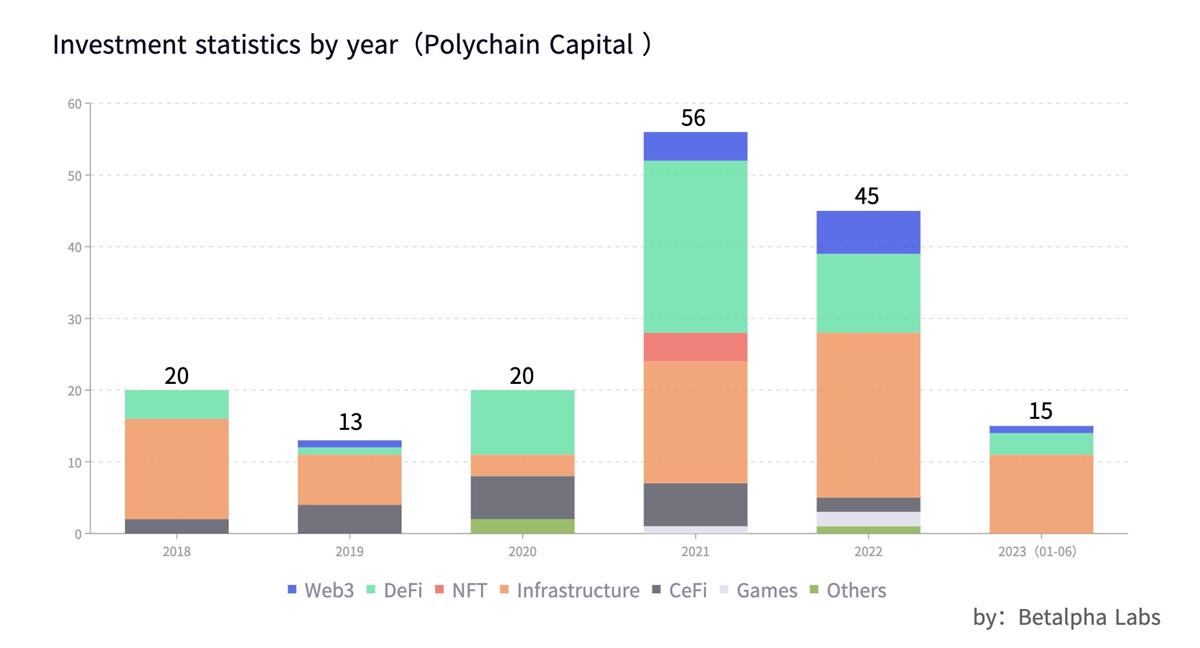
In 2021 and 2022, it reverted to form—focusing again on infrastructure, followed by DeFi. It led rounds in Solana, Connext, Avalanche, Scroll, AltLayer, EigenLayer, and Celestia, while participating in Arbitrum, Evmos, and Gauntlet. It also backed Uniswap and other top DeFi projects.
2023 Investments
By June 2023, Polychain had participated in 15 rounds, maintaining its signature style—primarily infrastructure-focused, leading 10 of them, mostly at seed, Series A, or strategic stages. Unlike others, it hasn’t pivoted to AI, instead doubling down on core areas: blockchain (EigenLayer, Berachain), cross-chain (Connext), DeFi, derivatives (Thetanuts Finance, Coral Finance), and data privacy (Webb).
Berachain
Berachain is a Cosmos SDK-built EVM Layer-1 chain focused on DeFi, secured by Proof of Liquidity.
Recognizing liquidity as a key L1 challenge, Berachain introduced Proof of Liquidity—users stake whitelisted assets (BTC, ETH, stablecoins) in validator vaults and earn yield from DeFi protocol revenue and BERA tokens.
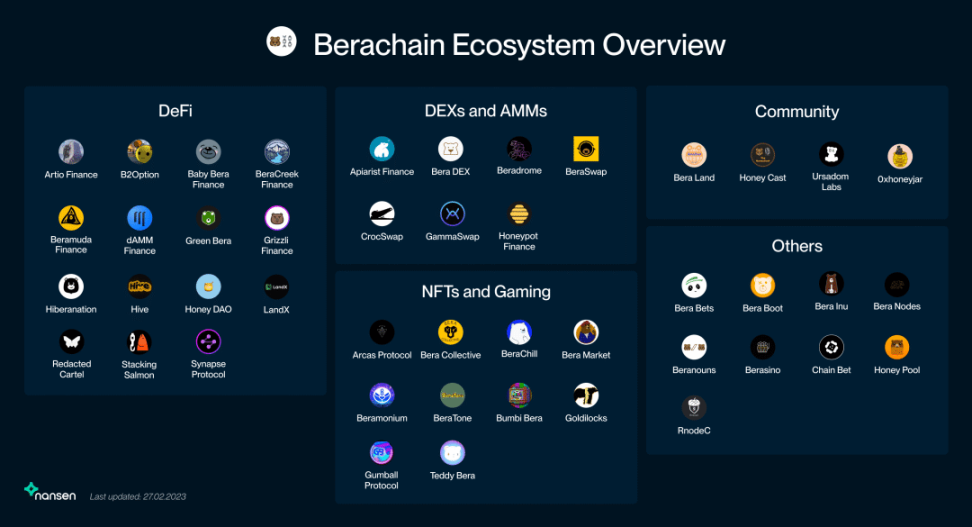
It employs a tri-token model: BERA (gas), BGT (governance), and HONEY (stablecoin). This “Tri-Token” economy incentivizes long-term participation and sustained on-chain liquidity, enabling fast transactions, low fees, instant finality, and rich DeFi liquidity.
In April 2023, Berachain raised $42 million in a round led by Polychain, with Hack VC, dao5, Tribe Capital, Shima Capital, Robot Ventures, GoldenTree Asset Management, and OKX Ventures participating.
3.5.3 Future Investment Direction
As a large, strategically conservative fund, Polychain is unlikely to undergo major directional shifts—infrastructure and DeFi will remain core.
However, it may place greater emphasis on early-stage value and long-term sustainability, seeking projects with strong business models and return potential.
Portfolio diversification may become a priority. While successful in familiar domains, Polychain recognizes that adaptability in fast-moving markets requires spreading risk. It may explore adjacent sectors like AI, big data, and IoT.
Though not yet active in AI, the convergence of blockchain and AI is gaining attention. Projects combining blockchain for data privacy with AI applications, or using smart contracts in IoT supply chains, could attract interest.
Big data analytics is another promising area—projects using analytics to enhance trading accuracy or predict market trends, especially when paired with blockchain for data security, may see growing appeal.
Ultimately, diversification is key to resilience. Polychain may maintain its disciplined approach while cautiously expanding into synergistic domains, enhancing risk management and long-term competitiveness.
3.6 Variant Fund
3.6.1 Company Overview
Variant Fund is an early-stage crypto investment fund focused on supporting innovative blockchain and cryptocurrency projects.
Founded in 2020 by Jesse Walden and Li Jin—both seasoned crypto investors. Jesse was the first crypto investment partner at a16z and led its “Crypto Startup School.” He led Variant’s investments in Uniswap, Phantom, Mirror, Flashbots, and Foundation. Li Jin came from a16z’s consumer team and later founded Atelier Ventures, focusing on passion economies, with investments in Yield Guild Games and Syndicate.

Join TechFlow official community to stay tuned
Telegram:https://t.me/TechFlowDaily
X (Twitter):https://x.com/TechFlowPost
X (Twitter) EN:https://x.com/BlockFlow_News
 @betalphalabs