Analyzing Pearl: When RWA meets ve(3,3), what sparks will fly?
TechFlow Selected TechFlow Selected
Analyzing Pearl: When RWA meets ve(3,3), what sparks will fly?
Pearl ensures high utility and rewards for holding and locking governance tokens, helping maintain the token price and thereby providing sustained liquidity.
 Navigating Web3 tides with focused insights
Written by: HAYLΞS.eth
Compiled by: TechFlow
The lack of a ve(3,3) exchange in the Polygon ecosystem is a problem that needed solving, and Pearl fills this gap. Let's take a closer look at how Pearl transforms attention from RWA into liquidity and brings it into the ecosystem.
The rise of powerful bribe protocols has overturned earlier AMM DEX models represented by protocols like Sushiswap. With Pearl, users can self-optimize AMMs without causing sell pressure on the platform’s governance token. And the method to achieve this is remarkably simple.
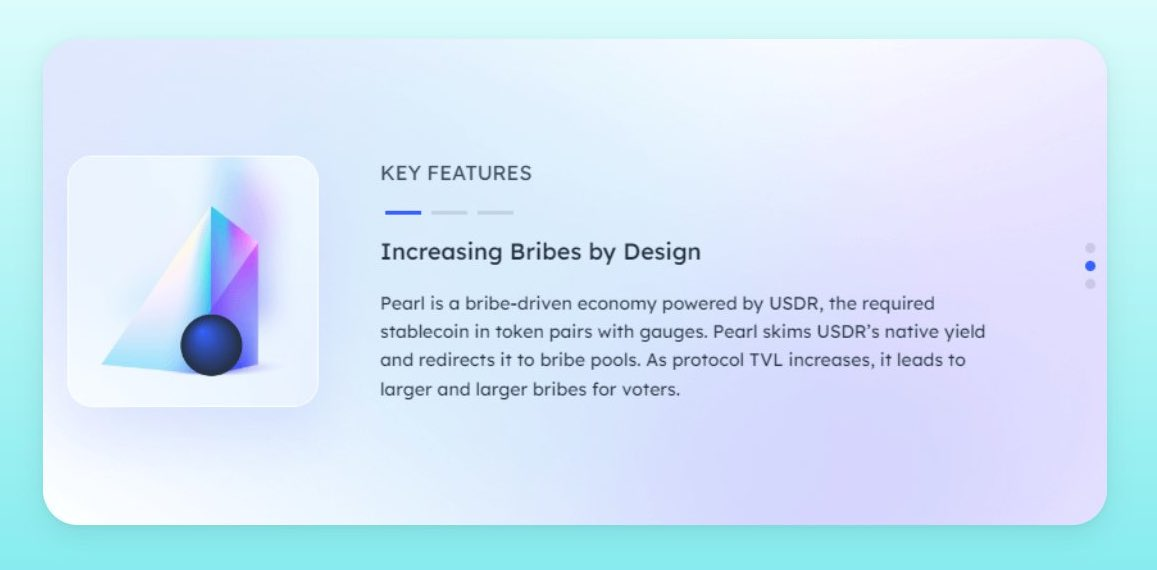
It directs token emissions to the LPs receiving the most votes. LPs on the DEX incentivize liquidity providers to vote for them. These votes allow LPs to maximize the token emissions allocated to them by Pearl.
Pearl has partnered with Tangible, one of the largest bribe providers and one of the most widely adopted RWA platforms. Through their stablecoin $USDR, the Solidy model enables automatic bribing using USDR. Backed by tokenized real estate, USDR offers an 8% annual yield from rental income.
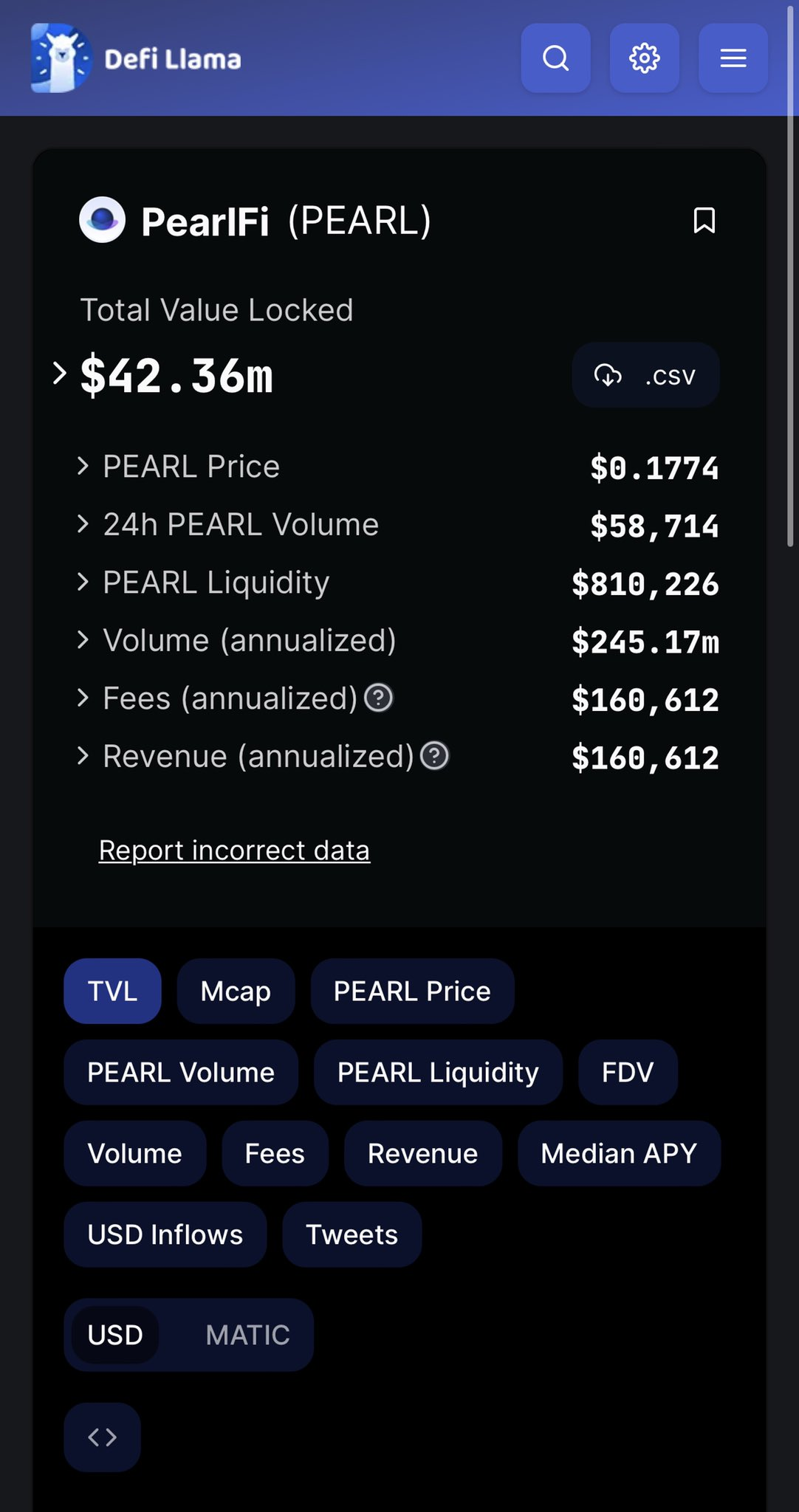
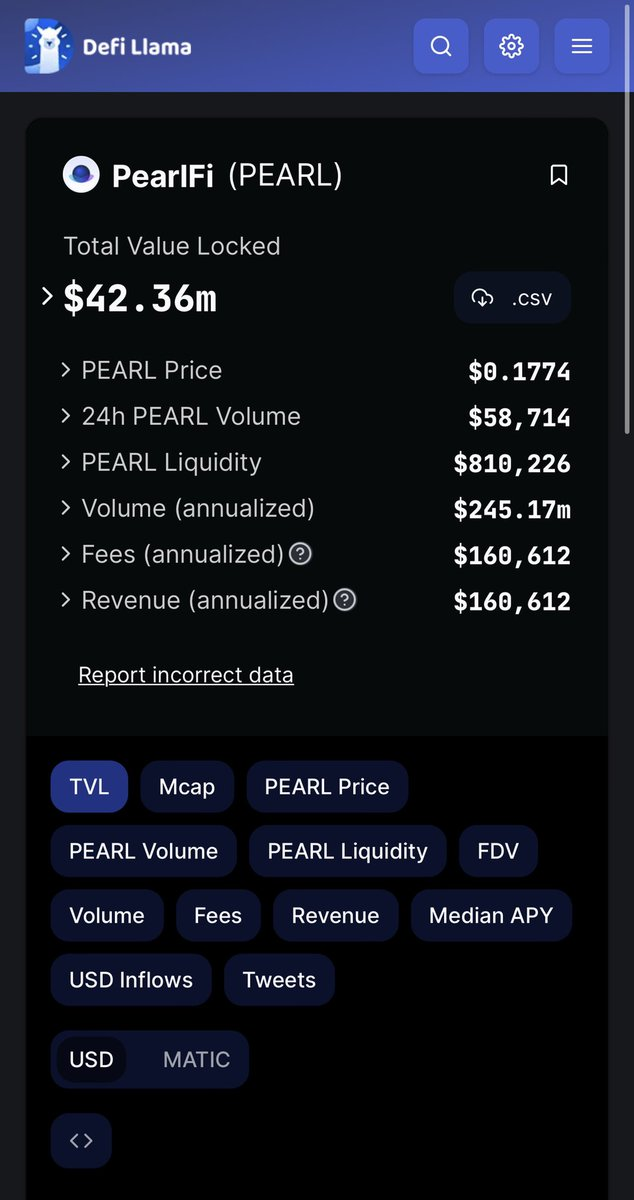
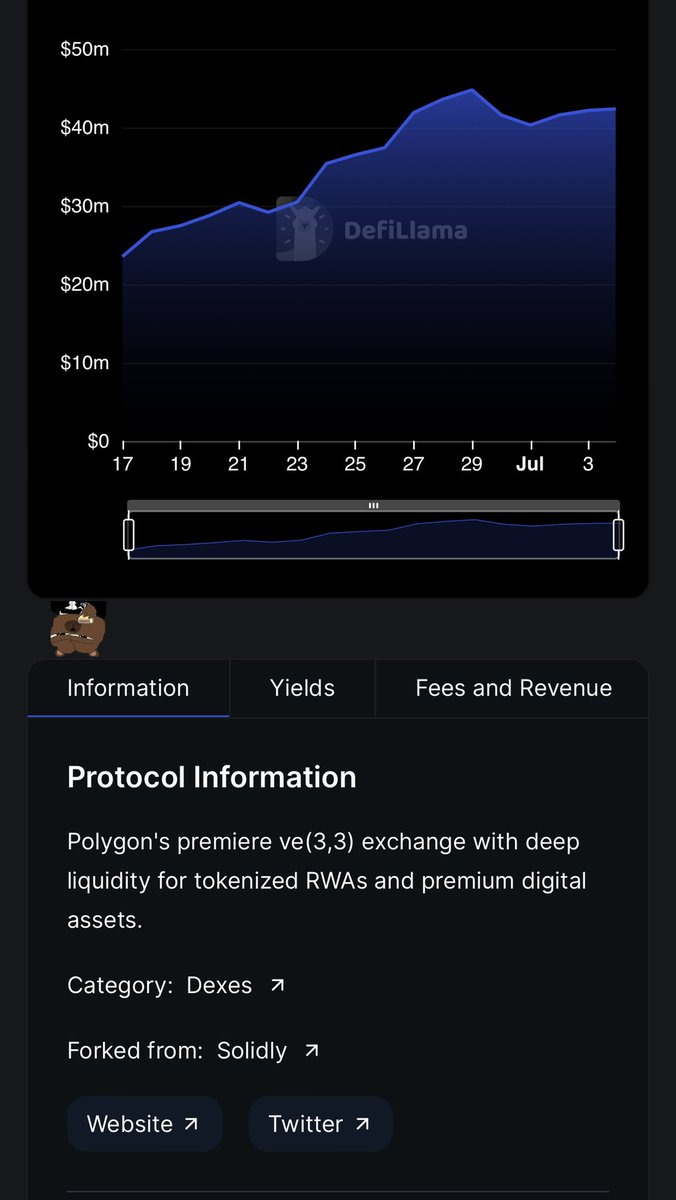
With a TVL reaching up to $43 million, Pearl ranks as the leading ve(3,3) DEX after Velodrome. As demand for RWA and DeFi integration continues to grow, it will soon see increased trading volume and surpass its current standing.
Pearl's Tokens
• $pearl (ERC-20) – The primary utility token used as rewards to incentivize liquidity providers and gain better trading conditions.
• $vePearl (ERC-721) – This token allows voting on LP emissions within the Pearl DEX.
To obtain vePearl, users must lock their $pearl tokens; the longer the lock-up period, the greater the voting power they hold.
How Does Pearl Work?
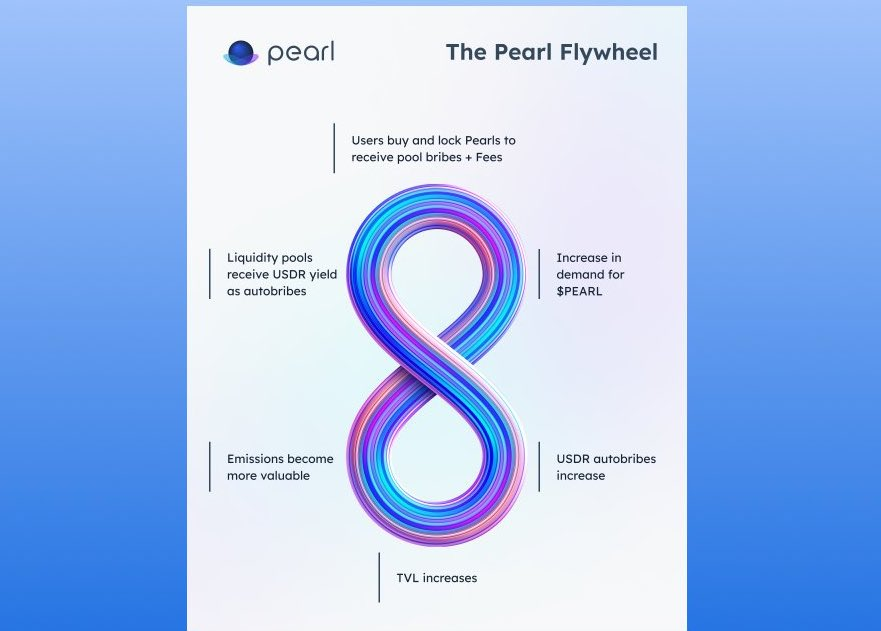
• Voters receive $USDR through auto-bribing.
• Greater incentives mean increased demand for pearl.
• The price of the pearl token rises.
• The issued value of pearl increases.
• Higher TVL attracts more emissions.
• Auto-bribing with USDR scales up as TVL grows.
In Solidly's bribe model, incentives are crucial. Platforms offering better incentives naturally outperform others, as clearly evident in Pearl's charts.
Thena – A Solidly DEX operating on BSC, which appears underwhelming when compared side-by-side, likely due to lower bribe offerings. There’s also Chronos, the Solidly DEX on Arbitrum.
Tokenomics
Pearl aims to enable broad participation in the ecosystem, while active users receive larger allocations of $vePearl tokens.
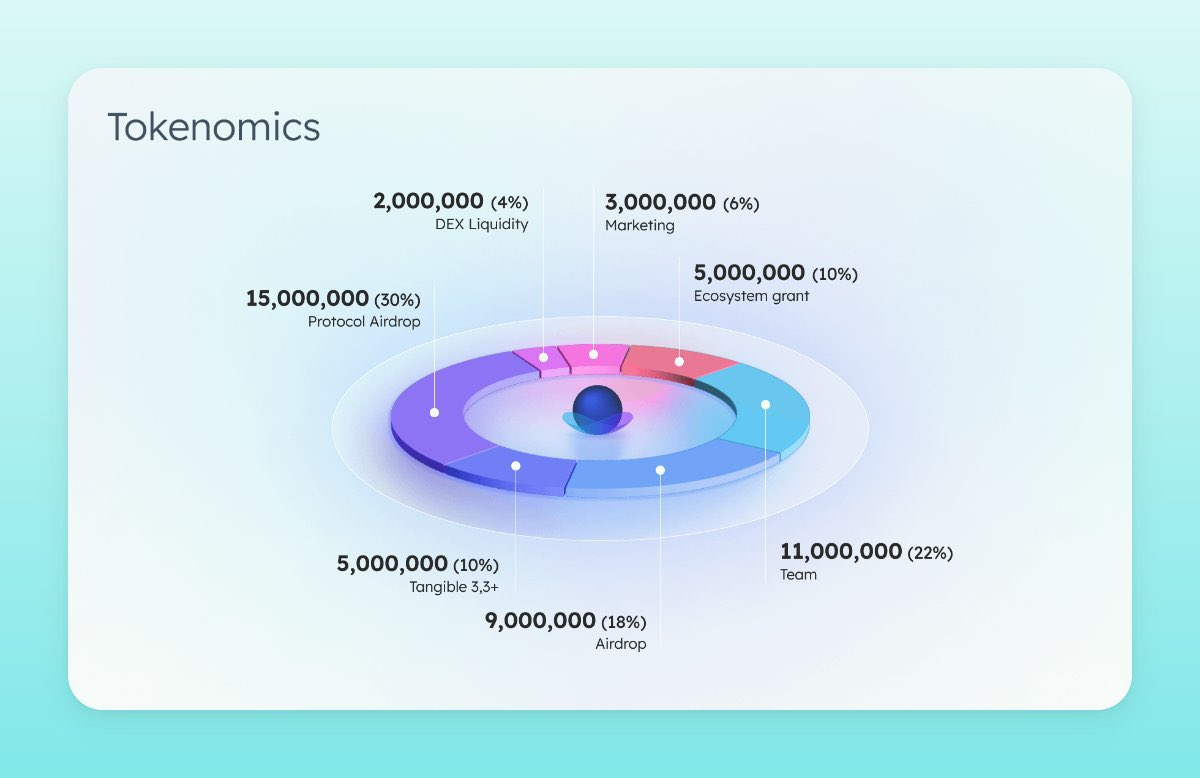
The sustainability of Pearl's ve(3,3) model primarily stems from incentivizing LPs with unlocked governance tokens, distributing trading fees to ve token holders, allowing protocols to unequally allocate emissions to pools, and enabling protocol-level bribes to encourage ve token holders to vote.
Conclusion
Pearl ensures high utility and rewards for holding and locking governance tokens, helping maintain the token price and thereby sustaining liquidity. RWA is gaining increasing attention, and it won’t be long before other markets catch up.
Join TechFlow official community to stay tuned
Telegram:https://t.me/TechFlowDaily
X (Twitter):https://x.com/TechFlowPost
X (Twitter) EN:https://x.com/BlockFlow_News
 @Haylesdefi