From Game Rule Takers to Rule Changers: BladeDAO's On-Chain Gaming Ambition
TechFlow Selected TechFlow Selected
From Game Rule Takers to Rule Changers: BladeDAO's On-Chain Gaming Ambition
Compromise is not a fate players should have to accept, at least not in BladeDAO.
 Navigating Web3 tides with focused insights
Author: Blade DAO
Compiled by: TechFlow
Centralized power and unfair game rules have been the norm for gamers over the past decade. However, a group of passionate players decided to change this reality. They are determined to create a community-owned gaming world—one that is transparent, fair, and secure on-chain. This is how BladeDAO was born. In this article, we will dive deep into BladeDAO’s vision, goals, and how we plan to build this exciting new gaming universe.
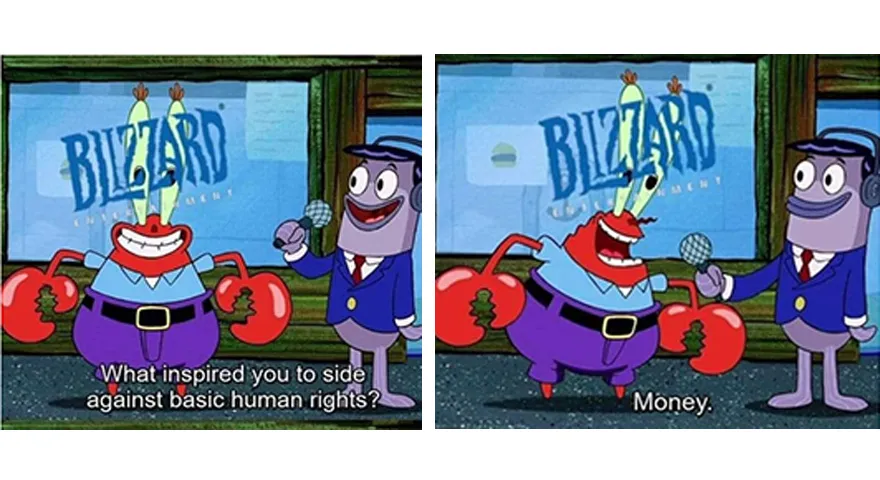
BladeDAO's story began months ago, as a group of dedicated gamers. When we heard that Blizzard had decided to terminate its partnership with NetEase—a Chinese publisher that had operated Blizzard games in China for 14 years—we were shocked. We had spent countless hours playing Overwatch, World of Warcraft, and Hearthstone together. Suddenly, everything changed. We found ourselves unable to access the games that once brought us endless joy and friendship.
We couldn't help but ask: Is this the fate players are destined to accept?
That’s when we decided to build our own on-chain game, inspired by 0xParc’s concept of autonomous worlds. Our vision was clear: a game not dependent on any centralized authority or intermediary, but instead powered by the collective strength and creativity of players. A transparent, fair, secure, and censorship-resistant game. A game owned by the community—not by greedy corporations.
First, let’s define what an on-chain game is:
An on-chain game is a blockchain-based game where every aspect of the game logic is processed through smart contracts on decentralized networks. This means everything that happens in the game—from asset creation and ownership, to game rules and mechanics, to player interactions and outcomes—is recorded and executed on the blockchain. No centralized server or authority can interfere with or manipulate the game state.
So why BladeDAO? Why on-chain gaming?
The value proposition lies in the unprecedented transparency, security, and innovation that on-chain gaming enables. These games are gateways to a completely new gaming world—one that is truly player-centric and built on collaboration. Here are BladeDAO’s core goals:
-
Player-Centric Economy: We’re flipping traditional game economies on their head. In-game assets truly belong to players. Forget developer control or platform restrictions—if you earn it, it’s yours. Trade it, sell it, lend it, or use it across other on-chain games (partners welcome!). Your assets, your rules.
-
Fair & Transparent Gameplay: Imagine a game where everyone follows the same rules—and every player can verify those rules. The current state of the game—progress through each level, your unit levels, the number of gems collected—is stored on-chain. This ensures consistency, persistence, fairness, and full transparency.
-
Permissionless Innovation: We're not just building games—we're building a platform for creativity and collaboration. We invite developers to modify our games and players to create their own content. With the power of smart contracts, you can build on top of BladeDAO or remix it into something entirely new.
-
Community Building: Through the community, players can form teams, strategize, and share experiences. There’s no central authority dictating how the game should be played. Players can come together to forge their own stories within the BladeDAO universe.
Easy Entry into On-Chain Gaming: From Idle to PvP
However, navigating this new world isn’t without challenges. It requires learning and adaptation, and for newcomers to this space—both players and developers—the learning curve can sometimes be steep. We aim to simplify this process, lower the entry barrier, and provide a rewarding and accessible gaming environment. That’s why in Season One, we plan to reduce the barriers for both casual players and Web3 developers, while offering incentives and rewards for those who participate and contribute to the ecosystem’s growth.
How do we achieve this? One way is by integrating the “idle game” concept into BladeDAO. The appeal of idle games lies in their simplicity and minimal need for active player input—they run in the background and attract a broad audience seeking relaxation and casual play. Our first game, LOV’s Season One, adopts this style to minimize friction and frustration often associated with on-chain gaming.
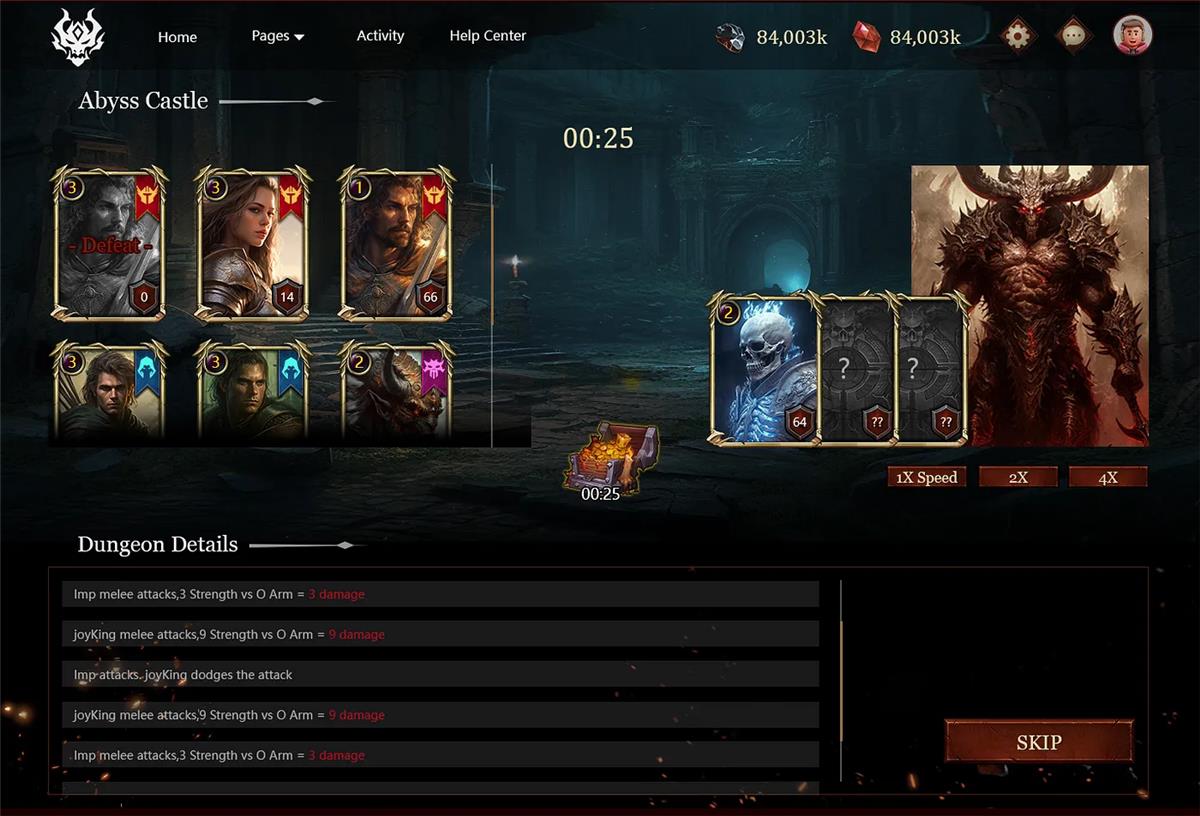
To ensure our player-developers are well-prepared, we’ll also provide comprehensive tutorials and documentation—including guidance on interacting with our smart contracts directly, even without a user interface. Additionally, we’ll launch a developer program inviting on-chain gaming enthusiasts to participate, contribute to our games, and earn BLADE tokens in return.
As we move into Season Two, players will experience the thrill of defeating opponents and escaping a series of cryptographically secured levels powered by zero-knowledge technology.
Season Two will introduce a new gameplay mode: PvP. In this mode, players can use their units to challenge others. Battles will take place in dungeons of varying difficulty and reward tiers. Players must strategize and wisely use different heroes’ abilities to gain an edge.
By transitioning from PvE to PvP, we aim to enhance competitiveness and engagement. We also want to showcase the power and potential of zero-knowledge tech and cryptography in enabling fast, secure on-chain gameplay.
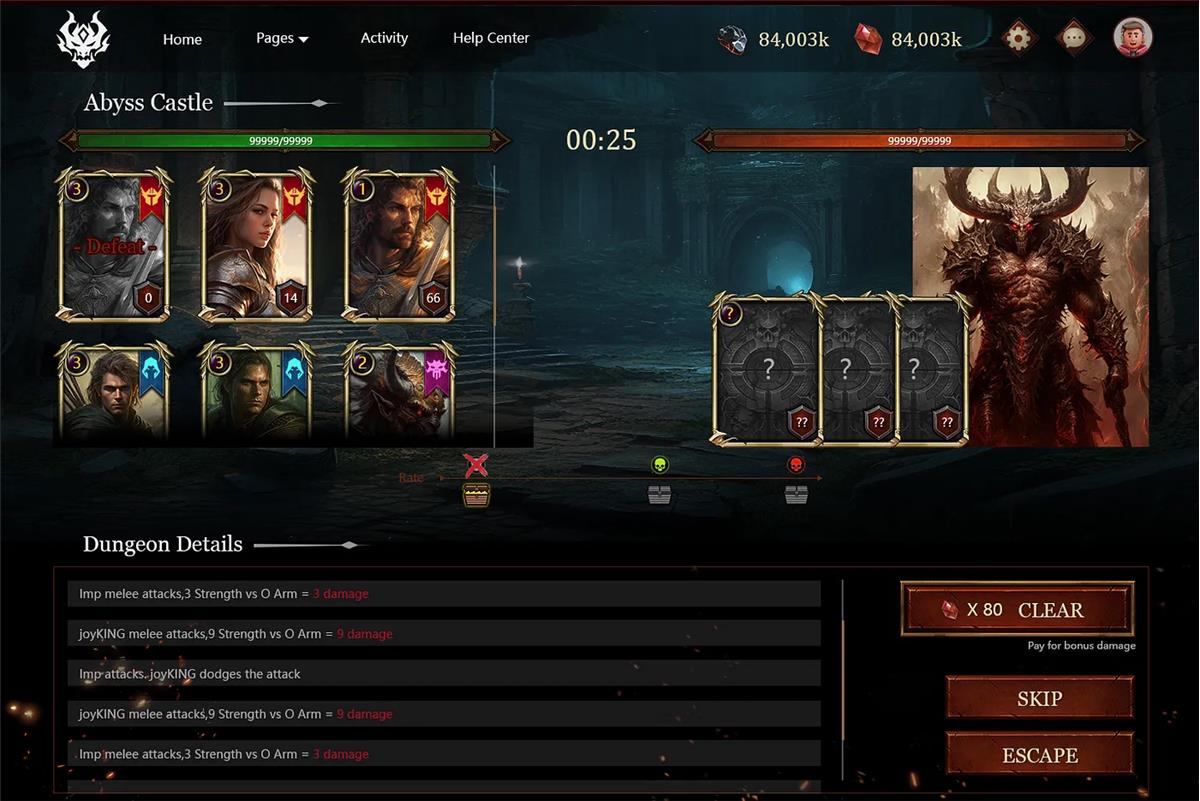
You might wonder: How is this different from traditional games? What makes our game truly “on-chain” is composability from day one—delivering genuinely interactive and flexible gameplay experiences.
In Season One of LOV, users will embark on a journey to loot various treasures from fierce enemies and monsters. Each dungeon requires a certain block time to complete. For those familiar with coding, your gameplay experience can be automated and personalized using smart contracts. For example, if a dungeon tier takes 100 blocks to complete, you can write your own smart contract to interact with our game’s contract. This allows you to trigger specific game functions every 100 blocks, automate tasks, and never miss a reward opportunity.
Resources earned from each dungeon can be used to craft upgrade cards for your heroes, granting stronger abilities and attributes. Again, this entire process can be handled via smart contracts—even without a frontend. You could write another contract to regularly monitor your in-game assets, checking whether enough resources have been accumulated for an upgrade. Once conditions are met, the smart contract automatically triggers an on-chain action to craft the upgrade card. This way, your gameplay continues uninterrupted—even in the extreme case of our frontend going down.
Conclusion
Starting as passionate individual players, we felt disillusioned by how centralized giants treat the gaming world. Yet, we’re deeply proud of the progress we’ve made on our own project. Development is ongoing, and our first demo is coming soon. Looking back at our original question, we can now answer confidently: compromise is not the fate players must accept—at least not in BladeDAO.
Join TechFlow official community to stay tuned
Telegram:https://t.me/TechFlowDaily
X (Twitter):https://x.com/TechFlowPost
X (Twitter) EN:https://x.com/BlockFlow_News
 BladeDAO