








Ethereum's Cancun Upgrade: Layer2 Is Set for an Explosion
TechFlow Selected TechFlow Selected
Ethereum's Cancun Upgrade: Layer2 Is Set for an Explosion
The upcoming Cancun upgrade—a direct benefit for Layer 2 (L2) tokens.
 Navigating Web3 tides with focused insights
Author: OnChainChad, Crypto KOL
Translation: Felix, PANews
Are you regretting missing the LSD bull run before the Shanghai upgrade? Don't worry — the upcoming Cancun upgrade is set to directly benefit Layer 2 (L2) tokens.
What benefits will the Cancun upgrade bring, and how will it impact L2s?
In short, the Cancun upgrade will make L2s 10 to 100 times faster and significantly cheaper.
You might be wondering—how is that possible?
At a fundamental level, L2s need to submit their transactions (txs) to L1 (Ethereum) to achieve the same security level as Ethereum.
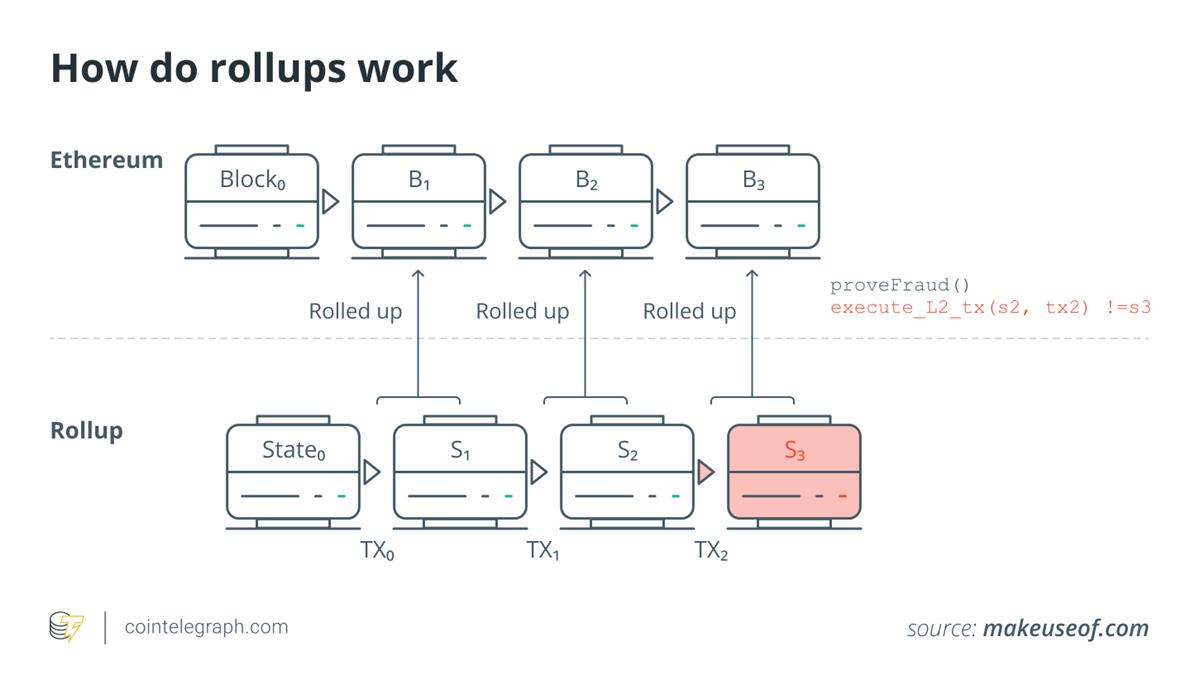
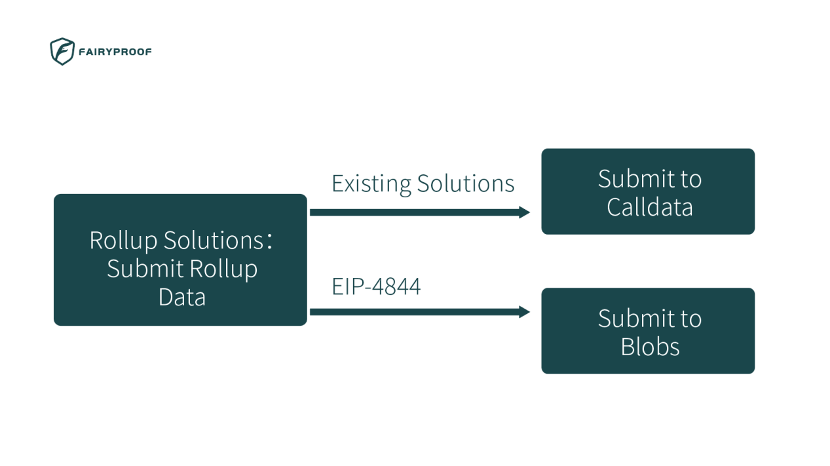
Before the Cancun upgrade, L2 txs were stored in the Calldata of L1 transactions. This method was expensive and limited by the small space available in Calldata.
After the Cancun upgrade, L1 will store this data in a new location called a “Blob.” Blobs are cheaper and offer much more storage capacity.
Let’s do a quick calculation:
Suppose an L2 has 1,000 transactions to store on L1, and each Calldata can hold up to 100 L2 txs at a cost of 1 ETH.
For 1,000 L2 txs, you’d need 10 Calldata slots, costing 10 ETH.
With Blob storage, you could store all 1,000 L2 txs in just one Blob, costing only 0.1 ETH.
Before the Cancun upgrade:
One L2 transaction would cost 10 / 1,000 = 0.01 ETH
After the Cancun upgrade:
One L2 transaction would cost 0.1 / 1,000 = 0.0001 ETH
That's 100 times cheaper.
Note: To finalize confirmation of an L2 transaction, it must be recorded on Ethereum. Therefore, finality also depends on how quickly data is submitted to L1. Let’s do another calculation:
Using Blob storage, you can confirm 1,000 L2 txs with just one L1 transaction. With Calldata, you'd need 10 separate L1 transactions to confirm the same number.
Thus, Blob storage enables confirmation of up to 10 times more L2 transactions per block—more space means faster throughput.
The actual logic and data are far more complex, but here’s what you need to know:
The Cancun upgrade will make L2s cheaper and faster.
Right now, you may find that using some L2s costs even more than using L1. But after the Cancun upgrade, this will improve dramatically.
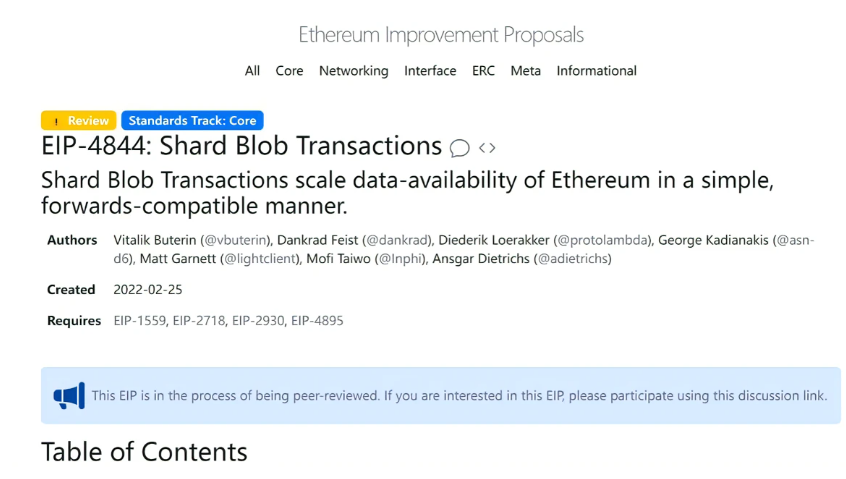
Now that you understand the basics, what should you prepare for? Which projects should you invest in? Here’s a list of L2 projects and tokens that will benefit from the Cancun upgrade.
ARB, OP
These are the leading Layer 2 projects. If there’s an L2 summer, these two tokens stand to gain the most.
Arbitrum and Optimism have the highest TVL, the largest user base, and well-established ecosystems with years of operation.
Assessment: Low risk, medium return
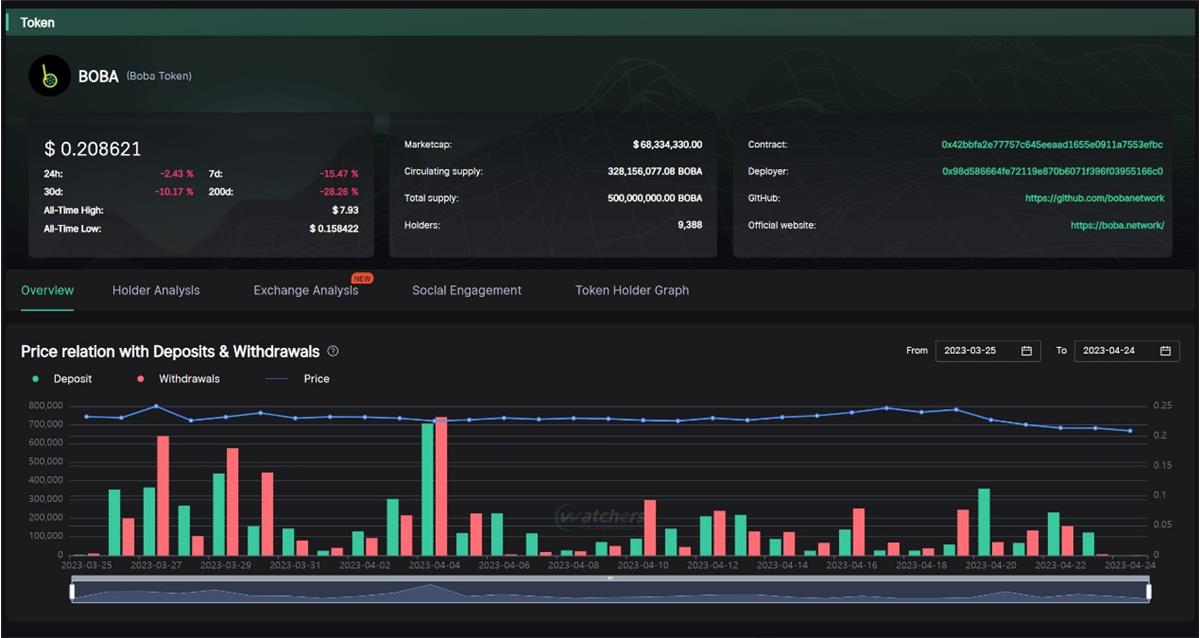
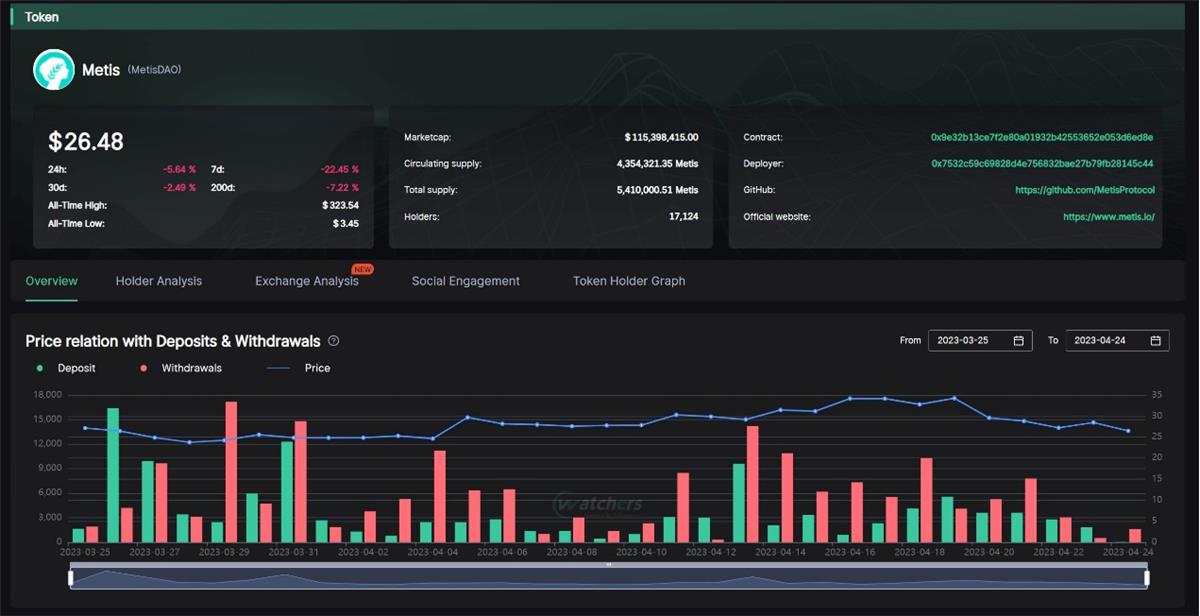
Boba, Metis
Both are early forks of Optimism. Their tokens have been declining for a year, making them relatively attractive entry points now.
Assessment: Medium risk, high return
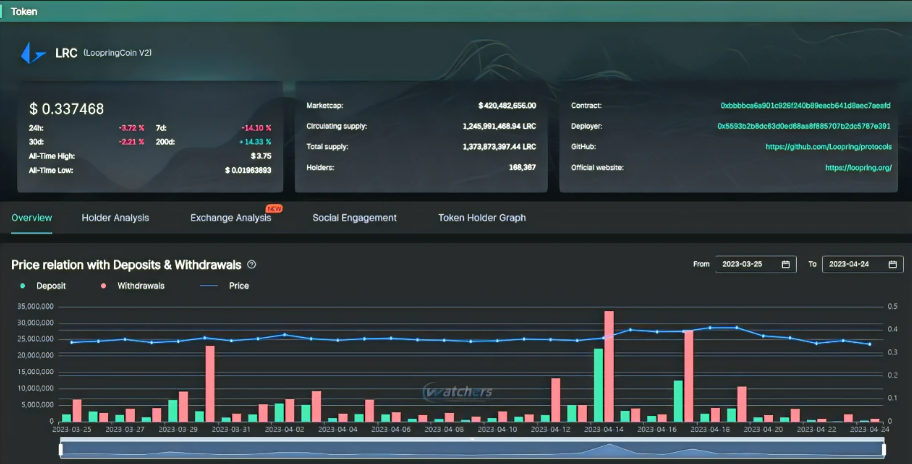
LRC, IMX, dYdX
These are early zk-based projects that support app-specific rollups and have issued tokens. They represent excellent investment opportunities within the zk Layer 2 space.

MATIC
Currently, what people refer to as “Polygon” is not an L2, but they are developing several ZK Layer 2 solutions, including Polygon ZKEVM, which has already launched its mainnet.
Assessment: MATIC already has a very high market cap, so expected returns are relatively modest.

SHIB, CULT
Both SHIB and Cult.DAO have announced plans to launch their own Layer 2 solutions this year. If successfully launched and their ecosystems grow, they could join the L2 narrative similar to YFI and FXS.

L2 Ecosystem Projects
The fast and low-cost networks enabled by the Cancun upgrade will also boost projects built on top of L2s. Examples include:
GMX, GNS, RDNT, JOE in the Arbitrum ecosystem.
SNX, PERP, KWENTA in the Optimism ecosystem.
And other projects within zkRollup ecosystems.
ZKS, STARK, SCROLL
These three have not yet launched tokens. If they do issue tokens (in any form), they could become as significant as ARB and OP—or even more so—since the crypto industry views zkRollups as the more advanced rollup solution.
Also watch out for potential airdrops—they’re highly likely.
Join TechFlow official community to stay tuned
Telegram:https://t.me/TechFlowDaily
X (Twitter):https://x.com/TechFlowPost
X (Twitter) EN:https://x.com/BlockFlow_News
 OnChainChad


