








The Art of FUD: Why Some NFT Projects Die While Others Thrive
TechFlow Selected TechFlow Selected
The Art of FUD: Why Some NFT Projects Die While Others Thrive
This article will list three NFT projects, analyze how FUD has affected them, and draw some lessons from these cases.
 Navigating Web3 tides with focused insights
Written by: wale.swoosh
Compiled by: TechFlow
How should we view the impact of FUD on NFT projects? Is FUD always negative? This article examines three NFT projects to analyze how FUD has affected them and draws some key lessons.
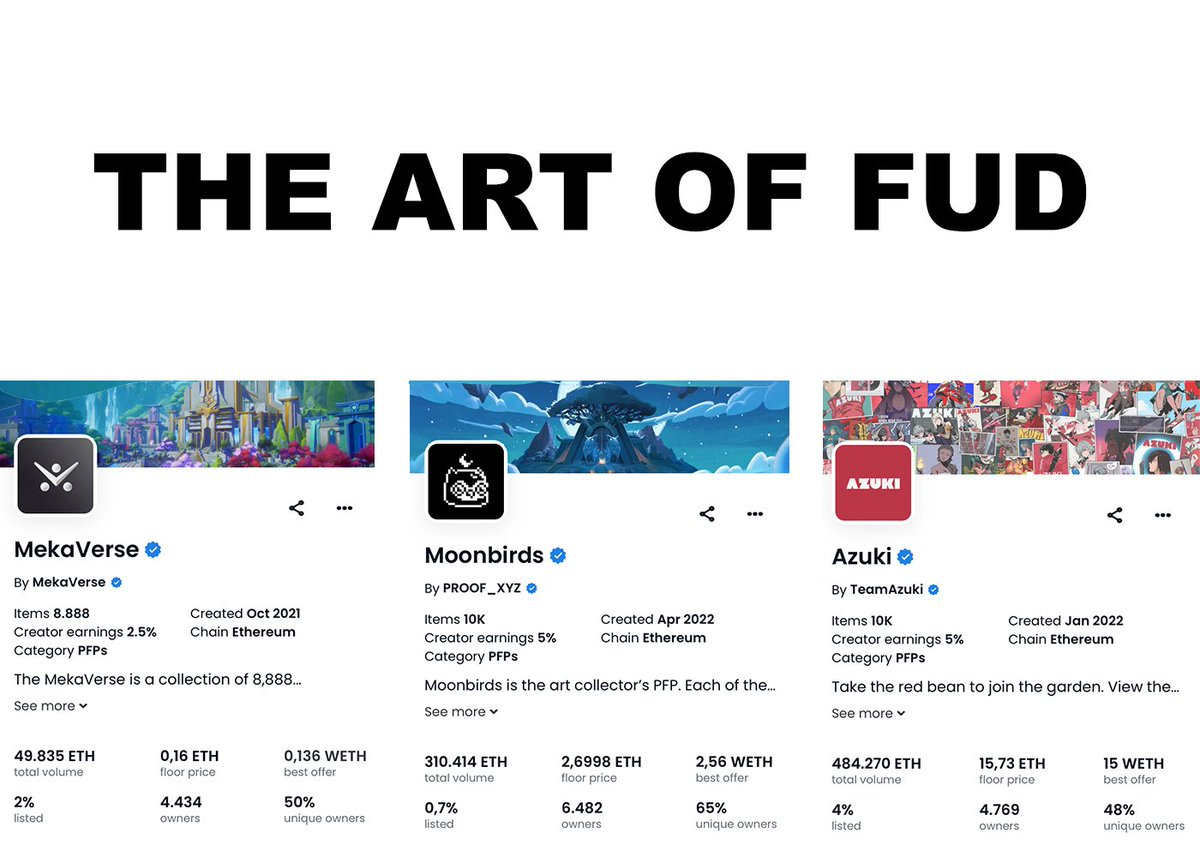
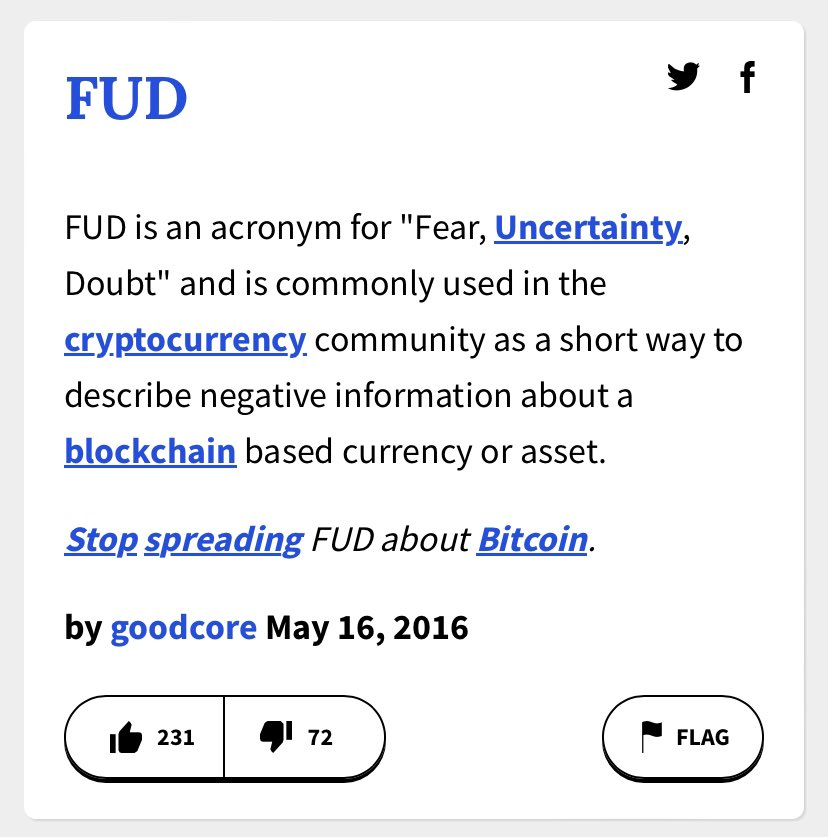
Everyone who has spent time in the NFT space has experienced FUD. "FUD" stands for "fear, uncertainty, and doubt," typically referring to attacks—personal or collective—directed at a project.
Thus, one might assume FUD is always negative. Yet recently, many founders have spoken about FUD in surprisingly positive terms. Can FUD actually be beneficial? Why does it destroy some projects while others thrive?
Let’s examine three examples.
Mekaverse
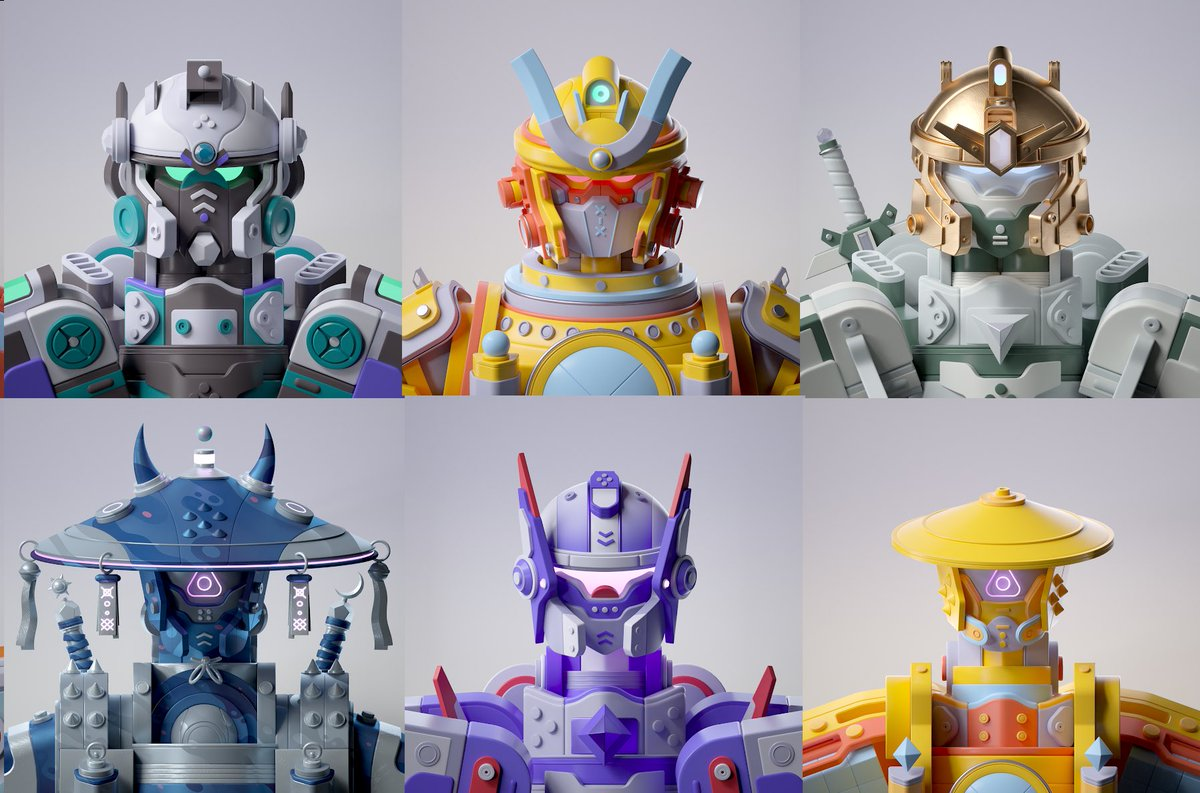
Mekaverse was one of the most hyped NFT projects in 2021. Minting was fiercely competitive, with thousands rushing to claim one of the 8,888 Mekas.
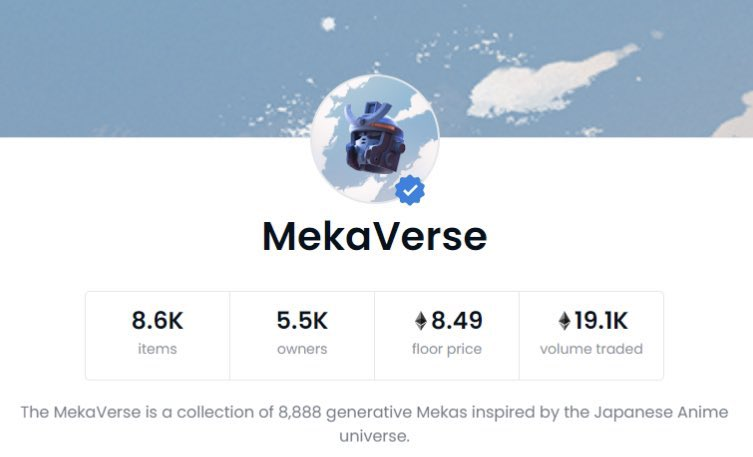
Even before reveal, Mekaverse's floor price had reached 8 ETH. Everyone on NFT Twitter was talking about it—the hype had reached another level. Mekaverse was destined to become the next blue-chip NFT project.
But after the reveal, the artwork disappointed. The first wave of negative tweets emerged—people began mocking the NFTs. These posts spread like wildfire. The very attention that once made Mekaverse unique became the source of its downfall.

Soon, nearly everyone on NFT Twitter was ridiculing it. A true FUD wave had formed. Most weren't malicious—just driven by a desire to participate. Today, Mekaverse’s floor price has dropped to just 0.16 ETH.
Lesson 1:
FUD can drive massive engagement.
Holders defend the project; non-holders gain a sense of participation by joining the FUD. FUD has always been part of the NFT landscape—and it always will be.
Moonbirds
Moonbirds was one of the most anticipated projects during the last bull run. Top-tier team, high-quality art, influential holders. Within weeks, its floor price surged to 40 ETH.
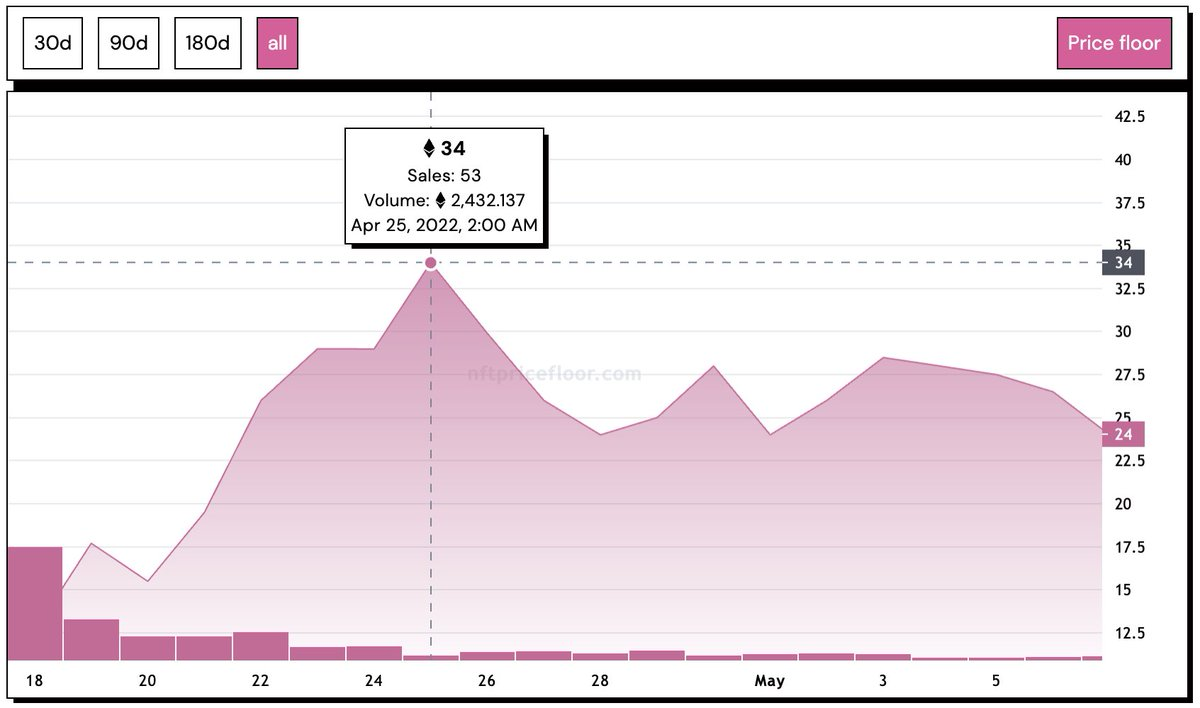
Everything seemed to be going smoothly. Sure, the bear market didn’t spare Moonbirds, but nothing drastic happened—at least not yet.
Then, on August 4, Moonbirds announced a shift in IP rights to CC0.
Unlike Bored Apes, where holders own the copyright to their JPEGs, CC0 means everyone owns the rights—a creative commons license. In theory, anyone can take a Moonbird and create derivatives. As expected, this triggered a massive wave of FUD.
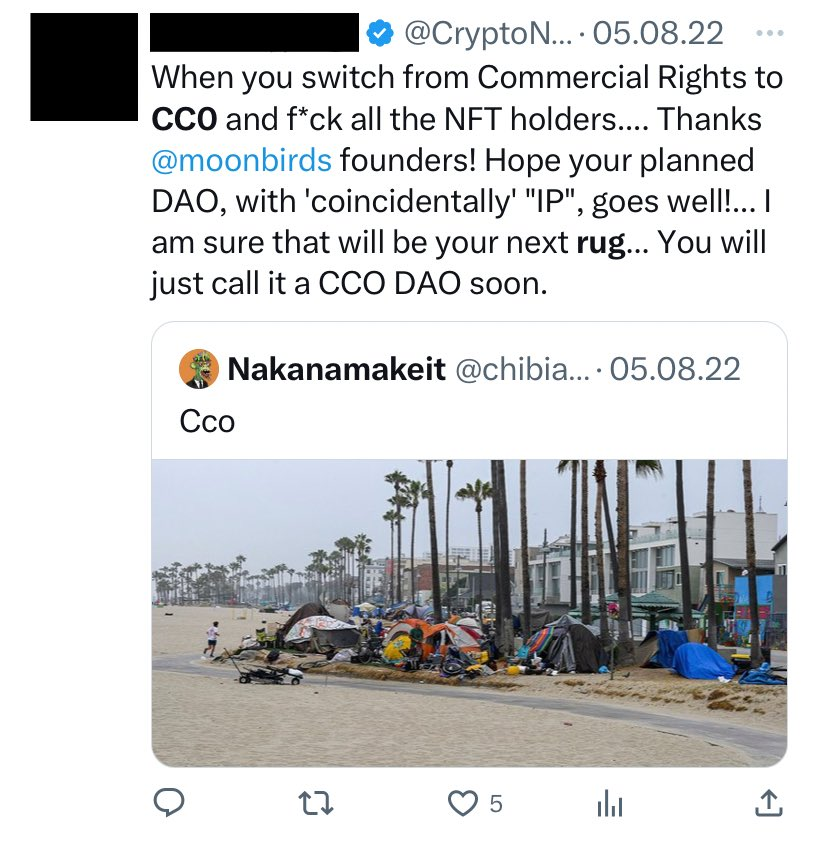
Weeks later, co-founder Kevin Rose admitted in a Discord that the level of FUD exceeded his expectations. Interestingly, it wasn’t just non-holders on Twitter—it came from holders too.
The volume of self-generated FUD and hatred from holders themselves was something he’d never seen before. This FUD didn’t just target a single decision—it spilled over to the entire project and team. Some holders turned against the project entirely.
Lesson 2:
FUD usually starts with a mistake or unilateral move. But more often than not, it spreads to engulf the entire project and team. FUD lacks nuance.
Azuki
Azuki also went through a major FUD phase. When news broke that co-founder Zagabond had previously launched two other projects (Zunks & Phunks), a wave of FUD hit Azuki.
It wasn’t just critical—but fair—tweets; outright wishes for Azuki’s demise flooded in. Its floor price plummeted from 30 ETH to 6 ETH.
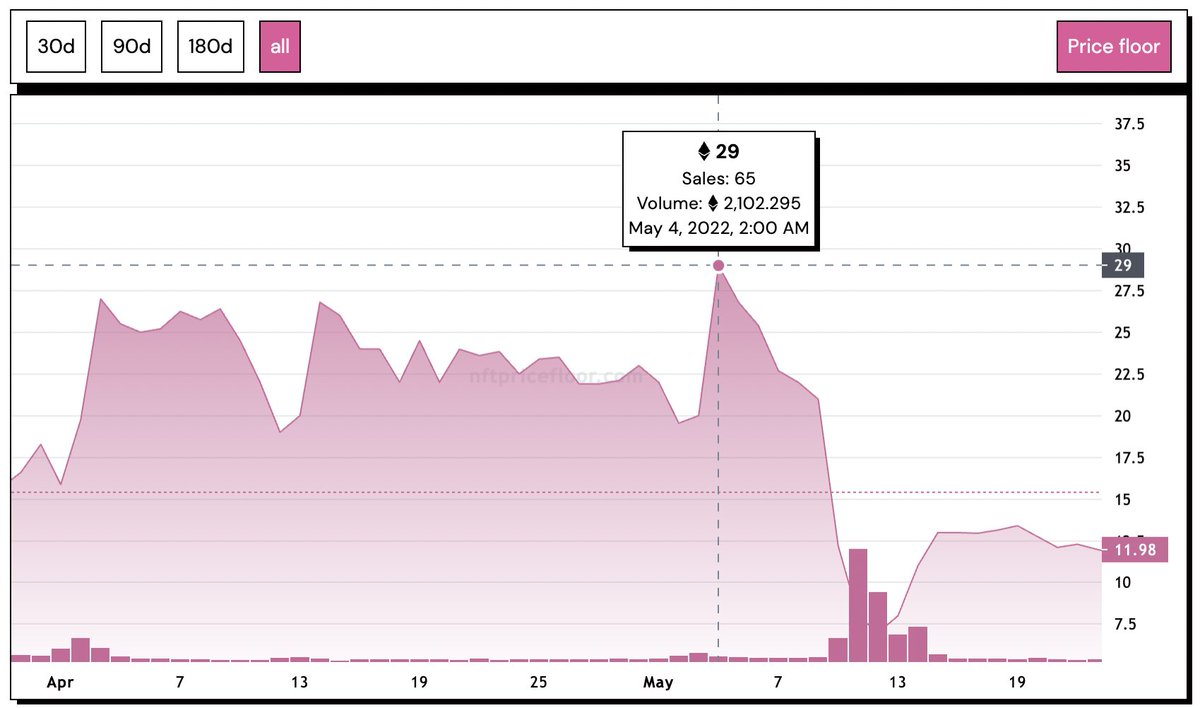
But here’s what was different: while some holders sold under pressure, the core holders and community stood firmly behind Azuki and the team. To this day, that core remains unchanged.
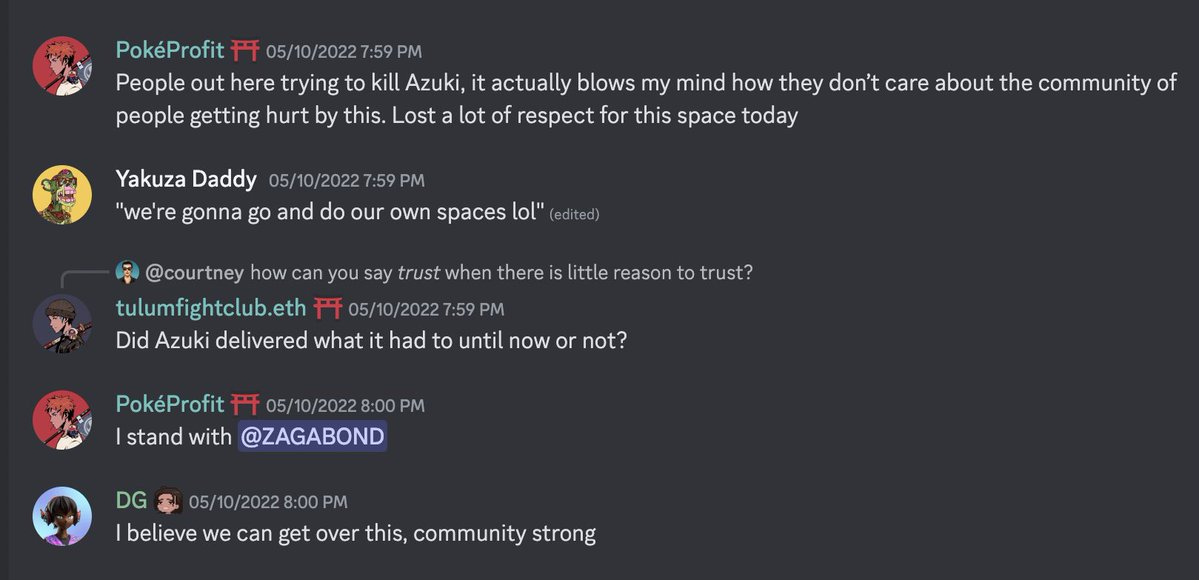
At the time, the team faced massive external attacks. Not only was the team vilified, but Azuki holders were too. Twitter became a battleground for anyone using an Azuki pfp—ironically making holders even more united.
Lesson 3:
External FUD can make a community stronger and more cohesive in the long run. But only if holders remain united and unconditionally support the team.
This may be the crucial difference:
External FUD can strengthen a community. When anger and hate come from outside, it binds the community tighter and creates deeper connections. NFT projects need such die-hard believers—those who’ve weathered the lows together. This is precisely what makes NFTs more than just financial investments.
FUD from non-holders is usually performative and short-lived. Thus, external FUD is always temporary—once attention shifts, it moves on to new targets. But when FUD comes from within, from holders themselves, it can rapidly destroy a project.
If holders begin doubting the team’s direction, it doesn’t just drive existing holders away—it deters newcomers. Therefore, FUD can be both beneficial and harmful. The ideal scenario might look like this:
a) Ongoing low-level external FUD, keeping the project in the spotlight.
b) A core community completely free of FUD, unified in supporting the team and resisting “external enemies.”
Join TechFlow official community to stay tuned
Telegram:https://t.me/TechFlowDaily
X (Twitter):https://x.com/TechFlowPost
X (Twitter) EN:https://x.com/BlockFlow_News
 wale.swoosh


