Weekly Recap: What Happened in DeFi and NFT Last Week?
TechFlow Selected TechFlow Selected
Weekly Recap: What Happened in DeFi and NFT Last Week?
DeFi and NFT developments from last week.
 Navigating Web3 tides with focused insights
Author: kezfourtwez, Parsec Research
Compiled by: TechFlow
DeFi
With two weeks remaining until the Merge, we've already seen an increase in ETH borrowing, with Aave's ETH market rates rising to >15% APR.
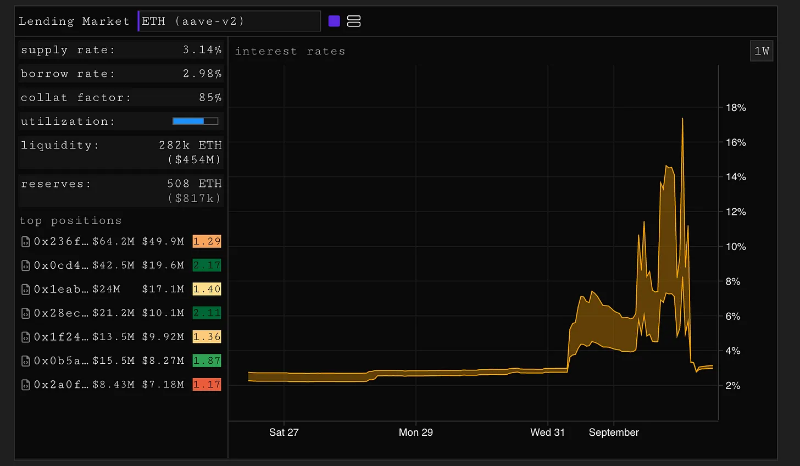
Overall, the hype around the ETH Merge has cooled significantly, but significant rate volatility is expected post-Merge. Many predict that all available ETH in lending pools will be borrowed ahead of the Merge to accumulate any forked tokens.
The Aave market is particularly noteworthy, as Compound has locked its ETH market for 7 days. Supported by stETH collateralized borrowing, ETH interest rates have been rising for some time. The Merge brings us closer to ETH’s risk-free rate, aligning more closely with staking yields.
$SUDO
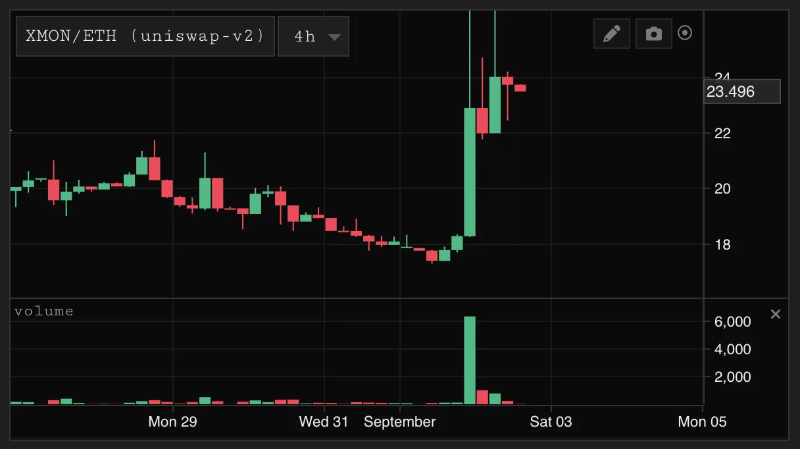
The Sudo team launched $SUDO, drawing attention in a market lacking narratives. Charts from the announcement show many were unaware of the official link between XMON and SUDO, as the project rarely mentioned it—causing不少人 to miss out on benefits.
Arbitrum Nitro
Arbitrum rolled out its scaling upgrade called Nitro, progressing smoothly. Interaction fees on Arbitrum are now approximately $0.10. The upgrade took three hours and provided arbitrage opportunities upon reopening.
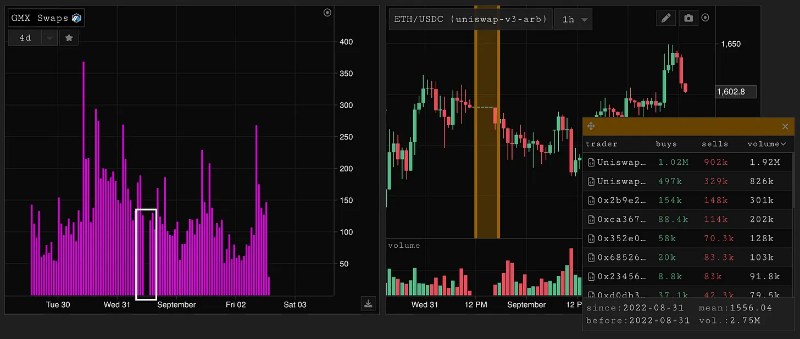
This upgrade paves the way for improvements to Odyssey and forms a key part of upcoming major ecosystem rollouts.
NFT
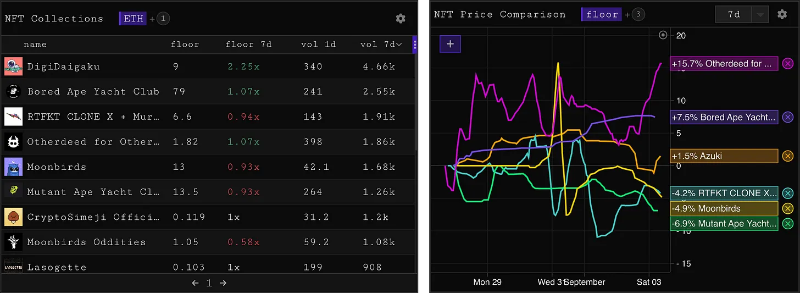
Blue-chip NFTs started the week strong across the board, but most have since pulled back below their weekly starting points, with only Otherdeed and BAYC continuing to climb. Digi led in both volume and floor price growth. Simeji followed closely due to its association with the Japanese Keyboard App, while Lasogette ranked third among the most popular new projects this week.
Proof
A few days ago during their Future Proof livestream, Kevin Rose and Justin Mezzel revealed extensive plans for the future of the entire Proof ecosystem, including several new additions. The headline news: they just secured a $50 million Series A round led by a16z to support deeper expansion.
Mythics
A new PFP collection with a total supply of 20,000, obtainable through only two pathways—both requiring Proof. Either hatched from Moonbirds or burned from Oddities, though exact details remain unclear.
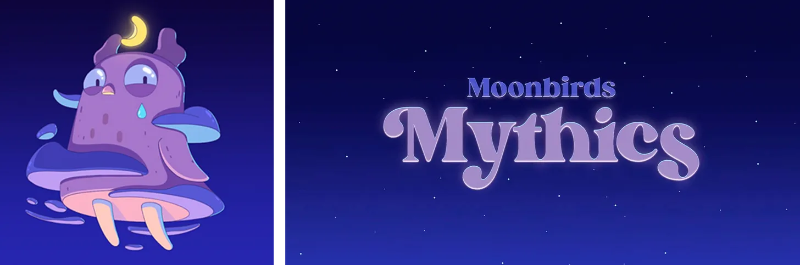
The Mythics project is set to launch in early 2023, potentially taking over 12 months to fully hatch all Mythics.
I haven't engaged with the Proof ecosystem yet, but I’ll be looking for opportunities in the coming months. They’ve made high-caliber announcements and laid out solid long-term plans, though much is scheduled for 2023—which may explain its current price weakness.
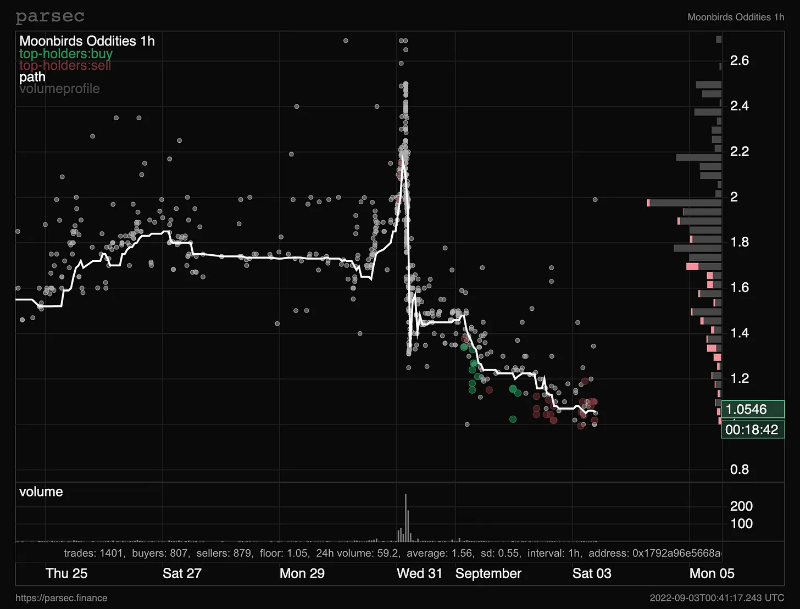
Proof is building an ecosystem. I place high value on ecosystems and view them as signs of professionalism and innovation. This makes me increasingly confident that Proof is a strong contender against Yuga.
Lasogette
Launched a few days ago, this is a puppet series by Monsieur Lasogette.
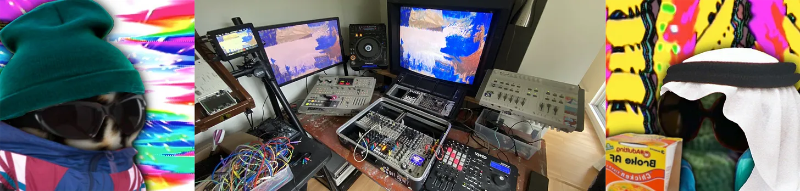
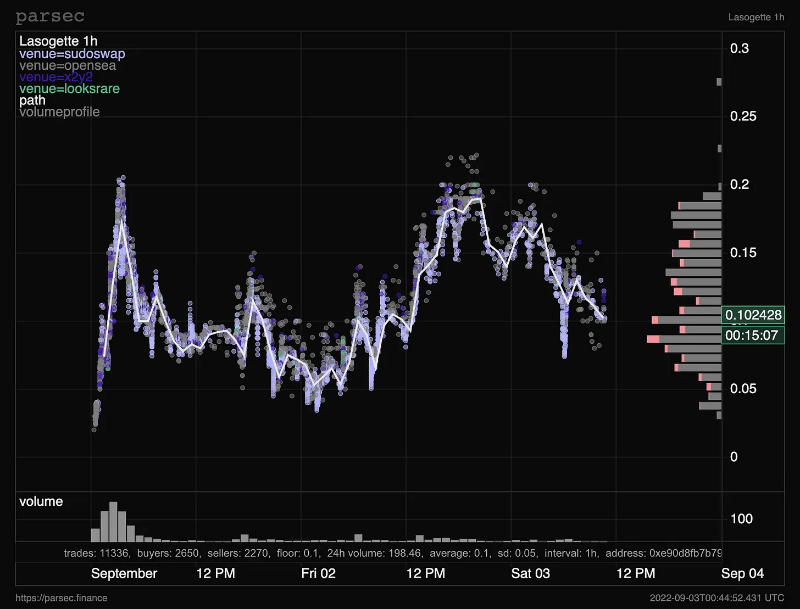
With a supply of 7,777, minted at 0.02 ETH, zero royalty, and launched via an internal aggregator. All these factors contributed to a stable floor price climbing to 0.18 ETH. It later dipped to a low of 0.04 ETH after paper hands dumped, but has since recovered to around 0.1 ETH. Definitely worth watching.
CAT
John Patten, co-founder of Smols and TreasureDAO, launched a new project centered on personally owned intellectual property (IP) and CC0. Cat holders can choose to retain control over their IP or contribute it to the DAO in exchange for treasury ownership proportional to 21 CatCoins.
CatCoin grants holders unrestricted rights to use any artwork held by the DAO as if they were the sole owner, enabling both individual and collaborative ventures. When holders deposit their Cat into the treasury, they receive a soulbound token in return, serving as proof of donation ("ownership") status.
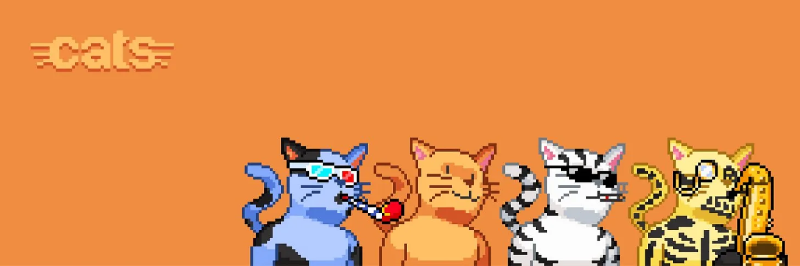
John noted that 99% of NFT holders who own IP don’t know how to use it. Instead of leaving 10,000 individuals to independently build brands around their NFTs’ unique traits, pooling resources could better benefit the community.
I’m not well-versed in licensing rights, but personally, I don’t see much current benefit or rationale for holders owning JPEG IP—except perhaps the belief instilled in them that they should own that little image?
Beyond the most recognized NFT brands, the market isn’t large enough yet to provide economic returns through licensing deals for most holders. How many successful licensing agreements have actually been signed, and across how many collections? That said, I believe this space will become increasingly important and valuable as NFT adoption grows in the coming years.
Cats represents an innovative approach to community-owned IP, and I look forward to seeing this model applied to series like BAYC or Punks in the future.
Join TechFlow official community to stay tuned
Telegram:https://t.me/TechFlowDaily
X (Twitter):https://x.com/TechFlowPost
X (Twitter) EN:https://x.com/BlockFlow_News