AI-Driven Layoffs? Study Shows AI Is More Expensive Than the Workers It Replaces
TechFlow Selected TechFlow Selected
AI-Driven Layoffs? Study Shows AI Is More Expensive Than the Workers It Replaces
Scott Galloway believes that enterprises will ultimately shift to Chinese large models that are 10–30 times cheaper—prompting Trump to impose restrictions.
 Navigating Web3 tides with focused insights
Authors: Scott Galloway / Ed Elson / Mia Silverio
Translated and edited by TechFlow
TechFlow Intro: Nearly 50,000 workers have been laid off this year due to AI—yet an increasing number of companies are discovering that the actual cost of using AI exceeds that of the human labor it’s meant to replace. Uber exhausted its entire annual AI budget in just four months; Microsoft has revoked Claude Code licenses across multiple departments; and one Anthropic employee reportedly consumed $150,000 worth of API quota in a single month. Scott Galloway argues that enterprises will ultimately shift toward Chinese large language models (LLMs), which cost 10–30 times less than their U.S. counterparts—a trend that may compel Trump to impose restrictions.
Is AI More Expensive Than the Humans It Replaces?
Nearly 50,000 employees have already been laid off this year citing AI as the reason—nearly matching the total for all of 2025. For companies adopting AI, the logic is straightforward: AI can perform tasks previously done by humans.
But over the past few weeks, that logic has hit a wall. An increasing number of enterprises are finding that AI’s real-world usage costs are higher than those of the human labor it aims to replace.
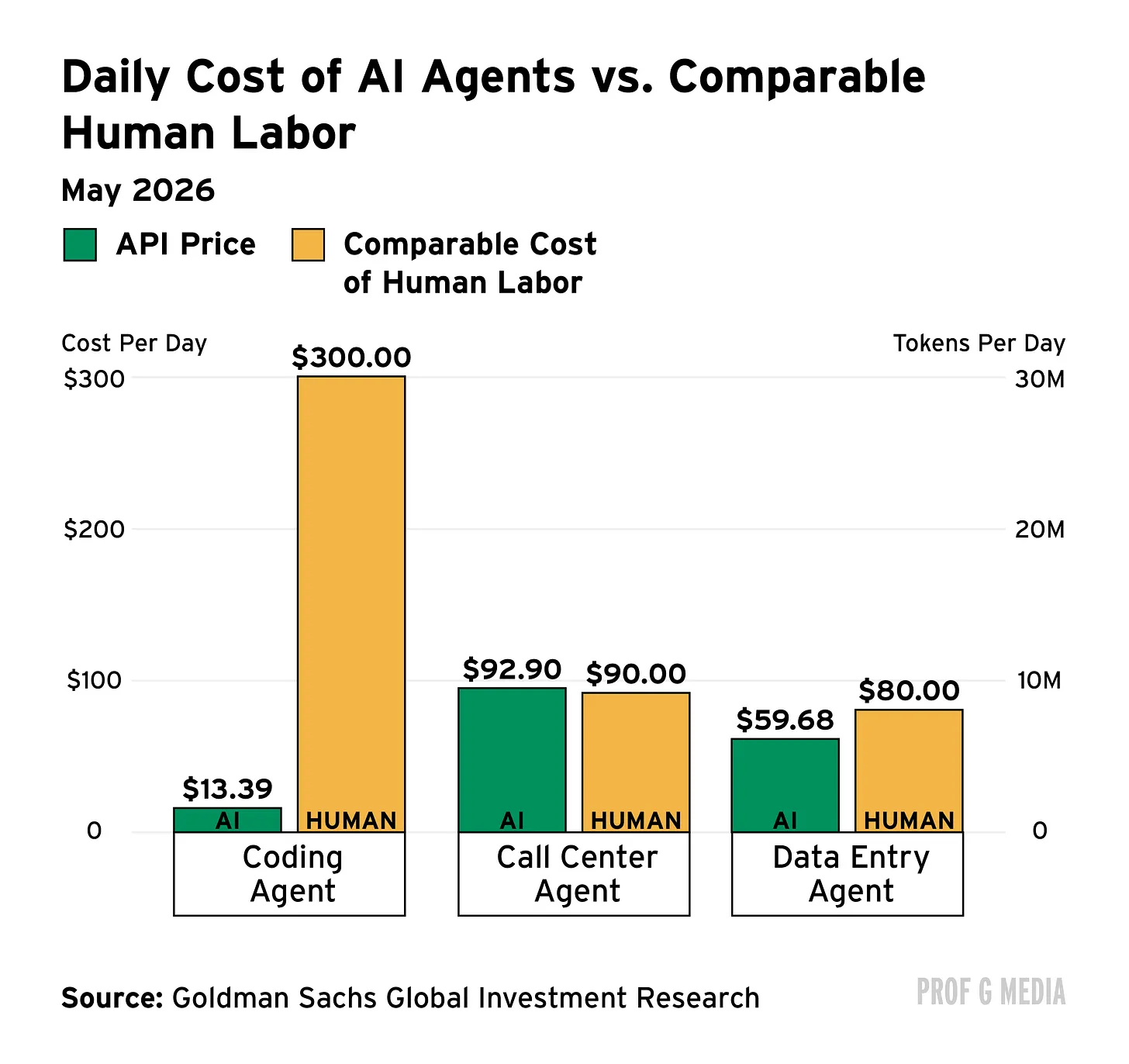
Chart: Enterprise AI cost shock—AI spending and cost feedback from companies including Uber, Microsoft, Nvidia, and Meta
Uber burned through its entire 2026 AI budget in just four months. Its COO stated that internally, justifying AI expenditures has become increasingly difficult. Microsoft is revoking Claude Code licenses across several departments—for one reason only: cost.
A senior executive at Nvidia noted that compute costs are now “far exceeding employee costs.” Meta, Pinterest, and Spotify all cited rising inference costs as a drag on profit margins in their Q1 earnings reports.
How large are enterprise AI budgets? According to a survey by cloud cost management firm CloudZero, in 2025, 45% of enterprises spent over $100,000 per month on AI—up from just 20% the previous year.
An even more extreme case emerged internally at Anthropic: one employee spent $150,000 on Claude Code in a single month. To justify that expense, the engineer would need to deliver the output of 11 average engineers.
In today’s market, the term “efficiency” holds such strong performative value that companies often don’t bother calculating real efficiency. Seventy-nine percent of S&P 500 companies mentioned AI on recent earnings calls—but only 8% disclosed any AI-related revenue.
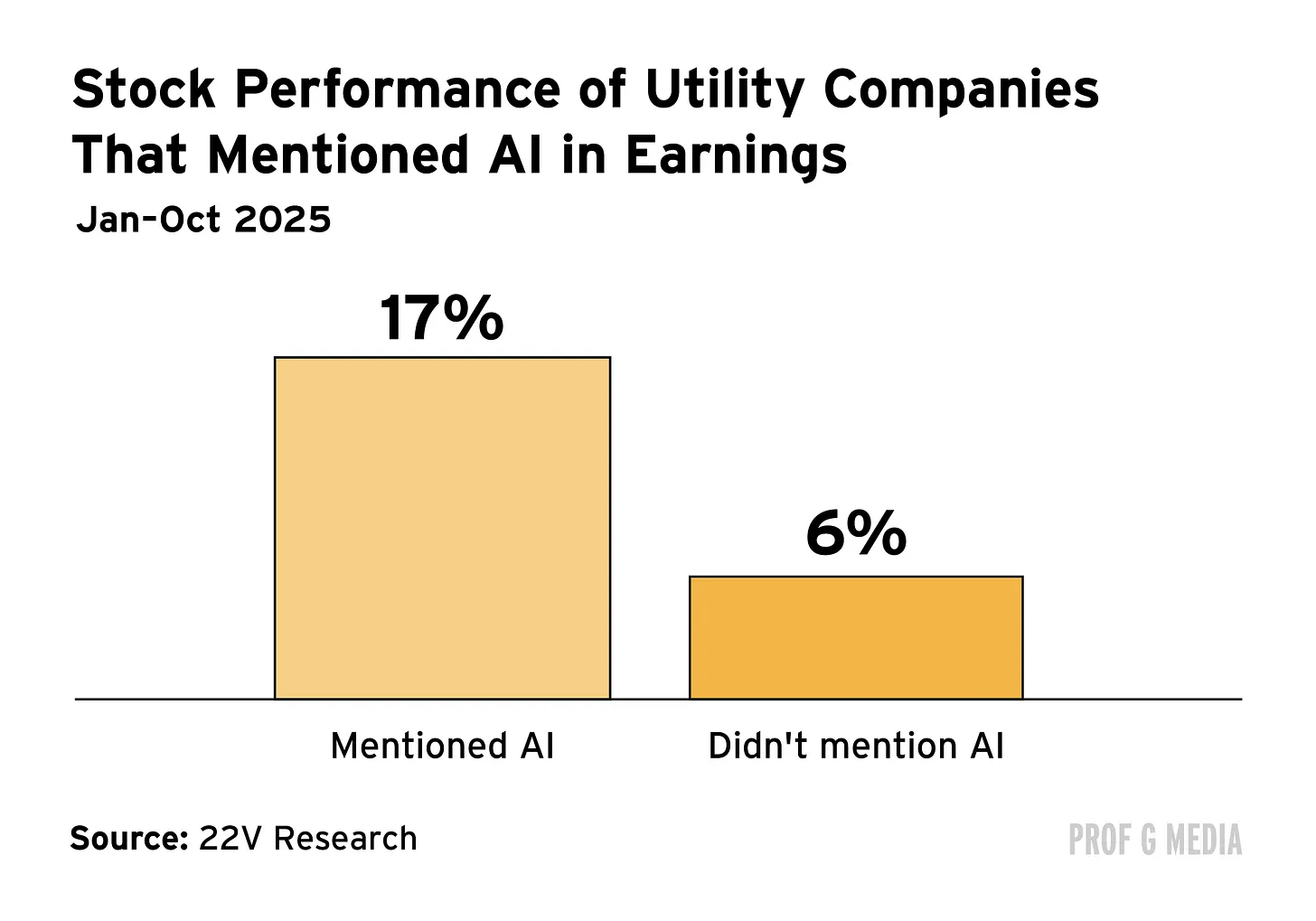
Chart: Contrast between AI-related rhetoric among S&P 500 companies and actual AI revenue disclosure
The same CloudZero report also found that only half of surveyed enterprises reported confidence in evaluating the ROI of their AI investments. Spencer Rascoff, CEO of Match Group, said AI costs his company $5–10 million annually. When asked about ROI, he replied: “I think we’re benefiting, but it’s hard to feel.”
Chinese LLMs Will Emerge as the Biggest Winners
Scott Galloway’s assessment is that enterprises will ultimately adopt the cheapest models available—namely, Chinese large language models. These models cost 10 to 30 times less than their U.S. equivalents.
Data already supports this trend: Chinese models’ share of developer usage surged from roughly 1% in 2024 to over 60% by May this year; and 80% of U.S.-based AI startups are now using open-source AI models developed in China.
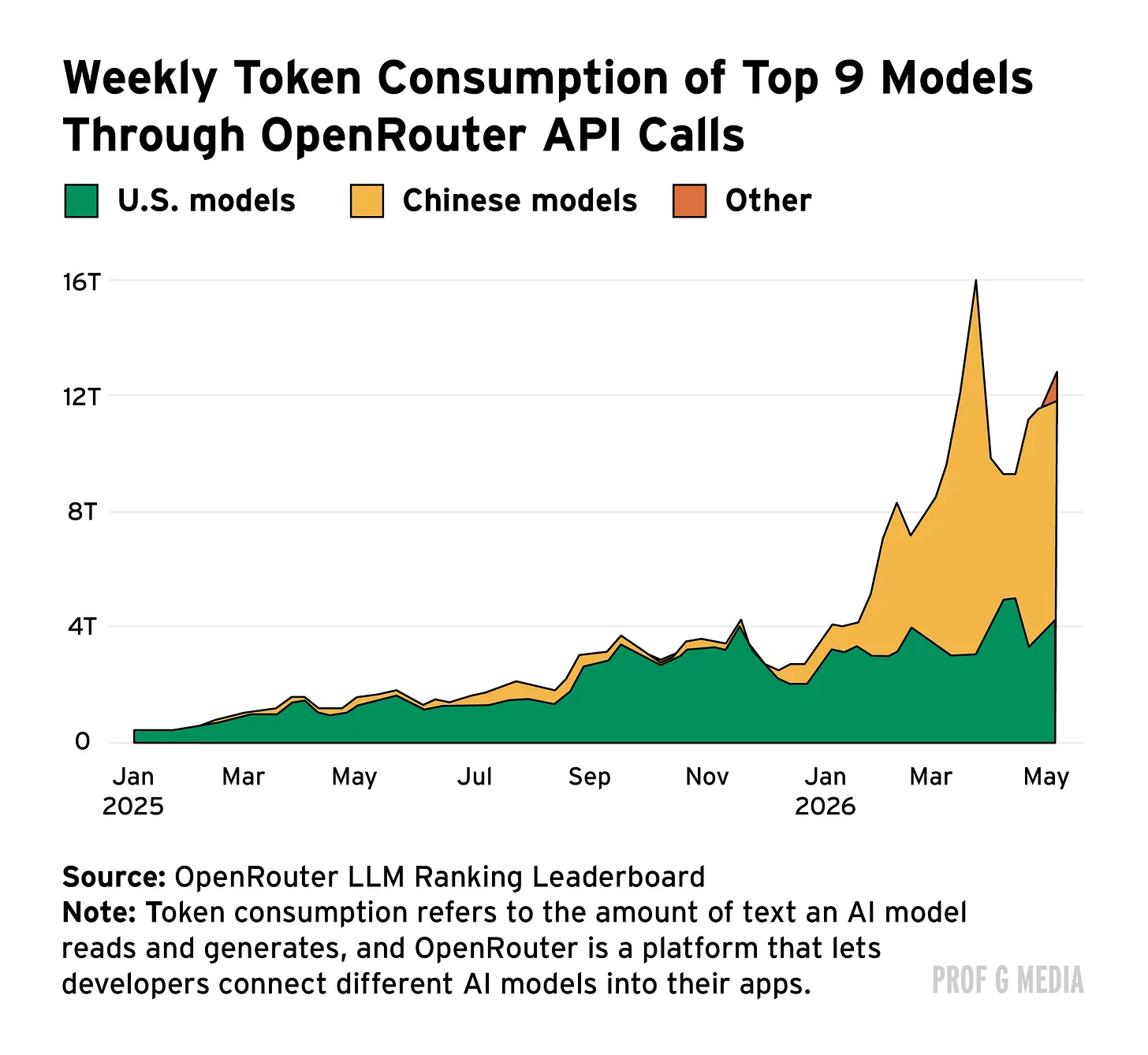
Chart: Shift in Chinese LLMs’ share of developer usage and adoption by U.S. AI startups
Join TechFlow official community to stay tuned
Telegram:https://t.me/TechFlowDaily
X (Twitter):https://x.com/TechFlowPost
X (Twitter) EN:https://x.com/BlockFlow_News