Another Thanksgiving, and crypto donations are becoming the new trend
TechFlow Selected TechFlow Selected
Another Thanksgiving, and crypto donations are becoming the new trend
Pousty expects cryptocurrency donations to peak on December 2 during "Crypto Giving Tuesday."
 Navigating Web3 tides with focused insights
By: Rachel Wolfson
Translated by: Chopper, Foresight News
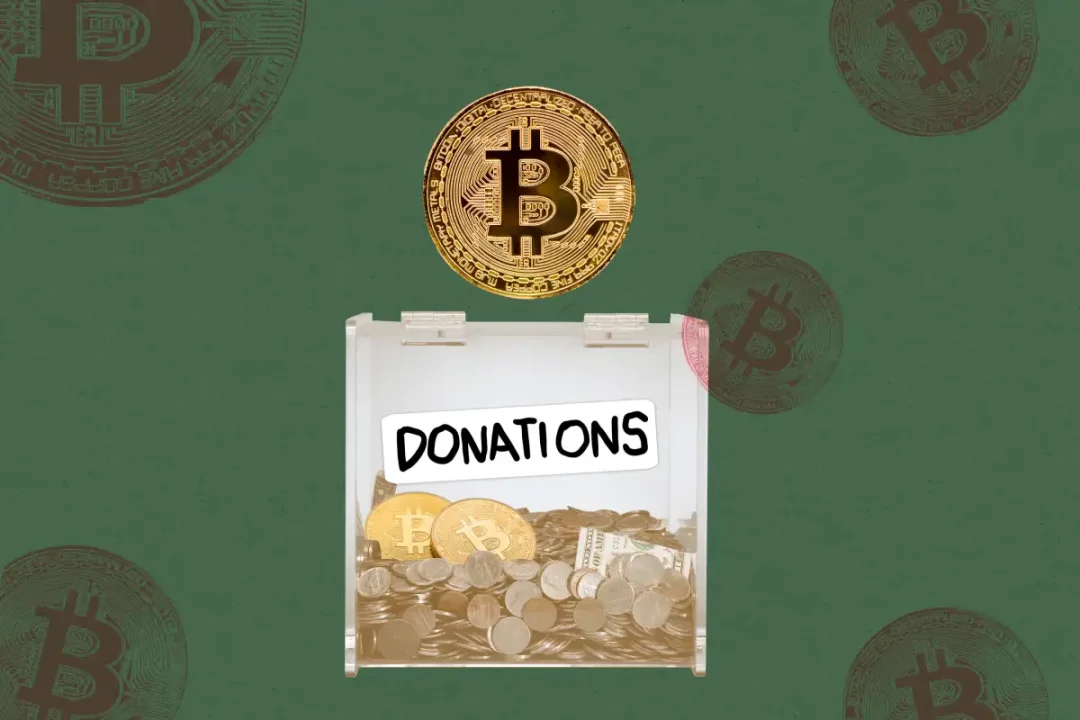
Thanksgiving marks a key moment for charitable giving in the United States, ushering in a season of generosity from late November through year-end. In 2025, a new trend is reshaping holiday philanthropy, with cryptocurrency donations experiencing explosive growth.
Benjamin Pousty, Chief Operating Officer at cryptocurrency donation platform The Giving Block, told Cryptonews that the platform has this year processed nearly $100 million in crypto donations for thousands of nonprofit organizations.
"This is our best year to date," said Pousty. "Since launching in 2018, we've facilitated nearly $300 million in crypto donations—a significant milestone for the crypto philanthropy movement."

2025: A Breakthrough Year for Crypto Donations
Despite the current downturn in the cryptocurrency market, Pousty believes recent all-time highs have been a key driver behind the surge in charitable giving this year.
"Cryptocurrency markets reached multi-year highs. Historically, when asset values rise, charitable giving tends to increase in parallel," he said.
For example, Bitcoin hit an all-time high above $126,000 on October 6, 2025. Pousty noted that Bitcoin remains the top donated asset on the platform this year, followed by major stablecoins including USDT, USDC, and Ripple's RLUSD.
"Donations in Ethereum, Ripple, and Solana also remain consistently active," Pousty added.
Even as cryptocurrency prices continue to decline, Pousty emphasized that crypto donations spike annually during the holiday season. December alone accounts for nearly 30% of annual donations, consistent with broader charitable trends where donors are more generous during holidays. Pousty expects a peak in crypto donations on December 2, “Crypto Giving Tuesday.”
"This is the crypto community’s version of Giving Tuesday," he explained. "For The Giving Block, it marks the official launch of our major fundraising campaign, Crypto for Good. This initiative brings together donors, nonprofits, and partners across Web3 to promote generosity and encourage charitable giving via crypto assets."
Annual Impact Areas of Crypto Donations
An increasing number of nonprofits now support and accept cryptocurrency donations, demonstrating their tangible impact.
For instance, Keith Grossman, President of crypto firm Moonpay, told Cryptonews he helped nonprofit New York Cares launch its crypto donation program in 2021. As a board member of the organization, Grossman said crypto donations have delivered real results—and 2025 has been particularly significant for New York City’s largest volunteer network.
"This year, 16 crypto companies jointly donated over $400,000 to the Crypto for Good initiative, supporting Title I schools in New York City (public schools serving low-income families)," he said.
The campaign is part of New York Cares’ broader embrace of crypto innovation. "From Moonpay’s perspective, we integrated Helio (now renamed Moonpay Commerce) into New York Cares’ website to help process some donations," Grossman explained.
Additionally, The Giving Block’s Crypto for Good report shows measurable outcomes from crypto donations: by end of 2025, thanks to crypto contributions, 28.5 million children received food aid, 357,000 people gained access to clean water, and 22,160 animals were rescued and rehabilitated.

Donor-Advised Funds Empower the Crypto Community
While supporting traditional nonprofits, crypto donations are also fueling development within the cryptocurrency ecosystem.
Joe Kelly, Co-Founder and CEO of Unchained Capital, told Cryptonews the company launched the “Bitcoin Legacy Project” in April this year—an initiative aimed at strengthening the Bitcoin ecosystem.
"The project started with a $1 million commitment and plans to scale funding over the coming years. It will directly support developers, educators, and advocates driving Bitcoin’s future," Kelly said.
He explained that the Bitcoin Legacy Project is the first native Bitcoin donor-advised fund (DAF) platform, enabling donors to support Bitcoin-aligned nonprofits in a structured, tax-efficient manner.
To further support ecosystem growth and incentivize giving, Kelly noted that Unchained will match 1:1 donations made through its native Bitcoin DAF platform to partner organizations. Entities such as MIT Media Lab’s Digital Currency Initiative, Human Rights Foundation, Open Sats, and Brink will receive matching grants of up to one Bitcoin.
"DAFs offer high-net-worth individuals and organizations a simple, tax-efficient way to give back. Donors can contribute Bitcoin or other assets, receive immediate tax deductions, and keep the donated funds held in Bitcoin within the fund," said DAF.
Donors may recommend grants at any time to any U.S. 501(c)(3) nonprofit, and recipients can choose to receive the donation in Bitcoin.
As part of this diversified effort, the Bitcoin Legacy Project will fund six additional key initiatives in its first year, including three leading Bitcoin centers—the Bitcoin Parks in Nashville and Austin, and “The Space” in Denver—providing essential infrastructure support for developers.
Advantages of Crypto Donations
Beyond supporting causes they care about, crypto donations offer multiple tax advantages.
Pousty said donating crypto is often more tax-efficient than selling appreciated assets, allowing donors to avoid capital gains taxes while claiming full fair-market-value deductions.
For example, if a donor holds crypto for more than 12 months and the asset has appreciated, they can fully eliminate capital gains tax upon donation. This is the primary tax benefit and a core reason many prefer donating crypto over cash.
Moreover, crypto enables instant cross-border transfers, meaning nonprofits can receive funds faster during emergencies.
Shortly after Russia invaded Ukraine in 2022, the Ukrainian government set up public cryptocurrency wallet addresses to receive donations in various cryptocurrencies, with millions of dollars in crypto assets used to support relief efforts in Ukraine.
Notably, crypto donations tend to attract younger donor demographics, as millennials and Gen Z make up the majority of crypto users.
Challenges to Consider
Despite clear advantages, some organizations and donors may still face challenges with crypto donations.
First, cryptocurrency volatility can pose issues. If asset values drop and aren't promptly converted to USD, the actual donation value diminishes. Additionally, in many jurisdictions, tax treatment of crypto donations differs from cash, with complex rules around tax deductions, reporting, and compliance.
Also, accepting and processing crypto donations requires appropriate infrastructure. Platforms like The Giving Block work directly with nonprofits to ensure crypto donations are properly received and provide compliant reporting for tax purposes.
Crypto Donations Continue to Flow
Despite challenges, crypto donations are likely to keep growing in the future.
Pousty believes crypto donations are clearly evolving into a major channel alongside cash, marking a definitive trend. He added that as crypto adoption expands, high-net-worth individuals are expected to donate more in crypto, and the share of crypto assets in total charitable giving will steadily rise.
"With every cycle, we see donors becoming more mature, nonprofits becoming more proactive, and industry partners joining to support mission-driven causes. We’re moving toward a new future where crypto donations become a standard component of modern philanthropy, just like stocks, donor-advised funds, and other non-cash assets," said Pousty.
Join TechFlow official community to stay tuned
Telegram:https://t.me/TechFlowDaily
X (Twitter):https://x.com/TechFlowPost
X (Twitter) EN:https://x.com/BlockFlow_News
 @cryptonews