








From childhood toy to investment gem, Pokémon cards outperform Meta and S&P 500 over 20 years
TechFlow Selected TechFlow Selected
From childhood toy to investment gem, Pokémon cards outperform Meta and S&P 500 over 20 years
The alternative investment myth that surged 3821% over 20 years.
 Navigating Web3 tides with focused insights
Author: David Unyime Nkanta
Translation: TechFlow
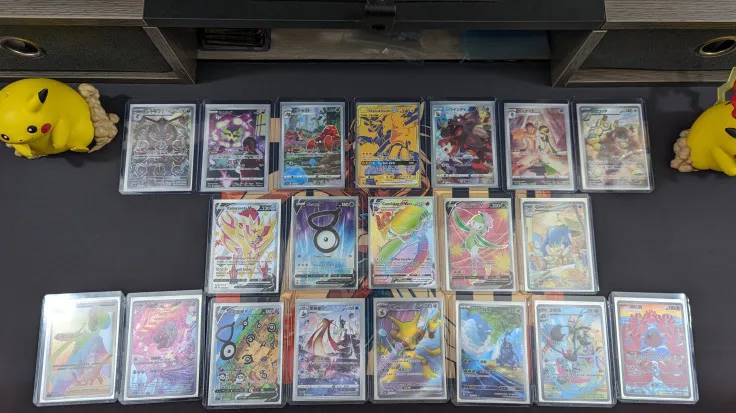
Pokémon Trading Card Game is extremely popular worldwide, especially in Japan. These cards are valuable, particularly the rare ones. (Image source: Twitter / FADA Pack Magic @FadaPackMagic)
Pokémon trading cards have evolved from playground collectibles into one of the world's hottest alternative investments.
According to data from analytics firm Card Ladder, the Pokémon card market has grown by 3,821% since 2004, far outpacing the S&P 500's 483% growth and Meta Platforms' 1,844% increase.
From Hobby to High-Yield Asset
Launched by Nintendo in 1996, Pokémon cards have become a sought-after investment traded across platforms such as eBay, TCGplayer, and international expos. The market saw explosive growth during the pandemic, as economic stimulus measures and lockdowns drove collectors toward alternative assets.
For some, this investment has delivered life-changing returns. Lucas Shaw, a 27-year-old client manager from Ohio, said profits from selling cards covered the cost of his engagement ring and wedding celebration.
Likewise, Justin Wilson, a 32-year-old advertising manager from Oklahoma City, estimates that his collection of 500 cards and 100 sealed items is worth around $100,000. He treats his Pokémon cards as part of his investment portfolio, alongside his Roth IRA and securities accounts.
The appeal of Pokémon cards lies not only in financial gains but also in emotional resonance. "Gotta catch 'em all," Wilson said, quoting the franchise's iconic slogan. For many, these cards represent both childhood nostalgia and speculative opportunity.
What Drives the Value of Rare Pokémon Cards?
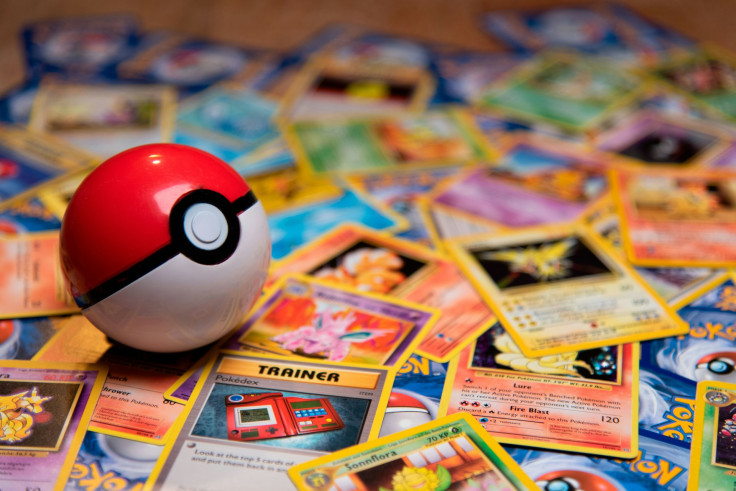
A classic Poké Ball toy paired with Pokémon cards. Zapdos, Ninetales, and a Trainer card are clearly visible.
Image source: Thimo Pedersen/Unsplash
Unlike stocks, Pokémon cards do not generate dividends. Their value depends on rarity, condition, and cultural significance. Cards graded a perfect PSA 10 by Professional Sports Authenticator (PSA) often command sky-high prices.
The most dramatic example occurred in 2022, when influencer Logan Paul purchased an almost flawless "Pikachu Illustrator" card for $5.3 million, setting a Guinness World Record as the most expensive Pokémon card ever sold in a private transaction. This event further fueled market interest and highlighted the speculative potential of high-grade cards.
Risks in the Pokémon Card Market
Financial advisors warn against treating collectibles as core portfolio assets. Card prices are highly volatile, influenced by hype, media coverage, and collector sentiment. Counterfeit cards remain a potential threat, and related scams occasionally occur.
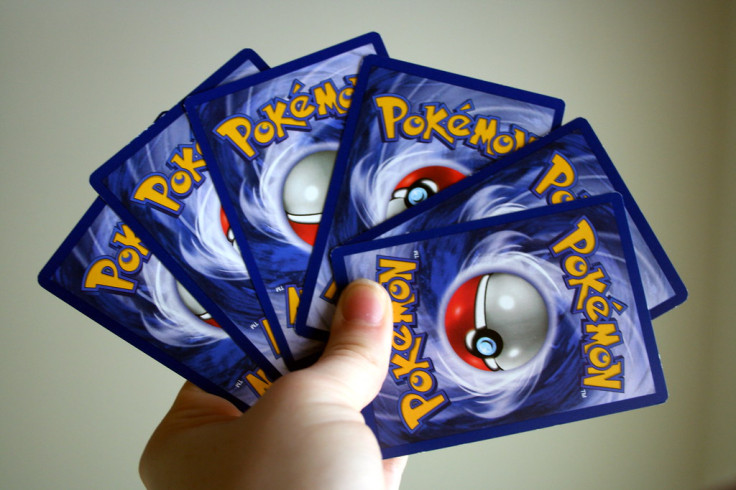
Image source: Flickr/c0rnnibblets
Nonetheless, the resilience of the Pokémon brand provides some market stability. Spanning video games, movies, and merchandise, Pokémon differs from sports cards in that its characters are unaffected by scandals—making Pokémon cards a safer investment in the eyes of some collectors.
The Future of Collectible Investing
The rapid rise of Pokémon cards reflects a broader shift in how value is perceived. Amid regulatory scrutiny of digital assets like Bitcoin and market corrections in tech stocks, tangible collectibles offer a nostalgic and potentially profitable haven.
While their long-term value remains uncertain, the 3,821% growth over the past two decades has firmly established Pokémon trading cards as the most vivid example of how a childhood hobby can transform into a multi-million-dollar investment.
Join TechFlow official community to stay tuned
Telegram:https://t.me/TechFlowDaily
X (Twitter):https://x.com/TechFlowPost
X (Twitter) EN:https://x.com/BlockFlow_News
 @IBTimesUK


