Stablecoin legislation might address the national debt issue, but could potentially breed shadow banking risks
TechFlow Selected TechFlow Selected
Stablecoin legislation might address the national debt issue, but could potentially breed shadow banking risks
To address the daunting challenge of needing to borrow an additional $15 trillion over the next decade, the United States is seeking new buyers for its debt.
 Navigating Web3 tides with focused insights
By Derek Horstmeyer
By some estimates, the U.S. Treasury will need to borrow an additional $15 trillion over the next decade to finance federal debt, and for every dollar of debt sold, someone must be willing to buy it.
With China no longer steadily purchasing U.S. Treasuries as in the past, America needs new channels to absorb the massive volume of debt it plans to issue. Enter the "Genius Act."
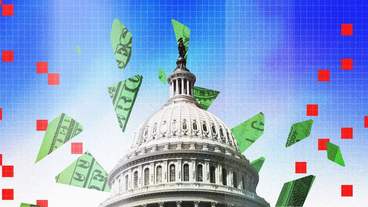
This bipartisan legislation, passed by the Senate in June and expected to come up for a vote in the House this week, is the first regulatory framework for stablecoins. It would allow private institutions to issue their own stablecoins, provided they are fully backed by U.S. Treasury bonds. This could open up an entirely new investor base for U.S. debt.
It’s a clever solution to the problem of excessive debt: the Treasury could leverage this emerging and rapidly expanding market to offload trillions of dollars in new debt issuance, all while posing minimal risk to the existing banking system.
A solution cannot come soon enough. Long-term U.S. Treasury yields have surged to nearly 5% this year amid growing investor concerns about America’s ability to repay its debts. Moody’s downgraded U.S. sovereign debt in May, and there are few new potential buyers on the horizon. China has reduced its holdings of U.S. Treasuries for five consecutive years. Japan, the largest foreign holder of American debt, is also under pressure due to rising domestic debt concerns and soaring bond yields, leaving it with limited capacity to buy more U.S. debt.
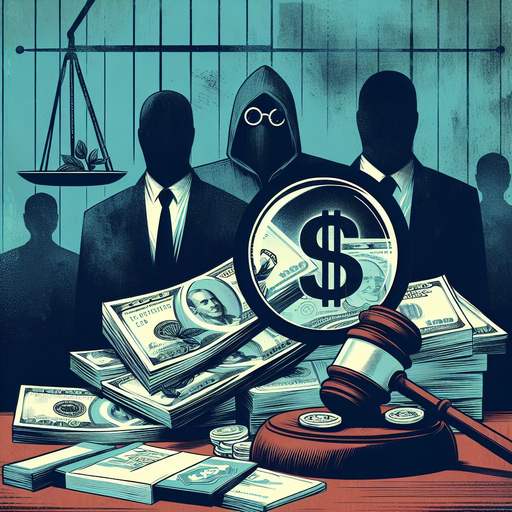
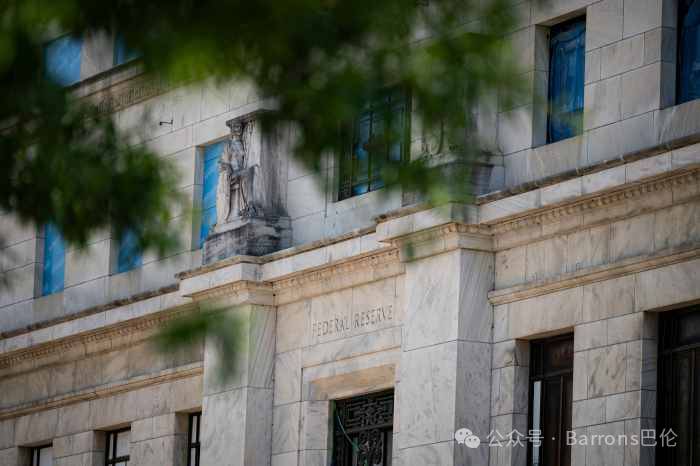
Of course, the Treasury must also weigh the downsides of stablecoins. The Genius Act would enable stablecoins to circulate globally and allow corporations to issue their own tokens—meaning more U.S. Treasuries and dollars would be locked into the shadow banking system, outside the direct oversight of the Federal Reserve and the Treasury.
In this context, the shadow banking system presents two key risks. First, stablecoins give non-U.S. investors—who previously faced barriers to holding dollar-denominated assets—easy access to both U.S. dollars and U.S. Treasuries. Investors in emerging markets seeking to convert local currency assets into more stable dollar-based ones can now do so more easily through stablecoins. But this also increases the risk of an external run on U.S. debt, as a larger share of American debt would be held by foreign retail investors.
Second, within the United States, the Genius Act would allow non-bank companies to issue their own forms of money. Amazon and Walmart last month announced plans to launch their own stablecoins and enter this space. These new currencies would circulate among businesses without passing through traditional banking channels.
The creation and contraction of large volumes of money outside the regulated banking system poses significant regulatory challenges. Moreover, smaller banks may be left out, as most stablecoin issuers are likely to partner only with large international banks.
It remains unclear which scenario is preferable. The Treasury needs to find buyers for the vast amount of new bonds it must issue over the next decade—or face another credit downgrade. Without the Genius Act, it would be nearly impossible to force absorption of these debts if neither domestic investors nor traditional sovereign buyers are willing. If the House fails to pass the bill, the U.S. Treasury market is likely to become even more volatile, gradually eroding its status as a “safe haven” asset.
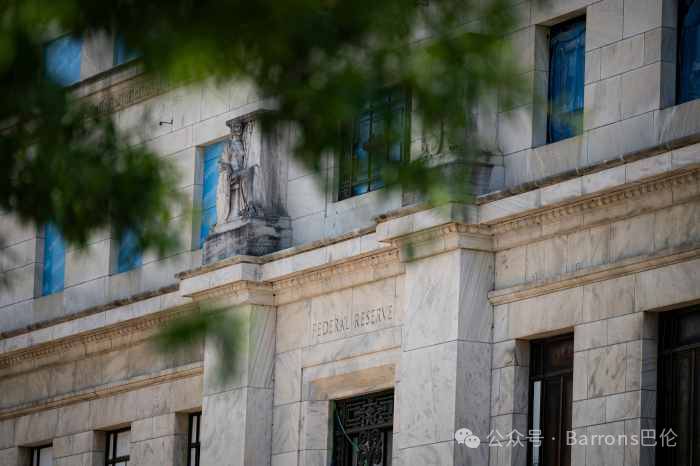
If the bill passes, capital flows will increasingly shift overseas and into the domestic shadow banking system. In that case, the Fed will be forced into a reactive stance. Should the next financial crisis brew within the shadow banking system—as it did in 2008—the Fed may be unprepared, responding too late to provide financial stability for an already fragile economy.
All signs point to the bill's passage. The Federal Reserve should prepare accordingly, demanding greater authority to monitor and understand the operations of the shadow banking system in order to mitigate its adverse effects.
Join TechFlow official community to stay tuned
Telegram:https://t.me/TechFlowDaily
X (Twitter):https://x.com/TechFlowPost
X (Twitter) EN:https://x.com/BlockFlow_News