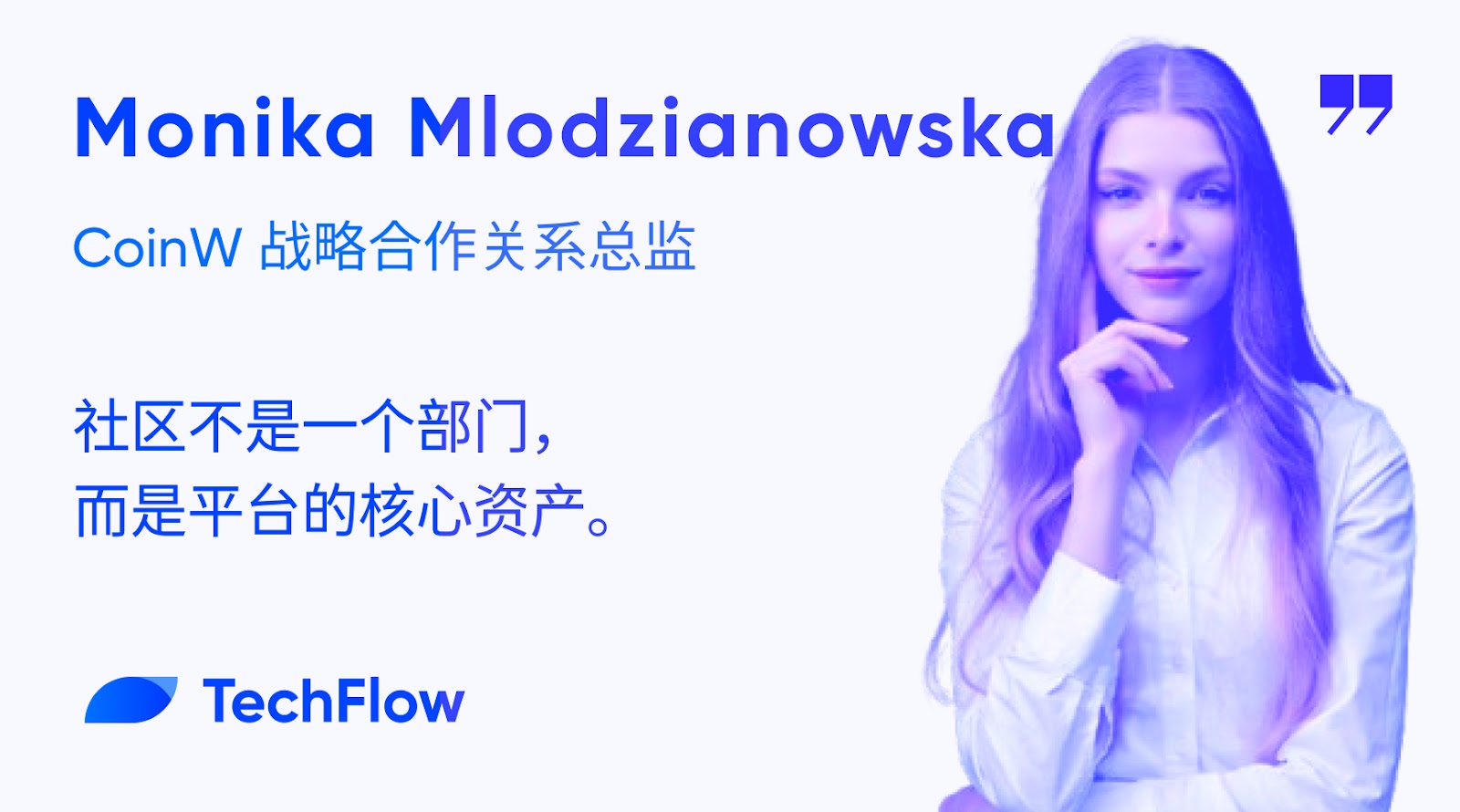
Exclusive Interview with Monika, Director of Strategic Partnerships at CoinW: Community Is Not a Department, but the Core Asset of the Platform
TechFlow Selected TechFlow Selected
Exclusive Interview with Monika, Director of Strategic Partnerships at CoinW: Community Is Not a Department, but the Core Asset of the Platform
This article will focus on how she builds bridges of trust in a rapidly changing industry, and unlock CoinW's unique community-first strategy and entrepreneurial culture.
 Navigating Web3 tides with focused insights
By: TechFlow
Introduction
In 2025, an increasing number of exchanges are expanding their influence across diverse regions. CoinW, a well-established player in the industry and one of the fastest-growing exchanges, recently welcomed us for an exclusive interview with Monika Mlodzianowska, Director of Strategic Partnerships at CoinW. She shared her unique journey and insights from the blockchain space.
Monika previously worked at ChainUp and ChainxGame, gaining extensive experience in blockchain infrastructure and the GameFi sector.
She firmly believes that truly successful partnerships must be built on mutual value, open communication, and shared vision. This article explores how she builds bridges of trust in a rapidly evolving industry, while uncovering CoinW’s distinctive community-first strategy and entrepreneurial culture.
Welcome to this interview, where we dive into how Monika creates meaningful connections in fast-changing markets and learn about CoinW’s growth stories across different regions.
Part 1|Challenging Myself in New Territories, Focusing on Building Long-Term Partnerships
1. Could you start with a brief introduction? Please share your professional background and what brought you to join CoinW?
My journey in the crypto space began in Dubai, where I worked at ChainUp and ChainxGame, focusing on blockchain infrastructure and its applications in gaming. My academic background is in business and marketing, which has helped me systematically understand relationship-building and growth strategies.
I’ve always enjoyed engaging with people from diverse cultures and challenging myself in emerging fields. What drew me to blockchain and Web3 was its immense potential for innovation and the opportunity to help shape a more inclusive financial future.
This isn’t just a career choice—it feels more like an exploration of future lifestyles. It allows me to break free from conventional boundaries, not limiting myself to any single location or industry. Joining CoinW felt like a natural next step—a place where I can combine my passion for building meaningful collaborations with a shared vision of accelerating global Web3 adoption.
At industry events such as Token 2049 in Dubai, I’ve had the privilege of connecting with many influencers and outstanding peers. We discussed the evolving narratives around decentralized communication and the critical role of building trust within communities. These experiences continue to inspire and drive my work in partnerships.
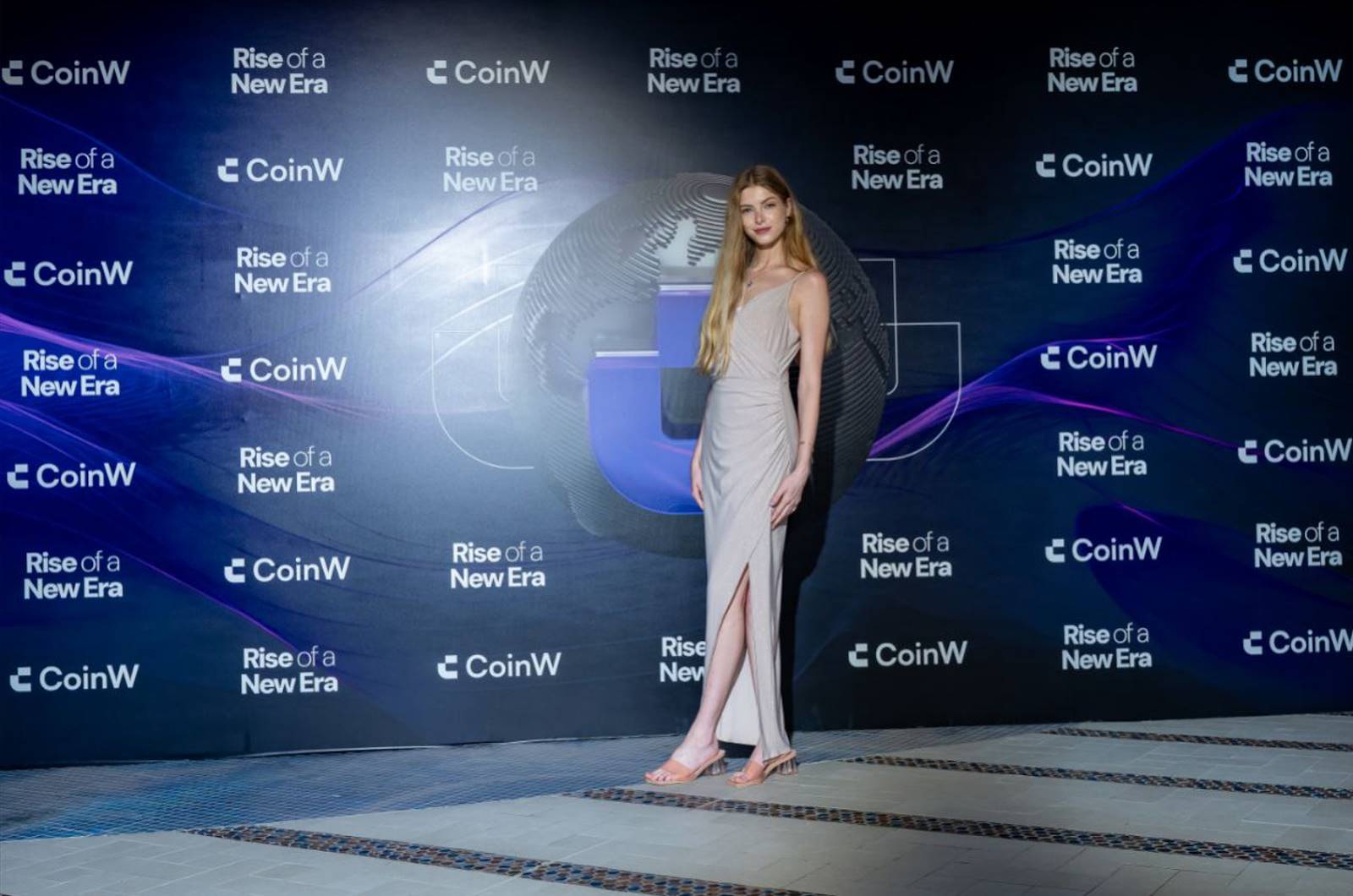
2. Your current role is “Director of Strategic Partnerships” at CoinW—an ambitious-sounding title. Can you walk us through your day-to-day responsibilities? Who do you interact with most frequently? What are your KPIs? And in your view, what defines a successful and sustainable partnership?
My schedule is fast-paced. At its core, my role involves identifying and cultivating partnerships that support CoinW’s long-term development and ecosystem vision.
I engage with a wide range of partners, including project teams, KOLs, crypto funds, and compliant investors. We care not only about the quantity and quality of our collaborations but also whether they genuinely deliver value to our community.
Sometimes, I participate in reviewing and negotiating partnership proposals, requiring close coordination with teams in marketing, legal, and product.
Attending industry events is often my comfort zone—a chance to connect, learn, and exchange ideas with exceptional individuals. It’s also my favorite part of the job.
Yet, even in these settings, I sometimes wrestle with self-doubt and uncertainty. Courage and discomfort go hand in hand, but I push forward regardless. Facing these challenges helps me grow stronger.
For me, successful partnerships come down to three key elements: mutual value, open communication, and shared vision. I aim for long-term relationships that help CoinW—and the broader Web3 community—build sustainable connections.
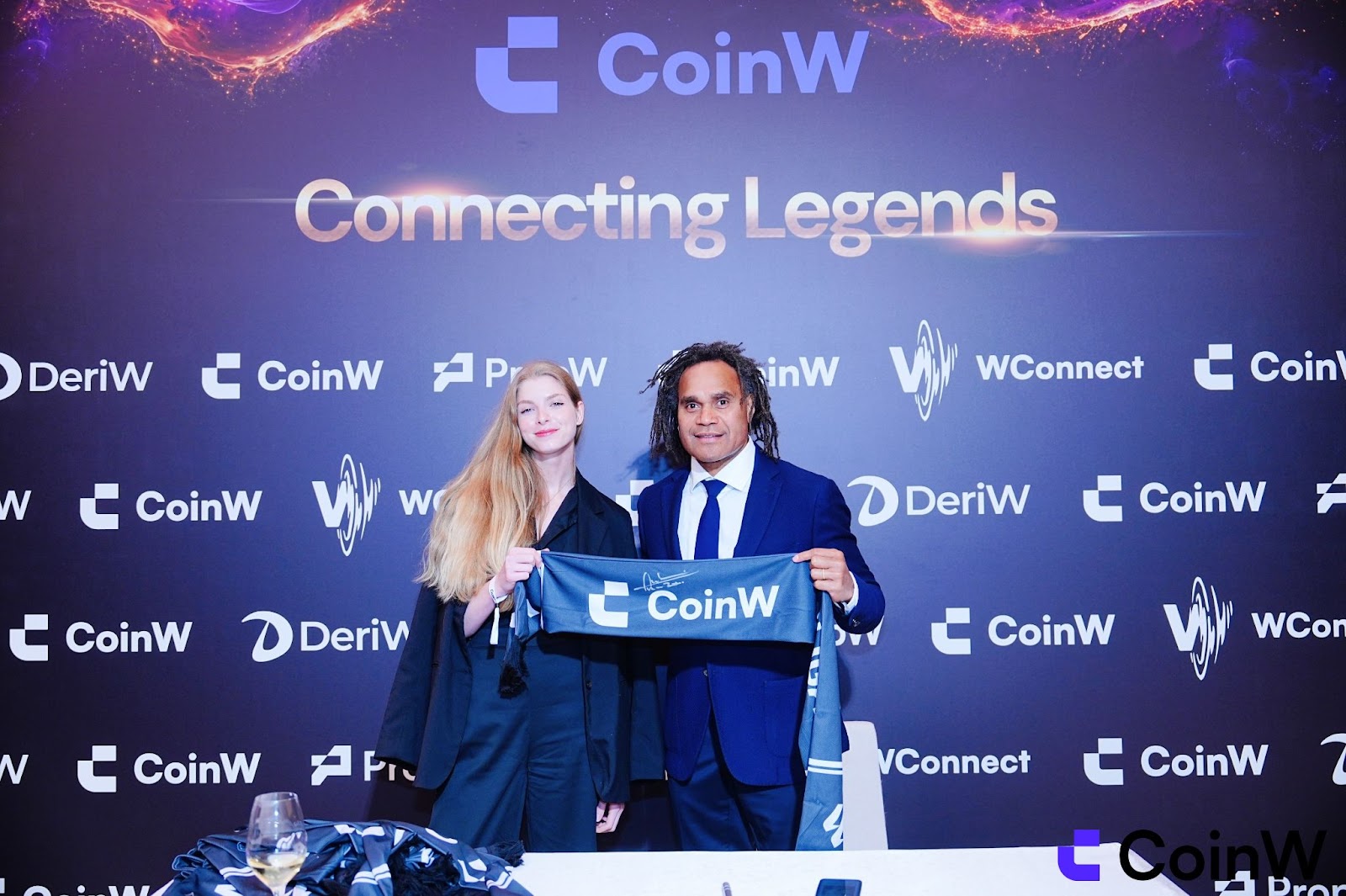
3. Many exchanges assign Chinese-speaking executives as bridges to communicate with Chinese-speaking markets. As a non-native speaker, you remain highly active in front of Chinese users—which is quite unique. What advantages and challenges does this bring?
You're absolutely right. Many exchanges rely on native Chinese speakers when engaging with Chinese communities. As an "outsider" entering this context, it's both a challenge and a unique advantage.
The subtleties of language and culture are especially important, and building trust takes time and consistent effort. I've spent significant time on platforms like WeChat and Weibo learning user communication styles, observing the rhythm and nuances of community interactions—like emojis and trending phrases—from “Wolong Fengchu” to “floor price.” I find all of it fascinating!
At the same time, being an outsider brings distinct benefits. I often ask different questions and spot gaps or opportunities others might overlook. My perspective can inject a fresh, global outlook into local conversations. This external viewpoint helps integrate global initiatives with the expectations of the Chinese market in a more inclusive and open way.
Besides, being a non-native speaker has deepened my empathy—not just toward Chinese users, but toward diverse communities in general. In Web3, global collaboration is essential, and this mindset is a real strength.
I firmly believe: "Sincerity and effort often resonate more deeply than language itself. Users can sense whether you’re genuinely listening and trying to understand them. That connection transcends language."
Part 2|Entrepreneurial Culture and Community-First Approach: What Sets CoinW Apart
4. In your opinion, what fundamentally distinguishes CoinW from other mainstream exchanges? Is it mechanism design, operational strategy, or perhaps the community focus mentioned earlier?
The core difference lies in: agile execution + deep localization + community-first culture.
We pour tremendous energy into every event and community-building initiative. Our product design, community strategy, and team culture all revolve around a shared mission: serving users with integrity. We genuinely care about our users.
A key distinction I’ve observed firsthand is our community-first mindset. At CoinW, community isn’t just a department—it’s embedded in our DNA. From grassroots ambassador programs to local events, regional teams are empowered to create and lead initiatives, not merely execute top-down directives. This autonomy fosters genuine trust and engagement at the user level.
We also take pride in our flexibility and responsiveness. Despite being a mature platform, we remain lean enough to act quickly without compromising quality or compliance. Some projects I’ve collaborated with have been surprised by how fast we move—from initial discussions to launching integrations or campaigns. That speed is rare in this space.
Our internal culture is another highlight. CoinW fosters a collaborative, non-hierarchical environment. Ideas can come from anywhere, and leadership at all levels is encouraged. People here are driven by a passion to build meaningful things, not just chase metrics.
For example, during market downturns when other platforms pull back, we double down on community investment—hosting educational sessions and enhancing user communication. It’s precisely this human-centered focus that shapes CoinW’s differentiated value.
A real example was during the recent market dip. While many platforms reduced community engagement, we increased ours. We hosted educational webinars and improved transparency. Our platform enabled direct dialogue between users and product teams. This approach didn’t just maintain trust—it strengthened it.
Products and features matter. But what truly sets CoinW apart is our human-centric approach and globally aligned yet locally adapted strategy.
5. CoinW has grown rapidly in recent years, and you’ve been part of it. Why do you think CoinW has expanded so quickly? What do you see as its core competitive advantages?
I joined CoinW in early 2024 and have since witnessed incredible growth. Starting as a centralized crypto exchange, CoinW has evolved into a company with a diversified ecosystem and innovative platforms. Last year, our group launched DeriW (on-chain trading), PropW (licensed proprietary trading), and WConnect (a series of online forums).
Being part of this rapid expansion has been exciting. CoinW has transformed from a relatively unknown exchange into a global player with strong footholds in Asia, the Middle East, and Europe.
Entering competitive, regulated markets requires building local partnerships. We also need to adapt our products and compliance measures to meet regional demands.
CoinW’s uniqueness lies in its entrepreneurial culture. We encourage ownership, agility, and innovation among employees, while maintaining a strong commitment to compliance and user safety.
We balance global ambitions with regional adaptability by investing in local teams and communities. It’s this combination of “daring to explore + ability to execute locally” that makes CoinW stand out—and makes my role particularly valuable.
I remember our first offline event in Europe—the enthusiastic response from local users deeply moved me. At that moment, I knew what we were doing truly mattered.
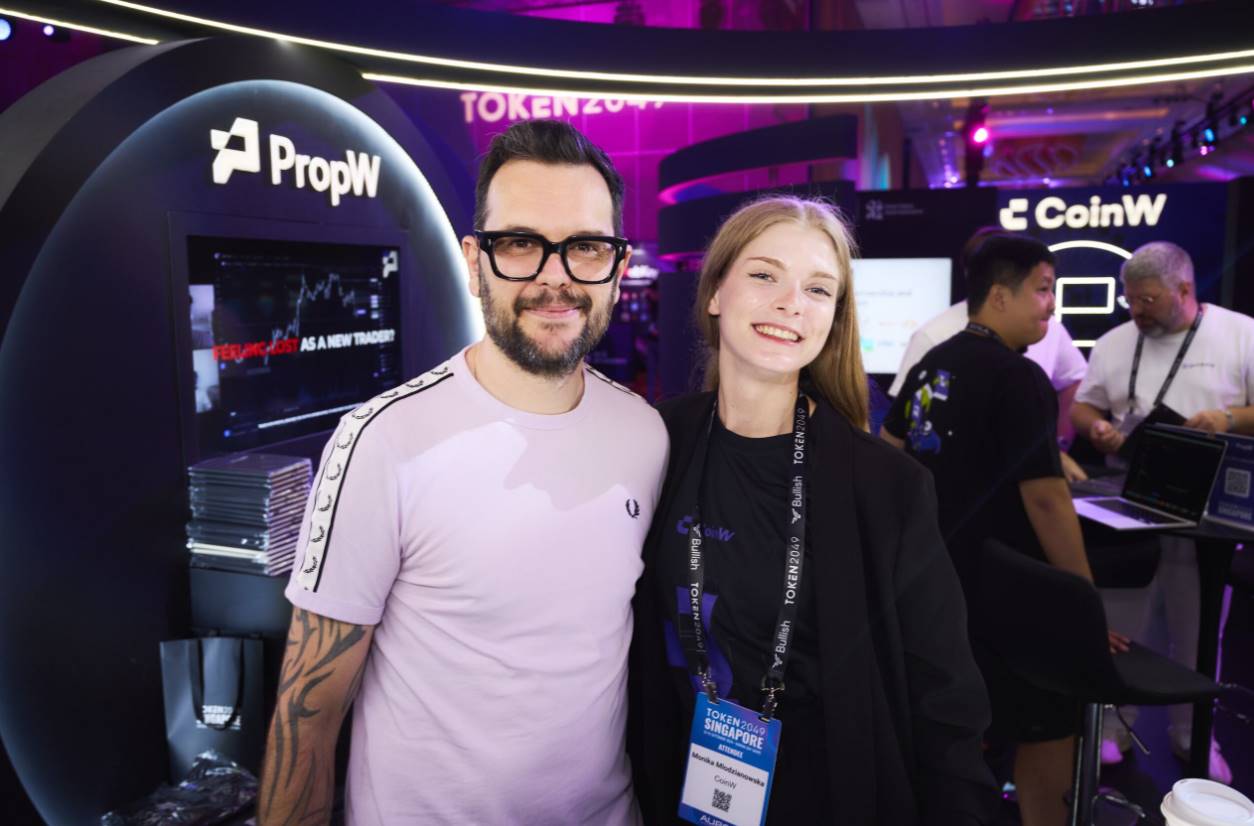
6. Since community building has always been a key component of CoinW’s global strategy, how do you approach building closer ties with users across different regions? When dealing with users from diverse linguistic and cultural backgrounds, how do you typically develop your communication strategies?
We always believe that community is not a department—it’s the platform’s core asset. I believe an engaged, respected, and capable community is the hallmark of a great Web3 platform.
Users from different regions—whether in Southeast Asia, MENA, Latin America, or Europe—don’t just want translated content; they seek relevant conversations and authentic interactions.
Therefore, we adhere to three principles in global community building:
Listen first: Through local ambassadors and community managers, we identify real market needs;
Empower local leadership: We support regional KOLs in leading content creation and brand activities, rather than imposing a one-size-fits-all headquarters strategy;
Emphasize long-term collaboration and authentic expression: We want KOLs to say what they truly believe, not just recite scripts.
We also align product timelines with local culture—incorporating festivals, traditions, and customs into more “localized” interactive formats. Ultimately, we want community members to feel not just like users, but as vital contributors to the ecosystem.
Part 3|Regional Differences Exist—I Aim to Build Real Connections and Genuine Interactions
7. In your experience collaborating with communities across various global regions, have you noticed any notable differences or trends? Any memorable cases or contrasts?
Content preferences are highly localized: Chinese communities favor short-form content, live streams, and videos; Western audiences prefer long-form thought leadership, newsletters, podcasts, and X/Twitter threads; MENA users value storytelling and demonstrating real-world impact; African and South Asian communities, once trust is established, often show exceptionally high loyalty.
One surprising insight: English is not the “universal language” of crypto. The most successful initiatives are fully localized, not just translated. Cultural sensitivities vary greatly—one poorly chosen word can cause disconnection.
In my view, users everywhere value transparency, respect, and consistency. Whether you’re truly listening, sincerely understanding their needs, and willing to adapt to their culture—these are the keys to earning lasting trust.
Working with communities across languages and cultures is the most rewarding part of my job. Each region has unique values and communication styles. Understanding these differences is crucial for building trust. I’ve gradually learned to “switch channels”—not just linguistically, but stylistically across communities—to foster authentic trust and interaction.
In Asia, especially Chinese-speaking and Southeast Asian regions, communication tends to be more polite and formal, particularly when engaging institutions or authorities. In Latin America and parts of Europe, users prefer direct, relaxed, and even humorous interactions. The same tone may seem professional in one market but cold in another.
Content preferences are highly localized:
Chinese-speaking communities prefer short-form content. They enjoy live streams and videos on platforms like WeChat, Xiaohongshu, and Bilibili;
Western users lean toward long-form thought leadership. They appreciate newsletters, podcasts, and Twitter/X threads;
In MENA regions, storytelling and showcasing real-world value are essential for building brand trust.
Additionally, some markets prioritize practical engagement—such as AMAs, airdrops, and local meetups. Others focus on social proof, asking, “Who else supports this project?” or “Is it listed on a reputable exchange?” For instance, Korean usersconduct thorough due diligence before participating. Meanwhile, African and South Asian communities typically exhibit strong loyalty once trust is established.
One surprising takeaway: English isn’t the “lingua franca” of crypto. The most successful events are deeply localized, not just translated. Cultural sensitivity varies widely—one misstep in wording can lead to alienation.
What’s the biggest lesson? In every region, people value transparency, respect, and consistency. When you show up authentically, listen carefully, and thoughtfully adapt, users everywhere feel seen and stay engaged.
8. Can you share one or two community collaboration or global promotion cases you’ve personally participated in? Why do you think these partnerships succeeded?
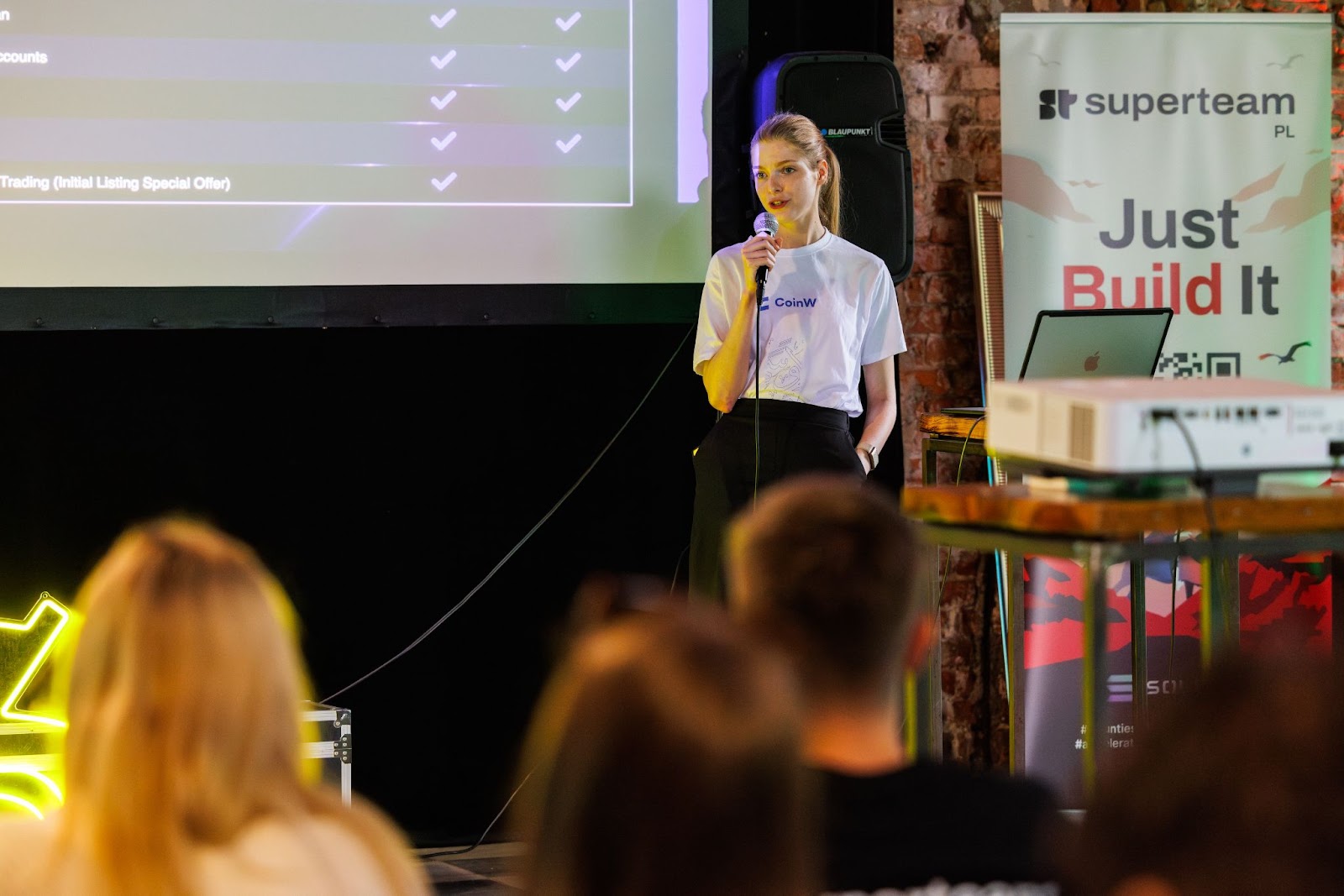
I’ve been involved in many exciting community initiatives, but the most impactful and representative was CoinW’s recent collaboration with Superteam Europe for the Solana Breakpoint hackathon.
This month-long initiative spanned France, Germany, Poland, and the Balkans, attracting developers from across Europe. CoinW contributed exchange expertise, while Superteam Europe brought its deeply rooted local community network—the synergy was seamless and mutually reinforcing.
What made this collaboration truly special wasn’t superficial “globalization,” but genuine “localization.” We partnered closely with local KOLs and university blockchain clubs to ensure each event resonated culturally and met local needs. During the event, CoinW offered $100,000 in prizes and free listing opportunities, while winning teams received follow-up incubation resources and one-on-one mentorship.
We weren’t just “hosting an event for exposure and leaving.” Instead, we aimed to establish a long-term mechanism for co-creation—building bridges between developers, projects, exchanges, and the wider ecosystem.
In my view, success came down to several factors:
-
Truly understanding the rhythm and context of local users, not forcing a global template;
-
Both teams invested passion, trust, and mutual support;
-
A clear, authentic shared narrative: We weren’t there for visibility—we were there to drive innovation.
This was a journey from “cooperation” to “co-creation,” embodying CoinW’s enduring values: connecting real people and empowering real ecosystems.
9. Many users may first encounter CoinW through an event, a Q&A session, or a community interaction. What kind of “first touchpoint” leaves the strongest positive impression?
“First touchpoints” are crucial. They don’t just shape a user’s initial impression of the platform—they determine whether they’ll stay, explore further, or even embrace our culture and values.
To me, the most powerful “first touchpoints” are never ads, posters, or cold notifications. They’re sincere, human interactions—where you feel heard and invited into dialogue, sensing that we’re not just “promoting a platform,” but truly care about you as a user.
Open-ended Q&As and AMAs, for example, allow users to ask freely and receive honest feedback. Or smaller local events where we appear alongside familiar community leaders and KOLs—these naturally build trust.
Another effective tactic I call “community rituals”—small intentional designs, like regular “Welcome to CoinW” onboarding sessions for new members in regional groups. This gives newcomers a sense of belonging from day one—not “watching others chat,” but “being welcomed in.”
There are also fun, light-hearted approaches: gamified beginner challenges or quiz-style mini-rewards that lower participation barriers and help break the stereotype of “exchanges being too aloof.”
The best first impressions blend human connection with a bit of fun. When users walk away thinking, “This isn’t just another exchange—these people actually care about me,” that’s when real loyalty begins to take root.
Join TechFlow official community to stay tuned
Telegram:https://t.me/TechFlowDaily
X (Twitter):https://x.com/TechFlowPost
X (Twitter) EN:https://x.com/BlockFlow_News
 深潮TechFlow