Tariffs, Trade Wars, and Bitcoin: How the New Macro Order Is Shaping the Cryptocurrency Market?
TechFlow Selected TechFlow Selected
Tariffs, Trade Wars, and Bitcoin: How the New Macro Order Is Shaping the Cryptocurrency Market?
As economic nationalism, trade fragmentation, and de-dollarization accelerate, Bitcoin’s crypto-native thesis as a "neutral currency" is transitioning from theory to reality.
 Navigating Web3 tides with focused insights
Author: LSTMaximalist
Translation: TechFlow
Executive Summary
The Trump administration's 2025 revival of tariff escalation is reshaping the global macroeconomic landscape, with significant implications for digital asset markets. While initially aimed at protecting domestic industries, these tariff policies are triggering profound secondary and tertiary ripple effects across financial markets, monetary policy, global capital flows, and technology supply chains—all deeply interconnected with the crypto economy. This report analyzes how tariffs impact cryptocurrency markets from multiple angles, focusing on liquidity conditions, mining economics, capital flows, monetary system divergence, and Bitcoin’s evolving role within the global financial order.
I. Background: The "U.S. Ponzi" and Global Capital Flows
After WWII, the United States built a self-reinforcing economic flywheel: foreign nations exported goods to the U.S., then recycled their dollar surpluses into American financial assets (Treasuries, equities, real estate), keeping yields low and valuations high. This cycle fueled credit expansion, consumer spending, and asset inflation, cementing the dollar’s status as the world’s primary reserve currency.
However, excessive fiscal spending during the pandemic, aggressive monetary easing, and rising sovereign debt levels have undermined the structural integrity of this system. The Trump administration’s reintroduction of tariffs represents an attempt to “force-reset” this framework—but it may also disrupt the core mechanism sustaining this “Ponzi scheme.”
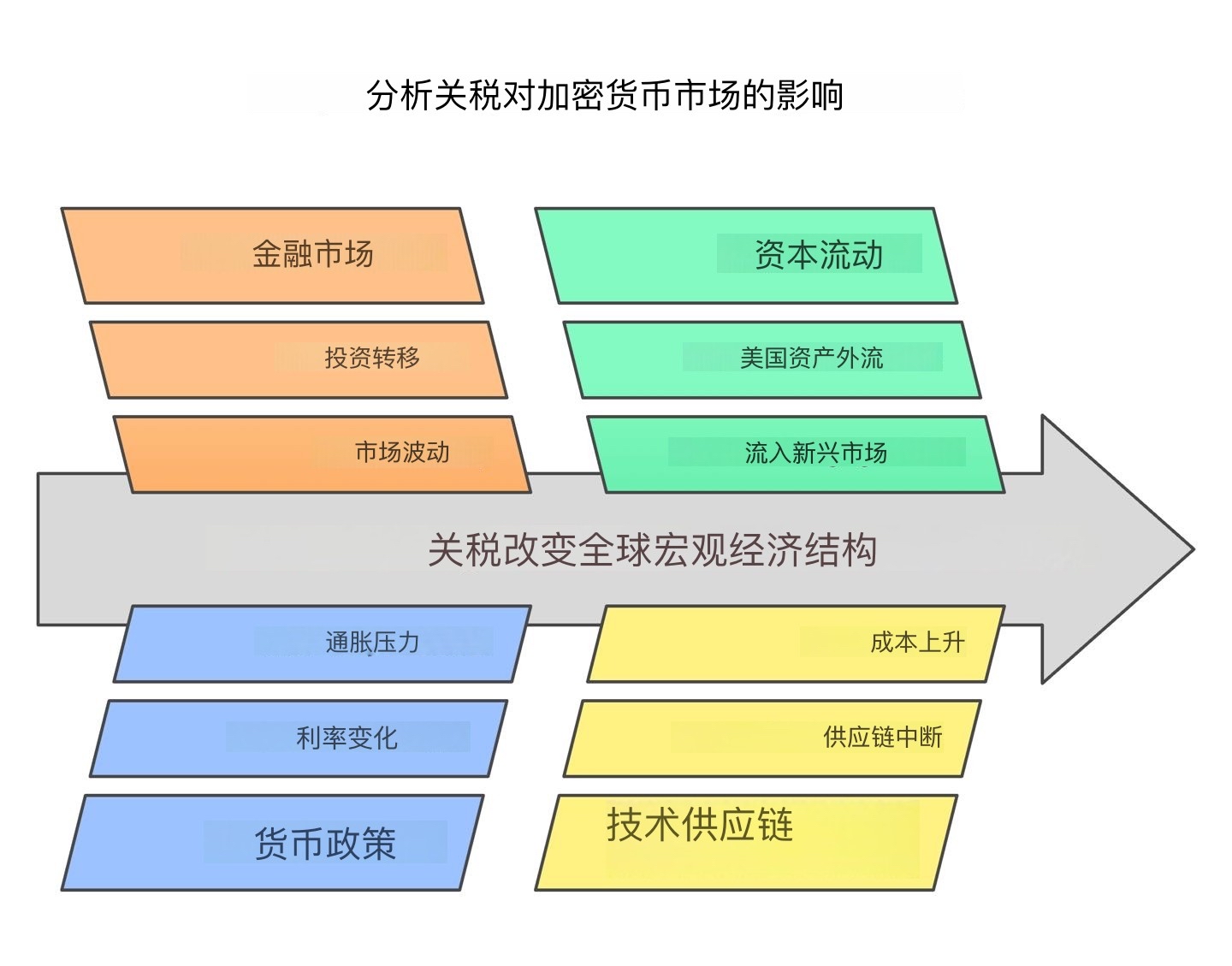
Figure: Tariff impacts on cryptocurrency markets, translated by AI
Mechanism:
-
Tariffs reduce dollar earnings for foreign exporters
-
Reduced earnings mean lower reinvestment into U.S. assets
-
U.S. asset valuations previously supported by foreign capital inflows must now rely on fundamental earnings and growth metrics
-
Disruptions in liquidity channels affect all asset classes, including cryptocurrencies
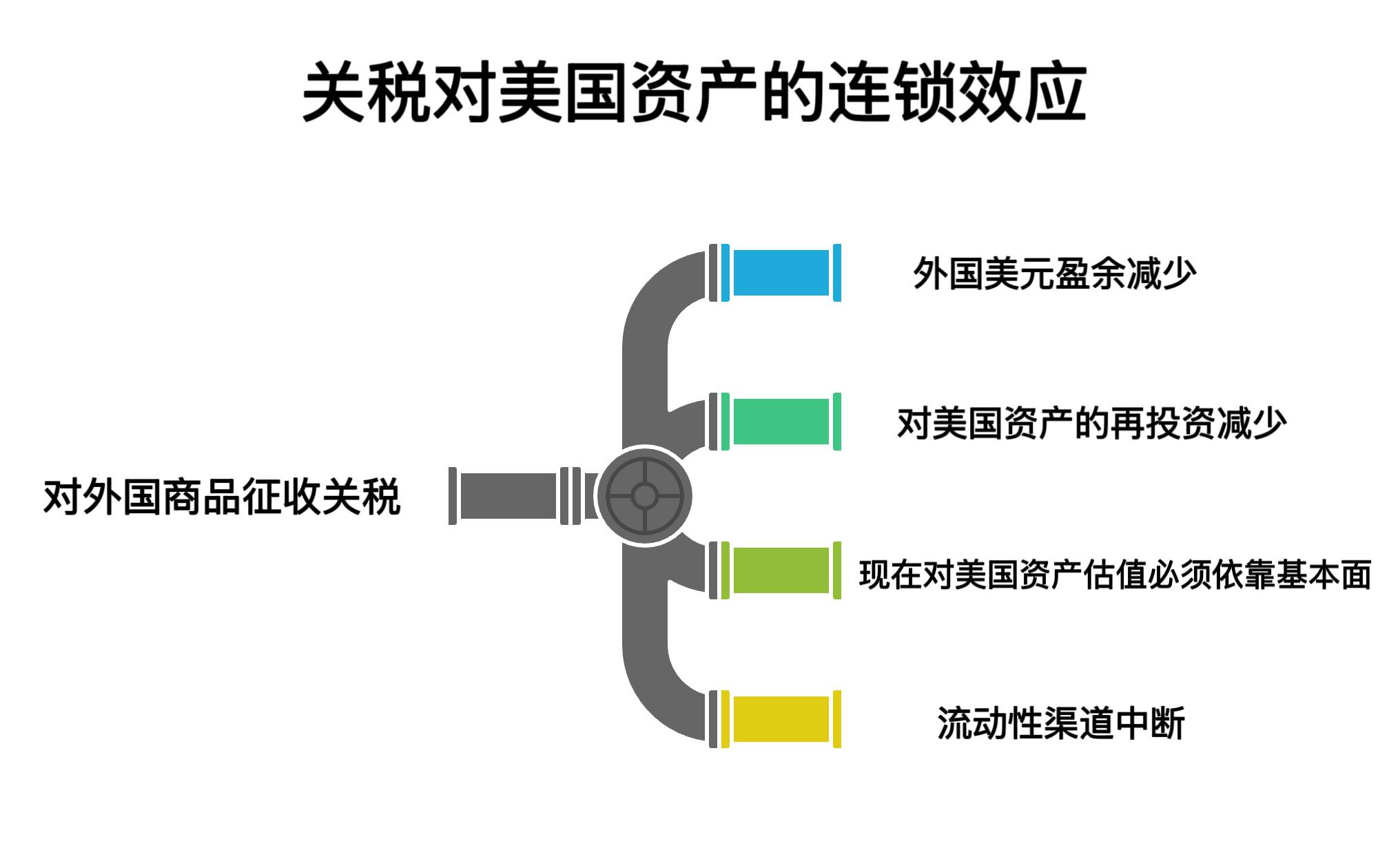
Figure: Tariff ripple effects on U.S. assets, translated by TechFlow
II. Short-Term Impact: Liquidity Shock and Sentiment Shift
-
Liquidity Drought Due to Risk-Off Behavior
Tariffs trigger global risk-off sentiment and downward revisions in growth expectations. As a historically high-beta asset, Bitcoin (BTC) initially moves inversely to equities during such liquidity shocks. Following the Trump administration’s April 2025 tariff rollout, BTC/USD dropped approximately 8% intraday, briefly touching $81,000.
-
Rising Mining Operating Costs
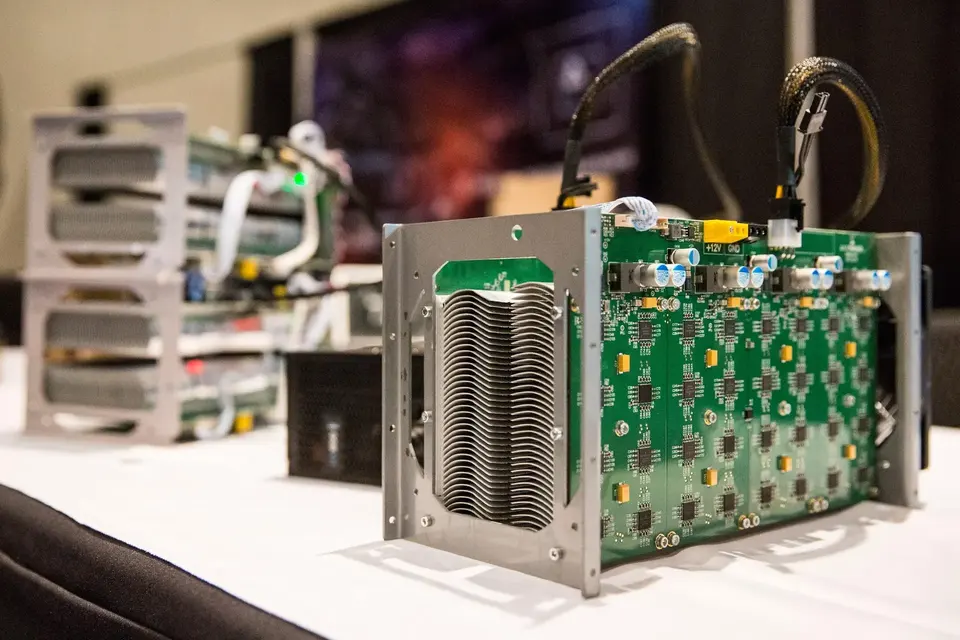
New tariffs on Chinese mining hardware (ASICs, GPUs, semiconductors) increase capital expenditure requirements for mining operations.
-
Impact model: Assuming stable energy costs and network difficulty, a 10% rise in ASIC costs could reduce mining profit margins by 6–8%
-
Elasticity: Higher costs may force marginal miners to exit, potentially slowing hash rate growth and tightening mining economics
-
Semiconductor Supply Chain Strain
Tariffs on critical chip components disrupt production timelines for next-generation mining hardware, possibly delaying hash rate expansion and exacerbating centralization risks within the mining ecosystem.
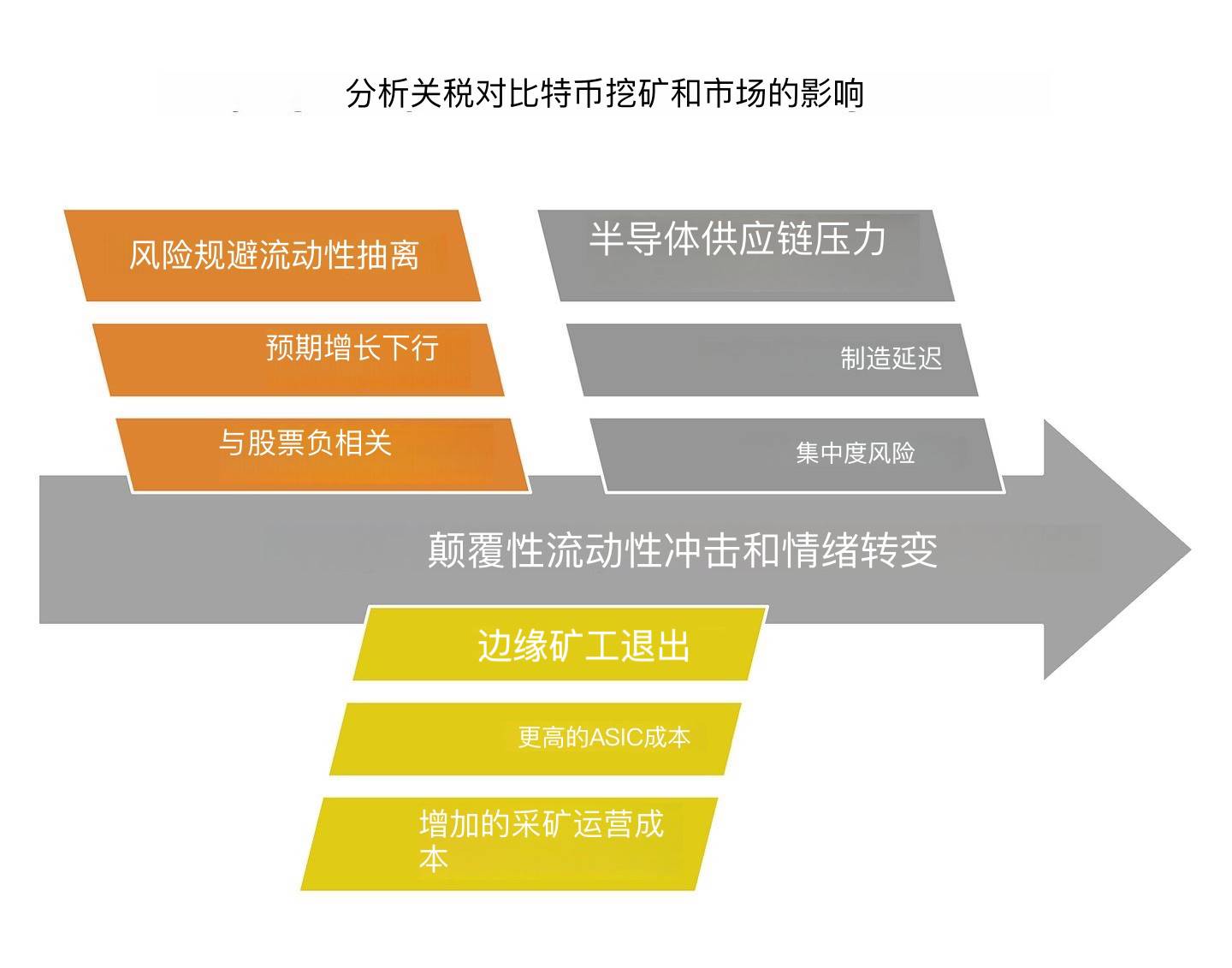
Figure: Tariff impacts on Bitcoin mining and markets, translated by AI
III. Medium-Term Impact: Monetary System Reconfiguration and Cryptocurrency Monetization
-
Fed Policy as a Bitcoin Catalyst
If tariffs significantly slow GDP growth without reigniting inflation (due to demand contraction rather than supply shocks), the Federal Reserve may be forced into a dovish pivot.
-
Mechanism: Rate cuts expand liquidity and lower real yields—conditions historically correlated with Bitcoin price appreciation (negative real rates favor non-yielding assets)
-
Observation: As of end-March, spot Bitcoin ETFs recorded net inflows of about $600 million year-to-date, indicating persistent structural demand despite tariff-induced volatility
-
Weaponization of Trade Infrastructure
Trade sanctions and tariffs accelerate de-dollarization trends.
Empirical evidence:
-
China and Russia using Bitcoin and other digital assets to settle energy trades
-
Bolivia exploring crypto-based energy imports
-
French utility EDF considering Bitcoin mining as a revenue export strategy
These developments validate Bitcoin’s theoretical role as a neutral settlement layer resistant to sovereign interference.
-
Global Capital Reallocation
Declining foreign inflows into U.S. assets alter global liquidity dynamics:
-
As foreign buyers scale back Treasury purchases, long-duration assets (equities, bonds) face headwinds
-
In this environment, non-sovereign assets like Bitcoin may attract marginal liquidity seeking alternative reserves
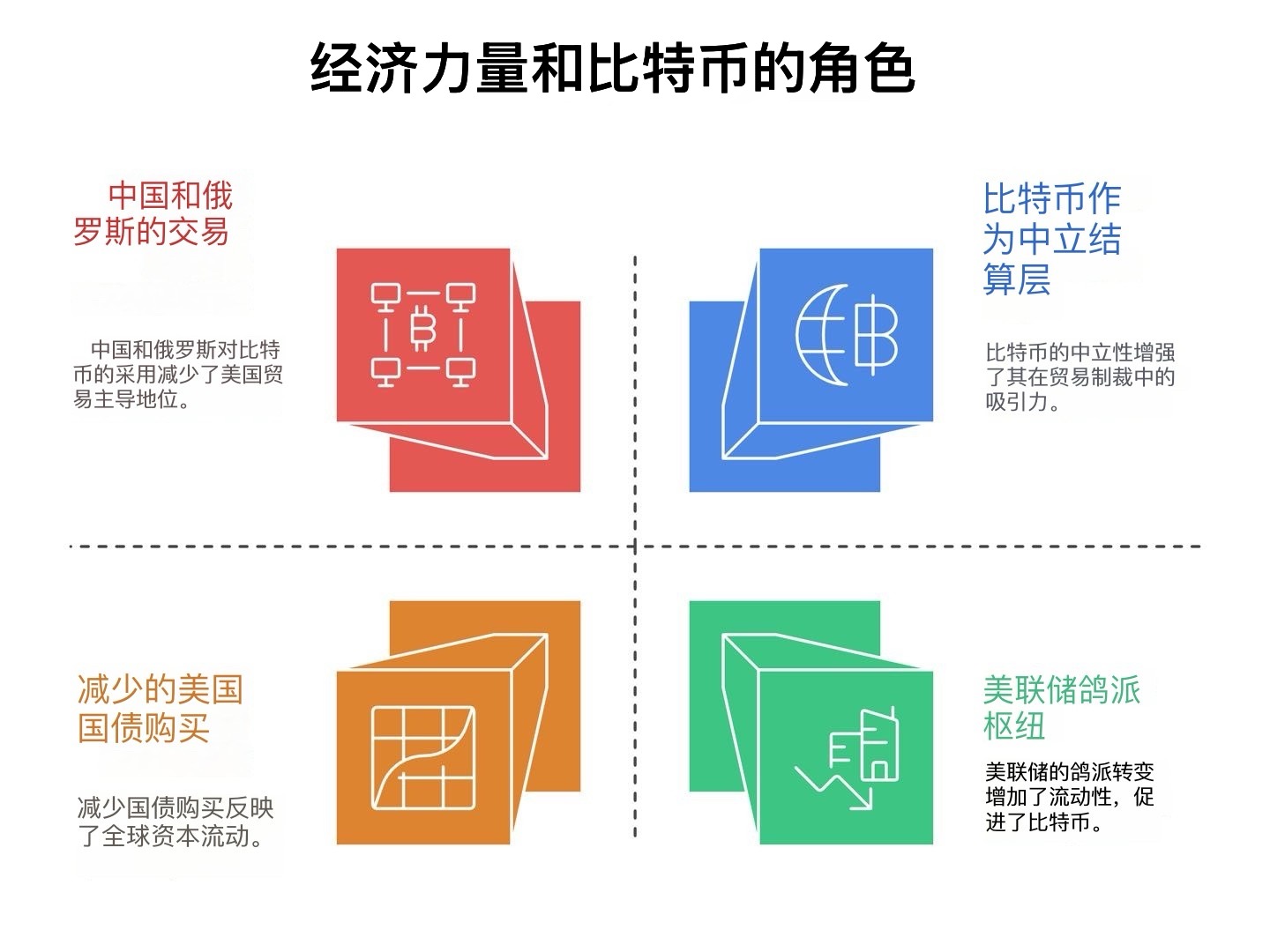
Figure: Economic forces and Bitcoin’s role, translated by AI
IV. Long-Term Impact: Bitcoin as a Sovereign Monetary Channel
-
Inflation Hedge and Fiat Currency Depreciation
If prolonged trade conflicts structurally erode fiat purchasing power, Bitcoin’s utility as an inflation hedge could increase.
Historical analogies:
-
Surge in local Bitcoin adoption in Argentina and Turkey during currency collapses
-
Gold’s performance following the breakdown of the Bretton Woods system
-
Evolution from Risk Asset to Reserve Asset: Bitcoin’s behavior is path-dependent
If sovereign currency instability becomes the norm, Bitcoin’s volatility relative to fiat currencies may decline, encouraging institutional adoption.
Key transition indicators to monitor:
-
Convergence in volatility relative to equities
-
Increasing correlation with inflation-protected securities (TIPS)
-
Pilot allocations by treasuries and sovereign wealth funds
-
Multi-Polar Monetary System and Bitcoin Settlement Layer
The erosion of the U.S.-centric trade architecture creates space for alternative cross-border settlement layers. Bitcoin stands out due to its decentralized and censorship-resistant nature.
Potential developments:
-
Central banks holding Bitcoin as a diversification and hedging tool
-
Energy-exporting nations adopting Bitcoin-based settlements to avoid dollar exposure
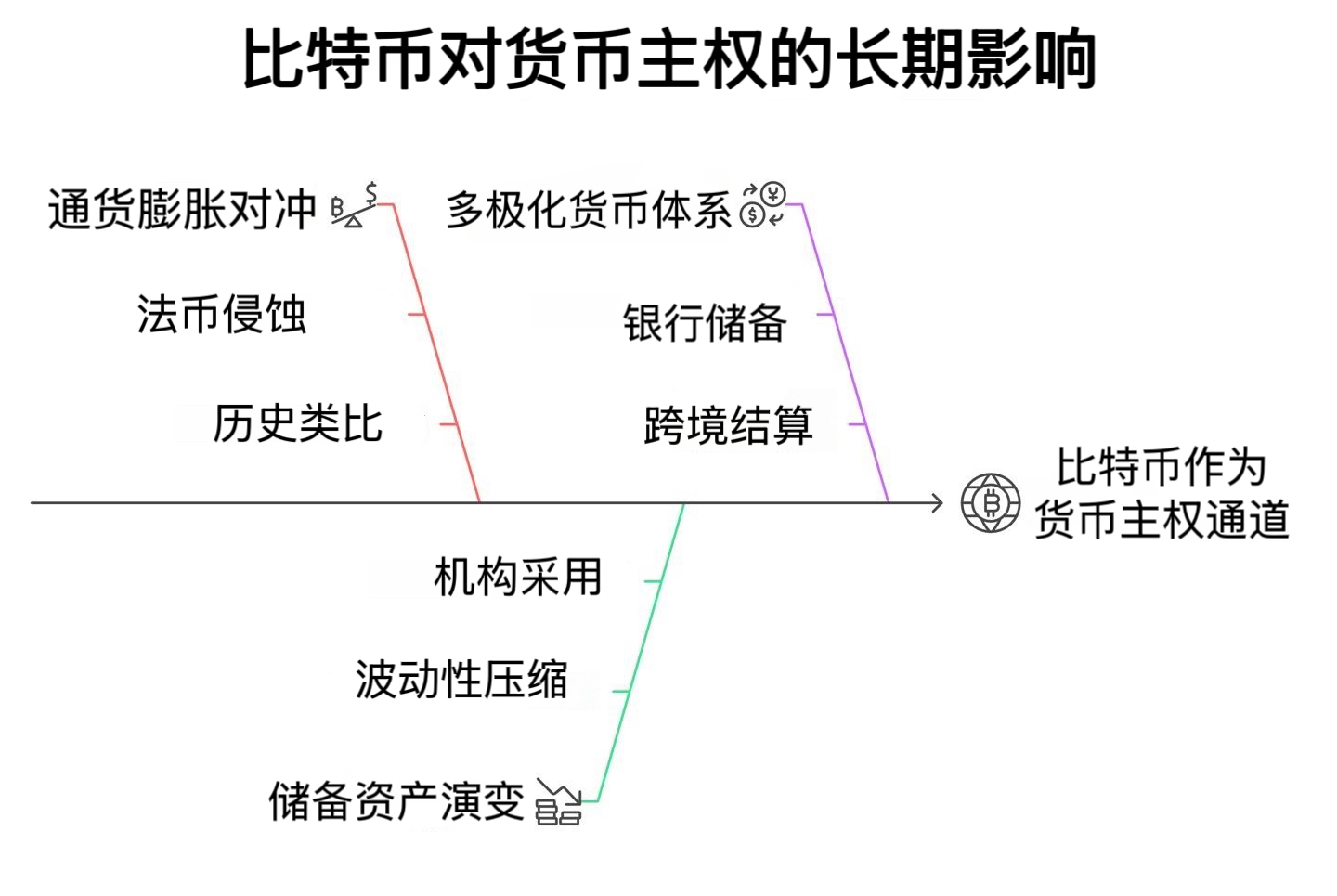
Figure: Bitcoin’s long-term impact on monetary sovereignty, translated by TechFlow
V. Key Metrics Investors Should Monitor
-
Fed rate outlook: shifts in federal funds futures curve
-
DXY trend: sustained weakness bullish for Bitcoin
-
Bitcoin ETF net inflows: key indicator of institutional interest
-
On-chain analytics: holder behavior, accumulation by large addresses, exchange reserve changes
-
Escalation in global trade policy: watch for retaliatory measures from EU, China
-
Sovereign Bitcoin settlements: confirmed state-level Bitcoin transaction events
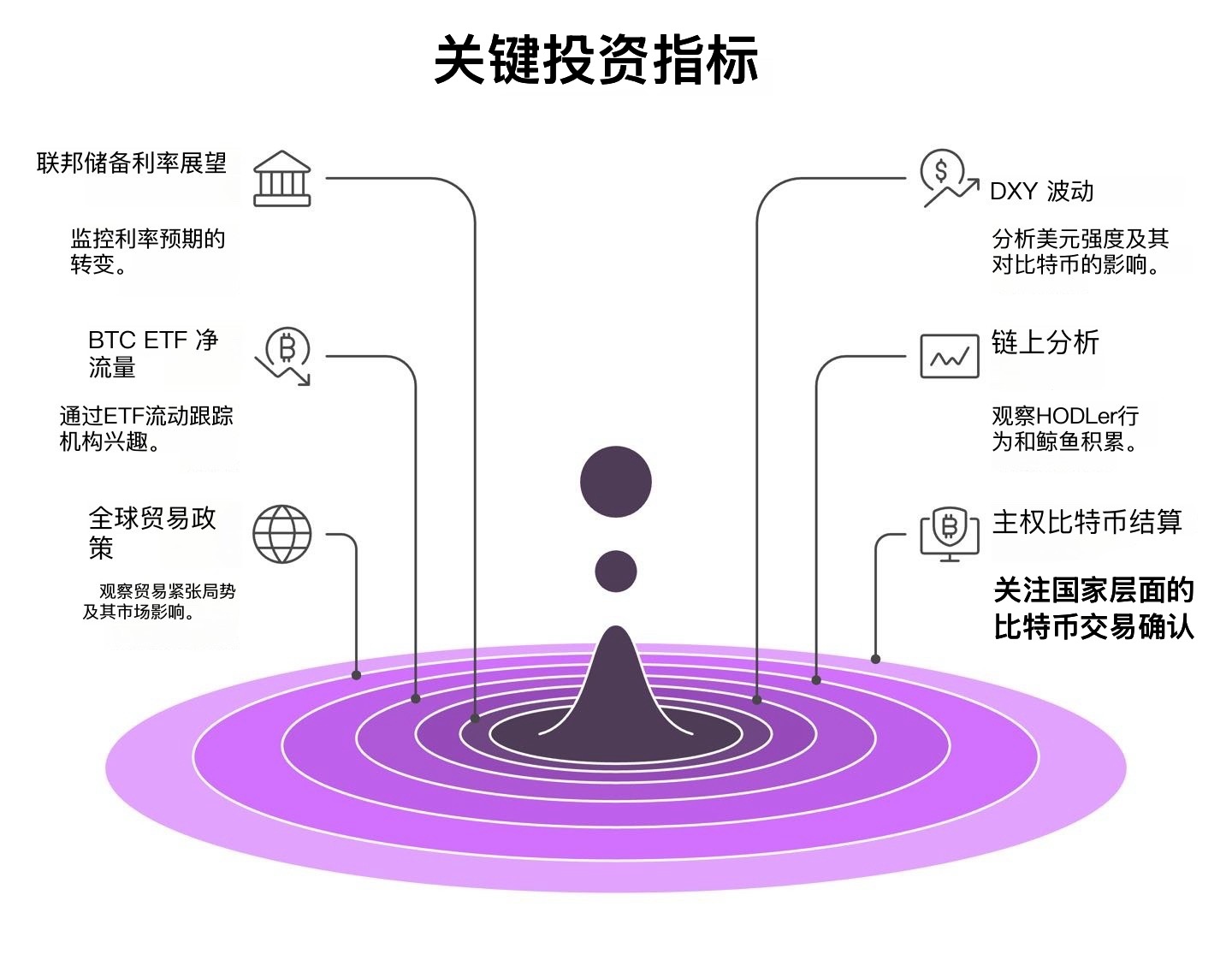
Figure: Key investment indicators, translated by AI
VI. Conclusion: The Dawn of a New Monetary Paradigm?
While tariffs are ostensibly designed to correct trade imbalances and protect domestic industries, their ripple effects permeate every corner of global capital markets. For cryptocurrency markets, tariffs are not merely transient risk events—they may catalyze a structural reconfiguration of the global financial trajectory.
As economic nationalism, trade fragmentation, and de-dollarization accelerate, Bitcoin’s native cryptographic thesis as a “neutral money” is transitioning from theory to reality. In a multipolar world defined by financial fragmentation, Bitcoin’s role as a sovereign-neutral reserve asset and energy settlement layer may not only endure but thrive.
Investors, miners, and protocol developers must adapt their strategies to navigate this new era—one where liquidity flows, monetary credibility, and sovereign trust are being fundamentally redefined.
Join TechFlow official community to stay tuned
Telegram:https://t.me/TechFlowDaily
X (Twitter):https://x.com/TechFlowPost
X (Twitter) EN:https://x.com/BlockFlow_News
 @lstmaximalist