Huobi Growth Academy | In-depth Report on Stablecoin Payments: Restructuring the Trillion-dollar Payment Industry and Ushering in a New Era of Borderless Finance
TechFlow Selected TechFlow Selected
Huobi Growth Academy | In-depth Report on Stablecoin Payments: Restructuring the Trillion-dollar Payment Industry and Ushering in a New Era of Borderless Finance
This report will conduct an in-depth analysis of stablecoins from multiple perspectives, including their current development status, technical architecture, regulatory challenges, impact on the payment system, and future trends. It will examine how stablecoins are driving transformation in the payments industry and evaluate the strategies of key market participants.
 Navigating Web3 tides with focused insights
Abstract
Stablecoins, as a key component of the cryptocurrency market, are reshaping the global payment industry. With advantages such as price stability, decentralization, low-cost cross-border transactions, and automated execution via smart contracts, stablecoins are increasingly serving as a bridge between traditional finance and the blockchain world. This report explores in depth the current development, technical architecture, regulatory challenges, impact on payment systems, and future trends of stablecoins, analyzing how they drive transformation in the payments sector and evaluating strategies of major market participants.
Chapter 1: Overview of Stablecoins
A stablecoin is a type of digital currency pegged to specific assets—such as fiat currencies, commodities, or other crypto assets—with the primary goal of offering relatively stable value storage and medium of exchange within the volatile environment of cryptocurrency markets. Compared to mainstream cryptocurrencies like Bitcoin (BTC) or Ethereum (ETH), stablecoins exhibit significantly lower volatility, giving them unique advantages in global payments, cross-border transfers, and decentralized finance (DeFi).
The concept of stablecoins dates back to the early days of the crypto industry. As Bitcoin emerged as a dominant force in digital asset markets, its extreme price volatility was recognized as a major barrier to everyday use for payments. While Bitcoin’s decentralization and censorship resistance are valuable features, its fixed supply cap (21 million BTC) and market sentiment-driven price swings make it unsuitable as a stable unit of account. Thus, stablecoins were conceived as a solution to Bitcoin's limitations—retaining decentralization while providing a reliable pricing and transaction tool.
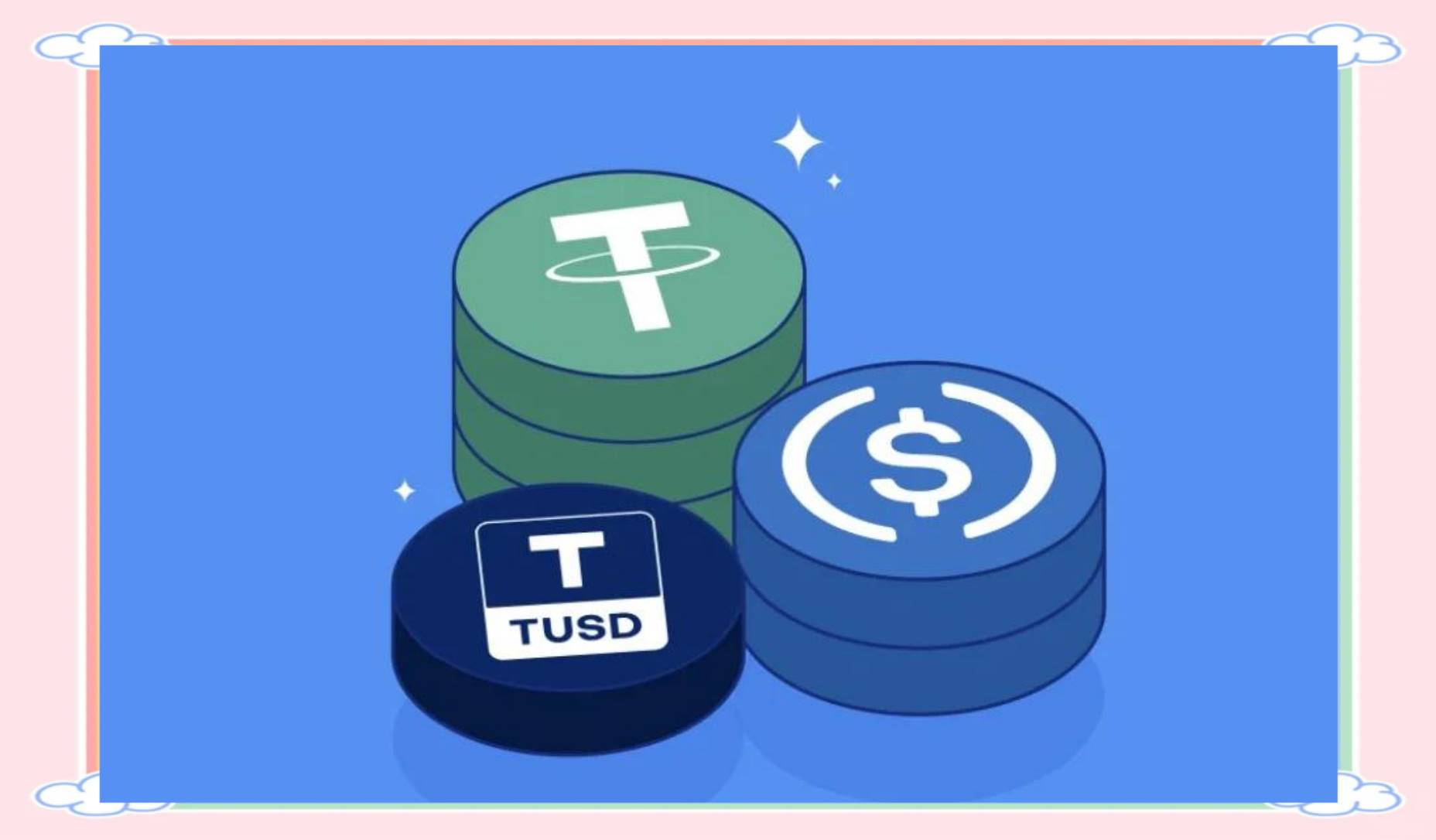
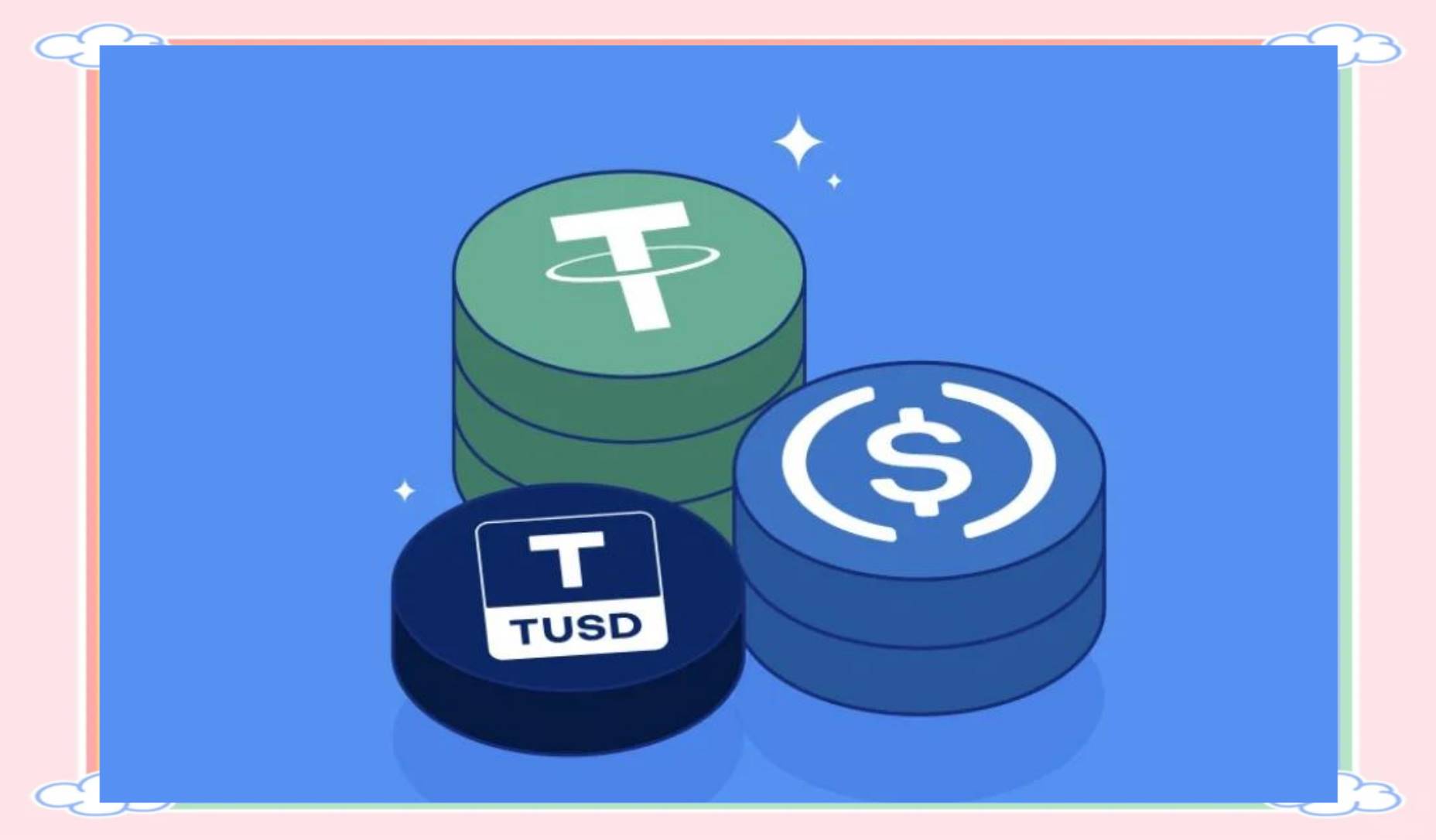
The design mechanism of a stablecoin directly affects its stability and market acceptance. The most common type is fiat-collateralized stablecoins (e.g., USDT, USDC, TUSD), whose value is backed by reserves of fiat currencies like the U.S. dollar. For every stablecoin issued, an equivalent amount of fiat is held in bank accounts or regulated institutions. This model offers higher transparency, allowing users to verify reserve adequacy more easily, and enables broader legal recognition under existing financial regulations.
However, fiat-collateralized stablecoins have drawbacks. They still rely on traditional financial systems, requiring banks or financial institutions as custodians—partially undermining their decentralization. If regulators freeze a stablecoin issuer’s banking relationship, its stability could be compromised. Additionally, operational costs are high due to regular audits, and liquidity crises may occur during extreme market conditions.
In contrast, crypto-collateralized stablecoins (e.g., DAI) offer a more decentralized alternative. Their value is secured through over-collateralization of crypto assets (like ETH) locked in smart contracts. Users must deposit collateral worth more than the stablecoin they wish to mint. For example, to generate $100 worth of DAI, a user might need to lock up $150 of ETH. This approach eliminates reliance on banks and operates entirely on-chain, enhancing censorship resistance. However, risks remain—if the price of the underlying collateral drops sharply, smart contracts may automatically liquidate positions to maintain DAI’s peg, potentially causing losses for users.
Beyond fiat- and crypto-collateralized models, algorithmic stablecoins (e.g., UST, FRAX) use mathematical models and market mechanisms to stabilize value. Some employ dual-token systems: one token (e.g., UST) functions as the stablecoin, while another (e.g., LUNA) absorbs market volatility. When UST trades below $1, users can burn UST to receive LUNA, reducing supply and pushing the price up; when above $1, users can mint UST using LUNA, increasing supply and lowering the price. However, these models carry significant risk—they depend heavily on market confidence. A large-scale sell-off can trigger a "death spiral," leading to total collapse, as seen with UST’s crash in 2022.
In terms of market size, stablecoins have become a cornerstone of the crypto economy. Recent data show that the total market capitalization of stablecoins has reached hundreds of billions of dollars, with USDT (Tether) and USDC (Circle) dominating the market. Stablecoin trading volumes often exceed those of many major cryptocurrencies, as they are widely used not only for hedging but also in payments, lending, and providing liquidity on decentralized exchanges (DEXs). Their broad adoption makes stablecoins the “lubricant” of the crypto ecosystem, accelerating its growth.
The success of stablecoins is no accident—it meets real demand in the global payment landscape. Traditional cross-border payment systems suffer from high fees, slow settlement times, and complex intermediary processes. In contrast, blockchain-based stablecoins enable low-cost, near-instant global transfers. Sending money internationally via traditional banking can take days and incur substantial fees, whereas the same transfer via stablecoins is nearly instantaneous and costs mere cents. Moreover, in regions with capital controls or unstable banking systems, stablecoins serve as vital tools for financial resilience.
Chapter 2: How Stablecoins Are Reshaping the Payment Industry
The rise of stablecoins is profoundly transforming the global payment industry. Acting as a bridge between blockchain and traditional finance, stablecoins provide an efficient, low-cost, borderless payment method, gradually replacing parts of legacy systems—especially in cross-border remittances, corporate settlements, e-commerce, payroll, and international money transfers. The success of stablecoins stems not just from technological superiority but from precisely addressing pain points in the current financial infrastructure.
2.1 Pain Points of Traditional Payment Systems
Traditional payments typically involve multiple intermediaries—banks, payment processors, clearinghouses—each adding fees and delays. Credit card transactions usually incur 2%–3% processing fees, while international wire transfers can cost $20–$50 or more. Third-party platforms like PayPal or Stripe may charge additional 2.9%–4.4% fees plus foreign exchange costs, making global commerce expensive. Cross-border transactions often take days—or even a week—due to centralized networks like SWIFT or ACH, which require extensive verification, clearing, and compliance checks. For instance, a remittance from the U.S. to Africa may pass through several institutions, each conducting KYC (Know Your Customer) and AML (Anti-Money Laundering) reviews, increasing time and uncertainty.
Over 1.5 billion people worldwide remain unbanked, primarily in developing countries and remote areas. Due to lack of credit history, geographic barriers, or restrictive policies, they cannot access basic financial services, hindering participation in e-commerce, salary receipt, or international remittances. Currency conversion introduces further complexity and cost, especially in high-inflation economies. In nations like Argentina or Venezuela, rapid local currency depreciation forces individuals and businesses to pay extra fees and bear exchange rate losses during trade or transfers.
Traditional finance is tightly regulated, particularly regarding AML and KYC requirements. Countries under economic sanctions—such as Iran or North Korea—often face blocked access to international payment channels like SWIFT. Some governments also impose strict limits on cryptocurrency usage, restricting free capital flows across borders.
2.2 Payment Advantages of Stablecoins
Stablecoin payments operate on peer-to-peer blockchain networks, bypassing costly intermediaries and enabling much cheaper transactions. Transferring USDT via Tron’s TRC-20 network, for example, costs as little as $0.10, compared to $30–$50 for traditional wires that still take days. Stablecoin transactions confirm in seconds to minutes, dramatically improving liquidity.
Another core advantage is financial inclusion. Anyone with internet access and a digital wallet can create a crypto account and start sending or receiving global payments. This drastically lowers entry barriers, allowing unbanked populations—particularly in Africa, Southeast Asia, and Latin America—to access financial tools. In hyperinflationary environments, stablecoins have become essential instruments for preserving purchasing power.
Compared to volatile assets like Bitcoin or Ethereum, stablecoins exhibit minimal price fluctuations because they are typically pegged 1:1 to the U.S. dollar or other fiat currencies. For example, USDC and USDT rarely deviate beyond ±0.5%, far less than highly volatile cryptos. This stability makes them reliable mediums of exchange, encouraging merchants and consumers to adopt them without fear of sudden devaluation.
Powered by blockchain smart contracts, stablecoins enable automated and programmable fund management. Companies can automate payroll using smart contracts to distribute salaries monthly. International traders can set conditions where payment is triggered automatically upon delivery confirmation. Programmable payments unlock vast potential in supply chain finance and intelligent settlement systems.
2.3 Key Application Scenarios
Cross-border remittances: Global migrant workers send over $600 billion annually to home countries. Traditional services like Western Union or MoneyGram charge 5%–10%. Stablecoins offer a faster, cheaper alternative. A Filipino worker in the U.S., for example, can send USDT or USDC to family in minutes, paying only a few cents in fees.
Corporate international payments and settlements: Multinational firms frequently conduct cross-border transactions burdened by long settlement cycles, red tape, and high costs. Using stablecoins allows direct B2B settlements, bypassing banks and improving cash flow efficiency. A Chinese manufacturer, for instance, can pay a U.S. supplier instantly in USDC without going through forex conversions or intermediary banks.
E-commerce and digital payments: As e-commerce goes global, stablecoins are gaining traction as a preferred cross-border payment option. An online store in Europe accepting USDT avoids high credit card processing fees and offers seamless checkout to customers worldwide. More e-commerce platforms, subscription services, and gaming sites now support stablecoin payments to attract international users.
Freelancer and remote worker compensation: The global gig economy is booming, yet traditional payment methods come with high fees and delays. Paying freelancers in stablecoins ensures instant receipt and flexibility to convert or spend freely. An Indian designer working remotely can receive USDT directly from a U.S. client, avoiding bank charges and exchange rate slippage.
Travel and consumer spending: In tourism, stablecoins are emerging as a new payment method. Merchants in Dubai, Thailand, and Japan are beginning to accept USDT and USDC, allowing tourists to make frictionless purchases without incurring credit card foreign exchange fees. As merchant adoption grows, stablecoins could become standard for international travel spending.
Decentralized Finance (DeFi) and smart payments: Stablecoins are foundational to DeFi ecosystems, enabling deposits, loans, and liquidity mining. DeFi protocols also offer automated payment solutions—such as recurring payments or insurance payouts via smart contracts—further advancing the evolution of payment systems.
As blockchain technology matures and stablecoin adoption spreads, they are reshaping the global payment landscape, offering individuals and businesses faster, cheaper, and fairer financial services. In the future, stablecoins are poised to become integral components of the global financial system, driving further innovation in digital finance.
Chapter 3: Regulatory Challenges and Policy Evolution
Stablecoins represent a significant innovation in the blockchain space, exerting profound influence on payments and financial services. Their technological architecture, novel designs, and regulatory challenges remain focal points for both market players and regulators. The core value of stablecoins lies in maintaining price stability and delivering convenient payment solutions. Yet achieving this requires navigating complex technical frameworks, innovative mechanisms, and evolving regulatory landscapes. Therefore, the success of stablecoins depends not only on technological advancement but also on compliance with diverse regulatory standards across jurisdictions.
Technologically, stablecoins encompass various elements including collateral mechanisms, smart contracts, and decentralized governance. Different types vary in design and implementation. As the stablecoin market expands, governments and financial regulators globally are intensifying oversight. Key regulatory concerns include anti-money laundering (AML) and know-your-customer (KYC) compliance, transparency, cross-border operations, and financial stability. Divergent regulatory approaches pose significant challenges to the global scalability of stablecoins.
First, the pseudonymity of stablecoins presents potential compliance risks in cross-border transactions. While decentralization enhances privacy, it also creates opportunities for illicit activities such as money laundering or terrorist financing. To mitigate this, regulators require stablecoin issuers to enforce strict KYC/AML policies, ensuring user identity verification and regulatory compliance. For example, the U.S. Financial Crimes Enforcement Network (FinCEN) mandates that stablecoin issuers register as Money Services Businesses (MSBs) and fulfill AML obligations.
Second, transparency remains a top concern for regulators—especially for fiat-collateralized stablecoins. Since their value relies on off-chain fiat reserves, issuers must undergo regular audits and disclose reserve holdings to prove full backing. Failure to do so undermines market trust and risks destabilizing the entire ecosystem. In response, some issuers have taken proactive steps—for instance, Circle publishes regular proof-of-reserves reports for USDC to enhance credibility.
Third, international regulation poses major hurdles. Varying legal frameworks across countries complicate cross-border usage. China, for example, has banned private cryptocurrencies but is actively developing its central bank digital currency (CBDC) as a state-backed alternative. The U.S. is advancing legislative efforts such as the proposed “Stablecoin Transparency Act.” The European Union regulates stablecoins under the Markets in Crypto-Assets (MiCA) framework, mandating reserve disclosures and pan-EU supervision. These differing stances create fragmentation, limiting seamless global deployment of stablecoins.
From a compliance standpoint, stablecoin issuers face the challenge of adapting to disparate regulatory regimes. Operating globally requires balancing legal adherence with operational agility and competitiveness. To manage this, many issuers partner with traditional financial institutions, leveraging their established compliance infrastructure and expertise to reduce regulatory exposure.
Looking ahead, both technology and regulation will shape the trajectory of stablecoins. Advances in DeFi and privacy-enhancing technologies will expand use cases, improving security and efficiency. At the same time, greater international coordination among regulators will be critical for sustainable growth. For stablecoins to achieve widespread adoption, innovation must go hand-in-hand with global regulatory alignment to ensure compliance across jurisdictions.
Chapter 4: Future Trends
With rapid advancements in blockchain technology and growing adoption, stablecoins are set to play increasingly vital roles in payments, financial services, and beyond. Driven by technological progress and shifting market demands, the future of stablecoins is taking shape along multiple dimensions. Below are key trends expected to define the next phase of stablecoin development.
First, rising demand for global and cross-border transactions will accelerate stablecoin adoption in international payments. Legacy systems—especially in cross-border contexts—have long suffered from high costs, slow speeds, and poor transparency. As a low-cost, efficient, and decentralized alternative, stablecoins effectively address these shortcomings. With improved infrastructure and increased institutional involvement, stablecoins will become pivotal in cross-border finance. Users will increasingly bypass traditional banks and clearinghouses, conducting direct global transactions. Beyond speed and cost, stablecoins offer superior transparency and security, helping reduce fraud and money laundering risks.
Second, stablecoin integration into decentralized finance (DeFi) will deepen. DeFi leverages decentralized protocols to deliver financial services—lending, trading, insurance—without intermediaries. Stablecoins serve as foundational assets in DeFi, offering price stability that mitigates market volatility. As the DeFi market grows, stablecoins will gain even greater importance. We expect tighter integration between stablecoins and DeFi protocols, fueling broader adoption. For example, in decentralized lending markets, stablecoins act as both collateral and loaned assets, supplying liquidity and stability to the ecosystem.
Relatedly, stablecoins will become essential in smart contracts, decentralized autonomous organizations (DAOs), and other decentralized applications (DApps). DAOs and smart contracts require stable units of value to ensure fairness in governance and execution. Stablecoins provide a secure, predictable, and easy-to-use medium for these systems. For instance, DAOs can distribute member rewards in stablecoins, insulating governance from market swings. In smart contracts, stablecoins can serve as margin deposits or automatic payment triggers, ensuring reliable performance.
Third, the role of stablecoins in traditional financial markets will grow. As regulatory clarity improves and compliance strengthens, stablecoins will increasingly interface with conventional finance, unlocking new innovations. In digital asset management and fund investing, stablecoins enable faster, lower-cost transactions and smoother cross-border capital movements. They can also function as risk management tools, helping investors maintain value stability within volatile crypto portfolios.
Additionally, the relationship between stablecoins and central bank digital currencies (CBDCs) will be a defining trend. CBDCs—digital versions of national currencies issued by central banks—are entering development phases worldwide and are expected to play major roles in financial systems in coming years. The interplay between CBDCs and stablecoins will shape the future of money. Although CBDCs are sovereign-backed, stablecoins’ decentralized nature and cross-border efficiency give them complementary advantages. In cross-border payments, stablecoins may prevail due to lower costs and faster settlement. Meanwhile, collaboration between stablecoins and CBDCs could enhance interoperability and drive innovation in global payment reform.
Fourth, privacy and security will become key frontiers for stablecoin development. Current stablecoins face challenges in protecting user identities and transaction data. With advances in zero-knowledge proofs (ZKP), homomorphic encryption, and other privacy-preserving technologies, future stablecoins will offer stronger confidentiality, attracting more users. As these technologies mature, decentralized stablecoins will balance transparency and compliance with enhanced user privacy, building greater trust.
Fifth, stablecoin adoption will be closely tied to the development of digital identity systems. Digital identity is a crucial enabler in blockchain applications, and stablecoin usage will accelerate the maturation of identity management infrastructures. In the future, every stablecoin transaction may be linked to a verified digital identity, enabling transparent and reliable authentication and traceability. Digital identity will serve as foundational infrastructure for stablecoin-based payments, investments, and financial services, delivering more efficient and seamless user experiences.
Finally, new market opportunities will emerge as stablecoin use cases expand. Stablecoins could facilitate transactions in novel asset classes such as real estate, art, and carbon credits. As blockchain adoption grows, stablecoins will become the default payment and settlement layer for these emerging markets, further advancing the global digital economy.
Chapter 5: Conclusion
In summary, the future of stablecoins is marked by diversification. They will continue to revolutionize payment systems and financial services while driving transformative changes in decentralized applications, digital asset management, cross-border finance, privacy protection, and global regulation. As technology, market needs, and policy evolve, stablecoins will assume an ever-growing role in the global economic and financial architecture. Stablecoins are rapidly disrupting traditional payment industries, offering users around the world faster, cheaper, and borderless financial solutions. Yet their path forward will be shaped by ongoing challenges in regulation, privacy, and technological innovation. With increasing participation from financial institutions and tech companies, stablecoins are poised to become integral components of the global payment network, accelerating the digitization and decentralization of the financial system.
Join TechFlow official community to stay tuned
Telegram:https://t.me/TechFlowDaily
X (Twitter):https://x.com/TechFlowPost
X (Twitter) EN:https://x.com/BlockFlow_News
 @HTXAcademy