
Understanding the Ethereum Foundation's 2024 Report and Preparing for Regulatory Challenges in the Trump Era
TechFlow Selected TechFlow Selected
Understanding the Ethereum Foundation's 2024 Report and Preparing for Regulatory Challenges in the Trump Era
Distribute tokens fairly to ensure decentralized governance is implemented.
 Navigating Web3 tides with focused insights
By Iris and Liu Honglin, ManQin Law Firm
The 2024 U.S. presidential election has finally concluded, with Donald Trump—widely supported by the crypto industry—making a dramatic political comeback. You may have seen your social media feeds flooded with reactions. Unlike his previous term, this return to the White House could usher in a more favorable and supportive regulatory environment for the cryptocurrency sector.

* Image source: X.com
During the campaign, unconventional proposals such as establishing a Bitcoin strategic reserve, "Americanizing" mining operations, and removing the current SEC chair were frequently discussed. However, among all potential policies, the most significant legislation likely to shape the future of digital assets and Web3 projects over the coming years is the Financial Innovation and Technology for the 21st Century Act (FIT21). The bill has already passed the U.S. House of Representatives with a strong bipartisan vote of 279–136 and stands a high chance of being swiftly approved by the Senate and signed into law under a Trump administration.
As most Web3 projects grow, they often establish foundations to align with local and global regulatory frameworks. So, what impact will FIT21 have on Web3 projects—especially Web3 foundations? Let’s start by examining the core elements of FIT21, as explained by ManQin Law.
FIT21 Act: Redefining Digital Assets
Primarily driven by Republicans, the FIT21 Act addresses long-standing concerns within the crypto industry about regulatory uncertainty. It outlines clearer regulatory boundaries and aims to prevent market disorder at its root. The most notable aspect of the bill is its reclassification of which digital assets qualify as “commodities” rather than “securities”—a distinction that determines the type of regulatory oversight they face.
To achieve this, FIT21 establishes three key criteria to determine an asset's classification and regulatory scope:
1. The 20% Token Control Threshold
FIT21 stipulates that if any single entity or affiliated group controls more than 20% of a project’s tokens, the asset will be classified as a security and subject to strict SEC regulation. This rule is designed to prevent market manipulation by large holders.
For projects aiming to be recognized as “commodities” and benefit from lighter regulation, this 20% cap serves both as a limitation and a compliance guideline. Project teams must design token distribution models that disperse control across a broad base of holders, fostering decentralized governance rather than centralized control by a small core team.
2. Decentralized Governance Structure
FIT21 also sets rigorous standards for “decentralized governance,” ensuring that decision-making mechanisms are genuinely distributed. This goes beyond mere token dispersion—it includes transparency and independence in governance. For example, projects must implement open and transparent voting systems that allow token holders to meaningfully participate in key decisions. In this way, decentralization becomes substantive, not just symbolic.
Additionally, the bill mandates transparency in governance architecture. Simply put, projects must publicly disclose critical rules and procedures—such as conditions for executing major decisions or triggering code changes—so token holders can fully understand how the project operates, minimizing the risk of behind-the-scenes control by core teams. Such transparent governance builds user trust and serves as a powerful compliance tool.
3. Disclosure and Transparency Requirements
FIT21 adopts a flexible approach to disclosure, tailoring requirements based on the degree of decentralization and the nature of the project. Projects deemed sufficiently decentralized and classified as “commodities” enjoy lighter disclosure obligations, though they must still periodically publish key financial data, token distribution details, and community governance proposals to maintain transparency. In contrast, projects classified as securities must provide comprehensive financial disclosures akin to traditional securities, safeguarding investor rights.
Beyond setting standards, FIT21 introduces a highly practical “safe harbor” provision, offering crypto projects a crucial transition period for compliance. Projects that haven’t yet achieved full decentralization can continue operating without immediate SEC scrutiny—as long as they commit to meeting decentralization benchmarks within a specified timeframe. This grace period allows teams to gradually improve their governance and community management structures, reducing the risks of abrupt changes due to compliance pressure. This flexible buffer protects innovation while guiding projects toward long-term compliance, creating a stable policy environment for the healthy development of the crypto industry.
Given the likely enactment of FIT21, how should Web3 projects adapt their tokenomics and organizational structures?
ManQin Law has long recommended and assisted Web3 teams in establishing foundations to ensure global compliance (for support, contact ManQin: MankunLawFirm). We’ve also published extensively on the benefits and setup of such foundations, including articles like Why Choose a Cayman Foundation for Web3 Token Issuance? and Vitalik’s Choice: Why Swiss Foundations for Web3 Projects?.
But once a foundation is established, how can its structure meet FIT21’s decentralization standards? Coincidentally, the Ethereum Foundation (EF) recently released its 2024 annual report. Let’s use it as a case study.
Three Key Insights from the Ethereum Foundation’s 2024 Report
The Ethereum Foundation’s 2024 annual report spans 27 pages—concise but rich in information. It clearly discloses details on organizational structure, treasury holdings, and annual expenditures, offering a rare glimpse into the operations of the world’s largest Web3 foundation.
ManQin Law highlights: For Web3 teams planning to set up a foundation, this report serves as a compliance “showroom.” Below, we break down EF’s regulatory-compliant path in light of FIT21. Take notes.
1. Decentralized Governance
The 2024 report details the roles and responsibilities of key teams within the Ethereum Foundation, including development, research, ecosystem support, and risk management. These teams operate independently and provide mutual oversight, demonstrating a clear division of labor in both technical development and project support, as well as a commitment to decentralized governance. For instance, the development team focuses on protocol upgrades, the research team explores future innovations, and the ecosystem team drives education and expansion. This functional separation prevents excessive concentration of power, ensuring governance remains distributed.
Moreover, the Foundation delegates key decisions to token holders and ecosystem participants through community voting and open proposal systems. This ensures that the community actively shapes the project’s future. With clearly defined team roles and transparent, community-driven governance, this model fully aligns with FIT21’s decentralization requirements, minimizes the risk of centralized control, and supports long-term project sustainability.
2. Treasury Holdings
The 2024 report reveals the Ethereum Foundation’s current treasury: $788.7 million in digital assets, of which 99.45% is ETH—approximately $784.4 million. Based on current ETH market data, this equates to roughly 261,000 ETH, representing about 0.22% of Ethereum’s total supply.
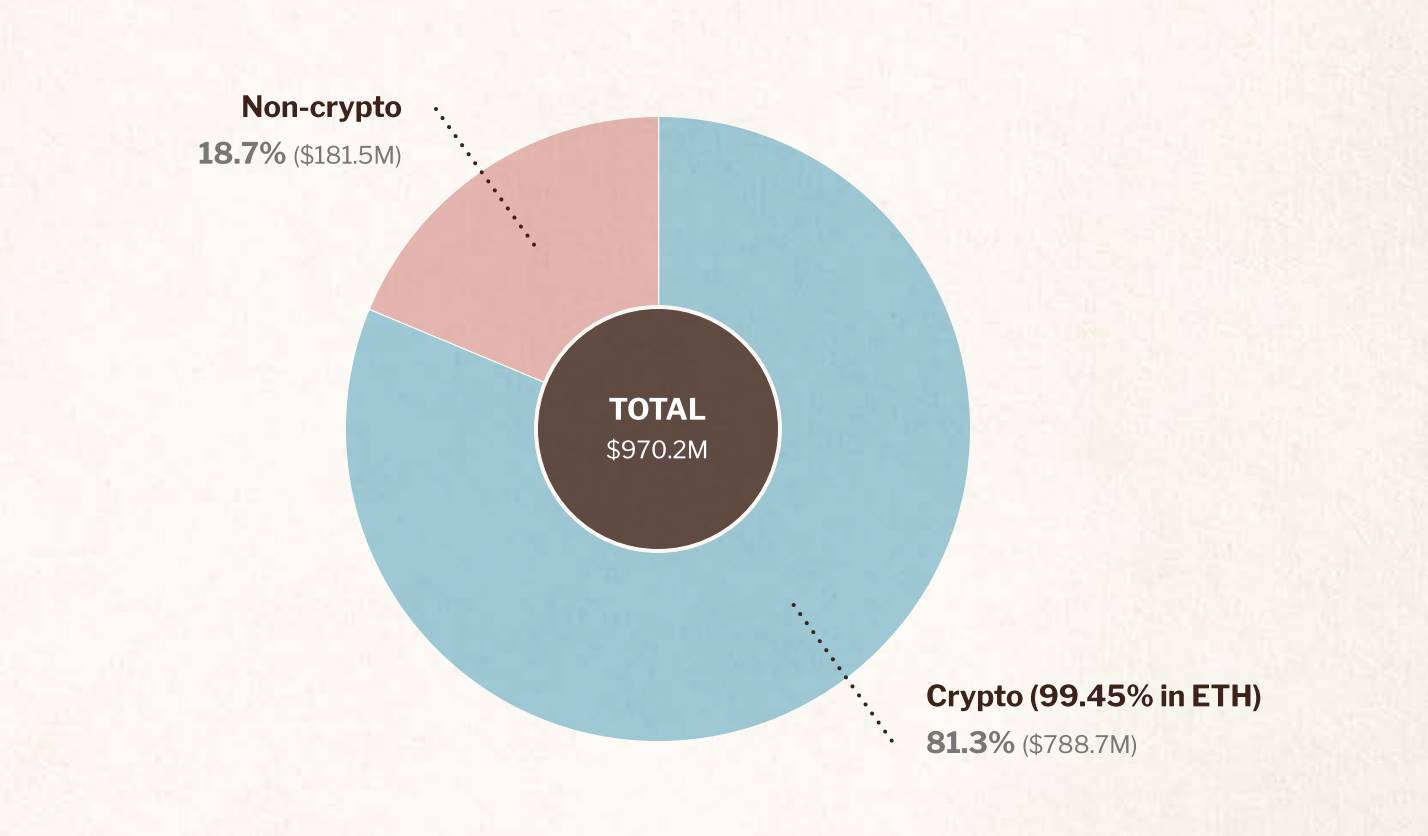
This data shows the Foundation maintains a relatively low ETH holding ratio, avoiding undue market influence and liquidity risks, and remains far below FIT21’s 20% threshold. This significantly reduces the likelihood of ETH being classified as a security by the SEC. In addition to crypto assets, the Foundation holds approximately $300 million in traditional financial assets, such as fiat currency and bonds, enhancing its resilience during market volatility.
This diversified financial strategy strengthens fiscal stability and reflects EF’s commitment to decentralization and transparency. The “lightweight holdings + diversified portfolio” approach offers a valuable blueprint for other Web3 projects: by strategically allocating resources, teams can ensure sustainable funding and build resilience in an evolving regulatory landscape.
3. Annual Financial Data
The 2024 report provides a detailed breakdown of the Foundation’s finances over the past two years, covering fund usage and management in 2022 and 2023. Expenditures are primarily allocated to three areas: core development, ecosystem grants, and operational reserves—supporting protocol security upgrades, ecosystem growth, and risk management.
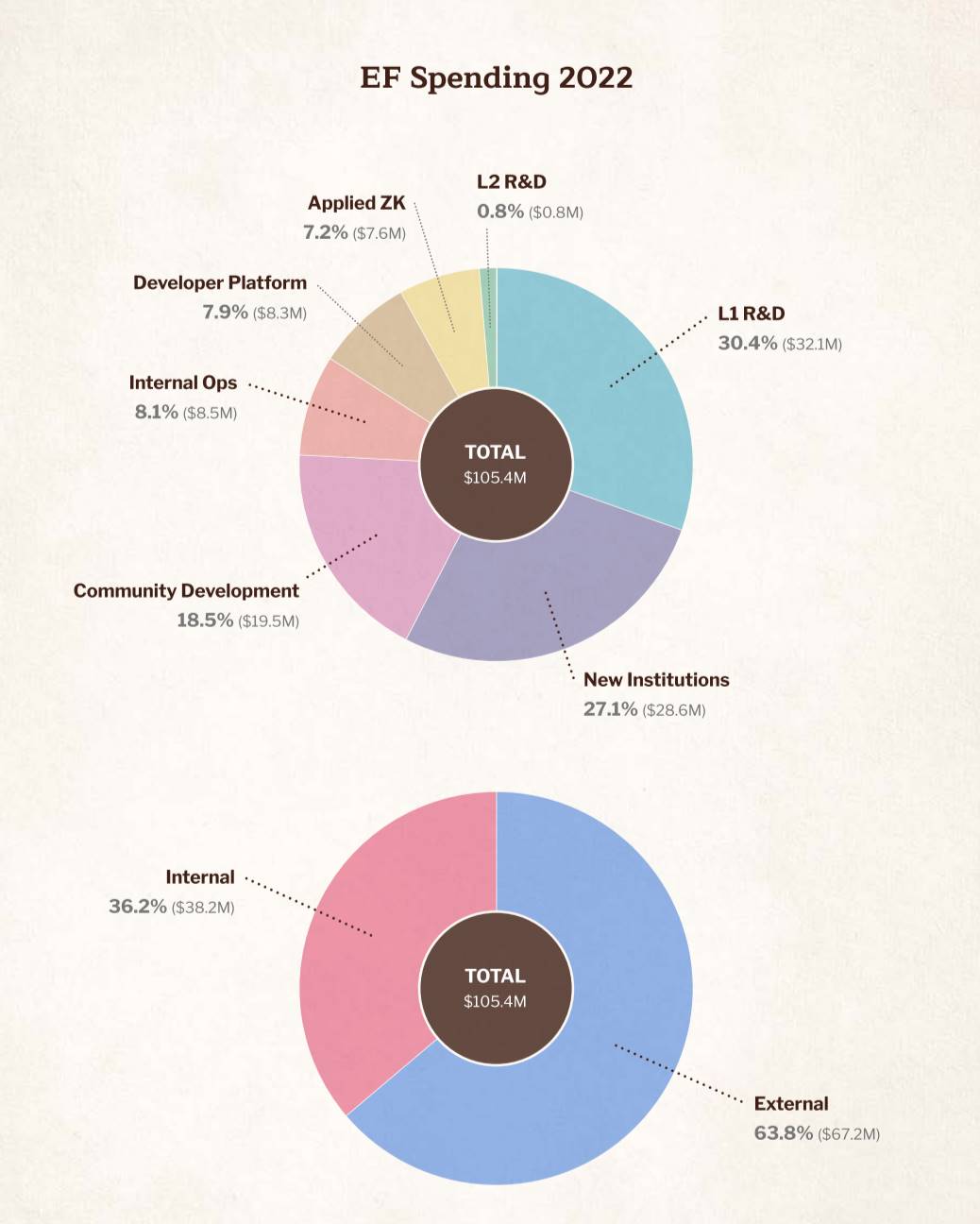
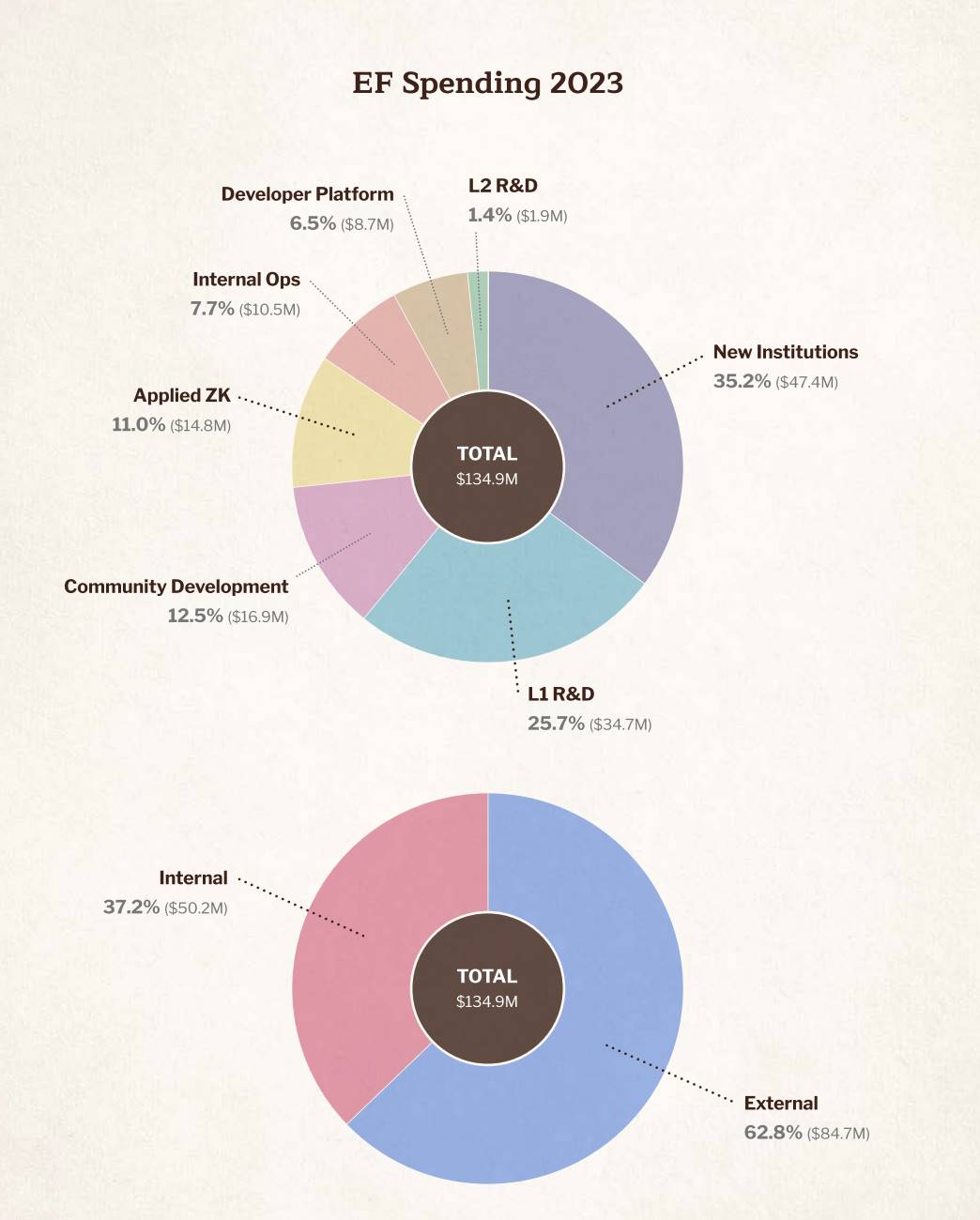
In detail, the report shows significant investment in core protocol development over the past year, including R&D in Layer 2 scaling and zero-knowledge proofs, maintaining Ethereum’s technological edge and security. Additionally, the Foundation has increased ecosystem funding, supporting developer communities and new project incubation to drive long-term network growth. These initiatives include startup grants, education programs, and community events, fueling Ethereum’s sustainability.
EF’s transparent financial management aligns perfectly with FIT21’s disclosure requirements, offering a strong compliance reference for the broader Web3 industry. Moreover, full transparency in data reporting helps build market confidence and lays a solid foundation for long-term, compliant growth.
Recommendations from ManQin Law
With Trump’s return, FIT21 appears increasingly inevitable. Just as the EU’s MiCA regulation has shaped global crypto oversight, FIT21 is poised to have a similarly transformative impact worldwide. Whether you’re planning to launch a foundation or already run one navigating compliance, now is the time to follow Ethereum Foundation’s lead:
Distribute Tokens Strategically and Implement Decentralized Governance
FIT21’s 20% control threshold demands careful token allocation. From day one, projects must design equitable token distribution models. By adopting multi-party governance—such as token holder voting and community-led proposals—teams can gradually transfer decision-making power to the community. This transparent model not only meets FIT21’s decentralization standards but also boosts community engagement, building a strong and loyal support base.
Diversify Treasury Holdings to Enhance Financial Resilience
The Ethereum Foundation’s diversified asset allocation exemplifies financial prudence—holding not just crypto, but also fiat and bonds. Web3 teams should similarly diversify their treasuries to avoid overexposure to volatile digital assets. Strategic allocation ensures sufficient liquidity and risk resistance during market swings, providing stable financial support for long-term development.
Prioritize Information Disclosure and Transparency
Under FIT21, disclosure is a cornerstone of compliance. Web3 projects must proactively publish clear information on fund flows, token distribution, and governance mechanisms. Following EF’s example, regularly release progress reports, financial statements, and governance updates to provide reliable data for the community and investors. This not only ensures regulatory alignment but also builds trust and mitigates legal and reputational risks.
Of course, if you're considering establishing a Web3 foundation and want to achieve compliance from the outset, ManQin Law Firm is a trusted partner. As a leading legal practice specializing in blockchain and the new economy, our team includes seasoned Web3 lawyers with expertise in foundation jurisdiction selection, establishment, and structural design, having successfully advised numerous foundation projects.
We firmly believe compliance is not just protective—it’s foundational to the sustainable growth of the Web3 industry. If you need support, feel free to reach out to ManQin Law Firm. We’re ready to provide expert consultation and guidance, helping your project thrive in the Web3 ecosystem with compliance and integrity, and advancing the industry toward a more transparent and regulated future.
Join TechFlow official community to stay tuned
Telegram:https://t.me/TechFlowDaily
X (Twitter):https://x.com/TechFlowPost
X (Twitter) EN:https://x.com/BlockFlow_News