








How blockchain companies can choose the best offshore jurisdiction?
TechFlow Selected TechFlow Selected
How blockchain companies can choose the best offshore jurisdiction?
In addition to BVI and Cayman, more offshore jurisdictions are available for you to choose based on your needs.
 Navigating Web3 tides with focused insights
Written by: Manqin Law Firm x Ivybridge Law Firm
In today's rapidly evolving Web3 and blockchain technology landscape, more and more businesses are exploring suitable offshore jurisdictions for company registration on a global scale. For entrepreneurs and investors seeking flexibility, tax optimization, and legal protection, choosing the right offshore jurisdiction is not just about cost savings—it’s about establishing a solid legal foundation for future business operations.
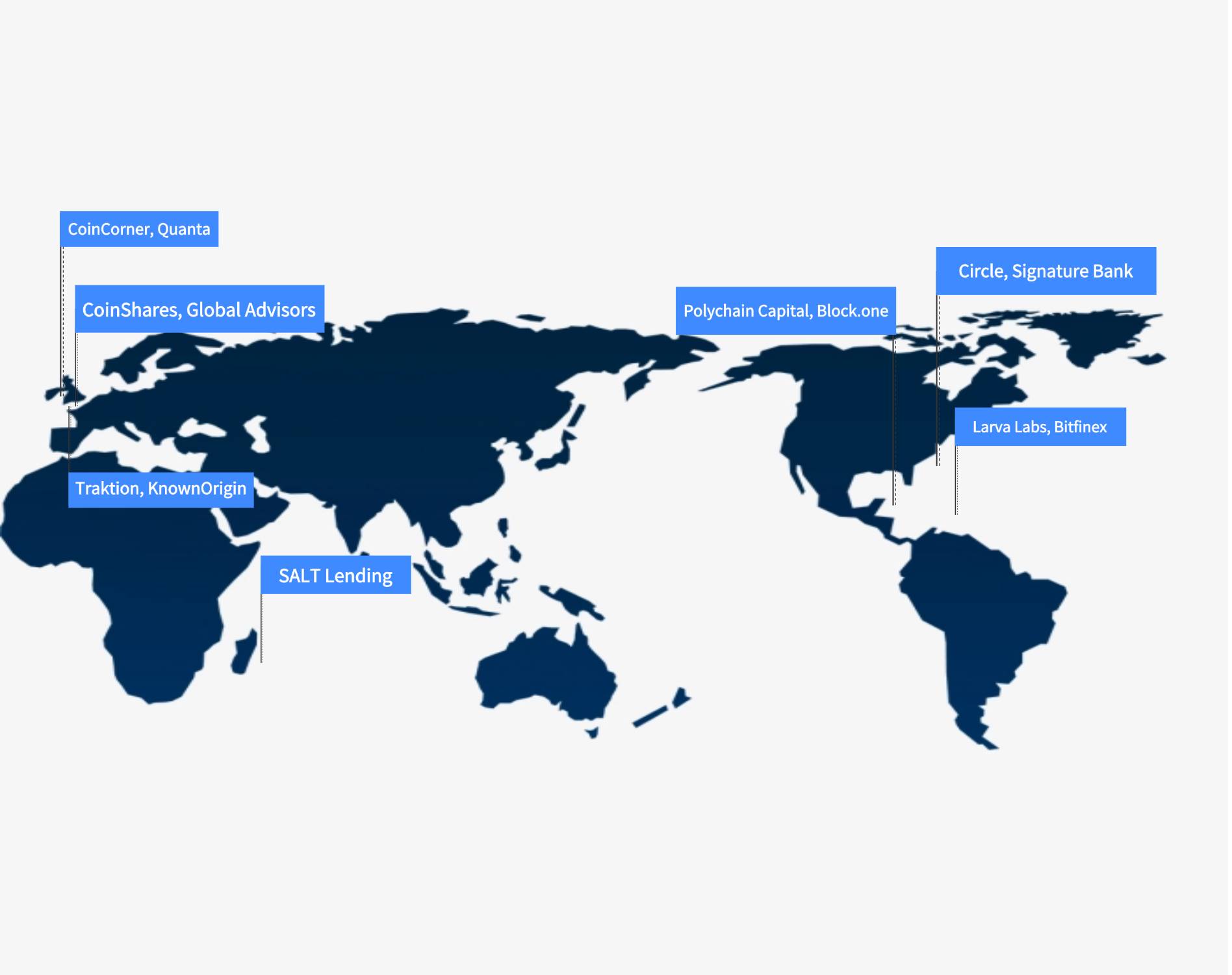
This article provides an in-depth analysis of popular offshore jurisdictions—BVI (British Virgin Islands), Cayman Islands, Isle of Man, Jersey, Guernsey, Bermuda, and Mauritius—examining their regulatory policies toward blockchain and Web3 enterprises, company formation requirements, and real-world examples of successful operations within these regions. This insight aims to help you make informed decisions in the globalized business environment.
Available Offshore Jurisdictions
Cayman Islands
Overview
The Cayman Islands has established a dedicated fintech legal framework, including the Virtual Asset Service Providers Law (VASP Law), to promote digital asset-related businesses. It offers flexible corporate structures such as Segregated Portfolio Companies (SPCs), which are well-suited to the needs of blockchain projects.
Advantageous Business Areas and Examples
Crypto Funds
The Cayman Islands Monetary Authority (CIMA)’s Mutual Funds Law and Private Funds Law provide flexible fund structures. Combined with the jurisdiction’s favorable tax regime, the Cayman Islands has become one of the primary jurisdictions for crypto fund registrations. Additionally, specific regulations and guidelines support the establishment and operation of crypto funds. As such, it is a preferred jurisdiction for many cryptocurrency hedge funds, such as Polychain Capital.
Example: Polychain Capital is one of the world’s largest cryptocurrency hedge funds, registered in the Cayman Islands. It leverages the jurisdiction’s flexible fund structures and tax advantages to manage its cryptocurrency investment portfolio.
Blockchain Technology Service Provision
The Special Purpose Company (SPC) structure in the Cayman Islands is highly suitable for blockchain technology projects, offering a high degree of corporate flexibility.
Example: Block.one, the developer behind the EOS blockchain, is registered in the Cayman Islands. This structure enables them to benefit from the jurisdiction’s favorable regulations regarding blockchain technology and SPCs.
Main Company Types and Key Incorporation Requirements
An SPC is a special form of an Exempted Company (EC). The main incorporation requirements for an EC are:
-
At least one shareholder
-
At least one director
-
Appointment of a registered agent
-
Provision of a registered office address
-
Submission of memorandum and articles of association
Time to Incorporate
As fast as 1–2 business days
British Virgin Islands (BVI)
Overview
BVI offers a simple and efficient company registration process, attracting numerous blockchain startups. Additionally, BVI provides strong privacy protections for corporate ownership, making it appealing to digital asset companies that prioritize confidentiality.
Advantageous Business Areas and Examples
NFT Businesses
Due to its streamlined company registration process and strong privacy policies, BVI has attracted many NFT-focused enterprises. The BVI Business Companies Act (BCA) enables quick and low-cost company formation, perfectly aligning with the needs of NFT businesses.
Example: Larva Labs, the creator of the renowned CryptoPunks NFTs, chose BVI as its registration jurisdiction to leverage favorable incorporation and privacy protection policies. This allows them to efficiently and securely manage their NFT operations.
Virtual Currency Trading
BVI’s Financial Services Commission (FSC) maintains an open stance toward virtual currency trading and provides regulatory guidance, such as the Regulation of Virtual Asset Service Providers.
Example: Bitfinex, one of the world’s largest cryptocurrency exchanges, is registered in BVI. The jurisdiction’s regulatory environment supports virtual currency trading and provides a favorable operational foundation.
Main Company Types and Key Incorporation Requirements
Key requirements for forming a Business Company (BC):
-
At least one shareholder
-
At least one director
-
Appointment of a registered agent
-
Provision of a registered office address
-
Submission of memorandum and articles of association
Time to Incorporate
As fast as 3–5 business days
Isle of Man
Overview
The Isle of Man has clear regulatory policies for virtual currency businesses, ensuring market stability and investor protection. It also offers advanced technological infrastructure, making it conducive to the development of blockchain projects.
Advantageous Business Areas and Examples
Virtual Currency Trading
The Isle of Man Financial Services Authority (IOMFSA)’s Designated Businesses (Registration and Oversight) Act 2015 establishes a regulatory framework for virtual currency trading, promoting market stability and investor protection.
Example: CoinCorner, a cryptocurrency exchange headquartered in the Isle of Man, benefits from the jurisdiction’s supportive regulatory framework, which ensures stable operations and investor confidence.
Blockchain Technology Service Provision
The Isle of Man provides robust technical infrastructure ideal for blockchain technology projects. Companies like CoinCorner have established blockchain service operations on the island.
Example: Quanta, a blockchain-based gaming company, operates in the Isle of Man. The island offers strong technological infrastructure and regulatory support for blockchain services.
Main Company Types and Key Incorporation Requirements
Key requirements for forming a Private Company (Ltd):
-
At least one shareholder
-
At least one director
-
Appointment of a company secretary
-
Provision of a registered office address
-
Submission of memorandum and articles of association
Time to Incorporate
As fast as 5–7 business days
Bermuda
Overview
Bermuda has implemented a comprehensive regulatory framework for digital asset businesses, including the Digital Asset Business Act (DABA), ensuring the legality of various digital asset activities. The Bermudan government actively supports the development of digital assets and blockchain industries, providing policy incentives and resources.
Advantageous Business Areas and Examples
Stablecoins
Bermuda’s Digital Asset Business Act (DABA) provides a comprehensive regulatory framework.
Example: Circle, a leading digital currency company, has registered its operations in Bermuda. The DABA provides a robust regulatory structure for managing its crypto assets and operations.
Crypto-Related Cross-Border Payments
The Bermudan government actively supports crypto payments and other financial technology innovations, exemplified by policy documents and resource support issued by the Bermuda Monetary Authority (BMA).
Example: Signature Bank, known for its blockchain-based payment solutions, operates in Bermuda. Government support for fintech innovation and favorable regulations facilitate its cross-border payment services.
Main Company Types and Key Incorporation Requirements
Key requirements for forming an Exempted Company (EC):
-
At least one shareholder
-
At least two directors
-
Appointment of a company secretary
-
Provision of a registered office address
-
Submission of memorandum and articles of association
-
Obtain a license from the Bermuda Monetary Authority (BMA)
Time to Incorporate
As fast as 4–6 business days
Mauritius
Overview
The Mauritius Financial Services Commission (FSC) operates a fintech innovation sandbox, providing a testing and development platform for blockchain and digital asset enterprises. Mauritius has signed double taxation avoidance agreements with multiple countries, helping optimize tax structures.
Advantageous Business Areas and Examples
Crypto-Related Cross-Border Payments
The Fintech and Innovation-driven Financial Services Regulatory Sandbox by the Mauritius FSC allows crypto payment companies to test their services in a controlled environment.
Example: SALT Lending, a blockchain-based lending platform, operates in Mauritius. The FSC’s sandbox environment enables them to safely and efficiently test and deploy cross-border payment solutions.
Main Company Types and Key Incorporation Requirements
Key requirements for forming a Global Business Company (GBC):
-
At least one shareholder
-
At least two directors, with at least one being a resident of Mauritius
-
Appointment of a company secretary
-
Provision of a registered office address
-
Submission of memorandum and articles of association
-
Obtain a license from the Mauritius Financial Services Commission (FSC)
Time to Incorporate
As fast as 3–5 business days
Jersey
Overview
Jersey holds a strong position in establishing and managing digital asset funds, attracting many digital asset fund management firms. The Jersey Financial Services Commission (JFSC) has developed detailed regulatory frameworks for digital asset businesses, ensuring compliance and legitimacy.
Advantageous Business Areas and Examples
Crypto Funds
The JFSC’s Guidance Note on the Regulation of Crypto-Assets provides a clear regulatory framework. Its fund management legal structure permits crypto assets as investment instruments, supporting the establishment of crypto funds. Jersey has attracted numerous crypto funds, including CoinShares.
Example: CoinShares, a major digital asset management firm, operates in Jersey. The island’s regulatory framework enables CoinShares to effectively structure and manage crypto investment funds.
Blockchain Technology Service Provision
Jersey actively promotes the application of blockchain technology in financial services, with the JFSC offering detailed regulatory guidance.
Example: Global Advisors, an asset management firm focused on blockchain, is headquartered in Jersey. The island provides a supportive environment for developing blockchain technology services.
Main Company Types and Key Incorporation Requirements
Key requirements for forming a Private Company (Ltd):
-
At least one shareholder
-
At least one director
-
Appointment of a company secretary
-
Provision of a registered office address
-
Submission of memorandum and articles of association
Time to Incorporate
As fast as 5–7 business days
Guernsey
Overview
Guernsey encourages the application of blockchain technology in sectors such as financial services and supply chain management. Its regulators maintain an open attitude toward emerging fintech and digital asset businesses, continuously updating regulations to meet market demands.
Advantageous Business Areas and Examples
Blockchain Gaming
Guernsey’s Digital Greenhouse initiative supports blockchain applications across various industries, including gaming. The jurisdiction encourages technological innovation and provides legal and policy support.
Example: Traktion, a blockchain-based game development company, is registered in Guernsey. The island’s innovation-friendly environment helps companies like Traktion develop and launch blockchain games.
NFT Businesses
The Guernsey Financial Services Commission’s regulatory guidance on digital assets supports the development and trading of NFT projects.
Example: KnownOrigin, an NFT marketplace platform, benefits from Guernsey’s favorable regulatory stance on digital assets, providing a solid foundation for its operations.
Main Company Types and Key Incorporation Requirements
Key requirements for forming a Private Company (Ltd):
-
At least one shareholder
-
At least one director
-
Appointment of a company secretary
-
Provision of a registered office address
-
Submission of memorandum and articles of association
Time to Incorporate
As fast as 3–5 business days
How to Choose an Offshore Jurisdiction?
Selecting the right offshore jurisdiction for company registration is a critical step for Web3 enterprises aiming for success. Each jurisdiction offers unique regulatory frameworks, tax policies, and legal advantages. Businesses should make optimal choices based on their developmental needs, business models, and compliance requirements. Whether pursuing tax efficiency, reduced legal risk, or broader market access, each offshore jurisdiction presents compelling benefits—and potential challenges. With so many options available, making the best choice requires careful consideration. For detailed consultation, please contact Manqin Law Firm.
Join TechFlow official community to stay tuned
Telegram:https://t.me/TechFlowDaily
X (Twitter):https://x.com/TechFlowPost
X (Twitter) EN:https://x.com/BlockFlow_News









