








Mastercard Integrates Crypto into Traditional Payments: Reshaping Traditional Banking Without Relying on Stablecoins
TechFlow Selected TechFlow Selected
Mastercard Integrates Crypto into Traditional Payments: Reshaping Traditional Banking Without Relying on Stablecoins
Global trade will soon be realized on-chain, and traditional banks could become the center of this new system.
 Navigating Web3 tides with focused insights
Author: Sander Lutz
Translation: TechFlow
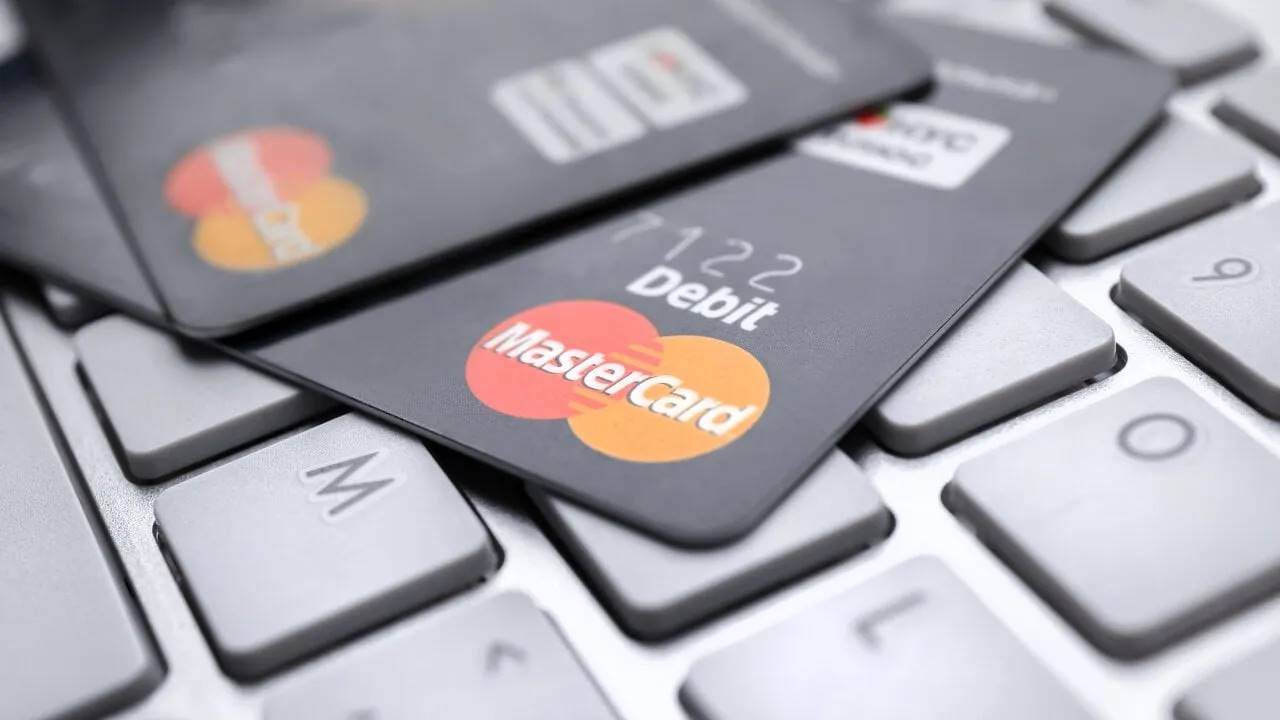
Mastercard is fully embracing blockchain technology. Just this week, the payment giant launched a debit card in partnership with MetaMask, enabling users to spend self-custodied tokens at any store or website that accepts Mastercard—essentially everywhere.
"We're opening up this crypto purchasing capability to over 100 million acceptance locations," Raj Dhamodharan, Mastercard's head of crypto and blockchain, told Decrypt. "If consumers want to buy and use these tokens, we want to help them do so safely."
For security reasons, the newly launched MetaMask card isn't compatible with most cryptocurrencies. You can't buy plane tickets with Pepecoin or grab a sandwich using SHIB. The card supports only major stablecoins USDT and USDC, as well as wrapped Ethereum.
As traditional finance increasingly converges with blockchain technology, stablecoins—assets backed by reserves pegged to fiat currencies—have gained widespread popularity as a reliable bridge between off-chain and on-chain worlds, such as Tether’s USDT on Telegram’s TON network.
Yet despite Mastercard’s confidence in the shift of traditional finance onto blockchains, company leaders remain skeptical about stablecoins dominating this transformation.
"We can't just say everything needs to be converted into prepaid stablecoins for commerce to move forward," said Dhamodharan. "That seems like a big hurdle the industry has set for itself."
Dhamodharan and his team are now working on creating an alternative to stablecoins—one that doesn’t place crypto firms like Circle and Tether at the center of the new digital economy, but instead positions traditional banks and payment services like Mastercard at the core.
The key to this plan lies in unlocking the potential of bank deposits already existing on digital ledgers—just not on blockchains. Dhamodharan estimates there are approximately $15 trillion in digital bank deposits in the U.S. alone.
Last summer, Mastercard first announced a project called the Multi-Token Network (MTN), which would allow bank deposits to exist symbolically on-chain and power commerce—without requiring banks like Bank of America to integrate Ethereum into their internal systems. In May, the company launched the first pilot of the system, aiming to tokenize carbon credits in Hong Kong.
"I don't expect your bank deposit and my bank deposit to become public chain assets," Dhamodharan said. "But they need to be allowed to purchase assets that may exist on public chains."
Mastercard anticipates that real-world assets such as real estate and commodities could be digitized and exist on-chain in the coming years, potentially unlocking trillions of dollars in value for the digital economy—provided individuals and institutions worldwide can easily access funds usable in this new financial frontier.
Crypto companies started moving early, racing to build on-chain systems capable of handling this flood of commerce ahead of mass adoption. But Mastercard believes that even when mainstream users eventually buy homes via smart contracts, they likely won’t want to deal with new forms of currency or additional third parties.
"This drives our economy today," Dhamodharan said, referring to the traditional banking system. "And current regulatory frameworks support this—it's the framework we already rely on."
"Right now, it doesn't benefit from the technology," he added. "We think we can fix that."
Join TechFlow official community to stay tuned
Telegram:https://t.me/TechFlowDaily
X (Twitter):https://x.com/TechFlowPost
X (Twitter) EN:https://x.com/BlockFlow_News
 Decrypt


