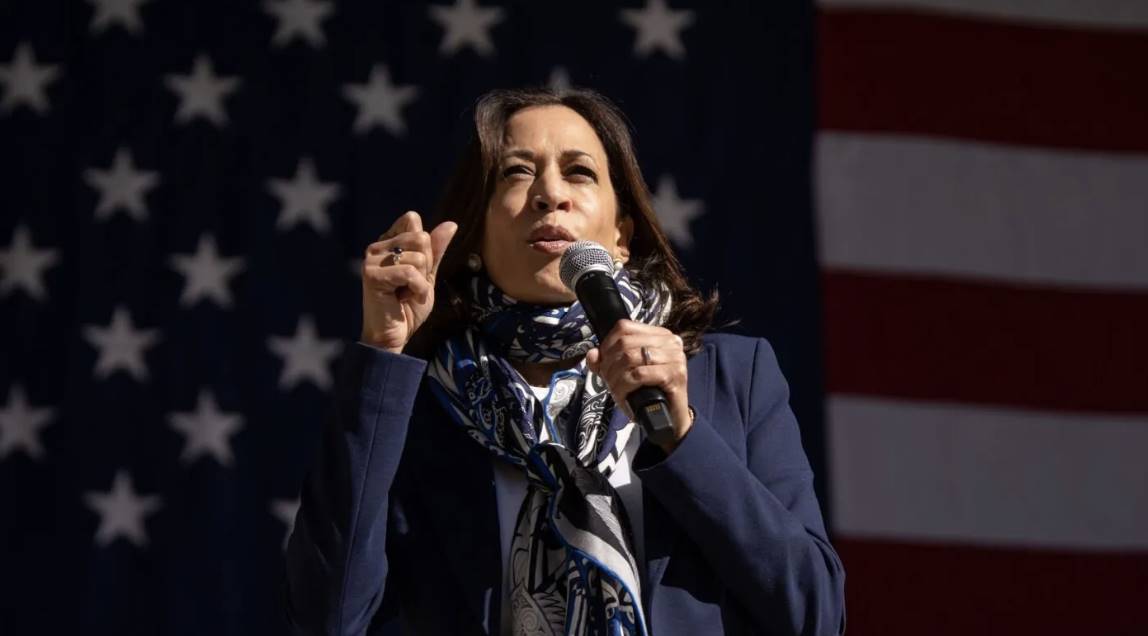
What Are Harris's Potential Running Mates' Stances on Crypto?
TechFlow Selected TechFlow Selected
What Are Harris's Potential Running Mates' Stances on Crypto?
Mainstream polls show Harris's chances of winning have caught up to Trump's.
 Navigating Web3 tides with focused insights
Text by: Sander Lutz, Decrypt
Translation by: Alex Liu, Foresight News
Overview
-
Kamala Harris’s choice of a running mate may signal how she plans to govern if elected, with top contenders showing varying degrees of support or caution toward cryptocurrency.
-
Some contenders like Josh Shapiro and Andy Beshear have actively engaged in or supported crypto-related initiatives at the state level, while others such as Roy Cooper have taken a more cautious approach.
-
Other leading candidates like Gretchen Whitmer and Mark Kelly have less clear crypto stances, but they have political allies who support crypto legislation or have otherwise signaled potential openness to the industry.
Kamala Harris becoming the Democratic presidential nominee has dramatically rewritten the script for how the November election might impact crypto policy. For months, former President Donald Trump appeared to be the pro-crypto candidate, while President Joe Biden stubbornly resisted bipartisan efforts to advance industry-related legislation.
Now, everything has changed.
As billionaire and prominent Bitcoin advocate Mark Cuban told Decrypt, within 48 hours of launching her campaign, Harris’s team reached out to him with multiple questions about cryptocurrency policy. Industry lobbying groups are cautiously optimistic about change, urging Harris to clearly articulate her digital asset agenda and select a crypto-friendly running mate.
How could Harris’s vice-presidential pick influence U.S. crypto policy? With reports indicating her VP announcement is coming this week, here’s a look at the top contenders and their positions on blockchain technology.
Josh Shapiro
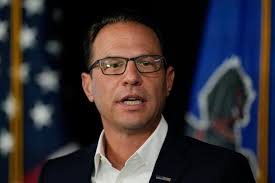
Pennsylvania Governor Josh Shapiro is currently considered Harris’s frontrunner, largely due to his popularity in one of 2024’s most critical swing states. While he hasn’t publicly discussed cryptocurrency, under his leadership Pennsylvania has become one of the hottest markets for Bitcoin mining in the United States.
In fact, Shapiro was recently named as a co-defendant—alongside a publicly traded Bitcoin mining company—in a lawsuit filed by a nonprofit over his administration’s tax policies on energy used by polluting crypto mining operations.
Tim Walz
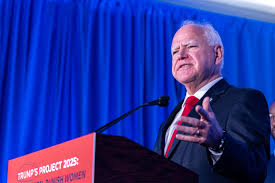
Minnesota Governor Tim Walz is emerging as a dark horse contender for Harris’s vice-presidential slot, with his national profile rising sharply in recent weeks. However, he has never made any public statements on cryptocurrency. As a staunch progressive governor, his stance on blockchain technology could go either way.
On one hand, Walz positions himself as a pragmatist, seeking balance between strong labor unions and a desire to create jobs and foster innovation. On the other hand, he has championed some of the nation’s most progressive energy policies, including signing a bill last year requiring Minnesota to transition to 100% clean energy by 2040.
As a result, unlike other governors on this list, Walz may not enthusiastically embrace energy-intensive cryptocurrency mining—depending on the power sources involved.
Roy Cooper
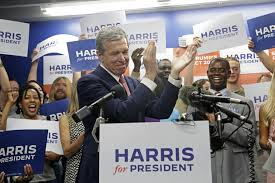
North Carolina Governor Roy Cooper is another potential contender for Harris’s vice-presidential pick, given his presence in a deeply purple state that voted for Trump twice. However, given his rare popularity in the state and expectations that he’ll run for the Senate as a Democratic candidate in 2026, elevating him to a running mate role now could be seen as an unnecessary risk.
On crypto, Cooper issued a clear statement earlier this month by vetoing a bill that would have banned North Carolina from adopting a central bank digital currency (CBDC). Banning CBDCs—or a “digital dollar”—has recently become a major issue among Republicans, who view blockchain-like technologies in government hands as privacy threats.
When vetoing the bill, Cooper spoke about the potential utility of cryptocurrencies, expressing a somewhat cautious yet flexible “wait-and-see” attitude.
“Federal efforts are underway to ensure standards and safeguards are in place to protect consumers, investors, and businesses that might want to engage in digital asset transactions, and North Carolina should wait to see how those work before taking action,” Cooper said at the time.
Gretchen Whitmer
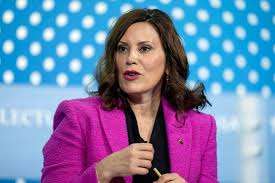
Although Michigan Governor Gretchen Whitmer has publicly stated she does not want to run as Harris’s vice president, reports suggest she is still being vetted for the role.
Whitmer is celebrated as a swing-state powerhouse who has achieved significant success by openly embracing progressive causes, but she has rarely commented on her stance toward cryptocurrency.
However, she is a product of Michigan politics, where Democrats in the Midwest have shown greater willingness than others to pursue cryptocurrency regulatory frameworks.
For example, both of Michigan’s Democratic senators support legislation favorable to the crypto industry. Senator Gary Peters broke with Biden in May to vote for overturning SEC rules banning banks from holding crypto, while Senator Debbie Stabenow has expressed interest in crafting digital asset regulation.
Representative Elissa Slotkin, the leading Democratic candidate to succeed Stabenow upon her retirement in January, currently holds an “A” rating from Stand With Crypto, a pro-industry nonprofit.
Andy Beshear
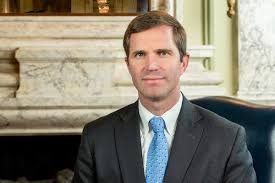
Kentucky Governor Andy Beshear fits the same pattern as many other potential picks on this list: a popular Democratic governor from a predominantly red state.
He is also one of the most overtly pro-crypto politicians in the race for Harris’s vice-presidential slot. In 2021, Beshear signed two bills offering tax breaks and other incentives to attract Bitcoin miners to the state. Since then, Kentucky has become a hotspot for cryptocurrency mining.
As early as 2020, Beshear signed a bill establishing a working group to explore potential use cases for blockchain technology at the state level.
Mark Kelly
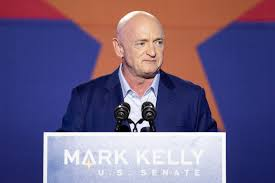
Arizona Senator and former astronaut Mark Kelly won a crucial 2020 election, flipping a long-held Republican seat to the Democrats. Since then, he has built a voting record as one of the Senate’s more right-leaning Democrats.
He has also recently shown support for cryptocurrency. In May, Kelly was among the few Democratic senators who broke with Biden and voted to overturn SEC rules prohibiting banks from holding crypto.
Pete Buttigieg
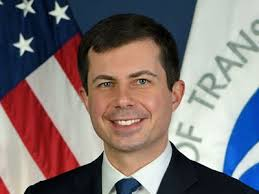
Pete Buttigieg, Harris’s main rival in the 2020 Democratic primary, doesn’t have a track record suggesting deep engagement with crypto policy: first as mayor of South Bend, Indiana, then as Biden’s Secretary of Transportation, the ambitious political prodigy has had little direct interaction with digital assets and has said little on the topic.
But during his brief moment in the national spotlight, Buttigieg made clear he is no enemy of American tech and business interests. The former McKinsey consultant was warmly embraced by billionaire donors and Silicon Valley elites during the 2020 Democratic primaries, despite lacking national political experience.
While his views on cryptocurrency remain unclear, it’s doubtful Buttigieg would emerge as an Elizabeth Warren-level adversary to top U.S. crypto firms.
J.B. Pritzker

Illinois Governor J.B. Pritzker, a billionaire heir to the Hyatt fortune, is one of the most actively pro-crypto Democrats and has been rumored to be joining Harris’s ticket.
“The future of cryptocurrency is in Illinois,” Pritzker declared in August 2021, well before most politicians took a public stance on the subject.
Since then, however, the Midwestern governor has largely refrained from making cryptocurrency a central part of his governance agenda, while continuing to push Illinois as a competitive, business-friendly environment and a hub for emerging technologies like quantum computing.
Vice President Harris has officially become the Democratic Party's presidential nominee, with her VP pick expected to be announced this week. How will markets react? We shall see.
Join TechFlow official community to stay tuned
Telegram:https://t.me/TechFlowDaily
X (Twitter):https://x.com/TechFlowPost
X (Twitter) EN:https://x.com/BlockFlow_News
 Decrypt