UN Report: Terrorist Organizations Use Monero for Fundraising, Tightening Regulatory "Tightening Spell"?
TechFlow Selected TechFlow Selected
UN Report: Terrorist Organizations Use Monero for Fundraising, Tightening Regulatory "Tightening Spell"?
Terrorist organizations such as ISIL have embedded QR codes in their propaganda e-magazines to solicit donations in cryptocurrencies like Monero.
 Navigating Web3 tides with focused insights
Author: Jahnu Jagtap, Cryptotimes
Translation: Felix, PANews
As terrorist organizations adapt to an increasingly digital world and seek new ways to raise and transfer funds, the global fight against terrorism is facing fresh challenges. According to recent findings from a United Nations Security Council monitoring team, the notorious terrorist group ISIL is shifting away from its long-trusted "hawala" system (an informal method of transferring money typically conducted through unauthorized dealers, operating outside the regulatory oversight of central banks like India's, making it difficult to trace the origin of funds) toward cryptocurrencies.
The report indicates that terrorist groups such as ISIL and Al-Qaeda are abandoning traditional fundraising methods—including hawala, kidnapping, and extortion—and are now favoring more "anonymous" cryptocurrencies, particularly Monero, embedding QR codes for donations in their propaganda magazines.
These organizations have even established "halal compliance" frameworks—where "halal," meaning permissible under Islamic law—to promote their ideology and operations. The report states they operate two dedicated crypto channels on the Telegram messaging app, named CryptoHalal and Umma Crypto, which guide supporters on acquiring and using specific digital currencies and accepting cryptocurrency donations approved based on a "preliminary Shariah assessment."
For example, ISIL-K has leveraged the anonymity of privacy coins by launching fundraising campaigns using QR codes linked to Monero wallets. Despite some cryptocurrency exchanges delisting Monero, terrorist groups continue to increase their use of it, making it extremely difficult for authorities to track financial flows.
In August 2020, the U.S. government seized over 300 cryptocurrency accounts, multiple websites, and Facebook pages allegedly belonging to members of Al-Qaeda, ISIS, and Hamas’s military wing.
Notably, ISIL’s expanding use of digital platforms has raised growing concerns among member states. A range of services—including cryptocurrency exchanges, gaming platforms, e-wallets, and stablecoins—are being exploited to raise and move funds. One member state noted that while cash couriers and hawala transfers remain preferred methods for channeling money into conflict zones, ISIL has deliberately shifted toward cryptocurrencies and online payment systems. With increasing adoption of digital means such as e-wallets, prepaid mobile cards, and cryptocurrencies, this trend is expected to become more widespread and significant.
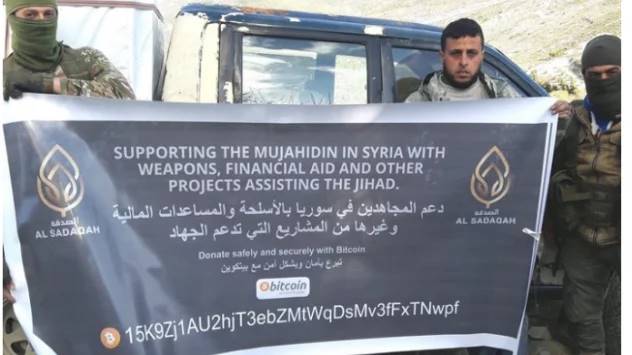
Due to their ability to obscure transaction details, privacy-focused cryptocurrencies like Monero have become the preferred medium for terrorist financing. The UN report highlights the difficulty of monitoring these transactions, as they offer a level of anonymity unmatched by traditional financial systems. ISIL and its affiliates exploit these features for fundraising, ensuring their financial activities remain undetected by authorities.
The report also underscores the complexity of terrorist financing networks. Affiliates of ISIL, especially those in Africa, have made significant contributions to the group’s fundraising. These affiliates often rely on informal channels, making them harder to disrupt. For instance, ISIL-K raised $2.5 million in 2023, some of which may be linked to specific attacks, highlighting the persistent threat posed by these groups.
This strongly worded report from the UN Security Council monitoring team is certain to draw attention from several countries, including the United States, the United Kingdom, European nations, and India. Recently, the U.S. Department of Treasury’s Financial Crimes Enforcement Network (FinCEN) issued a warning urging financial institutions to monitor cryptocurrency transactions potentially linked to the terrorist group Hamas.
Moreover, the implications of this report will also ripple through the cryptocurrency industry, as hardline security agencies may intensify monitoring of asset flows associated with suspicious activities.
Join TechFlow official community to stay tuned
Telegram:https://t.me/TechFlowDaily
X (Twitter):https://x.com/TechFlowPost
X (Twitter) EN:https://x.com/BlockFlow_News
 @CryptoTimes_io