
Crypto airdrops becoming "normalized": bubble or value discovery?
TechFlow Selected TechFlow Selected
Crypto airdrops becoming "normalized": bubble or value discovery?
The return on investment for airdrops is higher than ever before.
 Navigating Web3 tides with focused insights
By Lincoln Murr, Bitpush News
Airdrops have long been one of the hottest topics in the crypto space. Initially, airdrops were simply seen as “free money” distributed by protocols to reward users. However, they quickly evolved into a highly complex system involving points farming, venture capital-backed projects with inflated valuations, and uncertain returns. This article explores the origins and development of airdrops, along with potential future opportunities.
Simply put, an airdrop refers to a protocol retroactively rewarding its platform users with its native token.
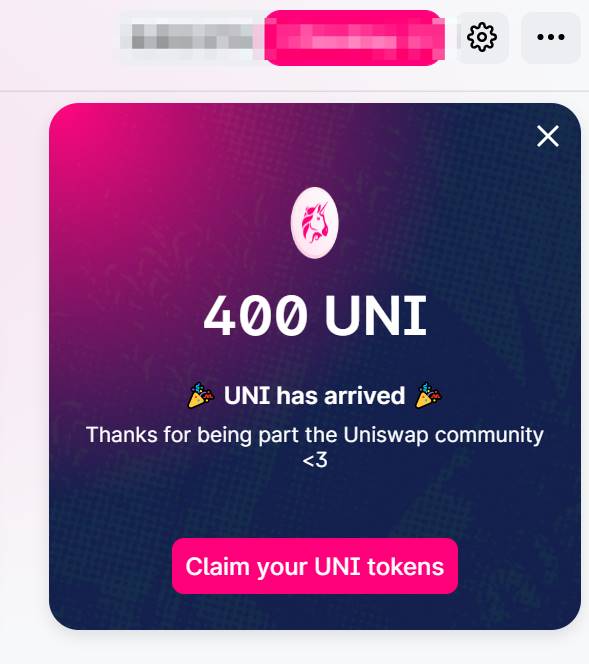
The first major airdrop was conducted by Uniswap in 2021, when it distributed 400 UNI tokens to users who had previously swapped tokens on its exchange. At the time, this was unprecedented—users could earn thousands of dollars simply by making one transaction. The rationale was that the UNI token needed to be decentralized for the DAO to function as intended. Additionally, decentralization helped prevent regulators from classifying the token as a security due to excessive centralization. It also rewarded early contributors—the very users who made the protocol viable in the first place, since without them, any protocol is essentially lifeless.
In the following bear market years, several airdrops occurred from projects like Ethereum Name Service (ENS) and Optimism, though none were particularly large. However, after the Optimism airdrop, users began realizing how easy it was to use multiple wallets to qualify for airdrops and receive thousands of tokens in return.
The first large-scale airdrop of this new era came from Arbitrum in spring 2023, which distributed ARB tokens to all users who had interacted with its Layer 2 network. Due to minimal Sybil resistance, some individuals profited massively, earning millions of dollars across hundreds of wallets. This sparked a wave of airdrop farming and yield chasing. Crypto influencers promoted it as the next path to quick riches, and guides on how to interact with protocols to qualify for various airdrops went viral across social media.

As airdrops became the de facto token distribution model for many protocols, users could easily predict which projects would be the most profitable to farm.
In theory, the highest-valued projects are expected to distribute the most tokens, leading to massive user influxes—providing liquidity, conducting trades, and generally interacting as required by the protocol. With such large user bases, these protocols can demonstrate strong product-market fit to venture capital investors and raise funds at increasingly higher valuations. This creates a flywheel effect: higher valuations attract more farmers, further diluting genuine users and turning protocols into short-term battlegrounds for capital and attention.

We remain in this phase today, albeit with slight evolution—some projects now implement sophisticated points systems requiring users to learn how to earn tokens through specific actions.
Points systems were popularized initially by NFT marketplace Blur and Layer 2 project Blast, but are now widely adopted across protocols. These points resemble credit card rewards or other loyalty programs that ostensibly hold no intrinsic value—yet everyone knows they will eventually be converted into tradable, sellable assets: tokens.
While this adds transparency to the farming process, it has also created a side effect—turning participation into a single-minded mining activity. Back in 2020, before regulatory concerns took hold, projects directly issued tokens to users to encourage protocol engagement, as seen in SushiSwap’s “vampire attack” on Uniswap. Today, the same phenomenon occurs, except users don’t know exactly how many tokens they’ll receive or at what price, relying instead on community-built calculators and spreadsheets for rough estimates. As a result, airdrops have transformed from a simple mechanism to reward real users into a complex game—making it difficult to determine whether you’re genuinely contributing or merely being farmed yourself.
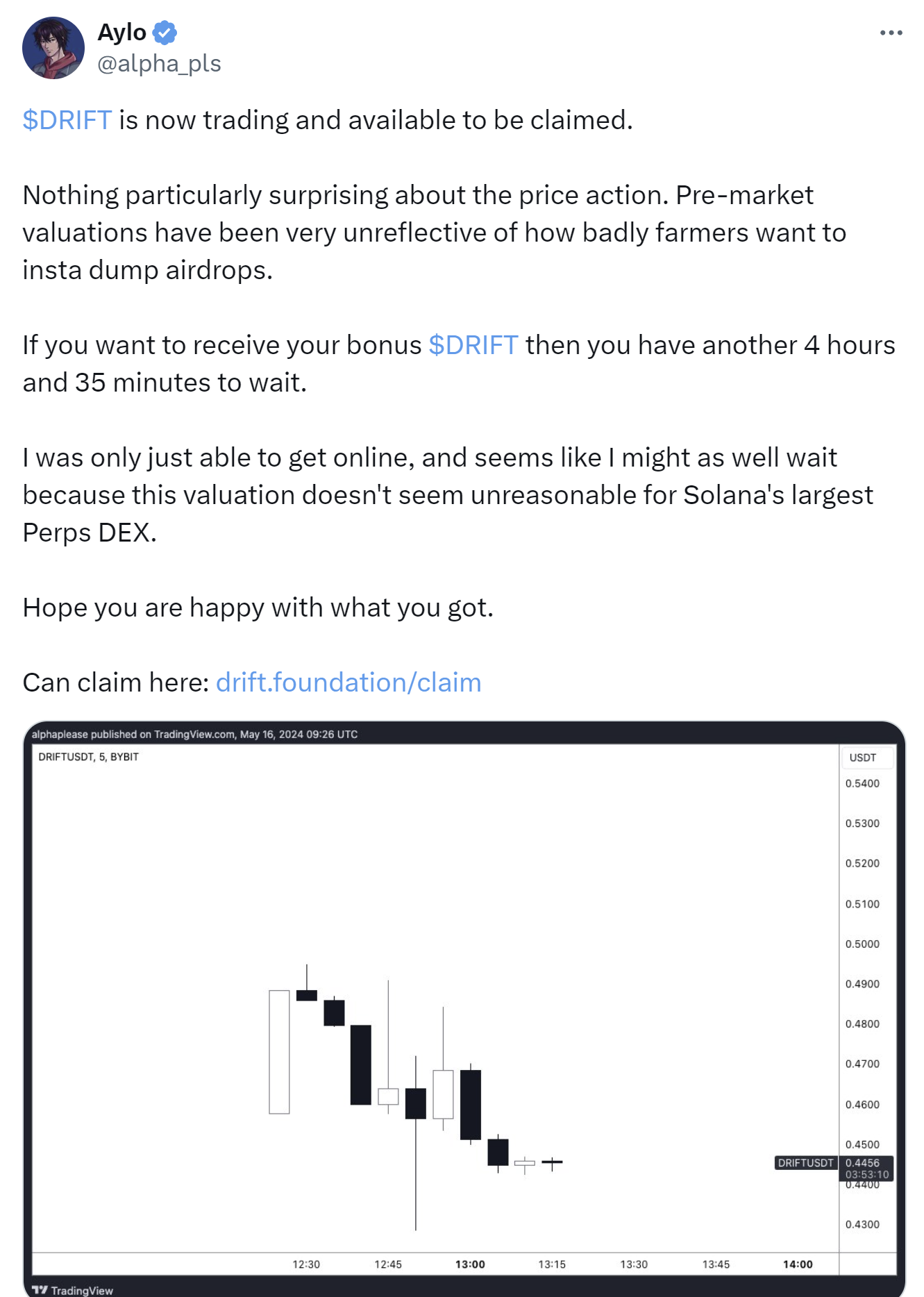
Recently, numerous projects have completed their airdrops during the bull market. While these tokens often experience initial price surges upon release, the trend is immediate sell-off, as users dump them for safer assets. This reinforces the idea that points are merely high-risk yield instruments. It also exacerbates a deeper issue: these tokens are launched with billion-dollar valuations backed by major venture capital firms. When a token launches already near—or even above—its fair market value, retail investors are left with little room for profit, and authentic communities around the token struggle to form.
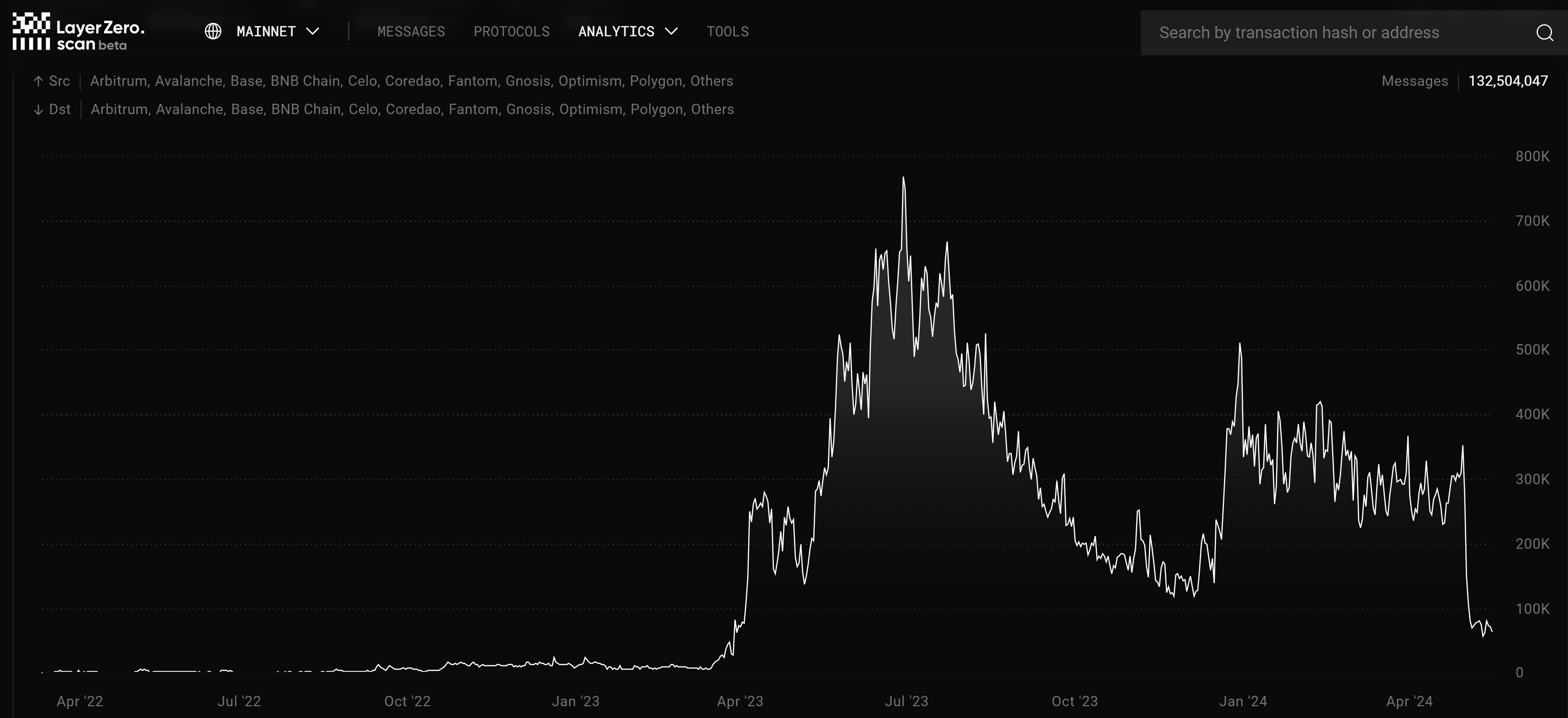
This is evident in the ongoing LayerZero airdrop, which has been speculated about for over a year and recently had its first snapshot taken. As shown in the chart below, user activity on the protocol immediately declined afterward, as speculative users exited, leaving behind only the so-called “real” users.
That said, there are still projects worth engaging with—those offering high annual yields on ETH and stablecoins. For example, Scroll L2, EigenLayer and its liquid restaking protocols (such as EtherFi), and decentralized market makers like Elixir offer attractive returns. Still, everything remains speculative, ultimately depending on how much the team decides to distribute, whether there will be multiple rounds of airdrops, etc. True value is hard to assess.
Although airdrops originally served as a great way for decentralized projects to reward users for their time and opportunity costs while incentivizing capital inflow into ecosystems, they’ve since evolved into mechanisms that allow protocols to artificially inflate valuations, enable insiders to cash out, leave retail investors holding the bag, and ultimately trigger community backlash. When executed well, airdrop participation can still yield strong investment returns—but the effort-to-reward ratio is higher than ever. As protocols, user preferences, and regulatory landscapes continue evolving, airdrops will keep adapting, and are likely to remain a fixture in the foreseeable future.
Join TechFlow official community to stay tuned
Telegram:https://t.me/TechFlowDaily
X (Twitter):https://x.com/TechFlowPost
X (Twitter) EN:https://x.com/BlockFlow_News
 比推 BitpushNews