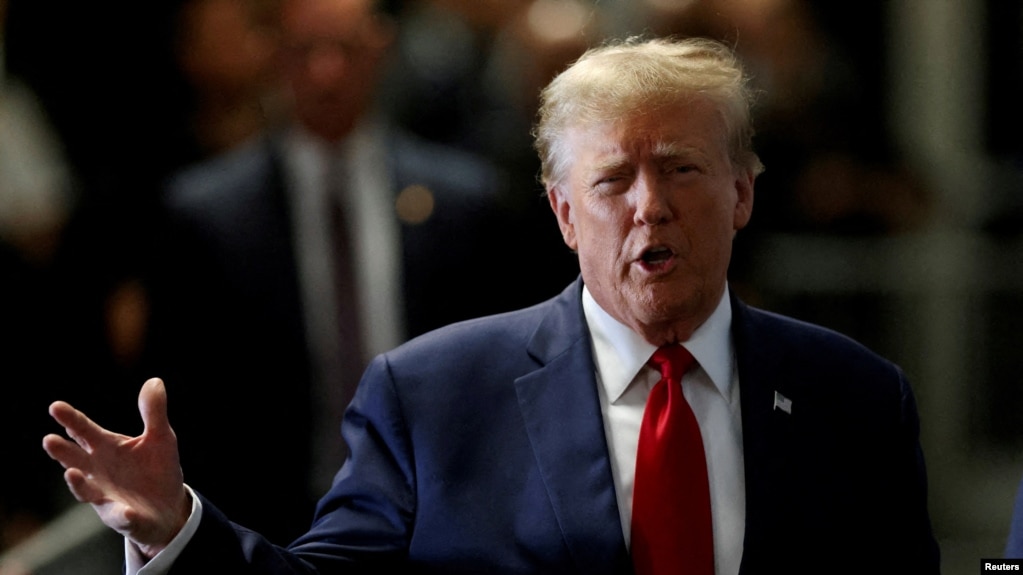
Because of Trump, "white left" and crypto enthusiasts are clashing
TechFlow Selected TechFlow Selected
Because of Trump, "white left" and crypto enthusiasts are clashing
Cryptocurrency is becoming an important issue in the U.S. election, but the relationship between cryptocurrency and politics remains unclear.
 Navigating Web3 tides with focused insights
Author: shushu
Ethereum gas fees have dropped to 3 gwei, and the market seems quieter than during a bear market. Yet, just over this past Mother's Day weekend, an article sparked heated discussions across the English-speaking crypto community.
What Did the Blockworks Column Say?
On May 11, Molly Jane Zuckerman, a writer for crypto media outlet Blockworks, published a column titled "Only a Fool Would Vote Solely on Crypto," with the subtitle: "Americans shouldn't place their selfish economic interests above broader social and moral issues."
The article argues that both U.S. presidential candidates are attempting to exploit the crypto industry for money and votes, while questioning whether cryptocurrency should be a major election issue. It challenges how essential crypto really is to individuals and whether it's worth sacrificing attention to other ethical and societal concerns for its sake.

Molly Jane believes that the politicization of crypto has led some candidates to use it as a tool to attract supporters—even if they don’t genuinely understand or support the technology.
She also posted on her social media account: "Crypto Twitter behaved especially poorly this week, showing support purely because a politician supports crypto. Crypto isn’t worth sacrificing your principles—voting on crypto shouldn’t come at the expense of your conscience." She added, "If you're only thinking about voting based on crypto, I suggest you think twice."
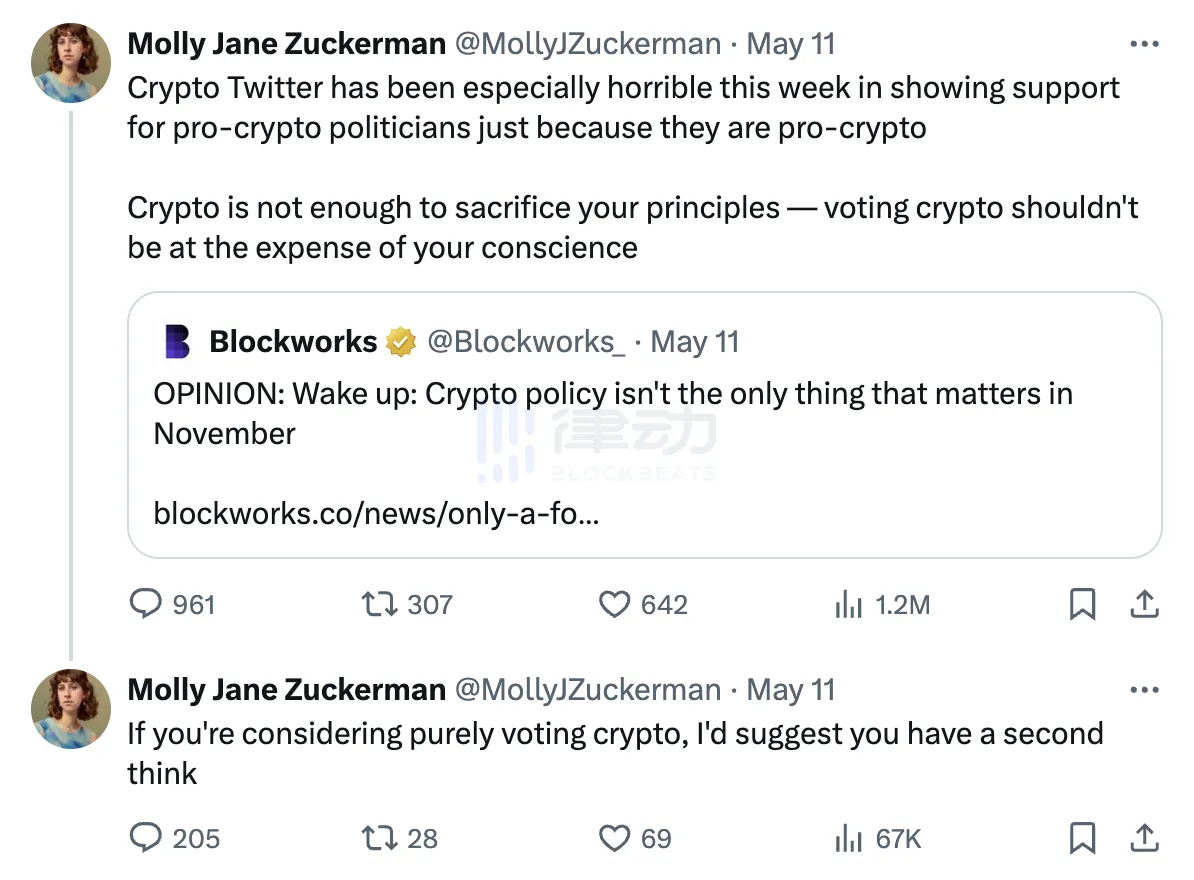
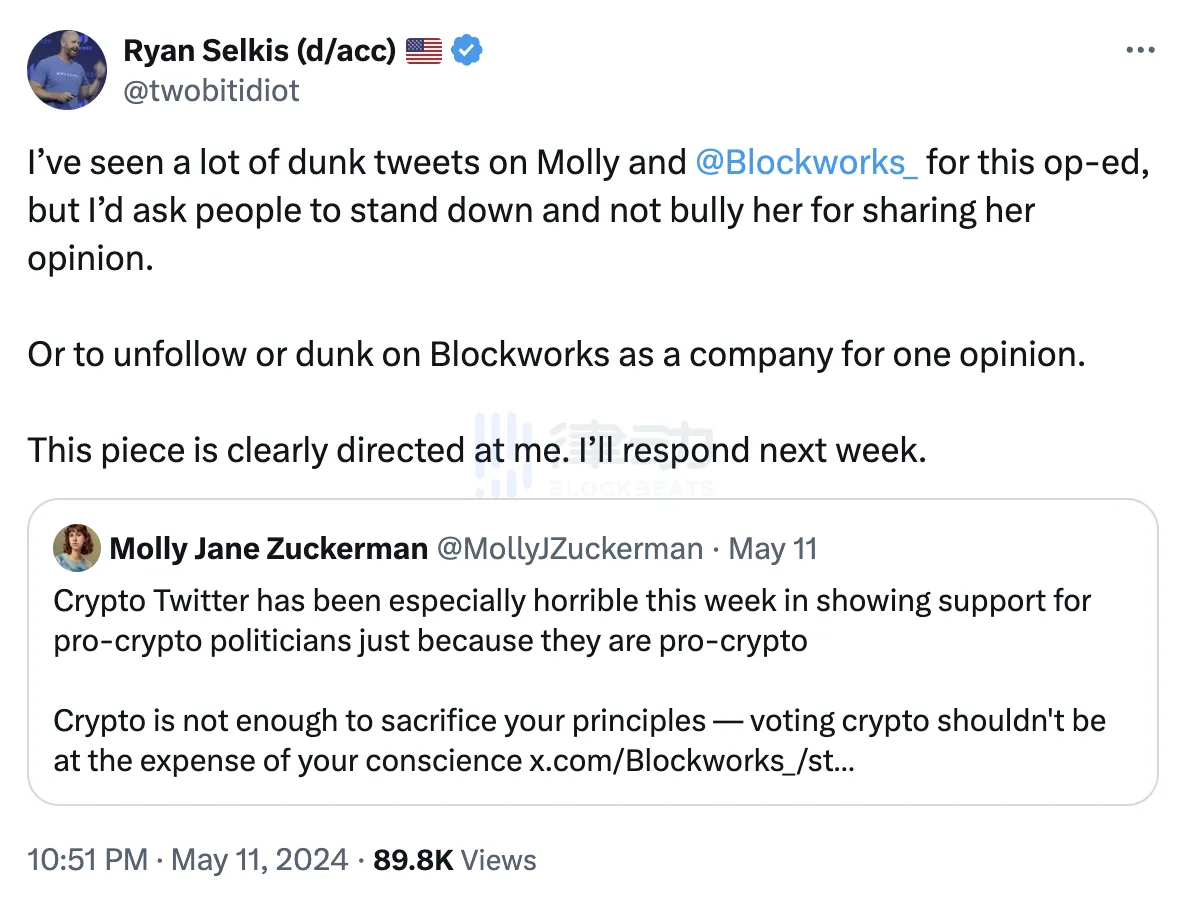
After this sharply worded and controversial piece went viral on Twitter, Messari CEO Ryan Selkis stepped in, stating the article was directed at him and that he would respond next week.
Ryan said he recognized many provocative elements from Molly and Blockworks in the column, but urged people to pause and not bully her simply for expressing her opinion.
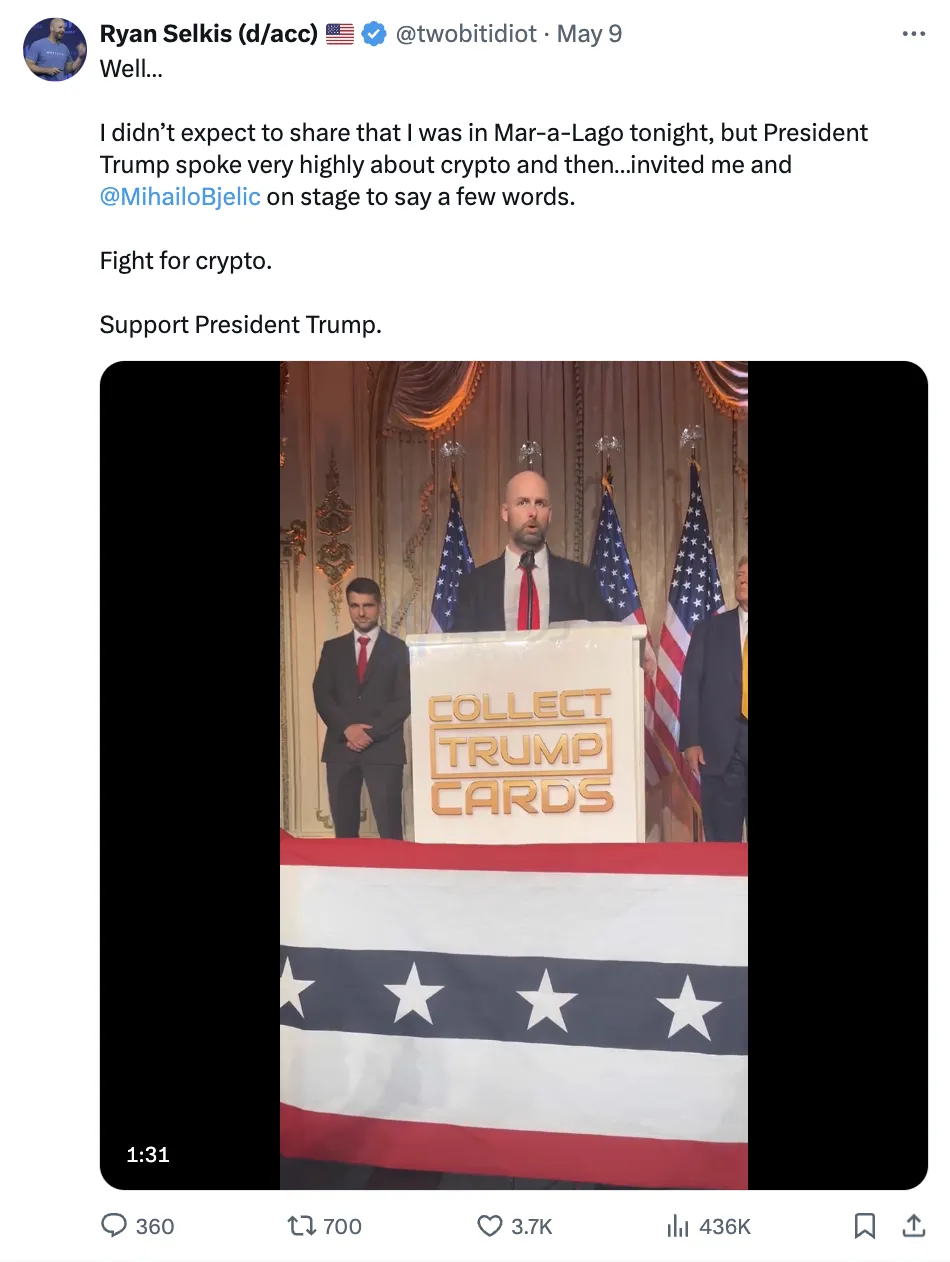
Ryan likely felt targeted because just last week he publicly declared that Trump must be elected president in November. “All in,” he said. That same day, Ryan attended a private dinner hosted by Trump in Florida, where Trump stated, “If you’re in favor of crypto, you’d better vote for Trump.”
Ryan later tweeted: “President Trump spoke highly of crypto and invited me and @MihailoBjelic (founder of Polygon) onstage to say a few words. Fight for crypto. Support President Trump.”
Returning to Molly’s article, she wrote that some staunch crypto evangelists now believe “voting for crypto” means supporting the Republican candidate, claiming any alternative choice would lead to the demise of the U.S. crypto industry. “This fear (real or not) has driven some prominent figures in Web3 to push crypto supporters toward becoming single-issue voters. Their goal is clear—to select the 2024 candidate solely based on their stance on crypto.”
A single-issue voter is someone who votes based on a candidate’s position on one specific policy. In Molly’s view, many voters focus exclusively on a candidate’s attitude toward crypto while ignoring their broader political platforms, placing personal financial interest above wider social and moral issues. This may explain why Ryan believed the article was aimed at him.
On May 13, Blockworks founder Yano responded to Molly’s column and the ensuing debate. Yano emphasized that Blockworks is neither progressive nor conservative but serves as a platform for individuals with opinions to express themselves and share their perspectives on debates. He said, “Blockworks is for those who want to engage in difficult conversations, hear both sides of an argument, understand the facts, and then decide where they stand on the topic.”
While Yano’s response remained calm and measured, the community continues to widely debate Molly’s article and the broader implications of U.S. elections on cryptocurrency.
Is Cryptocurrency Political? What Does the Community Think?
With the SEC pressing forward and the Biden administration taking anti-crypto actions, the crypto community remains on edge. “This crypto news site just destroyed its credibility with one article—who thought calling your audience ‘fools’ and ‘selfish’ was a good idea?” asked one reader. Others directly questioned: “Are you encouraging readers to vote against crypto?” Clearly, Blockworks’ article does not align with prevailing sentiment in the current climate.
Mert Mumtaz, CEO of Solana ecosystem development platform Helius, said: “This is one of the most shortsighted pieces I’ve ever seen. Love it or not, crypto is political. Financial freedom, reducing the scope of the state, digital ownership, new forms of finance—these are deeply important and inherently political. It’s disheartening that people in our industry don’t truly believe in this mission—if you don’t believe, you shouldn’t be here.”
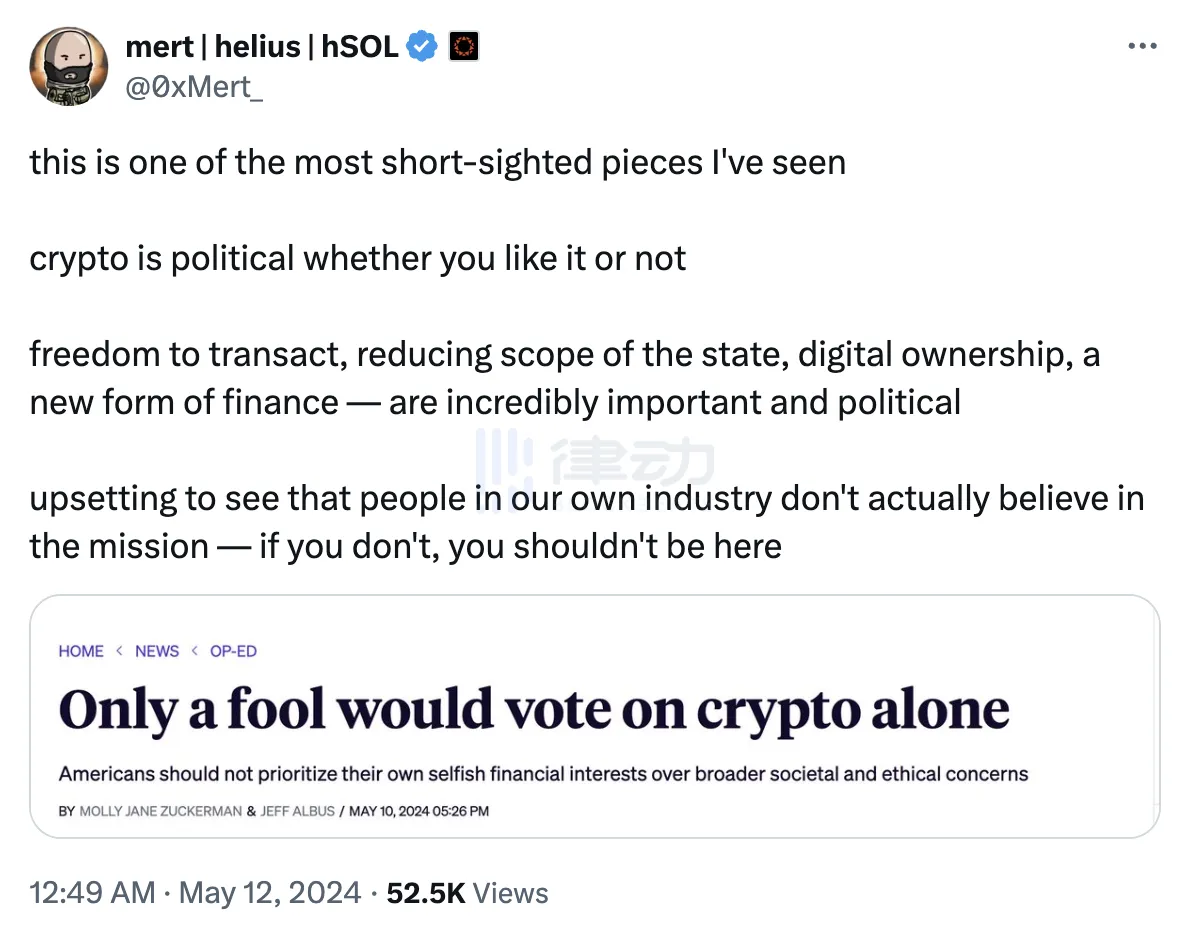
Responding to Molly’s claim about single-issue voters, Mert elaborated: “The problem with crypto isn’t that it’s a ‘single issue’—it’s like saying math or the internet is a single-issue vote. Crypto ties into economic policy, freedom, the role of government, entrepreneurship, business, ownership, privacy, and innovation.”
Other representative views noted that negative reactions stemmed largely from the article’s condescending tone. Molly implied voters’ motivations are purely greedy, yet “most of us are motivated ideologically—advocating transparency, meritocracy, fairness, resistance to censorship (free speech), and innovation.”
“While I might disagree with Blockworks’ column (and tone), I appreciate that the publication allows diverse internal opinions to be expressed. Whether you agree or not, I actually trust them more because of it.”
The debate over whether cryptocurrency is political continues.
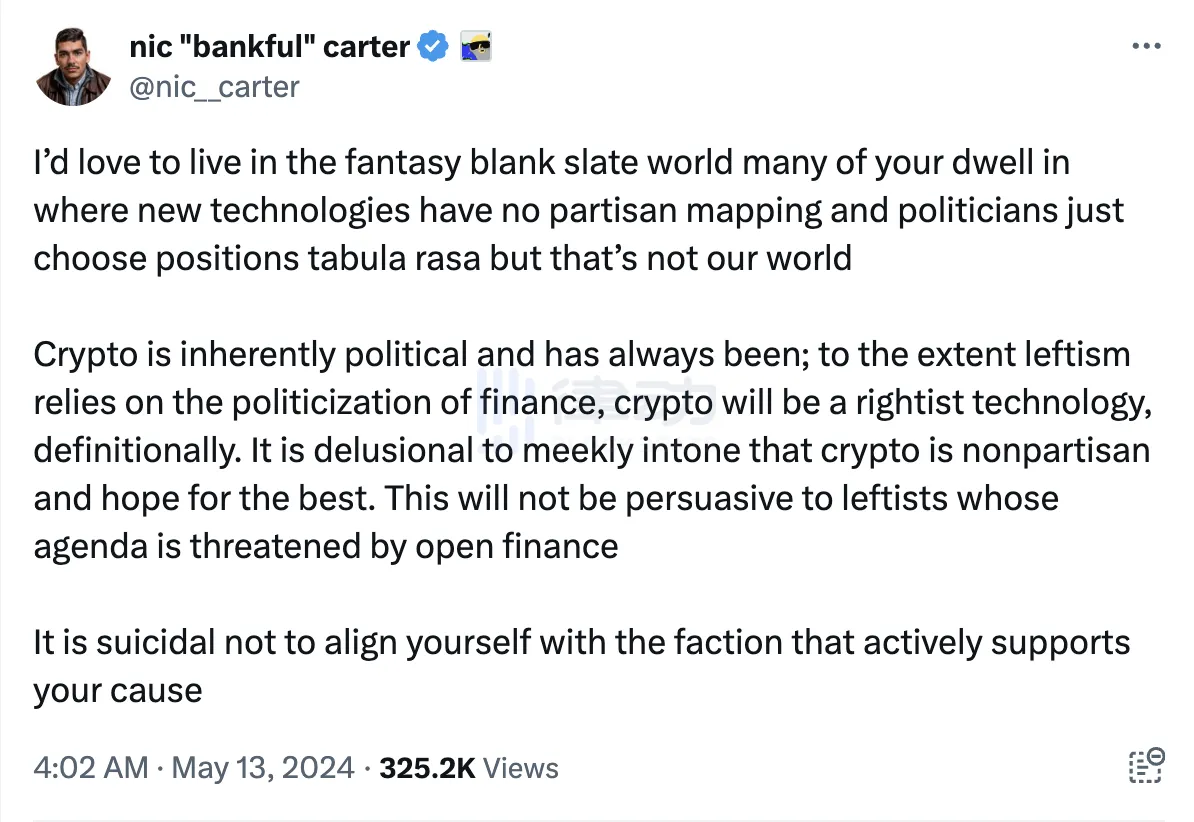
Nick Szabo, known as the father of smart contracts, and Nic Carter, co-founder of Castle Island Ventures, also posted: “I’d love to live in the fantasy world many of you inhabit—one where new technologies aren’t partisan, where politicians adopt blank-slate positions—but that’s not our reality.
Crypto is inherently political, and always has been. If the left relies on financial centralization, then by definition, crypto becomes a right-wing technology. Meekly suggesting crypto is nonpartisan and hoping for the best is delusional. It won’t convince left-wingers whose agendas are threatened by open finance.
Refusing to ally with factions actively supporting your cause is tantamount to suicide.”
Uniswap founder Hayden Adams also took to social media this morning, saying: “Hillary campaigning in red states instead of swing states was a serious miscalculation by the Biden camp—they assumed crypto wouldn’t matter in the 2024 election and allowed the SEC and Senator Elizabeth Warren to wage total war on it, both electorally and financially.
Republicans quickly seized the opportunity and began strongly supporting crypto.
Biden has little time left to salvage the situation. Anyone close to him or Democratic leadership should make clear how serious this is and urge an immediate reversal of his stance on crypto—public support, concrete plans, and curbing the power of the SEC and Warren.”
Laura Shin, founder of crypto media Unchained, previously shared her political views, noting that certain factions within the Biden administration have turned crypto into a political issue. However, many Democrats are still crypto supporters and have repeatedly crossed party lines to voice their backing.
“In my view, it’s unwise for the crypto industry to back only one side. If that side loses, the situation for crypto could worsen. A better strategy seems to be avoiding alignment with those treating it as a partisan issue and instead cultivating relationships with politicians from both parties—ensuring allies no matter which side gains power.”
Join TechFlow official community to stay tuned
Telegram:https://t.me/TechFlowDaily
X (Twitter):https://x.com/TechFlowPost
X (Twitter) EN:https://x.com/BlockFlow_News
 BlockBeats