Exclusive Interview with Astar Founder: Accelerating Real-World Web3 Adoption in Japan and Developing zkEVM L2 for Ethereum Expansion
TechFlow Selected TechFlow Selected
Exclusive Interview with Astar Founder: Accelerating Real-World Web3 Adoption in Japan and Developing zkEVM L2 for Ethereum Expansion
Astar is a multi-chain smart contract platform that currently supports various EVMs on Ethereum.
 Navigating Web3 tides with focused insights
By 1912212.eth, Foresight News
The blockchain wave is sweeping the globe, yet true innovation still seems to originate primarily in the United States. A common narrative suggests that the West excels at innovating foundational protocols, while the East specializes in platforms and operations. Beyond such generalizations, every country now sees its own blockchain projects emerge. When mentioning South Korea, Terra’s collapse comes to mind; for India, Polygon’s explosive performance during the last bull market stands out; for Hong Kong, China, Conflux—the homegrown public chain—is notable. But what about Japan?
Japan was globally renowned in the latter half of the 20th century for its excellence in electronics manufacturing, giving rise to a cluster of globally prominent Fortune 500 companies. However, it fell significantly behind during the subsequent internet revolution, failing to produce any major new brands since. Now, amid the blockchain wave, Japan has designated this technology as a national strategy, aggressively accelerating its development. As Japan’s largest public blockchain project, Astar Network is actively expanding its ecosystem. Astar is a multi-chain smart contract platform currently supporting all EVM-compatible chains.
Recently, Foresight News sat down with Sota Watanabe, founder of Astar Network, to uncover the story behind the project.
Sota’s first trip abroad was to India during his freshman year of university, where he personally witnessed the severity of poverty and environmental issues—experiences that sparked his desire to address these global challenges. He later joined a U.S.-based blockchain research firm before deciding to return home to launch his own venture, becoming a researcher at the University of Tokyo and co-developing his public blockchain project with friends.
This year, Astar not only launched Staking V3 and updated its tokenomics but also partnered with Polygon to roll out Astar zkEVM, marking its entry into the Layer 2 space.
Japan vs. Western Markets
Foresight News: Let’s start with your personal background. You’ve mentioned your time in India and how it led you to blockchain. Could you elaborate on how you entered this industry?
Sota: My experience in India exposed me to many social challenges, which motivated me to find ways to create real change. When I discovered blockchain, I saw it as a powerful tool capable of addressing these issues. It was a new technology full of possibilities, and there weren’t yet too many so-called experts dominating the space. This made it an ideal field for me to dive into and make an impact, ultimately leading to the creation of Astar Network.
Foresight News: Blockchain projects remain heavily concentrated in Europe and North America, though Asia-Pacific is rapidly growing and catching up. What are your thoughts on the cultural and technological differences between these two regions?
Sota: The Western world leads in blockchain because they take more risks and are willing to support novel ideas. However, the Asia-Pacific region is catching up quickly, especially in terms of technical expertise and talent ready to adopt these technologies. In Japan, the government genuinely supports blockchain, helping drive its development. These regional differences aren't just challenges—they're also opportunities. They represent chances for us to collaborate and expand blockchain's global footprint.
Foresight News: From a global perspective, Japanese blockchain projects are relatively few. Why did Astar Network choose to develop in Japan?
Sota: Although Japan has fewer blockchain projects compared to other Web3 hubs like the U.S. or Singapore, Astar Network chose Japan due to the country’s proactive stance toward innovation and technology. Japan offers a unique ecosystem characterized by strong governmental support for technology, advanced technical infrastructure, and a highly skilled talent pool. This environment is conducive to pioneering blockchain advancements. This strategic decision reflects our belief in leveraging Japan’s technological strengths and regulatory framework to lead in blockchain innovation, laying the foundation for growth and adoption both domestically and globally.
Foresight News: What cultural or technical advantages and disadvantages have you encountered building a blockchain project in Japan?
Sota: In Japan, we benefit from a favorable environment where people value new technologies and the country boasts a robust technical system. Additionally, Japan is improving in establishing blockchain regulations, which is helpful. However, challenges exist—Japanese corporations tend to be very cautious and slow to change, especially regarding emerging technologies like blockchain. Moreover, strict regulations can mean it takes longer for new innovations to gain traction here.
Despite these challenges, Japan remains a strong place to develop blockchain projects because of the trust people have in technology here and our reputation for building high-quality products. In the long run, this helps us build robust and trustworthy projects.
Foresight News: Do you think Japan’s policies toward blockchain are relatively friendly or strict?
Sota: Japan takes a balanced approach. As one of the first countries to regulate cryptocurrency exchanges, it has shown openness and supported the development of the technology. However, certain regulations—such as those around cryptocurrency taxation—are considered strict. The government aims to maintain a balance between innovation and regulation, promoting blockchain growth while ensuring security and compliance.
Astar Expands into L2 with zkEVM
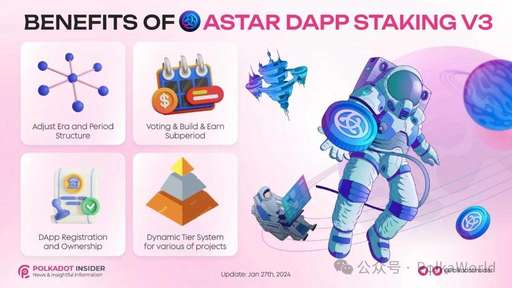
Foresight News: Astar Network has been very active recently. We’ve seen the release of Staking V3—what major updates does it include?
Sota: The new dApps Stake V3 makes earning rewards easier, enhances security, and simplifies how developers manage applications on Astar Network. It’s designed to make things simpler and more secure for every participant.
Foresight News: We’ve also noticed Astar launching zkEVM. What’s your view on zkEVM? Why is Astar focusing in this direction?
Sota: Astar Network has formed a strategic partnership with Polygon Labs to launch Astar zkEVM, aiming to enhance Ethereum’s scalability with support from Polygon’s technology. This collaboration seeks not only to advance Ethereum but also to accelerate broader adoption of Web3 technologies in markets including Japan. By leveraging Polygon’s Chain Development Kit (CDK), Astar zkEVM will introduce innovative Layer 2 solutions that contribute to the Ethereum community.
Global Expansion
Foresight News: Ethereum NFTs have been quiet for quite some time. In your view, why is that? Has Astar Network made any progress or have any thoughts on NFTs?
Sota: The NFT space on Ethereum may appear quiet, but behind the scenes, activity continues. At Astar Network, we’re exploring new use cases for NFTs beyond collectibles—such as in finance and gaming. We’re also making NFT transactions cheaper and more efficient. Importantly, we’re collaborating with Japanese enterprises to integrate NFTs into real-world applications, aiming to innovate in areas like digital art and entertainment. Through these efforts and strategic partnerships like the one with Polygon, we’re working to revitalize the NFT ecosystem and make it more relevant to a broader audience.
Foresight News: Will Astar consider expanding beyond Japan into other parts of Asia-Pacific, or will it focus solely on the Japanese market?
Sota: As Astar Network, our vision extends from Japan to the entire Asia-Pacific region and beyond. While Japan is our foundation, the potential and diverse demands across the Asia-Pacific markets are substantial. Our goal is to build a Web3 ecosystem that meets local needs while enabling global connectivity. Our journey began in Japan, but our vision is to become a bridge for Web3 in Asia-Pacific and globally.
Join TechFlow official community to stay tuned
Telegram:https://t.me/TechFlowDaily
X (Twitter):https://x.com/TechFlowPost
X (Twitter) EN:https://x.com/BlockFlow_News
 Foresight News