








2024 Singapore Fund Structure Establishment and Regulatory Requirements (Virtual Assets)
TechFlow Selected TechFlow Selected
2024 Singapore Fund Structure Establishment and Regulatory Requirements (Virtual Assets)
Crypto funds or virtual asset funds typically have two available paths for establishment.
 Navigating Web3 tides with focused insights
Author: Aiying
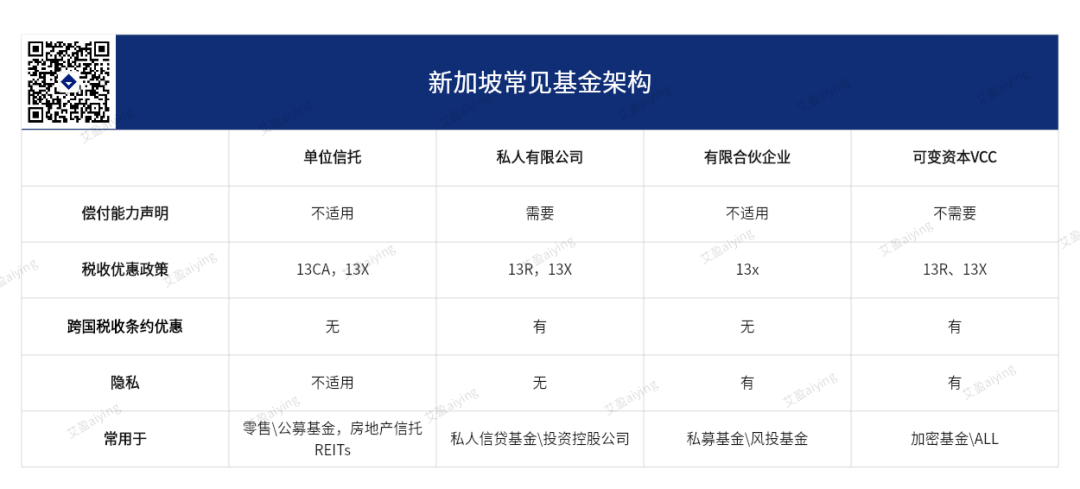
Following our previous article, "Overview of Licensing Requirements and Exemptions for Virtual Asset Fund Management in Singapore in 2024", which introduced Singapore's crypto funds—Licensed Fund Management Companies (LFMCs) and two scenarios for exemption from licensing—this article will now focus on fund structures. The common fund structures used in Singapore are illustrated below:
For cryptocurrency or virtual asset funds, the following two establishment pathways are typically available:
1. Choose not to apply for a license and directly invest in non-security-type cryptocurrencies, leveraging specific exemption conditions to avoid becoming a licensed manager.
2. Alternatively, the fund can adopt a traditional private fund structure established by a fund manager registered or authorized by the Monetary Authority of Singapore (MAS), using the Singapore Variable Capital Company (VCC) corporate form.
Today, we will primarily discuss the establishment of VCCs in Singapore and the latest compliance and regulatory requirements:
Introduction to VCC
On January 15, 2020, the Monetary Authority of Singapore (MAS) and the Accounting and Corporate Regulatory Authority (ACRA) jointly launched the Variable Capital Company (VCC) framework. At that time, the VCC was a new corporate structure in Singapore designed for various investment funds, offering fund managers greater operational flexibility and significant cost savings.
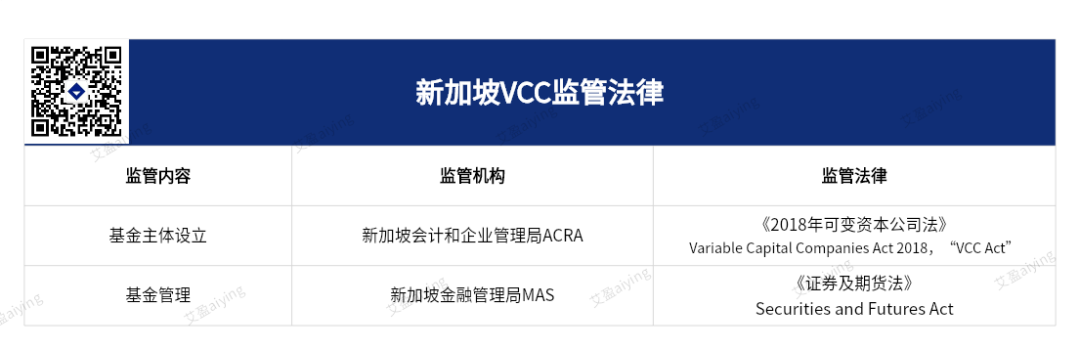
1. Regulatory Framework Governing VCCs
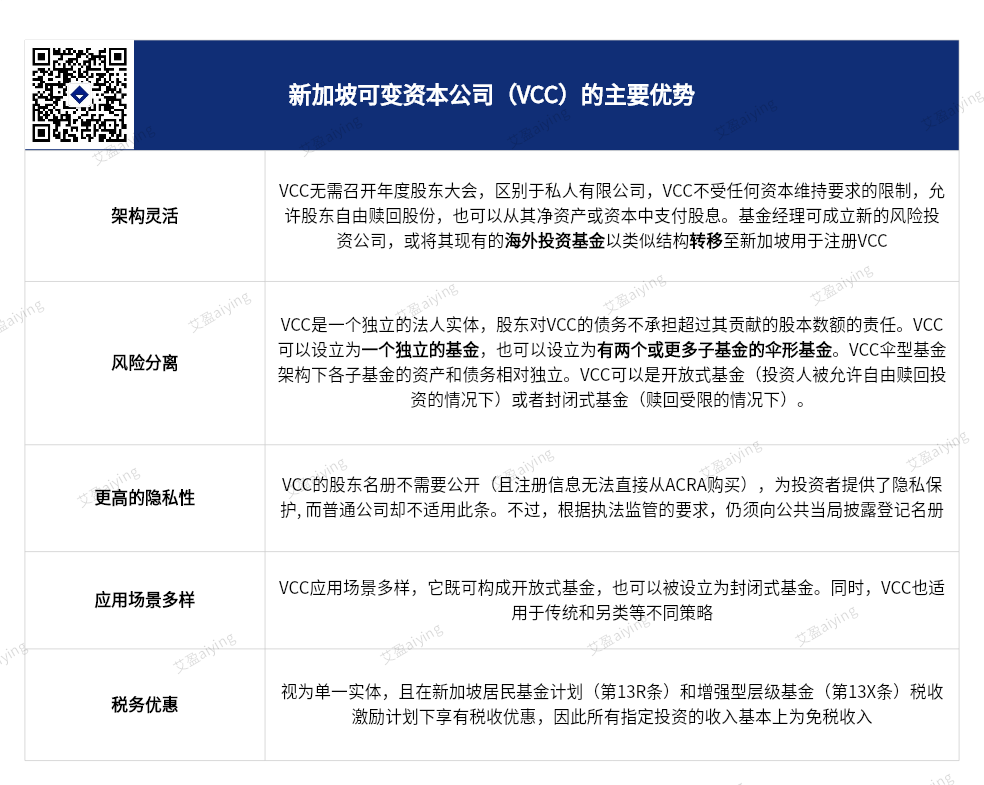
2. Key Advantages of the Singapore Variable Capital Company (VCC)
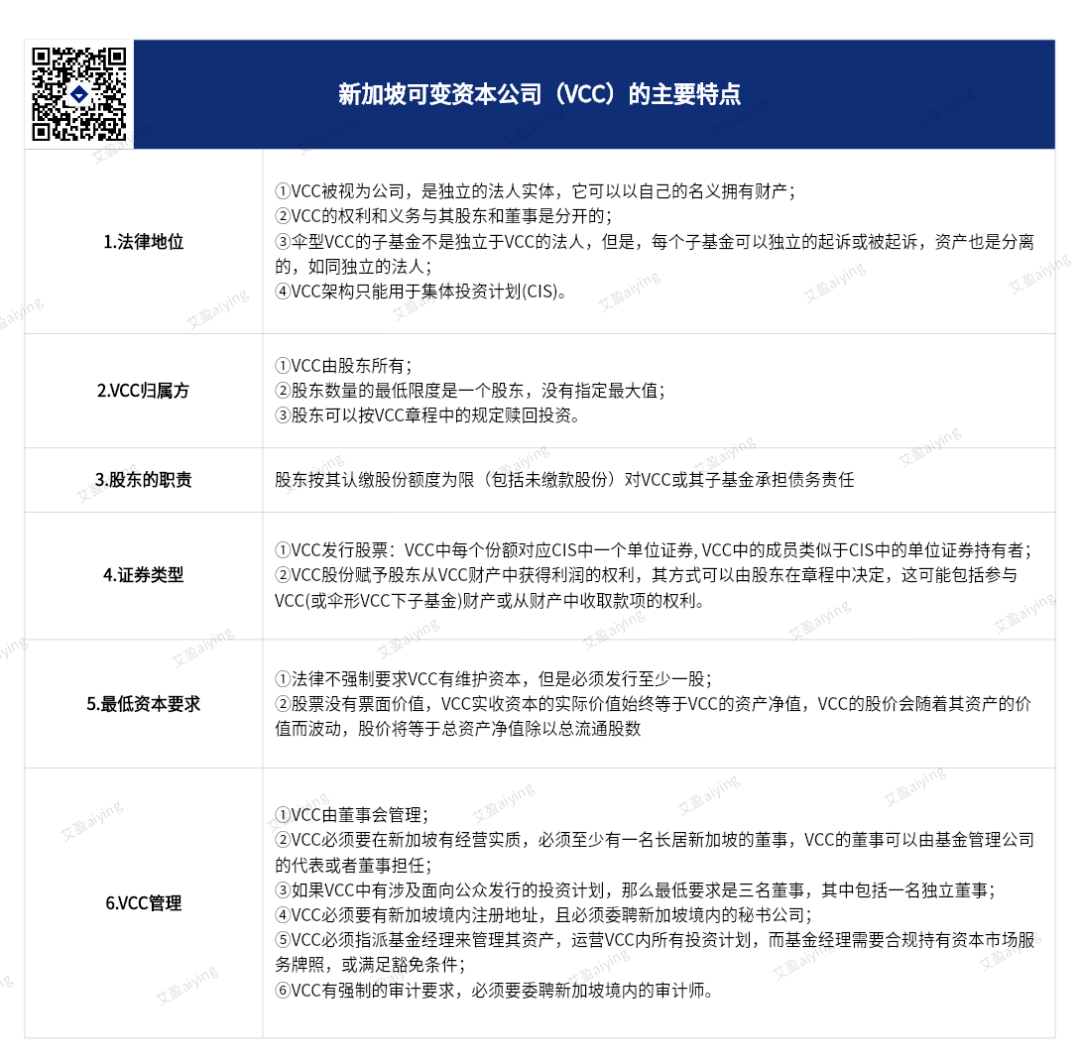
3. Key Features of the Singapore Variable Capital Company (VCC)
4. VCC Fund Basic Structure
1. Standalone VCC
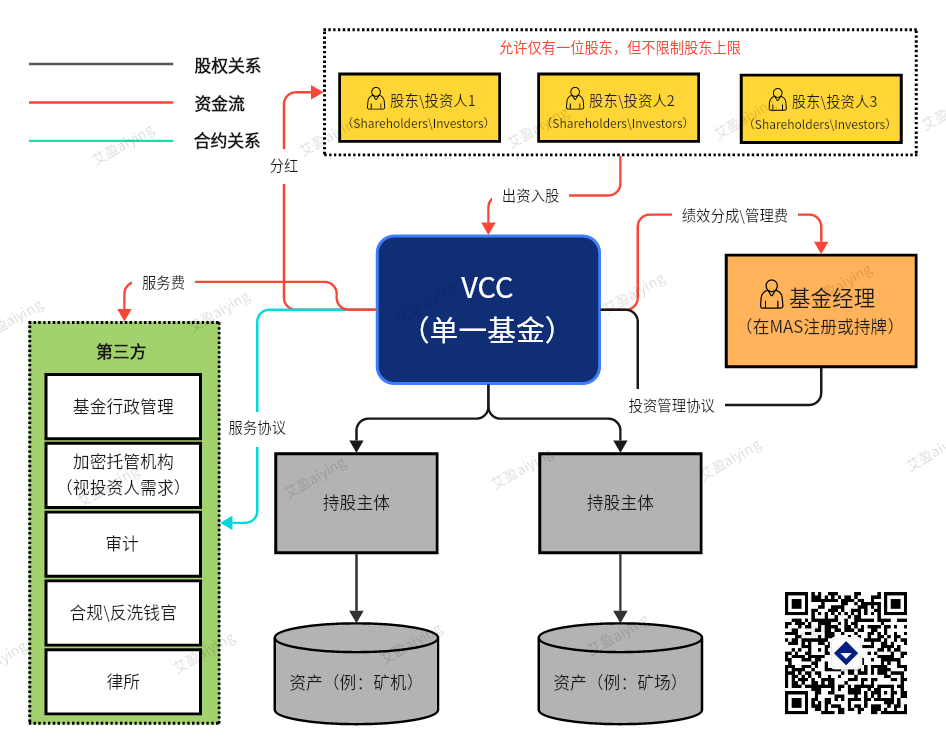
The standalone VCC structure is similar to the traditional Singapore incorporated company fund structure. Investors become shareholders of the VCC by holding its shares, conduct investment activities through the VCC, and indirectly hold assets of the underlying invested companies. A standalone VCC contains only a single investment portfolio.
2. Umbrella VCC
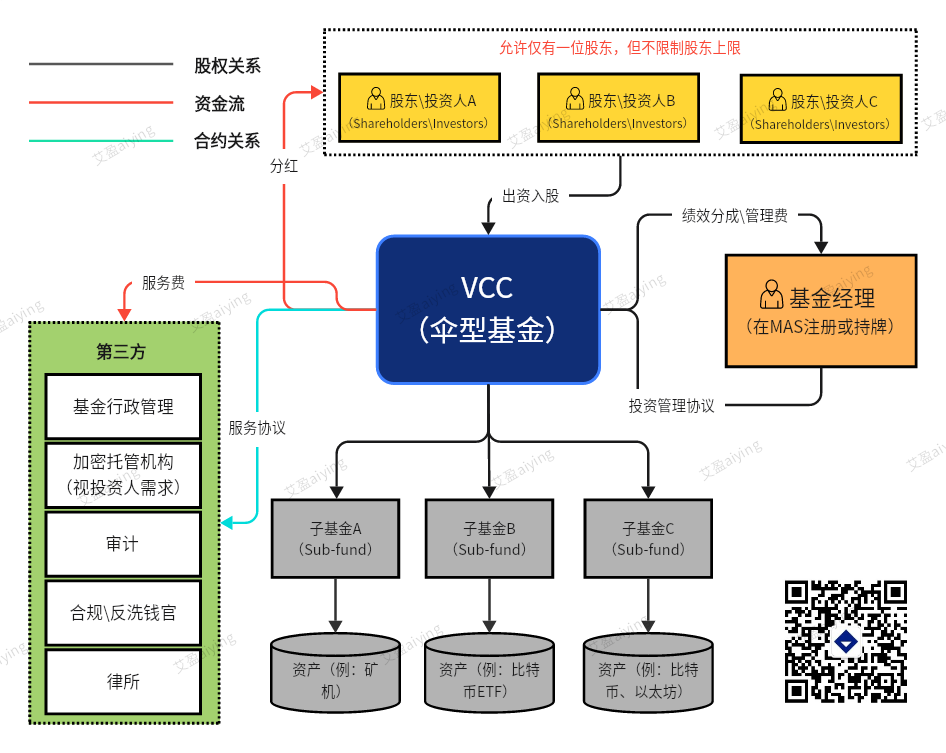
An umbrella VCC is a single legal entity comprising multiple sub-funds. Sub-funds do not have separate legal personality, but they may have different shareholders/investors, investment objectives, and strategies. The umbrella VCC structure offers several distinct advantages as follows:
Assets and liabilities among sub-funds, and between sub-funds and the VCC, are segregated
Although sub-funds lack independent legal status, under Section 29 of the VCC Act, the assets of any sub-fund cannot be used to settle the liabilities of the VCC or any other sub-fund. Liabilities of each sub-fund must be met solely by its own assets. Upon liquidation, each sub-fund is wound up separately. This provision is mandatory, and any conflicting terms in the VCC constitution, agreements, or contracts are void.
As such, each sub-fund under an umbrella VCC enjoys a high degree of independence. The operations of one sub-fund are unaffected by the dissolution or liquidation of another, thereby ensuring continuity and maximizing investor protection.
High operational efficiency with lower costs
The main VCC and its sub-funds constitute a single legal entity. At the governance level, sub-funds can share a single board and service providers, including the same fund manager, custodian, auditor, and administrative agent. Operationally, consolidated accounting, joint shareholder meetings, and combined prospectus preparation are permitted.
Given these operational benefits, investors often prefer the umbrella VCC structure. The typical investment model involves investors subscribing for Participating Shares (defined below) issued by a designated sub-fund. The VCC enters into investment documentation on behalf of the sub-fund, granting investors shareholder status in the sub-fund. The sub-fund then invests in target companies, enabling investors to indirectly hold interests in those companies.
5. VCC Registration Process
According to official Singapore guidelines, the VCC registration process is summarized as follows:
Step 1: Name Approval
1. Select an appropriate name (not already registered, offensive, or prohibited by the Ministry of Finance), ending with "VCC".
2. Once approved, the name is reserved for 120 days, within which registration must be completed. Otherwise, the applicant must reapply.
Step 2: Determine VCC Type
Decide whether it will be a standalone VCC or an umbrella VCC. In an umbrella VCC, assets and liabilities among sub-funds are legally segregated.
Step 3: Provide Registered Office Address
The registered office address is where the VCC receives correspondence and notices, and where statutory registers and records are kept. This is typically provided by a local company secretary.
Step 4: Prepare the VCC Constitution
The constitution must include the following:
1. The key characteristics of the VCC;
2. Rules governing its management;
3. Procedures for conducting business;
4. Rights and responsibilities of directors, shareholders, and the company secretary.
A copy of the constitution must be submitted during registration. While the constitution is not publicly accessible at the registry, it must be disclosed to Singapore authorities upon request for supervisory or enforcement purposes.
Step 5: Register the VCC
Upon successful registration, the VCC will be issued a Unique Entity Number (UEN), which can be used for transactions with ACRA or other government agencies. Processing time ranges from 14 to 60 days.
Step 6: Sub-Fund Registration (if applicable)
Sub-funds can only be registered under an existing umbrella VCC. Required information includes:
1. Proposed name of the sub-fund;
2. Date of establishment.
If converting from a standalone VCC to an umbrella VCC, the change must be updated within 14 days. If additional government approvals are required, sub-fund registration may take up to 3 working days.
6. Annual Maintenance and Compliance Obligations
VCC funds must file annual returns and submit audited financial statements on time. Before preparing the annual return and financial reports, the fiscal year and financial year-end must be confirmed.
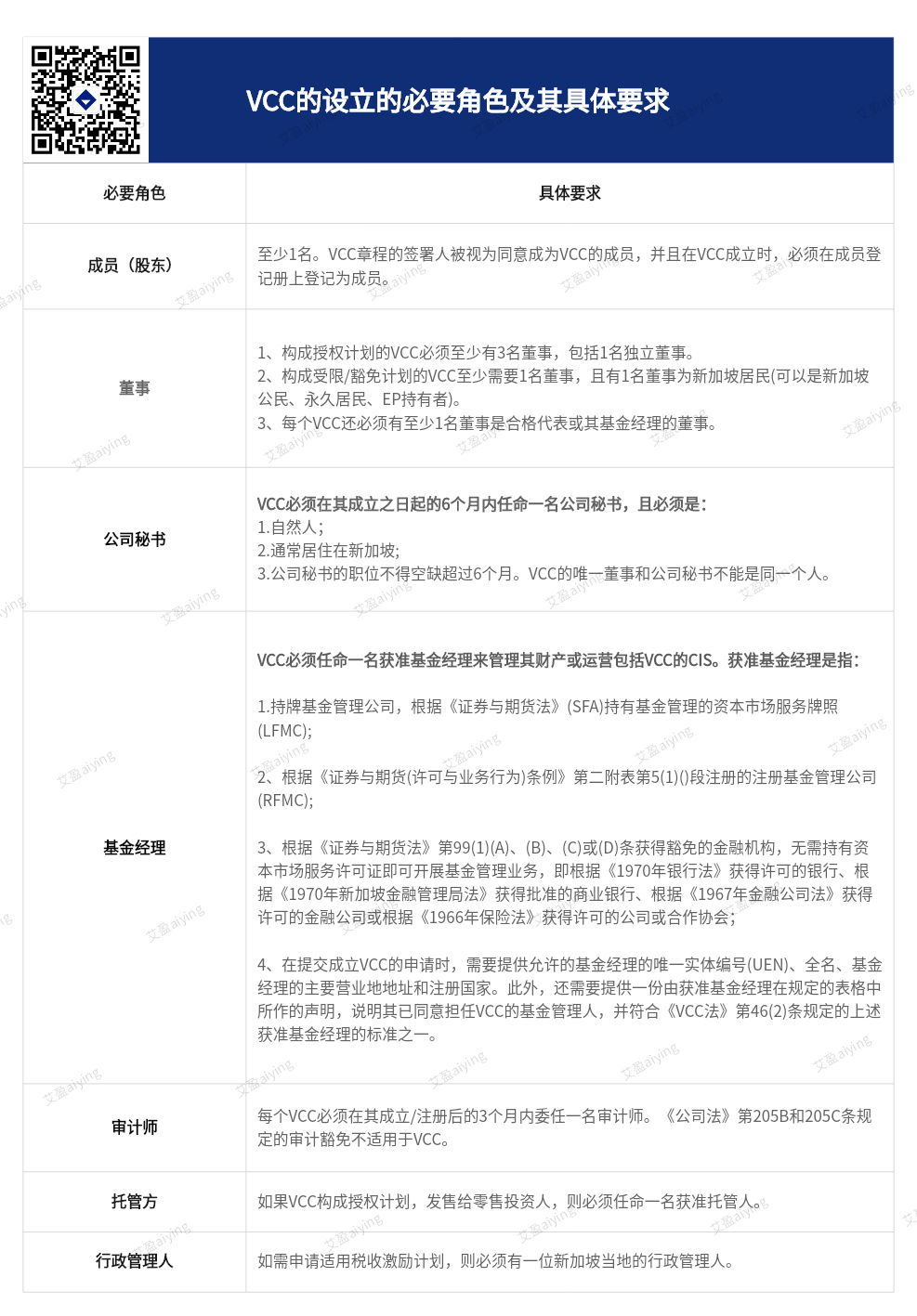
7. Key Roles and Requirements During Establishment
Join TechFlow official community to stay tuned
Telegram:https://t.me/TechFlowDaily
X (Twitter):https://x.com/TechFlowPost
X (Twitter) EN:https://x.com/BlockFlow_News
 Aiying Compliance











