Why has the Bitcoin price stagnated?
TechFlow Selected TechFlow Selected
Why has the Bitcoin price stagnated?
Bitcoin's fundamental outlook is mixed.
 Navigating Web3 tides with focused insights
Author: Yashu Gola, cointelegraph
Translation: Shan Oba, Jinse Finance
Bitcoin's price is stuck in consolidation, with market sentiment divided—on one hand, increasing institutional investment brings optimism, while on the other, concerns over potential miner selling exert downward pressure.
Bitcoin (BTC) is trading sideways, reflecting market uncertainty and hesitation following last week's approval of spot Bitcoin ETFs.
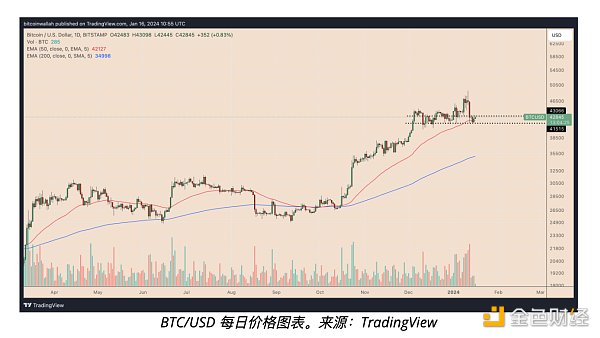
As of January 16, BTC prices have been hovering between $41,550 and $43,000. This stagnation has persisted despite a brief breakout above $49,000 earlier in the month, followed by a retreat back into the current range.
Bitcoin’s price stability can be attributed to several factors discussed below.
Lackluster Reaction to Bitcoin ETF Approval
The breakout above $49,000 appeared to coincide with the U.S. approval of 11 spot BTC ETFs, including those from BlackRock and Fidelity. However, prices subsequently dropped around 10%, an outcome anticipated by some analysts.
This suggests the market had largely priced in the approval. The absence of a strong rebound after the ETF greenlight indicates investors had already adjusted their expectations accordingly.
Decline in Bitcoin Market Dominance
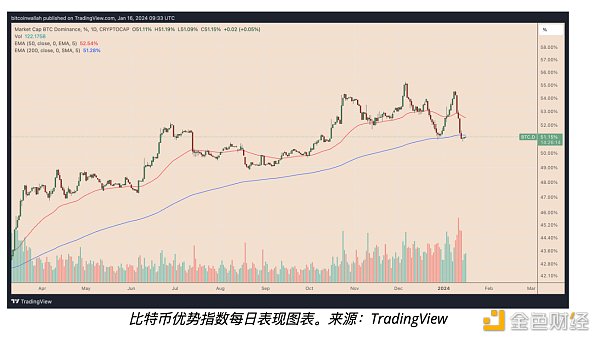
Bitcoin’s market dominance index fell from a local high of 54.56% to 51.14% within a week.
Rise of Ethereum
The main reason for Bitcoin’s declining dominance is ETH’s 8.5% rally, accompanied by similar gains across other altcoins. This indicates that after the ETF approval, traders may have shifted capital from Bitcoin to the altcoin market, where they perceive better risk-reward ratios—especially with a potential spot Ethereum ETF on the horizon.
Mixed Fundamental Outlook
A key positive fundamental signal for Bitcoin is the growing inflow of capital into Bitcoin investment funds, particularly amid rising excitement around spot Bitcoin ETFs.
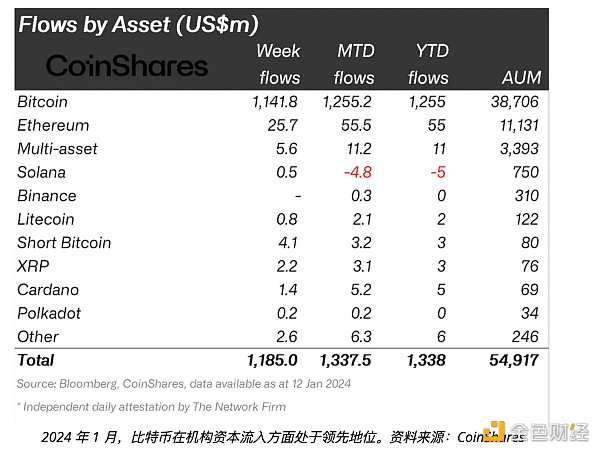
These Bitcoin funds attracted $1.25 billion from institutional investors in the first two weeks of 2024—nearly 55% of the total inflows seen throughout the previous year. This surge underscores strong institutional confidence in Bitcoin’s long-term value and potential.
However, this bullish fundamental trend is being offset by miners.
Growing concerns exist that rising Bitcoin mining hash rates could lead miners to sell their Bitcoin holdings more quickly. Some anticipate that after the April 2024 halving, Bitcoin mining costs will rise significantly, potentially pressuring the BTC price.
To date, Bitcoin miners have transferred over $1 billion worth of Bitcoin to cryptocurrency exchanges.
Koreans Buy, Americans Sell
Bitcoin’s current sideways price movement coincides with a noticeable trend of increased buying in South Korea offsetting selling pressure from the United States. The Kimchi Premium Index, which measures the price difference of Bitcoin between Korean and global crypto exchanges, shows Bitcoin trading at a 3–4% premium in South Korea.
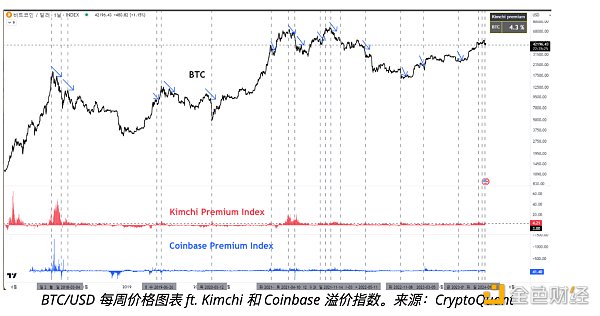
Meanwhile, the Coinbase Premium Index—which compares the USD Bitcoin price on Coinbase Pro with the USDT price on Binance—has turned negative, indicating more sellers than buyers in the U.S.
Neutral Relative Strength Index
From a technical standpoint, Bitcoin’s range-bound price action aligns with its daily Relative Strength Index (RSI) returning to a neutral zone.
When both conditions occur simultaneously, it typically indicates that market sentiment is balancing out, with neither bulls (buyers) nor bears (sellers) gaining control.
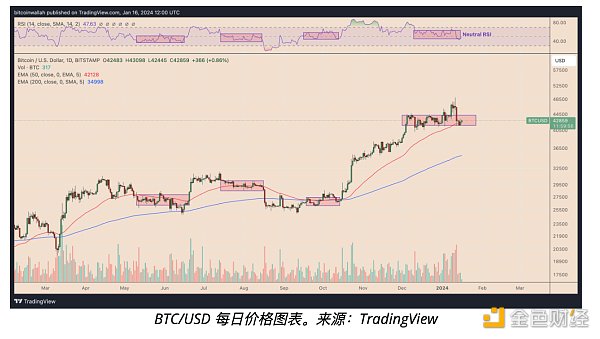
Investors may be waiting for further signals before making significant moves, resulting in reduced volatility and less directional price movement.
Join TechFlow official community to stay tuned
Telegram:https://t.me/TechFlowDaily
X (Twitter):https://x.com/TechFlowPost
X (Twitter) EN:https://x.com/BlockFlow_News
 @Cointelegraph