Fed meeting minutes suggest end of current rate hike cycle, but timing of rate cuts remains unclear
TechFlow Selected TechFlow Selected
Fed meeting minutes suggest end of current rate hike cycle, but timing of rate cuts remains unclear
Powell said, "We won't wait until inflation reaches 2% before cutting interest rates—that would be too late."
 Navigating Web3 tides with focused insights
By Nick Timiraos
Translated by Mary Liu, BitpushNews
The minutes from the Federal Reserve's meeting on December 12–13, released early Thursday Beijing time, indicate that the Fed has completed its current rate-hiking cycle but provided no meaningful debate about when to begin cutting rates.
The minutes show that while nearly all officials expect the policy rate will eventually decline by the end of this year, uncertainty over how to navigate the next phase of monetary policy is growing.
Some policymakers expressed unease about holding rates too high for too long. The minutes noted they emphasized "the downside risks to the economy from a prolonged restrictive stance." They warned that labor market softening could "shift gradually from modest easing to a more abrupt downturn."
At the same time, the minutes indicated other policymakers believe "circumstances may require keeping the target rate at its current level longer than they currently anticipate." Richmond Fed President Tom Barkin said Wednesday that such an approach might be necessary if inflation remains well above the Fed’s 2% target.
Between March 2022 and July 2023, the Fed held 12 policy meetings, raising rates at 11 of them. Since then, as inflation cooled, the committee has maintained the benchmark federal funds rate in a range of 5.25% to 5.5%, the highest level in 22 years.
Chair Jerome Powell’s comments on December 13 created some confusion. While his remarks and the economic projections released after the meeting suggested that the Fed’s next move is more likely to be a rate cut, the Fed retained its formal guidance stating that risks to the economy require higher rates for now.
As a result, markets increased bets on rate cuts this year, triggering a sharp rebound in both stock and bond markets toward the end of 2023.
Investors now expect the central bank to begin cutting rates at its second policy meeting in March. The Fed’s next meeting is scheduled for January 30–31.
The minutes reassured investors that the Fed’s rate hikes are having their intended effect. Notably, the latest minutes omitted previous references to inflation being “unacceptably high.”
However, the minutes also showed that officials might become cautious again if financial conditions ease too much, making it harder to sustain progress on slowing the economy and bringing down inflation.
With inflation and wage growth slowing, the U.S. economic outlook has brightened recently. If weakness exceeds officials’ expectations, it could give the Fed greater room to cut rates quickly—and even open the door to cuts without ending the expansion.
A year ago, many economists expected Fed officials would need to raise rates high enough to create significant slack—such as unemployed workers and idle factories—to meaningfully slow inflation. But supply chain recovery and a surge in labor force participation have helped curb wage and price pressures without causing broad economic weakness.
The minutes offered little insight into how officials view the path for rate cuts. Officials noted that the risk of inflation being higher than expected at year-end had diminished, but the minutes highlighted disagreements over how much improvement should be expected.
Last month, some officials argued that the easiest part of fighting inflation was complete, as supply chains and the labor market had fully recovered from pandemic-related disruptions. This could mean the Fed needs to keep rates higher than the level required to restrain economic activity.
Barkin, speaking in Raleigh, North Carolina, said: “After decades without pricing power, businesses—especially those under profit pressure—are unlikely to stop raising prices unless forced by customers or competitors. If so, I worry we’ll need to do more to reduce demand and convince price setters that the era of inflation is truly over.”
Others, however, see continued potential for supply-side improvements that could extend the relatively cost-free disinflation and raise questions about when to cut rates.
Fed officials are finding it increasingly difficult to temper market expectations for earlier and larger rate cuts, largely because inflation has cooled faster than central bankers anticipated.
Last month, Fed officials projected core inflation (excluding volatile food and energy prices) would reach 3.2% by year-end, half a percentage point lower than their forecast three months earlier. Data received during the Fed’s last meeting suggested continued progress. According to the Commerce Department, core inflation over a six-month annualized basis fell to 1.9% in November. The Fed’s inflation target is 2%.
Powell sparked market enthusiasm by noting that some officials at the policy meeting described their own outlooks for rate cuts. In the days following the meeting, several officials pushed back publicly against expectations of an imminent pivot. Powell’s top deputy, New York Fed President and vice chair of the rate-setting committee John Williams, later clarified that rate cuts were not the main focus of the meeting.
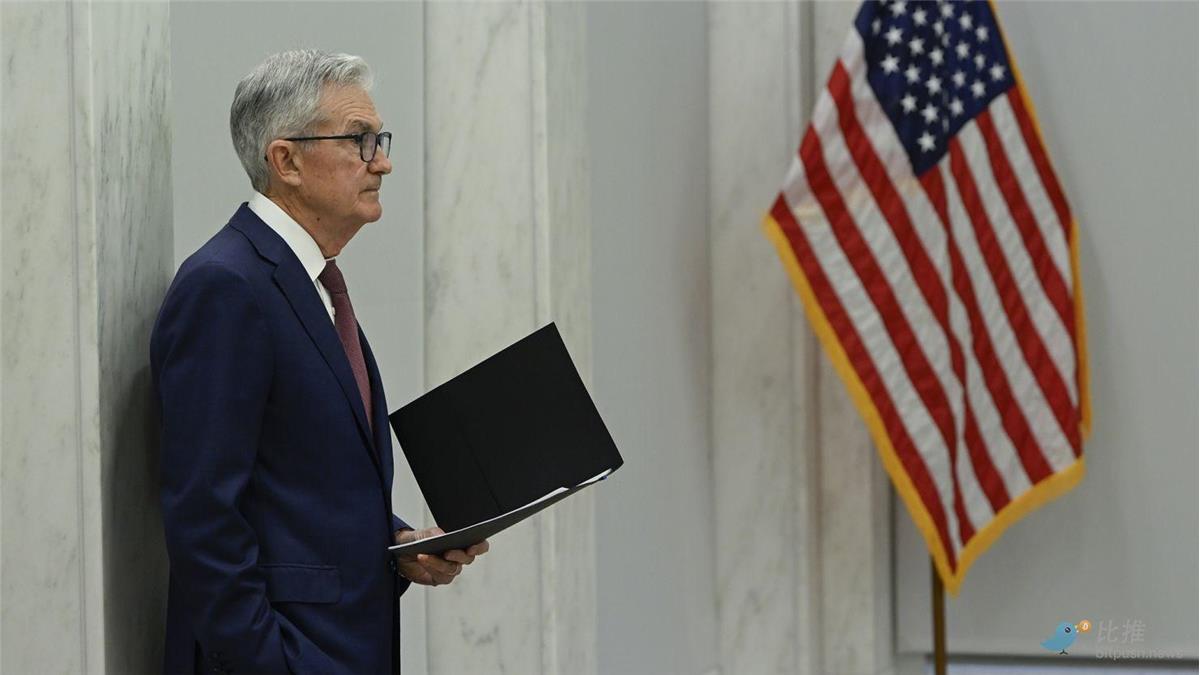
Analysts found Powell’s comments last month notable because he expressed greater concern than before about the risk of keeping rates too high for too long, which could unnecessarily harm the economy. "We’re aware of the risk of holding tight for too long," he said. "We’re very focused on not making that mistake."
Powell also reiterated his view that rate cuts could come next year as inflation approaches the 2% target. Keeping rates steady as inflation falls would cause inflation-adjusted interest rates—or "real" rates—to rise, which the Fed does not want. Policymakers could lower nominal rates simply to prevent real rates from becoming overly restrictive.
"We won’t wait until inflation is at 2% to cut rates—that would be too late," Powell said.
Join TechFlow official community to stay tuned
Telegram:https://t.me/TechFlowDaily
X (Twitter):https://x.com/TechFlowPost
X (Twitter) EN:https://x.com/BlockFlow_News
 比推 BitpushNews