Cosmos and Layer3: Can You Only Choose One?
TechFlow Selected TechFlow Selected
Cosmos and Layer3: Can You Only Choose One?
The competition between Cosmos and Layer 3 primarily centers on how to balance flexibility and performance.
 Navigating Web3 tides with focused insights
Author: Kyle Liu, Investment Manager at Bing Ventures
Introduction: When choosing a technical path, evaluations must be made based on specific needs such as application scenarios and market conditions. Layer3 holds advantages in technological maturity, security, ecosystem traffic, and native token utility. However, with the continuous development and expansion of Cosmos' ecosystem, it has the potential to become a more competitive option in the future.
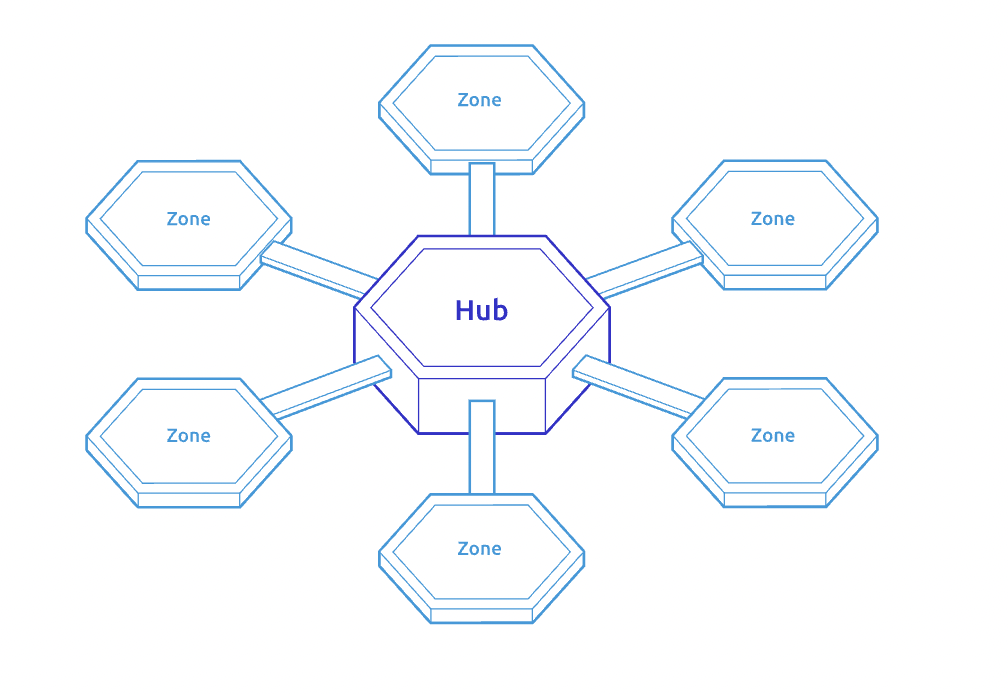
The competition between Cosmos and Layer3 primarily revolves around balancing flexibility and performance. Cosmos achieves high flexibility and interoperability through its Hub-and-Zone model, while Layer3 focuses on enhancing scalability. However, flexibility may come at the cost of some performance, and an excessive pursuit of performance could limit the ecosystem's flexibility and adaptability. Our research aims to explore a better balance between the two.
Choosing Decentralized Applications
Cosmos’ strength lies in its cross-chain interoperability. It provides a scalable architecture that allows developers to build and deploy customized blockchain applications while achieving interoperability with other blockchains. This offers greater flexibility for tailored solutions and helps construct a multi-chain ecosystem.
In contrast, Layer3 (based on Ethereum) competes through its mature ecosystem and broad range of use cases. As the earliest smart contract platform, Ethereum already hosts a large number of developers and users, along with rich development tools. This makes it easier for DApps built on Ethereum to gain user adoption and benefit from ecosystem traffic.
However, the success of a DApp depends not only on underlying technology but also on user acceptance, security, and practical feasibility. From the perspective of application-layer ecosystem development and DApp creation, both Cosmos and Layer3 possess distinct strengths and competitiveness. They are not mutually exclusive choices; rather, the decision hinges on specific requirements and objectives.
Greater Risks and Innovation
Looking ahead, both Cosmos and Layer3—key explorations in the blockchain space—are poised to play significant roles in future developments. Yet, they differ in terms of solution customization, application extensibility, and security assumptions, which will influence developers’ choices.
Firstly, as a solution emphasizing ecosystem interoperability, Cosmos will promote connectivity among different blockchain networks and facilitate asset flows. This opens up possibilities for cross-industry collaboration and innovation, driving progress across the entire blockchain industry. However, Cosmos offers relatively limited functional customization, potentially restricting deep specialization in certain domains.
By comparison, Layer3 stands out for its highly customizable solutions and self-defined extensibility. This enables developers to create execution environments and applications tailored to specific needs, offering greater flexibility and room for innovation within targeted industries or fields. Nevertheless, Layer3’s applicability remains constrained, especially regarding cross-chain interoperability, which still requires further exploration and advancement.
We also note that Layer3’s high degree of customizability might lead developers to scatter their focus pursuing individualized solutions, thereby weakening unified collaboration within the ecosystem. If every developer chases a unique setup, it could fragment the ecosystem, reduce interoperability between applications, and even increase network congestion and security risks through frequent inter-chain interactions—making the overall system more complex and vulnerable to malicious attacks.
The future trajectory depends on developers’ first principles—specifically, which solution they rely on to achieve greater innovation. Before reaching definitive conclusions, multiple factors including industry demands, technological evolution, and market trends must be comprehensively considered. In this rapidly evolving domain, developers must make informed decisions aligned with their own goals to advance blockchain innovation and real-world adoption.
Future Competitive Landscape
Both Cosmos and Ethereum are leaders in the blockchain field, but they pursue different strategies and goals. Cosmos aims to build a multi-chain ecosystem, using the IBC protocol to enable cross-chain connectivity so that different blockchains can communicate and exchange value. Ethereum, by contrast, primarily focuses on building a decentralized application platform to support more smart contracts and dApp development.
They cater to different application scenarios: Cosmos is better suited for applications requiring cross-chain interaction, whereas Ethereum excels in supporting smart contract-based applications. While both Cosmos appchains and Ethereum Layer3 currently hold competitive positions within their respective ecosystems, we believe a more unified integrated solution may emerge in the future—one leveraging further advances in cross-chain technology and interoperability to integrate multiple blockchain networks and deliver more efficient, flexible development and interaction experiences.
Given blockchain’s inherently distributed and open nature, we expect increased cross-chain collaboration, cross-ecosystem applications, and asset flows in the future, enabling better connectivity and improved user experiences. We identify the following as core areas where these two communities will compete moving forward:
-
Future Cross-Chain Interoperability: Although both Cosmos and Layer3 aim to solve blockchain scalability, future solutions may offer stronger and more flexible cross-chain interoperability. These would seamlessly connect multiple blockchain networks and enable free movement of assets and data, breaking down current ecosystem silos and fostering broader application innovation and enhanced user experience.
-
Blockchain Governance Challenges: Both Cosmos and Layer3 projects face challenges in effective governance. As these projects grow and gain wider adoption, issues around decision-making power, consensus mechanisms, and community governance become increasingly important and complex. Innovative governance models and mechanisms may be needed to ensure sustainable project growth and ecosystem-wide cooperation.
-
Balancing Privacy and Transparency: Blockchain technology excels in providing transparency, yet protecting personal privacy remains an ongoing challenge. In the future, both Cosmos and Layer3 may face rising demands for privacy protection and anonymity, while still needing sufficient transparency to meet regulatory and compliance requirements. Finding the right balance between privacy and transparency will be critical.
-
Long-Term Storage and Sustainability: With ever-growing blockchain data, long-term storage and sustainability have become pressing concerns. Cosmos and Layer3 projects may need to explore more efficient data storage and management solutions to ensure data security, accessibility, and long-term viability—potentially involving technologies like decentralized storage.
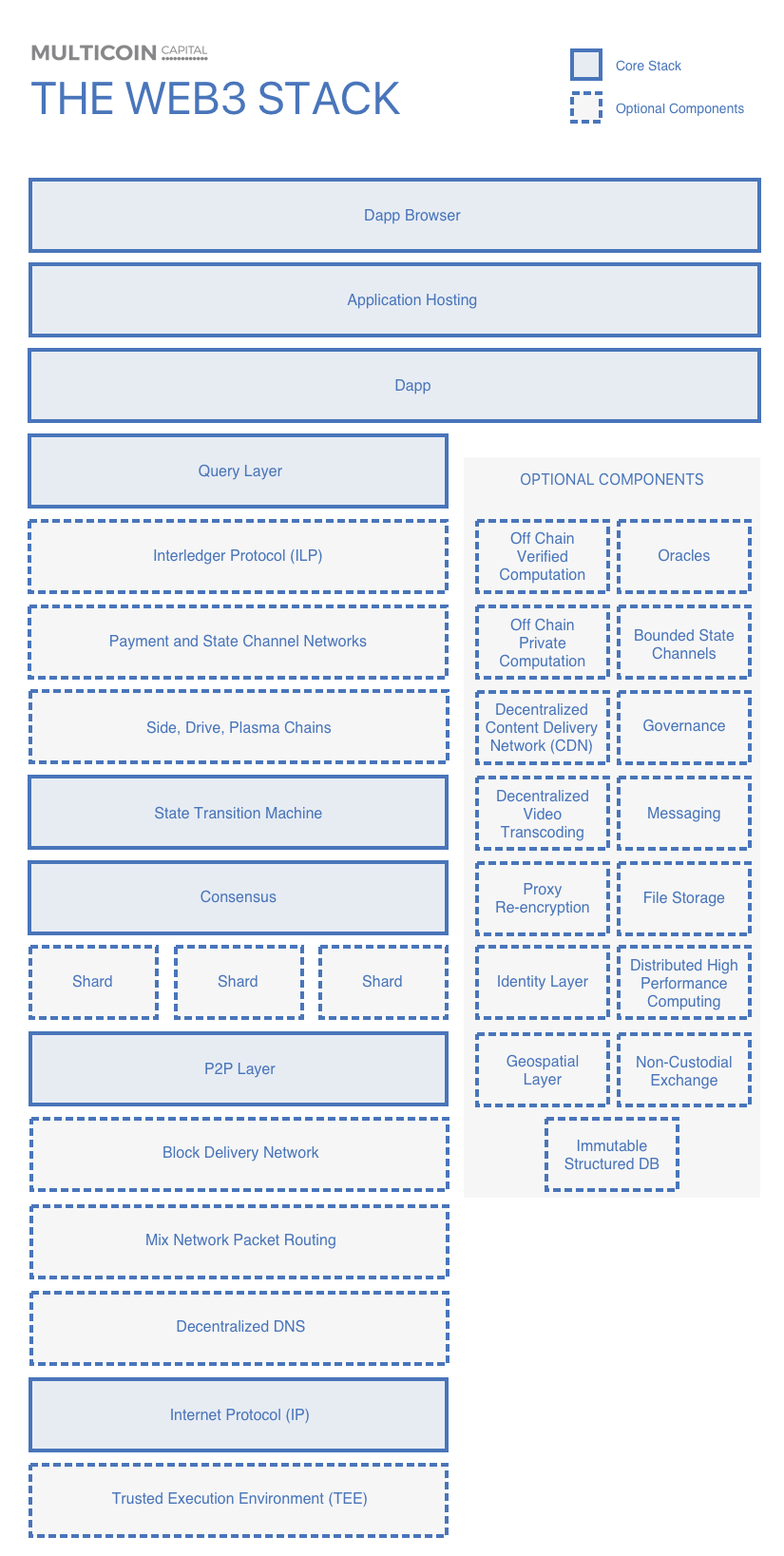
Conclusion and Outlook
Cosmos excels in addressing public chain scalability and interoperability. Its unique multi-chain interconnectivity enables seamless data transmission and value exchange between different blockchain networks. This integration capability fosters cross-chain collaboration and data interoperability, giving application developers greater room for innovation. The open ecosystem and multi-chain connectivity of Cosmos present opportunities for returns across sectors such as DeFi, identity verification, gaming, and IoT. Returns from investing in Cosmos projects are closely tied to the overall growth and adoption of the ecosystem.
-
In terms of elasticity and scalability, Cosmos’ modular architecture and horizontal scaling allow DApps to add or remove modules as needed to meet specific application requirements. This flexibility enables DApps to better adapt to changing market and user demands.
-
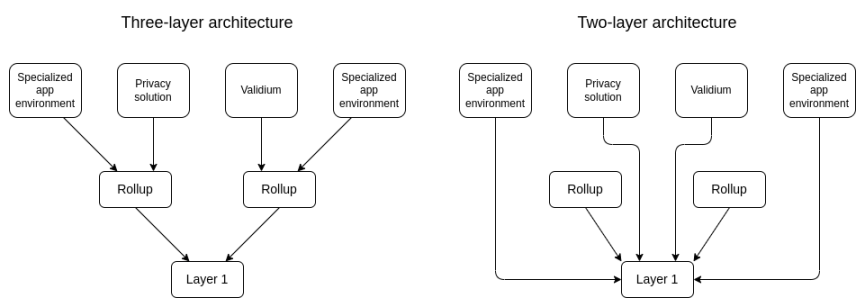
Regarding time and technical difficulty, indeed, the development of Layer3 and even sharding involves resolving numerous technical details, requiring time for research and implementation. Challenges in designing Layer3 mechanisms—such as provers, data availability, sequencer decentralization—must be carefully addressed. Additionally, creating user-friendly Layer3 SDKs is another crucial consideration.
-
In terms of autonomy and self-governance, Cosmos offers a higher degree of independence. DApp teams can define their own consensus algorithms and governance mechanisms according to their needs and rules. In contrast, Layer3 based on Rollups may depend on the consensus and governance frameworks of the underlying Layer1, limiting the autonomy of DApp teams.
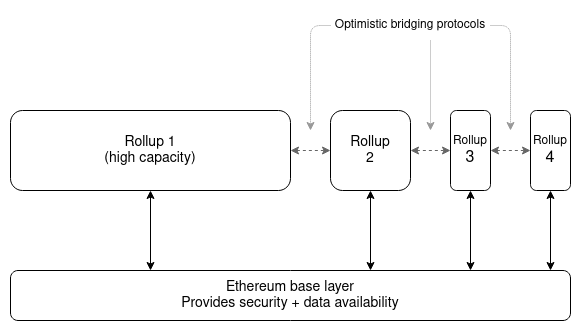
In contrast, Layer3, as a solution focused on customizability and specialized application development, offers powerful customization features and application-specific extensibility, enabling developers to innovate deeply within particular domains. This protocol-level customization brings immense innovative potential for industry-specific and scenario-driven development. Particularly, Rollup technology retains transaction data availability on-chain while ensuring transaction security via mechanisms like ZK Rollups or Optimistic Rollups. Further advancements in these technologies could deliver higher performance and stronger data availability, improving user experience and functionality for DApps. Meanwhile, Cosmos may encounter data consistency challenges during cross-chain communication.
We believe the development of Cosmos and Layer3 will further drive the evolution of cross-chain governance models. Traditionally, blockchain networks operated independently, but cross-chain technology now enables seamless connections and asset flows between them. However, cross-chain governance faces challenges in coordinating and managing multiple application chains and DApps—covering consensus mechanisms, decision-making, and resource allocation. Future research will explore innovative cross-chain governance models to promote the development and collaboration of cross-chain ecosystems.
Overall, we firmly believe the future belongs to an era of “multi-chain interconnection” rather than “multi-chain co-layering.” For long-term investors seeking systems with strong ecosystem scalability, Cosmos appchains represent a more practical choice. While Layer3 has its advantages, its ecosystem faces severe challenges such as congestion, high fees, and inherent scalability limitations. In contrast, Cosmos’ native architectural design offers superior flexibility and scalability, indicating greater potential for future growth.
Join TechFlow official community to stay tuned
Telegram:https://t.me/TechFlowDaily
X (Twitter):https://x.com/TechFlowPost
X (Twitter) EN:https://x.com/BlockFlow_News
 Bing Ventures