UK Crypto Market Research Report: Younger Investors Favor Cryptocurrency Investments, BTC Remains Top Choice
TechFlow Selected TechFlow Selected
UK Crypto Market Research Report: Younger Investors Favor Cryptocurrency Investments, BTC Remains Top Choice
The UK's cryptocurrency market is on the rise and has already attracted a large number of young, highly educated individuals with above-average incomes, particularly those interested in innovative technologies such as blockchain.
 Navigating Web3 tides with focused insights
By MIIX Capital
Introduction
The UK has taken a leading role in cryptocurrency regulation. In the country, investing in Bitcoin and other cryptocurrencies requires using platforms that comply with the regulatory standards set by the Financial Conduct Authority (FCA). The UK is also regulating stablecoins under its national payment rules and has established market abuse regimes to protect investors.
As Europe’s second-largest economy and a global financial hub, the UK offers more standardized and mature services and technological applications related to cryptocurrency. Amid economic turbulence following Brexit, an increasing number of young people, high-income individuals, and those with higher education are allocating more resources toward cryptocurrency investments. This trend has not only led to a surge in crypto users but also created an exceptionally favorable environment for crypto enterprises.
1. Regional Macroeconomic Indicators and Current Status

The United Kingdom lies on the British Isles northwest of continental Europe, bordered by the North Sea, English Channel, Celtic Sea, Irish Sea, and Atlantic Ocean. With a total area of 244,100 square kilometers (including inland waters), the UK consists of four parts: England, Wales, Scotland, and Northern Ireland, with London as its capital. England covers 130,400 km², Scotland 78,800 km², Wales 20,800 km², and Northern Ireland 14,100 km². The population exceeds 67 million, making it the world's sixth-largest economy after the U.S., China, Japan, Germany, and India.
1.1 GDP Significantly Above Global Average
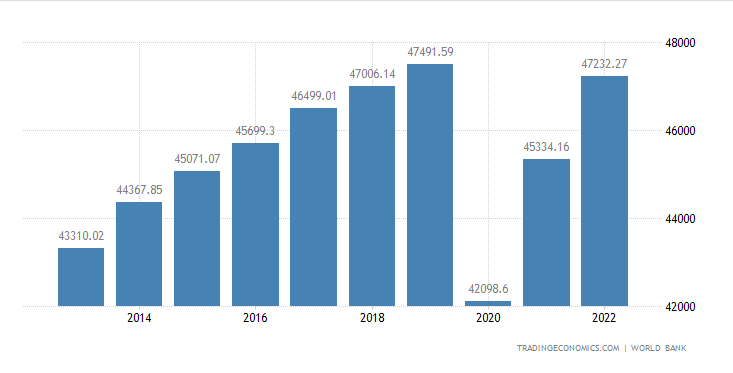
The UK is a highly developed nation and one of Europe’s four major economies, boasting a high standard of living and a robust social security system. It is the world’s largest net exporter of financial services, and its status as a global financial center remains largely unchallenged in the short term. In 2022, the UK’s Gross Domestic Product (GDP) reached $3.07 trillion, accounting for 1.32% of the global economy. Its per capita GDP stood at $47,232.27—374% of the global average—and London ranks as Europe’s highest-GDP city. However, globally, the UK ranks 21st in per capita GDP, which is relatively low compared to Western European developed nations like Germany or Austria.
1.2 Services Contribute 80% of GVA
According to data from the Office for National Statistics (ONS), the service sector is the UK’s largest industry, contributing 80% of Gross Value Added (GVA)—a metric similar to GDP. The UK’s service sector encompasses numerous industries, including financial and business services, as well as consumer-facing sectors such as retail, food and beverage, and entertainment. Manufacturing and construction contribute 10% and 6%, respectively, to total economic output, while agriculture accounts for approximately 0.67%.
1.3 High Inflation Volatility Due to Brexit
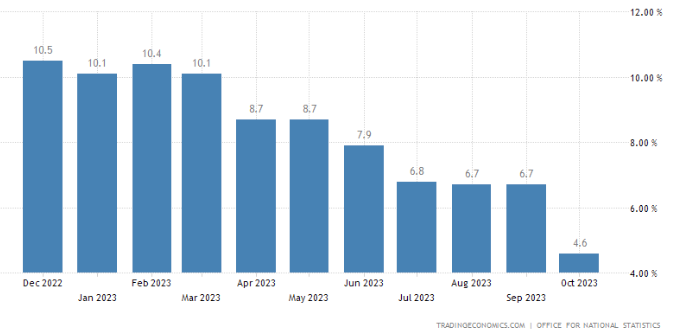
In October 2023, the UK’s inflation rate declined to 4.6%, down from 6.7% in September and August, and below the market expectation of 4.8%. The inflation rate has recovered from around 10% at the beginning of the year.
Last year, the UK’s inflation rate was higher than that of the eurozone, and even in 2023, it remains comparable to the eurozone level. Brexit is one of the main reasons behind the UK’s elevated inflation, due to increased import costs and the European energy crisis triggered by the Russia-Ukraine conflict in 2022.
2. Characteristics of UK Cryptocurrency Users
According to Worldometer’s compilation of the latest UN data, the UK’s population stood at 67,840,640 as of Sunday, December 17, 2023. Estimates from TripleA suggest that 4.2 million people currently own cryptocurrency, representing 6.2% of the total population.
2.1 High-Income Individuals Are More Likely to Invest in Crypto
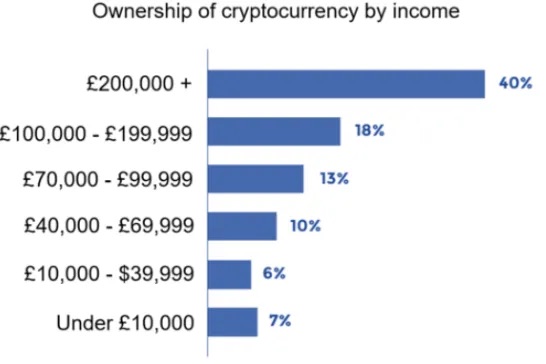
Data shows that wealthier individuals hold more cryptocurrency. Among surveyed UK residents who own crypto, 40% earn over £200,000 annually, while 18% earn between £100,000 and £200,000. The nature of cryptocurrency appeals to those with substantial disposable income who are open to high-risk investments.
2.2 Younger Demographics Favor Crypto Investment
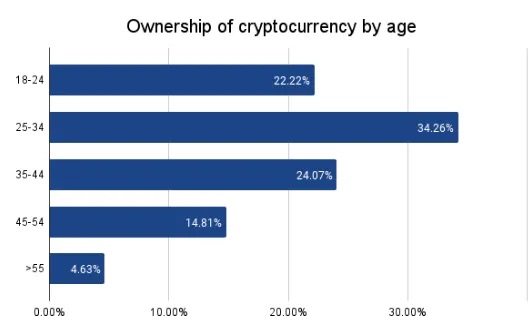
Most UK cryptocurrency holders fall within the 18–34 age group (56%). Only 4.6% are aged 55 or above. This indicates that cryptocurrency ownership in the UK is predominantly concentrated among younger individuals.
2.3 Crypto Investors Tend to Be Highly Educated
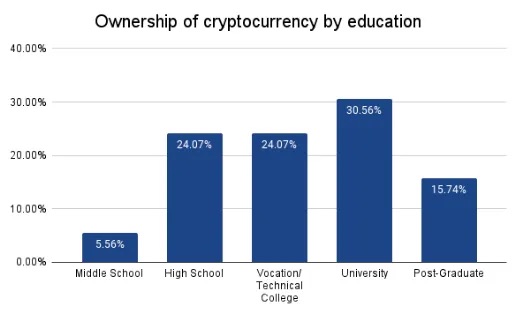
UK cryptocurrency holders are likely to have received higher education, with 46% holding a bachelor’s degree or higher. Survey results indicate that UK crypto users are primarily educated young individuals who are more receptive to new technologies. They are also more willing to accept the risks associated with cryptocurrency, given their longer investment horizons compared to older generations.
2.4 BTC Remains the Top Choice for Crypto Investors
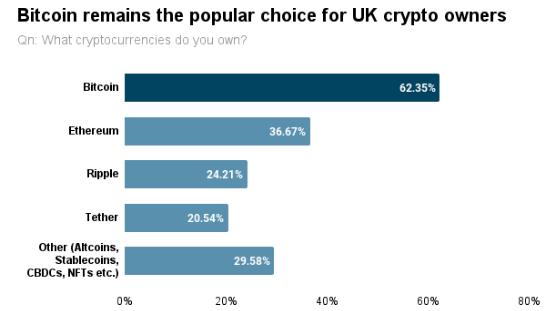
Bitcoin remains the top choice among UK crypto holders, with over 62% of respondents owning Bitcoin. Ethereum follows closely with its broad range of use cases, followed by Ripple (XRP), Tether (USDT), and other cryptocurrencies.
2.5 38% Plan to Increase Their Crypto Holdings
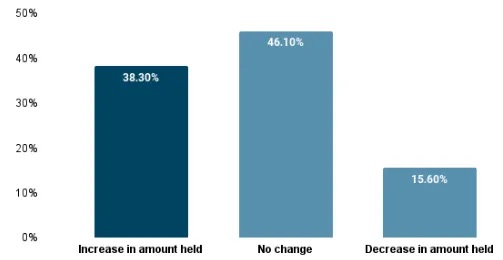
Britons remain optimistic about cryptocurrency. Since 2021, institutions, celebrities, and public figures have joined the crypto boom, pushing Bitcoin and other digital assets to record highs. Over a third of surveyed UK respondents (38%) said they plan to increase their crypto holdings in the coming years.
2.6 Demand for Greater Crypto Education and Awareness
A majority of non-crypto respondents (70%) cited lack of knowledge as the reason for not owning cryptocurrency, suggesting significant potential for increasing adoption through proper education and awareness campaigns.
Additionally, 24.9% said they do not own crypto because most merchants do not accept it. Wider merchant adoption could create network effects, accelerating mainstream crypto adoption.
3. UK Preferences for CEX Platforms
In the UK, investing in Bitcoin and other cryptocurrencies must be done via platforms compliant with the regulatory framework of the Financial Conduct Authority (FCA). Authorized exchanges allow investors to deposit British pounds (GBP) through local bank transfers, Faster Payments, debit cards, credit cards, and other payment methods.
3.1 eToro – The Leading Crypto Trading Platform in the UK
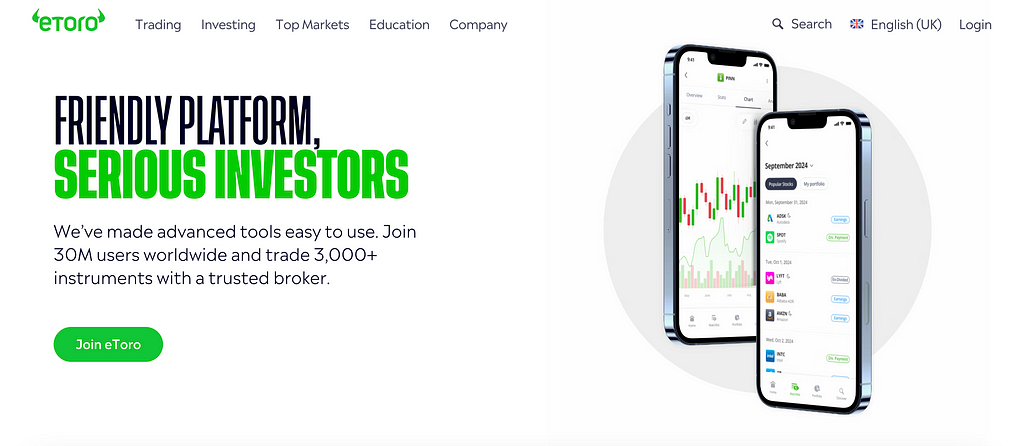
eToro, headquartered in the UK, is the country’s premier cryptocurrency platform, offering access to a wide range of assets including cryptocurrencies, stocks, commodities, currencies, indices, and ETFs. The platform stands out with advanced social trading features like copy trading and virtual accounts, allowing users to practice with £100,000 in simulated funds.
With over 30 million investors across the UK, Europe, and globally, eToro is the UK’s largest broker. It is one of the safest and most regulated platforms for buying, selling, and trading digital assets. UK investors favor eToro due to its user-friendly and efficient GBP deposit options—including Faster Payments, UK online banking, debit cards, and other popular methods. Additionally, eToro offers competitive fees, zero initial commissions, and industry-leading asset spreads.
3.2 Uphold – Second Only to eToro
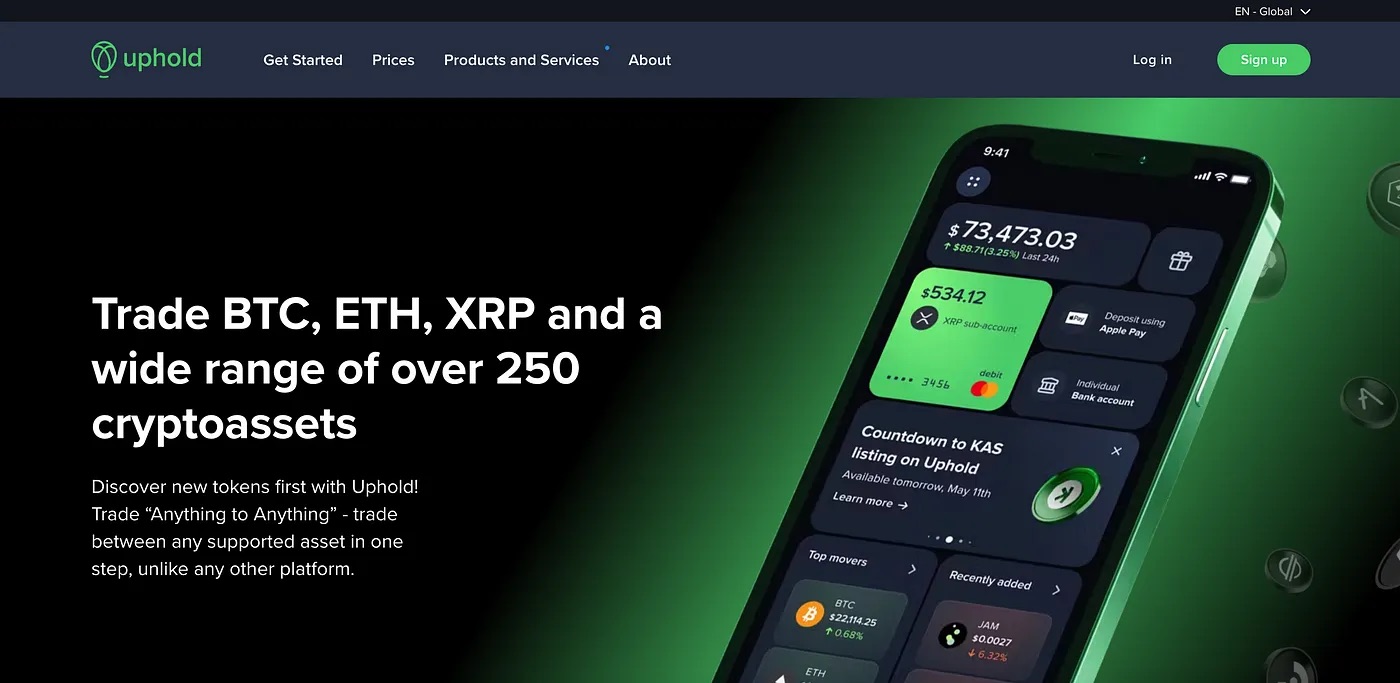
Uphold, based in London, is the UK’s second-largest cryptocurrency exchange, offering trading and staking services for over 250 digital assets. Regulated by the Financial Conduct Authority (FCA), Uphold serves as a strong alternative to eToro, enabling fast and cost-effective GBP deposits via bank transfer, Faster Payments, debit, and credit cards.
Datawallet.com ranks Uphold as the best eToro alternative in the UK, noting that it is one of the few exchanges providing audited proof-of-reserves, meaning it shares real-time data showing how customer funds are safeguarded and proving full 1:1 backing at all times. This transparency makes it one of the UK’s most secure and reliable exchanges.
3.3 Kraken – Committed to Exceptional User Experience
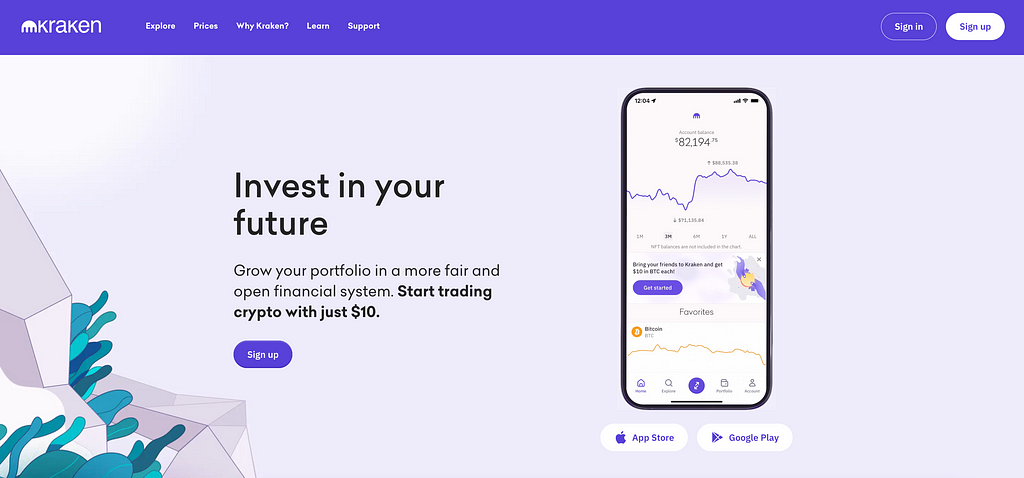
In the UK’s competitive crypto landscape, Kraken ranks as the third-largest exchange, effectively meeting the diverse needs of the UK market. As quarterly trading volume grows steadily, Kraken’s reputation continues to rise. It offers a powerful platform supporting trading in over 250 cryptocurrencies, including major assets like Bitcoin, Ethereum, Litecoin, and numerous emerging tokens.
Kraken is committed to delivering an exceptional user experience, with its highly rated mobile app available on both App Store and Google Play. UK customers particularly value the platform’s lucrative staking services, offering annual percentage yields (APY) of up to 25%. Moreover, Kraken Pro, the exchange’s professional trading interface, provides admirable services for active traders and institutional users, featuring tight spreads, high liquidity, and high deposit limits—solidifying its position as a trusted choice for investors.
3.4 Gemini – Home to a Dedicated NFT Marketplace
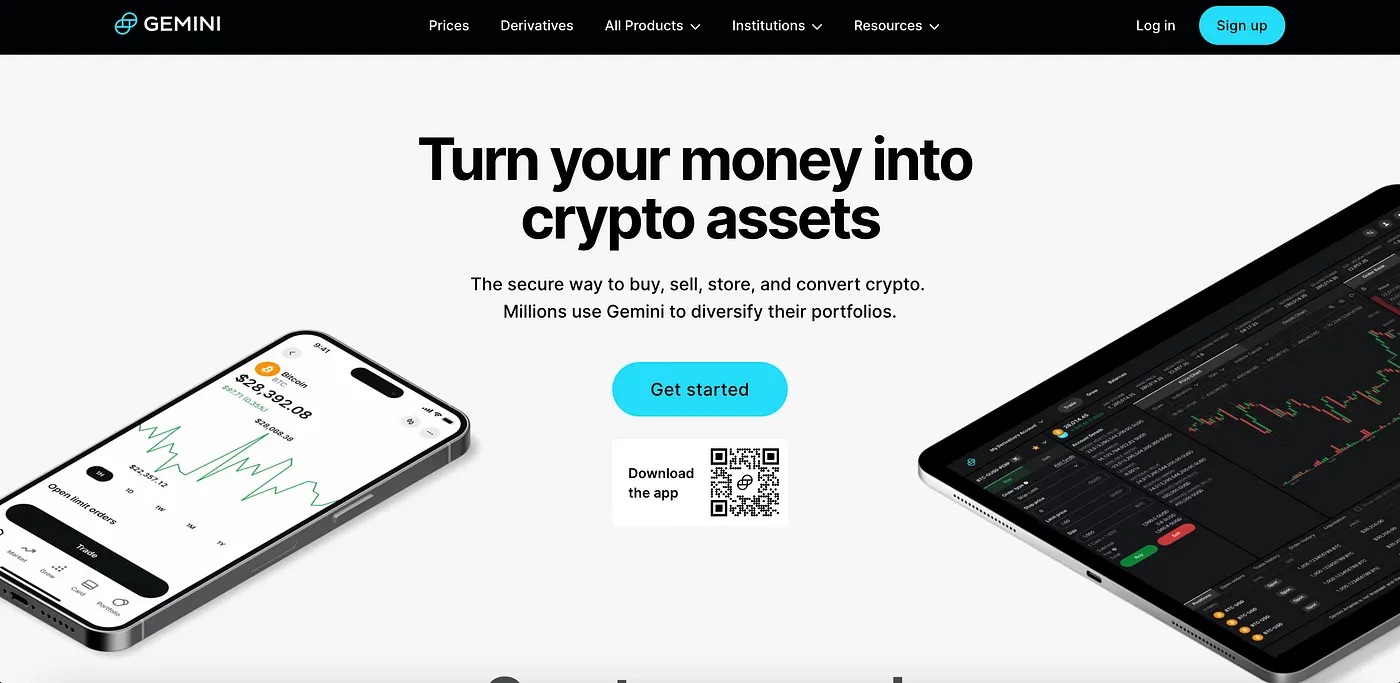
When discussing trusted cryptocurrency exchanges in the UK, Gemini stands out. Recognized for its commitment to trust, security, and transparent finance—all aligned with FCA guidelines—Gemini was one of the first exchanges to register with the FCA in August 2020, highlighting its dedication to compliance and safety.
Gemini caters to a broad user base in the UK by offering a diversified portfolio of over 100 cryptocurrencies. Notably, it owns Nifty Gateway—a leading NFT marketplace that provides a seamless experience for buying, selling, and storing non-fungible tokens. The Gemini ecosystem includes mobile apps, trading platforms, interfaces for active traders, digital wallets, clearing solutions, and regulated stablecoins, embodying best practices in security, regulatory compliance, user experience, and investor protection.
4. Web3 Projects in the UK
London, a renowned global financial center, hosts numerous fintech companies. With the rapid development of the crypto market, it has also become a hub for Web3 startups, leveraging its status as a global financial capital to drive innovation in blockchain and decentralized technologies. Thanks to London’s evolving tech ecosystem, entrepreneurs can more easily connect with talented founders and partners.
4.1 TokenOPS – Simplifying and Transparent Token Management
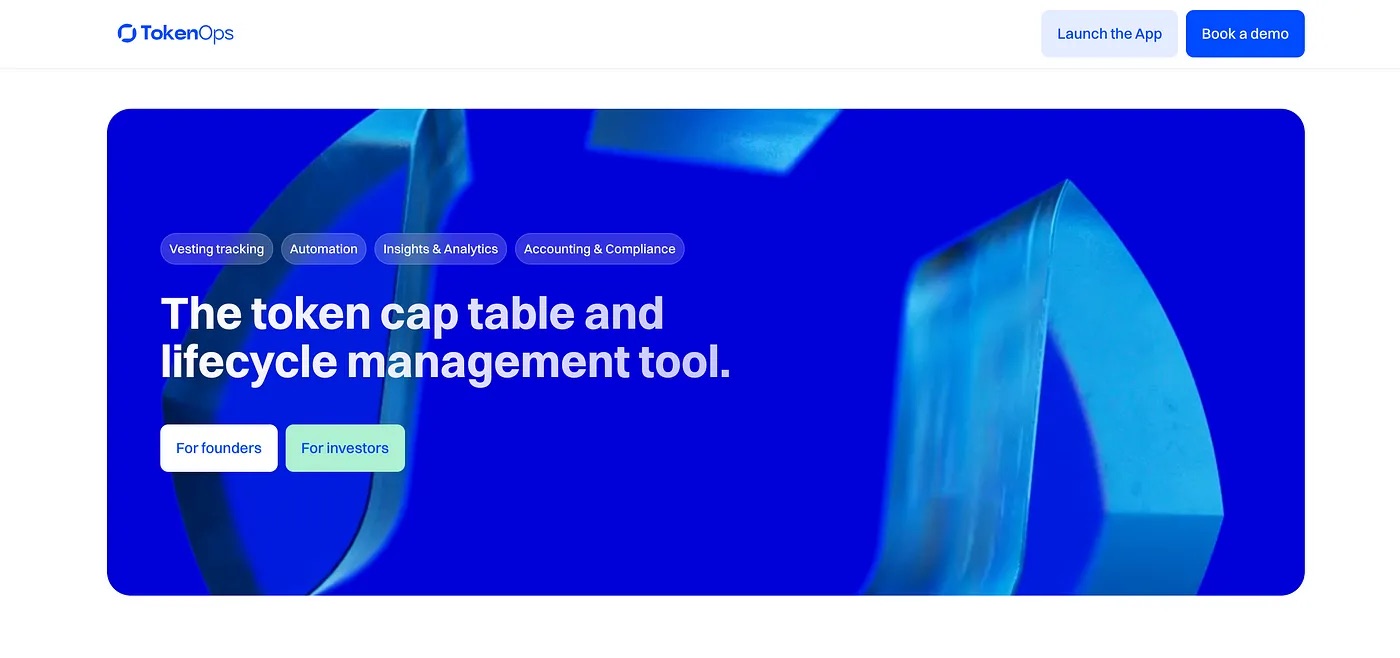
TokenOPS is an early-stage project backed by a London-registered entity and trusted by 1inch Network. It enables Web3 startups to visualize, manage, and create vesting schedules and financial structures, providing transparency for investors and communities. The platform has two main components: one for project founders and another for investors.
Need to issue tokens or track existing vesting schedules and tokenomics?
4.2 Bull Project – HR and Payroll Solutions
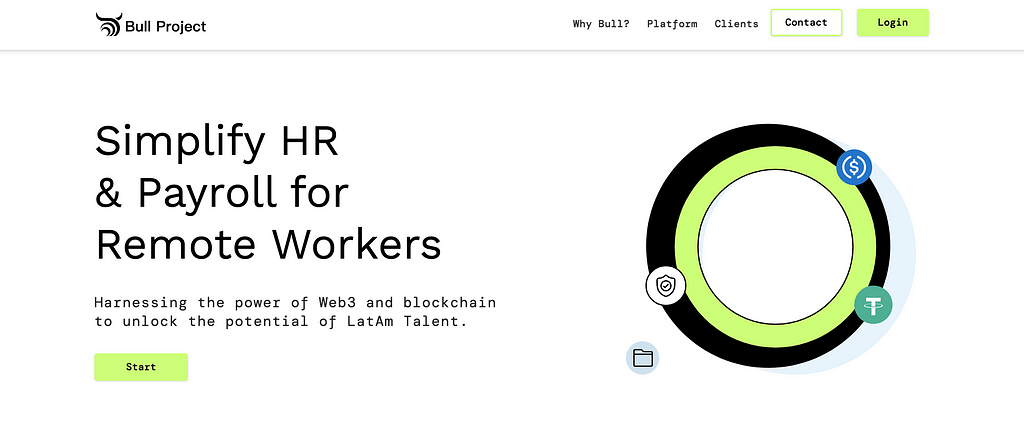
They help companies hire, onboard, manage, and pay remote workers in cryptocurrency using Web3 and blockchain technology in a fully decentralized manner.
URL: https://testing.bullproject.io/
4.3 Client Fabric – A Verifiable Credentials Application

They are building a verifiable credentials mobile app and platform (leveraging decentralized identity) that allows businesses and clients to verify the qualifications and skills of professionals providing services. While expandable to all professions—and part of their roadmap—they identify the biggest gap in due diligence professionals working in anti-financial crime (AFC).
URL: https://www.clientfabric.com
4.4 Reef Chain – An EVM-Compatible DeFi Public Blockchain

Reef Chain is a cutting-edge EVM-compatible blockchain featuring self-upgrading capabilities and on-chain governance. Its infrastructure supports EVM extensions, enabling native token bridging, scheduled calls (e.g., recurring payments), and in-contract code upgrades. In the near future, it will support additional virtual machines, allowing developers to write code in multiple programming languages.
URL: https://reef.io/
5. UK Cryptocurrency Investment Firms
London’s leadership in finance seamlessly extends into the Web3 and cryptocurrency space. The city boasts a robust ecosystem that uniquely combines financial expertise, technical talent, and regulatory frameworks, fostering innovation in blockchain and Web3. As a result, London has become a prime destination for venture capitalists seeking to back the next wave of disruptive Web3 technologies.
5.1 Outlier Ventures

Founded in 2014, Outlier Ventures is a forward-thinking cryptocurrency investment fund dedicated to advancing the open Metaverse. Their vision goes beyond traditional crypto, aiming to seamlessly integrate blockchain, artificial intelligence, and Web3 technologies.
Outlier Ventures leads in developing decentralized platforms and tools supporting various applications—from IoT to AI and VR. Notable projects in their portfolio include Polkadex, IOTA, Brave, ChainLink, and Cosmos.
5.2 Fabric Ventures

Established in 2017 with offices in London and Luxembourg, Fabric Ventures focuses on investing in technologies driving the evolution of the web. They collaborate with entrepreneurs to foster innovative business models and provide seed funding when startups are ready to scale. Fabric Ventures invests across blockchain and crypto-related fields, with a diverse portfolio including Ramp, Sorare, Nansen, 1Inch, Argent, Aurora, and Polkadot.
5.3 Metaverse Venture
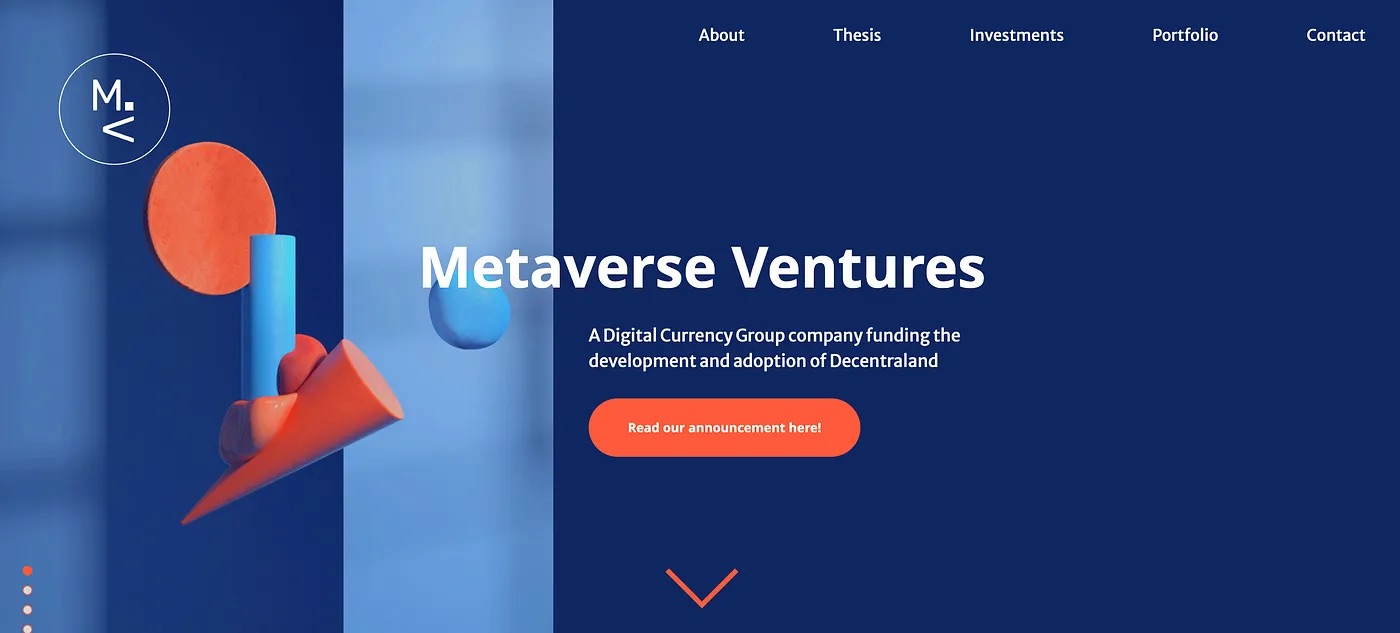
Metaverse Venture, a subsidiary of DCG (wholly owned), specializes in investing in companies building products and services for Decentraland. If your project aligns with the Decentraland ecosystem, consider applying. Portfolio projects include Decentral Games, Vegas City, Metalith, and Artie.
5.4 Moonrock Capital

Moonrock Capital is a crypto-native advisory and investment firm that has incubated and accelerated early-stage startups since 2019. They primarily support mass adoption of infrastructure, middleware, DeFi, and dApps within the Web3 landscape. Notable projects in their portfolio include Polkstarter, Ngrave, Manta Network, and Thorchain.
6. UK Cryptocurrency Regulatory Policies

Following the EU’s MiCA regulations, the UK has gradually incorporated cryptocurrencies into its existing regulatory framework, regulating them under the Financial Services and Markets Act and establishing an authorization regime for digital asset firms. Additionally, the UK regulates stablecoins under national payment rules and has implemented market abuse regimes to protect investors. The Financial Services and Markets Bill is progressing through Parliament, granting regulators oversight authority over crypto activities by extending rules governing financial instruments.
6.1 The UK’s Progress in Crypto Regulation
In January 2018, the Financial Conduct Authority (FCA) announced plans to regulate cryptocurrency exchanges and ICOs; in March 2018, the Treasury released a report stating that taxation of cryptocurrencies would follow similar principles as traditional assets; in January 2019, the FCA published documents outlining specific regulatory rules for crypto exchanges, ICOs, and crypto funds; in August 2020, the government issued a consultation paper proposing regulatory policies for stablecoins and DeFi (decentralized finance); in January 2021, the FCA declared that all crypto firms must register and operate under supervision; in April 2022, the government pledged to create conditions conducive to growth and scaling in crypto and digital asset businesses; in August 2022, the All-Party Parliamentary Group (APPG) on Cryptoassets and Digital Assets launched its first inquiry; in July 2023, the FCA issued proposed guidance on financial promotions via social media, targeting meme coin promotions and KOLs; in August 2023, the FCA introduced the “Travel Rule,” requiring crypto firms to collect, verify, and share information on crypto asset transfers. Clearly, UK government and regulators have been actively refining crypto market regulations in recent years, continuously adjusting and updating policies in response to the rapidly evolving market.
6.2 Requirements for Crypto Asset Marketing in the UK
Starting October 8, 2023, companies operating in the UK and engaging in crypto-related activities face strict controls on crypto asset promotions to comply with FCA regulations. These include:
-
Promotional activities must be approved or communicated by an authorized party;
-
Promotions must be created by firms registered with the FCA;
-
Promotions may qualify for exemptions under the UK Financial Services and Markets Act;
-
According to the FCA, promotional activities include websites, mobile apps, social media posts, and online ads that “can have an effect in the UK,” regardless of whether the company is UK-based.
6.3 UK Taxation Policy on Cryptocurrencies
In the UK, Her Majesty’s Revenue and Customs (HMRC) applies different tax rules depending on the nature of crypto-related activities. For cryptocurrencies held as investments, a 20% capital gains tax is levied on profits, with allowances for offsetting losses against other capital gains. Transactions classified as non-investment activities, such as purchasing goods or services, may be subject to Value Added Tax (VAT) based on transaction value.
Additionally, profits from mining activities are subject to income tax if deemed commercial or trade activity. Given the complexity of crypto taxation and its dependence on individual circumstances, it is strongly recommended to consult a tax expert or contact HMRC directly for personalized guidance.
7. Conclusion
Located on the British Isles northwest of continental Europe, the UK is the world’s sixth-largest economy and Europe’s second-largest, driven primarily by services, with London standing as a premier global financial center. In recent years, Brexit has impacted the economy, creating challenges that prompted the Bank of England to raise interest rates, negatively affecting economic growth. The UK faces a risk of mild recession in 2024.
The UK’s cryptocurrency market is on the rise, attracting a growing number of young, highly educated individuals with above-average incomes—particularly those interested in innovative technologies like blockchain. The regulatory environment is generally favorable toward cryptocurrencies, allowing citizens to buy and sell digital assets, although this comes with a relatively high 20% capital gains tax. Crypto firms must comply with Financial Conduct Authority (FCA) regulations and implement robust anti-money laundering (AML) and counter-terrorism financing (CFT) policies. Compliant centralized exchanges like eToro and Uphold operate in the UK, while non-compliant platforms like Binance have been forced to halt operations. As a financial hub, London embraces blockchain technology positively, with local VCs actively supporting numerous Web3 initiatives across various domains.
With further refinement of government regulations and the rapid growth of the financial services sector, the UK—committed to legal and compliant development in cryptocurrency—has already positioned itself at the forefront of many global crypto markets. As a key player in the global economy, the UK is poised to exert deeper influence on the worldwide cryptocurrency landscape.
Join TechFlow official community to stay tuned
Telegram:https://t.me/TechFlowDaily
X (Twitter):https://x.com/TechFlowPost
X (Twitter) EN:https://x.com/BlockFlow_News
 @MIIXCapital_CN