









Stablecoins gain traction in Asia, but challenges remain
TechFlow Selected TechFlow Selected
Stablecoins gain traction in Asia, but challenges remain
If forced to choose between CBDCs and stablecoins, we expect most central banks will opt for the former.
 Navigating Web3 tides with focused insights
Source: Forbes
Compiled by: Bitpush News Yanan
At the November Singapore FinTech Festival, one major announcement stood out: Singapore's decision to grant licenses to stablecoin issuers Paxos Digital Singapore Pte and StraitsX. This move marks a cautious endorsement by the Singaporean government of stablecoins—cryptocurrencies with reduced volatility. Stablecoins are typically pegged 1:1 to fiat currencies and backed by reserves such as cash and bonds.
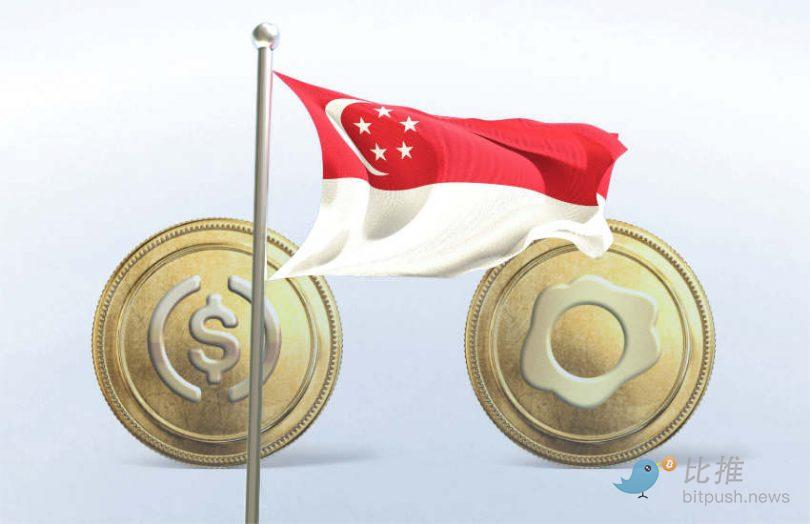
Ravi Menon, outgoing Managing Director of the Monetary Authority of Singapore (MAS), said at the Singapore FinTech Festival that stablecoins could play a "useful role" in "digital currency," adding that Paxos Digital and StraitsX "substantially comply" with the regulator’s forthcoming stablecoin regulatory framework.
At the same time, he made it clear that Singapore would continue to take a cautious stance toward cryptocurrencies. Digital assets like Bitcoin "perform poorly as mediums of exchange or stores of value—their prices are subject to speculative volatility, and many crypto investors have suffered significant losses," Menon said.
Stablecoins in Singapore
In recent years, Singapore has frequently been described in media reports as a "crypto hub" or similar, but the reality is more nuanced. As Menon emphasized at the recent FinTech Festival, cryptocurrencies remain risky. In the industry’s worst hacks and scandals (such as the FTX collapse), retail investors suffered the greatest losses. Even when institutional investors incur heavy losses, they are better equipped to absorb the blow than retail investors, who in the worst case might lose their life savings.
Given this, Singapore appears to be betting on stablecoins having lasting viability and playing an increasingly important role in future financial services. The decision to regulate stablecoins aligns with Singapore’s ambition to position itself as a digital asset hub for institutional investors—according to a recent report from cryptocurrency exchange Bybit, stablecoins account for as much as 45% of institutional investors’ crypto portfolios, surpassing other crypto categories.
This also gives Singapore an edge over Hong Kong—which is aggressively pushing into crypto but has yet to introduce any stablecoin regulatory framework.
Through its regulatory framework, MAS aims to legitimize fiat-backed stablecoins as reliable digital payment instruments, thereby bridging the gap between fiat currencies and the digital asset ecosystem. To achieve this, MAS will require that reserves backing stablecoins consist of low-risk, highly liquid assets whose value must always equal or exceed the value of the outstanding stablecoins. This stablecoin regulatory framework will apply to single-currency stablecoins (SCS), which are pegged to the Singapore dollar or any G10 currency issued in Singapore.
Meanwhile, other types of stablecoins—SCS issued outside Singapore or pegged to other currencies or assets—will continue to fall under the existing Digital Payment Token (DPT) regulatory regime. MAS stated in its consultation paper: "MAS will continue to monitor developments in the stablecoin space and consider bringing other types of tokens into the SCS framework."
Japan’s Approach
Aside from Singapore, Japan is currently the most interested country in Asia regarding stablecoins. However, unlike MAS-led centralized strategy, in Japan financial institutions are organically and systematically experimenting with stablecoin use, while regulators and lawmakers are actively working to promote stablecoin adoption within Japan’s financial system.
For example, in March this year, three Japanese banks announced they would trial asset-backed stablecoins using a system developed by Web3 infrastructure firm GU Technologies. The proof-of-concept project, led by Tokyo Kiraboshi Financial Group, Minna no Bank, and The Shikoku Bank, is being conducted on Japan Open Chain—a public blockchain compatible with Ethereum and compliant with Japanese law. Additionally, in March, Japan’s large banking group Mitsubishi UFJ Financial Group began collaborating with blockchain firms Datachain, Progmat Coin, and Soramitsu on an internal project aimed at launching a stablecoin interoperability pilot.
In June this year, Japan’s revised Payment Services Act came into effect, making Japan one of the first countries to establish a framework for overseas stablecoin usage. The law authorizes banks, trust companies, and money transfer operators to issue stablecoins. Stablecoins must be pegged to the yen or another fiat currency and guarantee holders the right to redeem them at face value. This legislation appears designed to prevent potential risks such as issuers lacking real assets to back stablecoins and funds being channeled into opaque, off-the-books investments.
While some payment service providers, notably Circle, have expressed interest in issuing stablecoins in Japan, no company has yet entered the market. Whether these companies can meet regulatory requirements remains to be seen.
Resistance Remains
In contrast to Singapore and Japan, the two most populous countries in Asia remain skeptical of stablecoins. Given the economic significance of China and India, this trend carries substantial weight. If stablecoins are effectively banned by both nations from trade and investment flows across the Asia-Pacific region, they will struggle to gain traction. Circle CEO Jeremy Allaire seems acutely aware of the implications of China’s ban on stablecoins—perhaps explaining why he suggested to the South China Morning Post in July the possibility of a renminbi-backed stablecoin. He said: "If the Chinese government wants to see the RMB used more freely in global trade and commerce, stablecoins may offer a better path than central bank digital currencies to achieve that goal."
While Allaire’s candid remarks are commendable, the likelihood of the Chinese government abandoning control over the digital yuan in favor of using a cryptocurrency to advance RMB internationalization is extremely low. China still desires broader use of its currency in the international financial system, but due to heightened concerns about large-scale capital outflows and associated systemic financial risks, it has quietly shelved the ambitious unofficial goals set during the early 2010s.
Nonetheless, Hong Kong reportedly plans to launch a stablecoin regulatory regime in 2024. A discussion paper on the topic indicates that stablecoins whose value is determined algorithmically or through arbitrage mechanisms will not be accepted—potentially excluding algorithmic stablecoins like UST.
The evolution of Hong Kong’s regulatory framework will be worth watching, as it may provide clues about how mainland China views stablecoins. If Hong Kong’s process of establishing stablecoin regulation proves long and stringent, the chances of mainland China embracing digital asset liberalization will correspondingly diminish.
Finally, consistent with its skepticism toward digital assets, the Reserve Bank of India (RBI) has so far taken a negative stance on stablecoins—viewing them as infringing upon its monetary policy sovereignty. "We must tread very carefully when it comes to the use of stablecoins. From past experiences in other countries, this poses an existential threat to policy sovereignty," RBI Deputy Governor T. Rabi Sankar said in July. "If large stablecoins are pegged to other currencies, there is a risk of dollarization."
He added that instead of focusing on stablecoin payments, countries should develop their own CBDCs and then "create a mechanism enabling different national CBDCs to interconnect and transact with each other."
If central banks must choose between CBDCs and stablecoins, we expect most will opt for the former. However, whether other regions can accommodate both—as Singapore and Japan appear to be doing—remains to be seen.
Join TechFlow official community to stay tuned
Telegram:https://t.me/TechFlowDaily
X (Twitter):https://x.com/TechFlowPost
X (Twitter) EN:https://x.com/BlockFlow_News
 比推 BitpushNews








