








Faced with a severe economic situation, does Argentina's new president have enough courage to promote Bitcoin?
TechFlow Selected TechFlow Selected
Faced with a severe economic situation, does Argentina's new president have enough courage to promote Bitcoin?
Milei's anti-central bank stance suggests he may not believe promoting crypto assets would undermine fiscal policy.
 Navigating Web3 tides with focused insights
Source: Beincrypto
Compiled by: Blockchain Knight
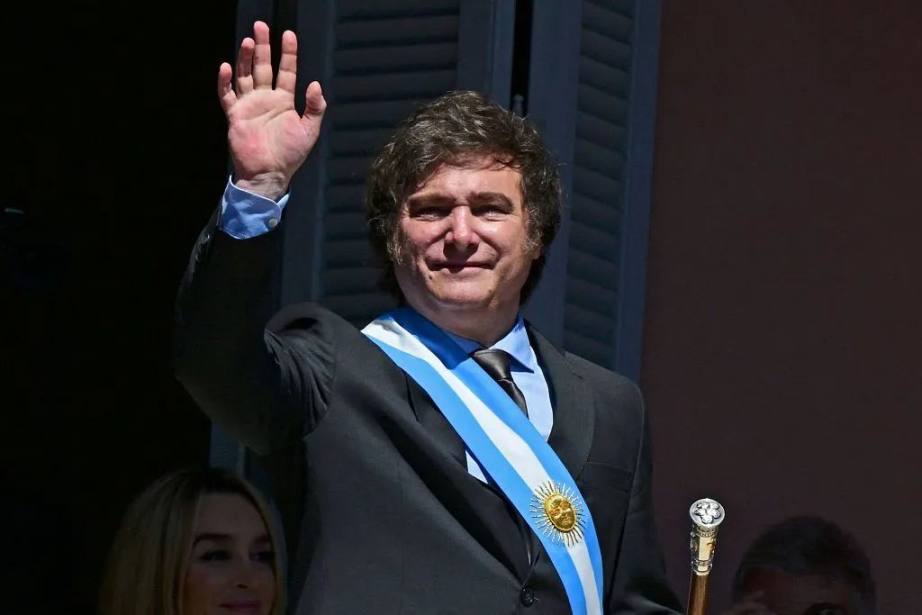
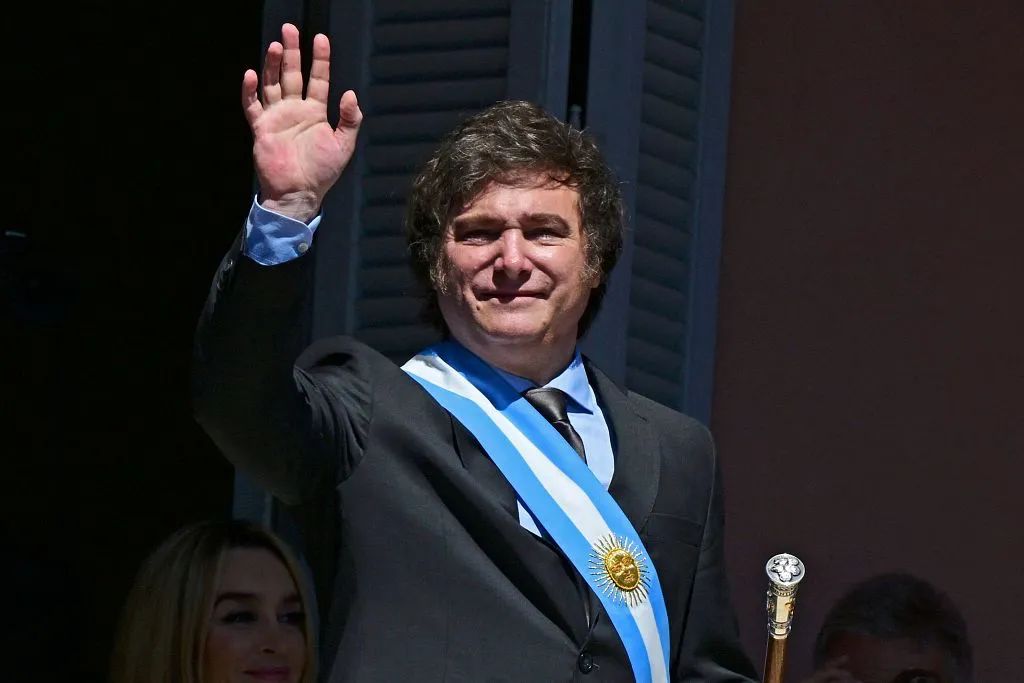
Yesterday, Argentina officially swore in libertarian capitalist Javier Milei as its new president.
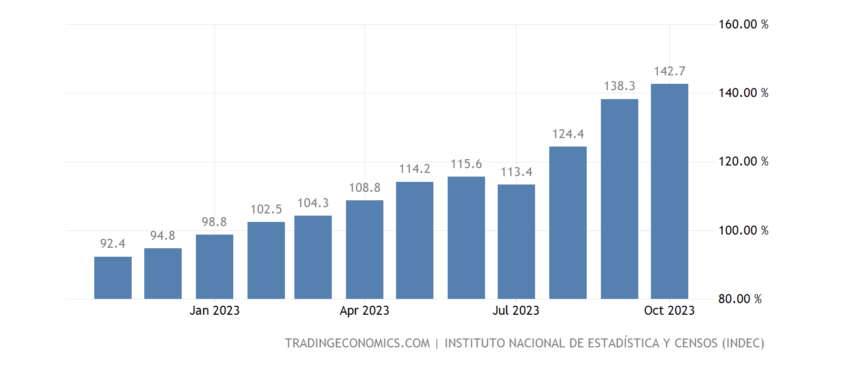
Milei, who follows the Austrian School of Economics, has publicly expressed support for BTC, viewing it as a potential solution to Argentina's long-standing economic mismanagement. The country’s inflation rate this year could exceed 200%.
Milei now faces both fiscal and social challenges, with many young citizens having already left Argentina. He plans to cut government spending by 5% and has signed an executive order halving the number of government ministries.
The inflation crisis stems partly from the depreciation of the Argentine peso, leading to excessive paper money circulation. After its ninth sovereign default cut off Argentina from borrowing in capital markets, the country turned on the printing presses.
Now, JPMorgan predicts Argentina’s inflation rate could soon match levels seen in Zimbabwe and Sudan. Alberto Ramos, an economist at Goldman Sachs, said Argentina might become a successful emerging market if Milei pulls off what seems like an unlikely transformation.
“He might want to do the right thing, but may not be able to. You’re dealing with nitroglycerin. It can ignite overnight. Once economic adjustments begin, they could spiral out of control,” Ramos said.
According to Guido Moscoso, polling manager at Opinaia, Argentina has implemented only two free-market reforms in the past 50 years.
To curb hyperinflation and potentially adopt BTC, Milei must transform the economy. But doing so while maintaining public support will require him to be “smart and pragmatic.”
However, like other politicians promoting BTC in places such as the United States, it remains difficult to predict how successful Milei will ultimately be.
Miami Mayor Francis Suarez accepted his salary in BTC, sparking media excitement, but he dropped out of the 2024 presidential race, ending hopes of White House backing.
Another Florida official, Governor Ron DeSantis, passed an anti-central bank digital currency bill and voiced support for BTC, but is likely to lose to former President Donald Trump.
Robert F. Kennedy, a critic of BTC, recently decided to run as an independent candidate, which may further reduce his chances.
During his presidential campaign, Milei promoted BTC as a way for Argentina to overcome its economic woes. A document released earlier this year by Argentina’s Financial Action Task Force and Financial Stability Board stated that crypto assets allow individuals to bypass central bank policies.
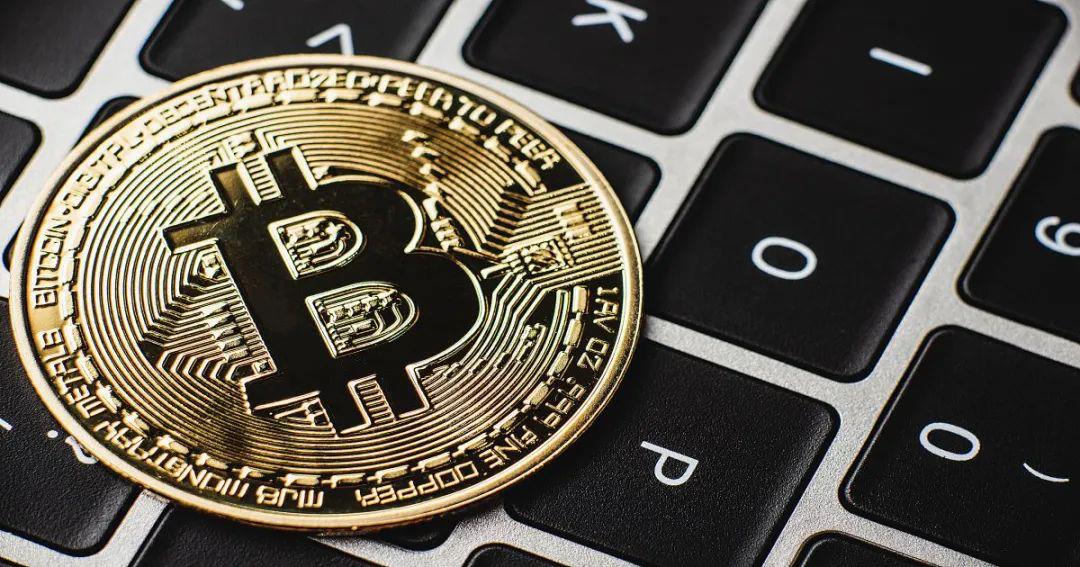
Nonetheless, Milei’s anti-central bank stance suggests he may not view promoting crypto assets as undermining fiscal policy.
El Salvador’s President Nayib Bukele recently celebrated his country’s BTC bet. The government currently holds approximately 2,700 BTC, realizing an unrealized profit of $3 million.
El Salvador adopted BTC as legal tender under IMF recommendations, yet Bukele continues to insist that purchasing BTC was the right decision.
Other initiatives, such as a BTC mining project in Bhutan, have used the technology to support development in Bhutan’s education sector. The success of such projects will depend on upcoming events like the BTC halving and their impact on mining profitability.
Join TechFlow official community to stay tuned
Telegram:https://t.me/TechFlowDaily
X (Twitter):https://x.com/TechFlowPost
X (Twitter) EN:https://x.com/BlockFlow_News









