Deep into GameFi Economics: How Is the "Fi" Manifested in Top Traditional Games?
TechFlow Selected TechFlow Selected
Deep into GameFi Economics: How Is the "Fi" Manifested in Top Traditional Games?
For games, as long as a trading market is opened and players are allowed to freely buy and sell, an economic ecosystem will inevitably form.
 Navigating Web3 tides with focused insights
Author: YBB Capital Researcher Zeke
Introduction
Since the decline of the GameFi model based on P2E (Play to Earn), numerous debates have emerged regarding GameFi design. The two most prominent directions are: AAA-level blockchain games focusing on gameplay, and fully on-chain games emphasizing fairness and aligning with the spirit of Autonomous Worlds. As both ecosystems have recently experienced explosive growth, the blockchain gaming sector has finally emerged from a long winter into a long-awaited spring. As one of today’s hottest sectors, discussions around different GameFi formats—ranging from game genres to on-chain versus off-chain implementations—are central topics in the industry. However, this article does not aim to compare the merits of these two formats. Instead, it explores how the core "Fi" (financial/economic system) of GameFi is manifested in top-tier traditional games, and where these two new formats should head next.
Definition of GameFi
Early definitions of GameFi typically referred to blockchain games that offer economic incentives, enabling players to earn while playing. Players could earn cryptocurrency and NFT rewards by completing tasks, battling others, or leveling up, with in-game items represented as unique NFTs owned by players.
Following the rise of Axie Infinity, the concept of GameFi and P2E quickly gained popularity, spawning numerous similar breeding games (e.g., Farmer World, STEPN). However, due to flawed dual-token economic models (governance and reward tokens) combined with NFT designs (pets, farming tools, running shoes, etc.) that continuously generated tokens, once demand dried up, supply far outpaced demand, rapidly triggering a death spiral.
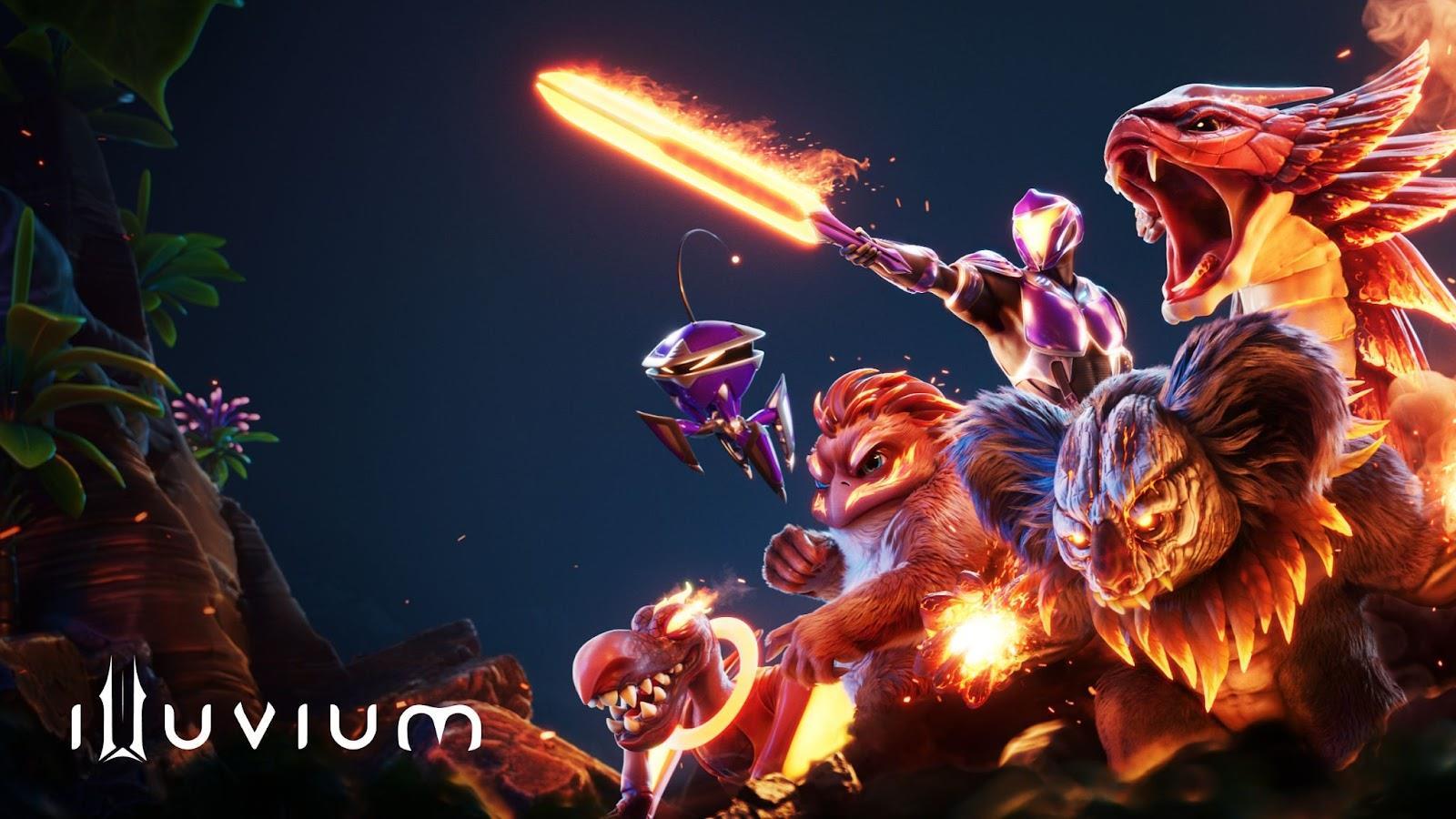
The lifespan of such games was often just weeks or months at best. At that time, GameFi was almost synonymous with Ponzi schemes. The subsequent mainstream evolution first focused on improving toward AAA production quality and playability, aiming to attract Web2 players through high-quality experiences and establish pay-to-play economies. Today's popular titles like Big Time and Illuvium—both early investments by YBB Capital—are representative examples of this direction.
The other emerging trend gaining traction this year is fully on-chain games. Although fully on-chain gaming traces back a decade to Huntercoin, poor user experience due to technological limitations kept it extremely niche. Now, with continuous advancements in infrastructure such as Rollups and full-stack on-chain game engines (MUD, DOJO), the feasibility of this concept has matured. Endorsed by key figures in the industry, it is beginning to break into the mainstream. However, current fully on-chain games remain in their infancy and face many design challenges.
Today, the definition of GameFi is shifting toward Web3 games (fully on-chain games) and Web2.5 games (primarily AAA blockchain games; most previous blockchain games also fall into this category). Their main difference lies in the extent and manner of blockchain integration. Below are detailed definitions.
Fully On-Chain Games
(Definition based on ideas from *Autonomous Worlds*. For more details, refer to our article "Analysis of the Core of Fully On-Chain Games: MUD Engine and World Engine"):
-
Data originates from the blockchain: Blockchain is not merely auxiliary storage nor a mirror of data stored on proprietary servers. All meaningful data must be accessible on-chain—not just asset ownership. This allows games to fully leverage programmable blockchains—transparent data storage and permissionless interoperability;
-
Logic and rules implemented via smart contracts: For example, combat mechanics, not just ownership, occur on-chain;
-
Development follows open ecosystem principles: Game contracts and clients are open-source. Third-party developers can create plugins, third-party clients, interoperable smart contracts, redeploy entirely, customize, or even fork their own game experience. This enables developers to harness creative output from the entire (incentive-aligned) community;
-
Games permanently exist on-chain: Closely tied to the above points, the litmus test for whether a game is crypto-native is: If the core developer's client disappeared tomorrow, could the game still be played? The answer is usually yes—if and only if—game data storage is permissionless, game logic can execute permissionlessly, and the community can interact directly with core smart contracts without relying on interfaces provided by the core team;
-
Interoperable with things we value: Blockchain provides a native API for value itself. Digital assets are by default interoperable with other assets we care about. This reflects—and enhances—the depth and significance of the game, linking the game world to the “real” world;
-
Supported game types: Due to full on-chain execution, fully on-chain games are only suitable for genres that do not require low-latency environments, such as turn-based RPGs, puzzle-based action games, simulations, adventures, card games, management games, sandbox games, and gambling games;
AAA Blockchain Games:
-
Combining traditional games with blockchain technology: Web2.5 games represent a transitional form between traditional games (Web2.0) and fully blockchain-based games (Web3.0). They typically blend characteristics of traditional games with certain blockchain elements;
-
Partial decentralization: These games may include decentralized features such as using blockchain to manage game assets or player transactions, but other aspects like game logic and runtime environment are generally centralized;
-
Higher performance and availability: Compared to fully on-chain games, Web2.5 games may offer better performance and broader accessibility since they don’t rely entirely on blockchain infrastructure;
-
Balancing traditional gameplay with blockchain advantages: Web2.5 games attempt to strike a balance between the user experience of traditional games and new benefits brought by blockchain, such as true asset ownership and transparency;
-
AAA-grade: Traditionally, AAA games refer to those with high budgets, premium graphics, deep storylines, and polished production, typically developed by large studios offering top-tier experiences. AAA blockchain games are Web2.5 games meeting these standards;
-
Game types: Since only assets are on-chain, in theory all game genres are supported. Currently, the dominant genre is MMORPG (Massively Multiplayer Online Role-Playing Game), which will be the primary focus below.
Overview of Token Models
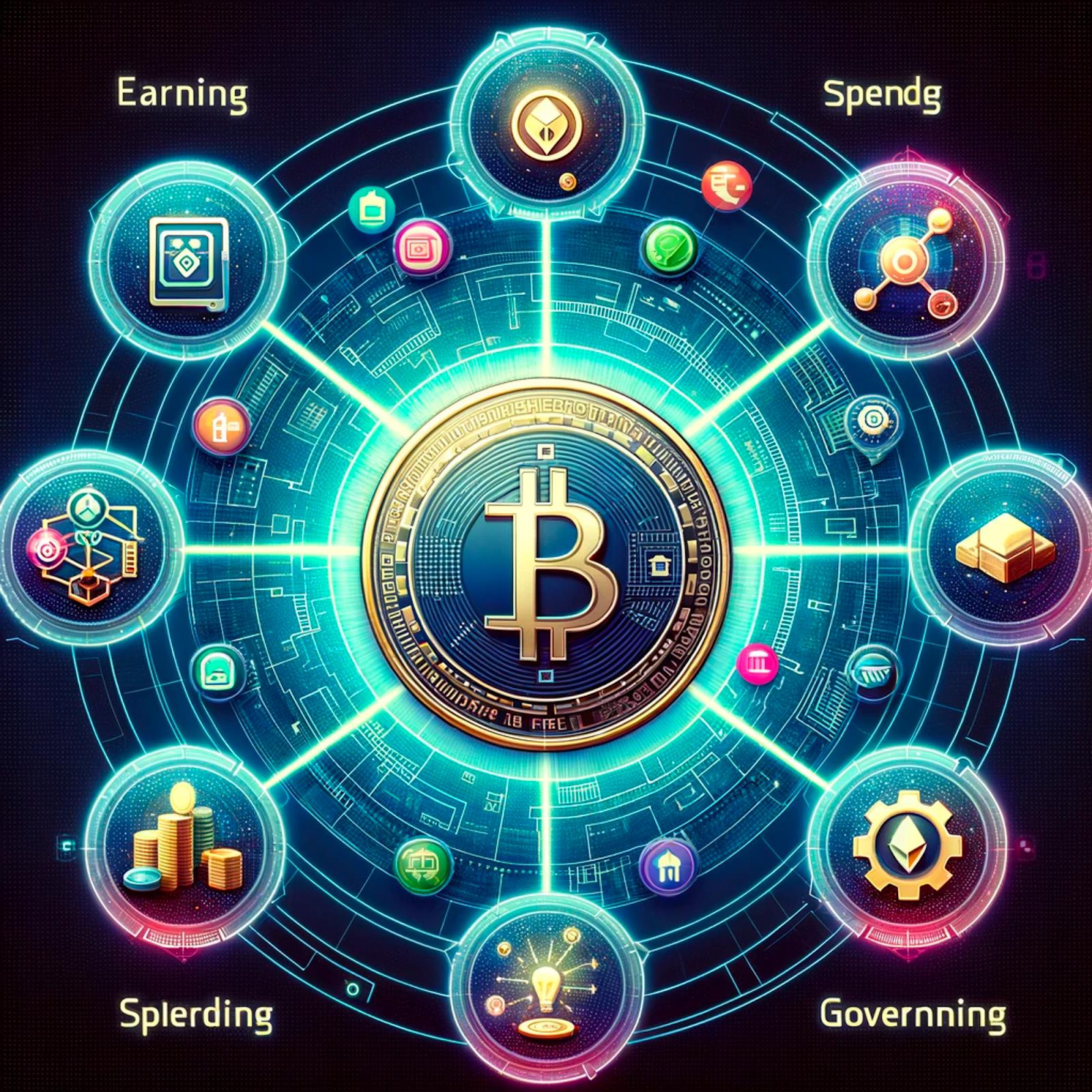
Token models in blockchain games can broadly be divided into two categories. Besides the dual-token model mentioned earlier, there is also a single-token model—which is currently more widely adopted. Let’s briefly review both.
Single-token model: This model uses only one token, with the entire economy revolving around it. Projects like CryptoZoon, Playvalkyrie, Hashland, and Big Time use this model. It resembles traditional gold-farming MMOs, but introduces four distinct variants under a single-token framework.
Four modes of the single-token model:
-
Mode A (Fiat-in, Token-out): Purchase NFTs using USDT, BNB, ETH, etc., then earn in-game tokens (TokenA) through gameplay. Entry cost is fixed; returns fluctuate with token price;
-
Mode B (Fiat-in, Fiat-out): Fixed entry cost, daily earnings denominated in stable fiat value. Repayment period remains stable during bull markets; players maintain consistent fiat-denominated income during downturns;
-
Mode C (Token-in, Token-out): Both entry cost and rewards fluctuate with token price. In rising markets, existing players enjoy amplified gains;
-
Mode D (Token-in, Fiat-out): Rarely used, as it offers poor incentives for both project teams and players.
Dual-token model: Comprises a parent token and child token. The parent typically serves as a governance token, while the child functions as an in-game economic token. Axie Infinity exemplifies this model, introducing SLP (child token) to absorb selling pressure previously borne by AXS (parent token). Most in-game outputs are in child tokens, with parent tokens playing a secondary role.
Modes in dual-token systems: Most newer dual-token models adopt token-in, token-out structures—e.g., BinaryX (parent-in, child-out), Starsharks (child-in, child-out). These offer greater flexibility in tuning without needing centralized adjustments required in fiat-pegged models. However, as previously noted, internal circular economies carry inherent risks, and most modern blockchain games have moved away from this model.
Economics in Games
Games and economics appear to belong to entirely different domains, yet they are deeply interconnected. Economics studies decision-making under scarcity—one lens through which to examine game motivation. When a game functions as a virtual economic system, players engage in microeconomic behaviors to maximize utility, while the game itself requires macroeconomic theories to build a stable economy and maximize lifecycle value.
Economics originally arose from basic transaction rules—indeed, economy stems from trade. Similarly, even within a purely virtual world, opening a marketplace allowing free trading among players (or between players and NPCs) inevitably gives rise to an economic ecosystem.
During the early P2E era, in-game elements were limited, making the internal economy simple and fragile (essentially providing only minimal components needed for “mine-and-dump”). Today, with the maturation of AAA blockchain games, increased complexity in game elements significantly enhances the resilience and adaptability of economic systems—especially for current mainstream MMORPG-style blockchain games. While some argue that current blockchain games lack sufficient playability to support robust economic systems akin to traditional games, I believe both aspects are equally important and mutually reinforcing.
Even a highly playable game can collapse due to economic failure (e.g., MU Online, Lineage, Diablo III), whereas a mediocre game can evolve healthily over time with a strong economic foundation—like a developing country gradually improving its infrastructure before refining livability. Thus, building a rational economic ecosystem remains a critical challenge for most blockchain games today. Token models are merely the foundational framework; macro-level design of game elements represents the next frontier for improvement.
From an economic perspective, playing within a game world mirrors human social activities in the real world—both reflect real-world economic phenomena and principles projected into virtual spaces. When players assume character roles in this simulated universe, they exhibit diverse microeconomic behaviors: choice, cooperation, and strategic博弈. These actions stem from allocating scarce in-game resources to maximize utility.
Conversely, the artificially constructed game world also embodies various macroeconomic principles: resource scarcity, supply and demand dynamics, monetary systems, etc. Game designers must apply macroeconomic insights to guide policy-making, sustain a healthy economy, and maximize the game’s long-term viability. If AAA MMORPG blockchain games seek a blueprint for economic architecture from traditional games, *Fantasy Westward Journey* stands out as the quintessential case study—its economy has remained stable for nearly 20 years.
Fantasy Westward Journey
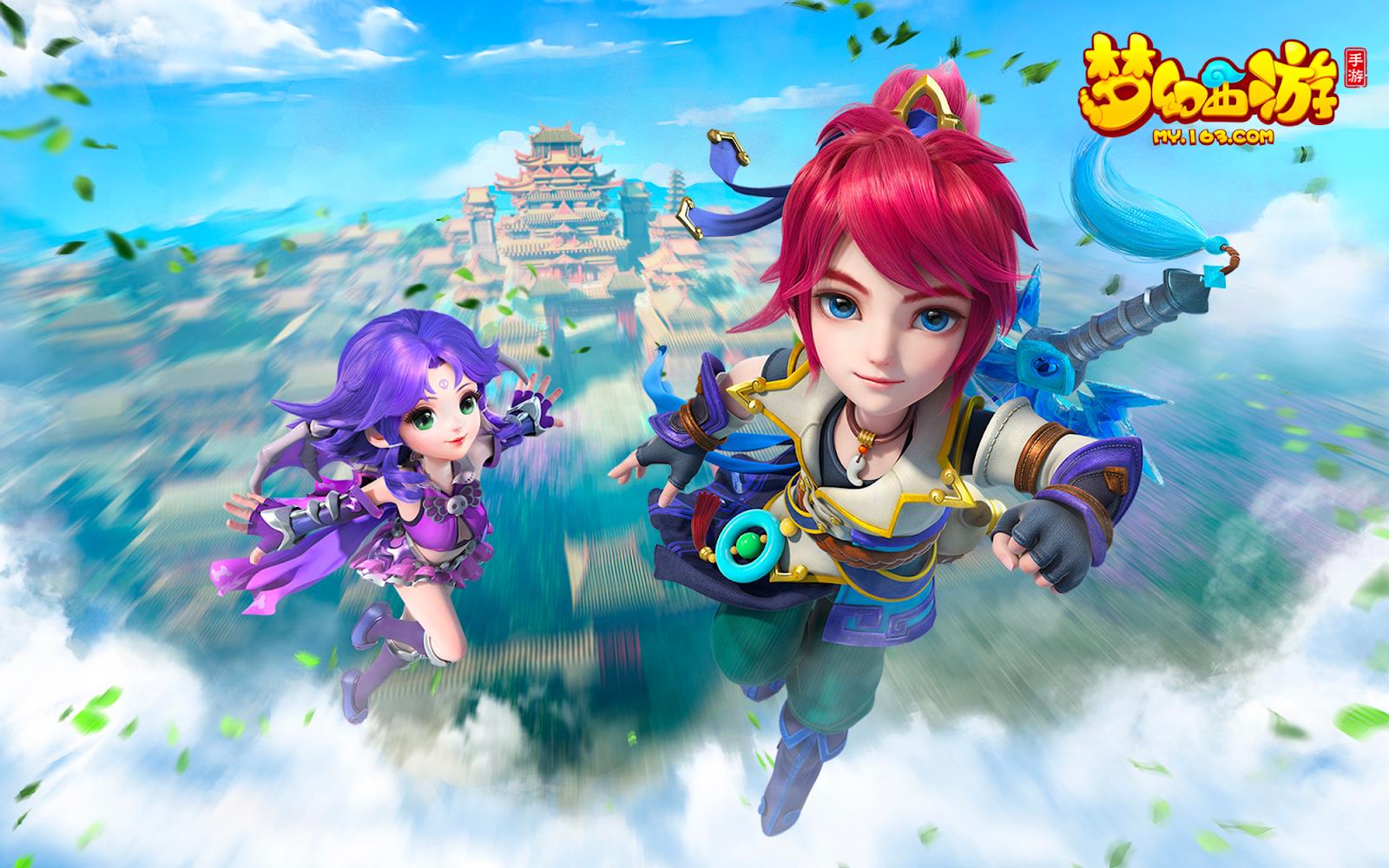
Developed and operated by NetEase, *Fantasy Westward Journey* launched on December 18, 2003. Set against the backdrop of the classic Chinese novel *Journey to the West*, the game adopts a cute art style to create a romantic atmosphere. With over 250 million registered users and more than 400 paid servers, it is one of China’s most enduring online games. Characters are divided into three races—Immortal, Human, Demon—with six avatars per race and 19 total skill schools across six sects. Players level up and earn rewards by completing quests—such as defeating the 28 constellations in Heaven Palace for gems and prizes, or fulfilling master-apprentice missions for double experience and coins.From an economic design standpoint, *Fantasy Westward Journey* resembles Mode B of the single-token model discussed earlier. Its core mechanisms can be distilled into three pillars: reservoirs, value anchors, and reserve funds.
Reservoirs:
Game developers regulate the macroeconomy primarily through supply injection and withdrawal. However, since players act as both producers and consumers, controlling only input/output cannot address internal supply-demand fluctuations, leading to relative surplus.
Relative surplus refers to temporary imbalances causing oversupply or undersupply, visibly reflected in price swings. In a cultivation-heavy MMORPG like *Fantasy Westward Journey*, demand for progression-related currency and items is relatively fixed. There are no “consumption substitutes” to absorb excess demand, and unsold intermediate goods due to oversupply often degrade player experience—a common issue also seen in blockchain games.
This problem intensifies for high-end items. Take the high-level weapon appraisal market: crafting such weapons consumes significant gameplay time, lower-tier gear, and materials, making each unit extremely valuable.
Moreover, due to randomized attributes and a high-loss recycling system, failed appraisals result in total loss. Hence, this market caters mainly to whale players (“bosses”). Long production chains and high product values naturally lead to relative surplus. Continuous output from regular players clashes with sporadic, bulk demand from whales. Without redistribution mechanisms, the system faces a dilemma: either player output goes unused, or whale demand goes unmet.
To resolve this, the game employs “reservoirs” to absorb temporary surpluses. Interestingly, the two major reservoirs emerge from both deliberate system design and organic evolution: special banks serve as currency reservoirs, while merchants function as item reservoirs. Special banks are easy to understand—they store excess in-game currency and release it when needed, stabilizing the economy by capping redemption amounts within specific time windows.
Merchants naturally arise in any “free-market” game environment—they represent a profession born out of profit opportunities. In *Fantasy Westward Journey*, merchant profits are essentially extracted from the developer, but they are permitted because they fulfill vital roles as item reservoirs and redistributors, becoming indispensable to economic stability.
In theory, merchants holding larger inventories bear higher holding costs and thus justify higher margins. When observing seemingly high-profit merchant categories, one must consider inventory costs—often revealing that their “excess profits” remain within reasonable bounds.
Value Anchors:
A second vulnerability is the risk of monopolies arising from limited short-term system output. The low cost and ease of monopolizing certain modules in-game can severely distort the economy, harming both user experience and revenue.
The solution is straightforward: introduce official value anchors. Since in-game item value equals the expected cost of game cards spent to produce them, despite differences across servers, most item prices remain within a consistent range.
In other words, if an official shop sells items at their expected production cost, controlling frequency and total output allows the developer to increase revenue while preventing monopolies and stabilizing the economy. Such mechanisms existed from day one in *Fantasy Westward Journey*: buns at 100 coins each, bookstores selling 40 stamina for 3000 coins, flying talismans at 500 coins each. These anchors provide standardized pricing for most resources—including stamina/vitality—preventing monopoly risks.
The ultimate form of anchoring may be *Fantasy Westward Journey Pocket Edition*, where players can obtain most intermediate production goods via game card expenditure. Each item carries a stable official price, forming a cornerstone of economic stability.
Reserve Fund Mechanism:
Ultimately, *Fantasy Westward Journey* is a cultivation game. If all labor surplus enters circulation freely, it contradicts the game’s essence and risks excessive profit extraction by bot farms. Thus, the reserve fund mechanism emerged—to sink part of player labor value into character progression, ensuring developer revenue is secured.
Even though some revenue comes from transaction taxes, overall circulation frequency is controlled. Time locks and restrictions on high-value trades protect player assets and help regulate turnover. The "Three Realms Merit" system epitomizes this philosophy, laying the foundation for the game’s recent prosperity.
The game hosts numerous semi-professional or professional players who earn income through gameplay—this becomes their primary motivation. For developers, distinguishing normal players from large-scale toxic bot farms is difficult, and completely blocking all cash-out channels is impractical. Hence, the Three Realms Merit system was introduced.
This system injects a new resource into the player’s resource flow. By controlling its generation and consumption, it encourages regular gameplay by genuine users while discouraging abnormal behavior by bot farms. Simply put, actions near the right end of the chain (“buy card → play → produce → cash out”) consume merit, while left-side actions generate it. Small amounts of merit are also distributed daily through encouraged activities like ghost-catching and master quests—but capped to prevent abuse.
Summary:
While the economic system isn't everything in a game, *Fantasy Westward Journey* delivers an almost perfect score by integrating content design with economic mechanics. Its clever mechanisms for maintaining account vitality, ensuring transaction order, balancing supply and demand, and enabling every participant—including the developer—to benefit are all lessons worth learning. Having reviewed a traditional gaming benchmark, let’s now examine the current state of blockchain games.
AAA Blockchain Games
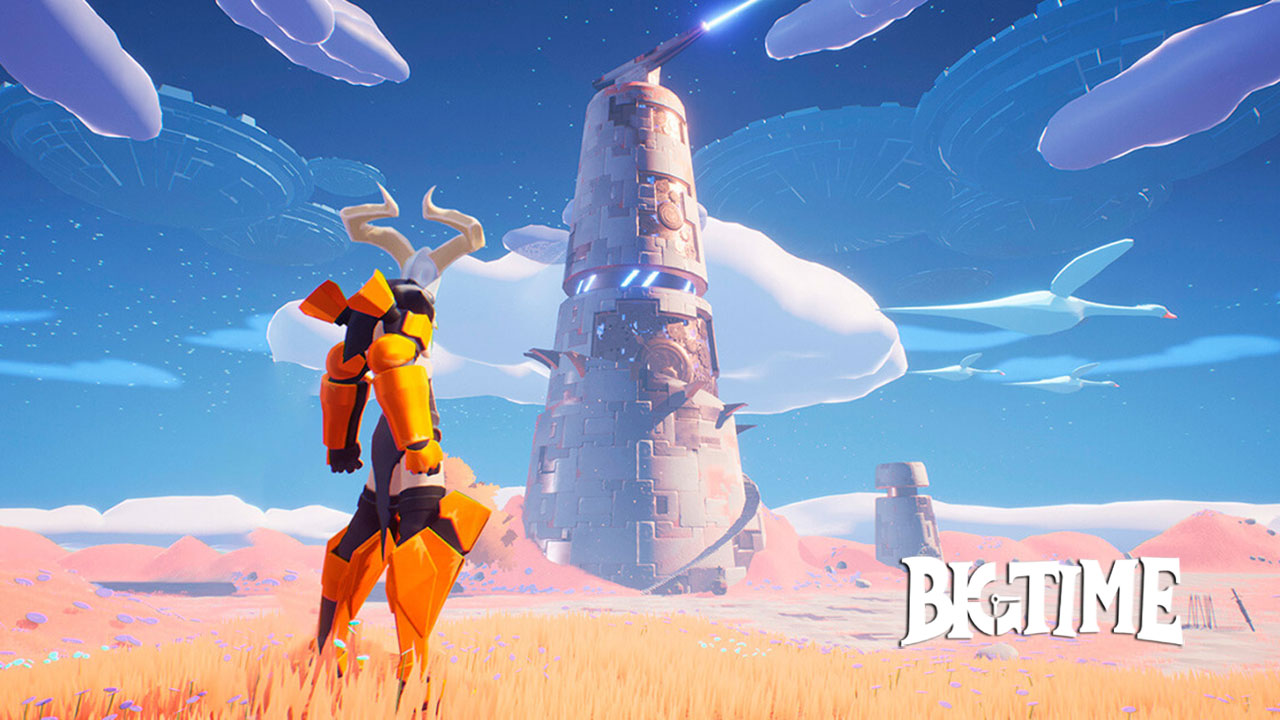
Among existing AAA blockchain games, Big Time exemplifies ongoing refinement toward a sustainable economic ecosystem. Despite its rough early versions, it validates the earlier point: “Even a highly playable blockchain game can die from economic collapse, but a mediocre one can iterate and grow with a strong economy.” Through strict centralized control, Big Time revitalized its economic model. While it hasn’t yet achieved skin-based economics, its monetization closely resembles traditional games: transaction fees, monthly blind box sales, and consumable item (crystal) sales. Careful data tuning keeps token inflation low, achieving a delicate balance between the project team and gold farmers. With steady revenue, the team can continuously optimize content, improve playability, and attract diverse player types. Perhaps this traditional-MMORPG-like approach represents the right path forward for Web2.5 games.
Fully On-Chain Games
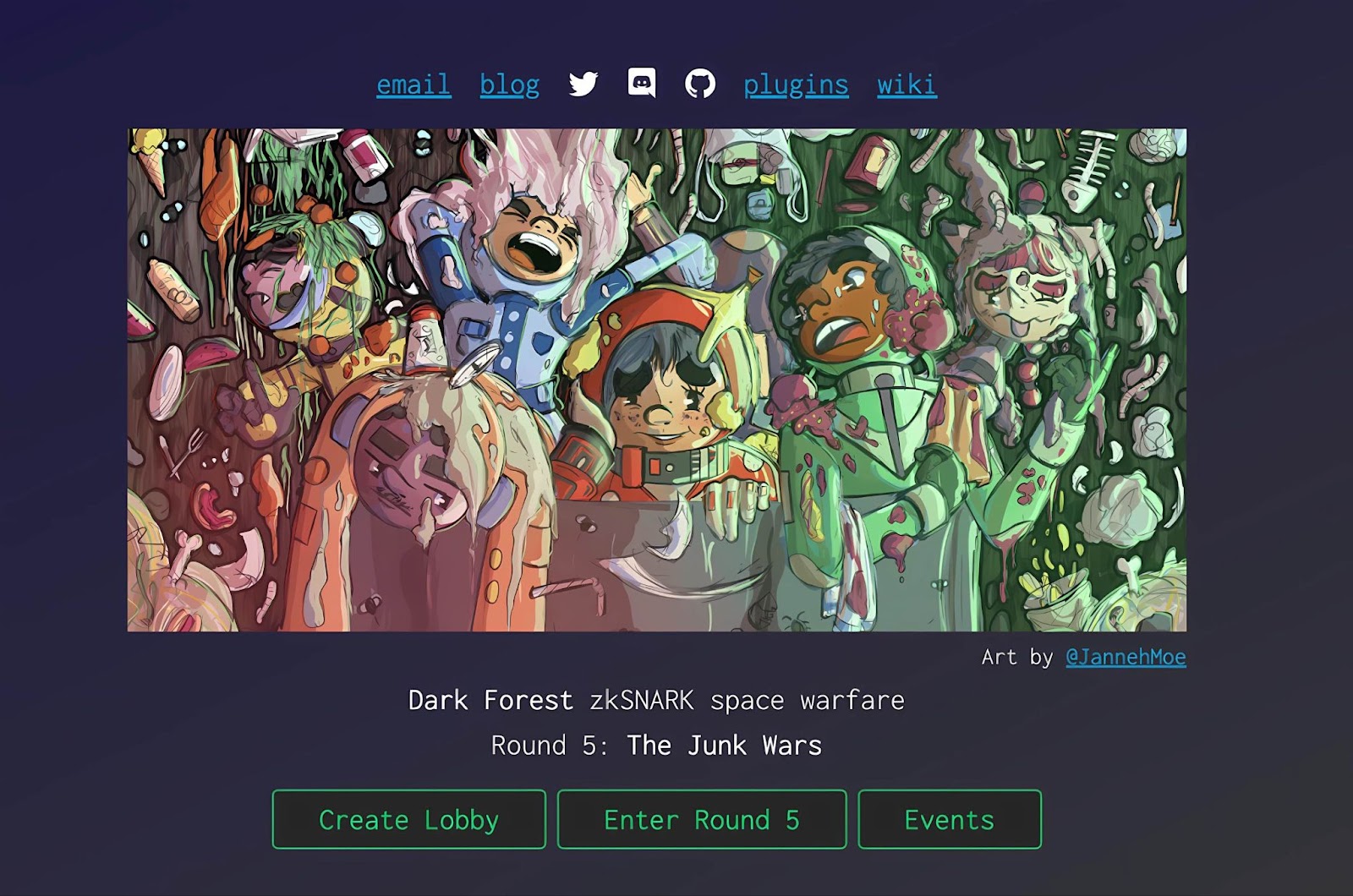
In prior articles, we explored the technical implications of fully on-chain games for blockchain. Today, let’s consider them from an economic perspective: What kind of economic model suits fully on-chain games? Currently, most fully on-chain games lack in-game tokens or meaningful token outputs. Two reasons explain this: First, the space is still nascent, without consensus on ideal game genres. Second, due to full on-chain nature, centralized intervention is difficult. Once an economic flaw emerges, the entire game can collapse instantly and irreversibly.
Can fully on-chain games not drive long-term development through economic ecosystems? Not necessarily. While I don’t have definitive answers, I believe fully on-chain games could experiment with NFT-centric economics. For instance, the ANOME protocol uses fiat-pegged staking to mint NFTs, decoupling Game and DeFi via Stake-to-Mint-NFT. This allows projects to earn sustainable DeFi yields while giving players free NFTs with dividend rights—an innovative economic model worth exploring.
Conclusion
As a dedicated console gamer myself, I’ve long believed that integrating blockchain into traditional games—or lightweight applications like Friend Tech enhancing games—is the optimal path for blockchain gaming. When I first heard about the concept of AAA blockchain games, my instinctive reaction was skepticism. Anyone familiar with AAA titles knows their outrageous production costs ($60 million–$420 million) and development cycles (~3–5 years)—projects so risky that a single failure could bankrupt a leading studio.
Achieving such projects in a bottom-up industry sounded implausible at the time. Yet Big Time and Illuvium’s resilience during bear markets and recent comeback have made me reconsider. Perhaps AAA blockchain games can achieve longevity through balanced economic models, eventually evolving into titles capable of bridging Web2 audiences. Likewise, fully on-chain games today face skepticism similar to early AAA blockchain games. But as the saying goes, “Those who never win rarely fail; those who never climb rarely fall.” New paradigms always face doubt and setbacks—it’s all part of the process.
Join TechFlow official community to stay tuned
Telegram:https://t.me/TechFlowDaily
X (Twitter):https://x.com/TechFlowPost
X (Twitter) EN:https://x.com/BlockFlow_News
 @YBBCapital