








German Cryptocurrency Market Research Report
TechFlow Selected TechFlow Selected
German Cryptocurrency Market Research Report
Germany has always maintained a relatively open attitude toward cryptocurrencies, viewing them as a key driver for economic development.
 Navigating Web3 tides with focused insights
Preface
The cryptocurrency sector is advancing rapidly, and Germany, as the world's fourth-largest economy, has demonstrated strong potential in this domain. According to a study by Chainalysis, Germany ranks as the second-largest crypto economy in Europe and is widely recognized as one of the most crypto-friendly regulatory environments in Europe.
Germany has long maintained an open stance toward cryptocurrencies, viewing them as a key driver for economic growth. It provides investors with a safer and more transparent investment environment. Additionally, the German government encourages banks and financial institutions to actively participate in the development of cryptocurrencies, offering corresponding regulation and support. These measures help attract increasing numbers of investors and businesses to focus on Germany’s cryptocurrency market.
1. German Macroeconomic Indicators
The Federal Republic of Germany, commonly known as "Germany," is one of the most innovative economies globally. Comprising 16 federal states, it covers an area of 357,000 square kilometers, stretching 876 kilometers from north to south and 640 kilometers from east to west, extending from the North Sea and Baltic Sea in the north to the Alps in the south, with a temperate climate and distinct seasons.
1.1 Europe's Largest Economy
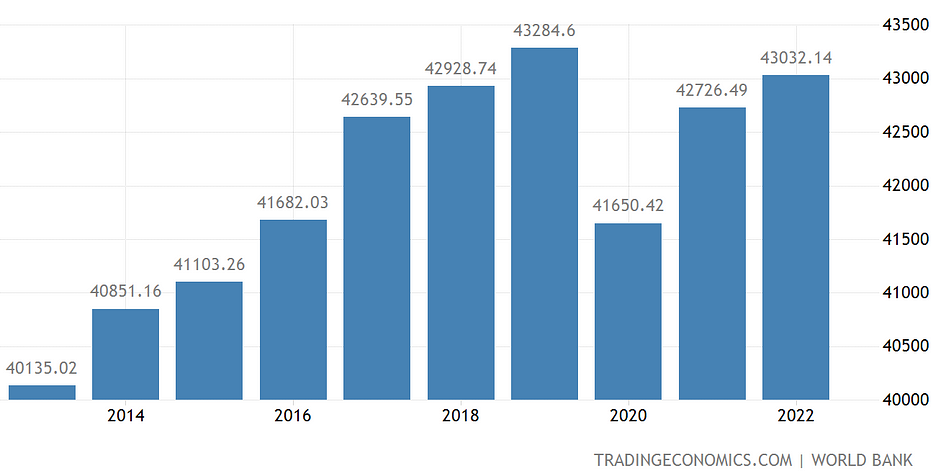
Germany is the world's fourth-largest economy and Europe's largest, with a per capita GDP of $43,032.14 in 2022—equivalent to 341% of the global average. From 1970 to 2022, Germany’s average per capita GDP was $31,527.69, peaking at $43,284.60 in 2019 and reaching its lowest point at $17,894.30 in 1970. The country's average annual income stands at $53,390, placing it among high-income nations. Even when adjusted for purchasing power, it remains one of the world’s top 20 wealthiest countries.
1.2 Inflation Rate Is Gradually Declining
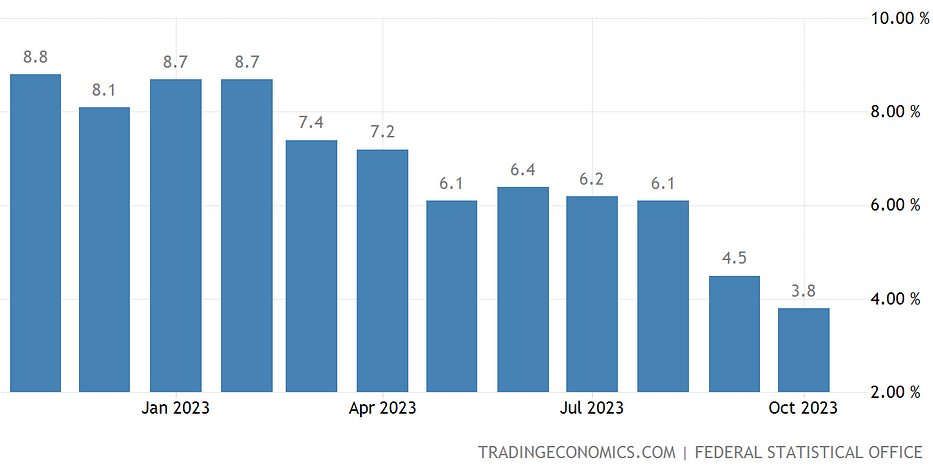
In October 2023, Germany confirmed a year-on-year price increase of 3.8%, a significant drop from 4.5% the previous month. This latest figure marks the lowest level in nearly two years. Food prices rose at their slowest pace since February 2022 (6.1%, down from 7.5% in September), while energy prices declined for the first time in nearly three years (-3.2%, compared to +1.0% in September).
2. Characteristics of German Crypto Users
Germany has a population of approximately 83.2 million (data from Worldata.info, 2023). According to data from TripleA and GWI Research, there are 3.49 million cryptocurrency users in Germany, accounting for about 4.19% of the total population. A survey by KuCoin found that 49% of German crypto investors believe digital currencies can help them achieve long-term wealth accumulation goals, while a quarter view the asset class as a store of value amid current economic turbulence.
2.1 High-Income Individuals Are More Likely to Invest in Cryptocurrency
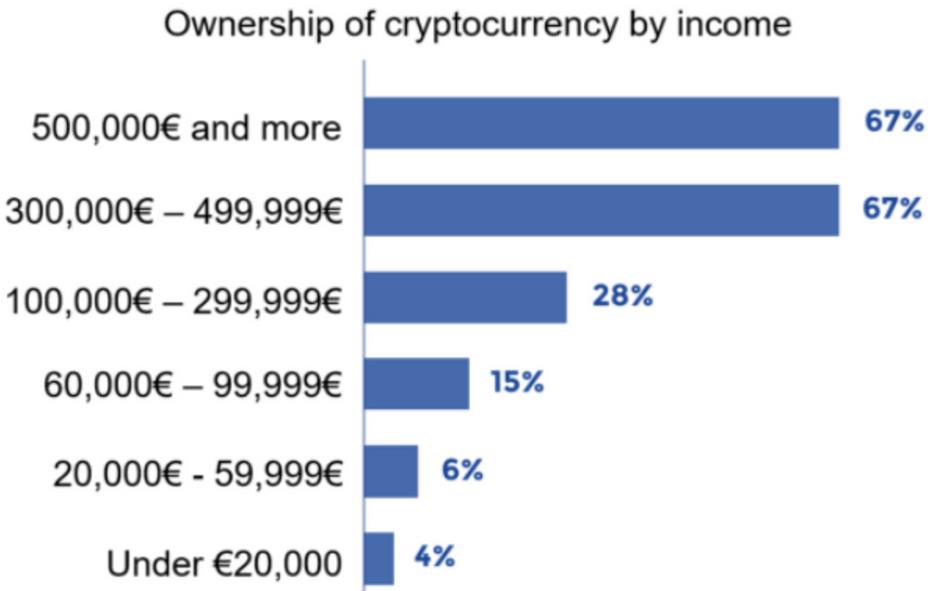
Data shows that higher-income groups hold significantly more cryptocurrency. Among surveyed Germans, 67% earning over €800,000 annually own crypto, while 44% earning between €200,000 and €800,000 also show ownership rates at least double those of other income brackets.
2.2 Millennials Are the Primary Crypto Users
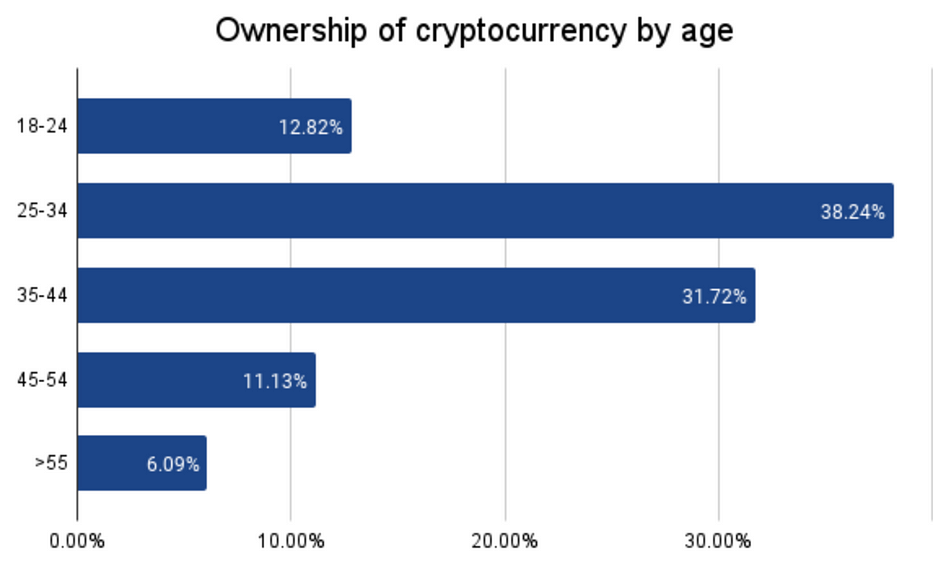
Surveys indicate that the majority of German cryptocurrency holders are aged 25–44 (around 70%). Digital assets tend to appeal more to younger generations due to their openness to innovation. Generation Z (18–24 years old) accounts for only 12.82% of Germans engaging with the crypto market, while those aged 55 and above make up just 6.09%. This suggests that millennials (born 1981–1996) are the primary holders of cryptocurrency in Germany.
2.3 BTC Is Preferred Over Other Cryptocurrencies
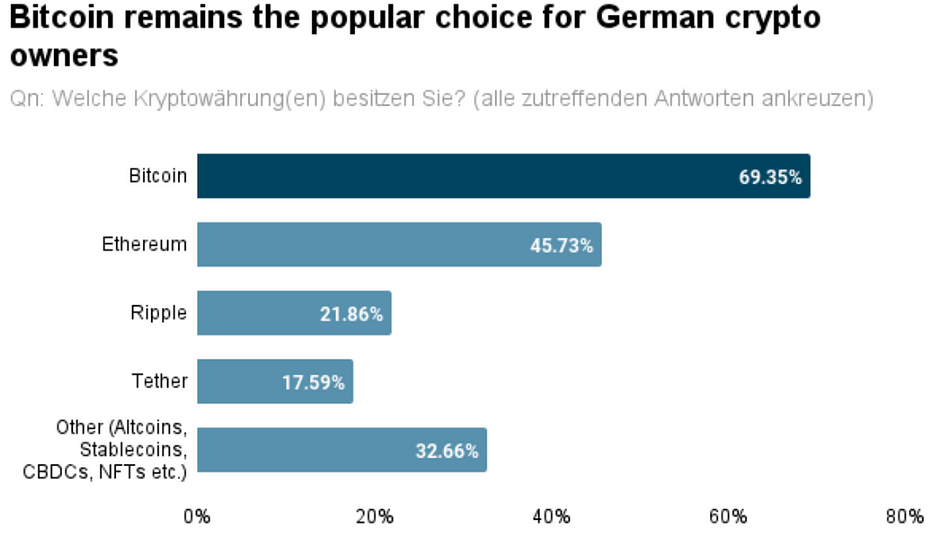
BTC remains the most popular choice among German crypto holders, with approximately 69.35% of respondents owning Bitcoin. ETH follows closely due to its wide application, held by 45.73%. Next come Ripple (XRP) at 21.86%, Tether (USDT) at 17.59%, and other altcoins at 32.66%.
2.4 High Adoption of Cryptocurrency in E-Commerce
In Germany, cryptocurrency is officially recognized as a legal payment method. The government encourages businesses to accept crypto payments and offers tax incentives accordingly. Currently, people can use Bitcoin to purchase apartments in Berlin, book holidays, and pay for meals at popular local restaurants.
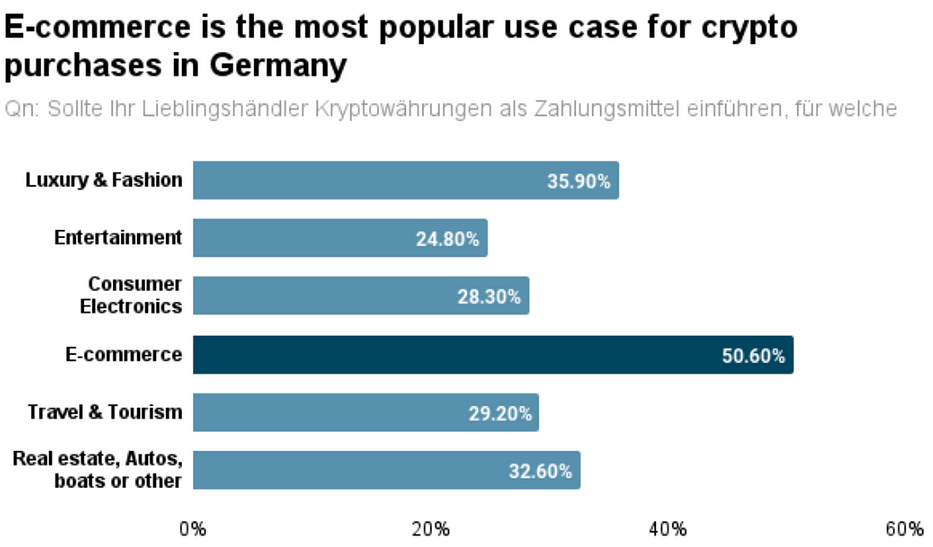
According to a TripleA survey, the entire retail industry eagerly anticipates crypto payment services. Respondents showed interest across major categories including entertainment, e-commerce, and luxury retail. E-commerce leads in crypto adoption at 50.6%, followed by luxury retail at 35.9%, travel payments at 29.2%, and large-asset purchases like real estate and vehicles at 32.6%.
Moreover, broader merchant adoption of crypto payments creates network effects, accelerating public adoption. Notably, 20.3% of respondents stated they currently do not hold crypto because merchants do not support it.
2.5 Demand for Greater Crypto Education
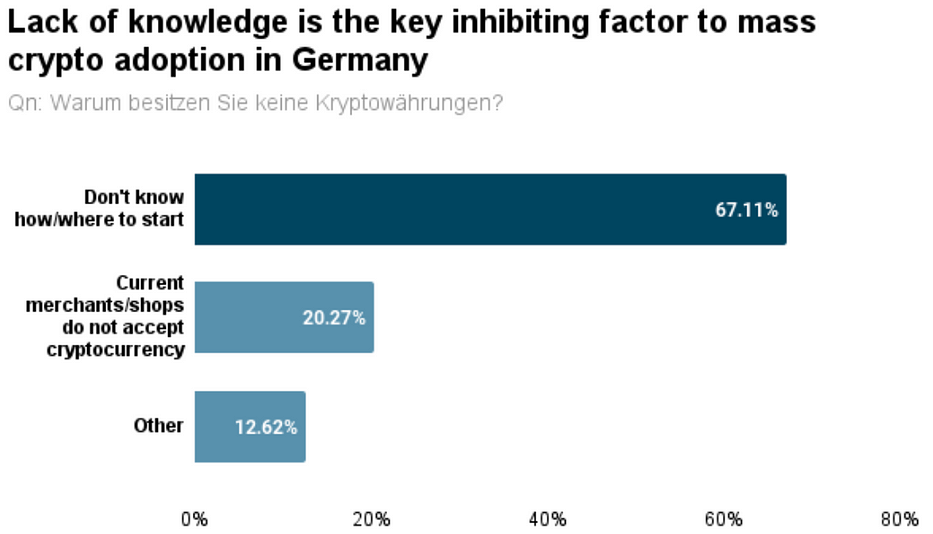
A majority (67.11%) of non-crypto-owning Germans said they lack sufficient knowledge, indicating substantial room for increased adoption through proper education and outreach.
According to Statista, the number of users in the cryptocurrency market is expected to reach 19.06 million by 2027. User penetration was 17.94% in 2023 and is projected to rise to 22.87% by 2027.
3. Regional Preferences for CEXs in Germany
In Germany, individuals can securely and efficiently access various cryptocurrencies through exchanges regulated by BaFin (the Federal Financial Supervisory Authority). BaFin oversees various financial entities and activities in Germany, with primary responsibilities covering banking, insurance, securities regulation, and consumer protection.
3.1 Bitpanda – CEX Headquartered in Berlin
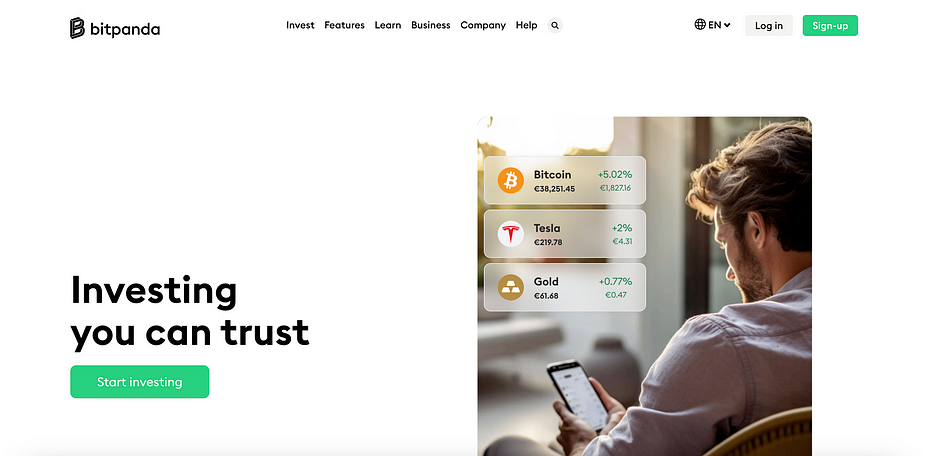
Bitpanda is a leading cryptocurrency exchange licensed by Germany’s Federal Financial Supervisory Authority (BaFin). Headquartered in Berlin, it offers multiple services including trading over 3,000 cryptocurrencies, stocks, ETFs, and more. Notably, it is one of the few European exchanges providing secure dollar-cost averaging (DCA) services for cryptocurrencies—a feature especially relevant to investors in Austria. Raiffeisen Bank AG in Vienna recently announced that starting January 2024, it will offer clients the opportunity to invest in Bitcoin, designating Bitpanda as the custodian.
3.2 eToro – A Sudden Favorite for CFD Trading
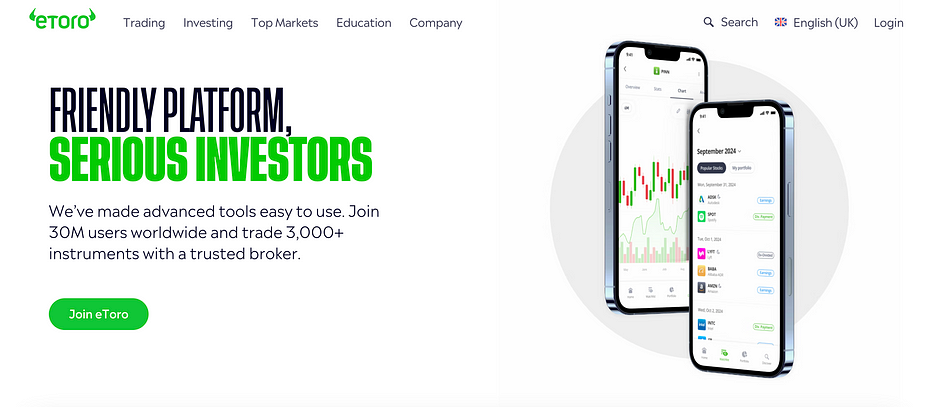
eToro is highly regarded in Germany, particularly for its cryptocurrency Contracts for Difference (CFDs), offering access to over 3,000 assets such as cryptocurrencies, stocks, commodities, indices, and ETFs. Key features include social trading options like copy trading, demo accounts for practice, and attractive deposit yields of up to 5.3% per annum.
Regulated by the Cyprus Securities and Exchange Commission (CySEC), eToro is favored by German investors for its user-friendly interface and cost-effective EUR deposit methods, including SEPA, online banking, Sofort, Giropay, and debit cards. Furthermore, eToro stands out with its competitive pricing structure, featuring zero upfront commissions and tight spreads across various assets.
3.3 Bybit – Leader in Derivatives Trading
Founded in 2018, Bybit has quickly become a leader in Germany’s cryptocurrency derivatives trading space. The platform supports over 770 crypto assets and is widely recognized for its competitive fees in spot, futures, and options markets. Its specialized expertise in crypto futures trading makes it a top choice among German crypto investors.
Bybit adopts a robust, globally oriented approach to regulatory compliance, holding licenses in Dubai and recently receiving authorization from BaFin to operate within the EU. Additionally, Bybit is actively cooperating with EU authorities on compliance with the Markets in Crypto-Assets (MiCA) regulations.
3.4 OKX – Most Comprehensive Crypto Trading Platform
OKX ranks fourth among German investors’ preferred crypto platforms, renowned for its comprehensive trading capabilities. With a portfolio of over 300 crypto assets, it supports not only traditional spot trading but also futures, options, and margin trading. Notably, OKX Wallet is highly advantageous for DeFi enthusiasts, enabling seamless integration with protocols such as AAVE and Uniswap to enhance staking returns.
Operating out of Seychelles and compliant with regulatory frameworks, OKX ensures full accessibility in Germany. Its appeal lies in strong API support, top-tier liquidity, and compatibility with web3 protocols, making it attractive to institutional traders and DeFi-focused users alike.
3.5 Bitcoin.de – Germany’s Oldest Crypto Trading Platform
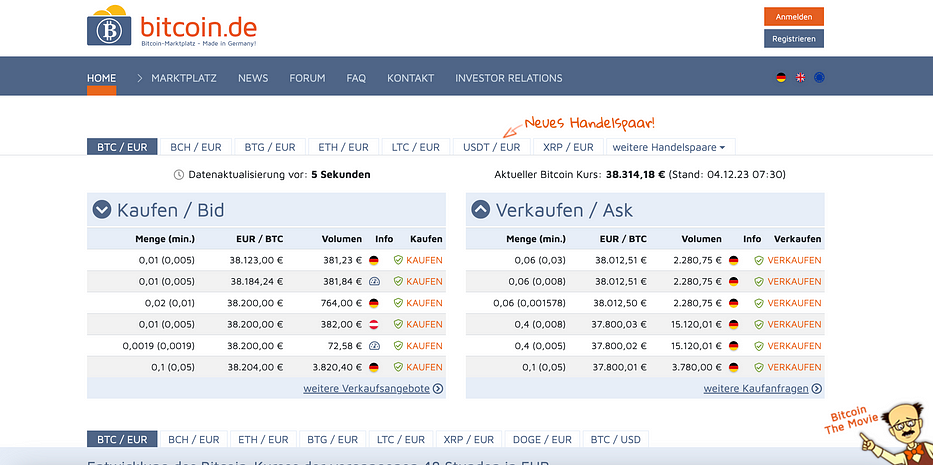
Bitcoin.de, a well-known German cryptocurrency exchange headquartered in Germany, is one of the country’s oldest and most established Bitcoin trading platforms. It pioneered a unique model as the world’s first exchange to partner with Fidor Bank AG to facilitate direct crypto transactions via users’ bank accounts. The platform supports multiple languages, including German and English, catering to diverse audiences.
While Bitcoin.de’s German roots and innovative features are commendable, it faces competition from emerging domestic platforms. Major challenges include an outdated user interface and a relatively limited selection of only eight cryptocurrencies. These factors may limit its appeal, particularly among users who prioritize modern interfaces and broader crypto asset offerings.
Investors in Germany have various payment options for trading crypto, including SEPA bank transfers, credit cards, Giropay, Sofort, and others to deposit euros (EUR), making buying, staking, and trading cryptocurrencies more standardized and convenient.
4. Web3 Projects in Germany
4.1 Bitwala – Blockchain Banking Solution Provider
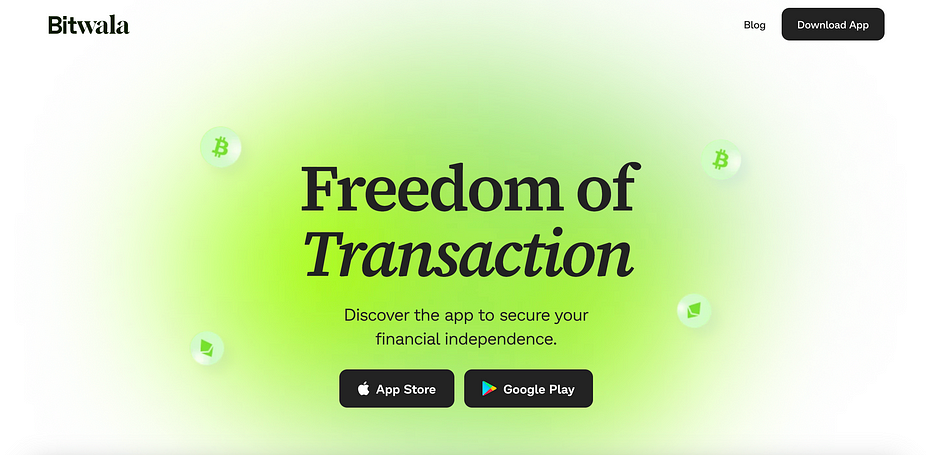
Founded in October 2015, Bitwala is a Berlin-based blockchain banking service company established by Jörg von Minckwitz, Jan Goslicki, and Benjamin P. Jones. Initially conceived as a blockchain-based global payment provider, Bitwala differentiated itself from traditional services like Western Union and Transferwise by using digital currencies to enable faster and cheaper transactions.
Bitwala offers SEPA and SWIFT money transfers, allowing users to convert Bitcoin or other tokens into more than 20 fiat currencies across over 200 countries. However, in January 2018, Bitwala lost its VISA license and temporarily suspended operations due to compliance issues with its prepaid card provider, WaveCrest Holdings LTD. Despite this setback, Bitwala joined the European Fintech Alliance in August 2018 and repositioned itself.
To revamp its services, Bitwala partnered with Berlin-based white-label bank SolarisBank and secured €4 million in funding from venture capital firms Earlybird and Coparion in September 2018. This funding enabled Bitwala to relaunch in November 2018 with Europe’s first regulated blockchain banking solution, allowing users to manage Bitcoin and euro deposits in one place through a German bank account hosted by Solarisbank.
4.2 NERVE Global – Peer-to-Peer Payments and Incentives
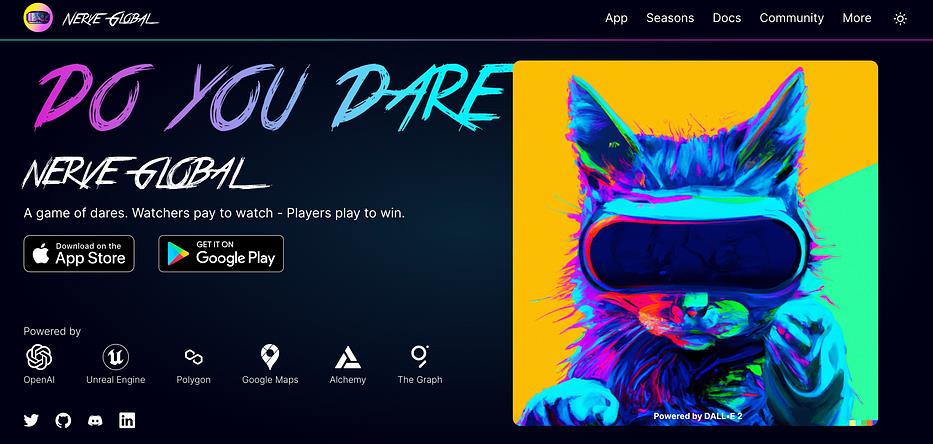
NERVE Global, founded in 2019 and incubated by V_Incube8 (India) with investment from The Graph (San Francisco), is a blockchain company focused on providing social media users with blockchain-based peer-to-peer payments and incentive programs. Its goal is to transform the reward landscape for social media content creation, empowering communities to exert greater influence over content.
Their platform enables users to collectively contribute cryptocurrency linked to proposals they wish to see implemented by their favorite social media influencers. NERVE facilitates the creation of content-related bets processed on the blockchain. As a standalone tool, NERVE seamlessly integrates with any social media platform and primarily operates on the Ethereum blockchain. The NERVE app is compatible with Windows, Android, and iOS devices.
4.3 Lisk – Application Platform with Minimal Sidechain Complexity
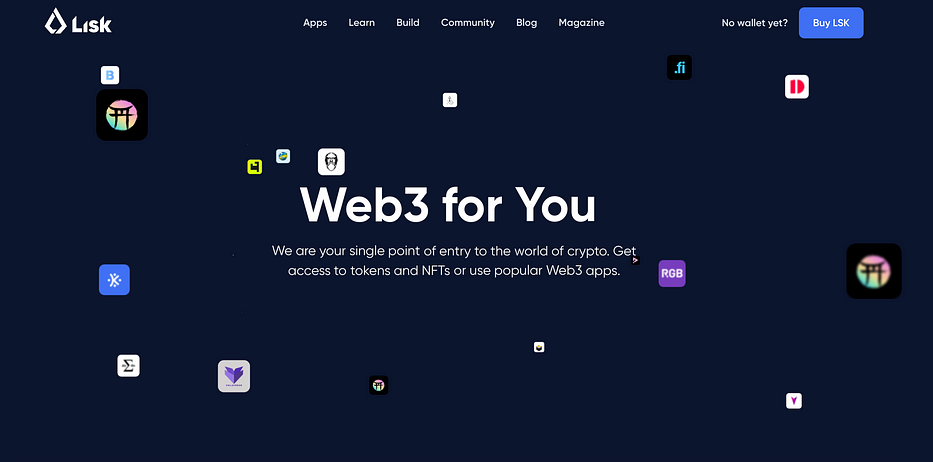
Lisk is an open-source Web3 application platform designed for seamless interoperability with sidechains. Its JavaScript SDK provides developers a direct pathway to launch their own blockchains compatible with Lisk. The native cryptocurrency on the Lisk blockchain is the LSK token, and the network achieves consensus through Delegated Proof of Stake (DPoS).
The Lisk SDK is an open-source software development kit enabling developers to build scalable Web3 applications using JavaScript. These applications run on their own blockchains, offering near-infinite customization and default compatibility with the Lisk protocol.
The native utility token of the Lisk network, LSK, can be used for balance transfers, voting, registering multi-signature accounts, and more. With the introduction of Lisk Interoperability, additional functions such as registering blockchains on the network will require the use of LSK tokens. For more details, refer to the official Lisk SDK documentation.
4.4 Molecule – Decentralized Intellectual Property Software Platform
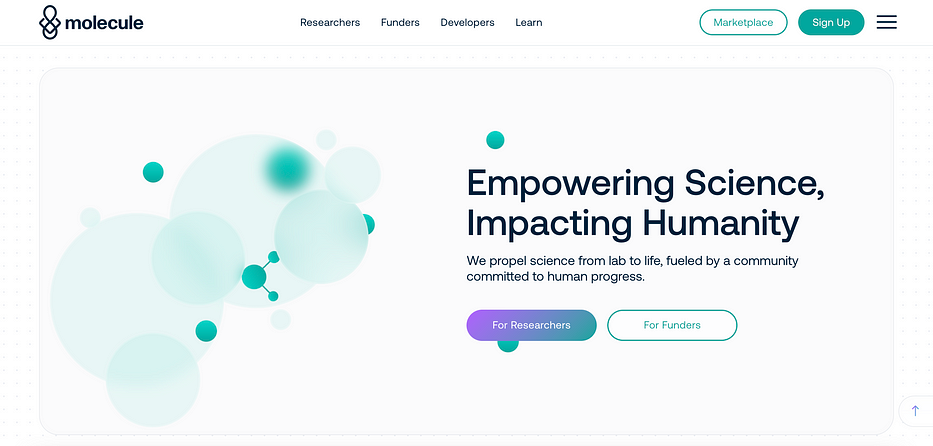
Molecule was founded in 2020 in Berlin, funded by Sora Ventures, and co-founded by Paul Kohlhaas and Tyler Golato. Headquartered in Schaffhausen, Switzerland, it is a software platform aiming to decentralize intellectual property (IP) development in the biotechnology industry.
As a decentralized biotech protocol, Molecule has built a Web3 marketplace for research-related intellectual property (IP-NFTs). It provides biotech DAOs with a platform and scalable framework, bridging academia and biotech companies while facilitating rapid and efficient fundraising. This innovative system allows patients, researchers, and investor communities to actively participate in the direct management and ownership of research-related IP.
IP-NFTs establish a groundbreaking link between intellectual property (IP) and cryptocurrency—specifically non-fungible tokens (NFTs). This innovation offers scientists new ways to raise research funding and create novel transaction models for their discoveries. By combining sponsored research agreements and patent licensing contracts with Ethereum smart contracts, IP-NFTs represent a significant advancement in scientific protocols. These tokens digitize legal contracts, enabling them to reside securely within Ethereum smart contracts. This digital transformation enables seamless peer-to-peer transfer of IP-NFTs, promotes fair distribution of licensing and governance rights within communities, and fosters collective intelligence and active participation in shaping the trajectory of scientific discovery.
4.5 BitGo – Wallet Service Provider and WBTC Custodian
BitGo is a leading provider of secure and scalable solutions for the digital asset economy. Founded in 2013, it pioneered multi-signature wallets and introduced Threshold Signature Scheme (TSS) to enhance security. BitGo secures over 600 tokens across various blockchains, offering the most secure technology available in the market. Originally focused on wallets, BitGo has expanded its services to regulated custody, lending, and integrated infrastructure solutions.
In 2018, BitGo launched BitGo Trust Company, offering fully regulated cold storage alongside hot wallet solutions. In 2020, BitGo Prime was introduced, enabling customers to trade and lend. BitGo’s product suite includes DeFi, staking, and NFT wallets, and it serves as the exclusive custodian for WBTC (Wrapped Bitcoin). Operating globally, BitGo is a leader in digital asset security, custody, and liquidity, serving over 1,500 institutional clients across 50 countries. Notably, BitGo processes approximately 20% of the global Bitcoin transaction value by volume.
5. Germany’s Regulatory Policies Toward the Crypto Market
In 2014, Germany became the first country to recognize Bitcoin as currency, highlighting its open attitude. Similarly, members of the German central bank’s board have called for effective and appropriate regulation of cryptocurrencies and tokens. Several decision-makers at the German central bank have participated in EU-wide discussions, including initiatives like the European Blockchain Partnership, aimed at promoting the crypto industry across the European Union.
5.1 Germany Classifies Cryptocurrencies as Financial Instruments
Under Section 10 of the German Banking Act, crypto assets are classified as financial instruments. According to the fourth sentence of Section 1(11) of the German Banking Act, crypto assets are defined as digital representations of value that are neither issued nor guaranteed by a central bank or public authority, and are not considered legal tender, but are accepted by natural or legal persons as a means of exchange or payment or for investment purposes based on agreement or actual practice, and can be transferred, stored, and traded electronically, thereby possessing monetary or financial legal status.
German law treats cryptocurrencies as equivalent to traditional fiat currencies as exchange tools, providing legal safeguards for their application across various sectors. Moreover, the German government encourages businesses to accept crypto as payment and offers corresponding tax incentives—measures that lay a solid foundation for the promotion and adoption of cryptocurrencies in Germany.
5.2 Anti-Money Laundering and Counter-Terrorist Financing
In Germany, all cryptocurrency companies are legally required to establish internal operational policies to detect transactions related to money laundering and terrorist financing. These policies must protect not only the reputation and financial strength of crypto firms but also ensure the integrity and stability of the entire financial market. BaFin is responsible for ensuring that all regulated entities comply with rules stipulated in the following legislation:
-
Anti-Money Laundering Act
-
Banking Act
-
Insurance Supervision Act
-
Payment Services Supervision Act
-
Investment Directive
According to Section 4 of the Anti-Money Laundering Act, obligated companies must implement risk management functions based on the type and scope of their business. This includes risk analysis procedures under Section 5 and internal risk measures under Section 6 of the same act—core components of a risk-based approach to combating money laundering and terrorist financing.
Cryptocurrency firms must also adhere to customer due diligence requirements. This involves identifying customers, individuals acting on their behalf, and beneficial owners or ultimate beneficiaries, as well as screening whether they are politically exposed persons (PEPs), relatives of PEPs, or known close associates. Additionally, whenever the purpose and nature of a business relationship are unclear, clarification must be sought.
Obligated entities such as crypto companies must ensure timely updates of relevant documents and information according to established procedures. These measures allow tracing of cash flows and identification of suspicious transactions. Therefore, responsible entities must investigate such transactions by gathering further information and immediately report any criminal activity to the Financial Intelligence Unit of the Central Customs Administration.
5.3 Cryptocurrency Licenses in Germany
Offering crypto products and services commercially or as part of establishing a business enterprise in Germany requires written authorization from BaFin, regardless of the legal form of the business (sole proprietorship, partnership, limited liability company, etc.). If conducting such business in Germany, authorization is required solely under Section 32(1) of the German Banking Act.
All companies planning to provide cryptocurrency custody services in Germany must apply for BaFin authorization. BaFin evaluates applications under the German implementation of the Fourth EU Anti-Money Laundering Directive (4AMLD) and the German Banking Act, which classify crypto custody as a new financial service. Key requirements for crypto custodians include a minimum initial capital of €125,000, reliable owners, trustworthy and qualified managing directors, and a viable business plan.
These requirements apply even if the company operates as a member or participant of an organized market or multilateral trading system, directly accesses trading venues electronically, or deals in commodity derivatives, emission allowances, or derivatives thereof.
5.4 One-Year Holding Period Exemption
Tax treatment of cryptocurrencies depends on their classification as “private money.” Notably, profits from selling cryptocurrencies are tax-exempt if the asset has been held for more than one year. Conversely, profits from sales within one year of purchase are subject to income tax at rates ranging from 14% to 42%. Additionally, gains up to €600 per year are tax-free. The Federal Central Tax Office (BZSt) oversees these tax regulations. Consulting a qualified tax professional is recommended for accurate guidance and compliance with the latest rules.
Businesses in Germany that transact using cryptocurrencies must record their gains and losses in euros and pay value-added tax (VAT) just as they would with traditional currency. For example, if a business accepts Bitcoin as payment for goods or services, it must convert the transaction value into euros and pay VAT on that amount.
Germany’s system effectively balances simplicity and fairness, encouraging long-term crypto investment while still taxing short-term gains. Additionally, by treating cryptocurrencies similarly to other forms of private money, the German government avoids creating a separate and complex tax structure for digital currencies.
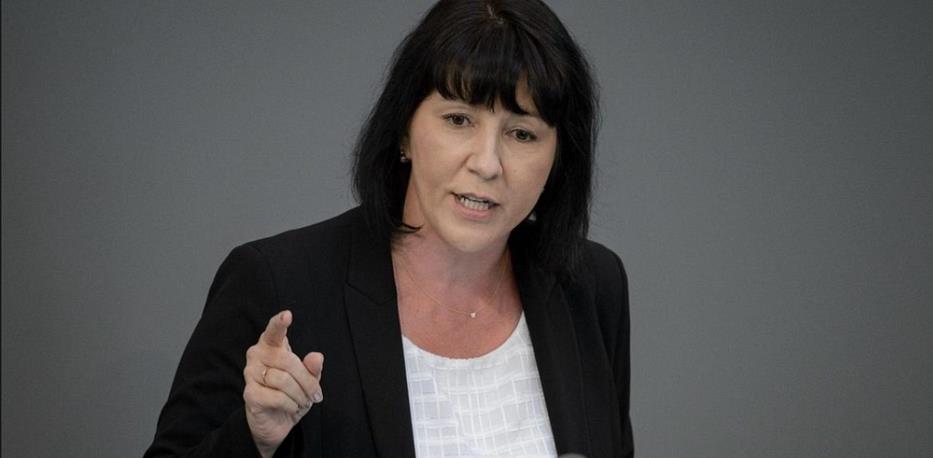
Joana Cotar, a member of the German Bundestag (parliament), supports recognizing Bitcoin as legal tender in Germany. She emphasizes the need for a balanced regulatory environment—one that addresses concerns around money laundering and tax evasion without stifling innovation. Cotar envisions a future where Bitcoin could be used for tax payments and fees, and even mined to stabilize the power grid. If successful, Germany’s legalization of Bitcoin could influence other nations and potentially impact Bitcoin’s value through increased demand and legitimacy.
6. Conclusion
According to a Chainalysis study, Germany is the second-largest cryptocurrency economy in Europe, and a 2022 ranking by CoinCub even placed Germany as the most crypto-friendly country globally.
The implementation of cryptocurrency regulations in Germany has, to some extent, contributed to the decentralization of the crypto market, better protecting the security and privacy of digital assets. Transparent regulatory frameworks also enhance market liquidity, giving more investors confidence to enter the market. However, regulations also present significant challenges. As investors, we must carefully research and choose platforms to better safeguard our interests.
Currently, Germany has made breakthrough progress in blockchain technology and cryptocurrency research and development. The growth and prosperity of Germany’s cryptocurrency market will attract more international fintech companies to enter the German market, driving job creation and economic growth. Furthermore, the application of cryptocurrencies will improve the efficiency and security of Germany’s financial system, bringing more investment and innovative vitality to its financial markets, further solidifying Germany’s position as a global leader in technological innovation.
With continued development of government regulations, the rise of fintech, the legal recognition of cryptocurrencies, and Germany’s technological innovation capabilities, Germany’s cryptocurrency market is poised for rapid growth. As a vital part of the global economy, Germany will profoundly influence the global cryptocurrency market. We have good reason to believe that Germany’s future in the cryptocurrency space will be even brighter.
Join TechFlow official community to stay tuned
Telegram:https://t.me/TechFlowDaily
X (Twitter):https://x.com/TechFlowPost
X (Twitter) EN:https://x.com/BlockFlow_News
 @MIIXCapital_CN








