The Power of "Intent": Exploring the 'Intent' Paradigm in the Ethereum Ecosystem
TechFlow Selected TechFlow Selected
The Power of "Intent": Exploring the 'Intent' Paradigm in the Ethereum Ecosystem
Intent is not merely a technical concept; it plays a central role in shaping a more human-centric, efficient, and orderly digital future.
 Navigating Web3 tides with focused insights
Author: PSE Trading Analyst @Calvin
Imagine the "intent" layer as a large box where everyone's "needs" are submitted. The Intent Layer matches these needs internally, locking in globally optimal outcomes or shortest paths. At the end of the process, every need is fulfilled—simplifying operations while significantly improving system efficiency and effectiveness.
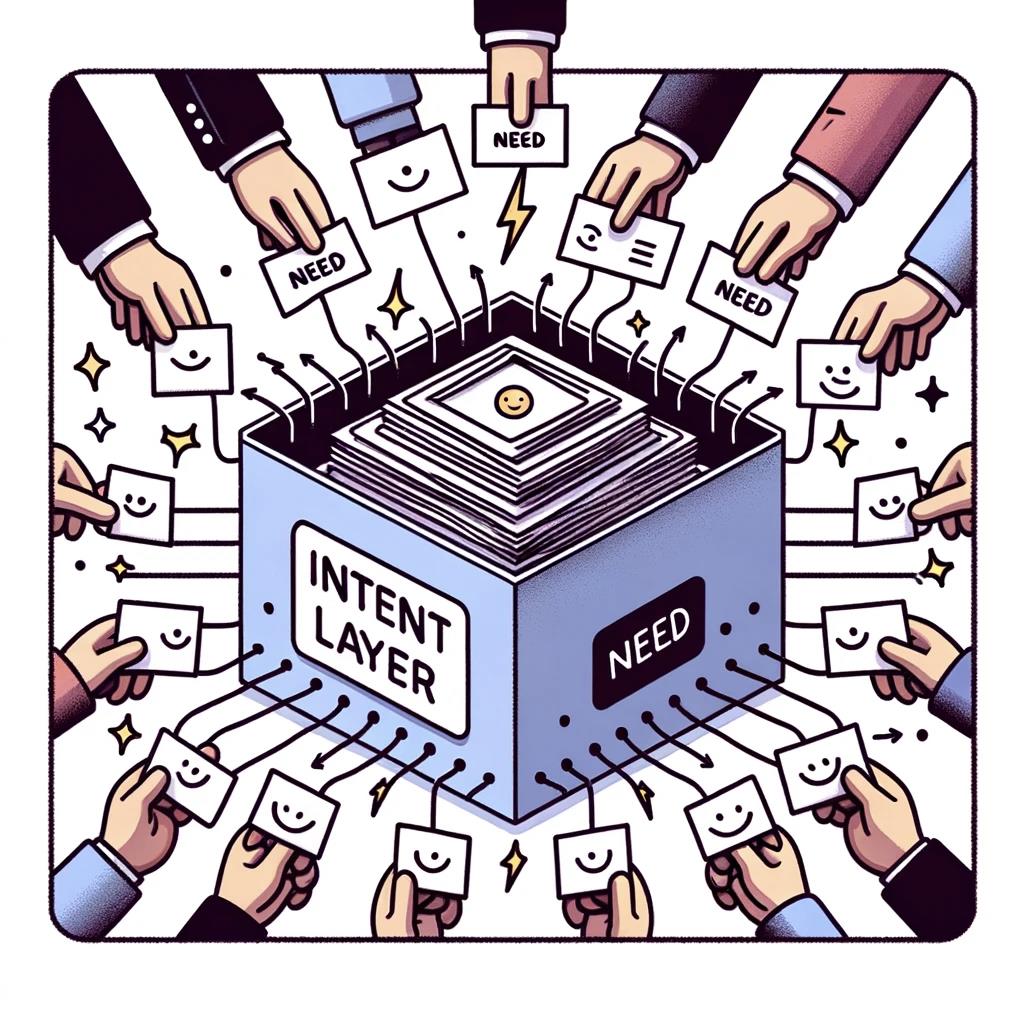
This is an intuitive explanation of "Intent".
This article explores the significance of "Intent" within Ethereum's ecosystem and its potential future impact.
Mass Adoption — The Core Significance Behind Intent
"Mass Adoption," meaning widespread use or broad acceptance of ETH, was a key topic at this year’s ETHCC in Paris. “ETH Mass Adoption” not only signifies technological maturity entering its next phase but also symbolizes growing influence over the future digital society.
Despite its innovation, DeFi faces limitations in普及ation and expansion due to complexity and high barriers to entry. Even driven by speculative factors, the number of people genuinely interested in and participating in DeFi remains relatively small. This implies that if DeFi serves as the core driver for blockchain ecosystem growth, it will eventually hit a bottleneck.
Future adoption is unlikely to happen through direct interaction with DeFi platforms, but rather via more user-friendly interfaces—such as mobile wallets—acting as intermediaries between users and DeFi.
"Intent"—the intent layer—will dramatically reduce operational barriers, which is precisely why Intent is being actively promoted.
It simplifies complex operations and interactions on the blockchain, making them more user-friendly. Specifically, it aims to optimize protocols and infrastructure by consolidating multiple steps or actions into one simple, intuitive operation, enabling users to achieve their goals more easily.

Three Definitions of Intent — Defining the Boundaries of Intent
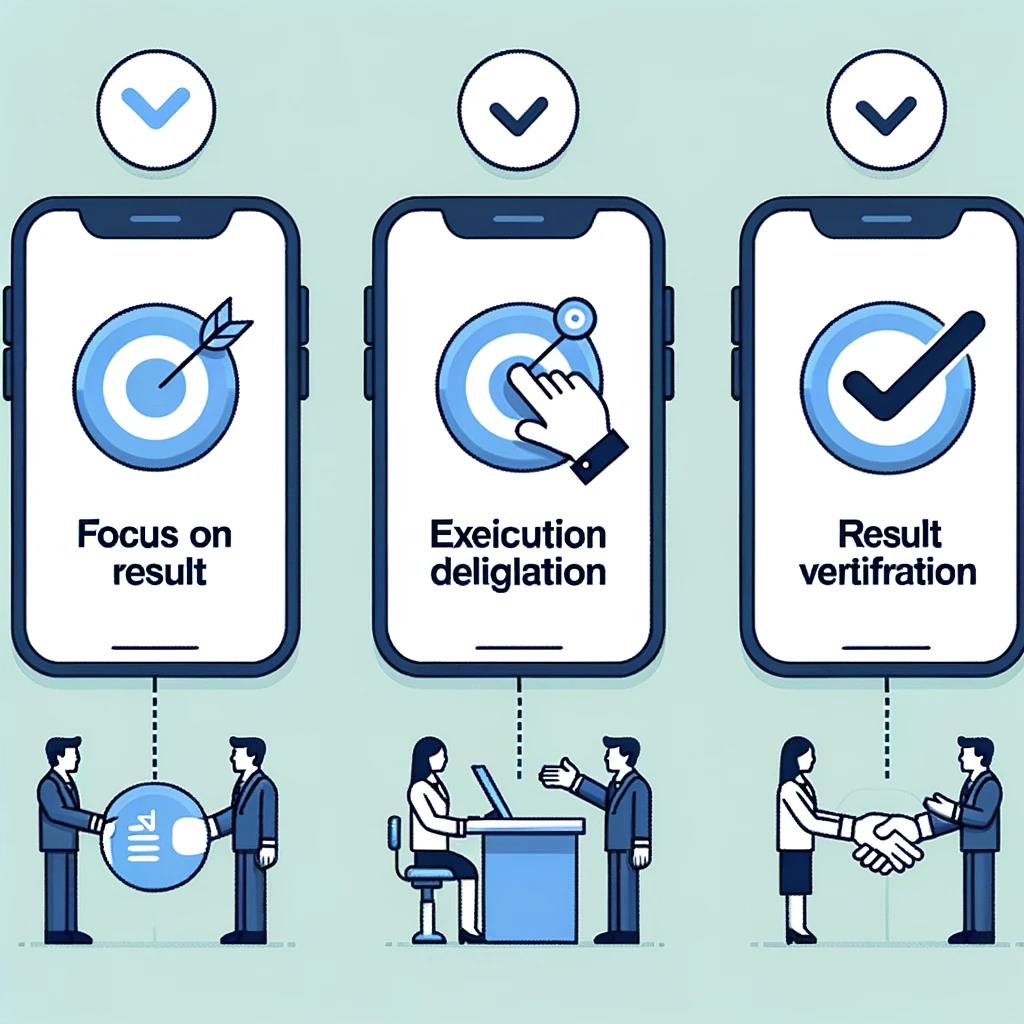
After gaining an intuitive understanding of Intent, it is necessary to define it clearly and establish its scope:
Focus on "Outcome" Rather Than "Specified Process"
"Intent" projects allow users to declaratively state their transaction or operational intentions instead of specifying execution steps. These declarations should be clear, unambiguous, and interpretable by systems or service providers for execution.
Execution Delegation
"Intent" projects provide a mechanism allowing users to delegate the execution of their intents to systems, smart contracts, or third-party service providers. Whether executed automatically or manually, the process must align with the user's original intent and offer sufficient flexibility and optimization opportunities when appropriate.
Verifiable Results
"Intent" projects must ensure that the results of transactions or operations are verifiable and traceable, so users and relevant parties can clearly understand and verify how the intent was executed, ensuring the final outcome matches user expectations.
An intent-centric architecture acts as an intermediary layer between users and DeFi infrastructure, greatly simplifying user experience, lowering participation barriers, and effectively capturing and executing user intent. This not only helps expand DeFi's user base but also opens up a new direction for future decentralized financial applications.
Three Layers of Meaning Behind Intent
The emergence of the term "Intent" allows us to describe and understand previously elusive concepts with greater clarity and precision.
Amoma’s whitepaper is filled with abstract descriptions; 1inch Fusion uses convoluted language when explaining its core idea; Cowswap struggles to define itself. However, the introduction of the word "Intent" provides a clear reference point for all these efforts.
Now, when discussing Amoma’s design philosophy, 1inch Fusion’s transaction solution, or Cowswap’s trading model, we have a shared, precise vocabulary—"Intent"—to accurately describe and communicate. This term enables deeper understanding of each project’s essence and facilitates more accurate and efficient discussions and research.
As community discourse around "Intent" deepens, three distinct layers of meaning have gradually emerged and become increasingly clear.
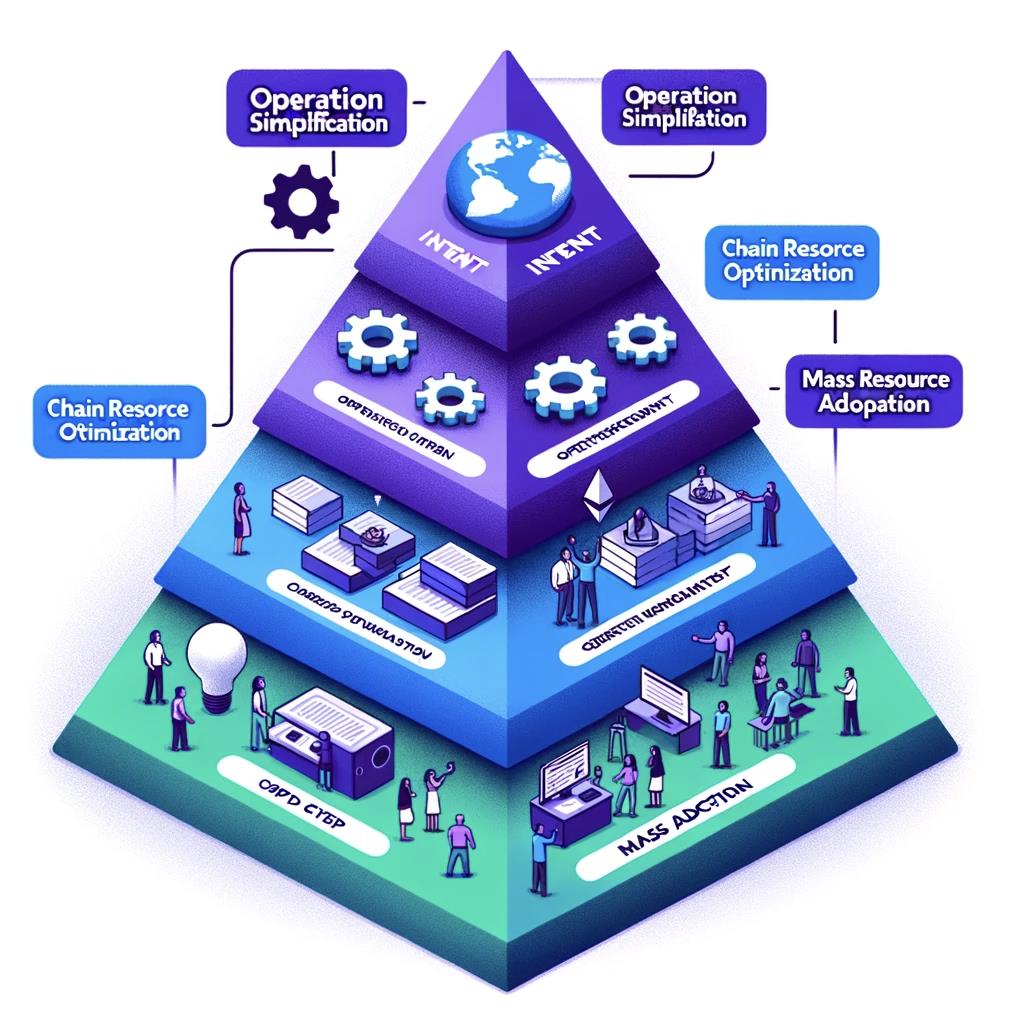
First Layer: Operational Simplification
In the world of Ethereum, user operations are often complex and technical. "Intent" exists to simplify these processes, allowing users to directly express their needs without needing to understand underlying technical complexities. For example, users simply state their desired outcome, and the system automatically performs the required actions.
Second Layer: On-chain Resource Optimization
Expanding focus from individuals to the entire network, the significance of "Intent" evolves into on-chain resource optimization. By intelligently allocating resources or leveraging competitive execution services, "Intent" helps Ethereum utilize its network resources more efficiently. This improves transaction efficiency and supports overall network stability.
Third Layer: Lowering Barriers to Enable Mass Adoption
The ultimate goal of "Intent" is to make Ethereum accessible to more people by lowering usage barriers. Through operational simplification and resource optimization, even non-technical users can participate in the Ethereum network. This streamlining paves the way for mass adoption, enabling more people to benefit from blockchain technology.
In short, "Intent" begins with simplifying individual operations, expands to optimizing network resources, and ultimately aims to lower Ethereum’s usage barrier to drive broader public adoption. Each layer contributes to making Ethereum better and easier to use.
Reimagining the Future On-chain Ecosystem Under the 'Intent' Paradigm
Under the "intent" paradigm, the future on-chain ecosystem will become further expanded and enriched. This new framework transforms the blockchain ecosystem from a cold, technical network into a living system capable of understanding and responding to user needs.
Within this novel framework, users no longer need to choose entry points—their intents are accurately identified by applications such as AA wallets and routed along optimal paths. Meanwhile, blockchain protocols begin shifting focus toward product strength; only those offering the best solution paths gain market recognition and usage. As high-quality products and protocols multiply, the Matthew effect becomes evident, while protocols failing to meet market demands gradually fade away—a form of natural selection.
This intent-centric paradigm also influences the development of blockchain protocols and applications. Developers start designing and optimizing products from the user’s perspective to ensure real-world needs are met. For instance, new blockchain protocols may prioritize simplifying transaction flows, increasing speed, and reducing costs to attract more users. Application developers may emphasize human-centered, user-friendly interfaces and leverage technologies like smart contracts to automate intent fulfillment.
With the spread of the intent-centric paradigm, we see diverse possibilities for blockchain technology. For example, DeFi could offer personalized financial services by understanding user investment intents. Supply chain management, identity verification, and many other application areas will also benefit from this new approach.
However, the rise of the "intent" paradigm may also bring new challenges. Questions such as how to accurately identify and interpret user intent, how to protect intent privacy and security, and how to technically realize user intent effectively remain important topics for further research.
Reconsidering the future on-chain ecosystem through the lens of "intent" reveals a more human-centric, efficient, and orderly vision for blockchain. In this future, technology ceases to be cold code and protocols—it becomes an intelligent assistant capable of understanding and responding to human needs.
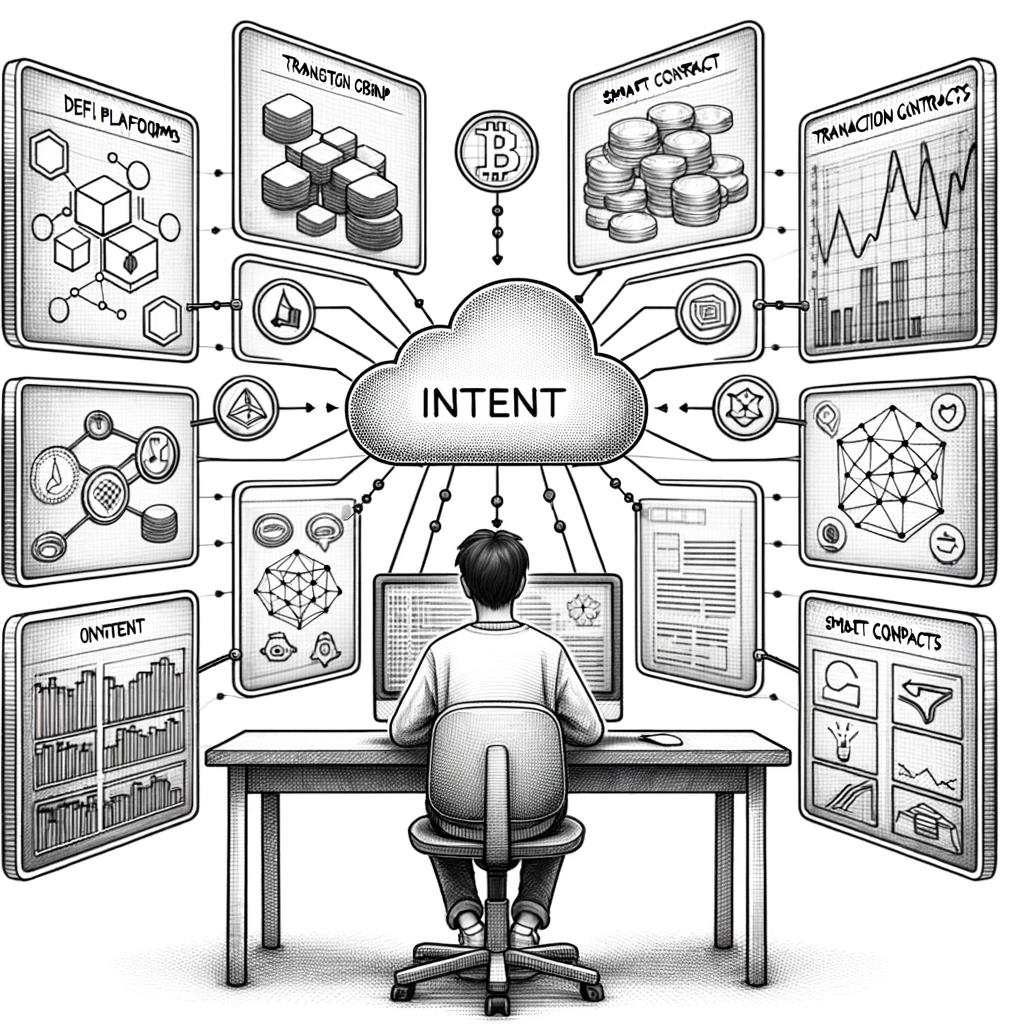
AA Wallets Are Also a Form of Intent
Within the broader context of "Intent", understanding AA wallets shifts—they are no longer merely static account management tools, but become transmitters and executors of user intent. Their existence is not just about solving a specific technical problem, but about conveying users’ deeper on-chain needs and desires, providing a more direct and natural way of interacting within the Ethereum ecosystem.
Although AA wallets have already been designated by the ETH Foundation as a "rights return" project led by core Ethereum developers,
Before the concept of "Intent" emerged, it was difficult to articulate their true value. Only Vitalik Buterin repeatedly mentioned them in public speeches, yet they still felt distant and poorly understood.
However, with the emergence of the "Intent" concept, AA wallets have finally found their counterparts and a new language to describe and understand them. They are no longer isolated entities, but integral components under the "intent-driven" design philosophy—crucial bridges connecting users with the Ethereum world.
The story of AA wallets is not just a technical narrative, but one about understanding, expression, expansion, and connection. In this sense, the emergence of AA wallets marks a significant milestone in the Ethereum ecosystem—signaling its transition into a mature, expansive phase where infrastructure is largely complete and the ecosystem warmly welcomes users, embracing innovation and diversity.
It’s not just about attracting more users, but realizing Ethereum’s long-term vision—an open, decentralized, and widely adopted global platform. Every new user joining represents recognition and advancement of this vision. And AA wallets serve as vital bridges connecting users to Ethereum, offering a simple, direct interface that empowers users to easily explore Ethereum’s vast possibilities.
Conclusion
By exploring the profound implications of "Intent", we gain insight into the future trajectory of blockchain technology and the Ethereum ecosystem. "Intent" is more than a technical concept—it plays a central role in shaping a more human-centric, efficient, and orderly digital future. It calls for a new design philosophy placing genuine user needs at the center, simplifying operations, optimizing on-chain resources, and ultimately achieving mass adoption. Each layer of development reflects the maturing footprint of the Ethereum ecosystem.
In this context, understanding AA wallets becomes a concrete manifestation and practical implementation of the "Intent" philosophy. They are no longer just account management tools, but carriers and executors of user intent—essential bridges linking users with the Ethereum world.
Join TechFlow official community to stay tuned
Telegram:https://t.me/TechFlowDaily
X (Twitter):https://x.com/TechFlowPost
X (Twitter) EN:https://x.com/BlockFlow_News
 @PSETrading