Deep Dive into the New Stablecoin Protocol Mountain Protocol: Enabling Global U.S. Treasury Investment, Will It Spark a Stablecoin Yield War?
TechFlow Selected TechFlow Selected
Deep Dive into the New Stablecoin Protocol Mountain Protocol: Enabling Global U.S. Treasury Investment, Will It Spark a Stablecoin Yield War?
As a rising newcomer in the stablecoin space, Mountain Protocol's recently launched stablecoin USDM has been drawing significant attention. What are its standout features that make it worth watching?
 Navigating Web3 tides with focused insights
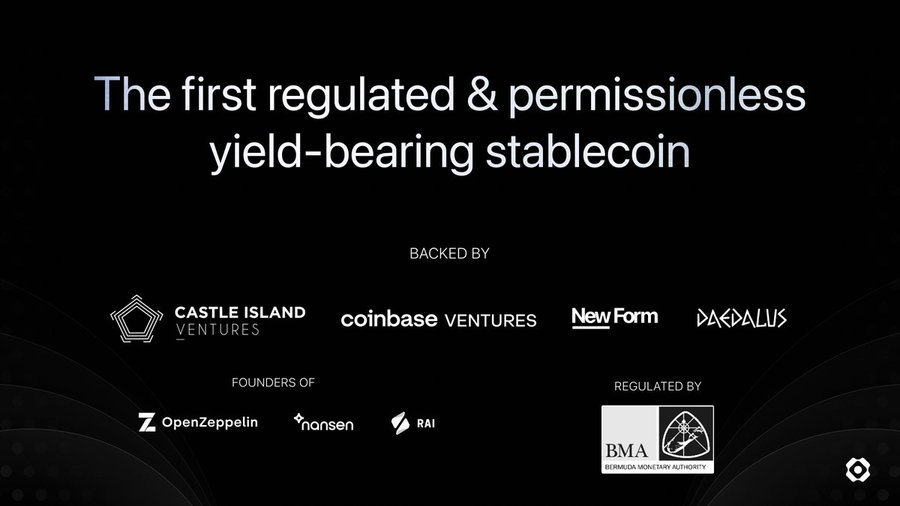
Recently, Castle Island Ventures, a well-known venture capital firm in the crypto space, announced it led the seed funding round for Mountain Protocol, with other participants including Coinbase Ventures, New Form Capital, and Daedalus Angels.
In an overall bear market environment marked by relative quiet, USDM—the stablecoin launched by Mountain Protocol, a rising player in the stablecoin sector—has recently attracted significant attention. What makes it stand out?
Background: Growing Stablecoin Market + Rising U.S. Treasury Yields
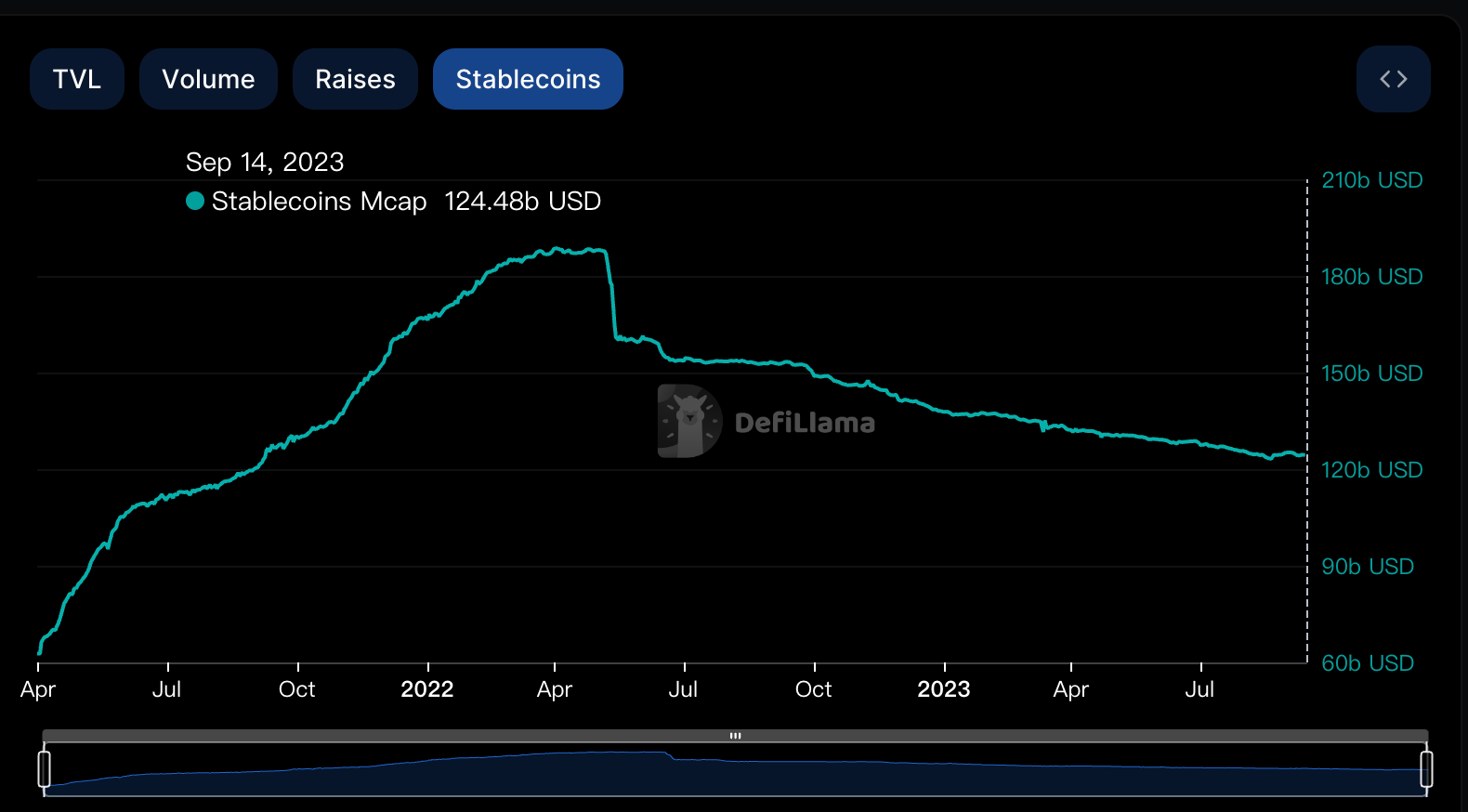
Among various applications of crypto assets, stablecoins are undoubtedly one of the greatest success stories. As of 2022, the total market capitalization of global stablecoins had surpassed $120 billion. Stablecoins offer users worldwide a relatively stable tool for payments and value storage.
Mainstream stablecoins such as Tether’s USDT and Circle’s USDC are pegged to the U.S. dollar at a 1:1 ratio. This makes them better suited as payment tools rather than investment or value-holding instruments. On the other hand, U.S. Treasuries and other fixed-income assets can provide holders with steady investment returns.
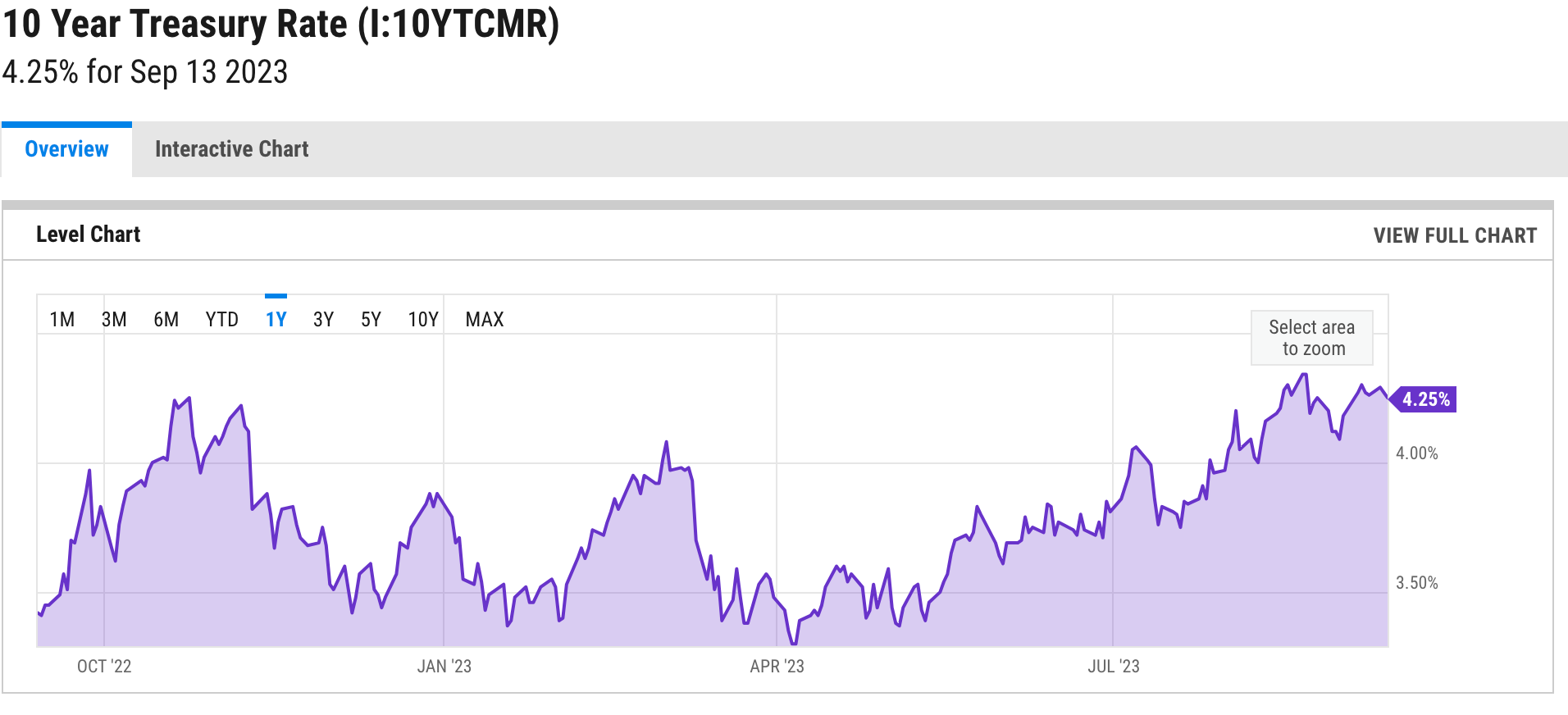
Recently, the Federal Reserve has continued raising interest rates, causing U.S. Treasury yields to rise sharply. Short-term Treasury yields have reached around 5%. This provides domestic U.S. investors with a direct opportunity to earn stable returns through Treasury investments. However, for most global investors, direct access to U.S. Treasuries still involves certain barriers.
If there were a stablecoin that could pass through U.S. Treasury yields, then this broader group of global investors could simply hold such a stablecoin to enjoy risk-free dollar-denominated returns.
This is exactly the problem that emerging stablecoin issuer Mountain Protocol aims to solve. Its newly launched USDM stablecoin seeks to offer global users a stablecoin option that earns U.S. Treasury yields via a rebase mechanism. Whether this can truly be achieved requires a deeper look into how USDM operates.
Product Overview: USDM, Operating Platform, and Compliance
Mountain Protocol's offering consists of two parts: the USDM token and the Mountain Protocol platform.
The USDM Token:
USDM is a stablecoin issued on the Ethereum blockchain under the ERC20 standard. It maintains a 1:1 peg to the U.S. dollar. The full name of USDM is Mountain Dollar, issued and redeemed by Mountain Protocol Inc.
The collateral backing USDM consists of short-term U.S. Treasury bills (T-Bills), with an average maturity of less than three months or shorter. U.S. Treasuries are widely regarded as the safest dollar-denominated assets.
Specifically, the collateral may include any of the following instruments:
-
Treasury bills, or Treasury bills nearing maturity.
-
Money market funds invested in short-term U.S. Treasuries.
-
Reverse repurchase agreements (repos) collateralized by U.S. Treasuries.
What sets USDM apart from other stablecoins is its rebase mechanism. Mountain Protocol adjusts the total supply of USDM based on U.S. Treasury yields, specifically by modifying a variable called rewardMultiplier.
The rewardMultiplier functions similarly to accrued interest on traditional bonds. It increases daily via compounding, incorporating the day’s accrued interest. When the rewardMultiplier increases, the balances in users’ USDM wallets automatically increase accordingly.
The reward multiplier is updated daily at approximately 12:00 UTC. Starting from 1, it increases each day through the addRewardMultiplier function.
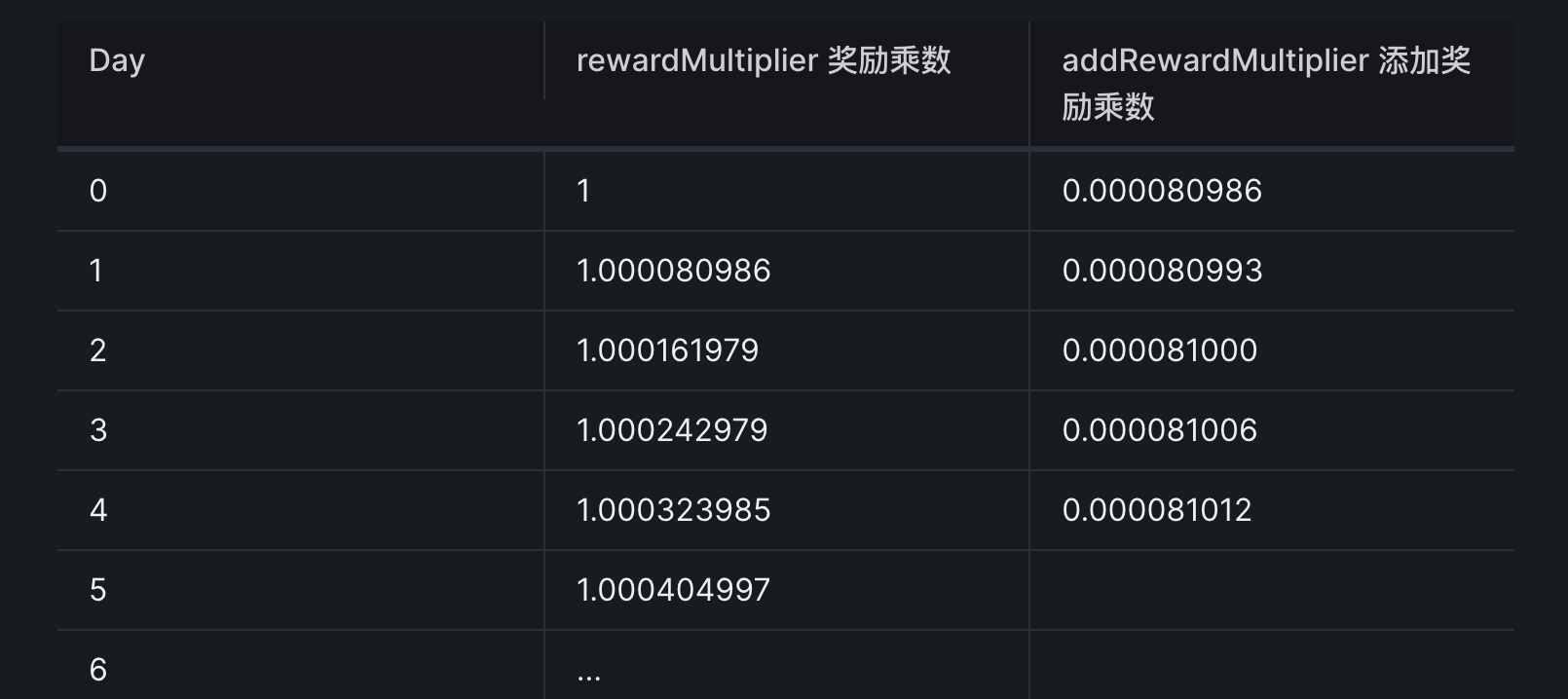
For example, if the rewardMultiplier increases from 1.00 to 1.05, this indicates an annual yield of 5% from U.S. Treasuries. A user holding 100 USDM would then receive 105 USDM due to the rebase mechanism, effectively capturing the yield.

The Mountain Protocol Platform:
The Mountain Protocol platform enables users to purchase and redeem USDM. Users must complete KYC identity verification on the platform to obtain an account. They can then choose to buy USDM using either U.S. dollars or other stablecoins.
The platform offers two interfaces: a web portal and an API. Users can operate via the web portal or integrate the API into their own trading systems.
Once USDM is transferred to a user’s Ethereum wallet, it can be freely transferred. To redeem USDM, users must send the tokens back to an address provided by Mountain Protocol and submit a redemption request through the platform. Upon receipt, the platform will return an equivalent amount of USD assets.
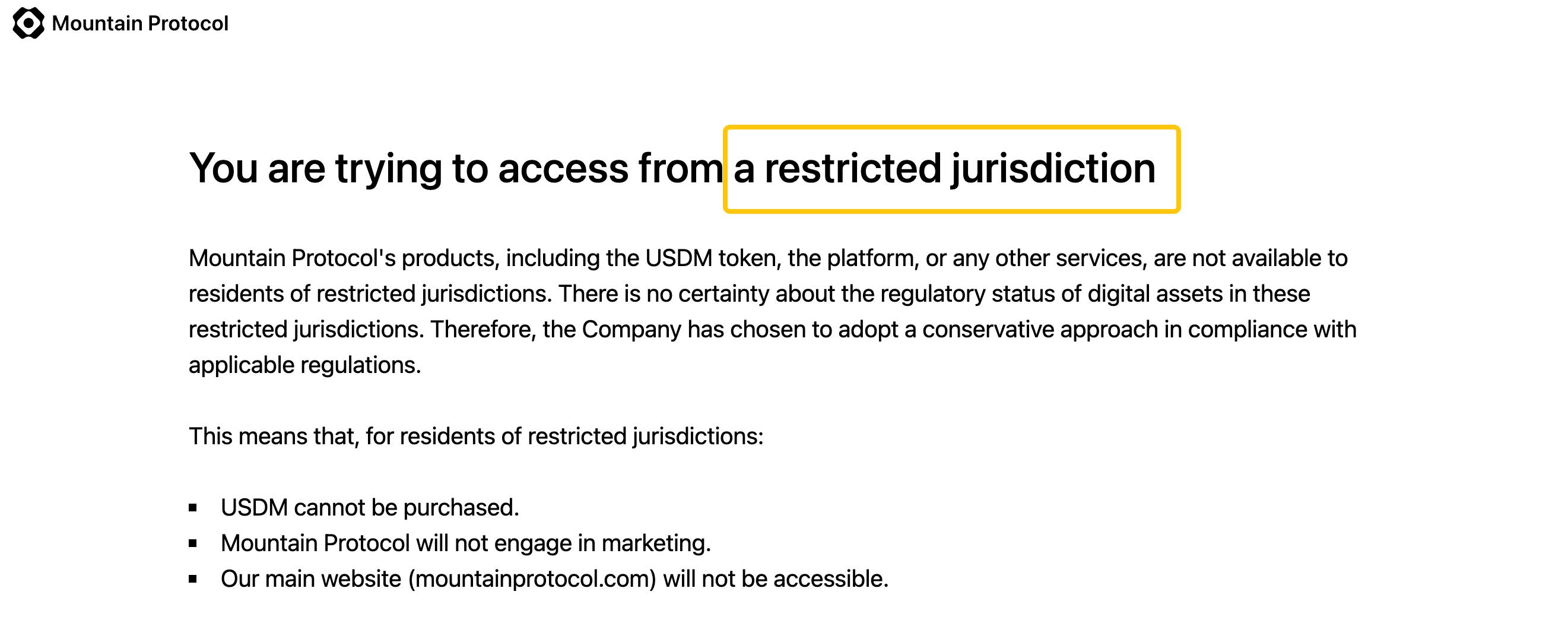
Note: The protocol does not serve users within the United States; login attempts from U.S.-based IP addresses will be restricted.
For end users, the experience of using USDM is similar to that of other stablecoins. Users fall into two categories: primary users and secondary users. Primary users must undergo KYC and operate through the Mountain Protocol platform; secondary users can freely use USDM in wallets and exchanges. USDM can be used freely as a medium of payment and exchange.
Security and Regulation
It should be noted that USDM is issued by Mountain Protocol Limited. The company holds a digital asset business license granted by the Bermuda Monetary Authority (BMA), authorizing it to issue and redeem USDM. The company commits to providing 1:1 USD backing upon redemption requests from token holders. Thus, USDM is supported by a redemption mechanism similar to other stablecoins.
As for why Bermuda was chosen, it is likely a strategic move to establish a legally compliant framework for global financial operations.
Bermuda is one of the more crypto-friendly and open jurisdictions globally. In 2018, Bermuda passed the Digital Asset Business Act, providing a clear compliance pathway for digital asset companies.

The Bermuda Monetary Authority has approved and regulated several major digital asset firms, including Circle, Tether, and Coinbase, demonstrating its experience in overseeing digital asset businesses. Holding a BMA license enhances Mountain Protocol’s compliance posture and user trust. Compared to unlicensed operations, this significantly reduces regulatory risks and pressures.
However, Bermuda remains an offshore financial center, and its regulatory oversight may be less stringent compared to jurisdictions like the U.S. or the EU. Therefore, while the BMA license improves credibility, it does not mean Mountain Protocol meets the highest global regulatory standards. Users should still conduct careful assessments.
Additionally, key partners of Mountain Protocol include:
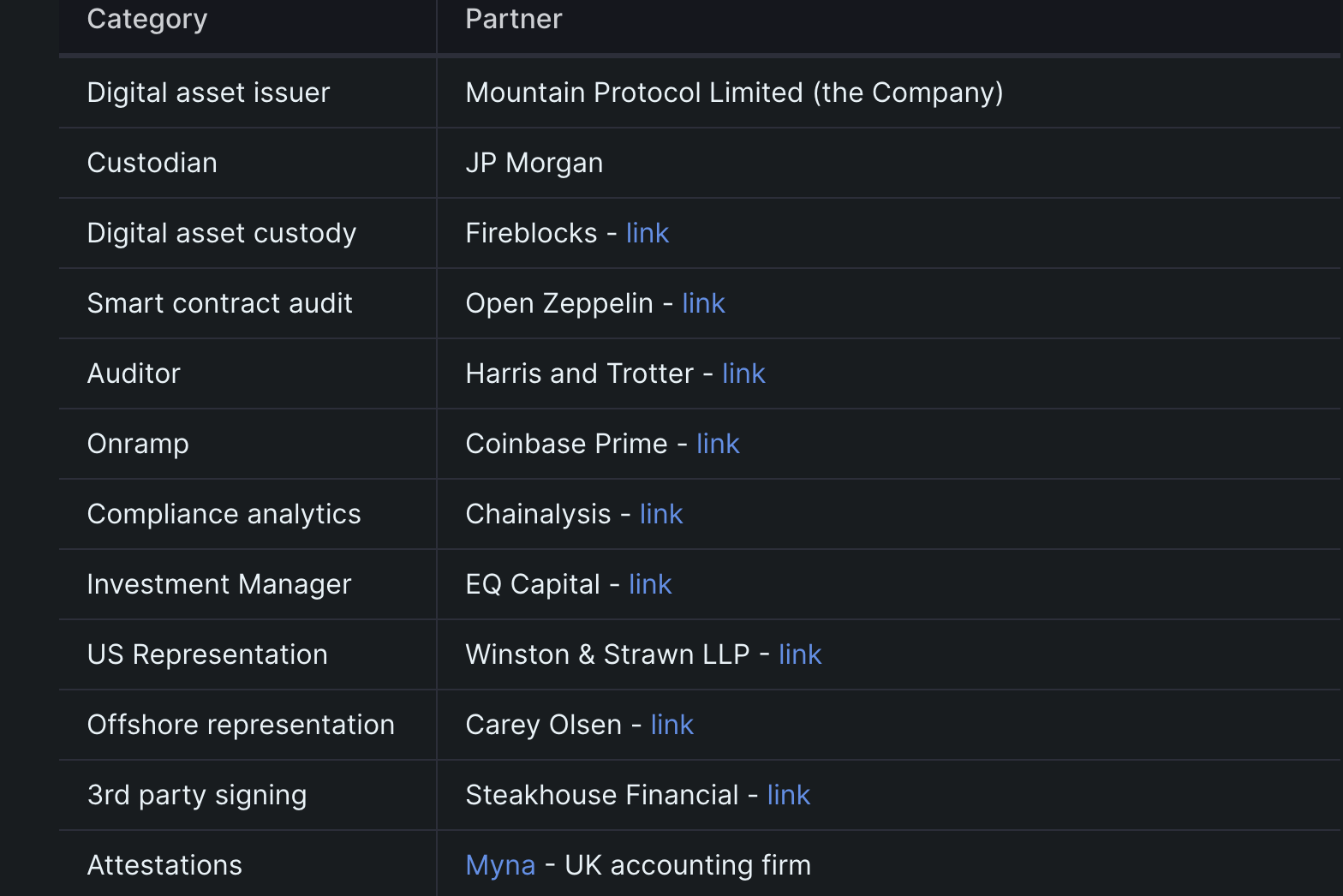
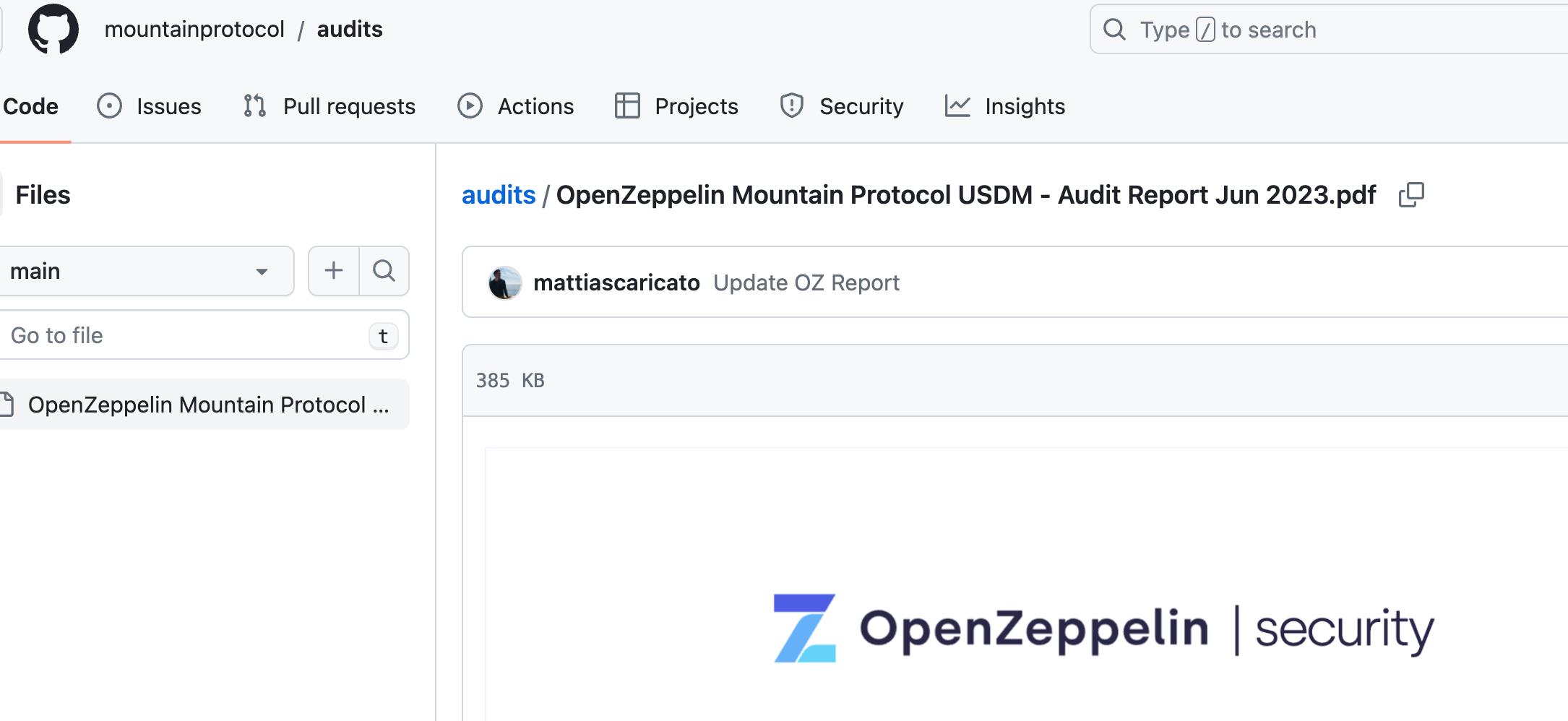
Each partner plays a distinct role in Mountain Protocol’s operations, maximizing compliance and security. Public information from GitHub indicates that OpenZeppelin has completed a smart contract audit for the project.
Moreover, the company will publish monthly proof-of-reserves reports prepared by a licensed accounting firm, ensuring transparency regarding the existence and composition of “USDM reserves.” These reports will be available on the company website starting 30 days after launch.
Advantages and Limitations
Based on the publicly available information, the following advantages of Mountain Protocol can be identified:
-
It offers global users a new way to earn U.S. dollar returns. Through its rebase mechanism, USDM passes U.S. Treasury yields directly to token holders, lowering the barrier to accessing such returns.
-
USDM holds a payment license from the Bermuda Monetary Authority, ensuring regulatory compliance and reducing user concerns about legality.
-
Mountain Protocol has made its smart contract code publicly available and undergone third-party security audits, enhancing code safety.
However, Mountain Protocol also faces certain limitations:
-
Currently, USDM is only available to institutional investors and not yet open to individual users, limiting its potential user base.
-
USDM relies on secondary market liquidity. If secondary market trading is inactive, users may struggle to redeem USDM at a 1:1 rate.
-
As a relatively centralized entity, Mountain Protocol must continue building user trust through regulation and transparency.
Future Impact: A “Yield War” Among Stablecoins?
The emergence of USDM signals one direction of stablecoin evolution: toward delivering yield. This provides users who wish to earn returns on stable assets with a new option.
Compared to established stablecoins like USDT and USDC, USDM’s main competitive advantage lies in its rebase mechanism. This could prompt other stablecoin issuers to consider integrating similar features. If multiple stablecoins begin offering staking rewards, it may trigger a “yield war,” accelerating innovation in this niche market.
Of course, as a new project, USDM’s market size and liquidity remain far behind those of established stablecoins. To gain greater market share, it will need to continuously build user trust through regulatory compliance and product improvements.
For investors and users broadly, USDM offers a novel way to earn stable U.S. dollar returns. However, due to its relatively centralized operational model, users must carefully weigh risks and benefits. Cautious users may opt to hold only a portion of their portfolio in USDM rather than fully replacing existing stablecoins.
As the first yield-bearing stablecoin in the crypto market, USDM undoubtedly carries innovative and experimental significance. Through its rebase mechanism, it may solve the long-standing issue of stablecoins not generating yield. Yet, as a new entrant, USDM must prove itself in terms of liquidity and user adoption over time.
Overall, USDM presents a fresh perspective on stablecoin development and offers users a new choice for earning yield.
Let’s wait and see whether USDM can become the next favorite in the stablecoin market.
Join TechFlow official community to stay tuned
Telegram:https://t.me/TechFlowDaily
X (Twitter):https://x.com/TechFlowPost
X (Twitter) EN:https://x.com/BlockFlow_News
 深潮TechFlow