
Web3 Social Platforms Overview: SocialFi (X to Earn) Is Not the Final Answer
TechFlow Selected TechFlow Selected
Web3 Social Platforms Overview: SocialFi (X to Earn) Is Not the Final Answer
Attracting high-quality content creators and users is essential—whether in Web2 or Web3. A good social product requires long-term accumulation of both the quantity and quality of users and creators.
 Navigating Web3 tides with focused insights
Author: DefiOasis
Editor: Link, GeekWeb3
Since the age of apes, social interaction has been a vital part of human society. As social animals, the importance of socializing for humans is self-evident. In the internet era, social scenarios have gradually moved online, breaking geographical boundaries and transforming location-based interactions among acquaintances into interest-driven connections among strangers. Platforms now act as "public squares," enabling people who have never met to discuss topics ranging from entertainment and politics to economic life.
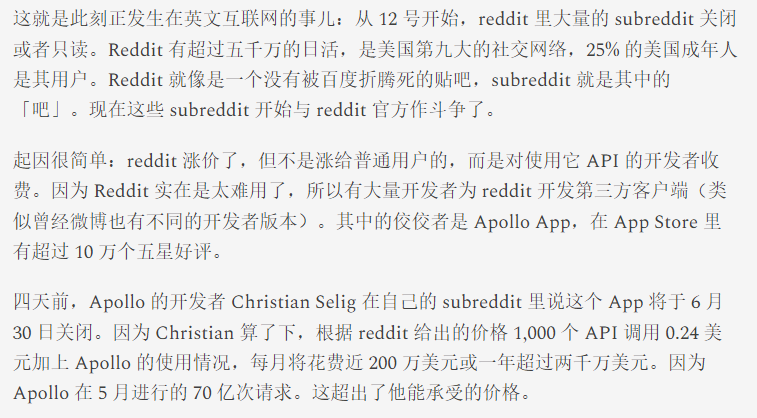
However, as Web2 social platforms increasingly dominate the market, the drawbacks of the Web2 social model are becoming apparent. From Reddit suppressing third-party app developers to Twitter abandoning its long-standing “free” model, dominant platforms under centralized control are exposing their flaws.
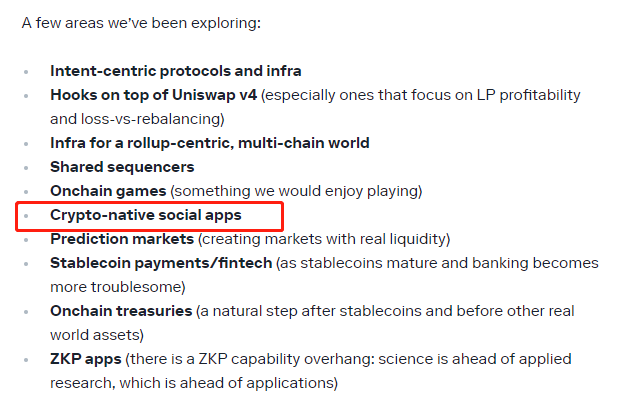
At the same time, Web3 social has become a trending keyword, with "decentralized social" emerging as one of the top ten focus areas for leading institution Paradigm. While Web3 social isn't exactly a new narrative, against the backdrop of frequent data breaches, privacy scandals, and algorithmic bias on Web2 platforms, decentralized social—featuring decentralization, censorship resistance, user centrality, digital asset empowerment, and identity interoperability—is gaining increasing attention.
1. Current State of the Social Sector
1.1 High Ceiling in the Social Sector
Social products possess immense potential in capital markets. According to the "2022 Global Digital Overview" report, global social media users exceed 4.62 billion, accounting for 58.4% of the world's population. Taking Facebook—the sector’s listed leader—as an example, its peak market cap surpassed $1 trillion, briefly placing it among the top ten publicly traded companies globally.
According to Facebook's Q4 2022 earnings report, the average daily active user (DAU) count across Facebook's product suite neared 3 billion, representing one-third of the global population. Additionally, valuations and market caps of other social operators such as Twitter, Snapchat, and Weibo indicate that the social sector has an extremely high ceiling. Given the current small user base of Web3 social, the growth potential within this sector is clearly enormous.
1.2 Global Social Media Users Continue to Grow, But Growth Rate Slows
Since the global rollout of internet infrastructure, the number of social media users has grown rapidly, especially during the Covid-19 pandemic, which significantly accelerated adoption rates.
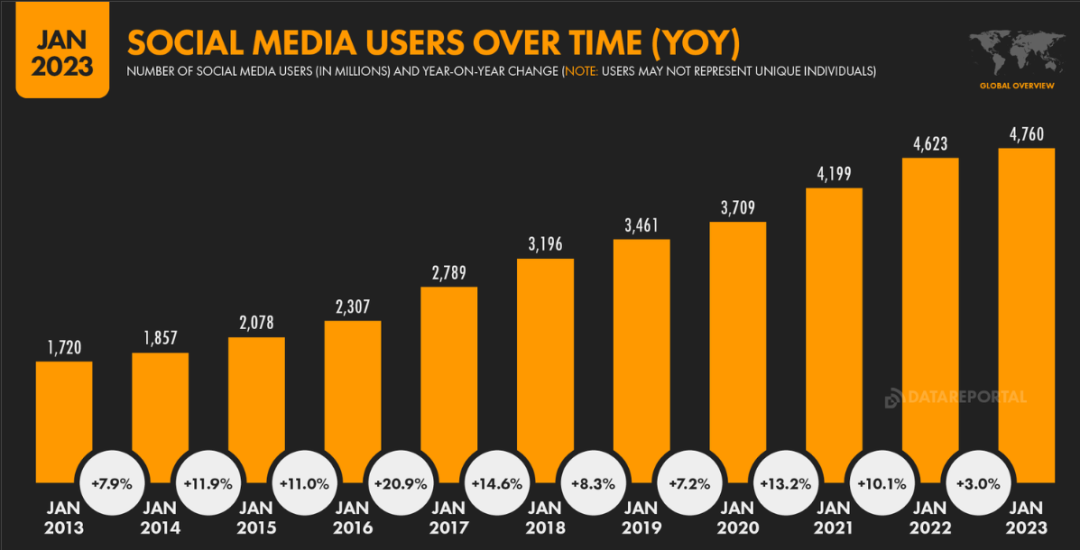
According to Kepios, global social media users increased by nearly 30% over the past three years, adding more than 1 billion net new users. However, as countries lifted pandemic restrictions and eased mobility controls, offline socializing resumed, causing the growth rate of social media adoption to slow sharply. Amid this stagnation, Facebook pivoted its strategy toward the metaverse.
1.3 Current Issues with Web2 Social Platforms
Despite clear information management regulations and laws in various countries or regions, Web2 social software companies still suffer from chaotic moderation, algorithmic bias, and data misuse or leaks. From Facebook’s “Cambridge Analytica” scandal to Reddit’s mandatory API fees sparking backlash among developers, to Elon Musk’s controversial Twitter rate-limiting measures marketed as “anti-addiction,” these incidents reflect how profit-driven Web2 social companies cannot truly prioritize users. User data is exploited by large corporations to build behavioral profiles, making social apps addictive and difficult to quit.
2. The Value of Web3 Social
2.1 Redistribution of Value and Power
Since the advent of the internet, social products have revolved around balancing interests among three parties: users, platforms, and creators—a dynamic often described as an impossible triangle. In the Web2 model, platforms sit at the top of the food chain. However, the emergence of Web3 social reshapes the distribution of value and power among these three stakeholders.
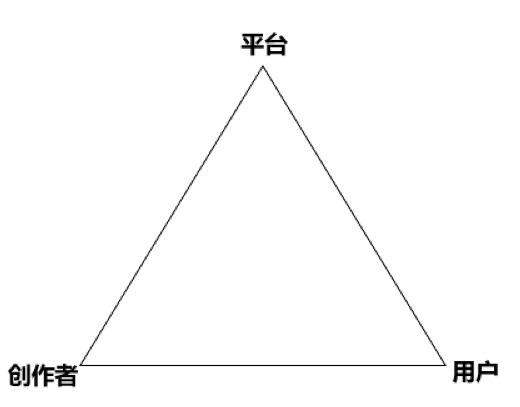
User Sovereignty: Web3 social reinvents the paradigm of ownership, helping users reclaim sovereignty. By putting user data on-chain and leveraging node decentralization for censorship resistance, Web3 ensures user rights—including ownership of consumption and browsing preferences, privacy rights, and control over digital assets and identity.
Additionally, in some Web3 products, users can actively participate—for instance, co-owning content on Mirror to earn royalties or holding tokens on Chiliz to vote on sports and entertainment club decisions.
Revamping Creator Economy: On Web2 platforms like Weibo and Twitter, creator revenue sharing exists but comes with high barriers, low payouts, and unequal income distribution (e.g., the 80/20 rule). Take Twitter’s recent content creator incentives, which require creators to meet strict conditions such as accumulating five million post views over three months and subscribing to Twitter Blue just to qualify for revenue sharing.

In contrast, driven by Web3 social products, content creators become “true workers,” no longer “alienated labor.” Web3 platforms offer Write-to-Earn models where creators earn platform tokens based on quantifiable metrics like views and shares. Projects like Lens provide additional monetization channels. Moreover, thanks to Web3’s traceable records, creators can mint NFTs alongside their content, ensuring copyright protection.
2.2 Decentralized Governance
Unlike traditional social media platforms that hold absolute governance authority, Web3 shifts significant decision-making power from platforms to communities. By delegating content moderation and ownership to the community, Web3 avoids abuses stemming from corporate manipulation or centralized control. Users holding certain NFTs or tokens gain voting rights, enabling democratic and transparent processes to establish fair moderation policies.
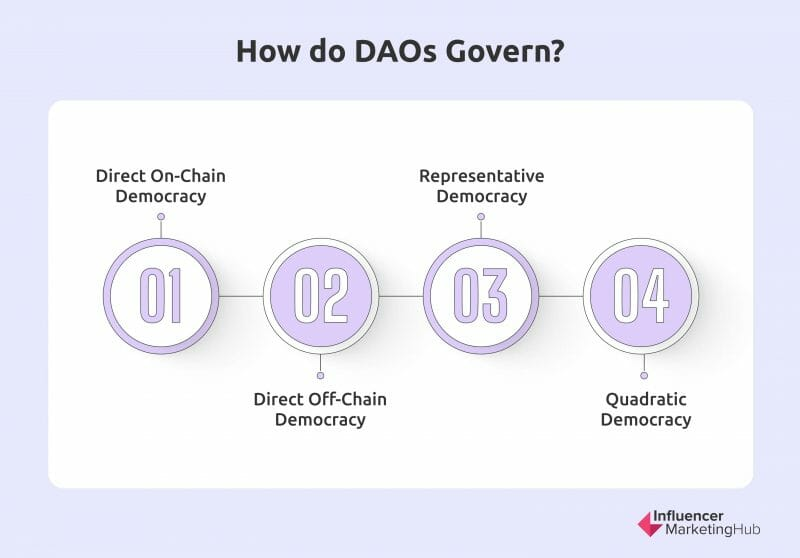
2.3 Interoperable Decentralized Identity
In traditional online social environments, strong barriers exist between different platforms, leaving users stranded in data silos. For example, identity credentials across Tencent and Alibaba ecosystems cannot interoperate, forcing users to repeatedly register and verify identities when moving across platforms—a major pain point for Web2 digital identity.
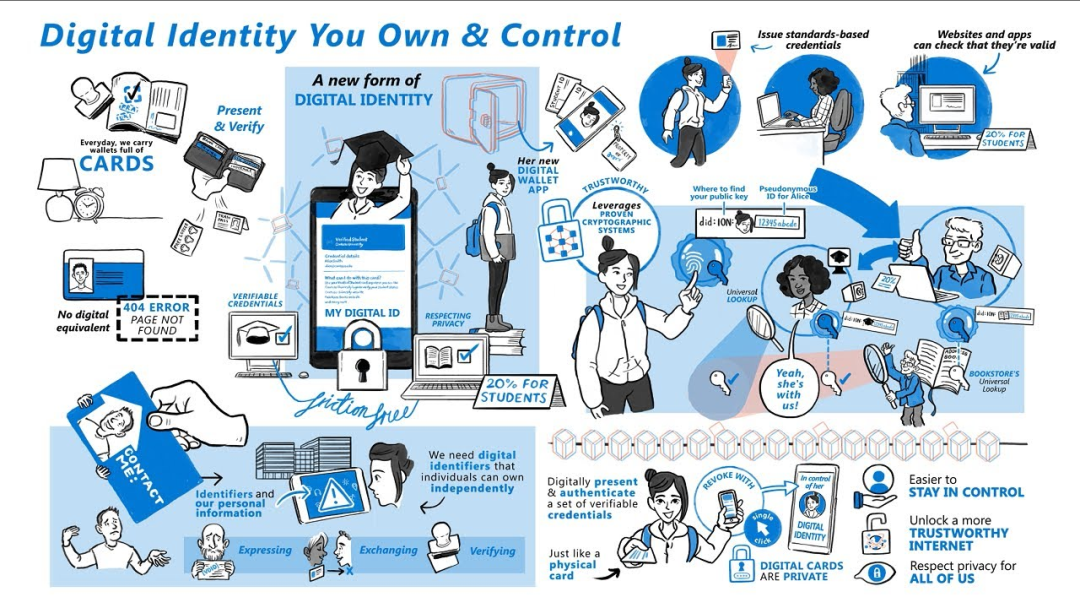
In Web3 social contexts, a single digital identity enables rich experiences across more composable and open protocols. For instance, users can use the same ID on CyberConnect or Lens Protocol to engage in video viewing,图文 socializing, instant messaging, and other activities seamlessly.
3. Analysis of Web3 Social Platforms
Web3 social is a broad term referring generally to technologies and related products built using Web3 principles. Due to space constraints, this article categorizes existing Web3 social projects into two types: infrastructure-level and application-level, offering brief analyses of each.
3.1 Infrastructure
Lens Protocol
Lens Protocol is a decentralized social graph built by the Aave team on the Polygon blockchain, centered around NFT-based interactions. It is currently one of the mainstream Web3 social protocols.
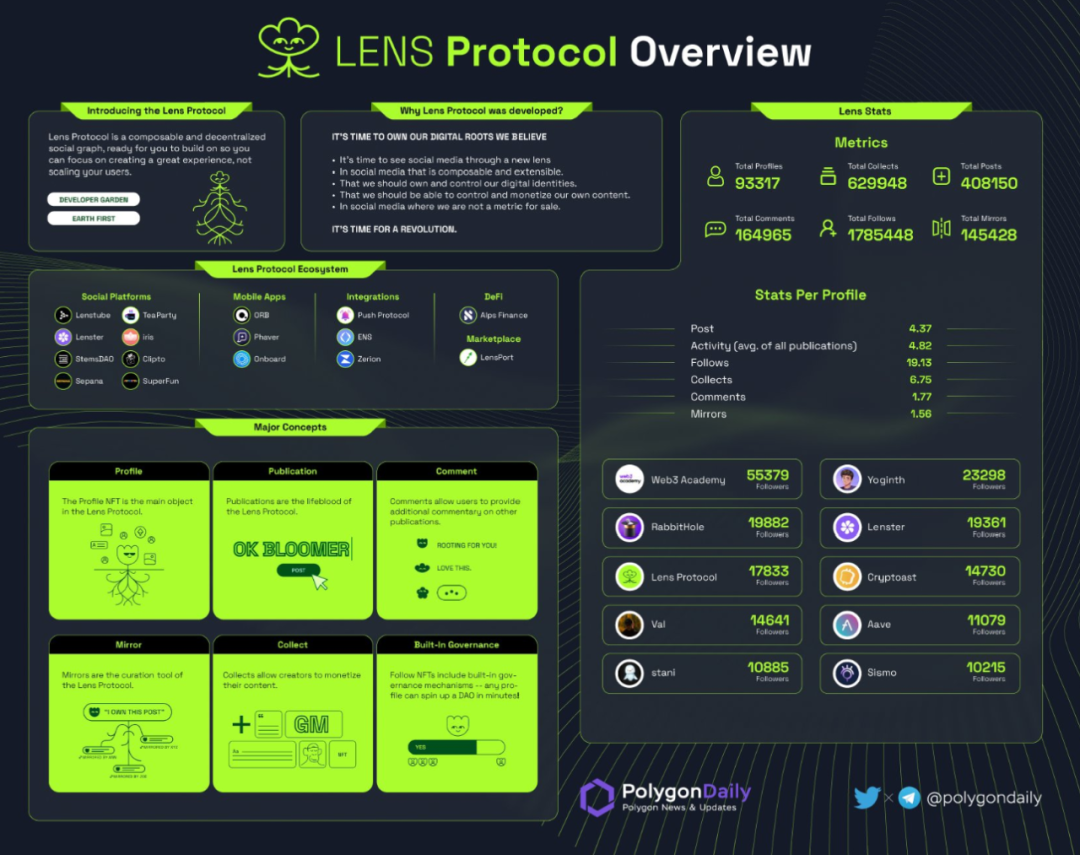
To join Lens, users first create a Profile NFT (Profile NFT), which serves as the primary interactive object. Holders of Profile NFTs can publish content, all of which is recorded directly onto their NFT and stored on-chain.
User interactions on Lens include content creation, collecting, and sharing. Content publication (Publication) lies at the heart of Lens’ design, encompassing posts, comments, and mirrors (reposts). Posts are the core function, while comments and reposts serve as supplementary features. Creators can monetize their publications and generate income through e-commerce or knowledge monetization directly on Lens.
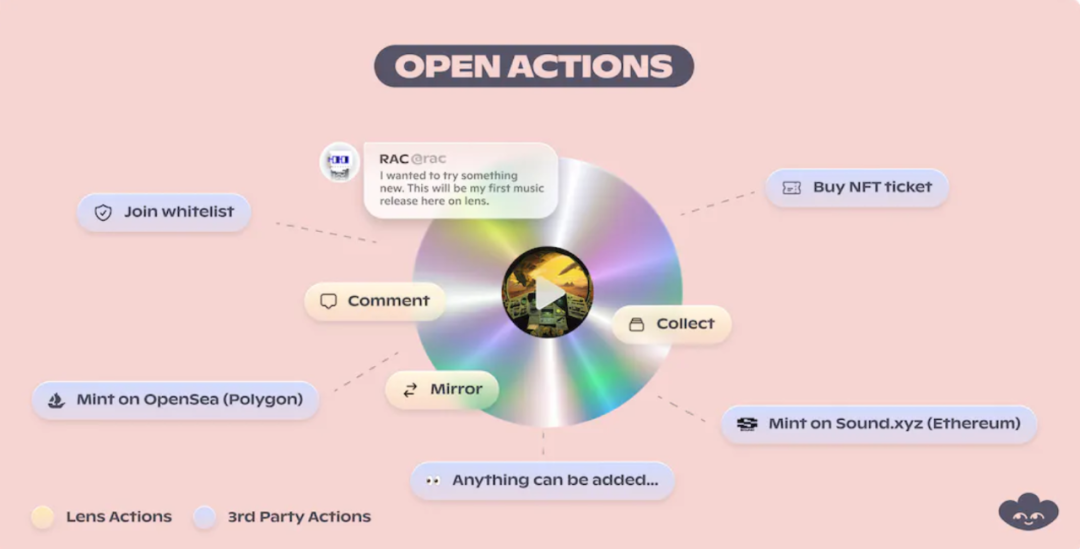
Lens builds around collection, commenting, and reposting
Other users can follow creators to receive a Follow NFT or collect published content to obtain a Collect NFT. Most social interactions are preserved as NFTs on-chain, establishing clear data ownership.
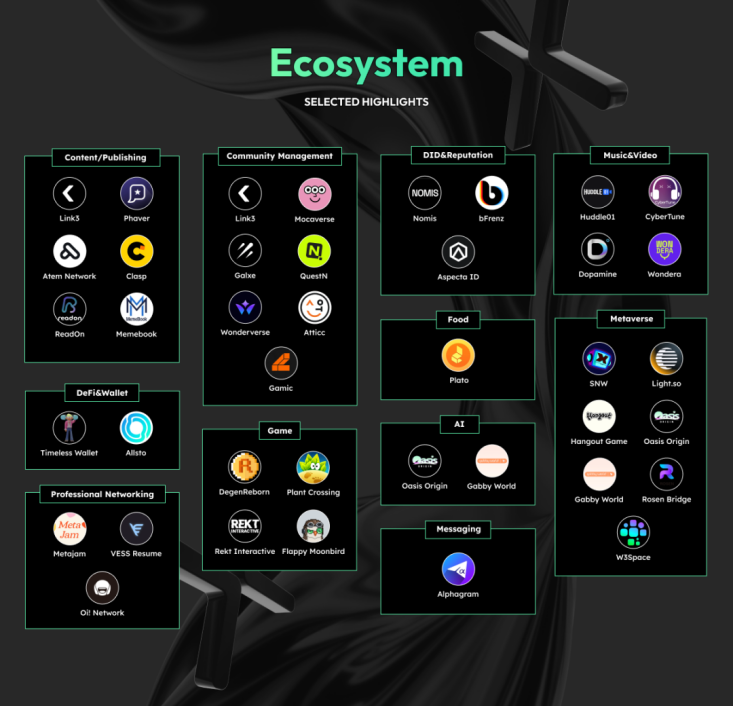
Thanks to Lens’ modular component design and open developer environment, its ecosystem already includes over 100 applications. Due to the composability of Lens Profile NFTs, the growing number of apps enhances user experience diversity. Users can port their data across apps including Lenstube, Lenster, Phaver, and LensFrens—covering music, video, and图文 content—with most DApps resembling mainstream Web2 interfaces, providing smooth onboarding for new users.
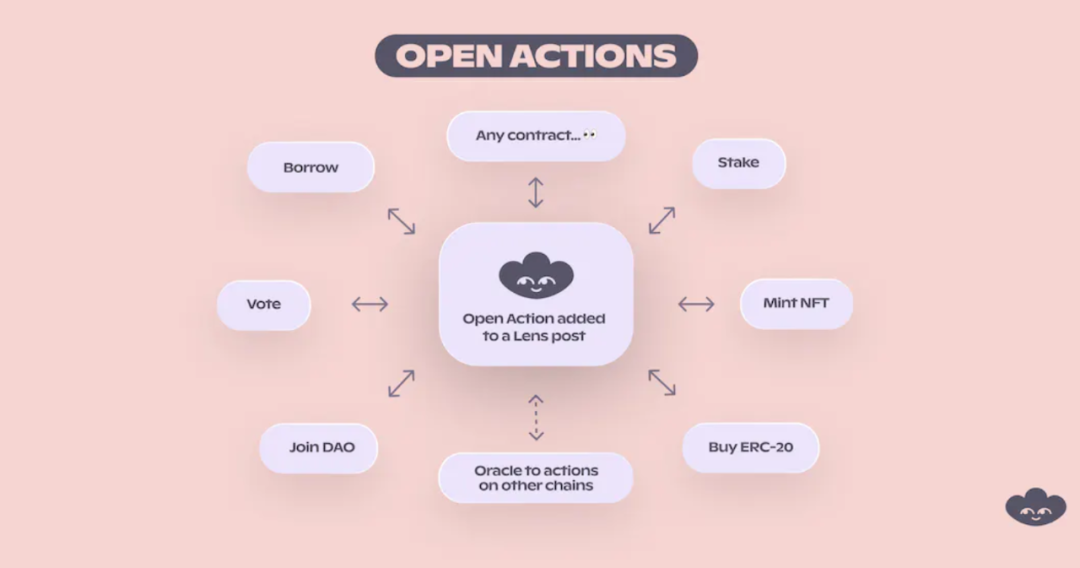
Beyond these features, further functionalities will be released in Lens V2, including NFT minting/purchasing, DAO participation, Gitcoin donations, and paid DMs
However, Lens Protocol still faces limitations, such as requiring gas fees for every on-chain action and being restricted to the Polygon chain. Additionally, aiming to attract high-quality users early on, Lens opened limited registration slots since late last year. Currently, only about 100,000 Profile NFTs are in circulation, making it still a niche game. This may improve as Lens prepares to open V2 registrations.
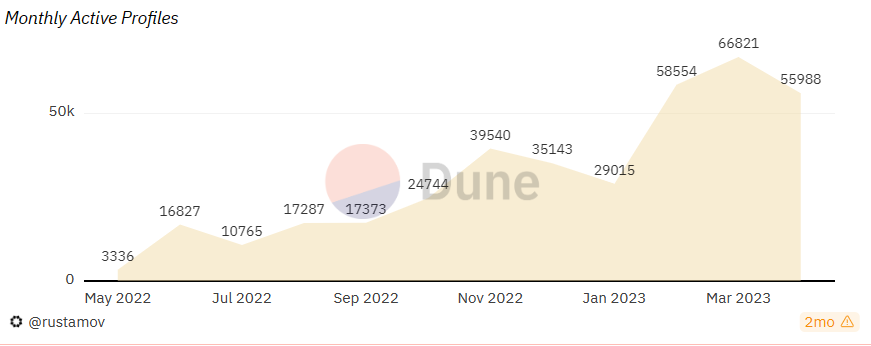
Despite only issuing around 100,000 Profile NFTs so far, monthly active users account for over half of total addresses.
CyberConnect
CyberConnect is a decentralized social graph protocol and also one of the leading players in the Web3 social space.
CyberConnect consists of three core components: CyberProfile (decentralized digital identity), CyberConnect Social Graph (social relationship map), and CyberWallet.
Similar to Lens Protocol, CyberConnect returns interaction data to users, with the Profile NFT (cc Profile) at its core, helping users build social graphs. These NFTs are composable and freely transferable across the ecosystem, currently integrated with quality apps such as Link3, Phaver, and ReadON. As CyberConnect’s official app, Link3 offers social networking, content publishing, community engagement, and task posting, serving as a key interaction hub.
When connecting to different apps via the CyberConnect protocol, users can bring their data—including friend lists and identity info—with them. Whether to grant data access remains under user control. However, some community members have raised concerns about potential privacy risks due to CyberConnect displaying collected user data on personal dashboards.
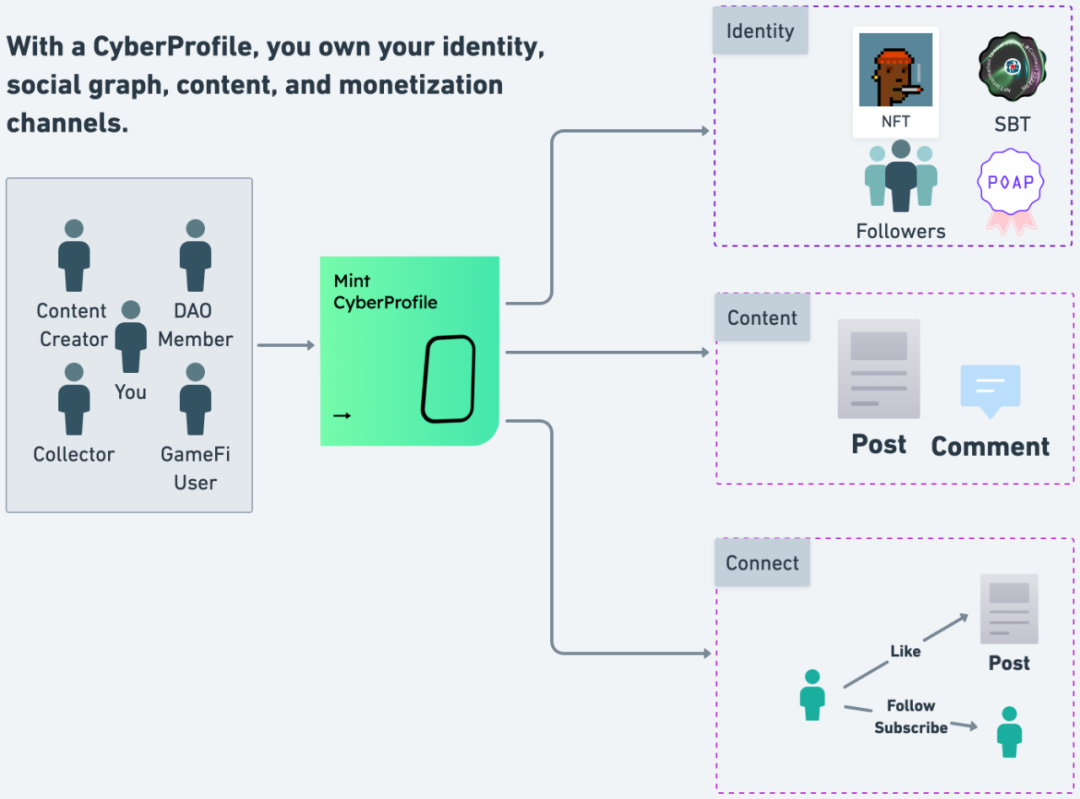
Users center around their CyberProfile NFT to build identity, publish content, and connect with others
Unlike Lens Protocol, which operates solely on Polygon, CyberConnect offers better scalability, supporting aggregation across Ethereum, BSC, Solana, and Polygon. Furthermore, CyberConnect imposes fewer user entry barriers, resulting in over 1.2 million registered Profile NFTs, with monthly active addresses comprising 70% of the total. However, after announcing its token distribution plan, CyberConnect saw declines in both activity and new registrations.
Beyond these two leading Web3 social infrastructure protocols, others like Farcaster, DeSo, and Nostr also warrant attention.
3.2 Application Layer
Mirror
Mirror is an anti-censorship content creation platform launched by A16Z partner Denis Nazarov, and one of today’s leading Web3 content platforms. Centered on “created by users, owned by users,” every article published on Mirror is minted as an NFT, stored permanently on the Optimism network and archived on Arweave.

Creators on Mirror can earn income through crowdfunding, auctions, collaborative contributions, and revenue splits. However, Mirror has several shortcomings, including lack of content moderation, unverified content accuracy, frequent bugs during editing, and insufficient mechanisms to address plagiarism and copyright infringement.
Debox
Debox is a DID-based Web3 social platform whose interface resembles WeChat, while its functionality mirrors Discord and Twitter. Key features include:
Chat: Users can communicate directly within groups. Notably, Debox allows asset-based group access—only users holding specific community assets can join, with rankings based on holdings—effectively reducing spam.
Feed: Similar to Twitter’s timeline, showing content from followed accounts and recommended posts. Users can post updates, comment, like, and collect posts here.
Communities: Debox categorizes communities into Token communities, NFT communities, and Clubs, allowing users to join based on personal interests.
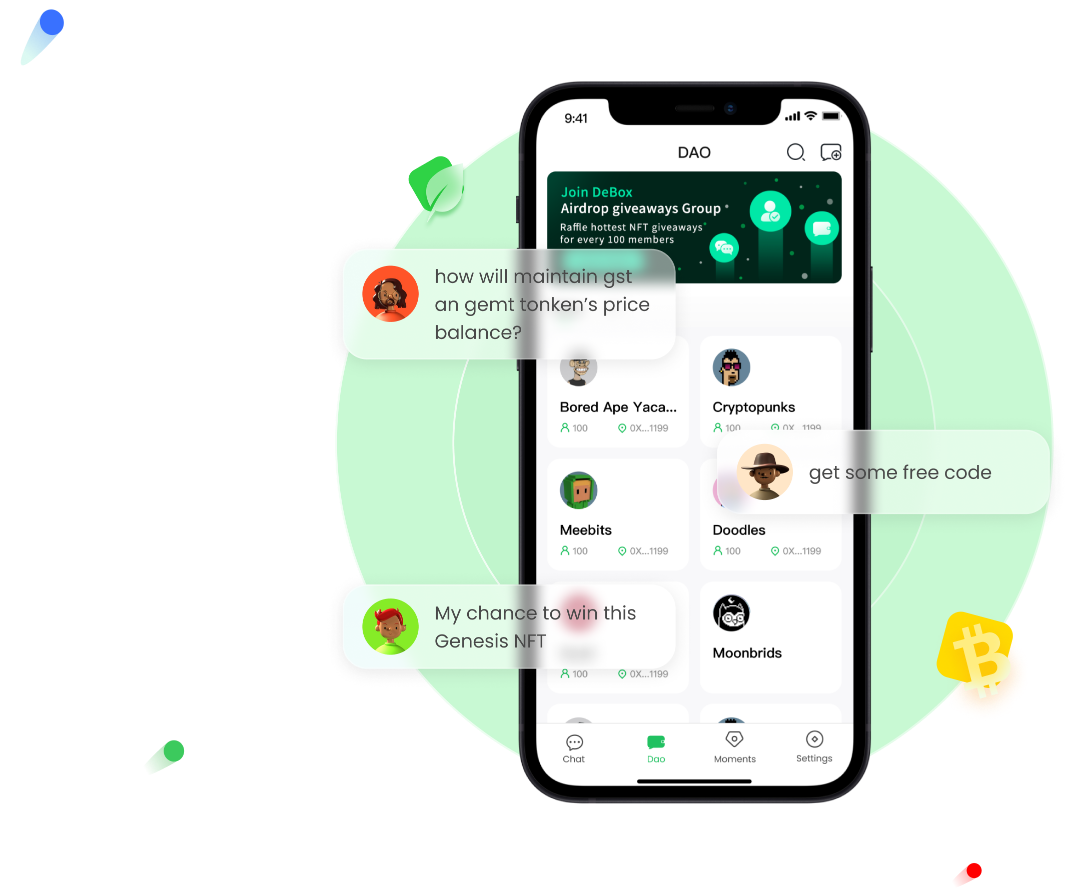
In addition, Debox adds features like unlimited group members, community management tools such as voting and proposals, token authorization checks, and NFT trading, improving overall usability.
Damus
Damus is a social application built on the decentralized Nostr protocol. It includes features like Notes (similar to Twitter’s home feed), direct messages, notifications, and search, offering a user experience similar to Twitter. Upon account creation, users receive a public key and a private key for identity verification. Content requires no approval and cannot be deleted, offering strong censorship resistance and full user ownership.
Riding on former Twitter CEO Jack Dorsey’s celebrity endorsement, Damus and Nostr gained massive attention within days of launch. However, due to lack of regulation, it quickly became a platform for spam, leading to a sharp drop in engagement.
4. Challenges Facing Web3 Social
4.1 High Entry Barriers Limit New User Adoption
For new Web3 users, entering Web3 social involves two main hurdles.
First, wallet complexity: New users must understand concepts like private keys, public keys, and seed phrases. Gas fees vary widely across chains depending on native assets. However, with the rise of MPC or AA wallets, this barrier is gradually decreasing.
Second, cognitive load: Compared to mainstream Web2 apps, Web3 interactions require paying gas fees and understanding terms like POAP, ENS, and NFTs.
4.2 Web3 Social Lacks Breakout Applications
Poor marketing effectiveness: Even leading Web3 social platforms like Lens Protocol and CyberConnect struggle with outreach. Lens limits registration availability, lacks scale in community promotion; CyberConnect faced criticism for aggressive “bottle cap hunting” campaigns perceived as manipulative, damaging its reputation.
No established payment habits: Most users are accustomed to free usage of mainstream Web2 platforms and fail to grasp why Web3 social requires purchasing Profile NFTs or paying gas for interactions.
Most Web3 social apps simply copy Web2 templates without major innovation. Without solving compelling user pain points, they offer little value to average users or creators.
4.3 Web2 Social Apps Maintain Strong User Stickiness
Due to first-mover advantage, Web2 social apps not only have large user bases but also retain long-term active users.
For non-Web3 users, who’ve already built mature social circles on Web2 platforms, few are willing to abandon existing social capital to switch to unfamiliar products. Diverting users from Web2 to Web3 social is extremely difficult.
For native Web3 users, unless there’s a strong need, existing tools like Twitter, Discord, and Telegram suffice for most purposes.
But for any social product, scarcity of users and creators ultimately leads to weak sustainability—an existential flaw.
4.4 Can Healthy Community Norms Emerge Without Strong Regulation?
There is widespread skepticism about whether Web3 social can establish reasonable community norms while balancing freedom and fairness. Damus, the decentralized social app championed by former Twitter CEO Jack Dorsey, quickly filled with sexually suggestive content and financial scams due to lack of oversight, turning into a "social garbage dump."
While former U.S. President Donald Trump was banned from major Web2 platforms like Twitter and Facebook, his extreme nationalist and anti-scientific rhetoric was prevented from spreading further—an action supported by many.
On most decentralized social platforms, the absence of moderation and legal/moral guidelines makes spreading spam content extremely easy. Amid rising populism, nationalism, and extremist religious movements globally, Web3 social teams and communities must take responsibility in the post-truth era—developing methodologies to navigate cross-cultural, religious, and violent content challenges.
5. SocialFi (X-to-Earn) Is Not the Final Answer
The long-term success of Web2 social products does not rely solely on Write-to-Earn models, but also on sustained high-quality content. While X-to-Earn can temporarily boost user activity, like most GameFi projects, relying purely on X-to-Earn fails to sustain long-term user engagement.
For example, the popular late-2021 SocialFi project Monaco Planet spawned numerous bot-like accounts chasing token rewards, generating massive redundant and meaningless content. Such Ponzi-like models see user activity plummet once rewards decline. In competitive social media landscapes, lacking high-quality content means losing a moat—a critical deficiency in current decentralized social platforms, explaining why most SocialFi projects have short lifespans and eventually fade into obscurity.
Product innovation—from portals to social platforms—has marked each WebX revolution with a new form. Web3 products should not merely add financial layers to Web2 models.
Instead, target niche vertical interests to build affinity-based social products. Limited by entry barriers and social contexts, Web3 social products face far lower odds of mass adoption than their Web2 counterparts. However, they could succeed by targeting differentiated segments, such as Chiliz for sports fans or Audius for music creators.
Attracting quality creators and users remains essential—whether in Web2 or Web3, great social products depend on long-term accumulation of user and creator quantity and quality.
Mobile development also deserves greater emphasis. Most user demand centers on mobile, yet current Web3 social products primarily target desktop, neglecting vertical screen needs.
According to Triple-A data, there are approximately 420 million cryptocurrency users—less than 5% of the global population, dwarfed by Web2 social user numbers. Even top-tier protocols like CyberConnect remain around 1 million users, many of whom are multi-account addresses chasing airdrops. At this level, even leading protocols are mere infants in the broader social landscape. Under the Web3 paradigm of “fat protocols, thin applications,” the emergence of a killer social app is even harder. Judging from current trends, Web3 social is more likely to remain a niche corner within the wider social sector.
Join TechFlow official community to stay tuned
Telegram:https://t.me/TechFlowDaily
X (Twitter):https://x.com/TechFlowPost
X (Twitter) EN:https://x.com/BlockFlow_News
 @godrealmx