The Creator Economy's Shakeout: Closures, Transformations, and Acquisition Seekers
TechFlow Selected TechFlow Selected
The Creator Economy's Shakeout: Closures, Transformations, and Acquisition Seekers
In the present and foreseeable future, the middle class of the creator economy cannot thrive.
 Navigating Web3 tides with focused insights
By Kaya Yurieff
Compiled by TechFlow

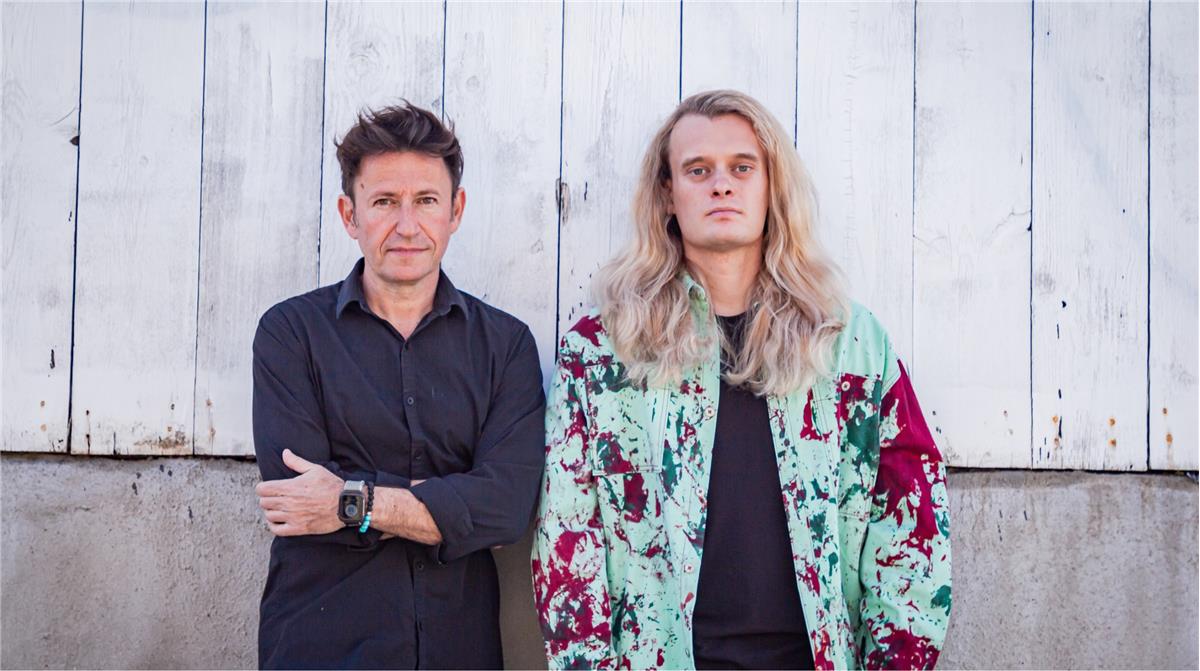
Two years ago, Dmitry Shapiro and Sean Thielen were so optimistic about the vibrant creator economy that they pivoted their startup toward a new product: a simple tool called Koji.
Now, Shapiro and Thielen want out of the creator economy. The business model outlined in Koji’s “profile”—charging a cut of transactions—never reached the scale the co-founders once envisioned. Part of the reason is that Koji’s target customers are creators with far fewer followers than superstars like MrBeast and Emma Chamberlain—creators who don’t earn enough to sustain startups like theirs and others in the space, especially amid an advertising downturn. Shapiro and Thielen are now actively seeking buyers for Koji so they can focus on a new AI product they’re developing called YouAI.
"The middle class of the creator economy cannot thrive in the current and foreseeable future,"
Shapiro said in an interview, adding that his company has enough cash to last nearly three more years. That’s bad news for hundreds of startups founded over the past three years that offer custom tech products to creators—from accounting software to video editing apps. Many of these companies are now trying to find buyers, including Popshop Live, a live-shopping startup serving brands and creators that raised around $25 million from investors like Benchmark. Some, like Koji’s parent company, are shifting into markets entirely outside the creator economy, while others have shut down completely.
According to The Information’s Creator Economy Database, at least 11 creator startups have been acquired since early 2022, and at least seven have shut down. Among those that failed are Peeq and Moetic. Peeq offered a service allowing creators and celebrities to chat with fans through live events and calls, while Moetic was a fashion marketplace where creators could open storefronts based on their recommendations. Peeq quietly closed last summer, and Moetic shut down in March this year.
Consolidation is a routine rhythm in the tech industry, evident in nearly every sector that captures entrepreneurs’ and investors’ attention—from personal computers to cybersecurity software to startups offering services and sales for those building online followings.
"Every tech market goes through several phases: first comes chaos, when hundreds of small companies compete for market share, followed by consolidation because not all of them can survive," said Sucharita Kodali, principal analyst at research firm Forrester. "In this phase, the weakest companies disappear, leading to a reshuffling by the end."
Other creator startups remain confident they’ll survive the current shakeout. LTK, known for its shopping app featuring creator recommendations, says it plans to grow its team of 700 by another 20% this year as revenue continues to rise.
Founded in 2011, LTK’s co-founder and president Amber Venz Box is herself a creator who believes bootstrapping and delaying venture capital until later helped build a sustainable business. In 2021, LTK raised $300 million from SoftBank’s Vision Fund 2 at a $2 billion valuation—nearly all of its funding to date.
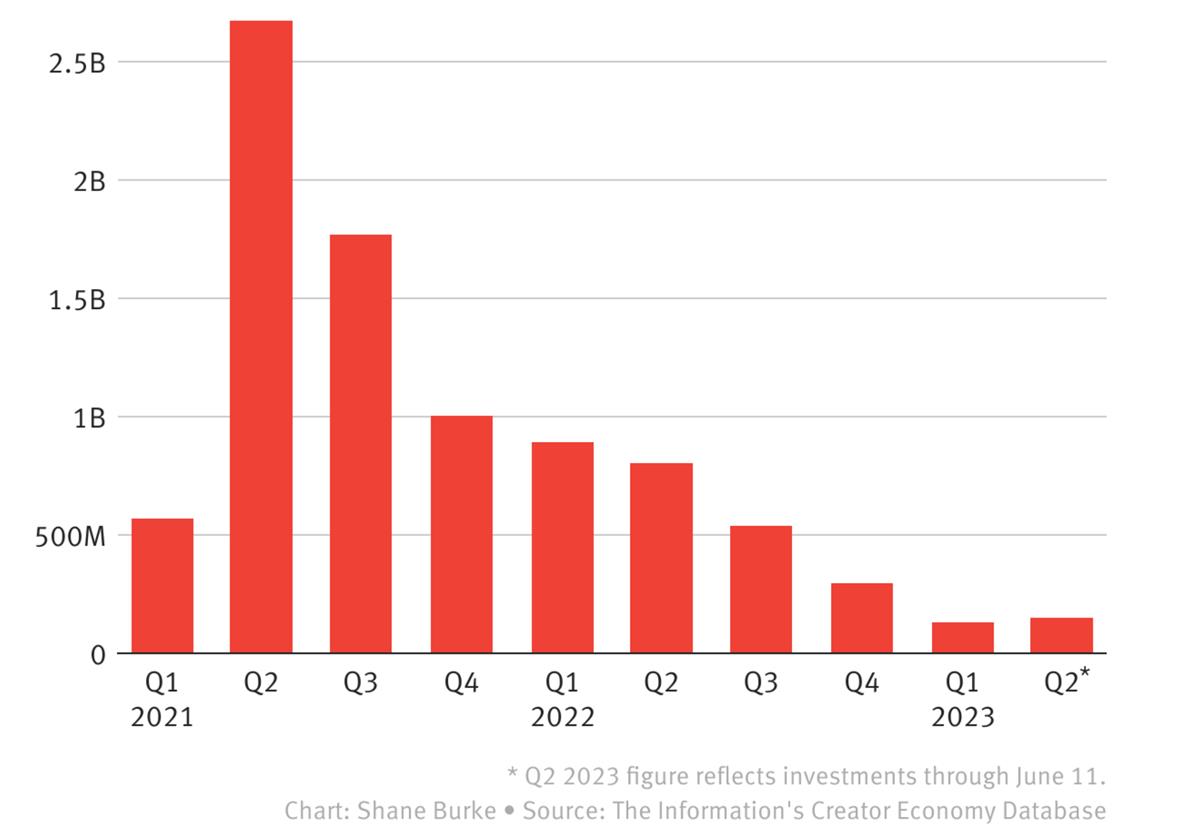
Yet for most startups aiming to support creators in growing their businesses—U.S. companies in this category collectively raised over $8.6 billion since early 2021—they face an unsettling reality: there aren’t enough creators who believe these tools are worth the cost.
"Most of these startups solve problems that are irrelevant to the majority of creators," said Reza Izad, co-founder and partner at talent agency Underscore Talent, which works with creators. "These tools mostly don’t make you famous or help you earn more money—the two core needs every creator is ultimately chasing."
Goldie Chan is one of the people these startups aggressively court. A full-time creator since 2017 focused on personal branding and marketing, she hasn’t found most pitched products compelling. For example, some startups offer easy ways to split earnings between creators and managers or provide AI assistants to identify potential tax deductions.
But Chan manages her finances the old-fashioned way—with accountants and Excel. "I don’t need that," she said, referring to specific creator-focused financial apps.
Sasha Kaletsky, co-founder and managing partner at early-stage VC firm Creator Ventures, said: "Most creators only need minimal viable tools to do their work and want to create great content and monetize along the way."
"This is a classic bubble market case."
Many creator startups assumed they’d have more time to grow, but when VC funding began drying up in mid-2022, they were forced to rely on remaining cash or profits—few of which could sustain operations. According to exclusive data from the Creator Economy Database, U.S.-based creator economy startups saw funding drop 86% to $123 million, marking the seventh consecutive quarter of year-over-year decline.
"It's been a very tough year for the entire tech industry," said Nick Chen, CEO of Hype, a startup formerly known as Pico that sells tools enabling creators and small businesses to monetize their social media audiences. "But the creator economy has been one of the main casualties because it received so much attention during the pandemic. It’s a textbook bubble market."
"Interests are changing."
Popshop Live is among the highest-profile startups seeking suitors. According to people familiar with the matter, their efforts date back to at least last fall, when Popshop’s former strategic advisor Selene Casabal-Cruz reached out to at least two competing live-shopping platforms to gauge interest in a potential merger or acquisition.
Benchmark’s Matt Cohler and Floodgate’s Ann Miura-Ko left Popshop Live’s board last year due to disagreements over fundraising and company direction, according to sources. Notably, Cohler stepped down after initially joining to help Benchmark secure investment in the buzzy startup, as live shopping gained heightened attention, The Information previously reported.
Casabal-Cruz declined to comment directly on Popshop but said she believes the issue isn't product or user demand, but rather a 'valuation shakeout' driven by investors afraid of missing out on hot deals during the fundraising boom. "The focus now is surviving without VC. M&A among peers has become an interesting option," she wrote in a message.
In the past month alone, four creator-related startups have approached Devran Amaratunga Karaca’s company Kyra to inquire about acquisition interest. Karaca’s startup helps creators produce video content and connect with advertisers. He said these inquiries came from seed-stage startups generating between $1 million and $5 million in revenue. Founders showed him pitch decks and admitted their cash runway was nearly gone.
Karaca believes these founders approached him because Kyra raised $15 million in a Series A round last October, signaling it had more cash available for deals compared to startups whose last funding round was one or two years ago. But these startups shouldn’t bother: Kyra CEO Karaca said he’s not considering acquisitions right now, calling them “distractions.”
Another startup, Zurp, abandoned its creator focus before even launching its product. Originally a cryptocurrency company, Zurp announced in January a plan to offer a credit card allowing fans to earn and redeem points for exclusive experiences with their favorite creators. For instance, Zurp co-founder Troy Osinoff cited an example where a MrBeast cardholder could skip the line at the creator’s burger restaurant.
But the Zurp card launched in April targets a broader audience: Gen Z consumers who can earn points redeemable for concert tickets, helicopter rides, and other experiences—including some tied to creators.
Osinoff said the company shifted focus away from creators partly because it would cost significantly more to strike deals with top-tier creators. He also worried about fickle consumer tastes toward individual creators.
"People’s interests change," Osinoff said. "Following a creator is one thing; signing up for a full credit card linked to a creator is another."
Join TechFlow official community to stay tuned
Telegram:https://t.me/TechFlowDaily
X (Twitter):https://x.com/TechFlowPost
X (Twitter) EN:https://x.com/BlockFlow_News
 The Information