TechFlow Insights
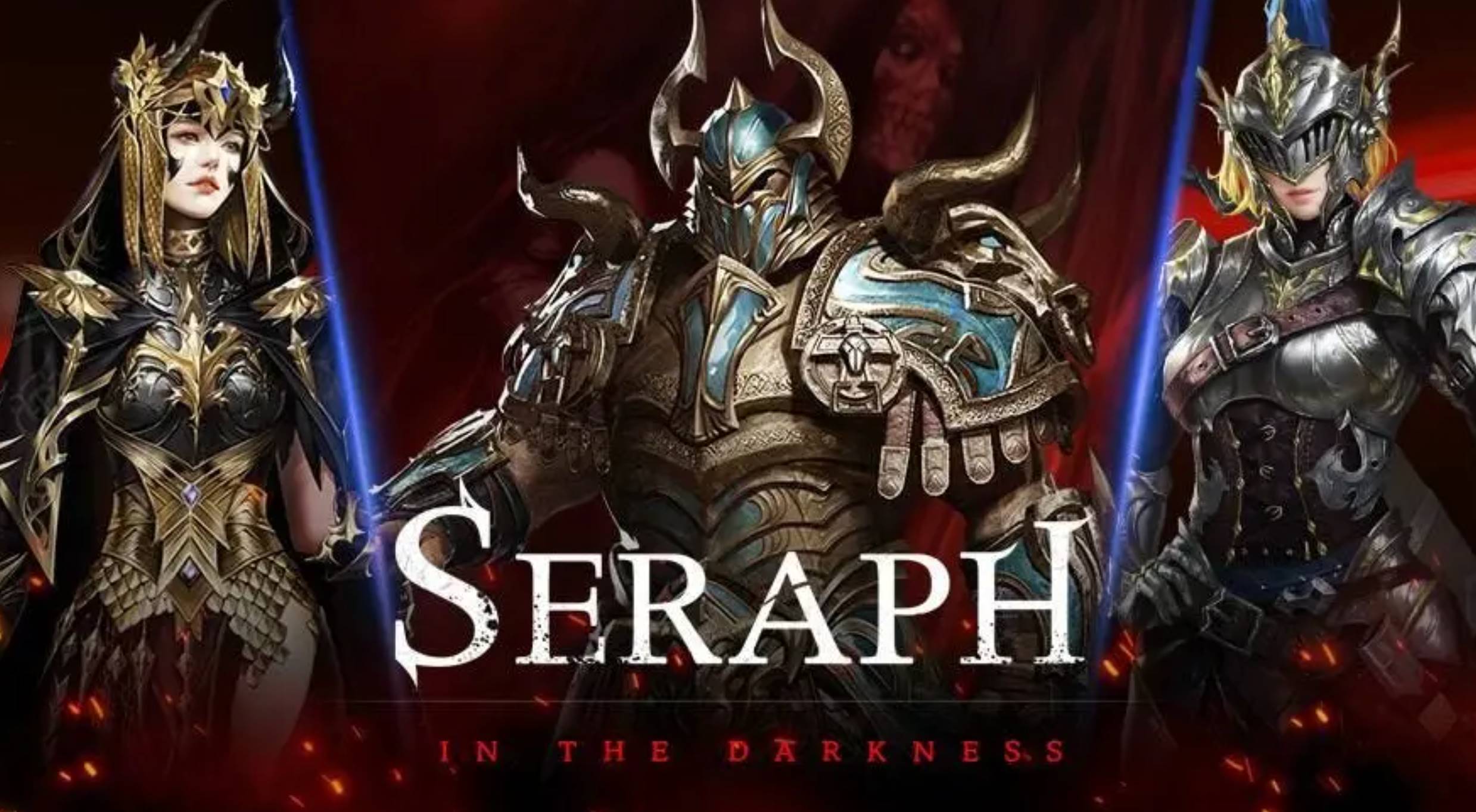
Seraph's gameplay is similar to the well-known IP "Diablo," with its core centered around loot grinding:
-
Level up your character, continuously find more treasure and equipment to strengthen yourself, then challenge harder content to obtain better gear, creating a continuous loop.
-
By selecting a given character and customizing your skill build, you embark on an adventure and leveling journey, acquiring better loot along the way.
In Seraph and similar Diablo-like loot-grinding games, the traditional play-to-earn conflict in blockchain games is alleviated to the greatest extent:
-
In traditional Web2 loot-based games, the core gameplay is essentially about earning in-game currency; it's just that the currency and gear obtained cannot be put on-chain.
-
Since the game theme itself is "loot grinding," making the acquired loot scarcer and putting it on-chain is merely icing on the cake, rather than a fundamental disruption.
Seraph's play-to-earn elements:
-
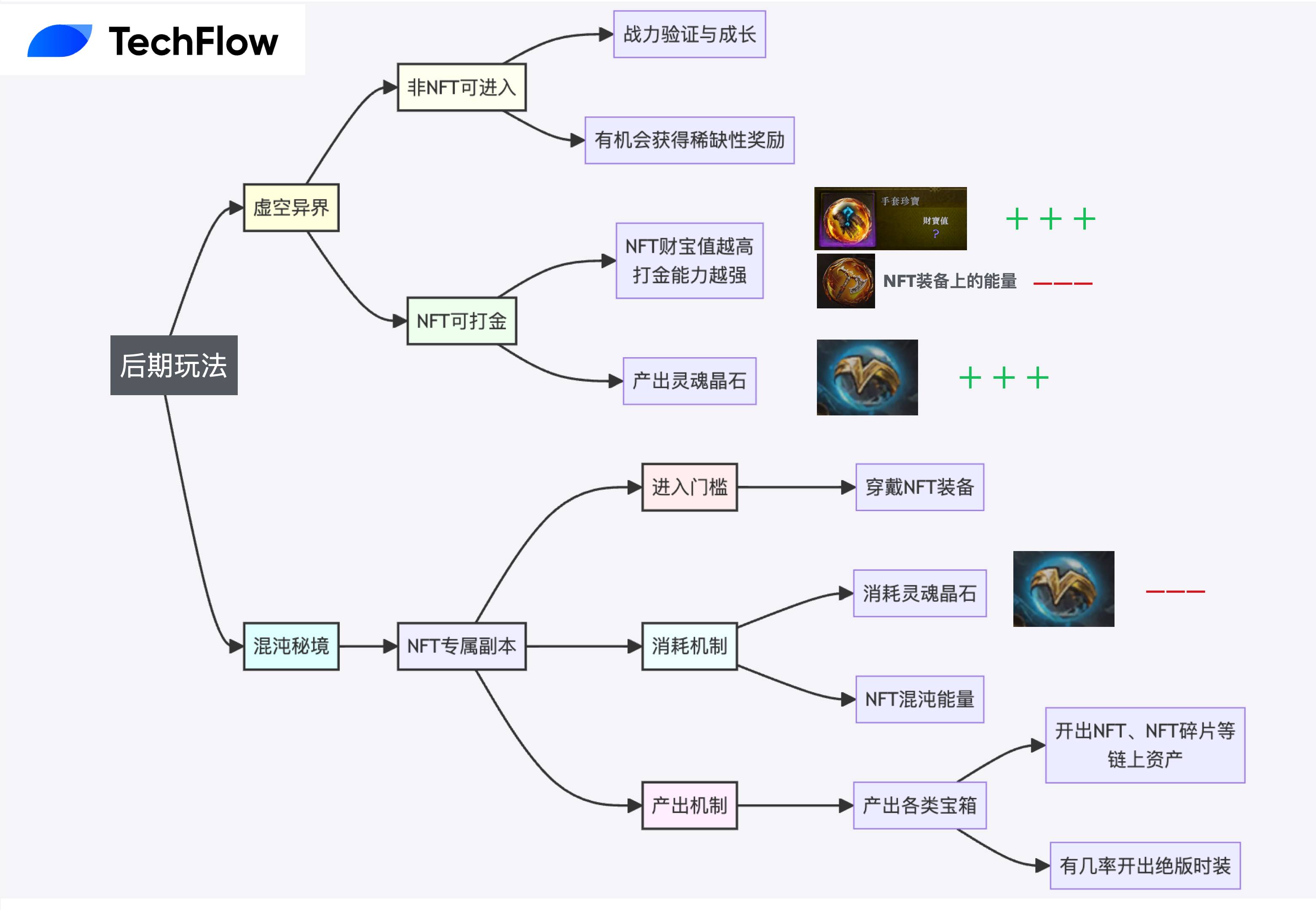
Equipment: Chaos Treasures—equipment in the form of on-chain NFTs. Holding them is equivalent to having a "ticket to earn," which can be purchased via ActPass NFT marketplaces or within wallets using in-game currency, representing the initial cost to start earning.
-
Resources: Soul Crystals, consumable resources within the game. By equipping the aforementioned Chaos Treasure items and completing challenges in specific scenarios, players can obtain Soul Crystals.
-
Value as Embodied Labor: Since time investment is required to obtain Soul Crystals, this justifies the value of subsequent earned gear—high-quality equipment is "grinded" for, reflecting both labor input and scarcity.