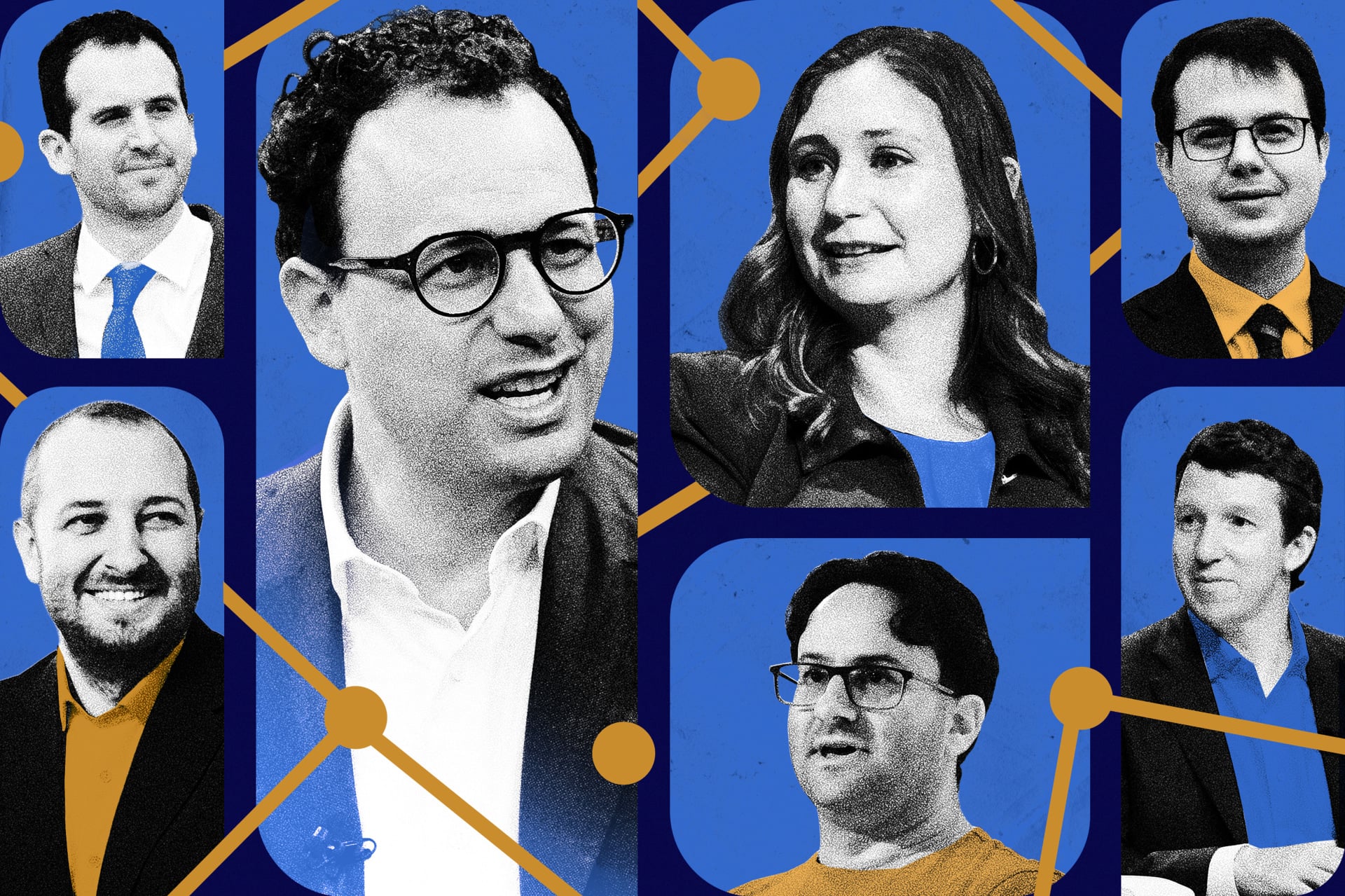
The Seven Founders of Anthropic Poised to Join the Ranks of Billionaires
Author: Kevin T. Dugan (The Wall Street Journal)
Translated by: TechFlow
TechFlow Summary: Anthropic, an artificial intelligence company founded about six years ago, is expected to debut on the Nasdaq on Thursday under the ticker symbol "ANT". The article states that after each of the seven co-founders cashes out $250 million, their remaining shareholdings will still be worth approximately $18 billion.
All seven are millennials, including a brother-sister duo, three PhDs, a former journalist, and a college dropout. Their personal interests span biology, punk rock, and theology, while their professional backgrounds range from academic research and journalism to policy advocacy.
All seven were previously associated with OpenAI before leaving in December 2020 to found this cutting-edge AI lab. The Wall Street Journal profiles the upbringing and roles within the company of CEO Dario Amodei and the others one by one.
Most companies have one or two founders. Anthropic is an exception.
The AI giant, expected to go public on Thursday, had enough executives at its founding to almost field a full starting lineup for the San Francisco Giants baseball team. (With their financial resources, they could buy the team and still have plenty of money left over.)
Today, these seven co-founders are expected to join the ranks of global billionaires worth over $10 billion, with each estimated to retain shares worth around $18 billion after cashing out $250 million.
About six years after its founding, Anthropic is expected to list on the Nasdaq under the ticker symbol "ANT".
The founders are all millennials, including a brother-sister pair, three doctoral graduates, a former journalist, and a college dropout, with personal interests spanning biology, punk rock, and theology.
Below is an introduction to the seven founders:
Dario Amodei, 43
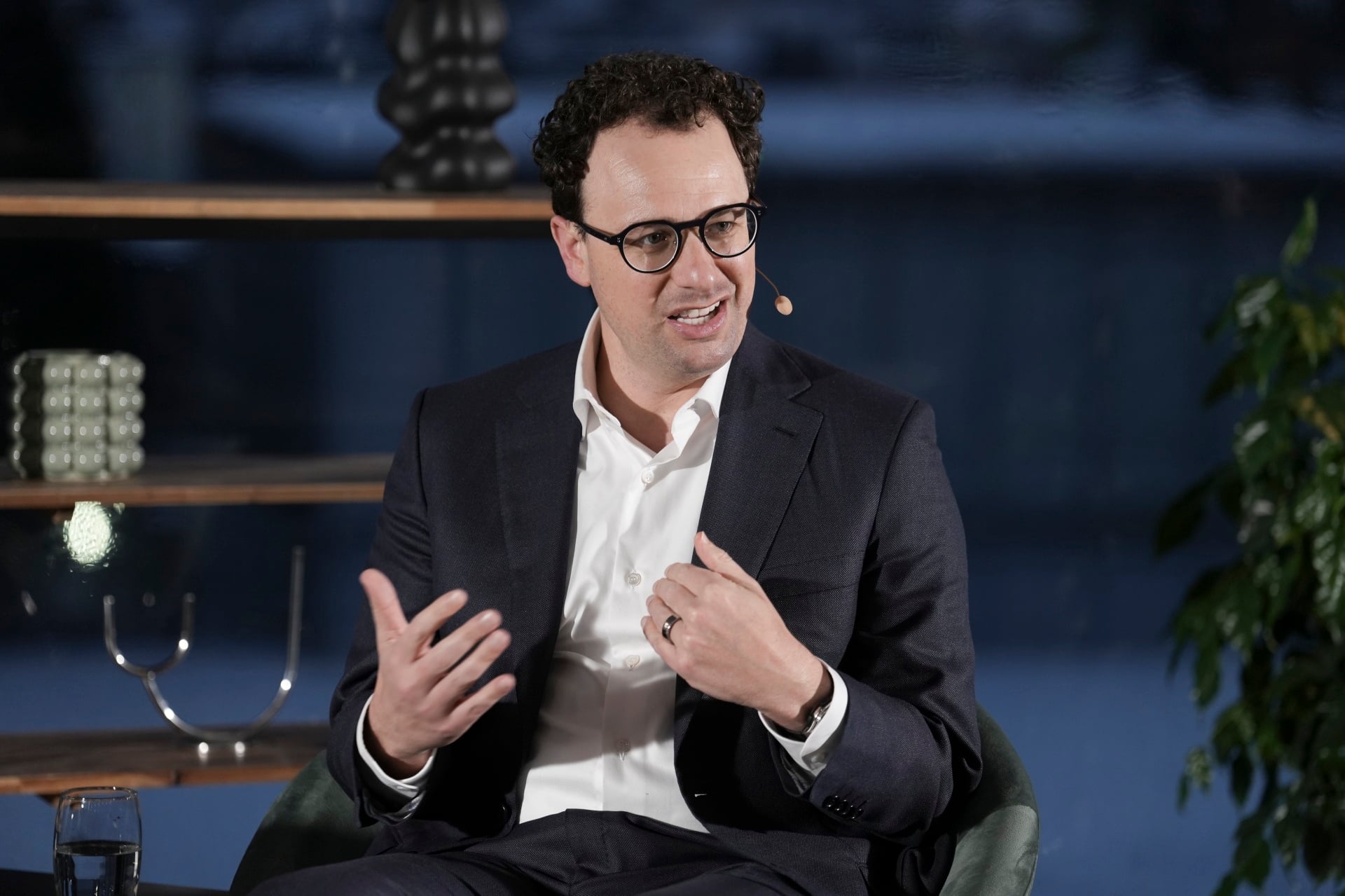
Image credit: Maurizio Martorana for WSJ
Anthropic CEO Dario Amodei grew up in the San Francisco Bay Area. Leveraging his talents in mathematics and science, he competed in the Academic Decathlon and Physics Olympiad, though he often narrowly missed taking first place.
"My habit of finishing second became well-known," he wrote in a personal bio he drafted for the U.S. Physics Olympiad when he was in his teens.
In his youth, Dario said he enjoyed watching The Simpsons and reading the works of Isaac Asimov. He considered Asimov to be "the greatest science fiction writer ever," noting that Asimov's works explored the impact of thinking machines.
He earned a Ph.D. in biophysics and, shortly after graduation, worked at Stanford School of Medicine, primarily focusing on cancer research.
According to The New Yorker, after working at Baidu and Google, Dario was recruited by OpenAI CEO Sam Altman in 2016 during a dinner at an Indian restaurant.
Later, he clashed with Altman over the dangers posed by AI development. In December 2020, Dario resigned along with six others to found his own cutting-edge AI laboratory.
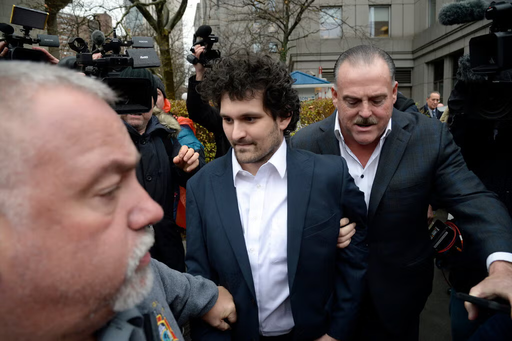
Anthropic garnered attention from the start, with FTX's Sam Bankman-Fried investing $500 million into the company. Dario's wife, Cami Clark, serves as an informal advisor.
Daniela Amodei, 39
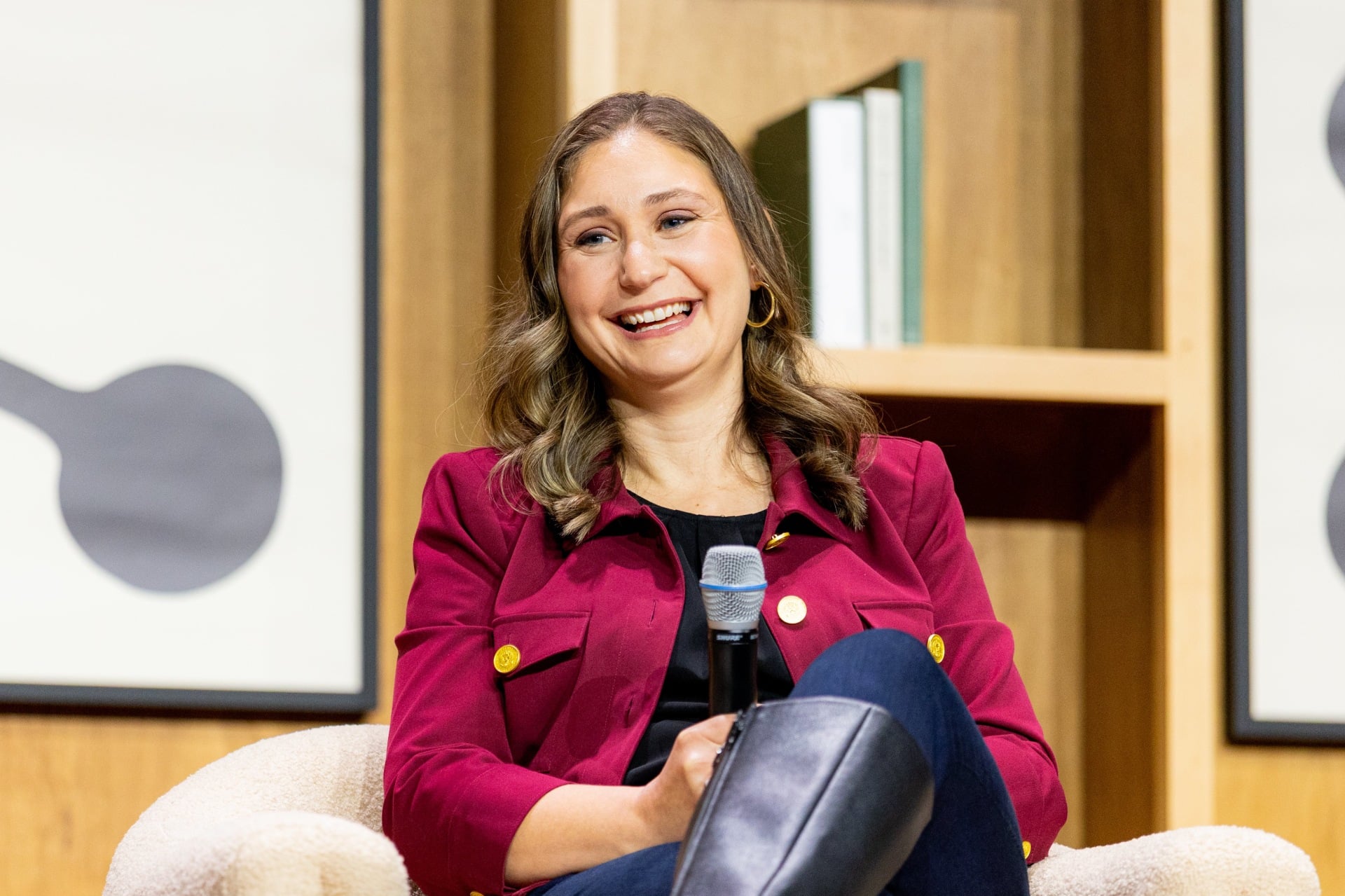
Image credit: Jason Henry for WSJ
Anthropic President and Chairwoman Daniela Amodei has described herself as a generalist, driven by curiosity and a desire to do good. But her most distinctive skill may well be understanding her brother's vision and helping steer the company's steady growth.
Earlier this year, she told Stanford students, "I've been making up with Dario for almost 40 years because he's my older brother, and I used to steal his toys."
When Daniela graduated from the University of California, Santa Cruz in 2009, the U.S. economy was in its worst recession in a century, leaving her uncertain about what to do next.
"I had a liberal arts degree but no real skills," she recalled addressing the Stanford students. After working in politics and at Stripe, she followed her brother to OpenAI, where she managed the team developing early versions of the company's flagship chatbot.
According to technology reporter Kevin Roose, while working at OpenAI, Daniela used anthropomorphic plush toys like a "lazy cat" to defuse workplace tensions.
Daniela has consistently emphasized Anthropic's safety mission, which includes "preventing people from using our technology to develop chemical and biological weapons, incidentally, our technology might actually have that potential." Her husband is also now an employee at Anthropic.
Christopher Olah, 34
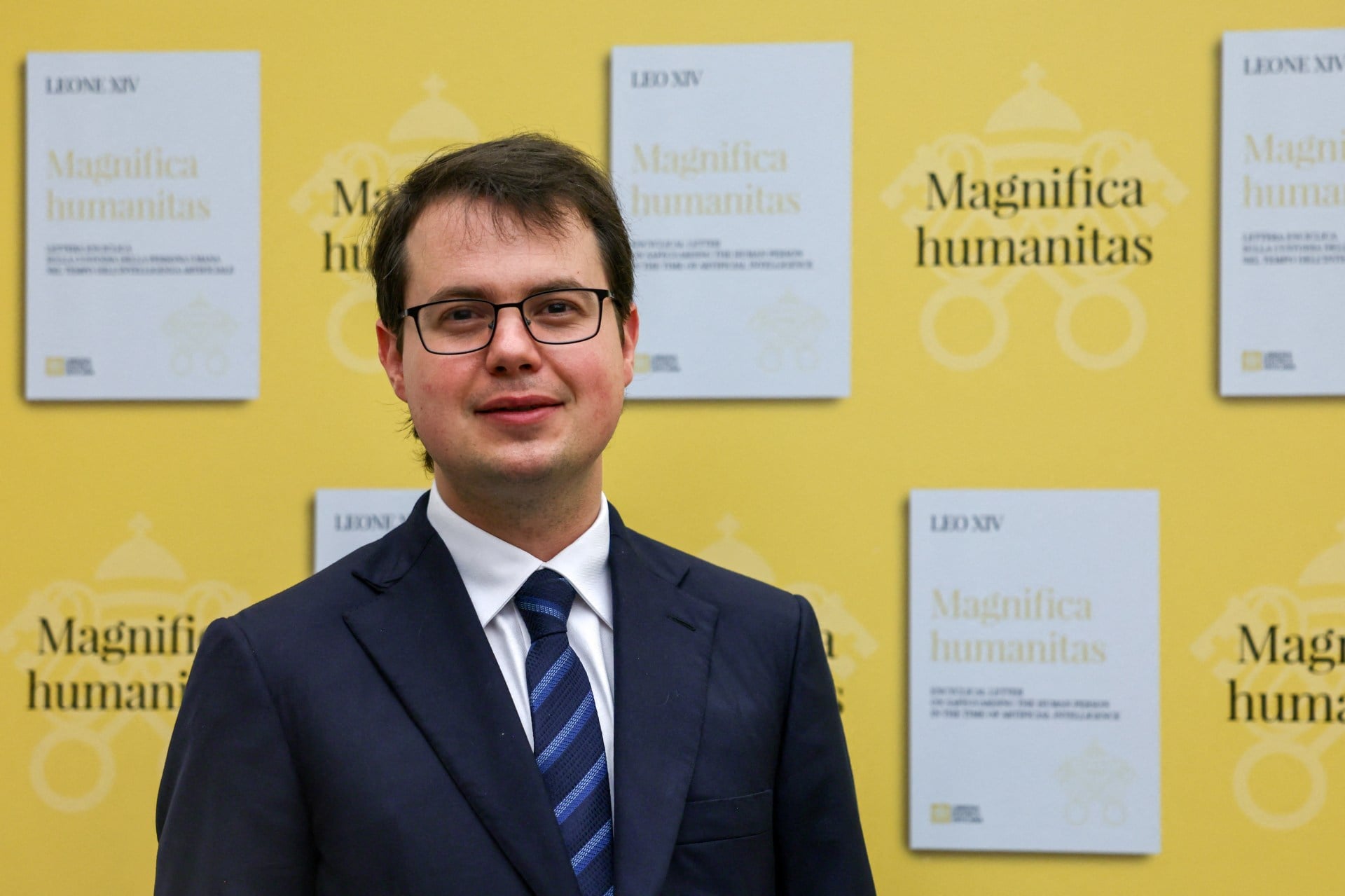
Image credit: Yara Nardi/Reuters
Christopher Olah leads Anthropic's interpretability research, dedicated to answering why black-box AI systems operate in certain ways. The company states that Olah, who dropped out of college, has become a "foundational figure in the field of mechanistic interpretability."
Olah's research extends far beyond typical engineering problems, touching on consciousness, ethics, and religion.
Paul Taylor, a former Oracle product manager, said that earlier this year, Olah—who was once an evangelical Christian and later became an atheist—held a two-day meeting with religious leaders to discuss whether the company's systems might possess consciousness.
Taylor currently leads the non-profit religious organization Bay Area Center for Faith, Work & Tech, and he himself attended that meeting.
Afterward, Olah also met with Pope Leo XIV. The Pope had warned that AI technology could foster new forms of slavery that devalue humanity.
Tom Brown, 39
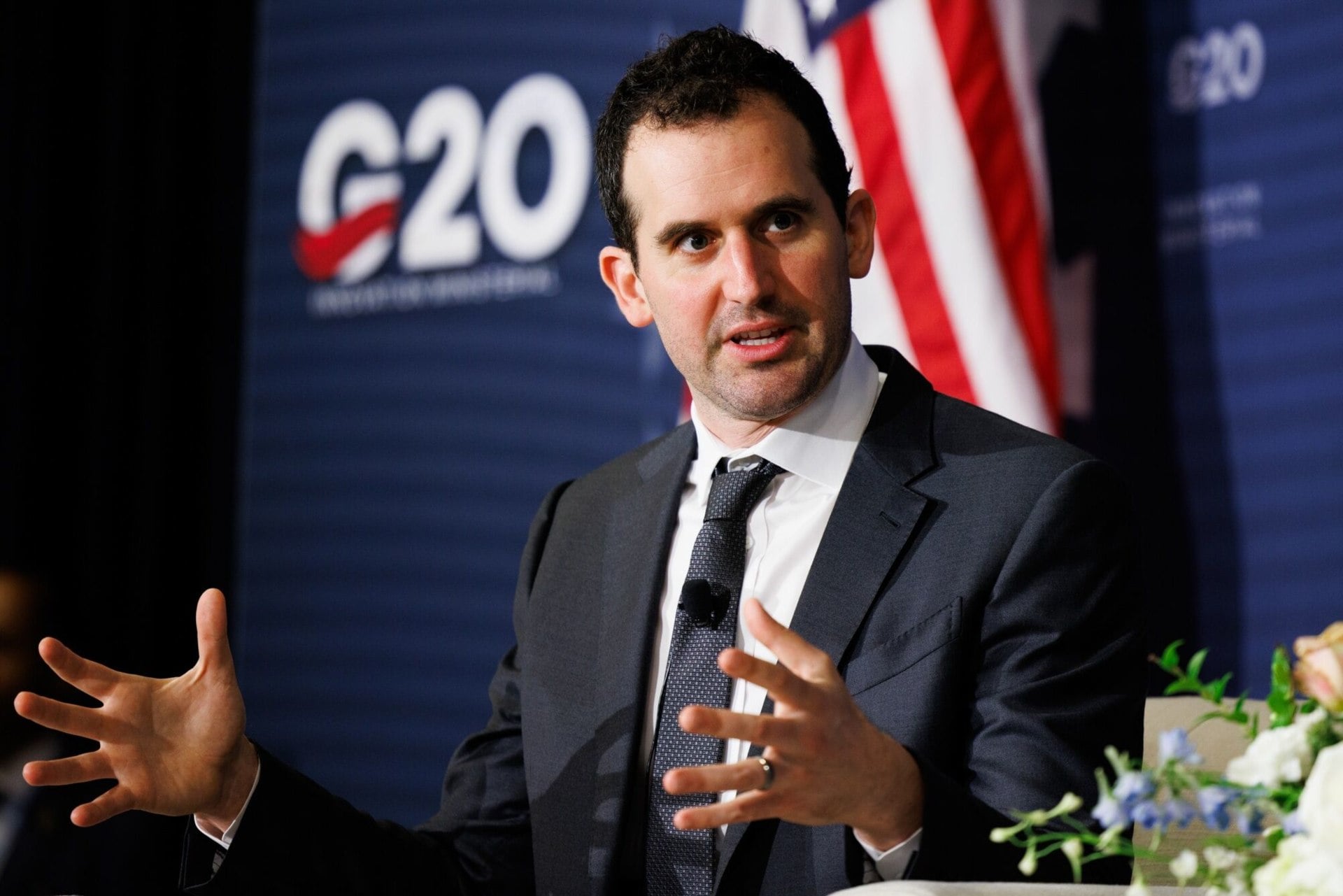
Image credit: Cornell Watson/Bloomberg News
Anthropic Chief Compute Officer Tom Brown is considered the company's "Swiss Army knife" multi-tasker. Together with Dario Amodei, he helped pioneer a core AI concept that enables systems to communicate conversationally.
Brown negotiates chip deals and engages in informal lobbying efforts in Washington and elsewhere.
He has also leveraged his Republican identity to defuse tense standoffs between the company and Elon Musk, as well as the Trump administration, confrontations that had threatened the company's business operations.
Brown graduated from MIT and worked as an engineer at several Silicon Valley companies, including a dating app he co-founded. He once said he created the app to help him overcome shyness.
Brown once demonstrated a game-playing AI system to Musk, leaving a strong impression on him. After joining Anthropic, he also negotiated directly with the Pentagon to prevent the company from being effectively banned by the U.S. government.
Jack Clark, 38
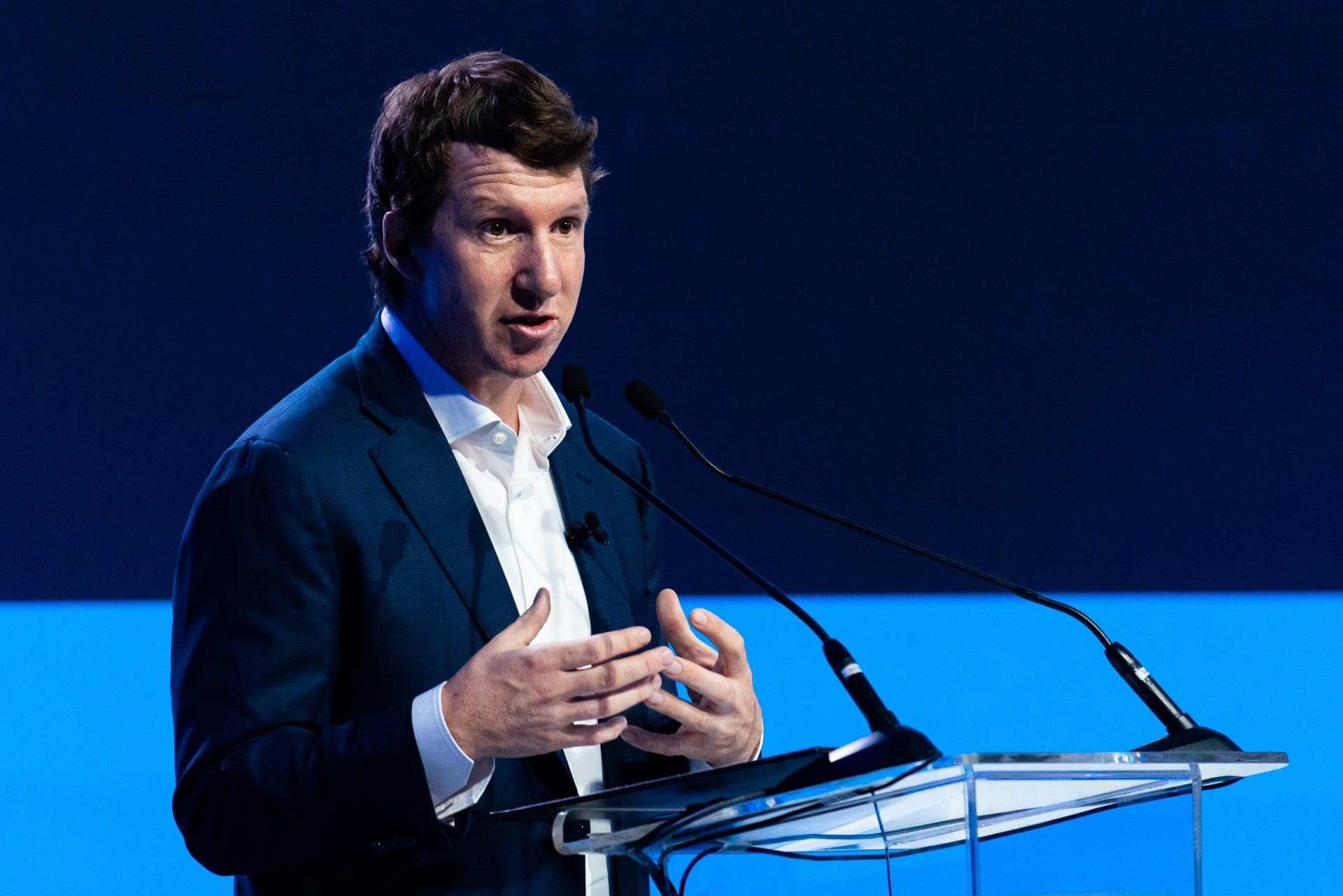
Image credit: Peerapon Boonyakiat/SOPA Images/ZUMA Press
Jack Clark transitioned from journalism to the AI field. He has said that while working as a technology reporter for Bloomberg Businessweek, he became deeply fascinated by Google's research into certain types of machine learning, research that paved the way for the emergence of Claude.
After handling public relations at OpenAI, Clark became Anthropic's head of policy. He now leads the think tank Anthropic Institute, whose mission is to "understand and shape the impacts of powerful AI systems."
According to a speech published in Clark's personal newsletter, he stated at a conference in Bangkok earlier this year, "The singularity is here."
Clark remains active on social media. He recently wrote that he often feels "torn between two worlds right now. One is the ephemeral future promised by AI progress. The other is the tangible reality of life, friends, and punk shows."
Jared Kaplan, 42
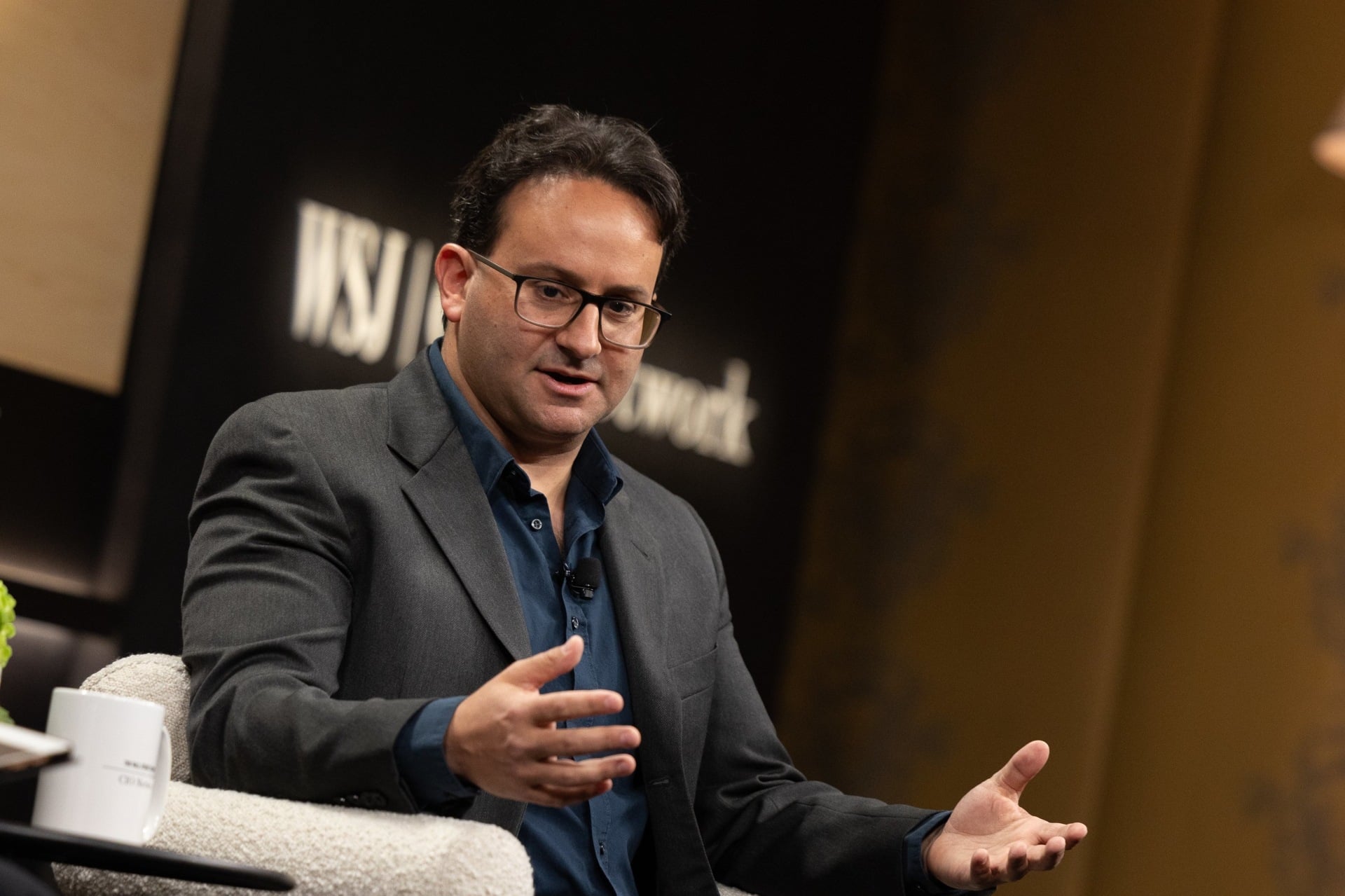
Image credit: Nikki Ritcher for WSJ
Anthropic Chief Science Officer Jared Kaplan is a theoretical physicist who has been teaching at Johns Hopkins University since 2012, with research interests ranging from quantum gravity to machine learning.
He initially studied physics and mathematics at Stanford University before earning a Ph.D. in physics from Harvard University.
In 2019, he served as a research consultant at OpenAI. His paper, "Scaling Laws for Neural Language Models," became a foundational work in the field.
The paper outlines how compute power, training data, and the number of mathematical parameters in a model scale to expand system capabilities.
During his time at Anthropic, he further developed a method of constraining AI systems using a "constitution," which involves using a set of rules to prevent systems from going off course.
Sam McCandlish, 36
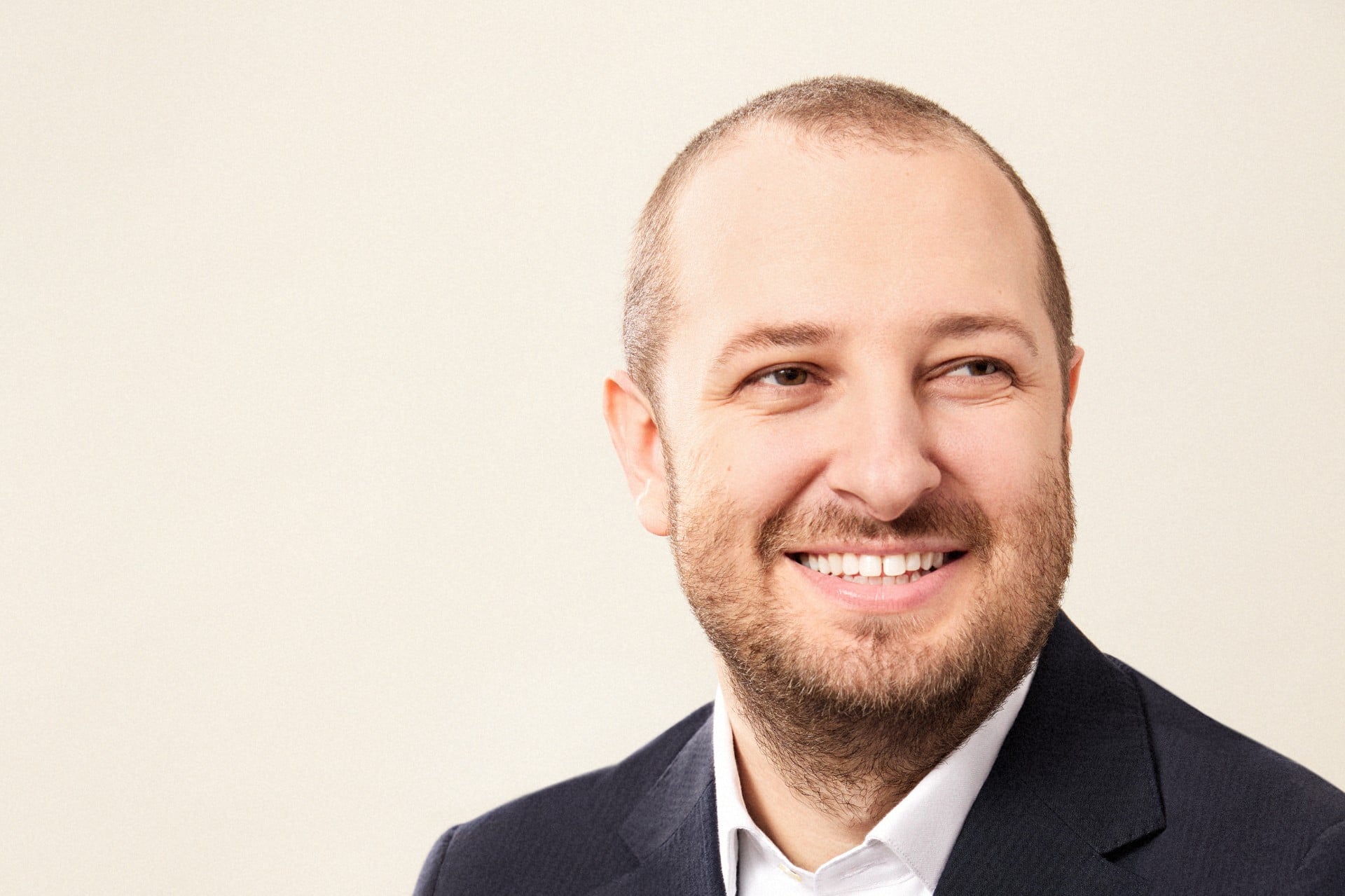
Image credit: Anthropic
Sam McCandlish initially studied mathematics and physics at Brandeis University before earning a Ph.D. in physics from Stanford University. He is currently Anthropic's chief architect, overseeing the development of new model parameters.
While at OpenAI, McCandlish worked closely with Kaplan, and the research paper on scaling laws is credited to both of them.
Illustration sources: Bloomberg News, Reuters, EPA/Shutterstock, Jason Henry for WSJ, Anthropic