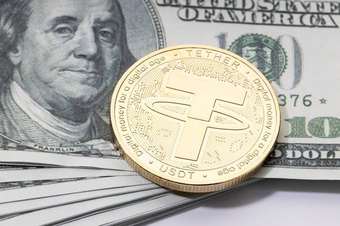
Forbes' 7 Crypto Predictions for 2025: More Major Countries May Build Bitcoin Reserves, Total Crypto Market Cap to Surpass $8 Trillion
TechFlow Selected TechFlow Selected
Forbes' 7 Crypto Predictions for 2025: More Major Countries May Build Bitcoin Reserves, Total Crypto Market Cap to Surpass $8 Trillion
The crypto industry is entering a new era of growth and maturity.
 Navigating Web3 tides with focused insights
Author: Leeor Shimron
Translation: Bitpush News
2024 was a historic turning point for Bitcoin and the broader cryptocurrency ecosystem. This year saw the launch of the first Bitcoin and Ethereum ETFs, marking true institutional adoption. Bitcoin surpassed $100,000 for the first time, while stablecoins continued to reinforce the U.S. dollar’s global dominance. Further fueling this momentum, the winning U.S. presidential candidate made support for Bitcoin a central pillar of their campaign.
Collectively, these milestones solidify 2024 as the year the crypto industry proved itself an unstoppable force on the global stage. As the industry shifts focus toward 2025, here are seven predictions for the major developments likely to unfold next year.
1) A major nation in the G7 or BRICS will establish and announce a strategic Bitcoin reserve

The Trump administration's proposal to create a Strategic Bitcoin Reserve (SBR) for the United States has sparked significant debate and speculation. While adding Bitcoin to the U.S. Treasury’s balance sheet would require substantial political will and congressional approval, merely proposing such an initiative carries profound implications.
By signaling the possibility of an SBR, the U.S. is effectively inviting other major nations to consider similar moves. Game theory suggests these countries may be incentivized to act preemptively—potentially beating the U.S. to gain a strategic advantage in diversifying national reserves. With Bitcoin’s limited supply and its emerging role as a digital store of value, urgency among nations to act quickly could intensify.
A “who’s first” race is now unfolding, with major economies considering whether to hold Bitcoin in their national reserves alongside gold, foreign currencies, and government bonds as part of asset diversification. Such a move would not only cement Bitcoin’s status as a global reserve asset but could also reshape the landscape of international finance, with far-reaching consequences for economic and geopolitical power structures. Any major economy establishing a strategic Bitcoin reserve could mark the beginning of a new era in sovereign wealth management.
2) Stablecoins will continue growing, doubling to exceed $400 billion
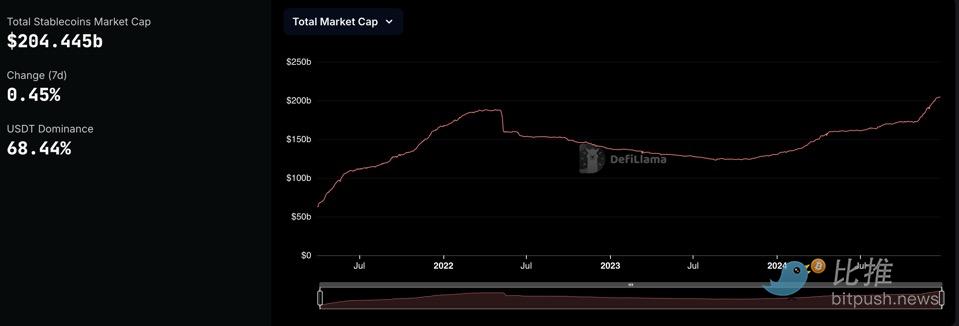
Stablecoins have become one of crypto’s most successful mainstream use cases, bridging traditional finance and the cryptocurrency ecosystem. Hundreds of millions of people worldwide use stablecoins for remittances, daily transactions, and hedging against local currency volatility by leveraging the relative stability of the U.S. dollar.
In 2024, stablecoin circulation reached an all-time high of $200 billion, led by market giants Tether and Circle. These digital currencies rely on blockchain networks like Ethereum, Solana, and Tron to enable seamless, borderless transactions.
Looking ahead, stablecoin growth is expected to accelerate through 2025, potentially doubling to surpass $400 billion. This expansion will be driven by the passage of dedicated stablecoin legislation, which could provide much-needed regulatory clarity and foster innovation within the sector. U.S. regulators are increasingly recognizing the strategic importance of stablecoins in reinforcing the dollar’s global dominance and securing its position as the world’s primary reserve currency.
3) L2-powered Bitcoin DeFi will emerge as a major growth trend
Bitcoin is evolving beyond its role as a store of value, with Layer 2 (L2) networks such as Stacks, BOB, Babylon, and CoreDAO unlocking the potential for a thriving Bitcoin DeFi ecosystem. These L2 solutions enhance Bitcoin’s scalability and programmability, enabling decentralized finance (DeFi) applications to flourish on the most secure and decentralized blockchain.
2024 was a transformative year for Stacks, marked by the Nakamoto upgrade and the launch of sBTC. The Nakamoto upgrade enabled Stacks to inherit 100% of Bitcoin’s finality and introduced faster block times, significantly improving user experience. Meanwhile, sBTC—a trustless Bitcoin-pegged asset launched in December—enables seamless participation in DeFi activities such as lending, swapping, and staking—all secured by Bitcoin’s underlying security.
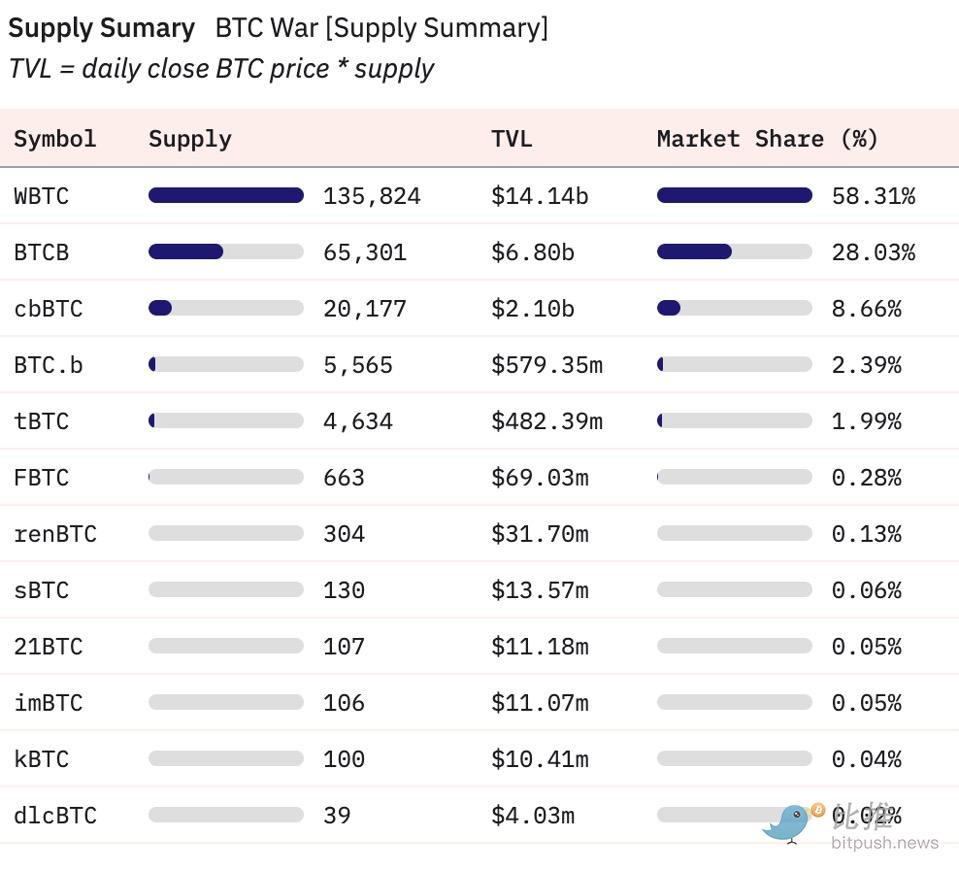
Previously, Bitcoin holders seeking DeFi opportunities had to transfer their BTC to other networks like Ethereum. This process relied on centralized custodians such as WBTC (BitGo), BTCB (Binance), and cbBTC (Coinbase), exposing users to risks of centralization and censorship. Bitcoin L2s reduce these risks by offering a more decentralized alternative that allows Bitcoin to operate natively within its own ecosystem.
Looking to 2025, Bitcoin DeFi is poised for exponential growth. I predict that the total value locked (TVL) on Bitcoin L2s will exceed the current $24 billion represented by wrapped Bitcoin derivatives—approximately 1.2% of Bitcoin’s total supply. As Bitcoin’s market cap reaches $2 trillion, L2 networks will enable users to securely and efficiently unlock this vast latent value, solidifying Bitcoin’s role as a cornerstone of decentralized finance.
4) Bitcoin ETFs will surge further, with new crypto-focused ETFs emerging
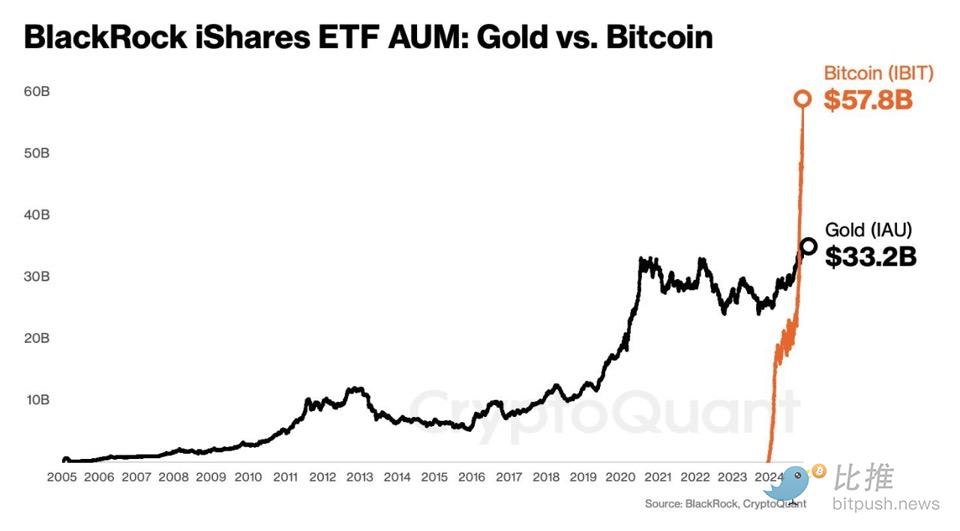
The launch of spot Bitcoin ETFs marked a historic milestone, making it the most successful ETF debut in history. Within their first year, these ETFs attracted over $108 billion in assets under management (AUM), demonstrating unprecedented demand from both retail and institutional investors. Major players like BlackRock, Fidelity, and Ark Invest played pivotal roles in bringing regulated Bitcoin exposure to traditional financial markets, laying the foundation for a wave of innovation in crypto-focused ETFs.
Following the success of Bitcoin ETFs, Ethereum ETFs have also entered the market, giving investors access to the second-largest cryptocurrency by market cap. Looking forward, I expect staking functionality to be integrated into Ethereum ETFs for the first time in 2025. This feature would allow investors to earn staking rewards, further enhancing the appeal and utility of these funds.
ETFs for other crypto protocols—such as Solana—are expected to follow shortly. Solana is renowned for its high-performance blockchain, rapidly expanding DeFi ecosystem, and strong growth in gaming, NFTs, and memecoins.
Additionally, we may see the introduction of weighted crypto index ETFs designed to offer diversified exposure to the broader crypto market. These indices could include top-performing assets like Bitcoin, Ethereum, and Solana, along with emerging protocols, providing investors with balanced portfolios that capture the growth potential across the entire ecosystem. Such innovations will make crypto investing more accessible and efficient, attracting a wider range of investors and driving further capital inflows into the space.
5) Another company from the "Magnificent Seven," besides Tesla, will add Bitcoin to its balance sheet
The Financial Accounting Standards Board (FASB) introduced fair-value accounting rules for cryptocurrencies, effective for fiscal years beginning after December 15, 2024. These new standards require companies to report their holdings of cryptocurrencies like Bitcoin at fair market value, capturing gains and losses from market fluctuations in real time.
Previously, digital assets were classified as intangible assets, forcing companies to write down impaired assets while prohibiting recognition of unrealized gains. This conservative approach often understated the true value of crypto assets on corporate balance sheets. The new rules address these limitations, enabling more accurate financial reporting and making crypto a more attractive asset class for corporate treasuries.
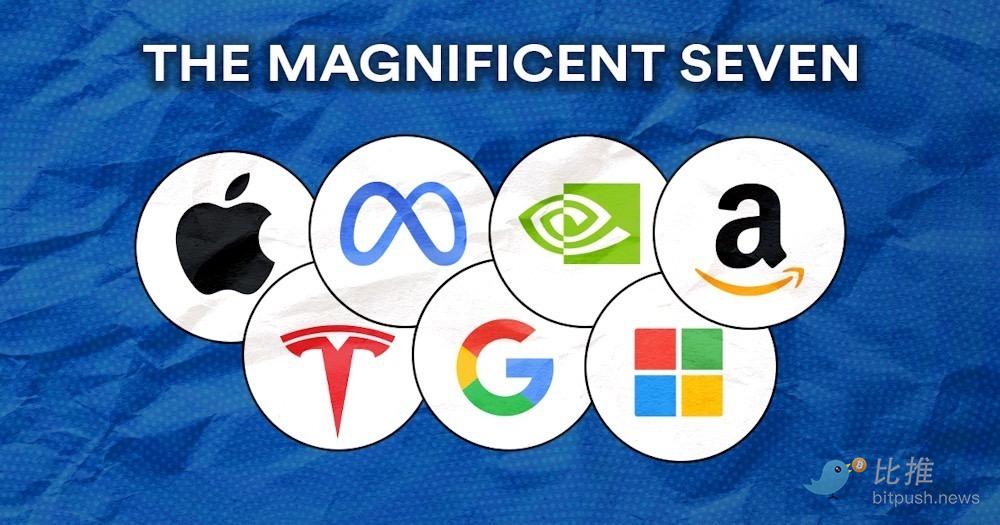
The Magnificent Seven—Apple, Microsoft, Google, Amazon, Nvidia, Tesla, and Meta—collectively hold over $600 billion in cash reserves, giving them significant flexibility to allocate a portion of capital to Bitcoin. With strengthened accounting frameworks and increased regulatory clarity, it is highly likely that one of these tech giants, beyond Tesla, will add Bitcoin to its balance sheet.
This move would reflect prudent financial management:
-
Inflation hedging: Protection against fiat currency devaluation.
-
Reserve diversification: Adding a scarce, uncorrelated digital asset to their portfolio.
-
Leveraging appreciation potential: Capitalizing on Bitcoin’s historical long-term growth.
-
Strengthening technological leadership: Aligning with a culture of innovation and digital transformation.
As the new accounting rules take effect and corporate treasuries adapt, Bitcoin could become a key reserve asset for the world’s largest technology companies, further legitimizing its role within the global financial system.
6) Total crypto market cap will surpass $8 trillion
In 2024, the total cryptocurrency market capitalization surged to a record high of $3.8 trillion, encompassing a wide array of use cases including Bitcoin as a store of value, stablecoins, DeFi, NFTs, memecoins, GameFi, SocialFi, and more. This explosive growth reflects the industry’s expanding influence and increasing adoption of blockchain-based solutions across diverse sectors.
By 2025, the influx of developer talent into the crypto ecosystem is expected to accelerate, driving the creation of new applications that achieve product-market fit and attract millions of additional users. This wave of innovation could yield breakthrough decentralized applications (dApps) in fields such as artificial intelligence (AI), decentralized finance (DeFi), decentralized physical infrastructure networks (DePIN), and other nascent domains still in early development.
These transformative dApps will offer tangible utility and solve real-world problems, boosting adoption and economic activity within the ecosystem. As user bases expand and capital flows into the space, asset prices will rise accordingly, pushing the overall market cap to unprecedented levels. Riding this momentum, the crypto market is poised to break past $8 trillion, marking sustained growth and innovation across the industry.
7) A revival of crypto startups, with the U.S. reemerging as a global crypto powerhouse
The U.S. crypto industry stands on the brink of a transformative resurgence. The controversial “enforcement-first” regulatory approach championed by SEC Chair Gary Gensler—which stifled innovation and drove many crypto startups overseas—will come to an end with his departure in January. His successor, Paul Atkins, brings a markedly different perspective. As a former SEC commissioner (2002–2008), Atkins is known for his pro-crypto stance, support for deregulation, and leadership in crypto-friendly initiatives such as the Token Alliance. His approach promises a more collaborative regulatory framework that fosters innovation rather than suppressing it.
The termination of “Operation Chokepoint 2.0”—a covert initiative aimed at restricting crypto startups’ access to the U.S. banking system—lays the groundwork for a crypto revival. By restoring fair access to banking infrastructure, the U.S. is creating an environment where blockchain developers and entrepreneurs can thrive without excessive restrictions.
Regulatory clarity: A change in SEC leadership and more balanced regulatory policies will reduce uncertainty for startups, fostering a more predictable environment for innovation.
Access to capital and resources: With banking barriers removed, crypto companies will find it easier to access capital markets and traditional financial services, enabling sustainable growth.
Talent and entrepreneurship: A reduction in regulatory hostility is expected to draw top blockchain developers and entrepreneurs back to the U.S., revitalizing the ecosystem.
Increased regulatory transparency and renewed support for innovation will also lead to a sharp rise in token issuance within the U.S. Startups will be able to issue tokens as part of their fundraising and ecosystem-building efforts without fear of regulatory backlash. These tokens—including utility tokens for dApps and governance tokens for protocols—will attract domestic and international capital while encouraging participation in U.S.-based projects.
Conclusion
Looking ahead to 2025, it is clear that the crypto industry is entering a new era of growth and maturity. With Bitcoin solidifying its position as a global reserve asset, the rise of ETFs, and exponential growth in DeFi and stablecoins, the foundations for broad adoption and mainstream attention are being laid.
Backed by clearer regulations and groundbreaking technologies, the crypto ecosystem is set to push boundaries and shape the future of global finance. These predictions highlight a year brimming with potential, as the industry continues to prove itself an unstoppable force.
Join TechFlow official community to stay tuned
Telegram:https://t.me/TechFlowDaily
X (Twitter):https://x.com/TechFlowPost
X (Twitter) EN:https://x.com/BlockFlow_News
 Forbes