








OKLink Research: The Security Behind Hong Kong's Virtual Asset ETF
TechFlow Selected TechFlow Selected
OKLink Research: The Security Behind Hong Kong's Virtual Asset ETF
Spot ETFs not only accelerate the integration of traditional finance with digital assets, but also provide a compliant access channel for a broader investor base.
 Navigating Web3 tides with focused insights
Author: Jason Jiang, OKLink Research Institute
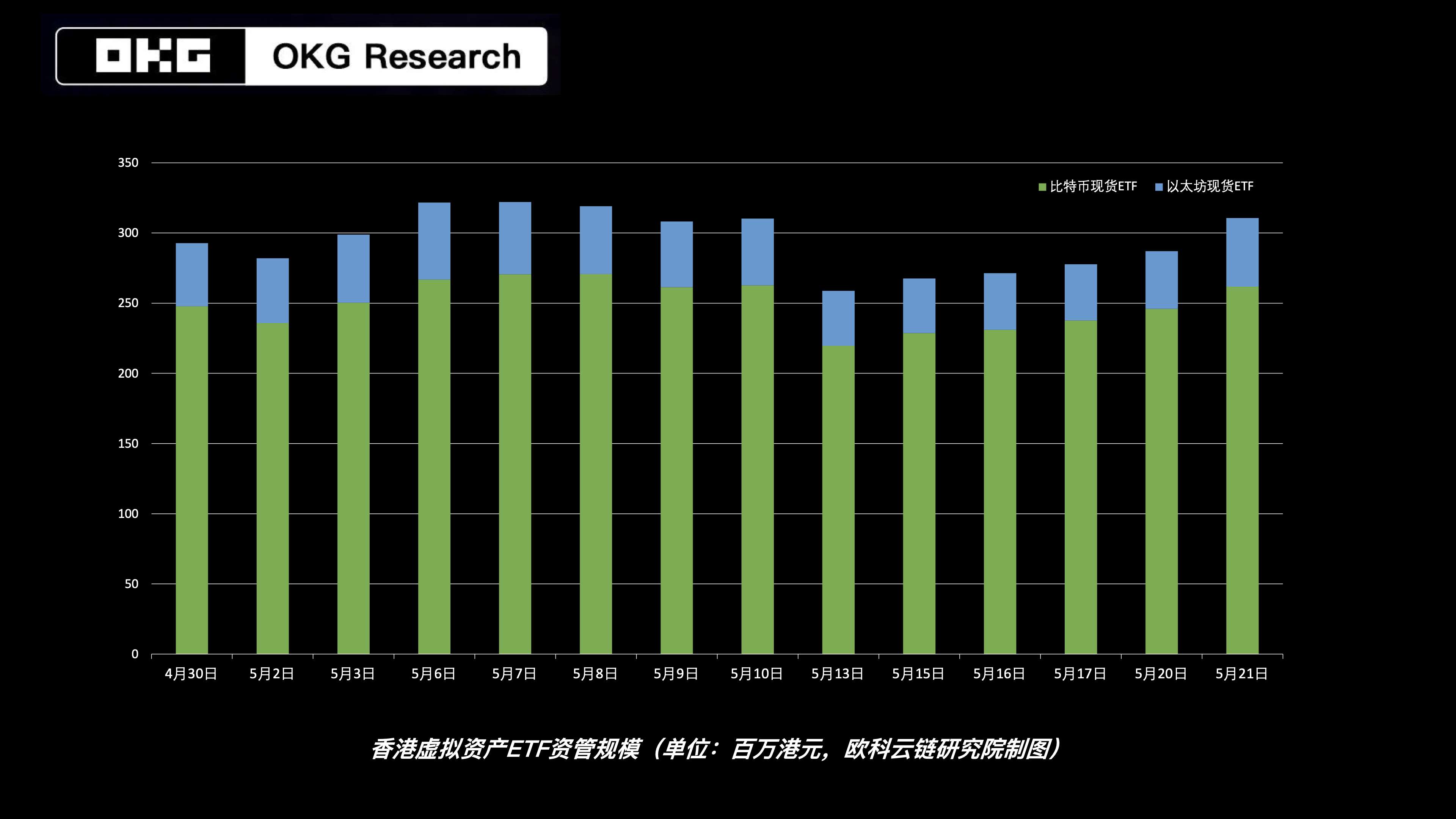
As the U.S. SEC undergoes a 180-degree shift in stance toward spot Ethereum ETFs, the UK's financial regulator has also approved its first batch of cryptocurrency exchange-traded products on the 22nd, marking steps to catch up with other virtual asset hubs. Meanwhile, Hong Kong—the first market in the world to approve both Bitcoin and Ethereum ETFs—after experiencing a lukewarm performance phase, is now seeing a revival. According to SosoValue, as of May 21, the total assets under management (AUM) of Hong Kong’s spot virtual asset ETFs have surpassed $310 million, achieving steady growth over five consecutive trading days.
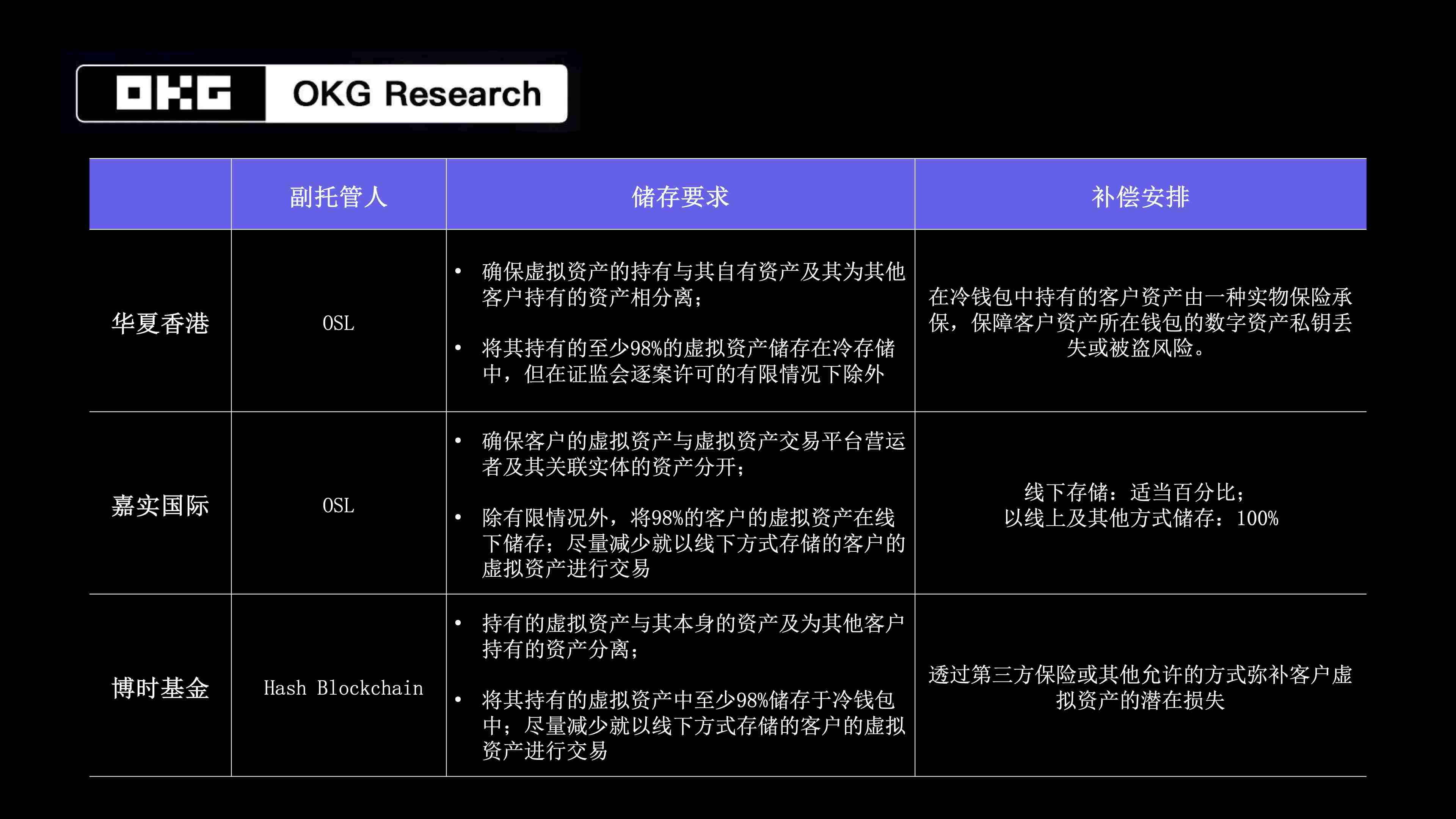
Beyond accelerating the convergence between traditional finance and digital assets, one of the most tangible benefits for retail investors participating in spot virtual asset ETFs lies in enhanced security. This assurance primarily comes from more reliable custody solutions and compensation arrangements. Given the unique nature of virtual assets, Hong Kong’s spot virtual asset ETFs now all appoint professional secondary custodians alongside primary custodians to manage virtual asset holdings. This not only improves fund management efficiency but also diversifies custody risk. The secondary custodian must ensure that the virtual assets backing the ETF are segregated from its own assets and those held for other clients, storing the majority of such assets in cold wallets while only keeping a small portion in hot wallets to meet subscription and redemption demands.
These practices largely align with previous virtual asset custody requirements set by the SFC for VATPs. On the topic of virtual asset custody, OKLink previously submitted further recommendations to Hong Kong regulators. For instance, hardware used for cold wallet custody should be geographically dispersed; private keys should be used only once per transaction and then discarded and regenerated afterward; and hot wallets could leverage cryptographic technologies such as MPC or key sharding for private key storage. Some of these suggestions have already been adopted and implemented within Hong Kong’s virtual asset ecosystem.
Additionally, secondary custodians must establish appropriate compensation mechanisms through third-party insurance or other acceptable means, covering at least the applicable percentage of potential losses specified under licensing requirements for assets stored in cold wallets, and 100% of potential losses for assets held in hot wallets or other forms, thereby ensuring investors receive real protection even if assets are compromised.
In terms of investment strategy, according to regulations set by the Hong Kong Securities and Futures Commission (SFC), spot virtual asset ETFs are prohibited from investing in any financial derivatives, engaging in securities lending, sale and repurchase agreements, reverse repurchase agreements, or applying any form of leverage to virtual assets. At the same time, issuers must develop liquidity management policies based on market conditions, utilizing various liquidity risk management tools to identify, monitor, and manage risks, ensuring investor redemption requests can be fulfilled promptly.
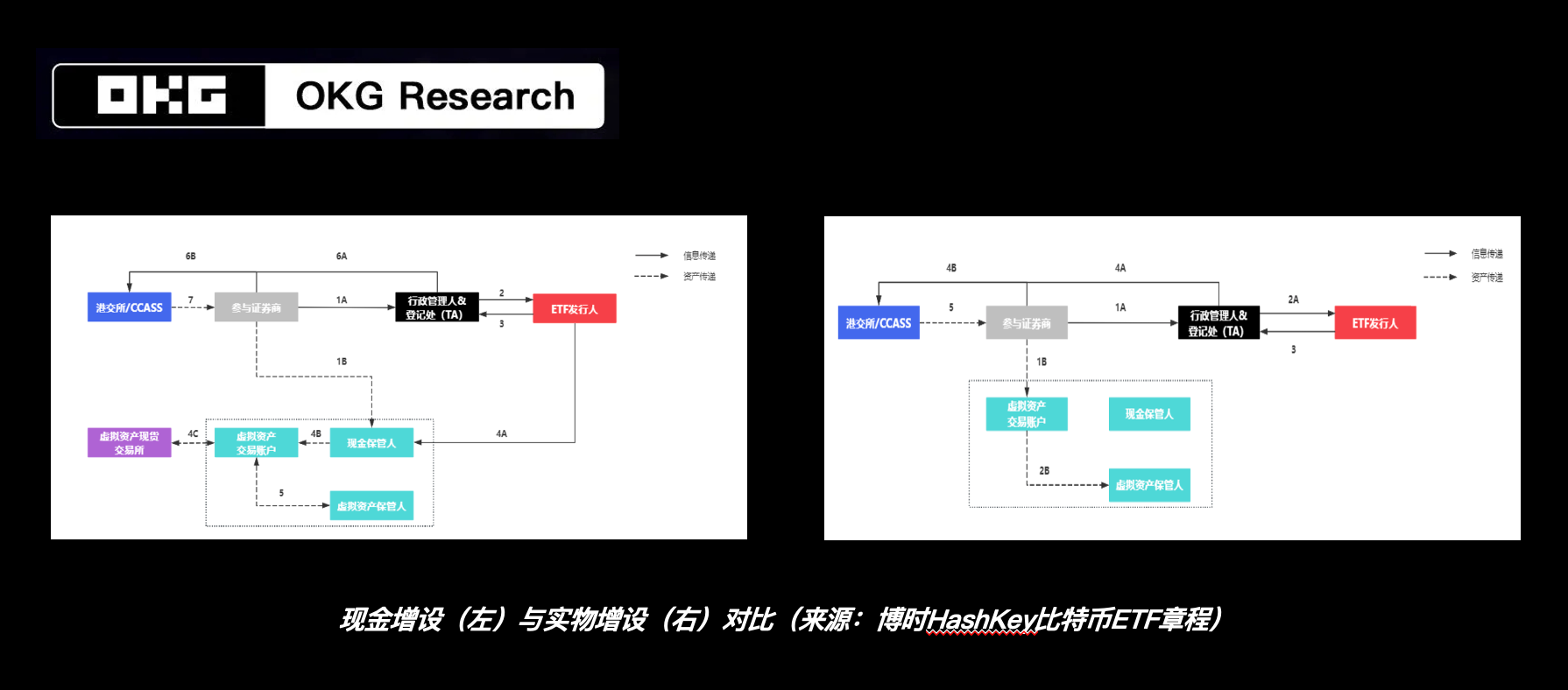
One major distinction between Hong Kong and the U.S. in the realm of spot virtual asset ETFs is the allowance of in-kind subscriptions and redemptions. While in-kind processing offers faster responsiveness in terms of liquidity and price alignment, and can attract broader market attention and investor participation, it also introduces additional risks due to increased complexity in on-chain processes and more involved parties. To mitigate such risks, Hong Kong’s virtual asset ETFs have implemented corresponding institutional safeguards. For example, during the creation of IOP (Initial Offering Period) shares, ETFs collect excess collateral as a safety buffer to counter underlying asset price volatility and ensure smooth share creation. This over-collateralization model is common in the virtual asset industry—for instance, the collateral-backed stablecoin DAI uses over-collateralization to maintain sufficient reserves and achieve relative parity with the U.S. dollar. However, outside of the IOP phase, investors do not need to provide significant safety buffers when subscribing for ETF shares in-kind, as in-kind subscriptions are more efficient, avoid cash-based virtual asset purchases, and any associated price fluctuations after subscription are borne solely by the investor.
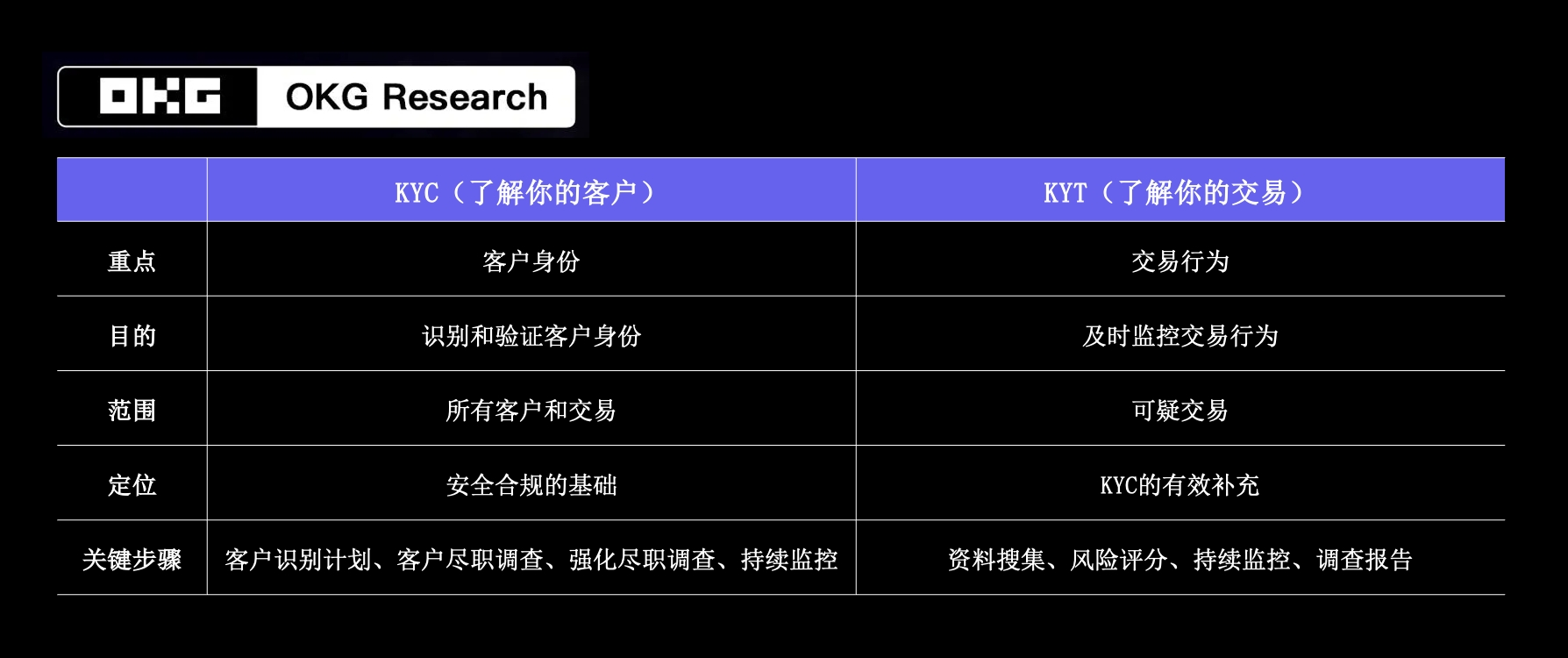
To address money laundering risks arising from in-kind subscriptions and redemptions, Hong Kong requires all institutions involved in virtual asset ETF operations—including fund managers, custodians, virtual asset trading platforms, and participating brokers—to be licensed and authorized entities. Furthermore, these institutions must conduct rigorous KYC/AML review processes before clients perform deposit or withdrawal activities, reducing the likelihood of illicit activities. At the broker level, for example, Victory Securities currently conducts two rounds of KYC checks prior to transactions; if a client account holds large amounts of virtual assets inconsistent with their KYC profile, an additional due diligence review is triggered. On the virtual asset trading platform side, ownership verification of customer wallets is conducted atop KYC procedures to confirm users’ possession and control over assets within their wallets. Additionally, KYT (Know Your Transaction) analysis is employed to examine the past dozens of on-chain transactions from a wallet, screening wallet addresses thoroughly. Only after passing whitelist verification can deposits and withdrawals proceed, minimizing the risk of blacklisted or graylisted addresses participating in ETF transactions. Indeed, as virtual asset adoption grows, compliance analytics tools like KYT—based on on-chain data—have become essential across the virtual asset industry. OKLink Research Institute has previously emphasized the importance and practicality of KYT technology in public consultations regarding Hong Kong’s VATP, fiat-backed stablecoins, and VAOTCs.
As a mature financial product and a pivotal development in the mainstreaming of virtual assets, spot ETFs not only accelerate the integration of traditional finance with digital assets but also offer a compliant gateway for a broader range of investors. Although they cannot alter the inherent high volatility of Bitcoin and Ethereum, security remains the core focus of ETFs. The aforementioned arrangements in Hong Kong’s spot virtual asset ETFs—covering investment strategy, asset custody, and KYC/AML protocols—demonstrate a strong emphasis on investor protection and anti-money laundering measures. These safeguards will enhance investor trust and confidence in ETF products, attract greater capital inflows, and foster the prosperity of Hong Kong’s virtual asset and Web3 ecosystem.
About OKLink Research Institute
OKLink Research Institute is the strategic research arm of OKLink Group, dedicated to helping global commercial, public, and social sectors better understand the evolution of fintech and blockchain economies. It delivers in-depth analysis and professional content spanning technology application and innovation, technological and societal transformation, and challenges in fintech, striving to advance the application and sustainable development of frontier technologies such as blockchain.
Join TechFlow official community to stay tuned
Telegram:https://t.me/TechFlowDaily
X (Twitter):https://x.com/TechFlowPost
X (Twitter) EN:https://x.com/BlockFlow_News
 @OKGResearch


