What is a market maker?
TechFlow Selected TechFlow Selected
What is a market maker?
Market makers are almost always buying and selling, enhancing market liquidity and making it easier to interact, while simultaneously generating profits.
 Navigating Web3 tides with focused insights
Mysterious
In the world of cryptocurrency, the term "market maker" carries a mysterious, sometimes ominous connotation. In this article, we will share a simple explanation of what market makers really are.
Market makers and liquidity providers are core infrastructure across all financial industries. We'll debunk common misconceptions about market makers and simplify some otherwise confusing jargon.
1) Three Types of Market Makers
-
Voluntary Market Makers: These market makers follow a strategy to earn a small profit on every unit bought and sold.
This could involve arbitrage (sending a "runner" back and forth between large record stores in the city center to profit from price differences), or by being the first to spot market trends (a market maker's employee notices a large group of grunge music fans heading to the market, so he raises all prices and releases rare editions before they reach the booth).
Voluntary market makers leverage their ability to predict short-term price movements for profit, and as a byproduct, create liquidity in the market.
-
Designated Market Makers (DMM): Even if they lose money on certain trades, incentivized market makers continue trading as long as the market benefits.
The market or token owner rewards market makers with fees per trade, rebates, or other incentives in exchange for providing liquidity to their market.
These market makers primarily focus on making the market more liquid and efficient, enabling other participants to trade smoothly.
-
AMMs (Automated Market Makers) in DeFi: This new form of market making deserves its own category. For now, just know it’s completely different from traditional market making!
2) Maker and Taker
On an exchange, every order involves a maker and a taker.
If we compare the market to a store, the store is always the maker, and the customer is always the taker. The store offers goods and sets prices; customers choose whether to transact and pay the listed price.
Taker is an active participant in the market. A taker selects and "takes" a quote from the market, thereby completing a trade.
Selecting a quote (either buy or sell) outside the exchange order book is considered taking liquidity or placing a "market order."
Maker is a passive market participant—they provide quotes that others can choose from. However, a maker never completes a trade directly. The maker is the counterparty to the taker in a transaction.
A maker places buy or sell orders, patiently waiting in the order book until someone picks them up from the market. Once selected, the exchange executes the trade and transfers the asset.
Market makers are often makers
As asset prices fluctuate, market makers use algorithms to automatically adjust the prices of all their orders (quotes).
Typically, many of the quotes visible in the market are created by market makers. Exchanges usually offer lower fees to market makers to encourage full order books, enhancing market liquidity and attractiveness to traders.
Market makers are essential in ensuring market liquidity and appeal to both users and institutions. They ensure the following:
-
There are buy and sell orders on both sides, improving market depth.
-
The spread between mid-prices is optimized: the distance between the best bid and best ask (bid/ask spread) is minimized.
Without market makers, spreads (and thus trading attractiveness) depend entirely on organic buy vs. sell pressure.
-
There is sufficient capital on the books so that anyone wishing to trade a significant volume of assets can do so.
Tokens give camels water to drink; market makers ensure there's plenty of fresh water available.
3) Analogy: Nirvana Fans at a Record Market
One of the best ways to explain market making is through analogy.
Imagine a Nirvana fan who wants to set up a booth at a record fair so other fans can buy and sell Nirvana records. He puts up a sign: “Trade Nirvana Records Here.”
As a true fan, he only has a few extra records he’s willing to sell, and he doesn’t want to buy any records because he already owns nearly every Nirvana album he desires, including rare editions.
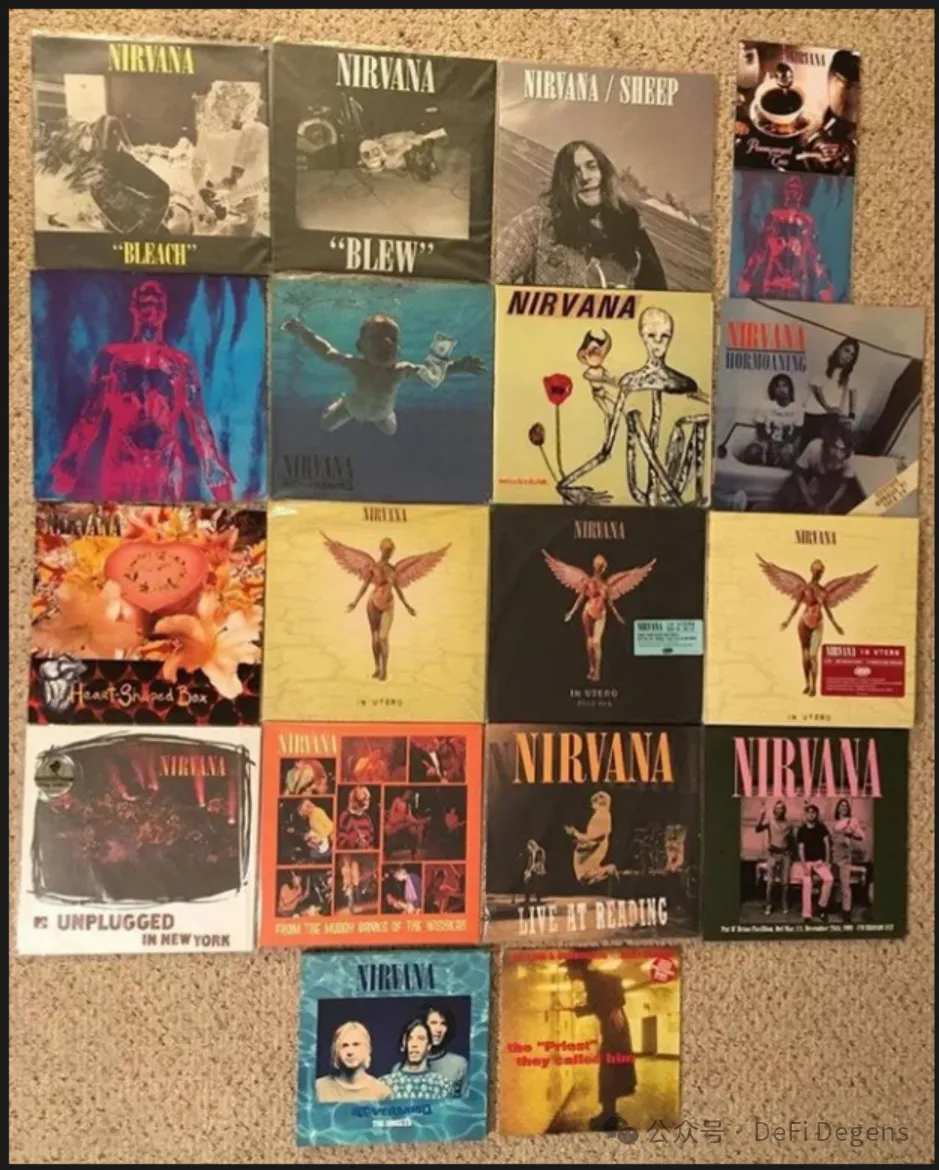
Source: Reddit
This market would be disappointing: after selling his few records, the booth would sit empty. Afterward, if you really wanted to buy or sell a Nirvana record, you’d have to wander around the fair all day waiting for the right person to appear—and even then, rare sellers might try to inflate prices, sensing your desperation as a buyer.
Solution: The Nirvana fan hires a “record market maker.”
This record market maker owns a large inventory of Nirvana records and plenty of cash. He is always willing to buy or sell Nirvana records at fair prices. He’s also happy to turn around and resell a record he just bought, earning a small profit.
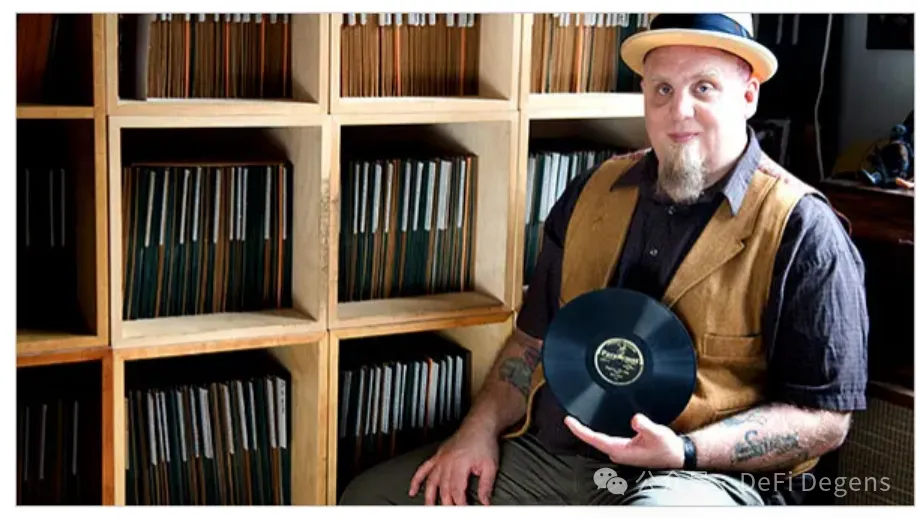
Source: New York Times
If a new Nirvana fan shows up with lots of money, the market maker can reach into his record box and sell him any Nirvana album the new fan wants.
If an old fan wants to offload his entire record collection, the market maker is willing to buy it at a reasonable discount, then happily return those records to the market.
The record market maker literally creates—or makes—a market.
Without a market maker, record trading would be slow, unstable, and unfairly priced—in other words, inefficient or illiquid.
Capital markets market makers operate in a very similar fashion, providing the same functions and facilitating a significant portion of trading activity in any market worldwide. The Nirvana record booth is an extreme example, but it illustrates the point well. Market makers are almost always present on both sides of the market, profiting while simultaneously increasing liquidity and making markets easier to interact with.
Join TechFlow official community to stay tuned
Telegram:https://t.me/TechFlowDaily
X (Twitter):https://x.com/TechFlowPost
X (Twitter) EN:https://x.com/BlockFlow_News