MetaBlox surges, a "globally distributed WiFi network" with more nodes than Helium Mobile emerges?
TechFlow Selected TechFlow Selected
MetaBlox surges, a "globally distributed WiFi network" with more nodes than Helium Mobile emerges?
MetaBlox aims to break the boundaries of traditional WiFi networks by building a global open roaming WiFi network.
 Navigating Web3 tides with focused insights
Author: Frank, Foresight News
“A user-driven global distributed WiFi network”—at first glance, this easily brings Helium to mind. After all, decentralized wireless networks remain one of the most compelling real-world use cases within the DePIN sector, with Helium standing as its leading project.
However, the most rapidly rising contender recently is the emerging newcomer MetaBlox—surpassing 70,000 nodes and ranking second globally on DePINscan, nearly seven times the number of Helium’s 5G wireless network nodes.
Behind this momentum lies MetaBlox’s ambition to leverage decentralization in building a global distributed WiFi roaming network for the Wireless Broadband Alliance (WBA): providing free enterprise-grade secure WiFi roaming services so users can effortlessly access stable internet connections anywhere in the world.
"A User-Driven Global Distributed WiFi Network"
As the only Web3 project within the Wireless Broadband Alliance (WBA), MetaBlox aims to break down traditional WiFi network boundaries by constructing a global open WiFi roaming network that seamlessly connects disparate WiFi nodes, allowing users to access different networks without repeated logins or reconnections.
At its core, the platform leverages Web3 technologies based on Decentralized Identifiers (DIDs) and Verifiable Credentials (VCs), extending their application across three critical dimensions: optimizing service workflows, reducing deployment barriers, and expanding user adoption.
It enables a virtuous cycle of network growth through token incentives, controls the deployment and expansion of a globally distributed wireless access network, and generates valuable “3W” data—detailing who is connecting, when they connect, and where the connection occurs.
This eliminates the cumbersome steps currently faced by users during local or international travel—including repeated logins, reconnecting, password sharing, and redundant registrations—enabling seamless and stable connectivity no matter where we are.
Moreover, users operating MetaBlox WiFi routers not only earn hardware mining rewards but also gain additional incentives via the MetaBlox App by contributing to network development or completing specific tasks. Since the network supports Web3 applications, users may also qualify for airdrops from affiliated SocialFi and DeFi platforms.
Additionally, the MetaBlox network aligns with strict privacy protocols and regulatory standards, aiming to foster an environment conducive to the explosive growth of native Web3 applications and user adoption.
In short, MetaBlox is a Web3 network protocol designed to transcend traditional WiFi limitations, empowering users with DID- and VC-based identity verification to connect and roam across public WiFi networks globally, forming a unified open WiFi roaming ecosystem that seamlessly links diverse WiFi nodes.
MetaBlox’s Technical Advantages
DIDs and VCs
Decentralized Identifiers (DIDs) provide verifiable, decentralized digital identities capable of representing any entity. Verifiable Credentials (VCs) allow users full control over whether, when, and how their personal information is shared.
Together, they offer a secure and reliable connection method—users can authenticate their identity across any WiFi network supporting WBA OpenRoaming or MetaBlox’s self-deployed nodes, enabling instant access in malls, office buildings, or public areas simply by searching and connecting.
The Only Web3 Project in the WBA
As previously mentioned, MetaBlox is the sole Web3 representative in the Wireless Broadband Alliance (WBA), whose other members include established companies like Boingo and Cisco.
This affiliation grants MetaBlox strong institutional support, giving it unrestricted global scalability compared to peers in the same space. Currently, it already supports over 3 million WiFi roaming nodes worldwide.
Second-Highest Number of Wireless Communication Nodes on DePINscan
For DePIN projects striving to build global distributed WiFi networks, node count is the frontline battleground.
Take market leader Helium, for example: at the time of writing, Helium has deployed over 980,000 hotspots across more than 190 countries, including 393,004 IoT hotspots and 11,059 mobile 5G hotspots.
In comparison, MetaBlox now covers over 100 countries and regions—including North America, Europe, Japan, South Korea, and Southeast Asia—forming an extensive decentralized WiFi network.
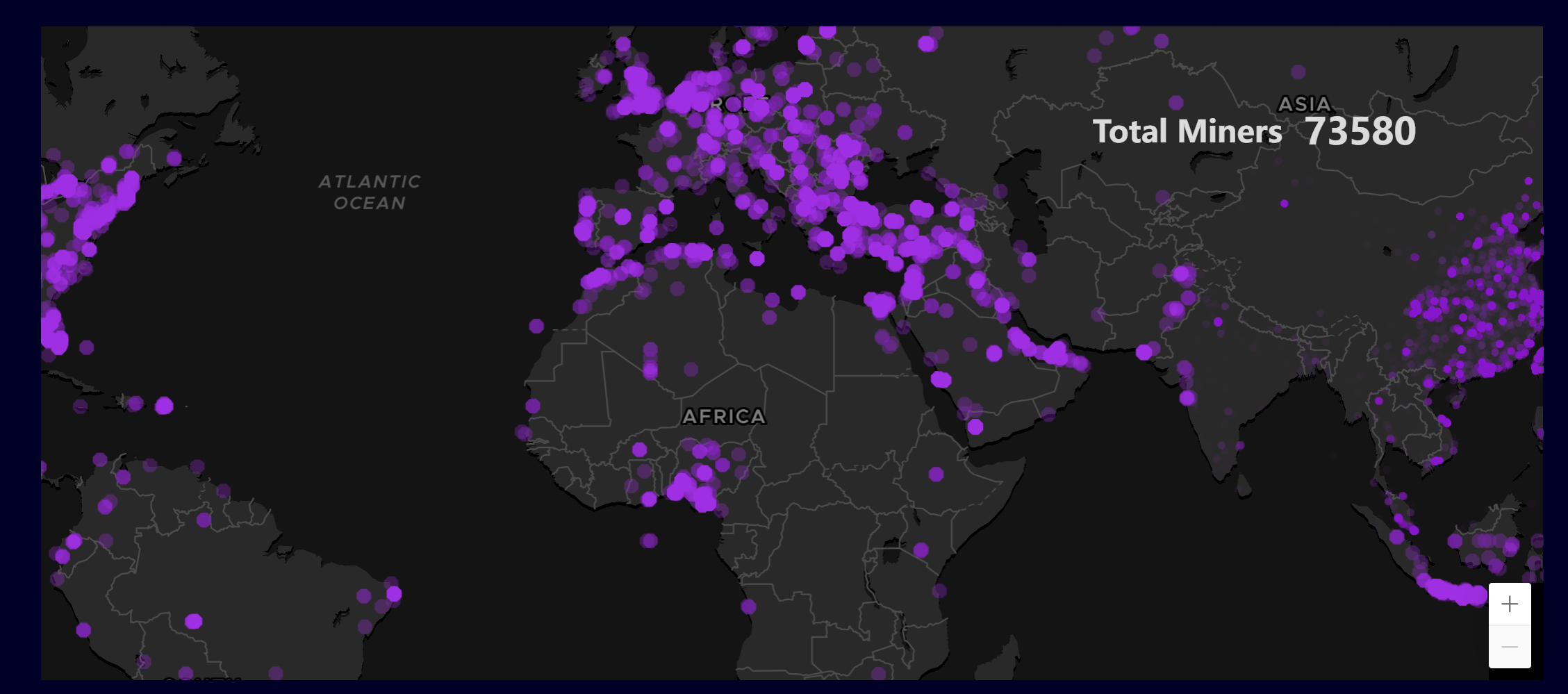
According to DePINScan, MetaBlox currently operates 73,580 nodes (in mobile communications), ranking second globally in the wireless communication category—nearly seven times the number of Helium’s wireless network nodes cited earlier.
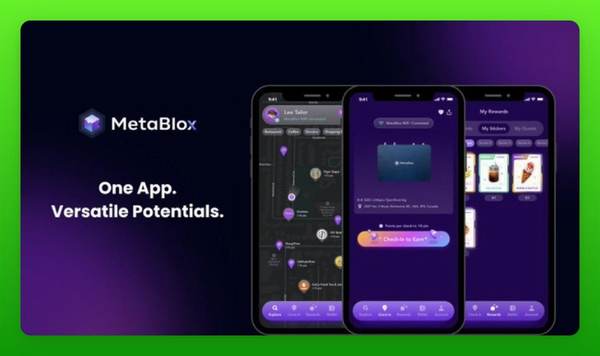
Meanwhile, MetaBlox’s Web3-enabled WiFi 6 router has completed testing and is now available for pre-order at $500. Combined with the MetaBlox Official App—a free-to-use platform offering global WiFi roaming services and enabling users to contribute to network growth—the dual hardware-software approach drives user acquisition from both fronts.
This dual incentive model is expected to further accelerate MetaBlox’s accumulation of Web3-based global roaming WiFi infrastructure and wireless resources, fueling continued expansion of its distributed network.
Additionally, according to official disclosures, 447,000 mPoints (see economic model below) were burned within the first week of launching social features—equivalent to 25% of the total supply—demonstrating strong user engagement and popularity of the platform’s social functionality.
MetaBlox’s Token Economics
MetaBlox employs a dual-token system (reward points mPoints and governance token ) alongside MetaBlox NFTs. Through a precisely engineered economic model, it ensures an open wireless network ecosystem where all participants receive transparent and equitable incentives.
Dual-Token System and MetaBlox NFTs
mPoints serve as the cornerstone of the entire token economy. Users can earn mPoints through various activity metrics such as network contributions, direct purchases, or redemption via partner merchants.
mPoints have dedicated utility and consumption scenarios within the MetaBlox ecosystem—they circulate freely and can be used to purchase third-party app services, access network-generated data, and more.
Meanwhile, the governance token is obtained through mechanisms such as staking and burning mPoints, participating in community events, or receiving project-led airdrops. Its primary uses include engaging in community governance and exchanging for mPoints.
Furthermore, the MetaBlox Foundation has issued MetaBlox NFTs tied to specific mining devices. NFT holders can stake their NFTs to earn governance token rewards, while also gaining special status and recognition within the community.
In summary, the conversion relationships among these three assets are multi-layered: mPoints can be converted into governance tokens via staking and burning, while MetaBlox NFTs can also generate governance token rewards through staking.
Economic Model
MetaBlox has carefully calibrated its mining parameters, including dynamic difficulty adjustment mechanisms, ensuring token emissions are directly aligned with network conditions—protecting miner income during market downturns while incentivizing service provision in high-traffic areas to accelerate network deployment.
Overall, MetaBlox’s token economic model encompasses multiple dimensions:
-
Rewards and Incentive Mechanisms: MetaBlox rewards users for providing network services or validating network quality with mPoints, reinforcing network strength through user contributions;
-
Token Burn and Supply Management: The model includes burn mechanisms—when mPoints are used for specific purposes or under certain conditions, corresponding amounts are permanently removed from circulation, helping control supply and enhance scarcity;
-
Staking and Rewards: The model incorporates staking, allowing users to exchange staked and burned mPoints for governance tokens, encouraging long-term support for network development;
-
Social Engagement and Network Effects: The platform supports various Web3 social apps, using location-based interactions and activity rewards to boost participation, strengthen network effects, and drive additional token burns.
In essence, MetaBlox’s token economy is designed to support and drive network growth and active user engagement by rewarding contributors, managing supply, incentivizing long-term supporters, and amplifying network effects.
MetaBlox Team and Investment Background
Having explored MetaBlox’s vision and technological advantages in building a global WiFi network, understanding its team and investment backing offers deeper insight into the project.
According to official disclosures, MetaBlox’s core team is based in Canada. Its seed round was led by prominent North American firm Synergis, with participation from well-known industry investors and leading projects including Collab+Currency, DePIN Labs, SNZ, Harmony, and NFT Tech.
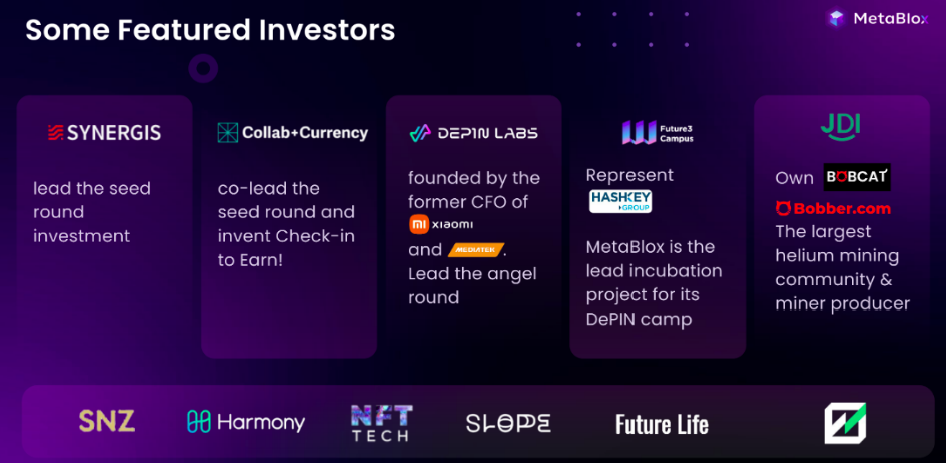
In November 2023, Future3 Campus—Web3 innovation incubator co-launched by Wanxiang Blockchain Labs and HashKey Capital—announced eight selected teams in the DePIN track for its second cohort, with MetaBlox among them.
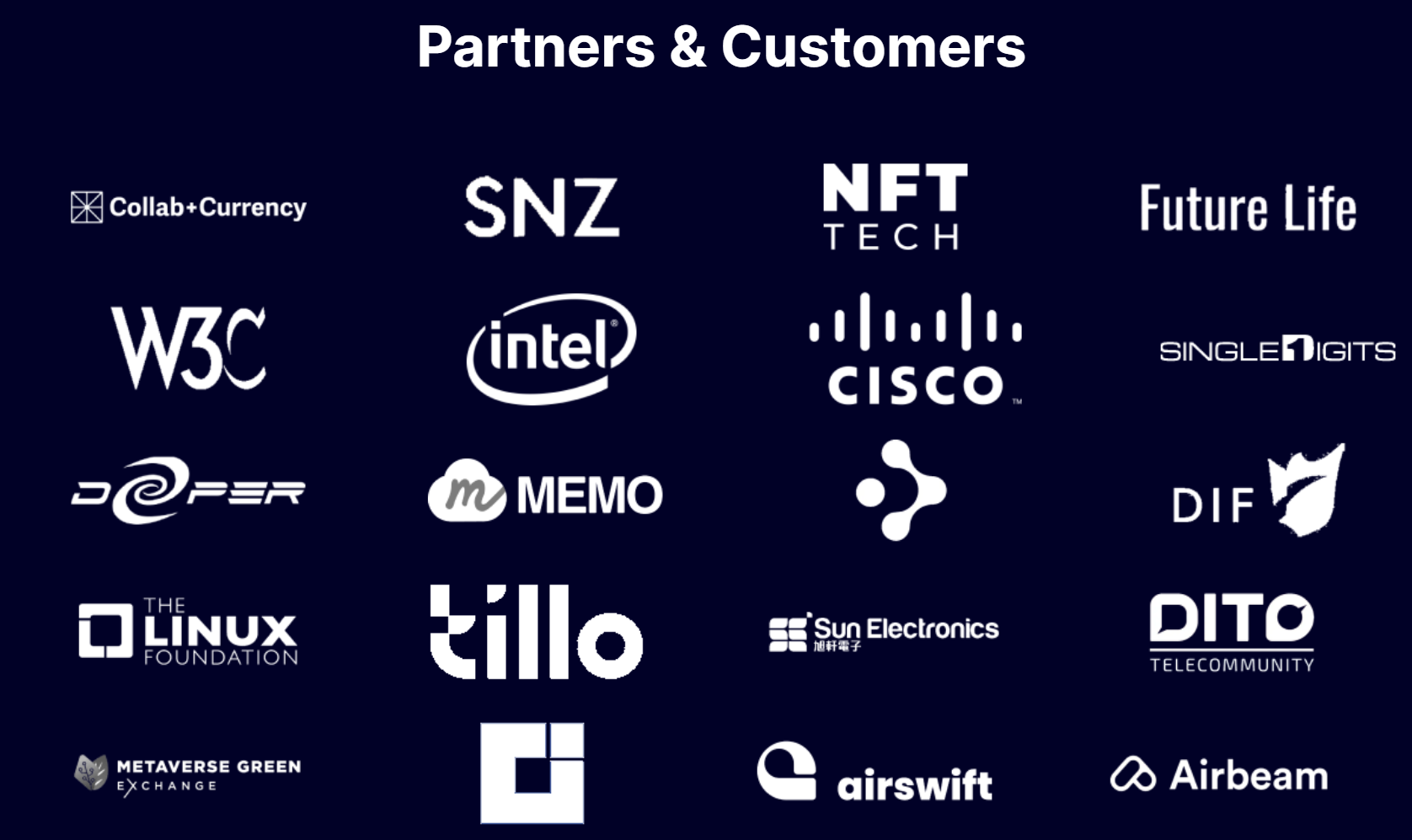
Moreover, the company’s official website lists top-tier partners and clients such as Intel and the Linux Foundation.
Roadmap and Airdrop Campaign
Notably, MetaBlox plans to launch its governance token in Q2. On February 6, the project initiated its first ecosystem token airdrop campaign:
Running from 13:00 Beijing Time on February 6, 2024, to 13:00 on February 26, 2024, users can complete tasks such as adding WiFi nodes, inviting friends, and checking in to earn eligibility for airdropped tokens.
Currently, the barrier to entry for ordinary users is low—simply add two WiFi hotspots, invite two new users, and check in five times to qualify, with built-in check-in mining functionality.
After all, narrative remains one of the key drivers behind Web3 project growth. From a macro perspective, MetaBlox perfectly aligns with the DePIN and SocialFi narratives (or broader Web3 mass adoption):
-
Its decentralized wireless network service sits squarely in one of the most popular and proven niches within the DePIN space, following in the footsteps of breakout successes like Helium;
-
By offering free WiFi services, it naturally converts everyday users into Web3 participants, achieving cross-over appeal;
Going forward, with the upcoming release of the governance token, maturing social activities, and refined incentive structures, sustained growth of the MetaBlox ecosystem and community could catalyze a positive feedback loop between user adoption and network expansion—an evolution worth watching.
Join TechFlow official community to stay tuned
Telegram:https://t.me/TechFlowDaily
X (Twitter):https://x.com/TechFlowPost
X (Twitter) EN:https://x.com/BlockFlow_News
 Foresight News