








Malaysia Cryptocurrency Market Research Report
TechFlow Selected TechFlow Selected
Malaysia Cryptocurrency Market Research Report
Malaysia's appeal in the crypto sector is attributed to factors such as its common law court system, proficiency in English, and its robust regulatory framework.
 Navigating Web3 tides with focused insights
By: MIIX Capital
Introduction
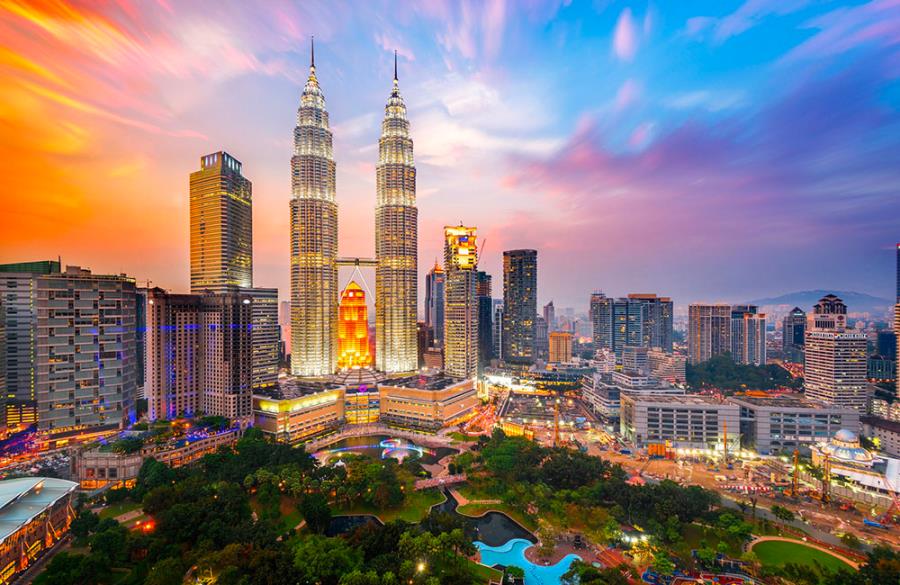
Malaysia is one of the earliest countries to introduce cryptocurrency regulatory policies. In Malaysia, cryptocurrencies are classified as securities. According to Finance Minister Lim Guan Eng, the Malaysian government believes that cryptocurrencies and blockchain technology have the potential to drive domestic economic development: "The Ministry of Finance views digital assets and their underlying blockchain technology as having the potential to innovate across both traditional and emerging industries. In particular, we believe digital assets can serve as an alternative fundraising channel for entrepreneurs and new businesses, as well as an alternative asset class for investors."
1. Macroeconomic Indicators and Current Status
In Q3 2023, Malaysia's Consumer Confidence Index (MYCI) surged to an unprecedented high of 140 points, surpassing the previous record of 132 points in Q1. This reflects deep strategic confidence shaped by political and economic changes.
In August 2023, elections in six states where the government retained control highlighted a positive outlook. Commitments to economic growth, exemplified by agreements between Malaysian and Chinese companies, further solidified Malaysia’s position as an attractive investment destination, fueling a nationwide surge in confidence.
1.1 Geography and Population Size
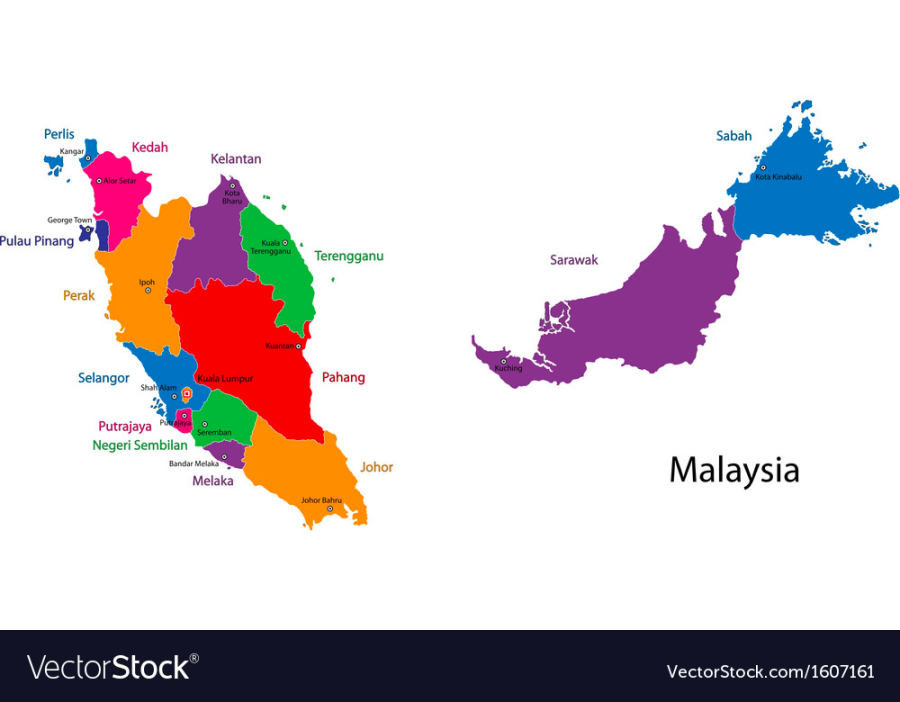
Located in Southeast Asia, Malaysia consists of 13 states and three federal territories. Peninsular Malaysia shares land and maritime borders with Thailand, and maritime borders with Singapore, Vietnam, and Indonesia. East Malaysia shares land and maritime borders with Brunei, and maritime borders with the Philippines and Vietnam.
Malaysia is a multi-ethnic and multicultural nation. Approximately half of its population is Malay, with significant Chinese, Indian, and indigenous communities. With over 33 million people, it ranks 43rd globally in population size.
1.2 Economic Structure and Scale
Malaysia is a relatively open, state-directed, newly industrialized market economy, ranking as the world’s 31st largest economy. Since gaining independence in 1957, Malaysia has successfully diversified its economy—from an initial agricultural and commodity-based foundation to a robust manufacturing and services sector—making it a major exporter of electronics, parts, and components.
Malaysia exports natural and agricultural resources, with petroleum being a key export. Despite structural shifts away from manufacturing, it remains one of the world’s largest producers of palm oil. Tourism contributes significantly to GDP, ranking third after manufacturing and commodities, making Malaysia the 14th most visited country globally and fourth in Asia. It ranked 32nd in the 2022 Global Competitiveness Report and 36th in the 2023 Global Innovation Index.
1.3 GDP Ranked 36th Globally
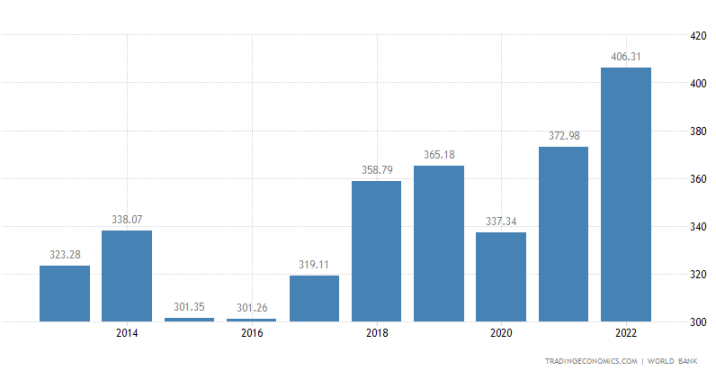
According to official World Bank data, Malaysia’s Gross Domestic Product (GDP) was USD 406.31 billion in 2022. Malaysia accounts for 0.17% of the global economy. In global rankings, it stands at 36th, behind Vietnam but ahead of South Africa and the Philippines.
https://tradingeconomics.com/malaysia/gdp
1.4 Per Capita GDP Ranked 56th Globally
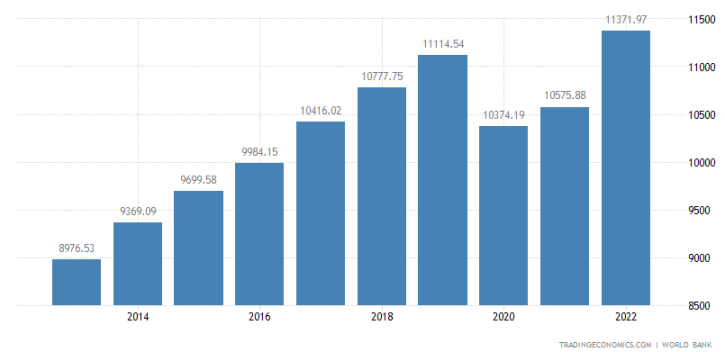
From 1960 to 2022, Malaysia’s average per capita GDP was USD 5,215.30. The lowest historical value was USD 1,286.10 in 1960, while the latest figure in 2022 reached USD 11,371.97—equivalent to 90% of the global average and ranking 56th worldwide. This places Malaysia slightly above Kazakhstan and Mexico but below Argentina and Seychelles.
1.5 Inflation Rate Below Market Forecast
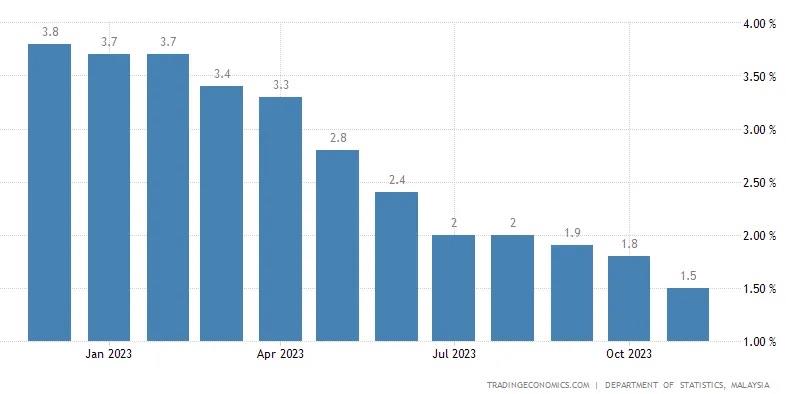
In November 2023, Malaysia’s annual inflation rate declined to 1.5%, down from 1.8% the previous month and below the market forecast of 1.7%. This marks the lowest level since February 2021. On a monthly basis, consumer prices remained flat in November after rising 0.1% in October. The Ministry of Economy stated that hyperinflation has never occurred in Malaysia, and the government hopes it never will. The highest recorded inflation rate was 17.3% in 1974, driven by the global crude oil price crisis.
1.6 Malaysia’s Legal Tender
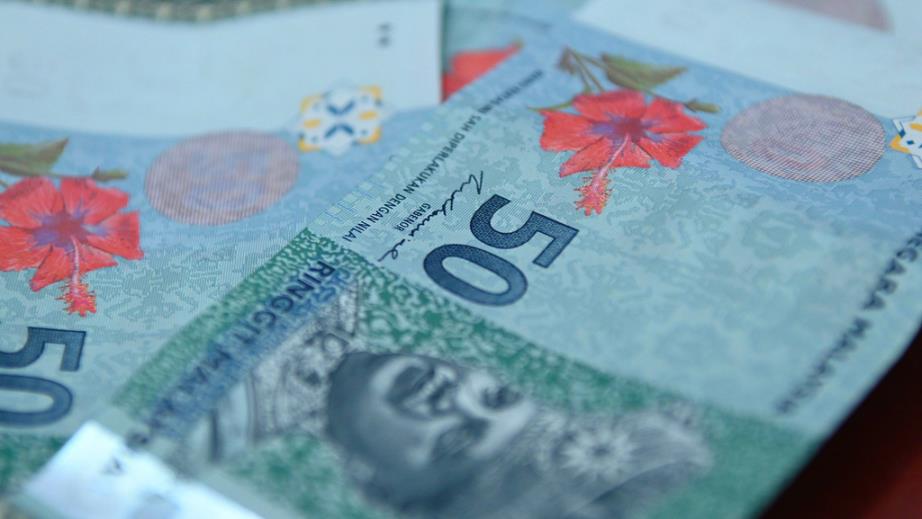
Malaysia’s legal currency is the Malaysian Ringgit, with the currency code MYR and symbol RM. Its exchange rate is represented by six significant digits. The Ringgit has long been internationally recognized for its stability; as a result, Malaysian citizens are not as inclined as those in Turkey or Argentina to actively enter the crypto market to hedge against high inflation.
2. User Characteristics in Malaysia
Compared to other popular regions, user data from Malaysia is limited. However, as an important part of the Southeast Asian market, the number of cryptocurrency owners in Malaysia has been steadily increasing in recent years.
2.1 Public Familiarity with Cryptocurrency
A survey commissioned by Luno found that in Europe, people cite insufficient knowledge and access to information as barriers to purchasing or using cryptocurrencies, whereas this is not an issue in Malaysia—people express confidence in accessing sufficient information. As of August 2023, over 840,000 Malaysians had registered on the platform. Currently, the average age of Luno’s Malaysian customers is 34, with the largest group of investors aged between 30 and 39.
2.2 Adoption Rate Varies Significantly with Market Trends
According to Luno Malaysia, active users grew by 33% in April 2020, while Tokenize reported a 30–40% increase in daily trading volume at the beginning of April 2020.
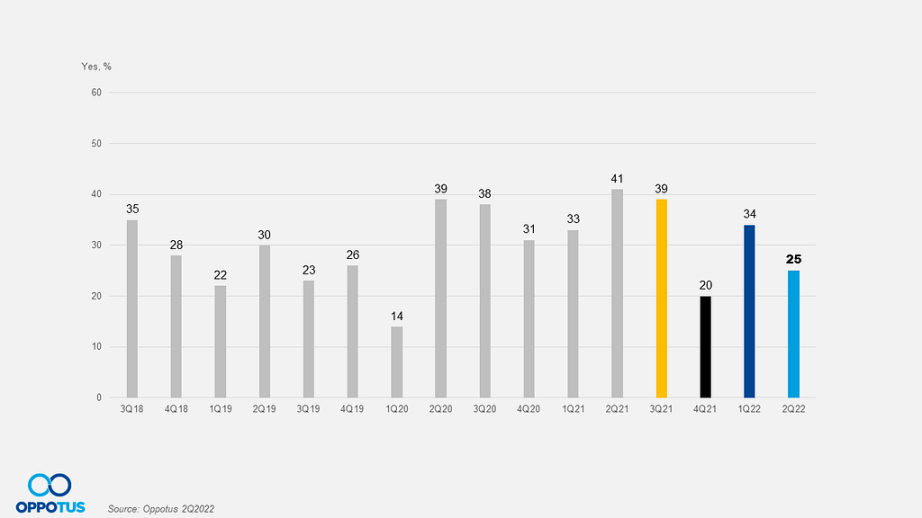
A report by Oppotus Research Group (a professional market research firm in Malaysia) revealed that 80% of urban residents in Malaysia are aware of cryptocurrency, yet only 21% claim to truly understand it. Accompanied by BTC’s significant price rise, Malaysia’s cryptocurrency adoption rate surged in Q3 2023, climbing from 26% in Q2 to 40% in Q3.
2.3 Users Prefer Conservative Investment Strategies
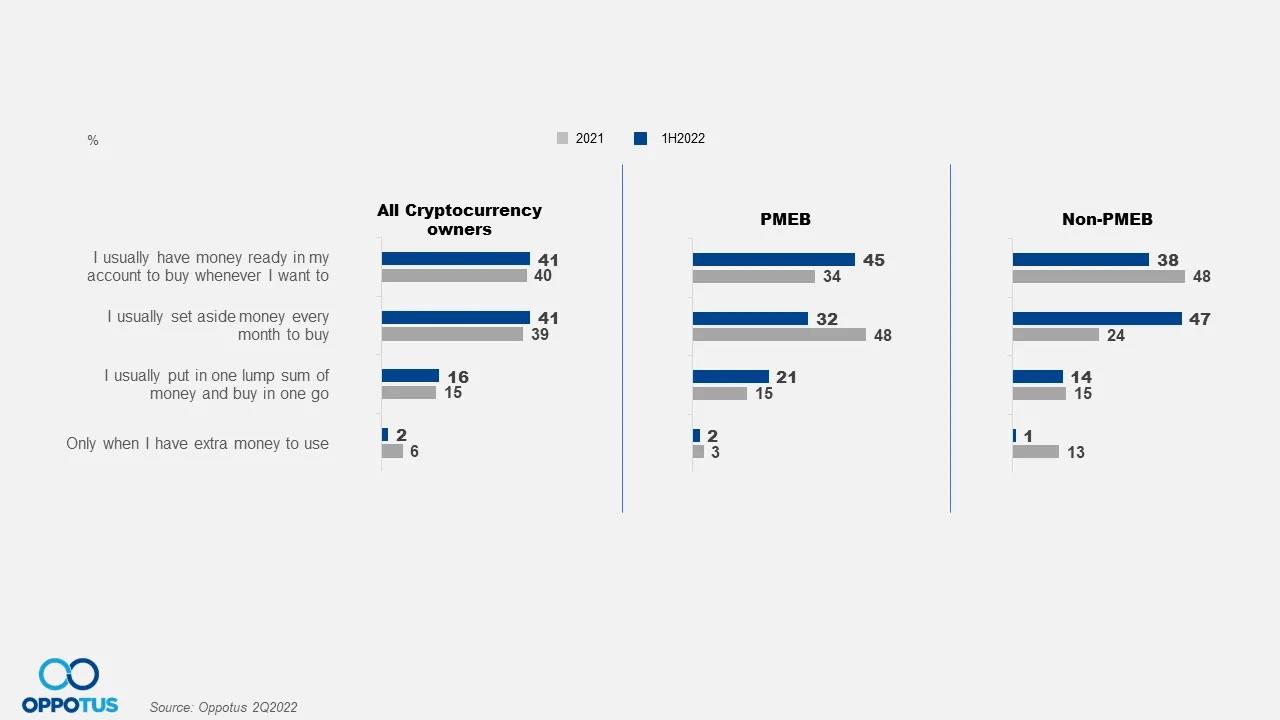
Malaysian cryptocurrency users tend toward conservative investment strategies. New users typically invest a fixed amount either one-time or monthly, while more experienced investors opt for safer approaches. Compared to non-PMEB users, PMEB users appear slightly more aggressive (seeking higher returns), yet they still follow conservative investment principles.
2.4 User Attitude Leans Toward High Speculation
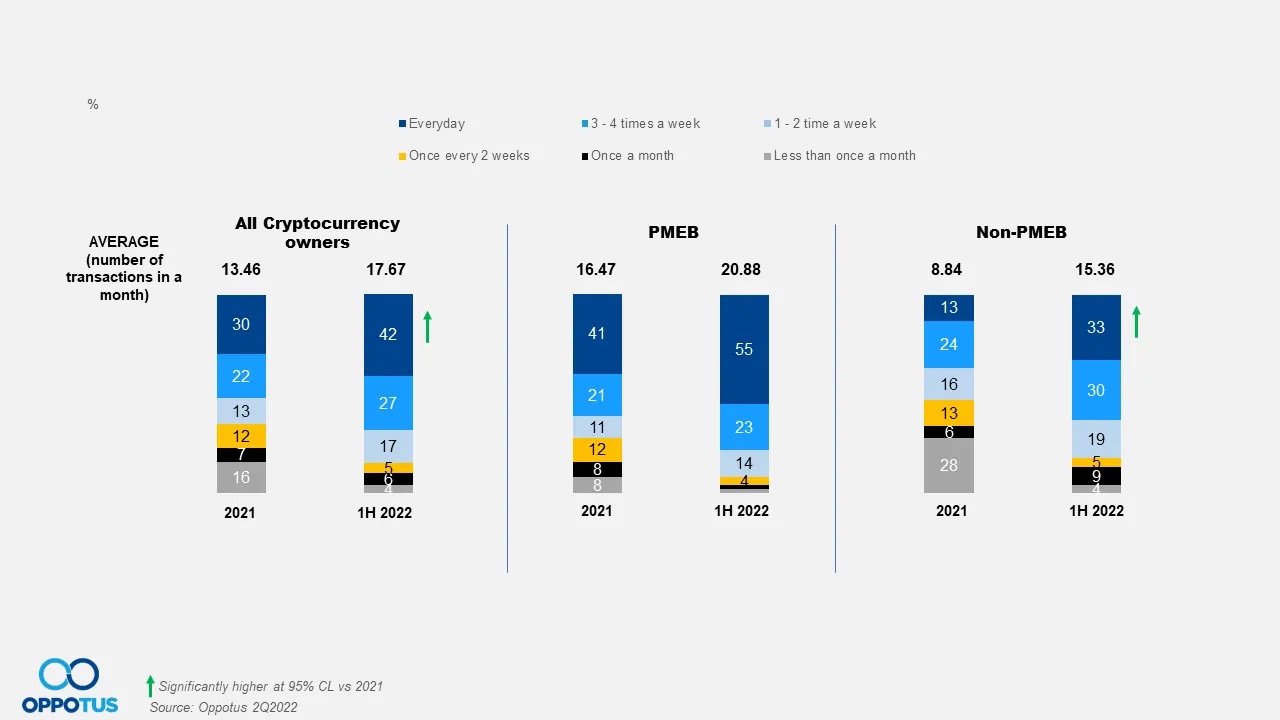
As the digital currency market continues to grow, non-PMEB sectors are expanding their exposure and participation in cryptocurrencies. After a sharp spike of 42% in daily trading activity during the first half of 2022, there was a slight decline, but trading volumes continued to rise through early 2023—indicating that Malaysian cryptocurrency holders are fundamentally highly speculative, seeking quick high returns rather than engaging in long-term investments.
3. CEX Preferences Among Malaysian Users
In Malaysia, three CEXs—Luno, SINEGY, and Tokenize—have obtained regulatory approval, but only a limited number of cryptocurrencies such as BTC, ETH, XRP, LTC, and SOL are available for trading. Other exchanges not listed by Malaysian regulators offer more trading pairs, higher liquidity, futures trading, and additional features.
3.1 Bybit: Most Popular Trading Platform
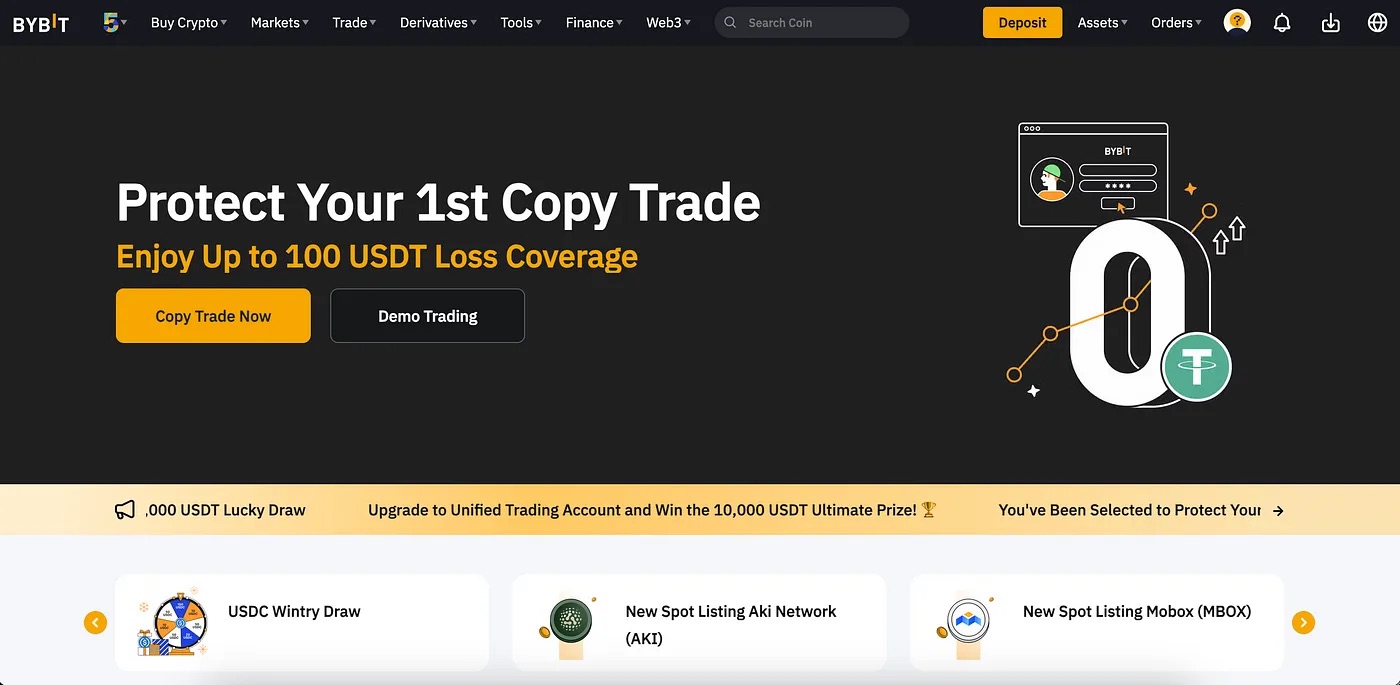
In Malaysia, Bybit is the most popular CEX and the preferred choice among traders and investors. With over 770 tradable crypto assets and convenient Malaysian Ringgit (MYR) deposit options, it effectively meets the unique needs of Malaysian users. Bybit stands out with its user-friendly interface and secure infrastructure, maintaining an impeccable track record.
Beyond versatility, it leads the market in Malaysia by offering futures contracts with up to 100x leverage and a thriving NFT marketplace, providing comprehensive trading options and cementing its status as the top platform for Malaysian crypto enthusiasts.
3.2 Binance: Best Order Book Depth
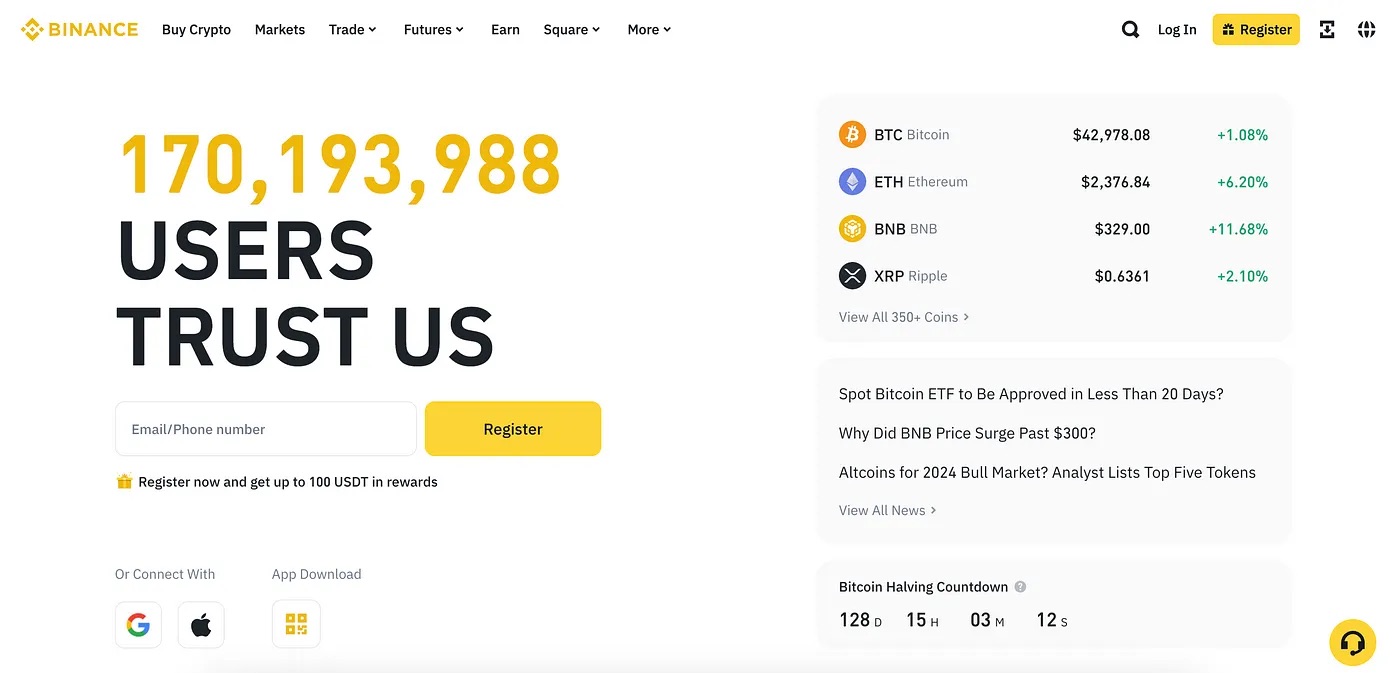
Binance is a global trading platform and ranks second in Malaysia, serving over 120 million users across more than 100 countries including Malaysia. It offers a wide range of features including spot, futures, margin, and options trading, staking services, and a decentralized exchange (DEX).
Notably, the platform provides 24/7 customer support in multiple languages, including Bahasa Malaysia. Its standout feature is its depth and liquidity, which ensures smooth trading—especially for large orders—and enhances its appeal to Malaysian investors.
3.3 Gate.io: No KYC Verification Required
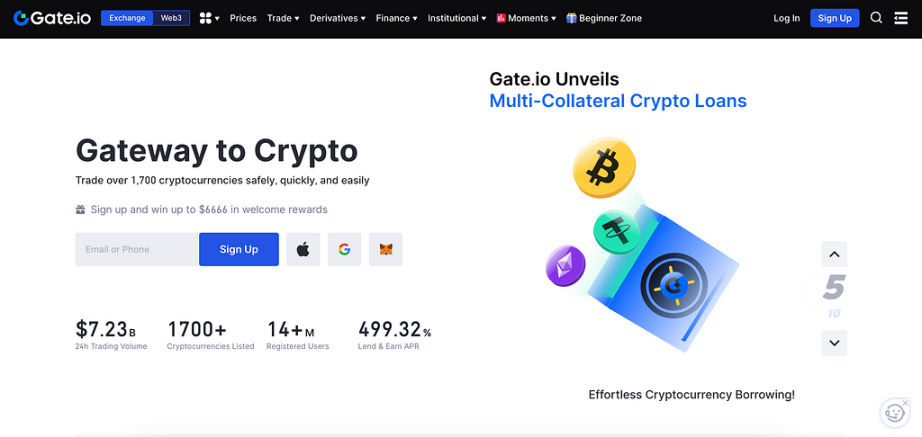
Gate.io ranks third among Malaysian cryptocurrency exchanges and is one of the world’s largest platforms. Crucially, Malaysian users can deposit, withdraw, and trade funds without identity verification, making it popular among investors seeking KYC-free trading options.
The platform supports over 1,400 cryptocurrencies, making it one of the most diverse, and offers advanced features including spot and margin trading, futures, staking, and lending services. Its intuitive interface and competitive fees suit both beginners and experienced traders.
3.4 Uphold: High Yields Attract Users
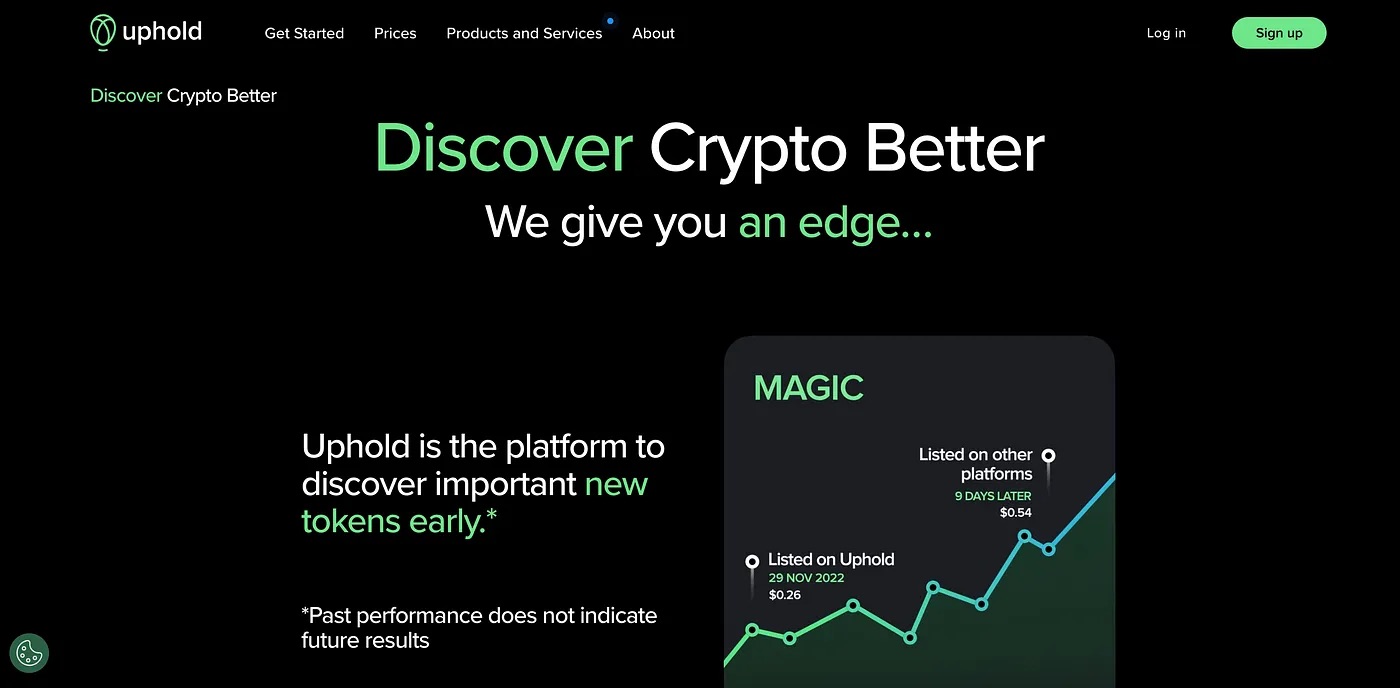
Uphold is recognized as Malaysia’s fourth-largest cryptocurrency exchange, allowing users to buy, sell, and stake over 250 digital assets on its platform regulated by the Securities Commission Malaysia. Notably, it enables fast and cost-effective MYR deposits via bank transfer, debit card, Google Pay, Apple Pay, and credit cards.
Uphold distinguishes itself by offering high yield rates on popular crypto assets like MATIC, SOL, and ETH, making it a top choice for income-seeking investors. What sets the platform apart is its audited proof-of-reserves, providing real-time data showing all customer funds are fully backed (1:1 ratio) to enhance security. (Uphold is regulated and licensed by the UK FCA.)
3.5 OKX: Focused on Institutional Investors
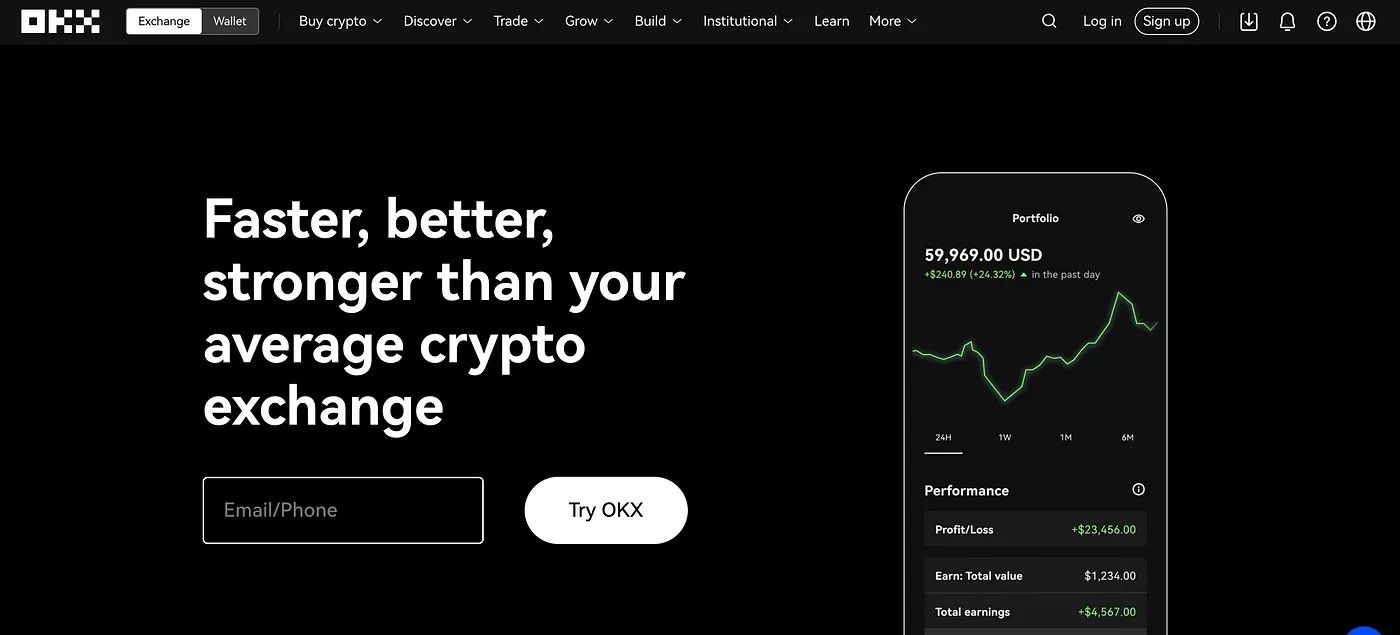
OKX, ranked fifth in Malaysia, focuses on serving institutional investors. The platform stands out with advanced trading tools, a wide variety of cryptocurrencies, and highly competitive trading fees.
OKX supports various trading instruments including futures, options, and margin trading, providing institutional clients greater flexibility and risk management options. Additionally, it offers OTC desk services. OKX’s strong commitment to security, compliance, and comprehensive API services makes it the go-to choice for Malaysian institutional investors seeking a reliable and trustworthy platform. (OKX holds a VASP license under Hong Kong’s new regulatory regime, enabling operations across Asia.)
4. Web3 Projects in Malaysia
4.1 CoinGecko: Cryptocurrency Data Aggregator
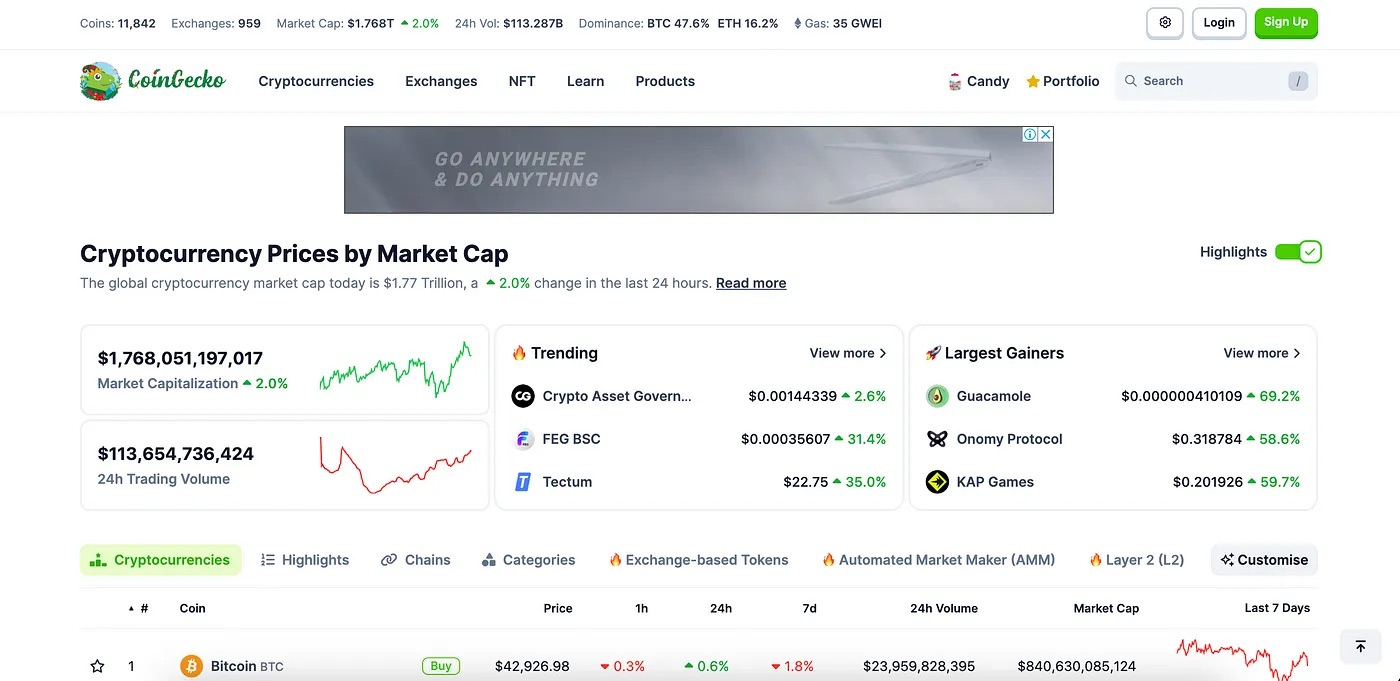
Founded in 2014 by TM Lee (CEO) and Bobby Ong (COO), CoinGecko aims to democratize access to crypto data and provide users with actionable insights. As a cryptocurrency data aggregator, it tracks prices, trading volumes, social metrics, and developer statistics. The platform delivers valuable insights into the crypto space through reports, publications, newsletters, and other channels.
4.2 HB Wallet: Ethereum-Based Consumer Wallet
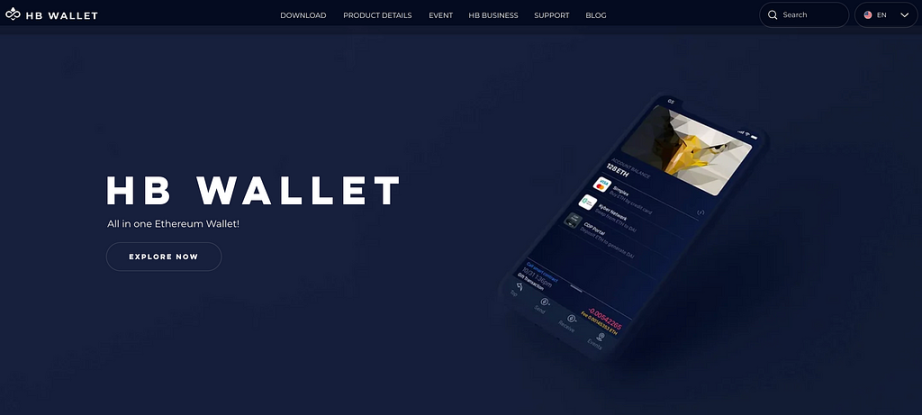
HB Wallet is an Ethereum-based consumer wallet designed to store Ether and ERC20 tokens. Available on Mac, Windows, iOS, and Android, it also allows users to convert Ether to stablecoins and vice versa. Users can purchase Bitcoin, Ethereum, Ripple, and other digital assets via credit card.
4.3 RioDefi: Cross-Chain Wallet Offering DeFi Services
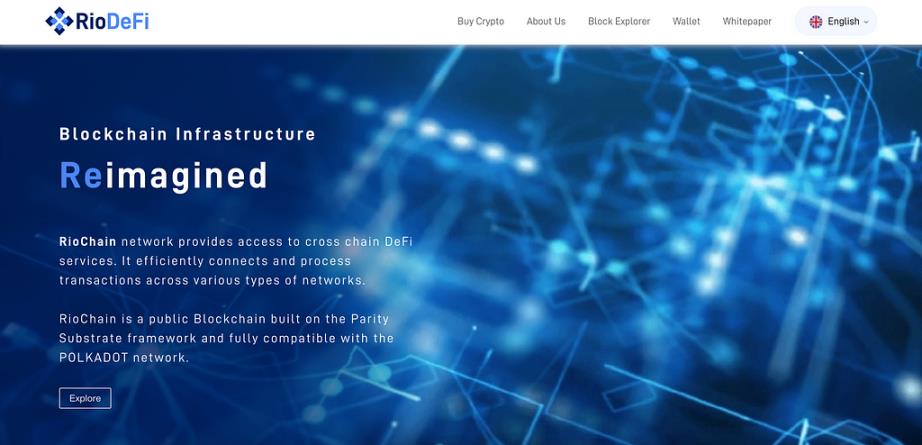
RioDefi is an app-based cryptocurrency wallet enabling users to store, pay, and transfer crypto. It also provides RioChain, a blockchain explorer facilitating interoperability with existing blockchains and transactions. RioChain features include parallel chain state validation, virtual machine interpreters, adaptive consensus algorithms, and more.
4.4 Growthbotics: Conversational AI Solutions
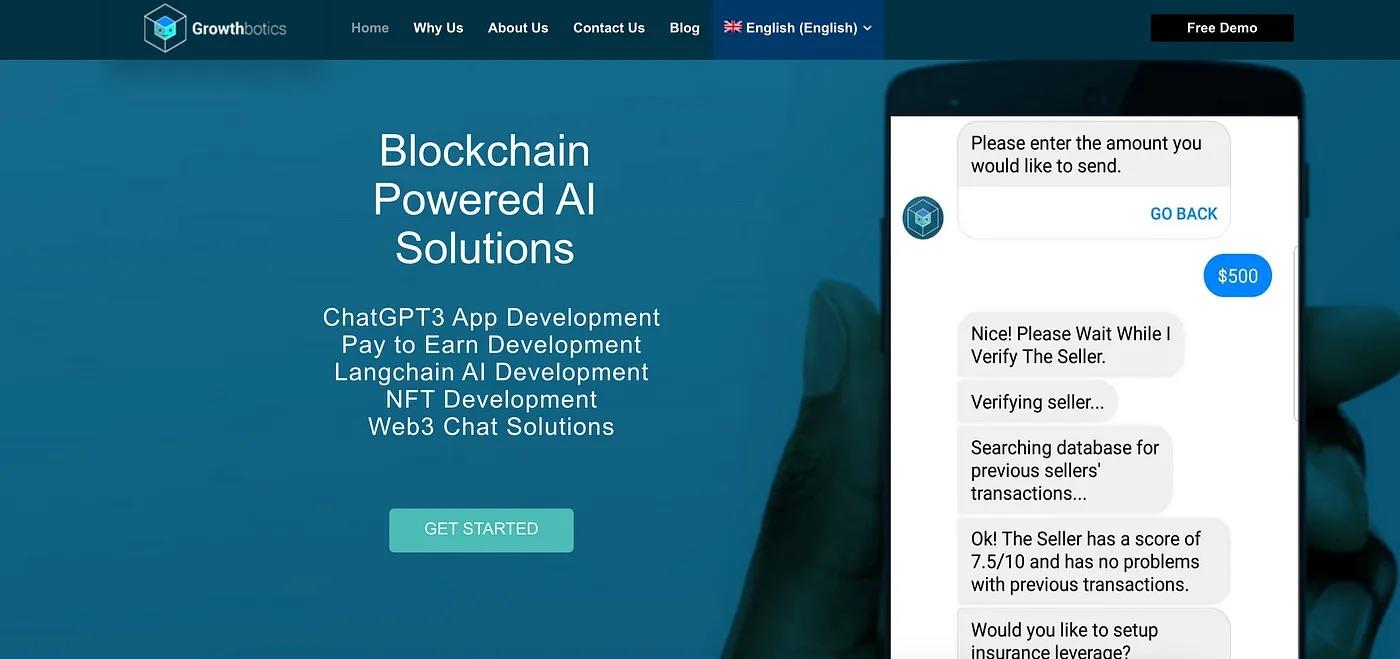
Growthbotics provides conversational AI solutions for finance and banking. Its offerings include customer onboarding, fraud detection, anti-money laundering, stablecoins for domestic and cross-border banking. Features include facial and voice-based customer identification, payment gateway integration, and chatbot-based support.
5. Cryptocurrency Venture Capital in Malaysia
5.1 500 Global
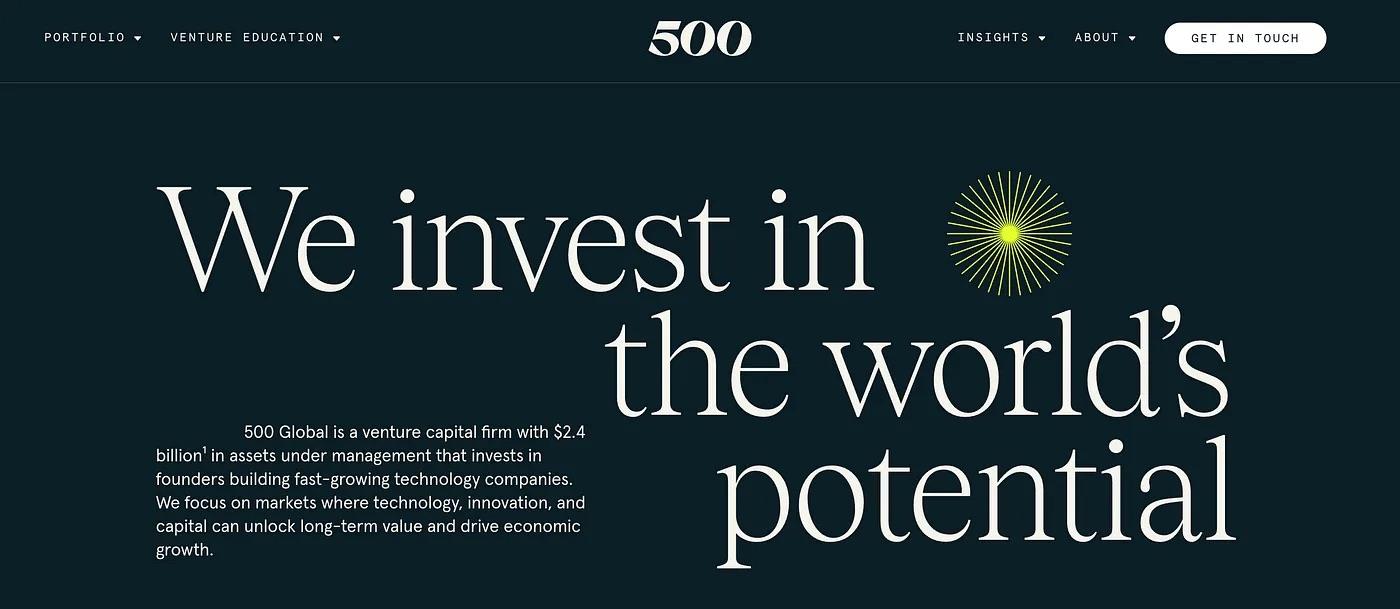
500 Global is a venture capital firm managing USD 2.4 billion in assets, focused on investing in founders building fast-growing tech companies. It targets markets where technology, innovation, and capital can unlock long-term value and drive economic growth. Key investments include Canva, Solana, and Reddit.
5.2 Gobi Partners

Gobi Partners is a leading Asia-focused venture capital firm managing USD 1.6 billion in assets, headquartered in Kuala Lumpur and Hong Kong. Established in 2002, Gobi now operates 15 offices, has raised 17 funds, and invested in 380 startups. The firm supports entrepreneurs from early to growth stages, with a focus on emerging markets. Notable investments include Animoca Brands, Liveme, and Tuniu.
5.3 Cradle Fund
Cradle provides funding and project support for early-stage startups and has played a crucial role in funding over 1,000 Malaysian tech startups, achieving one of the highest commercialization rates among government-funded programs.
In 2015, Cradle established Cradle Seed Ventures and expanded into equity investment in 2017, demonstrating its commitment to supporting the development of Malaysia’s tech ecosystem through financial assistance.
6. Cryptocurrency Regulatory Policies in Malaysia
According to Cointelegraph.com, cryptocurrencies are legal in Malaysia. The government has established relevant laws and regulations to ensure market stability and transparency. However, as an emerging market, regulators are still working to understand and keep pace with cryptocurrency developments and are implementing measures to protect investors from potential risks.
6.1 Licensed Platforms and Cryptocurrencies
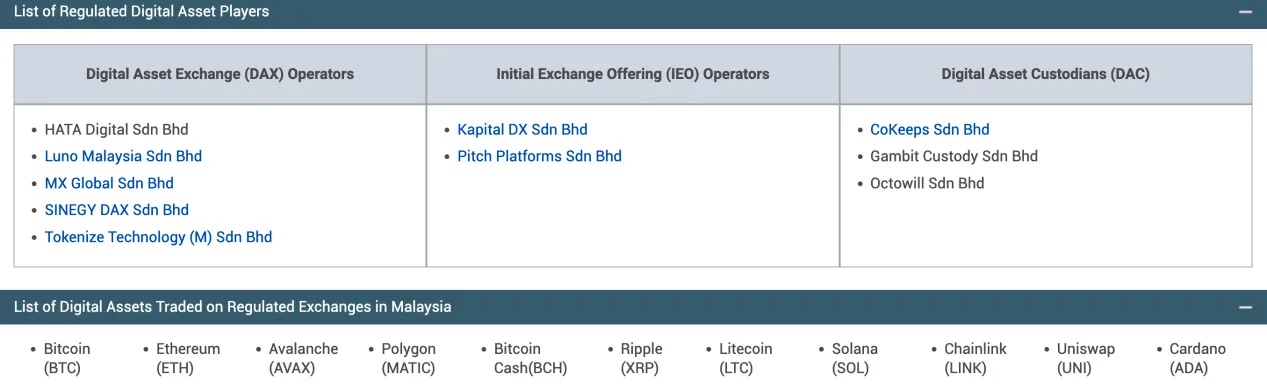
The Securities Commission Malaysia (SC) has approved trading of cryptocurrencies such as BTC, ETH, AVAX, and MATIC. (Source: SC.com)
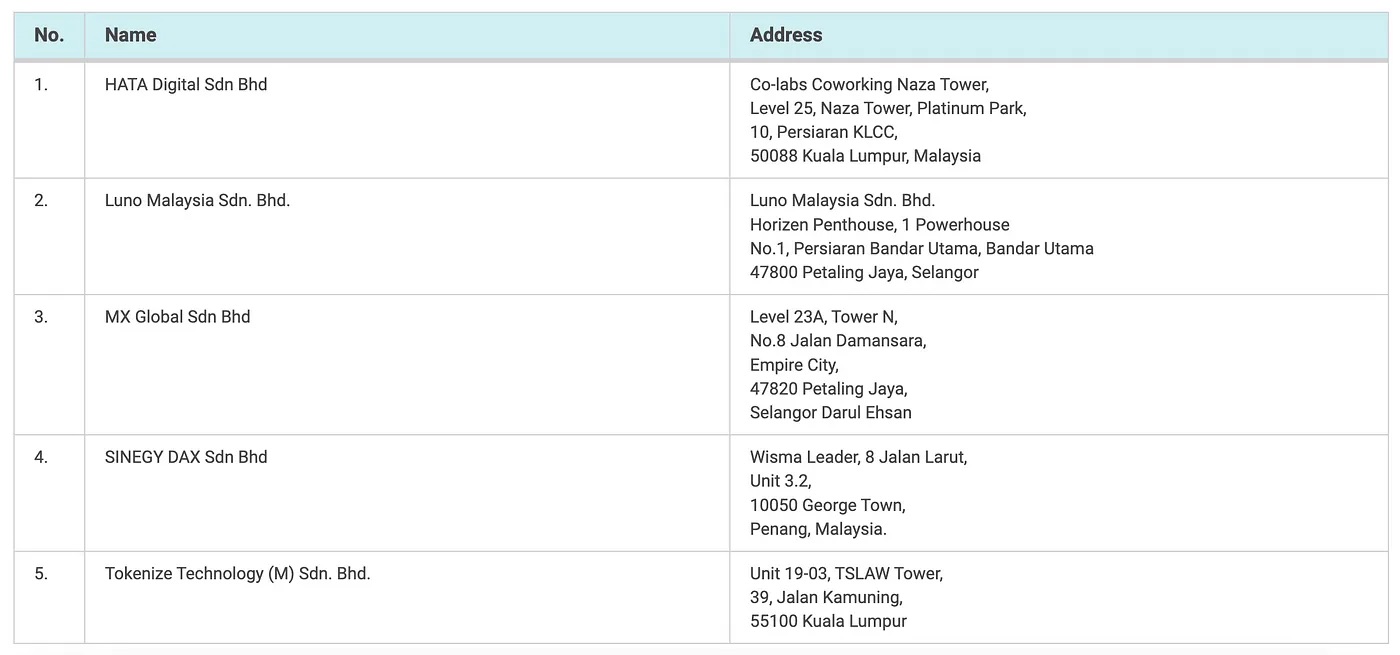
Following the revised Guidelines on Recognized Markets issued on January 31, 2019, introducing new requirements, the SC has now registered three Recognized Market Operators (RMOs) to establish and operate digital asset exchanges in Malaysia. Entities not approved by the SC, including those operating during the transition period, must immediately cease all activities and return all funds and assets collected from investors.
6.2 Evolution of Cryptocurrency Regulation
In 2019, the Capital Markets and Services Order was enacted, bringing cryptocurrencies (also known as digital currencies) under regulatory oversight. Cryptocurrencies are treated as securities and subject to securities laws. However, the SC explicitly states that digital currencies and tokens are neither legal tender nor payment methods regulated by BNM.
The 2020 Guidelines on Digital Assets govern fundraising through digital token issuance, operation of initial exchange offerings, and custody, storage, holding, or safekeeping of digital assets for others.
In 2021, the SC revised the 2015 Guidelines on Recognized Markets, imposing new requirements on electronic platforms facilitating digital asset trading, allowing four recognized operators to function as digital asset exchanges in Malaysia.
6.3 Taxation of Cryptocurrencies
In Malaysia, due to the absence of capital gains tax, cryptocurrency transactions, including selling or using cryptocurrencies, are generally tax-exempt.
However, active cryptocurrency trading or behavior classifying an individual as a day trader may subject them to income tax ranging from 3% to 30%, depending on income levels. To be considered a day trader, certain criteria must be met, such as high trading volume, short holding periods, frequent trades, efforts to enhance marketability, and commercial intent. Individuals must provide evidence to LHDN (Inland Revenue Board of Malaysia) that they are not traders but hold cryptocurrencies for investment purposes to avoid taxation.
6.4 Challenges and Concerns in Regulation
Although Malaysia has issued relevant guidelines, there remains a lack of clarity and consistency in regulation, making it increasingly difficult for businesses to comply with local, state, and federal rules. Many small businesses lack the resources to understand their obligations, resulting in costly fines or even closure.
Additionally, uncertainty about which agency enforces specific rules can confuse business owners navigating the complex regulatory landscape. This further underscores the need for regulatory reform to make compliance easier for small businesses and entrepreneurs.
6.5 Future Outlook on Regulatory Policy
The future development of Malaysia’s cryptocurrency regulatory environment remains uncertain. Neither the Securities Commission Malaysia (SCM) nor the Central Bank of Malaysia (BNM) has issued official regulations on cryptocurrency trading and investment activities. Cryptocurrency exchanges are currently governed by existing anti-money laundering and counter-terrorism financing laws, along with some voluntary codes of conduct set by industry bodies like ACCESS Malaysia.
As cryptocurrencies gain popularity globally, both SCM and BNM are likely to develop formal regulatory frameworks within Malaysia. These developments could restrict certain aspects of trading activities or impose new taxes on crypto transactions.
7. Conclusion
Malaysia boasts a strong, diversified economy and low inflation, making its legal tender one of the most stable globally. Currently, Malaysia maintains a favorable regulatory environment for cryptocurrencies, allowing trading of approved digital assets. However, cryptocurrency exchanges must comply with regulations set by the Securities Commission Malaysia (SC) and adhere to local laws.
Judging from policy trends, Malaysia aims to position itself as a cryptocurrency hub in Asia, challenging the central roles of Hong Kong and Singapore. The country is steadily expanding its ecosystem of venture capital firms and Web3 startups, with CoinGecko standing out as a notable success story.
Malaysia’s appeal in the crypto space stems from factors such as its common law court system, high English proficiency, and sound regulatory framework. Fusang in Labuan, Malaysia, is recognized for its role in the crypto industry. Key advantages—including no capital gains tax on cryptocurrencies, a highly educated workforce, and widespread English usage—enhance Malaysia’s overall attractiveness.
Join TechFlow official community to stay tuned
Telegram:https://t.me/TechFlowDaily
X (Twitter):https://x.com/TechFlowPost
X (Twitter) EN:https://x.com/BlockFlow_News
 @MIIXCapital_CN


