How to Find the "Holy Grail" in the Blockchain Gaming Sector in the Next Bull Market?
TechFlow Selected TechFlow Selected
How to Find the "Holy Grail" in the Blockchain Gaming Sector in the Next Bull Market?
Are blockchain games that emphasize playability the most likely to find the "holy grail"?
 Navigating Web3 tides with focused insights
When it comes to blockchain games, what immediately comes to mind is the fatal death spiral of the GameFi 1.0 era. Our瓜田 Lab has been exploring this topic since February 2021, and by now—after the tide has receded—very few projects remain standing. Today, a new wave of blockchain games emphasizing playability is emerging, mostly led by top-tier teams transitioning from WEB2 gaming into the WEB3 gaming space, showing strong signs of leading the way into GameFi 2.0. This article explores a key question: in the upcoming bull market, are these playability-focused blockchain games the most likely candidates to find the “Holy Grail”? And if so, how can users logically identify specific projects early and position themselves ahead of time?
The "Holy Grail"
The Cryptocurrency "Holy Grail"
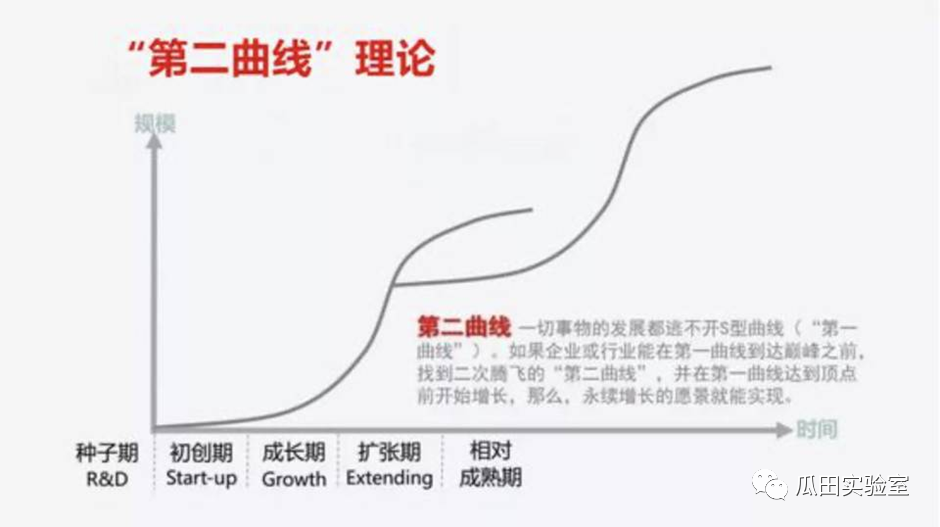
Back in February 2021, Gu Lu—the founder of BiHu, once the largest Chinese-language blockchain content platform—delivered an inspiring talk in the community titled “Searching for the Cryptocurrency Holy Grail: BiHu Founder Gu Lu Analyzes the Productivity Potential of Ethereum and Other Platforms.” In that context, the “Holy Grail” could be understood as a breakout project.
Gu Lu believed that after Ethereum switched to PoS consensus in 2022, it would deflate annually by about 0.15%, marking the beginning of Ethereum’s second growth curve. In reality, Ethereum's current annual deflation rate is approximately 0.43%. To date, EIP-1559 has burned 3,550,364 ETH, and bull markets will accelerate this deflation. Coupled with Ethereum serving as the foundational infrastructure for L2s, its prosperity is directly tied to the success of its layer-2 ecosystems. An accelerated upward trajectory for Ethereum appears imminent. Hold tight!
The "Holy Grail" of GameFi 1.0
Undoubtedly, two projects stood out:
Axie Infinity, with estimated total revenue exceeding $400 million and a peak circulating market cap of $10.4 billion;
STEPN, with estimated total revenue exceeding $200 million and a peak circulating market cap of $2.3 billion.
(Both figures exclude token sale proceeds.)
What About the "Holy Grail" of GameFi 2.0?
Referencing past performance, here's our estimate: Total revenue exceeding $300 million. With a longer lifecycle—say one year—excluding the first three months (low earnings) and the final three months (decline phase), daily revenue may range between $2 million and $10 million.
It’s August 2023, seemingly deep in a bear market, yet BTC has already rebounded from around $15,500 to roughly $30,000. Rumors suggest major global financial institutions are quietly positioning in Bitcoin, betting on one last violent bull market in crypto (a sentiment widely echoed during the last cycle). Thus, we estimate the next “Holy Grail” project in the GameFi sector could achieve a circulating market cap exceeding $15 billion.
GameFi Subcategories: Asset Composition
The ultimate goal of this article is to establish a method for identifying “Holy Grail” projects. Yet even in a bear market, new GameFi projects emerge endlessly, many low-quality. If you try to analyze each one individually, you’d need nitroglycerin tablets on standby.
We must build a methodology—a top-down filtering process—to narrow down categories before making precise evaluations. Let’s start with classification: There are numerous ways to categorize blockchain games; W Labs has detailed them in previous articles. Here, we classify GameFi based on asset structure into four types. Let’s examine which type holds the greatest potential to produce the next “Holy Grail”:
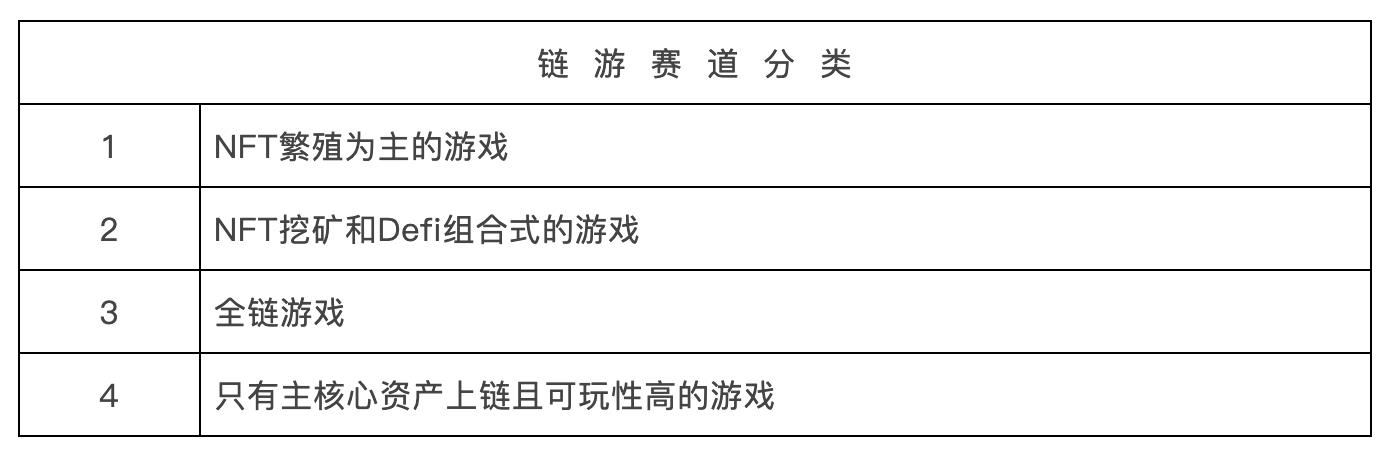 Games centered on NFT breeding: Axie Infinity, STEPN
These two projects pioneered the GameFi 1.0 era, achieving legendary status during the last bull run—Axie at the beginning, STEPN at the peak. Both await the next bull market to reclaim their “Holy Grail” glow, continuously iterating and improving:
-
Axie Infinity
Now available in select countries’ Apple and Google Play stores, helping attract more Web2 players.
Previously requiring purchase of three Axies to start, the game recently introduced a free-to-play mode. Players can complete daily and weekly tasks to collect materials and receive upgraded Axies, lowering entry barriers and allowing new users to enjoy the game faster.
-
STEPN
Has introduced the FSL ecosystem, launching DOOAR for cross-chain decentralized swaps and MOOAR, a multi-chain NFT marketplace and launchpad. Its studio is preparing to release a new game, Gashero, and has partnered with several other games.
STEPN is now listed on both Apple and Google Play stores, supporting credit card purchases for sneakers—also aimed at attracting more Web2 users.
These former “number ones” both originated from the breeding category, highlighting the appeal of breeding mechanics—and beneath that lies a clear Ponzi model characteristic. As Brother Gu said in W Labs’ earlier article “Why Are All WEB3 Projects Ponzi Models?”, Ponzi models aren’t inherently good or bad (fraud is the real issue); they tap directly into human greed and overconfidence.
To add further context, broad definitions of Ponzi models are common in real life: many internet companies grew through massive subsidies to attract users—an example of such models. Even the recent domestic fantasy blockbuster “Creation of the Gods I” employed a similar mechanism, culminating in the most stunning scene—“Grand Tutor returns with the Four Heavenly Kings”—building immense anticipation for the sequel and securing its box office foundation. That’s a refined and elegant Ponzi—a true “Ponzi Grand Tutor” level.
However, whether this category can shine again in the next cycle remains uncertain. Given crypto’s tendency to “chase novelty over legacy,” projects need fresh narratives, which presents a significant challenge.
Games combining NFT mining and DeFi: MBOX, Tiny World
During the GameFi 1.0 era, MBOX achieved great success, once dominating BSC as the flagship GameFi project, reaching a peak market cap of $1 billion. Following a similar path is Tiny World, with a comparable model and a peak market cap of around $150 million (excluding 50% token burn).
However, the DeFi component is only comprehensible to experienced Web3 users. Beginners often get discouraged, making it difficult to attract Web2 users in the short term.
You can’t win the world without winning the grassroots. Currently, this category shows even less potential to produce a “Holy Grail” than the first.
On-chain Games: Dark Forest, Loot
Fully on-chain games have recently gained popularity—games where rules, computation logic, and data storage are all executed on-chain. More broadly, these games operate permissionlessly on-chain with freely composable assets. This concept only started gaining attention early this year and saw widespread discussion on Twitter in June–July.
We’ve long argued that current fully on-chain games don’t quite qualify as traditional games—they’re more akin to a special form of DeFi, as their user base differs significantly from mainstream gamers. They primarily attract Web3 builders and believers. Nevertheless, they carry authentic crypto DNA and are promising contenders. For instance, Dark Forest was built solo in 2020 by Brian Gu while working at the Ethereum Foundation. During his research, he found zk-proofs interesting and decided to make a game—an experimental product was born. He applied zero-knowledge proofs to solve the fog-of-war problem in gaming. From that moment, on-chain games began resembling actual games.
We must continue supporting and encouraging such innovations—they represent the hope that Web3 might eventually surpass Web2 in certain domains. For example, applying zk-proofs to Web3 poker ensures transparent dealing mechanisms, unlike traditional online poker where players fear manipulation—as depicted in the movie “No More Bets,” where villains like Wang Chuanjun (“sleep on floor today, sleep with boss tomorrow”) can rig the system to deal any cards they want.
Fully on-chain games leverage blockchain’s unique features but face limitations today, especially in handling complex game logic and rules. As such, they remain in the phase of building infrastructure and exploration, offering subpar user experiences. A “Holy Grail” project in this category is unlikely to emerge in the near term.
Games with high playability and only core assets on-chain
The much-anticipated GameFi 2.0 era is predicated on the assumption of a future Web3 bull market. The prerequisite for the next bull cycle is a new catalyst within the Web3 space that brings in large numbers of new users and institutions. These newcomers need accessible applications to engage with—this category specifically targets that need:
-
Focus on playability—designed to excite new users;
-
Emphasize product experience—not demanding full on-chain deployment at this stage, only core assets need to be on-chain;
-
Prioritize community building—closing the gap between project and users, ideally making users feel like co-owners.
This category is, in our view, the most likely to produce the next “Holy Grail” during the upcoming bull market, and has therefore been W Labs’ primary research focus since last year. Key characteristics include:
-
Development teams largely come from successful Web2 game studios, bringing standards in playability, completeness, and visual quality. After all, Chinese mobile games have dominated for a decade, leaving behind rich experience and talent;
-
Playability clearly exceeds native Web3 games, and they understand mainstream user preferences (this is most important);
-
However, deeply ingrained Web2 mentalities mean weaker Web3 operational thinking;
So how do we pick the “Holy Grail” projects within this category? Playability is highly subjective—some prefer MOBA, others SLG; some love card games, others play mahjong daily. Therefore, we propose a standard: Any Web3 blockchain game that inherits the essence of a globally successful Web2 game—or is outright a clone—is inherently validated by mass user acceptance. We’ll analyze such projects to spot potential “Holy Grails.”
We selected three representative Web3 blockchain games from W Labs’ project database—Matr1x Fire, Seraph, and Oil War—for case analysis. They represent different genres, different Web2 counterparts, and varying development stages.
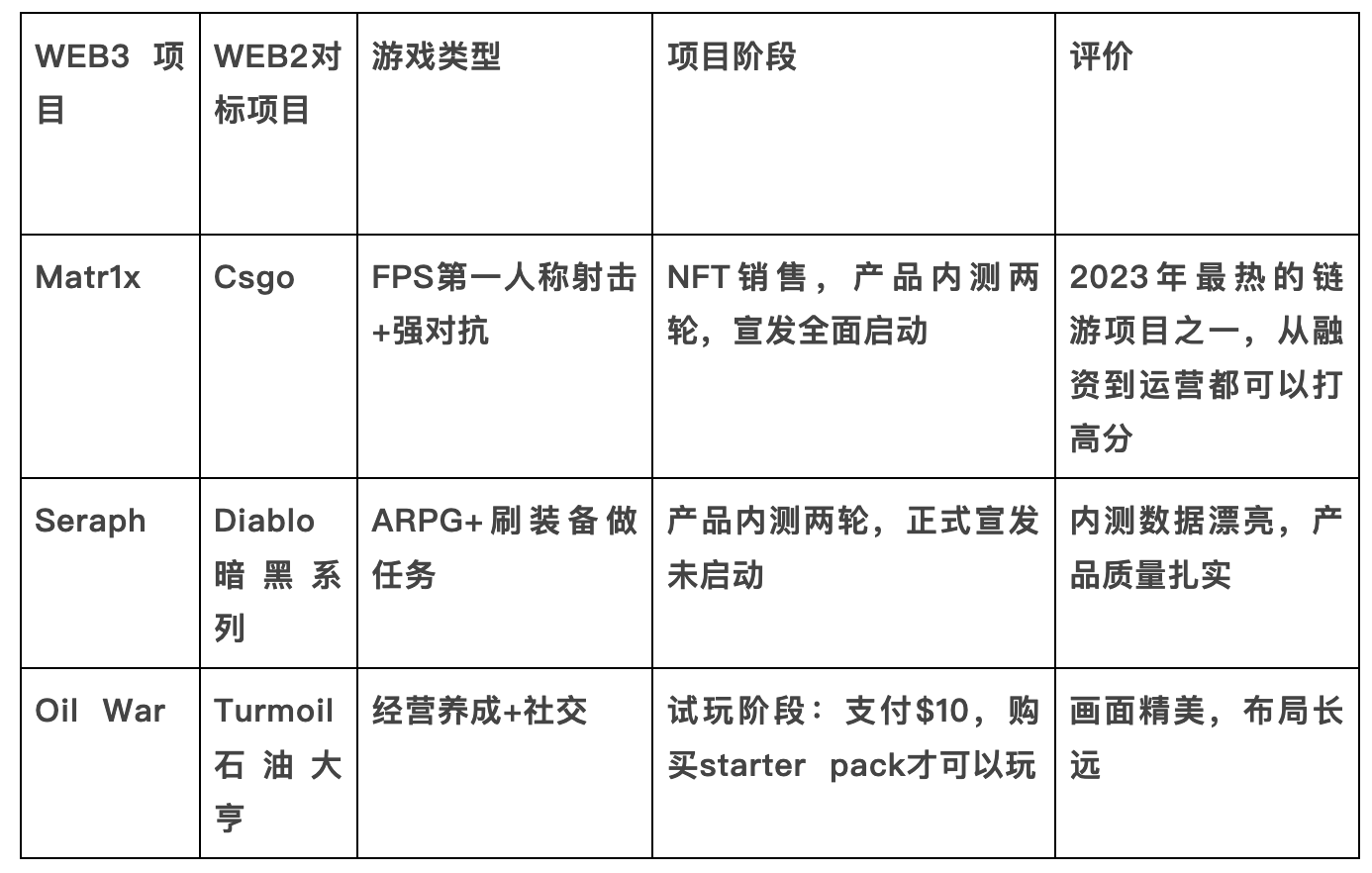
Case Studies: Rising Strong, Competing for the "Holy Grail"
Matr1x Fire: The Web3 CS:GO
Anyone who’s played Counter-Strike is getting older, having grown up immersed in shooter games. Similarly, thirty years from now, those who’ve survived battle royale games won’t be young either, having lived by “Winner Winner, Chicken Dinner” since childhood.
Matr1x Fire began gaining traction in Q3 2022. W Labs immediately conducted team background checks and sent personnel to test the game firsthand. Confirmed to be a team from Tencent, with years of FPS development and operations experience, plus solid funding—fundamentals look strong. Our philosophy: better to lose on investment than miss out; better cautious preparation than grand funeral.
After confirming ongoing viability, we opened a dedicated discussion channel in the Guatian community (WGGDAO) and encouraged members to follow Matr1x closely, actively organizing sign-ups for its first and second test phases. Currently, Matr1x stands as the most promising “Holy Grail” candidate of the first half of 2023—at least reflected in the price of its main NFT 2061, rising from a mint price of 0.1 ETH to 1.3 ETH, signaling strong user trust.
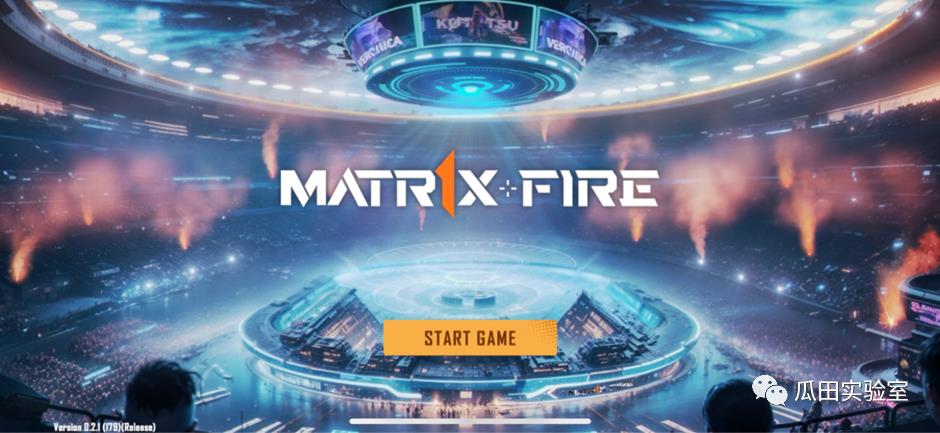
Matr1x Project Overview:
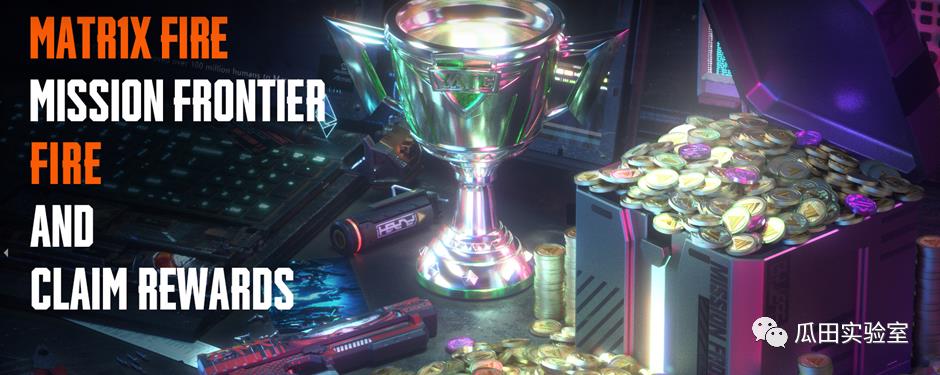
Matr1x Fire is a Web3 FPS shooter game, borrowing CS:GO’s mature business model while innovating with Web3 asset issuance and on-chain integration, combining NFT art, esports tournaments, and a novel-length storyline to build a Web3 brand.
Team members have over 8 years of game development and publishing experience. Founders hail from major game studios, involved in R&D and publishing of over 10 large-scale games, generating over $3 billion in total revenue with nearly 100 million active users. They also possess extensive global product distribution experience, with team members located in South Korea, Japan, the U.S., Singapore, and Hong Kong.
Matr1x successfully raised $10 million in Series A funding from Hanwha Financial Group (South Korea’s second-largest financial group), early Ethereum investor Hashkey Capital, Amber Group, and Seven X.
In Matr1x Fire, players enjoy traditional shooting gameplay—multiple modes, maps, small-scale PvP, team esports, and tournaments—while also receiving loot boxes through gameplay. By spending a fee to open them, players obtain weapon skins, all issued as NFTs tradable freely on-chain.
Looking at its Web2 counterpart CS:GO, concurrent players hit a new high of 1.5 million on March 25 this year. Box openings in March increased by 17 million compared to February, generating at least $100 million in revenue—proof the franchise remains strong.
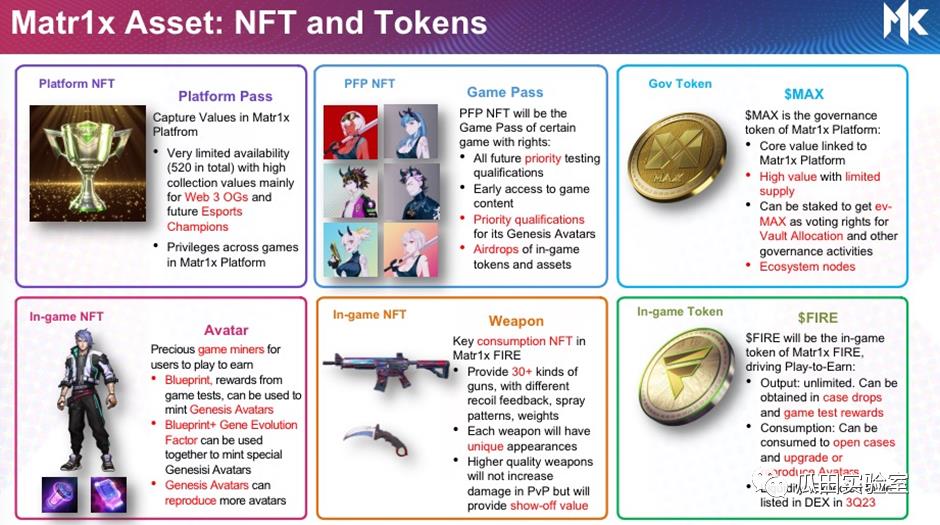
In fact, shooter game items like boxes, keys, skins, and tools naturally lend themselves to being independent NFTs—a perfect fit. Under the Web3 business model, the project can issue more NFTs to bootstrap early momentum and community consensus. This explains why every Matr1x asset launch succeeds:
-
YATC Trophy NFTs—highlighting champion value, helping establish attractive early tournaments;
-
MAX Token—representing overall ecosystem value, connecting resources and continuously attracting more;
-
2061 NFT—rewarding early supporters, reflecting player value, precisely targeting FPS enthusiasts;
-
Character NFTs—raising gold-farming entry barriers without conflicting with free users, effectively blocking bot accounts.
The team targets FPS fans, expands into new markets, and tirelessly communicates a shared vision—a Web3 version of competitive gaming—addressing long-standing Web3 issues: too few users, breaking the death spiral, and finding the first wave of seed users.
Matr1x Fire is on the path to the “Holy Grail.” Its August marketing moves show signs of breaking beyond the limited Web3 user base, overcoming the awkward trade-off between playability and economics. The “Win-to-Earn” model inherently extends the death spiral timeline. Their fundraising agility gives users confidence they’ll survive until the next bull market. Within W Labs, we often describe Matr1x as a “hexagonal warrior.”
I can almost hear new community members asking: “Matr1x is already a blue-chip GameFi project—what if I missed the start?” Don’t worry—that’s exactly why we’re analyzing three cases. Matr1x was earliest to rise. Now let’s examine the others to learn the analytical framework.
Seraph: Web3 Diablo
Seraph is another project that generated buzz during its closed beta earlier this year: It completed two test phases in April and July, respectively. According to project AMAs, 3,500 and 4,200 players participated (accounts, not addresses), with average session times of 4 hours and solid retention metrics.
The game is an ARPG focused on killing monsters and upgrading gear—making it increasingly grind-heavy. Still, this “grind-for-gear” gameplay maintains a loyal fanbase.
Seraph Overview:
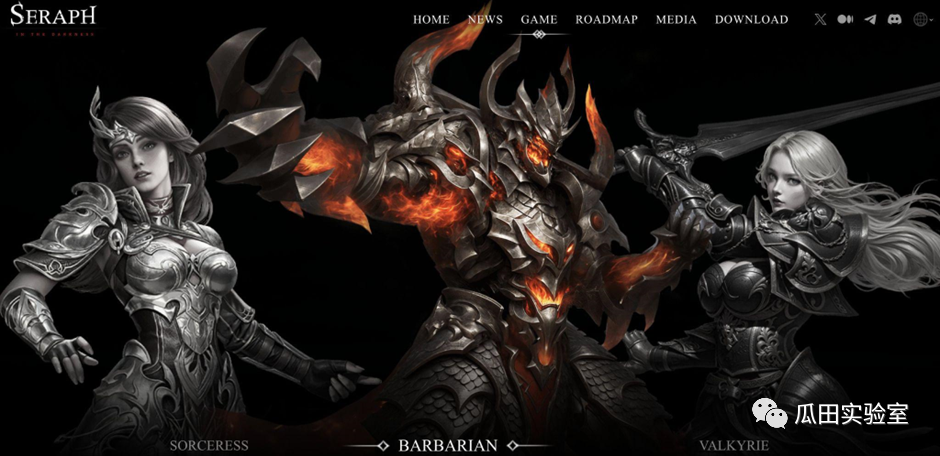
Seraph is a Web3 ARPG inspired by Diablo, developed by South Korean-listed game company Actoz Soft, known for hits like “Thousand Years,” “Legend,” and “A3.” The game follows classic dark fantasy aesthetics, set in a grim age calling for heroes. Five heroes are planned (currently only Barbarian, Mage, and Valkyrie available), embarking players on endless hack-and-slash adventures via mouse and keyboard.
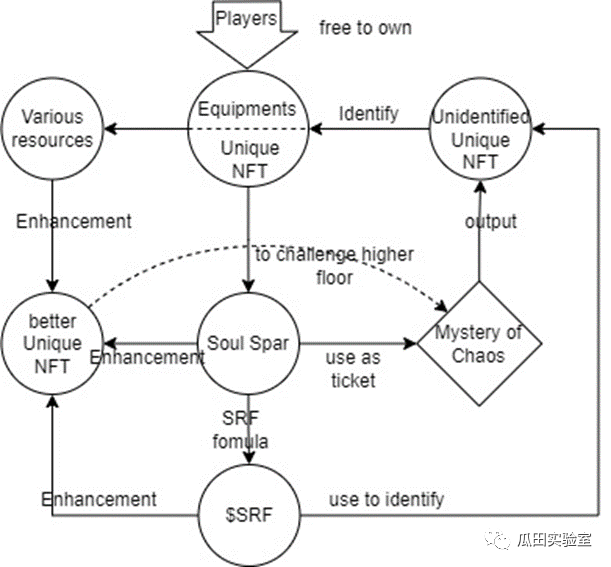
Core assets include equipment, gems, jewels, and runes for socketing. After leveling up, players allocate skill points to unlock abilities and spells. Completing basic quests unlocks advanced modes—Mystery of Chaos, Void Realm, and Mystery of Depth—each dropping unique gear. On the Web3 side, special NFTs (Unique NFTs) generate Soul Spar crystals used to upgrade NFTs and access Chaos Mode. The governance token $SRF is used for NFT appraisal, gear forging, and voting.
Seraph’s Web2 counterpart, Diablo IV, launched in June this year, selling nearly $700 million with 7.1 million characters created in its first season. Seems impressive? But players keep complaining—especially after pre-season patches dropped ratings to 2.6. Honestly, criticizing Blizzard has become a social ritual among its fans—haha.
Despite criticism, the underlying user base remains massive—confirmed by Seraph’s two successful betas. However, operationally, Seraph has been underwhelming—running quiet joint promotions, even announcing a $500k reward campaign on Twitter without significant traction across Web3 communities. Meanwhile, the “Seraph Priority Pass” NFT has seen only 31 ETH in total volume, and its utility remains unclear. We suspect the full operational plan hasn’t launched yet—the team seems to be laying groundwork. We hope they invest more in strategic rollout.
Overall, Seraph’s product quality is excellent. Leveraging nostalgia for Diablo provides a genuine gaming haven amid a dull bear market. The economic model focusing on “Equipment NFTs” is also promising. We’ll keep watching to see if Seraph can reach the “Holy Grail.”
Oil War: Web3 Oil Tycoon
I have a soft spot for simulation and management games. A few years ago, I enjoyed the Web2 game Turmoil (Oil Tycoon), playing it obsessively. Recently, while reviewing newly launched blockchain games, I stumbled upon “Oil War,” downloaded it immediately, and spent $10 trying it out.
For the current Web3 user base, hardcore gamers are still a minority. Most are casual players, making management/simulation games naturally more suitable for today’s GameFi landscape. Last bull market proved this with games like Farmers World and Sunflower Land—why fight daily? Just grow flowers, build houses, fish, steal veggies, earn dozens of dollars effortlessly. Low entry barriers and strong social elements define these games. Plus, their token flow suits Ponzi dynamics well.
Oil War Overview:
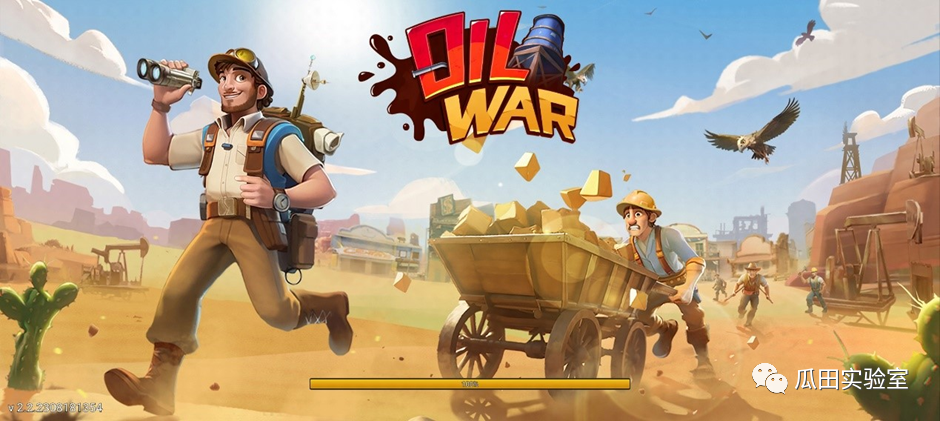
A Web3 simulation game mimicking the full oil production chain—from drilling to sales. Developed by MetaSensor, published by Surf Guild—a blockchain gaming studio with 8 years of traditional gaming experience. Raised $1 million in seed funding and partnered with notable names like Wemade, Blockchainspace, and Playmining.
Like Matr1x and Seraph, Oil War draws inspiration from the classic Web2 game Oil Tycoon. Traditional management games like QQ Farm or SimCity excel at user acquisition—something current blockchain games lack. Oil War aims to leverage this strength.
But unlike Oil Tycoon, Oil War adds original features: team tournaments, item systems, land management, and a consignment marketplace enabling free trading. Integrated with Web3, players can earn substantial crypto assets.
Players earn in-game tokens (Oil Coin) through daily tasks, merit rewards, team rankings, and land development. These convert to governance token OT at a fixed 1000:1 ratio, then into other on-chain assets for withdrawal. Currently, only PVE and tournament modes are live—we eagerly await higher-level gameplay, expecting a solid management title.
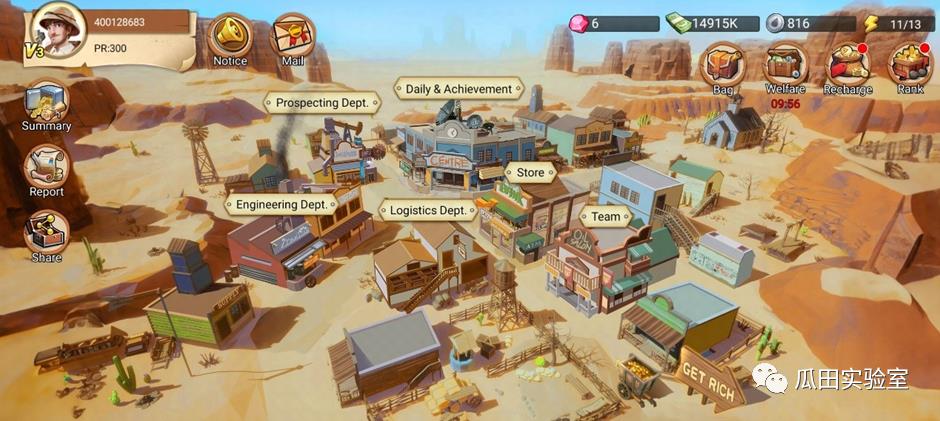
Oil War employs a typical Web2 + Web3 hybrid economic model. It will launch on Google Play and App Store with traditional in-app purchases, allowing fiat onboarding. Additionally, the team developed Compass—a dedicated Web3 gaming platform (similar to Wemade’s wemix, quite ambitious)—for trading virtual assets (NFTs, OT tokens), interoperable with mainstream games and Web3 assets, linking into the broader Web3 ecosystem.
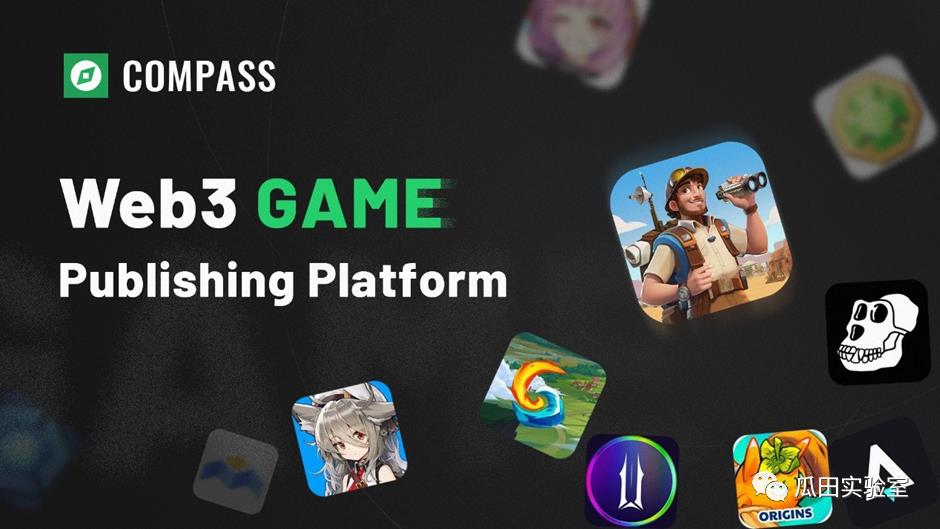
From the Compass platform and ecosystem design, the team’s Web3 vision appears pragmatic and long-term—using Compass as an entry point to leverage Web3 resources and capital, enriching it with strong game development skills, supported by DAO platforms like Surf Guild to integrate Web3 and community resources. This triple-layer strategy—development, trading, operations—forms a closed-loop ecosystem. If properly activated, it could generate powerful momentum for continuous expansion.
One crucial detail: upcoming version previews reveal SDK integration for ads. Did they secure advertisers? If so, that’s groundbreaking—we’ve long argued external revenue is one of the best ways to break the death spiral, avoiding mutual exploitation between project and players. Given the oil theme, did they get sponsorship from Middle Eastern royalty? Haha.
Compared to the red-hot Matr1x and the twice-tested Seraph, Oil War is at an earlier stage—potentially ideal for players seeking early “bottom-entry” opportunities in the “Holy Grail” hunt. Currently in early trial phase with a nascent community, interested players can try this visually polished game, soon to support more languages including Chinese.
Conclusion
We believe that amid the relentless progress of Web3 gaming, outstanding projects will continue to emerge—some lasting, others fleeting. The length of a game’s lifecycle depends not only on its economic model but more importantly on content quality and operational execution.
From a user’s perspective, how can we identify potential “Holy Grail” projects for the next bull market? This article outlines a strategy:
First, the next crypto bull market hinges on massive new user adoption;
Second, new users won’t jump straight into complex on-chain or DeFi games. They’ll favor products matching the playability and quality of familiar Web2 games. Thus, the most likely “Holy Grail” candidates lie in games with high playability and only core assets on-chain;
Third, identify Web3 games cloning proven Web2 hits, then analyze their potential to become the “Holy Grail.”
This article presented three cases. Currently, Matr1x launched earliest and performs strongest, with a team culture deeply rooted in player-first and community-centric values, relentlessly advocating for the game.
Seraph demonstrates strong product quality and solid beta data. We look forward to stronger operational and community efforts to harness accumulated momentum and truly take off.
Oil War is clearly in early stages, but from the team’s strategic layout—game development, Compass exchange, and Surf Guild community—we glimpse their bold Web3 ambitions. It promises to be a high-quality, player-centric Web3 gaming ecosystem.
Lastly, emphasize: “Holy Grail” projects are rare. The last bull market produced only two. Hitting one means 100x returns—so deep due diligence is essential. We’ve deeply analyzed the journeys of the previous two “Holy Grails”—both were rollercoasters that forged their founders into invincible warriors. As the saying goes: versatility never hurts, like possessing charm, strength, wisdom, money, and charisma. Even if you draw Xiao Longnü in a blind box, you can still mint Ma Furen (why did this random thought pop up? So weird).
Join TechFlow official community to stay tuned
Telegram:https://t.me/TechFlowDaily
X (Twitter):https://x.com/TechFlowPost
X (Twitter) EN:https://x.com/BlockFlow_News
 瓜田实验室W Labs